Hideo Kojima opposes AI art creation but sees promise in enemy AI and control systems


2 Sources
2 Sources
[1]
Kojima won't use AI to create art, thinks it could be useful for responsive enemy design
TL;DR: Hideo Kojima opposes using AI for visual art creation but supports its application in enhancing enemy responsiveness and gameplay depth. Amid industry financial pressures and AI debates, Kojima envisions AI-driven adaptive enemies that react to individual player behavior, aiming to innovate interactive gaming experiences. Legendary creative Hideo Kojima has an unsurprising take on AI: The dev doesn't want to use it to create any kind of visual art, and thinks the technology could be used for things like enemy responsivity in games. Following record spending highs during COVID-19, the games industry has now simultaneously contracted while raising prices. Every publisher and developer is feeling the financial pressures, with many shedding workers en masse in an effort to improve margins and assuage shareholder fears. Everyone is looking for ways to save money and reduce labor costs; enter generative AI, new tech that could potentially even replace game developers. AI has proven to be significantly controversial, and rightly so, because video games are a full conjunction of all creative arts--static art, animation & motion capture, audio. The industry's workforce is one of creativity and developers are pushing back against AI, however teams have embraced the tech in a bid not to be left behind. This kind of motivation seems to be the main driver of AI's global adoption; no one wants to miss out on the Next Big Thing. Some, like Hideo Kojima, have no interest in using AI to generate art or help with creation. Kojima has been seen as a champion of the arts for his innovative melding of the gaming medium with film, with his games often redefining what kinds of cinematic experiences that video games can deliver. So it's no surprise then when Kojima speaks out against the use of AI for art creation--at least at his studio, Kojima Productions. The Metal Gear Solid and Death Stranding creator would much rather use AI to create more interesting and reactive enemies for his games, maybe even the upcoming spy thriller PHYSINT that's in production with Sony Interactive Entertainment. In a recent interview with CNN, Kojima expressed how he'd best like to use AI: "Rather than having AI create visuals or anything like that, I'm more interested in using AI in the control systems. "For example, if you have 100 players, each of them will have their own habits and tendencies, their sense of control, how they move - all of that differs from person to person. "By having AI compensate for those differences, the gameplay can gain more depth. And in most games, the enemies don't behave very much like real humans. "But by using AI, enemy behavior could change based on the player's experience, actions and patterns. That kind of dynamic response would make much deeper gameplay possible."
[2]
Hideo Kojima Speaks on GenAI, Says He Is "More Interested in Using AI In the Control Systems," Than Using it to Create Visuals
Ever since Larian Studios' chief executive officer, Swen Vincke, admitted that the studio is using GenAI technology in its development pipeline for Divinity, the use of GenAI tech in video game development has roared back to the front of the line in the industry's discourse rolodex. Amidst the GenAI conversation Larian started, it appears that renowned creator Hideo Kojima also offered his perspective on GenAI in a recent interview. In an interview with CNN spotted by TweakTown (that actually went live a few days before Bloomberg's interview with Vincke), Kojima, perhaps unsurprisingly, said that he's not exactly interested in using GenAI technology to create anything visual. He doesn't dismiss it entirely, though, as he says he's more interested in how it could be used within the "control systems" of a game than anything else. "Rather than having AI create visuals or anything like that, I'm more interested in using AI in the control systems," Kojima began. "For example, if you have 100 players, each of them will have their own habits and tendencies, their sense of control, how they move - all of that differs from person to person." "By having AI compensate for those differences, the gameplay can gain more depth. And in most games, the enemies don't behave very much like real humans. But by using AI, enemy behavior could change based on the player's experience, actions, and patterns. That kind of dynamic response would make much deeper gameplay possible." The kind of AI Hideo Kojima is discussing here, particularly with enemy behaviors, is the kind that we are more than used to seeing in video games. Alien: Isolation famously has an incredibly sophisticated enemy AI system built for the Xenomorph, which was a key element of its gameplay that elevates it to being a truly terrifying horror game. His statement to CNN is also in line with the last time he was asked about GenAI, where he said he'd use it for "the tedious tasks" while he handled all the actual art. While some studios, Larian included, are comfortable using GenAI for art and visuals as part of the process, it seems clear that Kojima would much rather have it make the systems and the nitty-gritty elements of development run smoother, so he could focus on what he loves to do, and the thing that actually makes his games iconic.
Share
Share
Copy Link
Hideo Kojima draws a clear line on AI use in game development. The legendary creator rejects generative AI for visual art but embraces its potential for responsive enemy design and control systems. As the gaming industry debates AI adoption amid financial pressures, Kojima envisions adaptive enemies that react to individual player behavior, aiming to deepen interactive gaming experiences.
Hideo Kojima Takes Stance Against AI for Creating Visual Art
Hideo Kojima has made his position clear on the growing debate surrounding generative AI in video games. In a recent interview with CNN
1
, the Metal Gear Solid and Death Stranding creator stated he has no interest in using AI for creating visual art at Kojima Productions. This stance comes as the gaming industry faces mounting financial pressures following record spending highs during COVID-19, with publishers and developers shedding workers to reduce labor costs1
. Many studios are turning to GenAI technology as a potential solution, though this has proven significantly controversial among creative professionals who view it as a threat to their craft.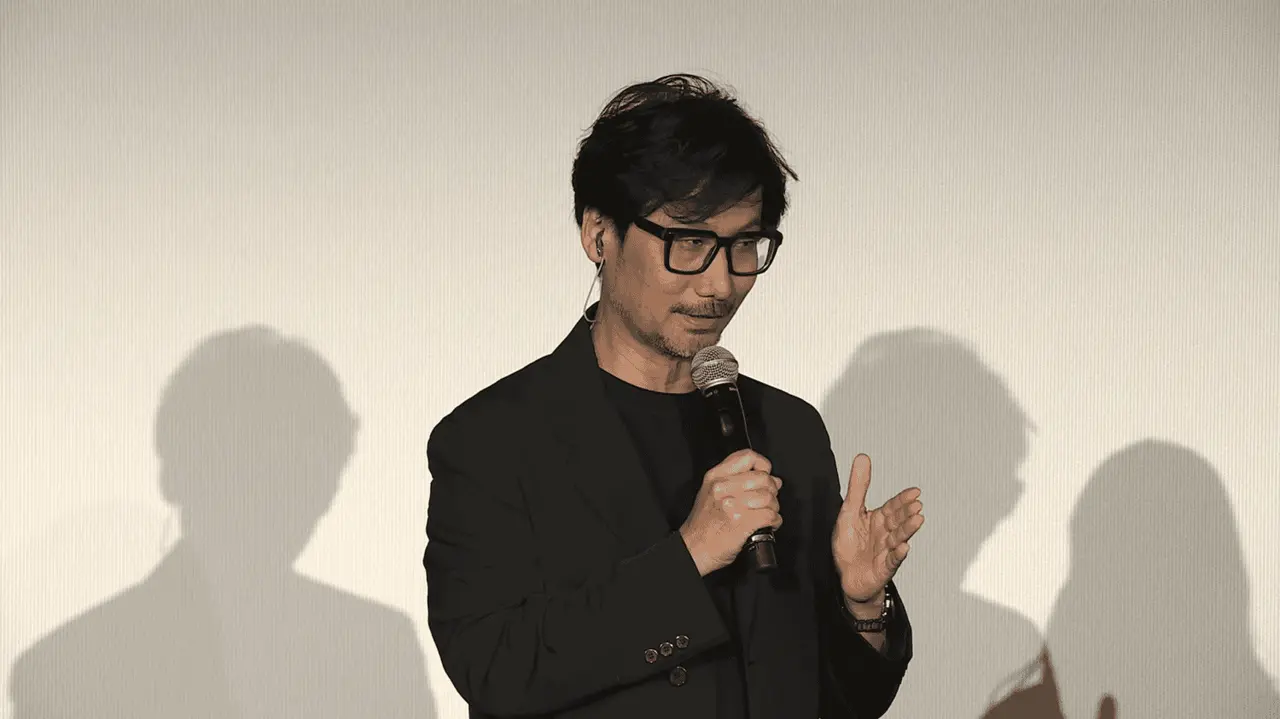
Source: TweakTown
AI in Gaming Through Control Systems and Responsive Enemy Design
While Kojima rejects AI for art creation, he sees compelling applications for AI for game control systems. "Rather than having AI create visuals or anything like that, I'm more interested in using AI in the control systems," Kojima explained
1
. His vision focuses on how AI can adapt to player behavior, with each of 100 players having their own habits and tendencies in how they control and move through games. By having AI compensate for these differences, gameplay depth can increase substantially. This approach to dynamic enemy AI represents a stark contrast to how Larian Studios recently disclosed using GenAI technology in its development pipeline2
, reigniting industry discourse on the technology's role.Adapting Enemy Behavior to Enhance Gameplay Depth
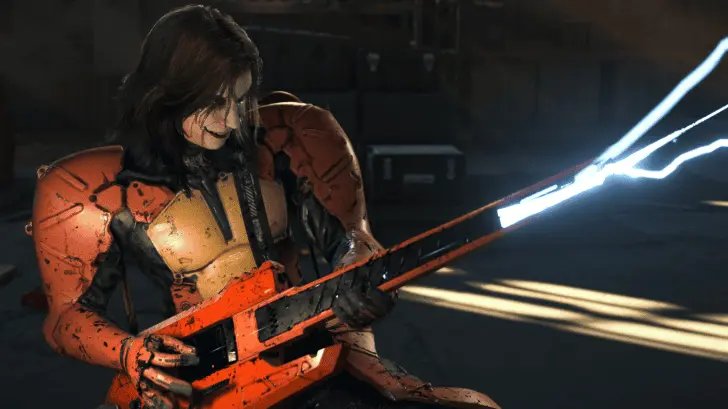
Kojima's most compelling vision for enemy AI centers on creating opponents that behave more like real humans. "In most games, the enemies don't behave very much like real humans. But by using AI, enemy behavior could change based on the player's experience, actions and patterns," he told CNN
1
. This kind of dynamic response would make much deeper gameplay possible, potentially transforming interactive gaming experiences. The concept isn't entirely new—games like Alien: Isolation have demonstrated sophisticated enemy AI systems that elevate gameplay through unpredictable, intelligent adversaries2
. Kojima's approach could influence his upcoming spy thriller PHYSINT, currently in production with Sony Interactive Entertainment1
.
Source: Wccftech
Related Stories



Industry Implications and Future Direction
Kojima's perspective aligns with his previous statements about using AI for "the tedious tasks" while handling actual art himself
2
. This positions him as a champion of preserving human creativity in game development while pragmatically embracing AI where it can improve technical systems. As the industry grapples with whether to adopt generative AI in video games—driven partly by fear of missing out on the Next Big Thing1
—Kojima's measured approach offers a middle path. His focus on using AI to make systems run smoother allows developers to concentrate on what makes games iconic2
, potentially setting a template for how studios can integrate AI without compromising artistic integrity.References
Summarized by

Navi
[1]
Related Stories
Recent Highlights
1
Google Maps unveils Ask Maps with Gemini AI and 3D Immersive Navigation in biggest update
Technology

2
Three Tennessee teens sue xAI over Grok AI creating child sexual abuse material from real photos
Policy and Regulation

3
Meta plans to cut 20% of workforce as AI spending reaches $600 billion, mirroring broader tech trend
Business and Economy

Recent Highlights
Today's Top Stories




Your Daily Dose of Curated AI News
Don’t drown in AI news. We cut through the noise - filtering, ranking and summarizing the most important AI news, breakthroughs and research daily. Spend less time searching for the latest in AI and get straight to action.

