India bets on tax breaks and data centers to attract AI investment, but funding cuts raise concerns


9 Sources
9 Sources
[1]
India offers zero taxes through 2047 to lure global AI workloads | TechCrunch
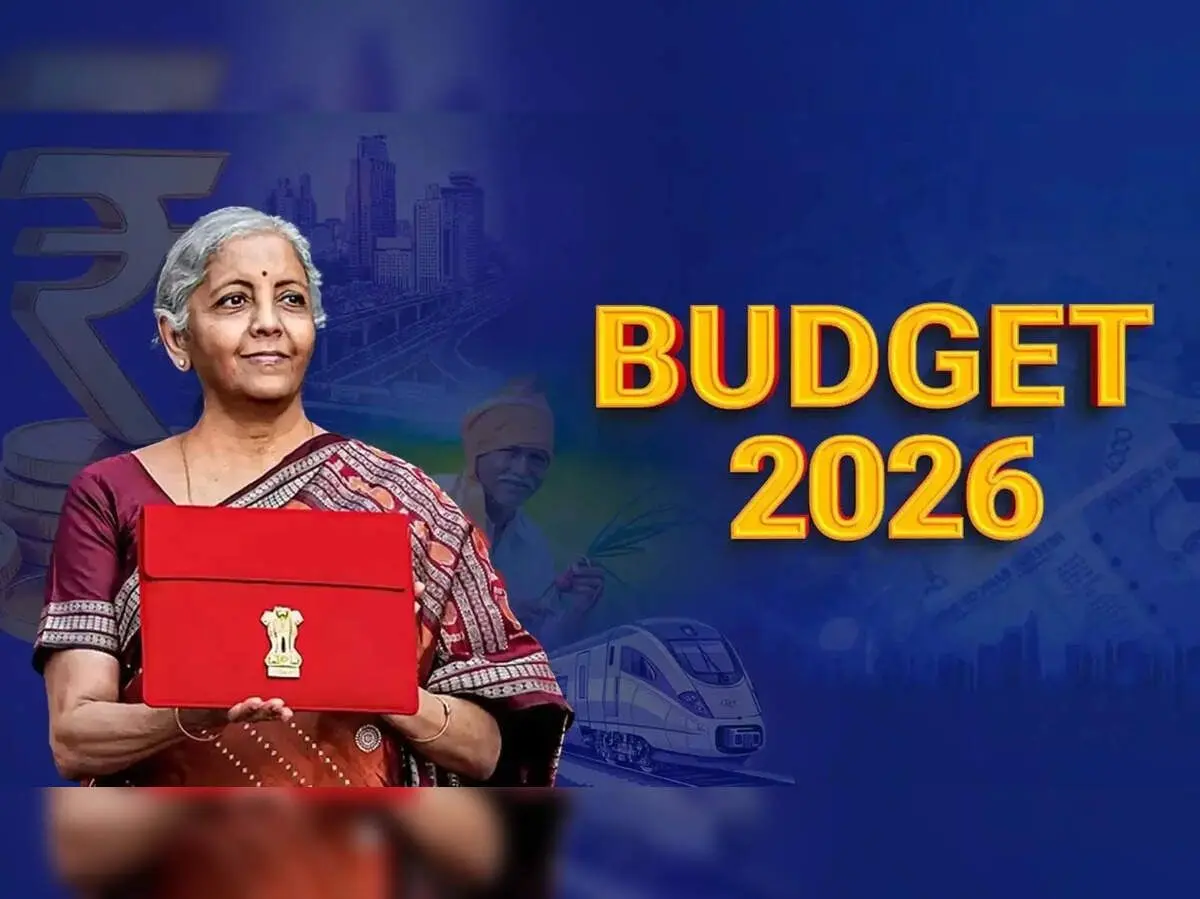
As the global race to build AI infrastructure accelerates, India has offered foreign cloud providers zero taxes through 2047 on services sold outside the country if they run those workloads from Indian data centers -- a bid to attract the next wave of AI computing investment, even as power shortages and water stress threaten expansion in the South Asian nation. On Sunday, India's finance minister Nirmala Sitharaman announced (PDF) the proposal in the country's annual budget, offering a tax holiday -- effectively zero taxes -- on revenues from cloud services sold outside India if those services are run from data centers in the country. Sales to Indian customers would have to be routed through locally incorporated resellers and taxed domestically, she told parliament. The budget also proposes a 15% cost-plus safe harbour for Indian data-center operators providing services to related foreign entities. The announcement comes as U.S. cloud giants including Amazon, Google, and Microsoft race to add data-center capacity worldwide to support the surge in artificial-intelligence workloads, with India emerging as an increasingly attractive location for new investment. The country offers a large pool of engineering talent and growing demand for cloud services, and has positioned itself as a key alternative to the U.S., Europe, and parts of Asia for expanding compute infrastructure. In October, Google said it would invest $15 billion to build an AI hub and expand data-center infrastructure in India, its largest commitment in the country to date, following a $10 billion commitment in 2020. Microsoft followed in December with plans to invest $17.5 billion by 2029 to expand its AI and cloud footprint, funding new data centers, infrastructure, and training programs. Amazon has also stepped up its spending in December, saying it would invest an additional $35 billion in India by 2030, taking its total planned commitment to about $75 billion as it expands its retail and cloud operations. India's domestic data-center sector is also ramping up to meet global demand. In November, Digital Connexion, a joint venture backed by Reliance Industries, Brookfield Asset Management, and Digital Realty Trust, said it would invest $11 billion by 2030 to develop a 1-gigawatt, AI-focused data center campus in the southern state of Andhra Pradesh. The project, spanning about 400 acres in Visakhapatnam, is among the largest announced in India and underscores growing interest from both domestic and global investors in building AI-ready infrastructure in the country. Separately, Adani Group said in December it plans to invest up to $5 billion alongside Google in its AI data center project in the country. However, scaling up data center capacity in India may prove difficult, as patchy power availability, high electricity costs, and water scarcity pose key constraints for energy-intensive AI workloads. Those challenges could slow construction and raise operating costs for cloud providers. "The announcements on data centers signal that they are being treated as a strategic business sector rather than just back-end infrastructure," said Rohit Kumar, founding partner of New Delhi-based The Quantum Hub, a public policy and tech consulting firm. The push is likely to attract more private investment and strengthen India's position as a regional data and compute hub, though execution challenges around power availability, land access, and state-level clearances remain, he added. Sagar Vishnoi, co-founder and director of Noida-based think tank Future Shift Labs, said India's data-center power capacity is projected to surpass 2 gigawatts by 2026, up from just over 1 gigawatt currently, and could expand more than fivefold to exceed 8 gigawatts by 2030, driven by capital investments of more than $30 billion. While the budget signals clear intent to accelerate digital infrastructure and cloud computing, Vishnoi said allowing foreign cloud firms to earn profits tax-free until 2047 reflects a "strategic bet on global Big Tech," even as India could produce its own technology champions over the next two decades. He added that routing services to Indian users through reseller entities could leave smaller domestic players competing for thin margins, rather than receiving comparable upstream incentives. The federal budget also stepped up incentives to deepen India's role in electronics and semiconductor manufacturing, as the country seeks to move beyond assembly and capture more value in global supply chains. The federal government would launch a second phase of the India Semiconductor Mission, the finance minister said, focused on producing equipment and materials, developing full-stack domestic chip intellectual property, and strengthening supply chains, while backing industry-led research and training centers to build a skilled workforce. Additionally, the Indian government has raised the outlay for the Electronics Components Manufacturing Scheme to ₹400 billion (around $4.36 billion), from ₹229.19 billion (about $2.50 billion), after the program -- launched in April 2025 -- attracted investment commitments at more than double its original target, Sitharaman said. This scheme offers incentives tied to incremental production and investment, reimbursing a portion of costs for companies that manufacture key components such as printed circuit boards, camera modules, connectors, and other parts used in smartphones, servers, and data-center hardware. By linking payouts to actual output rather than upfront subsidies, the program is designed to draw global suppliers deeper into India's electronics supply chain and reduce reliance on imported components -- a long-standing criticism of the country's manufacturing push. Alongside increasing the spending allocation for the electronics components scheme, the federal budget also proposed a five-year tax exemption starting in April for foreign companies supplying equipment and tooling to electronics toll manufacturers operating in bonded zones. The change is likely to benefit companies including Apple, which relies heavily on contract manufacturing in India and has previously been reported to have sought clarity from New Delhi on the tax treatment of high-end iPhone production equipment supplied to its partners. The budget also sought to address vulnerabilities in critical minerals, as India grapples with tightening global supplies of rare earth materials used in electric vehicles, electronics devices, and defense systems. The finance minister said the federal government would support mineral-rich states including Odisha, Kerala, Andhra Pradesh, and Tamil Nadu in establishing dedicated rare-earth corridors to promote mining, processing, research, and manufacturing. The move builds on a seven-year incentive program approved in late 2025 to boost domestic production of rare-earth magnets, as access to supplies from China -- which dominates global output -- has become more constrained. Beyond AI infrastructure and electronics manufacturing, the Indian government also moved to boost cross-border e-commerce, aiming to help smaller businesses tap global demand. The finance minister said the existing ₹1 million (around $11,000) value cap per consignment on courier exports would be removed, a move expected to benefit small manufacturers, artisans, and startups selling overseas through online platforms. The federal government would streamline the handling of rejected and returned shipments using technology, addressing a long-standing bottleneck for exporters, Sitharaman said. Overall, the latest measures emphasize India's ambition to position itself as a long-term hub for global technology infrastructure, spanning cloud computing, electronics manufacturing, and critical minerals. The strategy aims to capitalize on surging AI demand and shifting supply chains. Nonetheless, its success will hinge on execution -- from reliable power and water for data centers to sustained support for domestic innovation -- as global companies and investors weigh whether India can translate policy incentives into durable leadership in the AI era.
[2]
India eyes common standards for AI deployment at Summit
This will play out through India's efforts to create multilateral consensus on deploying a set of open-access AI resources that lead to responsible and ethical deployment across the world, he said. "The first is an open source repository of AI solutions for key sectors such as agriculture, healthcare and education that can be used by all countries, especially keeping in mind nations in the global south," Abhishek Singh said. India is trying to bring countries together at the upcoming India AI Impact Summit to establish common minimum standards for artificial intelligence (AI) which can be deployed globally, India AI Mission CEO Abhishek Singh told ET. This will play out through India's efforts to create multilateral consensus on deploying a set of open-access AI resources that lead to responsible and ethical deployment across the world, he said. "The first is an open source repository of AI solutions for key sectors such as agriculture, healthcare and education that can be used by all countries, especially keeping in mind nations in the global south," he said. "This is needed for AI diffusion. The second one - trust commons - will focus on deploying safe and ethical AI, ensuring bias mitigation, regulation of deepfakes and watermarking of AI content." A common funding facility to roll out these measures are also part of the proposals that will be presented to leaders during the five-day summit beginning February 16. Singh, who also serves as the additional secretary in the ministry of electronics and information technology (MeitY), said India will join the US-led global Pax Silica partnership on initiative for securing supply chains of semiconductors, AI infrastructure, critical minerals and advanced manufacturing. "India is aligned with major players on ways to address shortages, make value chains self-sufficient, and promote research, he said. "We will work with global companies to come out with new materials. I'm sure within 3-5 years, research will give us more materials." Small versus large Clarifying that India is not chasing trillion parameter AI models or artificial general intelligence, he said India's requirements can be met with small language models (SLMs), going down to even just 14 billion parameters. A parameter is a variable that AI models learn during training, which gets adjusted as the AI learns from data, and ultimately determines how the input data is transformed into output. "Our objective is to solve for India, to design the system in a way that it helps in solving our problems by leveraging Indian datasets that are domain specific. SLMs and smaller models are perfectly okay," he said. The Economic Survey 2025-26 has warned against India's pursuit of costly frontier LLMs, given the challenges of capacity, energy and infrastructure.
[3]
Avoid costly, large LLM buildouts; focus on smaller models: Sridhar Vembu on India AI strategy - The Economic Times
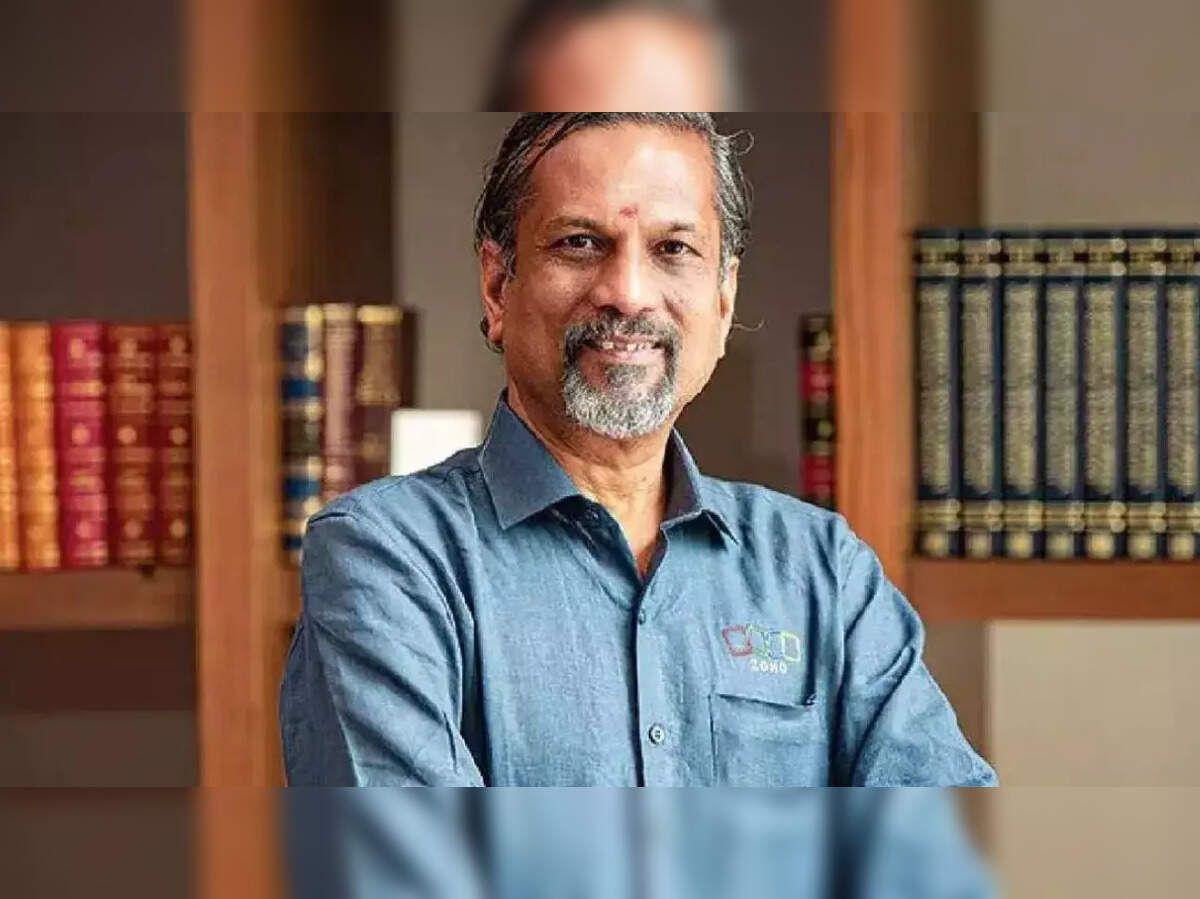
The remarks come at a time when interest in artificial intelligence (AI) has peaked in India, with the country soon to host the India AI Impact Summit - the largest of the four major global AI congregations so far.India should not emulate or compete head-on with the massive Large Language Models (LLMs) currently dominating the AI landscape, Zoho founder and Chief Scientist Sridhar Vembu has said, advocating that the country should focus on smaller models or other approaches that are less-energy, less capital intensive. The remarks come at a time when interest in artificial intelligence (AI) has peaked in India, with the country soon to host the India AI Impact Summit - the largest of the four major global AI congregations so far. Vembu's view also aligns with the recent Economic Survey, which noted that India's limited access to cutting-edge compute infrastructure and capital makes pursuit of foundational models as the centrepiece of an AI strategy rather "challenging". The Survey favoured a bottom-up approach to AI development saying it aligns more closely with realities. In an interview with PTI, Vembu cited the USD 50-100 billion costs and high-energy demands of large models built by the 'Big Tech' - a term used for the world's largest and most influential technology companies that dominate digital platforms, data, and innovation. Vembu noted that in this context, "Sometimes, staying a little bit behind is a good idea." Rather than emulating energy-hungry global models, he argued that India should leverage its "brain power" to invest in research and development around smaller, more efficient AI approaches. "If you look at AI today, the big tech...the big LLMs dominate. That is three or four well-known names... the Chinese are in the game from an open source model perspective...But if you look at the domination, it is from the big LLMs," he elaborated. He believes India should avoid entering the capital-intensive LLM race and instead pivot to smaller, distinct approaches. "I don't think we should take that (large LLM model) head-on right now, because this is a USD 50 billion, 100 billion game...the GPUs are in short supply, and are expensive. And the energy intensity of this, the electricity prices are going up rapidly in the US. So I don't believe we should simply emulate that right now. Sometimes, staying a little bit behind is a good idea," he pointed out. Vembu said there is significant scope for research and development in AI, and added that Zoho is actively pursuing more energy-efficient routes, including smaller models or other approaches. "There are other approaches to AI that don't involve this type of large language model approach. Those all are promising, and we are pursuing some other directions. We have to invest in that, we have to apply our brain power, rather than energy which is scarce," said Vembu, a prominent voice on technology, innovation and the societal implications of artificial intelligence. The debate comes as India gears up to host the India AI Impact Summit later this month. Billed as the largest of the four global AI summits hosted so far - following the AI Safety Summit hosted by the UK, the AI Seoul Summit, and the AI Action Summit hosted by France, the event reflects growing international focus on responsible, inclusive and impact-driven AI, as well as India's expanding role in shaping the global AI narrative. According to an official release earlier last week, the Summit has garnered strong interest from the global community with over 35,000 registrations received ahead of the event, at the last count. Governments, industry leaders, researchers, civil society organisations and international institutions are set to actively participate in shaping the Summit's agenda. It is expected to see participation from over 100 countries, including 15 to 20 Heads of Government, 50 plus Ministers from various countries, and 40 plus prominent global and Indian companies. Around 500 leading names from the global AI ecosystem, including innovators, researchers and Chief Technology Officers, are expected to attend the mega event which will feature a showcase of over 500 AI startups and host around 500 sessions alongside the main programme. The event will be closely watched globally, with several influential figures shaping the global tech discourse slated to participate. That list includes Jensen Huang, Founder and CEO, NVIDIA; Dario Amodei, Chief Executive Officer (CEO), Anthropic; Brad Smith, President and Vice Chair, Microsoft; Demis Hassabis Co-founder and Chief Executive Officer (CEO), Google DeepMind; and Julie Sweet Chair & CEO, Accenture among others.
[4]
AI and Budget 2026: A Focus on AI Infrastructure and IT Services Growth
Right through Finance Minister Nirmala Sitharaman's budget speech lasting about an hour and 25 minutes, she mentioned AI eleven times. There were references ranging from new policies and tax breaks for data centres to a committee for studying the impact of such new technologies. However, there was hardly any direct follow-up on the Economic Survey's hard views on "passive consumption" of foreign AI platforms. Having said so, the Finance Minister presented enough indications of things to come during her speech that was nowhere near her record-breaking two hours and 39 minutes discourse in 2020 and the slightly shorter two hours and eight minutes speech of 2019, her maiden budget speech. In her budget speech, Ms Sitharaman's shifted focus to the need for data capital in the form of hyperscale data centres, AI compute clusters and cloud platforms. The government's aim, as evidenced by the budget proclamations is to achieve this via long horizon incentives and a push towards a broader digital economy - sounds just about right, doesn't it? This ties in with what the Economic Survey said about the need for India building AI solutions ground-up and anchored in India's digital public infrastructure "Recognising the need to enable critical infrastructure and boost investment in data centres, I propose to provide tax holiday till 2047 to any foreign company that provides cloud services to customers globally by using data centre services from India. It will, however, need to provide services to Indian customers through an Indian reseller entity," she said. IT Minister Ashwini Vaishnaw, who held a media briefing yesterday after the budget, highlighted the point by noting that AI data centres was a major priority for the government's infrastructure plans for the country. While $70 billion worth of funds were already underway, the latest budget speech promised a further outlay of $80 billion for this purpose. In fact, the Budget even proposed a tax holiday till 2047 for foreign companies providing cloud services to customers to global consumers using datacentre services from India. This also included a caveat that such entities would use an Indian reseller to provide the same services to Indian consumers. All these initiatives are part of India's long-term police framework for datacentre infrastructure that aims to make India a global destination for AI and cloud infrastructure, the minister Vaishnaw noted. The 30-year tax holiday combined with the safe-harbour overhaul whereby the budget proposed a 15% safe harbour on costs for related-party data centre transactions, should be seen as long-term initiatives towards achieving this goal. The Survey also referred to the country's strengths lie in application-led innovation, the productive use of domestic data, human capital depth, and the ability of public institutions to coordinate distributed efforts. In a further effort to support global capability centres (GCCs), the budget also sought to de-risk their expansion and benefit IT exports by allowing them to shift mission-critical AI and R&D workloads to India. The safe harbour ceilings for IT and GCC operators were enhanced from Rs.300 crore to Rs.2000 crore with a 15.5% margins to ensure predictable, disruption-free compliance for the broader services ecosystem. In her speech, Ms. Sitharaman also took time to highlight the impact of the envisaged growth in digital public infrastructure through sector-specific data platforms as well as advanced skilling to enable wider AI adoption. The focus on better quality of datasets, deeper compute access and specialised training, she said, would expand AI use cases across healthcare, manufacturing, financial services, and public administration. All of the above points to India's efforts to create its own foundational AI model through a combination of expanding compute capacity and better skilling. Maybe, the minister did not spell it out in her speech because of the highly specialised nature of the topic - one that may get crowded out by day-to-day matters such as tax cuts or everyday usage items getting costlier or cheaper as the case may be. Ms Sitharaman announced some specific proposals to make industrial real estate and power generation more effective and efficient. Besides reviving 200 industrial clusters alongside expanding chemical parks and container units, Ms. Sitharaman also announced the creation of City Economic Regions in Tier-2 and Tier-3 cities - all of which portends to future growth prospects of smaller and indigenous datacentres. The impact of AI in jobs and the need to re-skill and up-skill One aspect that probably did not catch too much attention from the speech was Ms. Sitharaman's announcement of a high-powered "Education to Employment and Enterprises" Standing Committee of Parliament. It's task is to study the impact of emerging technologies including AI, on the services sector, jobs, and skill requirements. The committee would recommend means to strengthen the services sector that includes IT, healthcare, and tourism besides aligning the academic curricula with the needs of a new AI-driven economy. Once again, the minister did not spell it out, but we can infer that the report would highlight steps needed to reskill and upskill workers, with a focus on Tier-2 and Tier-3 cities. Given that various industry bodies and even government agencies have sought to highlight a perceptible slowdown in campus hiring due to the skill-gaps, the move, when it sees the light of the day, could really give a fillip to the long-standing demand for change in the education system. An official statement notes that the recommendations would include measures that focus on the services sector as a core driver of Viksit Bharat. This will make India a global leader in services, with a 10% global share by 2047. In conclusion, we can safely say that budget the proposals are by and large targeted towards India's target of becoming the global back office with some hardware support thrown in. However, Ms. Sitharaman again left out one crucial point that the Economic Survey highlighted - increasing digital addiction being a "rising challenge" for the youth who are spending more and more time online.
[5]
AI plan collides with funding reality as budget halves outlay
The budget decision to halve allocation for the IndiaAI Mission to Rs 1,000 crore in 2026-27 from Rs 2,000 crore this fiscal year has raised concerns over the country's AI push, even as officials said it's part of a deliberate strategy. Experts said building meaningful artificial intelligence capacity will require significantly higher and more sustained public investment, and warned that India risks falling behind in the global AI race if government funding does not scale up. The budget decision to halve allocation for the IndiaAI Mission to Rs 1,000 crore in 2026-27 from Rs 2,000 crore this fiscal year has raised concerns over the country's AI push, even as officials said it's part of a deliberate strategy. Budget 2026 Critics' choice rather than crowd-pleaser, Aiyar saysSitharaman's Paisa Vasool Budget banks on what money can do for you bestBudget's clear signal to global investors: India means business Experts said building meaningful artificial intelligence capacity will require significantly higher and more sustained public investment, and warned that India risks falling behind in the global AI race if government funding does not scale up. Building large-scale compute infrastructure, high-quality datasets and AI-driven applications across sectors is capital-intensive, they noted. Officials, however, said the allocation is lower because the mission subsidises end-users' access to graphics processing units (GPUs) instead of buying GPUs outright. The hardware are procured by empanelled cloud service providers (CSPs), while "the actual expenditure happens once these GPUs are utilised by end users," according to Abhishek Singh, chief executive of IndiaAI Mission. Revised estimates for FY26 show that actual expenditure under the mission stood at about Rs 800 crore against allocation of Rs 2,000 crore. CSPs are required to procure GPUs within six months of receiving a letter of intent from the mission. Currently, they are in the process of setting up GPUs, Singh said. "The present allocation is based on actual expenditure of FY25," he told ET. "Once we show increased expenditure after the bills start coming in from CSPs, we will get more allocation." Bills for usage in the last quarter of FY26 will be raised in the first quarter of FY27, when the corresponding expenditure will be booked. Singh said the cut in budget allocation would not hinder the mission's activities. The strategy is to crowd in private investment, he said, noting that empanelled providers such as Yotta and E2E Networks have already invested in GPU infrastructure, while global players like Google and Microsoft have announced investments in AI data centre hubs in India. Yet voices from the startup and investment ecosystem argue that incremental spending and reliance on private players may not be enough. Hemant Mohapatra, partner at Lightspeed India, has called for the creation of a $50-100 billion Bharat Sovereign Wealth Fund dedicated for AI and deep tech investments, funded by monetising existing public wealth rather than fresh borrowing. In a blog post on X, he said such a fund will help secure Indian ownership in critical AI assets globally. It could both generate long-term returns and ensure technology spillovers into India through R&D, compute clusters and domestic deep-tech investments. "In a future where code writes code and machines build machines, returns accrue increasingly to those who own the capital," Mohapatra wrote. Arjun Malhotra, general partner at Good Capital, said the funding debate masks a deeper execution problem. "The real concern isn't the Rs 1,000 crore allocation for FY27, but the persistent underspending on innovation and AI," he said. He cited the 85% underspend in the Research, Development and Innovation (RDI) fund for deeptech and R&D, where nearly Rs 20,000 crore was budgeted for FY26 but only about Rs 3,000 crore was spent. "That suggests either bureaucratic bottlenecks, a lack of projects ready to absorb capital, or announcement-heavy, execution-light governance," Malhotra said. "It's more worrying than under-allocation, because it shows the money exists but isn't being put to work." According to him, India faces a structural trade-off between its strengths in talent and its weaknesses in infrastructure. "India has an AI talent advantage but a clear infrastructure disadvantage," he said. "The question is, whether government spending should focus on talent development, where India already wins, or on compute capacity and datasets, where we are significantly behind?" Building GPU infrastructure at scale is capital-intensive, and the 38,000 GPUs announced under the IndiaAI Mission "pales in comparison to what leading global AI labs deploy," Malhotra said. He also flagged the absence of a clear AI policy framework as a double-edged sword. Regulatory ambiguity gives startups room to experiment and move fast, much like India's fintech ecosystem, but also creates uncertainty for large institutional investors that require long-term policy predictability, he said. Pawan Prabhat, cofounder of generative AI firm Shorthills AI, said access to government data, rather than cash, could prove to be the real differentiator. He said government budgets will inevitably be marginal when set against global AI spending. "We cannot out-spend the US or China, nor should we try. The government's role isn't to be the primary investor, but the catalyst," he said. "The government sits on a goldmine of population-scale data, from healthcare to agriculture. If they create a framework to share these anonymised datasets with startups, it will generate more value than any monetary grant ever could," Prabhat said. "India's winning strategy isn't to build the most expensive model, but to build the most useful ones using our unique data and engineering talent," he added. He also called for structural reforms such as lowering import duties on GPUs and incentivising private players to build infrastructure. Founders within the IndiaAI ecosystem echo the view that the current phase should be seen as a transition rather than a pullback. Ganesh Gopalan, cofounder and chief executive of Gnani.ai, one of the 12 startups supported by the mission to build foundation AI models, said the initiative has already "laid an important foundation by signalling long-term intent and bringing AI into the national policy conversation." What we are seeing now is a transition phase, not a slowdown," he said. Gopalan said a potential IndiaAI Mission 2.0 could sharpen focus by moving from pilots to scaled deployment across compute infrastructure, Indian-language datasets and real-world AI use cases. "With a more outcome-driven approach and stronger industry partnerships, the next phase can unlock outsized impact," he said. "The key is not just higher spend, but smarter, faster execution that aligns government priorities with India's rapidly growing AI startup ecosystem." Shashi Shekhar Vempati, cofounder of AI4India, a platform for inclusive AI growth in India, said government spending must be viewed through the lens of absorptive capacity. "Budgeting and spending are calibrated not just to need but also to the ability to absorb spend, which is affected by procurement timelines and supply chain constraints," he said. Spending could pick up toward the end of the current fiscal, including for events such as the IndiaAI Impact Summit, Vempati said. In the next fiscal, the Research Development Innovation Fund and India Semiconductor Mission 2.0 are expected to come online, potentially unlocking substantial funding for AI startups across the stack, he said. "The challenge now is for corporate India to step up and co-invest in research and development, so AI diffuses across sectors," Vempati said. Dhruv Garg of Indian Governance and Policy Project (IGAP) said, "Instead of trying to outspend other countries on hyperscale frontier models, India is rightly focusing on compute-efficient, task-specific AI that can run on widely available hardware." He said execution will be key. Turning public funding into usable datasets, shared compute access and real sectoral applications, while effectively crowding in private and research participation, will determine whether India's AI ambitions translate into durable global competitiveness, Garg said. As AI investment accelerates worldwide, the debate highlights a central question for policymakers: Can India rely on calibrated spending and private capital alone, or does it need bolder, structural financial instruments to secure its place in the AI-driven global economy?
[6]
Budget's AI infra push could reshape India's growth story: Raamdeo Agrawal
Raamdeo Agrawal hails the government's 100% tax holiday for data centres until 2047 as a "transformational" policy. This move is expected to significantly boost India's participation in the global AI infrastructure race, leveraging cost advantages. Veteran investor Raamdeo Agrawal has described the government's decision to offer a 100% tax holiday for data centres until 2047 as a transformational policy move that could reshape India's position in the global artificial intelligence infrastructure race. Speaking to ET Now, Agrawal, Chairman & Co-Founder, MOFSL termed the incentive a "1000-pound gorilla" decision, arguing that it addresses a critical gap in India's participation in the global AI infrastructure boom -- a wave he described as the largest infrastructure build humanity has ever seen. "This 1000-pound gorilla, if you see what is happening in the world, we were left out in terms of the AI infra boom. This is humanity's biggest infra build anywhere in the world. That is the data centre capex which is happening, and that data centre, you need a lot of power. I mean, it is a power guzzler," Agrawal said. He noted that the boom in data centres has been a major growth driver for the US economy and said India now has a unique opportunity to become globally competitive by leveraging lower infrastructure, manpower and power costs. "But we were missing out on this particular move which is actually powering entire America in a big way. Today, America is really rocking only because of this particular boom. And now by doing this, a 22-year tax holiday -- I mean, the country which has the highest competitive edge in doing a data centre, the cost of infrastructure will be lowest, cost of running people will be lowest, cost of power will be lowest," he said. Agrawal added that India's ability to supply large amounts of green and conventional power could further strengthen its appeal as a data centre and AI hub. "We will be able to provide as much green power, grey power we want. I think this particular opportunity is absolutely what was needed and this is going to be incremental growth," he said. While estimates suggest that fresh investments of ₹30,000-50,000 crore could flow into the sector, Agrawal cautioned that the true scale of the opportunity may only become clear over time. "Let us see. Some people are saying ₹30,000, ₹40,000, ₹50,000 crores kind of new investment can come very quickly, but God knows. In 1995, it was very difficult to figure out that India will do $250 billion of software exports, and even that is happening on the back of it. So, these are the things which you cannot say how big it will be, but this is a game-changing kind of a thing," he said. He stressed that the move stood out in the budget as a bold, unconventional reform with long-term implications. "Apart from whatever other things are there in the regular way in the budget, this one was completely out of syllabus, out of box, and it will have far-reaching impact -- maybe not in six months, but as we go forward, I think this is going to be a game-changing thing. It can actually change the outlook for the country, outlook for the markets," Agrawal said. He also pointed to a shift in investor perception, noting that India had previously been seen as lacking a clear AI investment story. "Markets were disappointed that India does not have any AI play. Now, we are right there. So, it is going to be a big thing," he added. However, Agrawal also flagged concerns around the recent hike in Securities Transaction Tax (STT) on futures and options, warning that it could act as a drag on market liquidity and brokerage sector growth. "The intention of the regulators or the policymakers or lawmakers in Delhi is very clear -- they have been trying to curb this speculation," he said, referring to earlier changes such as the conversion of weekly derivative contracts into monthly ones in November 2024. "That was the first one for which we are suffering for the last four quarters. If you see all the brokerages, the earnings are down by 25-30% year on year because of that," he said. Agrawal noted that just as the sector was beginning to recover, the fresh STT hike could create another headwind for high-frequency and arbitrage trading strategies. "Now just about we are coming out of that particular kind of a headwind, and now we have a fresh new headwind where the F&O and option contracts will become far more unremunerative for the high-frequency traders, and that will suck the liquidity out of the market," he said. While the full impact remains uncertain, Agrawal expects growth in the broking space to remain subdued for the near term. "How many trades will become unviable, I do not know, but definitely it is a headwind. Only time will tell how badly we get impacted, but another four quarters will remain in slow land in terms of growth. Maybe after this Q4, I was thinking we will again go to 25% kind of growth. Now, I think that may not happen," he said. Overall, while the STT hike may weigh on near-term market activity, Agrawal believes the data centre tax holiday could prove to be one of the most consequential structural reforms in recent years -- potentially positioning India as a serious global player in AI infrastructure over the coming decades.
[7]
Budget 2026: Industry welcomes measures to nurture local AI, IT, data centre ecosystem
Finance Minister Nirmala Sitharaman's ninth union budget introduced significant tech sector incentives, including enhanced safe harbour thresholds for IT services and tax holidays for local data centres. These measures aim to boost global investment, strengthen digital sovereignty, and position India as a hub for cloud, data services, and AI infrastructure. Presenting her ninth union budget on Sunday, finance minister Nirmala Sitharaman made a slew of announcements for various tech sectors, including electronics, semiconductors, and data centres. The response to these has been positive, with technology industry body Nasscom praising the budget, especially the increase in the safe harbour turnover threshold for transfer pricing. Budget 2026 Live Your 2-minute guide to becoming a Budget proCheck what gets cheaper and costlier in Union Budget this year "We thank the FM for enhancing the safe harbour turnover threshold for IT services from ₹300 crore to ₹2,000 crore, along with a uniform 15.5% margin. This has been a key ask from Nasscom, and will provide much‑needed clarity, predictability, and competitiveness for India's IT services sector," Nasscom said in a post on X. Deloitte India partner S Anjani Kumar echoed Nasscom's comments, and said the policy initiative will make the country more attractive to global players for data centre investments. "We welcome the finance minister's announcement introducing a tax holiday for the cloud services of local data centres. This is a landmark policy that could do for India's cloud and data centre ecosystem what the IT services incentives did in the early 2000s -- catalyse large-scale global investment, expand export revenues, and lead to long-term job and capability creation. India already has a structural advantage: a report by Deloitte shows that it is among the most cost-competitive locations for setting up data centres. With this, India can accelerate data localisation, strengthen digital sovereignty, and position itself as a global hub for cloud, data services, and AI infrastructure," Kumar added. Ganesh Gopalan, cofounder and CEO, Gnani.ai, said that the significance accorded to artificial intelligence (AI) in this budget will have a multiplier effect on the economy. "AI will have a strong multiplier effect. The focus on assessing the impact of emerging technologies like AI on jobs and skills reinforces the need to prepare for this. The adoption of AI and rapid tech advancement is essential for inclusive national progress, enhanced productivity, and new economic opportunities. Taxation benefits for data centres and the increased safe harbour threshold will enable large-scale AI model training and infrastructure growth," Gopalan said. Gnani.ai is one of the four startups selected in the first phase of the India AI mission to develop indigenous models. Further, the government proposed the launch of a multilingual AI tool to foster risk reduction for farmers. "The FM's proposal to launch Bharat Vistaar... reflects a strong push towards tech‑enabled risk reduction for farmers. By offering customised advisory support, this initiative underscores the government's focus on digital and AI‑driven solutions to strengthen productivity and resilience in the agricultural sector," Nasscom added. "The combination of real-time data from satellites and the use of AI can help farmers make informed decisions to improve farm productivity and also its produce mix," said Anil Joshi, managing partner, Unicorn India Ventures. The government's decision to virtually double the incentives for the Electronics and Components Manufacturing Scheme (ECMS) has also been received well. Joshi added that the move will help create more resilient supply chains for the electronics industry. Sitharaman also confirmed that ISM (Indian Semiconductor Mission) 2.0, aimed at building the local semiconductor ecosystem, is expected to be rolled out soon. However, she did not disclose the budgetary outlay for the same. "Indian semicon is at a nascent stage and needs a lot of hand-holding and policy support. ISM 2.0 will help nurture semicon use cases and make India self reliant. Additionally, ₹40,000 crore to support the development of electronic components will help resolve supply chain issues. Both the initiatives (ECMS and ISM) will help the industry a lot," Joshi added. "By significantly expanding support for domestic semiconductor equipment, materials, design, and supply-chain capabilities, ISM 2.0 will accelerate India's journey towards self-reliance in advanced chips and position the country as a globally competitive semiconductor hub. Coupled with the strategic decision to establish dedicated rare earth corridors across mineral-rich states -- strengthening mining, processing, research and manufacturing of critical minerals -- this budget not only deepens the foundation for high-tech growth but also enhances supply-chain resilience in sectors from electronics to defence and clean energy. Together, these initiatives will drive innovation, high-skill employment, and India's role in global value chains," said Manu Iyer, general partner and co-founder, Bluehill.VC.
[8]
40000 GPUs not enough for India's AI ambitions, says IndiaAI chief
Early AI education and deepfake safeguards gain priority for India's AI future A week before the Indian government hosts the largest gathering of AI enablers in the world, Abhishek Singh, CEO, IndiaAI Mission of MeitY, outlined the state of AI in India at the moment and key objectives of the IndiaAI Impact Summit (Feb 16-20). In an interview with NIC MeitY, Abhishek Singh explained how India plans to build the infrastructure, workforce and policy frameworks needed to compete in the global AI race - while ensuring the technology remains accessible and safe. India's AI ambitions are increasingly being defined not just by models and startups, but something far more fundamental, according to Abhishek Singh of IndiaAI Mission. It begins with compute infrastructure needed to run AI models and applications hosted within India, skilling initiatives needed to train and prepare this future-ready AI workforce, and effective guardrails to regulate AI on the cutting-edge. India currently ranks among the top three countries globally in AI readiness, but the gap with the leaders remains significant. As Singh noted, "we're currently ranked number three, according to Stanford AI Index Report 2025... but the gap between India and China and the US is much bigger." Bridging that gap starts with compute that enable and powers AI models and applications in the cloud, across public-private enterprise. GPUs - the backbone of modern AI - remain expensive and limited in supply. Singh revealed that "we currently have almost 40,000 GPUs set up in India at a heavily subsidized low cost of just one dollar per GPU per hour, but this needs to increase a lot more." Also read: Zero tax, $200 billion dreams: India wants to power world's AI infrastructure For a country of India's scale, that number is only a starting point. "For a country of our size and scale, 40,000 GPUs just isn't enough," he said, pointing out that individual global companies already operate GPU farms with "half a million, 500,000, 600,000 GPUs." Just to give you some context here, for the GPT-5 release, OpenAI reportedly utilized around 200,000 GPUs, though exact GPU numbers across all clusters remain undisclosed. Anthropic has nearly 500,000 AWS Trainium2 chips via Project Rainier (GPU-equivalent for AI workloads) and another 1 million Google TPUs for over 1-GW capacity online in 2026, with plans to add another million GPUs (from NVIDIA and other vendors). To close this GPU cluster gap, India is investing across the stack - from datacentres and computing infrastructure to datasets and foundational models, according to Abhishek Singh of IndiaAI Mission. "We're trying to take the necessary steps to bridge the existing gap and maybe catch up with the best. And if possible, let India lead in the field of AI," he emphasized. Alongside infrastructure, the workforce transformation driven by AI is already underway. On the topic of the future of jobs, Singh believes AI will reshape jobs rather than simply eliminate them. "AI will create some new jobs, improve others, and increase opportunities," he said, adding further that one of the biggest growth areas will be integrating AI into existing enterprise systems. "Today 'agentic AI' has become a common term," he explained, referring to systems that can autonomously handle tasks across legacy IT environments. As organisations adopt these systems, new roles will emerge, believes Singh. "Forward deployment engineers - a new term for engineers who implement AI nowadays - these jobs will increase," Singh said. At the same time, routine coding and implementation work may face disruption. "Some jobs will be negatively affected, especially routine coding jobs... AI might actually do a better job." Also read: NVIDIA CEO says AI datacentre will create India job boom: Hype vs reality? However, he emphasised that opportunities will expand across robotics, data science, and AI integration. "We'll have to invest in training people in these skills so they can take advantage of the jobs that are going to be created." In all of this, teaching AI early to the younger generations will be key for India's future. Preparing India's future workforce begins in schools. AI is already being introduced into curricula at multiple levels. According to Singh, "CBSE is introducing AI as a subject. AI and data analysis, data science are being introduced as topics that students should learn from a very early stage." Exposure could begin even earlier. "From class five onwards," he said, adding that "ideally, it should start as early as possible." The aim is to treat AI literacy like basic scientific literacy, so as to ensure students in India grow up understanding the technologies shaping their world more intimately. Needless to say, with rapid adoption comes the need for safeguards. On this topic, Abhishek Singh of IndiaAI Mission described AI as a technology with both promise and risk. "It's a technology with a dual use - it can be used for good or it can be used to cause harm." Also read: Digit Research: Three in four Indians don't want deepfake images on social media He further pointed out how India's approach focuses on encouraging innovation while preventing misuse. "We encourage innovation but restrict user harm," he said, particularly in areas such as deepfakes, cybercrime and harmful content. One key step in this regard is transparency. "We've come up with rules that require labeling all AI-generated content," Singh explained, so users can identify whether what they see is real or synthetic. With the much awaited India AI Impact Summit just days away, Abhishek Singh of IndiaAI Mission made sure that India's strategy is clear. It's all about building the local compute, training the workforce early, and putting guardrails in place - so the country can scale AI responsibly while remaining competitive on the global stage.
[9]
Zero tax, $200 billion dreams: India wants to power world's AI infrastructure
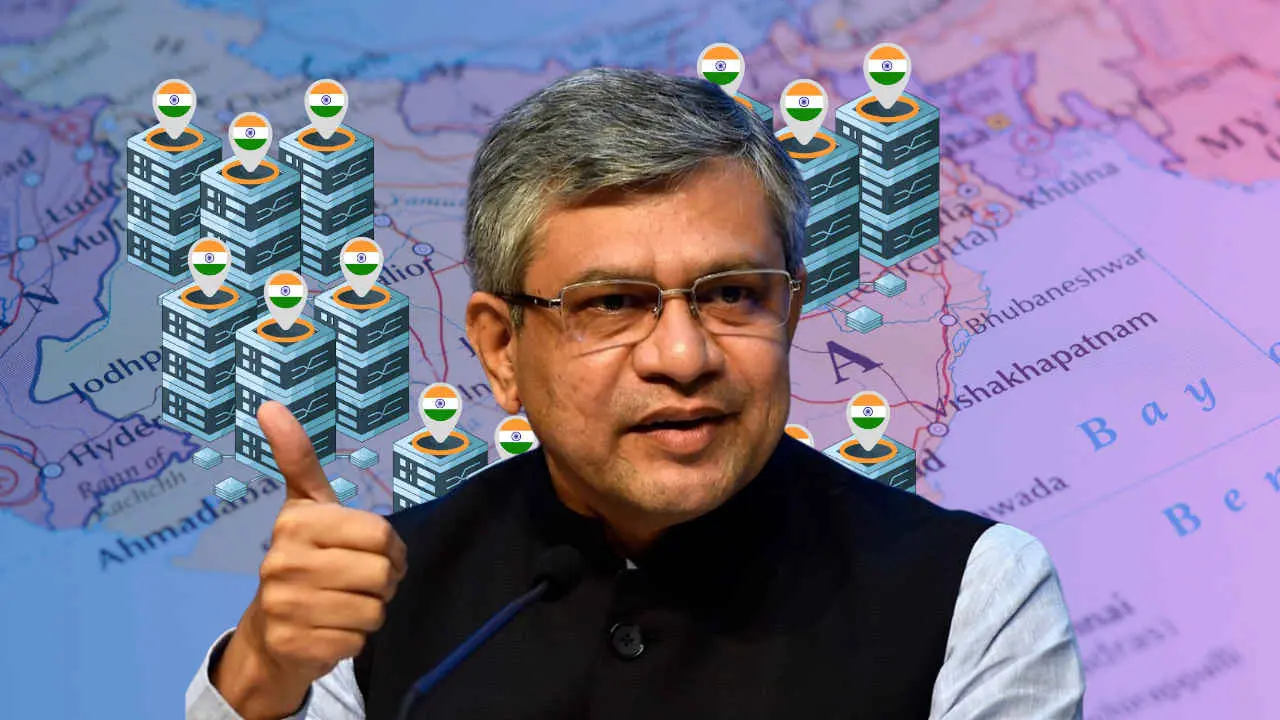
Power and water constraints challenge India's data centre ambitions If you want a glimpse of the future, follow the money that's being pumped into AI datacentres. In the US, for instance, OpenAI's Stargate data centres capacity under development will exceed 5-GW and power over 2 million chips, with $500 billion intended investments over four years. Closer to home, where artificial intelligence workloads are multiplying faster than GPU inventory can keep up, India wants to plug that AI-fuelled future directly into its soil. At the heart of this ambition is a bold new proposal made in the Union Budget 2026. Where India's Finance Minister Nirmala Sitharaman announced a tax holiday until 2047 for foreign cloud services that run workloads from Indian data centers - so long as the customers are outside India. It's a move similar to the ones made by Dubai's free zones and Singapore's offshore finance, where India's attempting to not tax what it wants to attract. The goal? To become the go-to geography for the world's AI compute needs. Also read: Dell and NVIDIA combine to power NxtGen's largest India AI factory Tax-free data exports aren't the only carrot being dangled. The Indian government has proposed a 15% safe harbour margin for Indian data centre operators servicing their foreign arms - offering clarity and comfort to hyperscalers wary of transfer pricing disputes. It's a package designed to pull in billions of dollars of infrastructure capital, and the early signals are promising. Also read: India Semicon Mission 2.0: Key reactions from tech on Budget 2026 Google, Microsoft, and Amazon have all announced mega-investments over the past year: $15 billion, $17.5 billion, and $35 billion respectively, to build out AI and cloud infrastructure across India, according to Techcrunch. Domestic heavyweights aren't far behind in this buildout race, with Reliance's Digital Connexion JV betting $11 billion on a 1-GW data centre campus in Andhra Pradesh, while Adani is partnering with Google on a $5 billion AI data centre play. Suddenly, "data centre park" is the hottest new buzzword in Indian real estate. Despite all this raw ambition, India still has to contend with some serious physical realities like electricity and water - stuff that's harder to optimize than an LLM. AI data centres are famously power-hungry and heat-intensive. Keeping racks of GPUs cool in a tropical climate is no joke - and doing it sustainably, can be insanely difficult. Power and water stress in key regions is a serious headache for cooling-intensive infrastructure needed to support AI data centres. Still, India is playing a long game. Union Minister Ashwini Vaishnaw sees the 2047 tax holiday as a generational bet. "For the fifth industrial revolution, for the AI economy, we need to have the AI infrastructure within our country," he said, during a press conference after the Union Budget 2026. According to the Union Minister, total data centre investments in India could surge from $70 billion today to $200 billion in the near future. With one of the world's largest engineering workforces and a growing appetite for digital services, India wants to move beyond being a hub for outsourced software to becoming the physical substrate of global AI. Of course, building the world's AI basement is no small feat. But if the power and water utilities are managed and the incentives hold firm, this can redefine what India AI means going forward.
Share
Share
Copy Link
India unveiled a zero-tax policy through 2047 for foreign cloud providers running global AI workloads from Indian data centers, aiming to position itself as a compute hub. But the government halved the IndiaAI Mission budget to Rs 1,000 crore, sparking debate about whether India can build meaningful AI capacity while advocating for smaller language models over expensive frontier systems.
India AI Tax Holiday Aims to Capture Global Workloads
India has launched an aggressive bid to attract global AI investment by offering foreign cloud providers a tax holiday through 2047 on revenues from services sold outside the country, provided those workloads run from Indian data centers
1
. Finance Minister Nirmala Sitharaman announced the proposal in Budget 2026, stipulating that sales to Indian customers must be routed through locally incorporated resellers and taxed domestically1
. The budget also introduced a 15% cost-plus safe harbor for Indian data center operators providing services to related foreign entities, with safe harbor ceilings enhanced from Rs 300 crore to Rs 2,000 crore4
.
Source: ET
The tax incentives for AI come as U.S. cloud giants race to expand capacity worldwide. Google committed $15 billion in October to build an AI hub and expand AI infrastructure in India, following a $10 billion commitment in 2020
1
. Microsoft announced plans in December to invest $17.5 billion by 2029 to expand its AI and cloud footprint, while Amazon said it would invest an additional $35 billion by 2030, taking its total planned commitment to about $75 billion1
. Domestic players are also scaling up, with Digital Connexion planning an $11 billion investment by 2030 to develop a 1-gigawatt, AI-focused data center campus in Andhra Pradesh, and Adani Group planning up to $5 billion alongside Google1
.
Source: Digit
Hyperscale Data Centers Face Power and Water Constraints
Despite the push for hyperscale data centers, scaling AI compute infrastructure faces significant hurdles. Patchy power availability, high electricity costs, and water scarcity pose key constraints for energy-intensive AI workloads
1
. India's data center power capacity is projected to surpass 2 gigawatts by 2026, up from just over 1 gigawatt currently, and could expand more than fivefold to exceed 8 gigawatts by 2030, driven by capital investments of more than $30 billion1
. However, execution challenges around land access and state-level clearances remain, according to policy experts1
.Critics warn that allowing foreign cloud providers to earn profits tax-free until 2047 reflects a strategic bet on global Big Tech, even as India could produce its own technology champions over the next two decades
1
. Routing services to Indian users through reseller entities could leave smaller domestic players competing for thin margins, rather than receiving comparable upstream incentives1
.India AI Strategy Prioritizes Smaller Language Models Over Frontier LLMs
India is charting a distinct India AI strategy that emphasizes smaller language models (SLMs) over costly Large Language Models (LLMs). Zoho founder Sridhar Vembu advocated that India should focus on smaller models or approaches that are less energy and capital intensive, noting that large LLMs represent a $50-100 billion game with GPUs in short supply and expensive
3
. IndiaAI Mission CEO Abhishek Singh clarified that India is not chasing trillion-parameter AI models or artificial general intelligence, stating that India's requirements can be met with smaller language models going down to even just 14 billion parameters2
.
Source: ET
This approach aligns with the Economic Survey 2025-26, which warned against India's pursuit of costly frontier LLMs given challenges of capacity, energy, and AI infrastructure
2
. The Survey favored a bottom-up approach to AI development, noting that India's strengths lie in application-led innovation, productive use of domestic data, human capital depth, and the ability of public institutions to coordinate distributed efforts4
.AI Deployment Standards and Global South Focus at India AI Impact Summit
India is working to establish common minimum AI deployment standards that can be deployed globally at the upcoming India AI Impact Summit beginning February 16
2
. The effort includes creating an open-source repository of AI solutions for key sectors such as agriculture, healthcare, and education that can be used by all countries, especially keeping in mind nations in the Global South2
. A second initiative, called trust commons, will focus on deploying safe and ethical AI, ensuring bias mitigation, regulation of deepfakes, and watermarking of AI content2
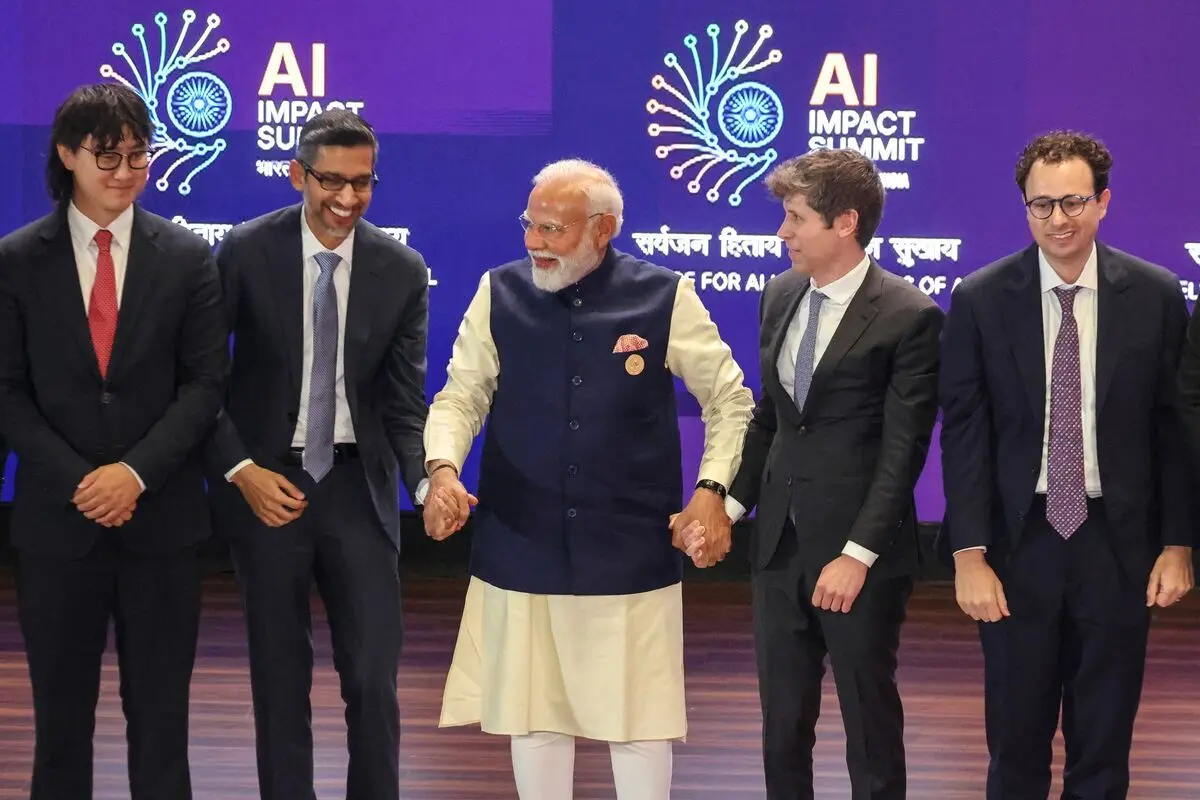
.The five-day summit has garnered over 35,000 registrations and is expected to see participation from over 100 countries, including 15 to 20 Heads of Government, 50 plus Ministers, and 40 plus prominent global and Indian companies
3
. India will also join the U.S.-led global Pax Silica partnership on securing supply chains of semiconductors, AI infrastructure, critical minerals, and advanced manufacturing2
.Related Stories

AI Development Funding Cuts Spark Debate on Execution
The budget decision to halve allocation for the IndiaAI Mission to Rs 1,000 crore in 2026-27 from Rs 2,000 crore this fiscal year has raised concerns over India's AI push
5
. Experts warned that building meaningful AI capacity will require significantly higher and more sustained public AI investment, and that India risks falling behind in the global AI race if government funding does not scale up5
. Revised estimates for FY26 show that actual expenditure under the mission stood at about Rs 800 crore against allocation of Rs 2,000 crore5
.Officials defended the lower allocation, explaining that the mission subsidizes end-users' access to GPUs instead of buying GPUs outright, with hardware procured by empanelled cloud service providers
5
. IndiaAI Mission CEO Abhishek Singh said the strategy is to crowd in private AI investment, noting that empanelled providers such as Yotta and E2E Networks have already invested in GPU infrastructure5
. However, Lightspeed India partner Hemant Mohapatra called for creation of a $50-100 billion Bharat Sovereign Wealth Fund dedicated for AI and deep tech investments5
. Good Capital general partner Arjun Malhotra cited the 85% underspend in the Research, Development and Innovation fund for deeptech and R&D, where nearly Rs 20,000 crore was budgeted for FY26 but only about Rs 3,000 crore was spent, suggesting either bureaucratic bottlenecks or execution-light governance5
.Semiconductor Manufacturing and Jobs Impact Under Review
The federal budget stepped up incentives to deepen India's role in semiconductor manufacturing, with the government launching a second phase of the India Semiconductor Mission focused on producing equipment and materials, developing full-stack domestic chip intellectual property, and strengthening supply chains
1
. Finance Minister Sitharaman also announced creation of a high-powered Education to Employment and Enterprises Standing Committee of Parliament to study the impact of emerging technologies including AI on the services sector, jobs, and skill requirements4
. The focus on better quality of datasets, deeper compute access, and specialized training would expand AI use cases across healthcare, manufacturing, financial services, and public administration4
.References
Summarized by

Navi
Related Stories
India AI push at Davos 2026: Infrastructure, sovereignty and real-world use cases take center stage
21 Jan 2026•Policy and Regulation

Modi pitches India as affordable AI hub at summit, drawing $200 billion in investments
17 Feb 2026•Business and Economy
India's AI Ambitions: Balancing Innovation, Accessibility, and Cultural Relevance
31 Jan 2025•Technology

Recent Highlights
1
Google Maps unveils Ask Maps with Gemini AI and 3D Immersive Navigation in biggest update
Technology

2
AI chatbots help plan violent attacks as safety guardrails fail, new investigation reveals
Technology

3
Three Tennessee teens sue xAI over Grok AI creating child sexual abuse material from real photos
Policy and Regulation

Recent Highlights
Today's Top Stories






Your Daily Dose of Curated AI News
Don’t drown in AI news. We cut through the noise - filtering, ranking and summarizing the most important AI news, breakthroughs and research daily. Spend less time searching for the latest in AI and get straight to action.

