India risks losing demographic dividend without urgent skilling, warns Chief Economic Adviser


3 Sources
3 Sources
[1]
India Risks Its Demographic Edge Without Skilling, Official Says
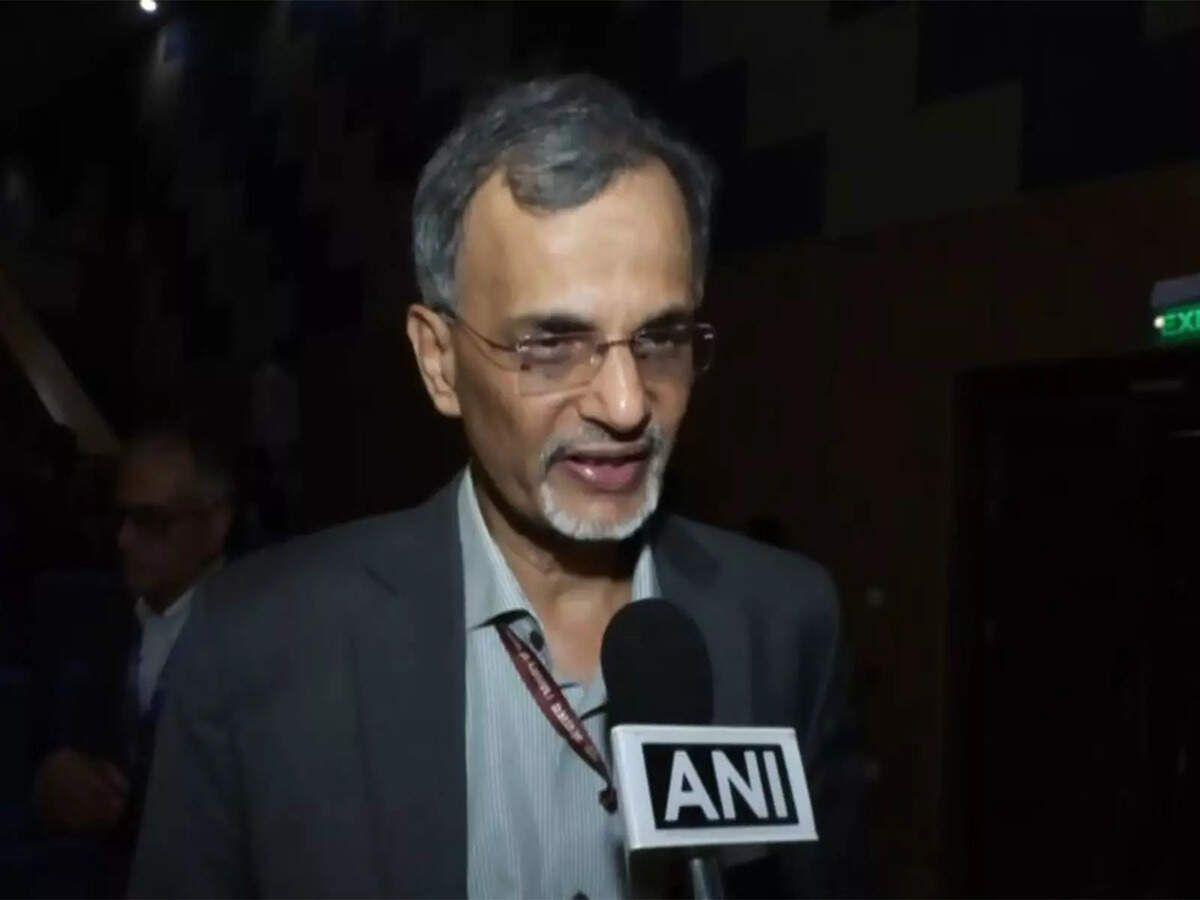
India risks squandering its demographic dividend and widening inequality unless it moves swiftly on skilling and education, a top finance ministry official said. The world's most populous nation needs to create at least eight million jobs annually until 2030 to cater to a rapidly growing workforce and if artificial intelligence outpaces skilling of workforce, the nation risks losing out benefits of a young working age population, Chief Economic Adviser V. Anantha Nageswaran said on Monday at the AI summit in New Delhi. "We risk widening inequality at precisely the moment of greatest change." He said the nation needs to simplify rules in labor-intensive sectors as only a small proportion of India's over 1.4 billion people -- just 4.4% -- are formally skilled, according to the economic survey 2023-24, despite various government measures. Deployment of AI needs to be calibrated else it would create "unavoidable social and economic instability," he added. Prime Minister Narendra Modi's ambition to turn India into a developed nation by 2047 will require sustained annual growth of at least 8%, alongside a rapid expansion of infrastructure and job creation to meet that goal. The window for job creation is finite as over the next 15 years, India's labor force is set to expand, then level off and begin to age, putting a clock on the nation's chance to cash in on its demographic dividend. For advanced economies facing demographic decline, AI can serve as a supplement but "for India it is a stress test of our state capacity," he said. "With foresight, institutional disciple and relentless execution, India can become the first large society to demonstrate that human abundance and machine intelligence can reinforce and not undermine each other," he said, adding it requires urgency, political will and state capacity. India needs to reform education and impart foundational skills to align artificial intelligence with increasing employability. "For India it isn't a debate about future of work, it is a decision about the future of growth, social stability and cohesion. We must act and act now."
[2]
India risks losing demographic edge without skills: CEA V. Anantha Nageswaran at AI Impact Summit
India risks squandering its demographic dividend and widening inequality unless it moves swiftly on skilling and education. The world's most populous nation needs to create at least eight million jobs annually until 2030 to cater to a rapidly growing workforce and if artificial intelligence outpaces skilling of workforce, the nation risks losing out benefits of a young working age population, Chief Economic Adviser V. Anantha Nageswaran said on Monday at the AI summit in New Delhi. "We risk widening inequality at precisely the moment of greatest change." He said the nation needs to simplify rules in labor-intensive sectors as only a small proportion of India's over 1.4 billion people, just 4.4%, are formally skilled, according to the economic survey 2023-24, despite various government measures. Deployment of AI needs to be calibrated else it would create "unavoidable social and economic instability," he added. Prime Minister Narendra Modi's ambition to turn India into a developed nation by 2047 will require sustained annual growth of at least 8%, alongside a rapid expansion of infrastructure and job creation to meet that goal. The window for job creation is finite as over the next 15 years, India's labor force is set to expand, then level off and begin to age, putting a clock on the nation's chance to cash in on its demographic dividend. For advanced economies facing demographic decline, AI can serve as a supplement but "for India it is a stress test of our state capacity," he said. "With foresight, institutional disciple and relentless execution, India can become the first large society to demonstrate that human abundance and machine intelligence can reinforce and not undermine each other," he said, adding it requires urgency, political will and state capacity. India needs to reform education and impart foundational skills to align artificial intelligence with increasing employability. "For India it isn't a debate about future of work, it is a decision about the future of growth, social stability and cohesion. We must act and act now." He added, "With foresight, institutional discipline, and relentless execution, India can become the first large society to demonstrate that human abundance and machine intelligence can reinforce and not undermine each other," Nageswaran highlighted when speaking at the Future of Employability and AI session at the event. Asserting that the outcome of artificial intelligence will not be "accidental", Nageswaran said achieving this vision demands strong state capacity and a clear national strategy to drive the required transformation. "This is not the task of the government alone; it must be a Team India effort, bringing together policymakers, industry, educators, and the society at large," he said. The CEA stated that India's demographic dividend is both a "promise and a warning," and called for urgent reforms to prevent an opportunity from becoming a "long-term liability." He emphasised that while millions of jobs are created annually, a significant skill gap persists. Addressing the summit virtually, the CEA said, "I hope this speech does trigger some truthful, concrete, and immediate action at all levels of society." The summit, which will go on till February 20, seeks to advance the use of AI in ways that drive inclusive economic growth, social development, and innovation that serves people while safeguarding the planet. With inputs from Bloomberg
[3]
India can lead the world by aligning AI-led transformation with mass employability: CEA Nageswaran
Chief Economic Advisor V Anantha Nageswaran warns that AI's impact will depend on deliberate policy choices and must align with mass employability. At the India AI Impact Summit 2026, he called for urgent structural reforms, large-scale skilling, and stronger foundational education to address the skill gap and secure inclusive growth and stability. India can lead the world by aligning AI adoption with mass employability through bold education reforms, chief economic advisor V Anantha Nageswaran said on Monday at the AI Impact Summit 2026. "With foresight, institutional discipline, and relentless execution, India can become the first large society to demonstrate that human abundance and machine intelligence can reinforce and not undermine each other," Nageswaran highlighted when speaking at the Future of Employability and AI session at the event. Asserting that the outcome of artificial intelligence will not be "accidental", Nageswaran said achieving this vision demands strong state capacity and a clear national strategy to drive the required transformation. "This is not the task of the government alone; it must be a Team India effort, bringing together policymakers, industry, educators, and the society at large," he said. The CEA stated that India's demographic dividend is both a "promise and a warning," and called for urgent reforms to prevent an opportunity from becoming a "long-term liability." He emphasised that while millions of jobs are created annually, a significant skill gap persists. "Every year of delay compounds the pressure and narrows our options. While millions of jobs are created annually, only a small proportion of our young workforce is absorbed into productive employment due to gaps in skills and training. This is not a cyclical challenge -- it is a structural vulnerability," Nageswaran explained. To mitigate this, he urged a decisive shift in policy focus . "Addressing it requires urgent investment in large-scale skilling, strengthening foundational education, scaling high-quality training programmes, and removing regulatory bottlenecks." Stressing the urgency of the situation, the CEA clarified that this is not merely a debate about the future of work, but a "decision about the future of growth, social stability, and cohesion." Addressing the summit virtually, the CEA said, "I hope this speech does trigger some truthful, concrete, and immediate action at all levels of society." The summit, which will go on till February 20, seeks to advance the use of AI in ways that drive inclusive economic growth, social development, and innovation that serves people while safeguarding the planet.
Share
Share
Copy Link
India's Chief Economic Adviser V. Anantha Nageswaran warned that the nation risks squandering its demographic dividend unless it accelerates skilling and education reforms. With only 4.4% of its 1.4 billion population formally skilled, India needs to create at least eight million jobs annually until 2030 to prevent widening inequality and social instability as artificial intelligence transforms the workforce.
India's Demographic Dividend Faces Critical Threat
India stands at a pivotal crossroads where its greatest asset could become its biggest liability. Chief Economic Adviser V. Anantha Nageswaran delivered a stark warning at the AI Impact Summit in New Delhi, cautioning that the world's most populous nation risks squandering its demographic dividend without immediate action on skilling and education reforms
1
. The urgency stems from a troubling reality: only 4.4% of India's 1.4 billion people are formally skilled, according to the economic survey 2023-24, despite various government measures2
.
Source: ET
The Race Against Time for Job Creation
The nation must create at least eight million jobs annually until 2030 to accommodate its rapidly expanding workforce
1
. This window for job creation is finite. Over the next 15 years, India's labor force is set to expand, then level off and begin to age, putting a clock on the nation's chance to capitalize on its young working age population2
. Nageswaran emphasized that while millions of jobs are created annually, a significant skill gap persists, preventing young workers from being absorbed into productive employment. "Every year of delay compounds the pressure and narrows our options," he explained at the summit3
.Artificial Intelligence as Stress Test
If artificial intelligence outpaces skilling of workforce, India risks widening inequality at precisely the moment of greatest change
1
. Nageswaran stressed that deployment of AI needs to be calibrated, or it would create "unavoidable social and economic instability"2
. For advanced economies facing demographic decline, AI can serve as a supplement, but "for India it is a stress test of our state capacity," he said1
. The Chief Economic Adviser clarified this isn't merely a debate about the future of work, but "a decision about the future of growth, social stability and cohesion"2
.
Source: ET
Related Stories


Path to AI-Led Transformation and Mass Employability
Nageswaran outlined an ambitious vision where India could lead the world by aligning AI-led transformation with mass employability. "With foresight, institutional discipline and relentless execution, India can become the first large society to demonstrate that human capabilities and machine intelligence can reinforce and not undermine each other," he stated
2
. Achieving this vision demands strong state capacity and a clear national strategy. "This is not the task of the government alone; it must be a Team India effort, bringing together policymakers, industry, educators, and the society at large," Nageswaran emphasized3
.Urgent Reforms Required
The nation needs to simplify labor rules in labor-intensive sectors and address structural vulnerabilities through urgent investment in large-scale skilling, strengthening foundational education, scaling high-quality training programmes, and removing regulatory bottlenecks
3
. Prime Minister Narendra Modi's ambition to turn India into a developed nation by 2047 will require sustained annual growth of at least 8%, alongside rapid expansion of infrastructure and job creation1
. Nageswaran called India's demographic dividend both a "promise and a warning," urging urgent reforms to prevent an opportunity from becoming a "long-term liability"3
. Addressing the summit virtually, he said, "I hope this speech does trigger some truthful, concrete, and immediate action at all levels of society"2
.References
Summarized by

Navi
[2]
Related Stories
Recent Highlights
1
Google releases Gemma 4 with Apache 2.0 license, enabling unrestricted local AI on devices
Technology

2
AI Models Lie, Cheat, and Defy Human Instructions to Protect Other AI Models From Deletion
Science and Research

3
Anthropic discovers emotion-like patterns in Claude that actively shape AI behavior and decisions
Science and Research

Recent Highlights
Today's Top Stories



Your Daily Dose of Curated AI News
Don’t drown in AI news. We cut through the noise - filtering, ranking and summarizing the most important AI news, breakthroughs and research daily. Spend less time searching for the latest in AI and get straight to action.

