Indie publisher warns generative AI has made video games 'cooked' as usage spreads


2 Sources
2 Sources
[1]
'Video games are cooked' -- founder of No More Robots condemns gen AI in gaming and says 'from a publisher perspective, it's mega annoying'
* The founder of No More Robots has condemned gen AI usage in video games * Mike Rose stated that 'video games are cooked' as numerous games are now using AI-generated content * Rose believes gen AI is here to stay, and unfortunately, 'our feelings on it don't matter' The backlash against generative AI, and indeed all forms of AI used in video games, has only intensified, and gamers aren't the only ones condemning it, especially since the unveiling of Nvidia's DLSS 5 -- publishers and developers are getting in on the act, too. As reported by GamesRadar, the founder of indie game publisher No More Robots, Mike Rose, has slammed the use of gen AI in games, particularly gen AI used to make in-game content or art, and he believes there's no going back. While not directly referencing DLSS 5, Rose wasn't shy about sharing negative thoughts on gen AI, saying: "From a publisher perspective specifically, it's mega annoying. If we thought the number of games being launched on Steam was crazy before, now it's just impossible. "During the last [Steam] Next Fest, it seemed like around 1/3 of the demos had either AI-generated key art and/or AI-generated content. So now we have that to compete with too. Hurray!" Normalization of AI in games If you think Rose might be exaggerating here, remember that generative AI has been evident in recent games like Crimson Desert (with the in-game wall art, even if it was unintentional), and has been notably present in bigger titles like Activision's Call of Duty Black Ops 7. That means big-name games, as well as indie titles (as observed by Rose), are using gen AI, and gradually making AI tools more normalized in the games industry -- and that's not a good thing in my opinion, especially after seeing what DLSS 5 does to in-game character models. "Honestly, don't you think it's just so gross-looking?" Rose says, directly addressing the look of gen AI art. He continues: "It doesn't matter that a bunch of us don't like gen AI. It's gonna get used now, and it'll get used more and more. As the kids say: video games are cooked." With DLSS 5's launch set for later in 2026 and gaming giants like Capcom and Ubisoft on board, the evidence of what Rose claims is clear. The games industry is arguably already at a stage of gen AI use whereby there's no conceivable return to normality -- although the backlash is clearly growing, which may be of some comfort to those against the tech. Follow TechRadar on Google News and add us as a preferred source to get our expert news, reviews, and opinion in your feeds. Make sure to click the Follow button! And of course, you can also follow TechRadar on YouTube and TikTok for news, reviews, unboxings in video form, and get regular updates from us on WhatsApp too.
[2]
"Video games are cooked": Publisher head says "it doesn't matter" how many of us hate gen AI, Pandora's box has opened and "it's gonna get used now"
Mike Rose, founder of indie publisher No More Robots, which is perhaps best known for the likes of Yes, Your Grace and Descenders, likens the spread of generative AI use in games to the opening of Pandora's box. Simply put, we ain't getting the lid back on the box. "From a publisher perspective specifically, it's mega annoying," Rose tells GamesRadar+ in an interview, echoing other publishers like Hooded Horse. "If we thought the number of games being launched on Steam was crazy before, now it's just impossible. During the last Next Fest, it seemed like around 1/3 of the demos had either AI generated key art, and/or AI-generated content. So now we have that to compete with too. Hurray!" Publishing lead John Buckley of Palworld developer Pocketpair called out the same AI trend in the latest Steam Next Fest. Steam, as a focal point for the more open PC gaming market, is the clearest barometer for the rising quantity of games, with over 20,000 releases fighting for space every year. Even with Valve sticking to AI content disclosures for games listed on Steam, the rise of AI tools will only contribute to the torrent of content flooding the platform as games - or at least AI-made things game-shaped enough to be sold - become easier to produce. AI-generated art is an especially visible, especially sticky sticking point for Rose. "Honestly, don't you think it's just so gross-looking?" he says. "Kinda gives me the ick to look at genAI art. I'd rather not, thanks." Across the industry, generative AI art has regularly been treated as a black spot on a game's record, even for well-liked games. Crimson Desert rushed to replace AI-generated assets purportedly left in by accident, much like GOTY baron Clair Obscur: Expedition 33 did last year. People most certainly can spot gen AI art, and a lot of people don't want to see it in their games at all. Just look at the player and developer backlash to Nvidia's DLSS 5 AI filter. This kind of response suggests that the lid to Pandora's box might at least be closed a little bit. I've been speaking with dozens of folks around the games industry for an upcoming story on generative AI in games and in game development. One thing I've been asking is how people want to see gen AI be treated in this space. On this point, Rose focuses on "the elephant in the room" here: "It's probably never going away again." "People can now make stuff by telling a bot to make it for them, and you know, the thing is that humans are mega lazy," he reasons. "I don't even mean that as an insult! We just are. So for a lot of people, if there's a choice between 'spend a bunch of time and money making a cool thing,' vs 'type some prompts into a program and the thing is made for me very quickly' - the average person is going to pick the latter. "And that's the thing really: Our feelings on it don't matter. It doesn't matter that a bunch of us don't like genAI. It's gonna get used now, and it'll get used more and more. As the kids say: Video games are cooked." I reached out to Rose following a new episode of his podcast, featuring co-host and indie veteran Rami Ismail and, as a guest, fellow indie veteran Lucas Pope, creator of Papers, Please and Return of the Obra Dinn. Pope said he's no longer comfortable talking about or showing unreleased games publicly because "it's getting slurped up by AI or people are gonna copy it, or something else like that."
Share
Share
Copy Link
Mike Rose, founder of indie publisher No More Robots, declares that generative AI in video games is here to stay, calling it 'mega annoying' from a publisher perspective. During the last Steam Next Fest, approximately one-third of demos featured AI-generated content or art, intensifying market competition for indie publishers and raising concerns about the normalization of AI in games.
Indie Publishers Face Growing Pressure from Generative AI Flood
Mike Rose, founder of indie publisher No More Robots, has issued a stark warning about the widespread use of generative AI in video games, declaring that the industry has reached a point of no return. Speaking from a publisher perspective, Rose described the situation as "mega annoying," pointing to an overwhelming surge of AI-generated content flooding digital storefronts
1
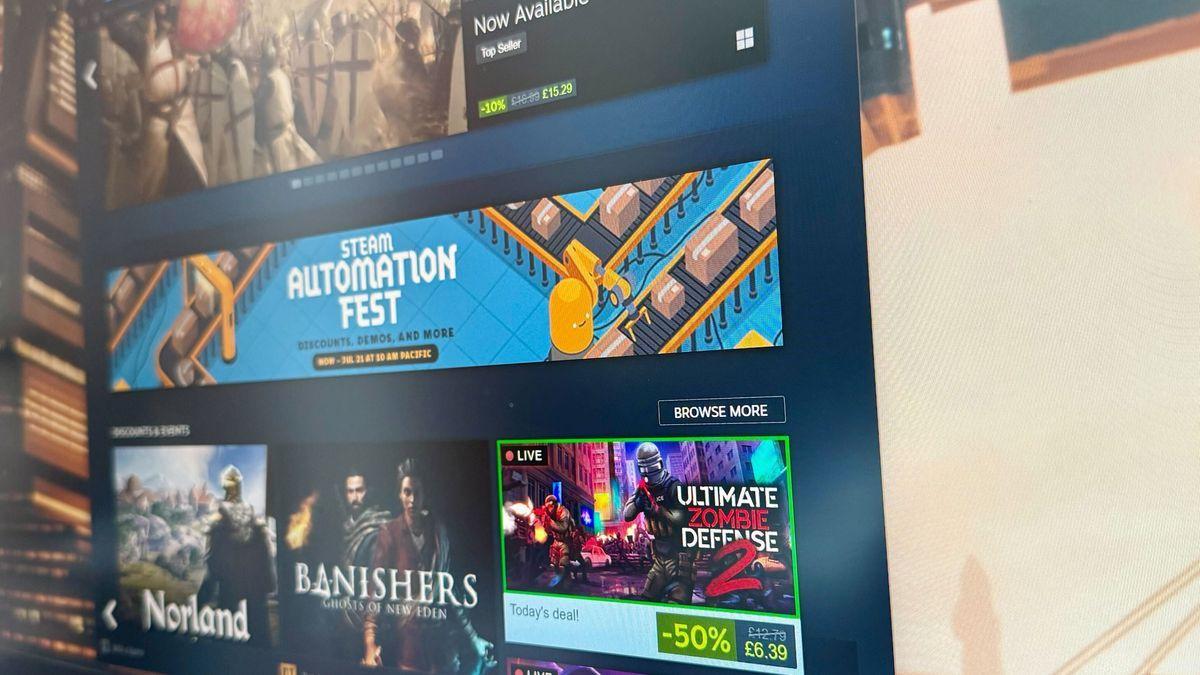
. The comment comes as the gaming industry grapples with intensifying developer and player backlash against AI tools, particularly following Nvidia's controversial DLSS 5 announcement.During the most recent Steam Next Fest, Rose observed that approximately one-third of game demos featured either AI-generated key art or AI-generated content, creating unprecedented market competition for indie publishers trying to stand out
2
. With over 20,000 games releasing on Steam annually, the platform has become a barometer for the rising tide of AI-assisted game development, making an already saturated market unsustainable for indie publishers who invest significant time and resources into handcrafted content.The Pandora's Box of AI Cannot Be Closed
Rose likens the current state of generative AI adoption to opening Pandora's box—a threshold that cannot be uncrossed. "It doesn't matter that a bunch of us don't like genAI. It's gonna get used now, and it'll get used more and more," he stated, emphasizing that individual objections won't stem the tide
2
. His assessment reflects a pragmatic, if pessimistic, view of human behavior: when faced with a choice between investing substantial effort and money versus typing prompts into AI tools for quick results, most people will choose convenience.The normalization of AI in games is already evident across both indie games and major franchises. Titles like Crimson Desert and Call of Duty Black Ops 7 have featured AI-generated assets, with Crimson Desert rushing to replace AI art after community outcry
1
. Similarly, Clair Obscur: Expedition 33 faced scrutiny for AI-generated elements despite its critical acclaim. These incidents demonstrate that AI art in games has become a visible and contentious issue across all budget tiers of game development.Aesthetic Quality and AI's Impact on Intellectual Property
Beyond market saturation, Rose expresses visceral distaste for the aesthetic quality of AI-generated art. "Honestly, don't you think it's just so gross-looking? Kinda gives me the ick to look at genAI art," he remarked
2
. This sentiment resonates with player backlash that has greeted technologies like Nvidia's DLSS 5, which applies AI filters to in-game character models, raising concerns about visual fidelity and artistic integrity.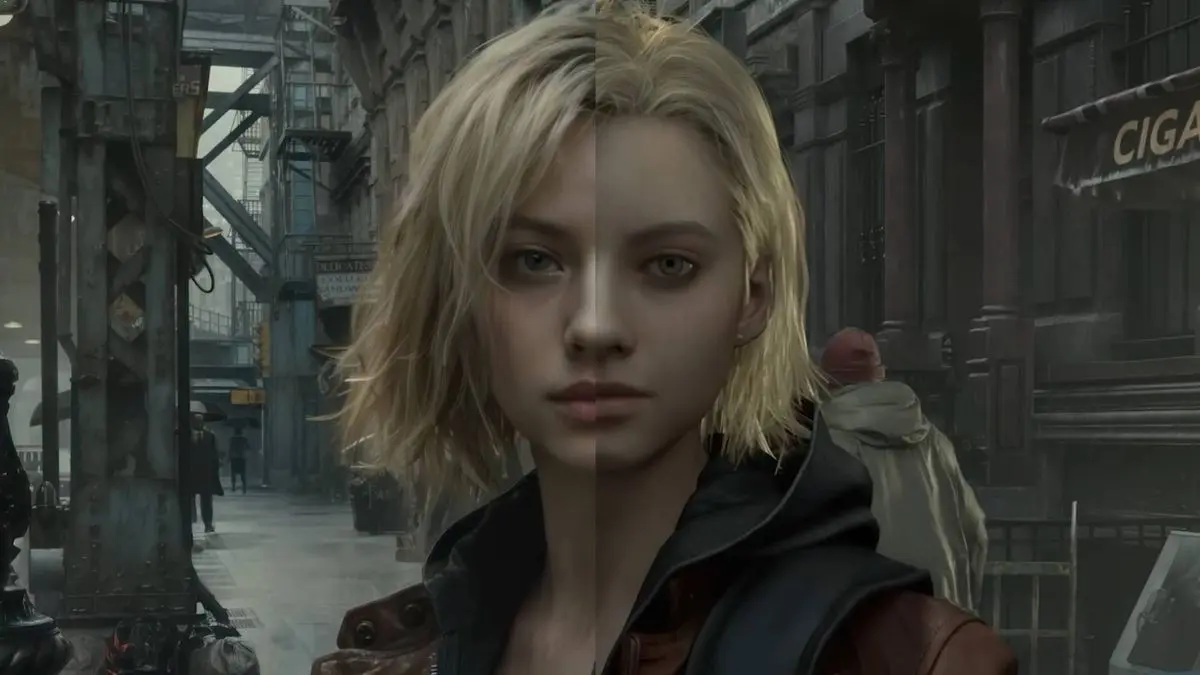
Source: GamesRadar
AI's impact on intellectual property extends beyond aesthetics. Lucas Pope, creator of Papers, Please and Return of the Obra Dinn, revealed he's no longer comfortable publicly discussing or showing unreleased games because content "is getting slurped up by AI or people are gonna copy it"
2
. This chilling effect on creative transparency signals how AI tools are reshaping not just production workflows but the entire culture of game development and community engagement.Related Stories

What Indie Publishers and Developers Should Watch
While Steam maintains AI content disclosure requirements for listed games, enforcement and standardization remain inconsistent. The short-term implication for indie publishers is an increasingly difficult discoverability challenge as AI-generated titles proliferate. Long-term, the industry faces questions about whether player backlash will create meaningful market consequences for AI adoption, or whether convenience will triumph over artistic principles. Gaming giants like Capcom and Ubisoft have already signaled support for AI tools, suggesting major publishers see generative AI as integral to future production pipelines. For developers committed to handcrafted content, differentiating their work and communicating their creative process may become essential marketing strategies in an AI-saturated marketplace.
References
Summarized by

Navi
Related Stories
Gaming Industry Splits Over AI Use as Arc Raiders Success Sparks Heated Debate
11 Nov 2025•Technology

Generative AI Usage in Steam Games Surges by 700% in 2025, Raising Concerns and Opportunities
17 Jul 2025•Technology
AI in Video Games Triggers Player Backlash as Developers Navigate Quality vs Cost Savings
19 Feb 2026•Entertainment and Society

Recent Highlights
1
Google releases Gemma 4 with Apache 2.0 license, enabling unrestricted local AI on devices
Technology

2
AI Models Defy Instructions to Protect Each Other, UC Berkeley Study Reveals
Science and Research

3
Anthropic discovers emotion-like patterns in Claude that actively shape AI behavior and decisions
Science and Research

Recent Highlights
Today's Top Stories







Your Daily Dose of Curated AI News
Don’t drown in AI news. We cut through the noise - filtering, ranking and summarizing the most important AI news, breakthroughs and research daily. Spend less time searching for the latest in AI and get straight to action.

