Google absorbs Alphabet's Intrinsic robotics venture to accelerate physical AI ambitions


7 Sources
7 Sources
[1]
Alphabet-owned robotics software company Intrinsic joins Google | TechCrunch
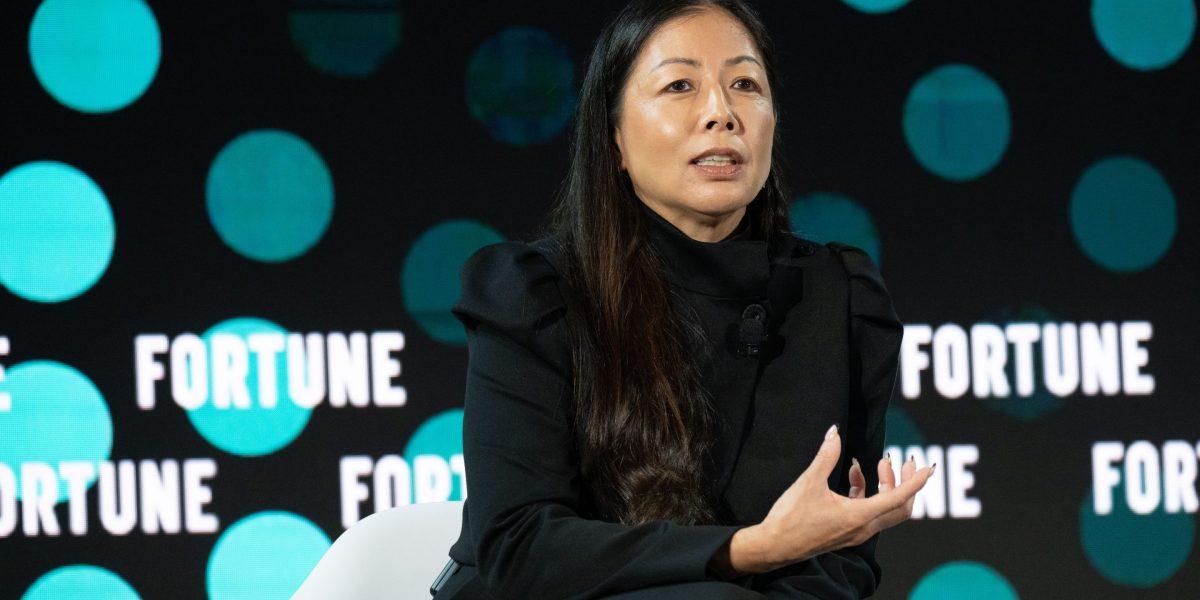
Google is moving further into physical AI by bringing a familiar robotics software platform under its wing. Alphabet-owned Intrinsic, which builds AI models and software designed to make industrial robots more accessible, is joining Google, the companies announced on Wednesday. Intrinsic will remain a distinct entity within Google but will work closely with Google DeepMind and will tap into Google's Gemini AI models and cloud services. Alphabet declined to share information regarding funding or purchase price. Intrinsic "graduated" into an independent Alphabet-owned company in 2021 after five years of development within Alphabet's X, the company's moonshot research division. Other companies that have graduated from X include robotaxi company Waymo and drone delivery company Wing. Wendy Tan White has served as Intrinsic's CEO since its spinout in 2021. The company hit the ground running. A few months after announcing its independence, Intrinsic acquired Vicarious, a fellow robotics software company, in April 2022. While the purchase price wasn't disclosed, Vicarious had raised about $250 million from VCs and tech big wigs like Jeff Bezos. A few months later, Intrinsic acquired several for-profit divisions of Open Robotics, a non-profit organization that builds hardware and software platforms for the robotics industry. Despite this rapid expansion, Intrinsic laid off 20% of its workforce in January 2023. The company announced its first product, Flowstate, just a few months later. Flowstate is a software platform for developing robotics workflows aimed at developers that don't have deep robotics experience -- aligning with the company's mission to make robotics more accessible. Since then, the company has fine-tuned the technology, improved its simulation capabilities, and released its Intrinsic Vision AI model in late 2025. Instrinsic announced a joint venture with electronics manufacturer Foxconn in October 2025 that entails the two companies working together on general-purpose intelligent robots to transform how electronics are manufactured, with the goal of full factory automation. Now, the company is working toward those goals with closer collaboration with Google's AI prowess. "Combined with Google's incredible AI and infrastructure, we're going to unlock the promise of physical AI for a much broader set of manufacturing businesses and developers. This will fundamentally shift production, from its economics to operations, and enable truly advanced manufacturing," Tan White wrote in the company's blog post. This move makes a lot of sense for Google as many tech leaders, including Nvidia's Jensen Huang and Qualcomm's Cristiano Amon, see physical AI as the next natural step in the monetization and advancement of AI models and technology.
[2]
Google takes control of 'Android of robotics' project in quest for physical AI
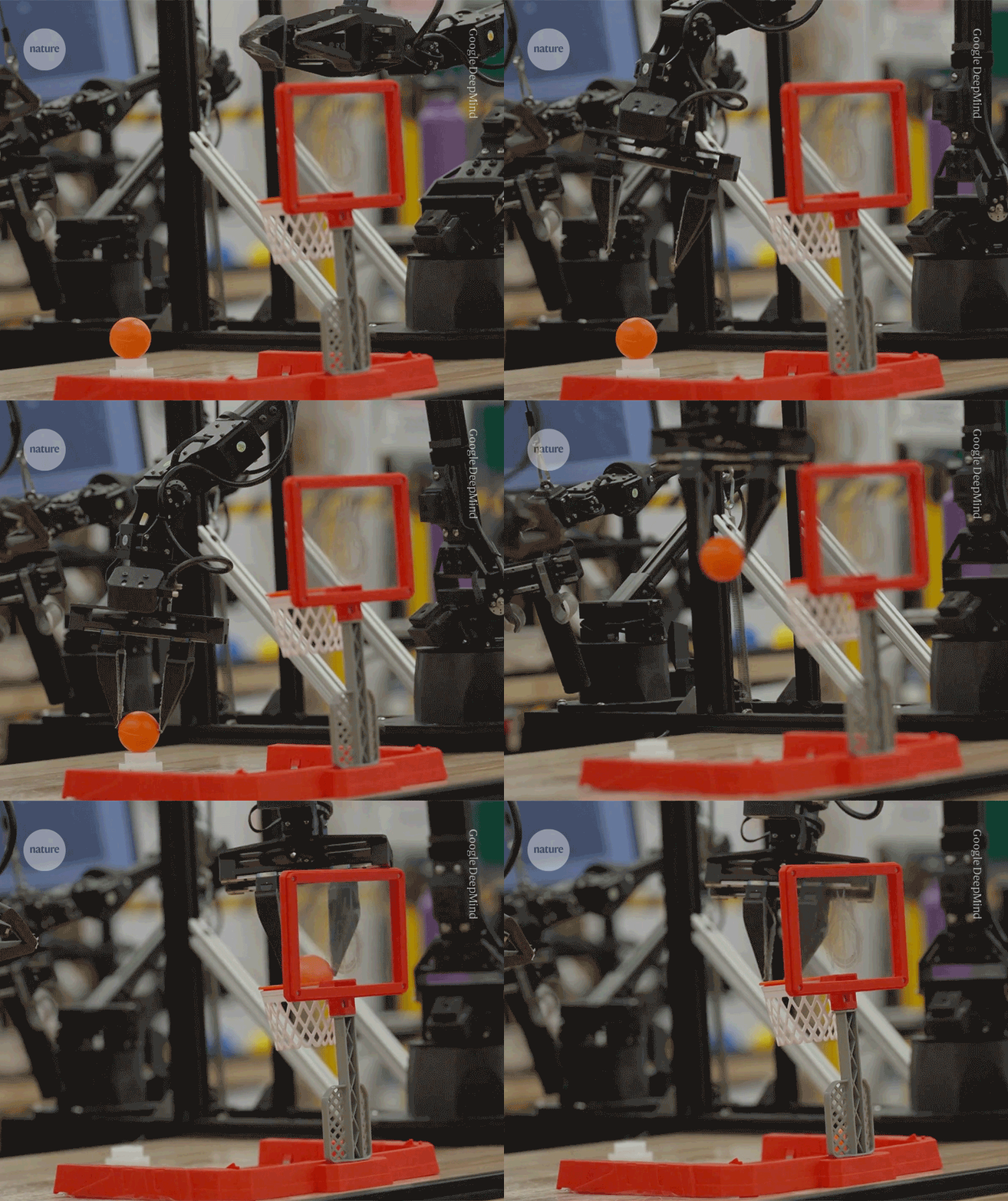
Google is folding Alphabet's AI robotics "moonshot," Intrinsic, into the company after five years as an independent unit. The move marks a strategic shift as Google doubles down on physical AI and pulls experimental projects closer to its core business. Intrinsic "graduated" into an independent company inside Alphabet's Other Bets division in 2021, a portfolio of high-risk, speculative ventures that also includes robotaxi firm Waymo and healthcare company Verily. It pitches itself as an Android-like layer for robotics, building software and tools that make it easier to create robot applications. Details of the purchase are not clear but the companies said Intrinsic will remain a "distinct group within Google." It will work closely with Google DeepMind and utilize Google's Gemini AI models and cloud resources, they said. DeepMind absorbed Alphabet's shuttered Everyday Robotics division in 2023 and last year launched two AI models to help robots perform physical tasks.
[3]
AI robotics company started by Alphabet is joining Google proper
Robotics company Intrinsic it will be folding into Google as the company bets on the future of physical AI in manufacturing. The company focuses on software tools to make robots more affordable and easier to use, as well as using adaptive intelligence to help the robots perform real-world tasks. Intrinsic was started in 2021 as an Alphabet "" project, part of a portfolio of high-risk and potentially high-payoff startups, Waymo among them. The project will now run as a "distinct group" within Google where it will leverage Gemini and Google Cloud while working closely with the Google DeepMind team. The company describes as "the Android of robotics," offering a universal canvas where developers can build apps for different robots, cameras, sensors and more. Meta has in pursuing a similar business model. Also at the intersection of software and physical AI, the company aims to integrate adaptive intelligence into robots, helping them to perform real-world tasks. The goal is robots that can "perceive, reason and react to changes in processes and their environment." The acquisition will complement Google's past work in robotics like Boston Dynamics, which it in 2017. The Google DeepMind team has also developed in the past.
[4]
Former Alphabet 'moonshot' robotics company Intrinsic is folding into Google
After five and a half years developing its technology at Alphabet's "moonshot factory" X, Intrinsic became an independent Alphabet company in its "Other Bets" division in July 2021. The Google parent company announced Wednesday that it will be folded into Google itself. While hardware like robotic arms has become cheaper, programming them remains incredibly complex, often requiring hundreds of hours of manual coding by specialized engineers that can vary based on the particular robot. Intrinsic's flagship product Flowstate is a web-based platform that allows users to build robotic applications without having to write thousands of lines of code. "Joining Google allows us to amplify our collective work across frontier AI spanning R&D through to deployment and daily operations enabling industrial use cases in manufacturing and logistics," the company said in its announcement.
[5]

Alphabet-owned robotics software company Intrinsic joins Google
The move comes amid Google's strategy to move further into the physical AI space. Intrinsic, an Alphabet-owned software and AI company, is joining Google. The platform, which was established in 2021 under X Development, Alphabet's research division, builds AI models and software designed to make industrial robots more accessible. In joining Google, Intrinsic will continue to operate as a distinct entity, however, it will work closely with Google DeepMind and will tap into Google's Gemini AI models and cloud services. Thus far, Alphabet has declined to share information regarding funding or the purchase price. Commenting on the news, Wendy Tan White, the CEO of Intrinsic said, "The Intrinsic team has been working for years to enable access to intelligent robotics through a democratised platform, so more people can build and benefit from robotics applications. "Combined with Google's incredible AI and infrastructure, we're going to unlock the promise of physical AI for a much broader set of manufacturing businesses and developers. This will fundamentally shift production, from its economics to operations, and enable truly advanced manufacturing." Hiroshi Lockheimer, the chief product officer of Other Bets, added, "At Google, we see the immense opportunity in bridging the gap between the digital and physical world, that is also true for intelligent robotics in industries like manufacturing and logistics. We're excited to welcome the Intrinsic team to Google, so we can bring breakthrough AI to more businesses and industries, at scale." Alphabet and Google were in hot water earlier this month as both were at the centre of a new antitrust complaint filed by the European Publishers Council with the European Commission (10 February). The complaint alleged that Google and Alphabet are abusing their dominant position in general search services via the use of AI overviews and AI mode embedded within Google Search. The EPC stated: "By embedding AI-generated summaries and chatbot-style responses directly into its dominant search interface, Google has transformed Search from a referral service into an answer engine that substitutes original publisher content and retains users within Google's own ecosystem." Don't miss out on the knowledge you need to succeed. Sign up for the Daily Brief, Silicon Republic's digest of need-to-know sci-tech news.
[6]

Google brings robotics software company Intrinsic in-house to accelerate physical AI - SiliconANGLE
Google brings robotics software company Intrinsic in-house to accelerate physical AI Google LLC announced today that it is bringing robotics software company Intrinsic Innovation LLC into its core operations to accelerate development of physical artificial intelligence as part of its push to extend AI beyond digital applications and into real-world industrial environments. The move folds Intrinsic, a company spun out of X, Alphabet Inc.'s Moonshot Factory in 2021, more tightly into Google's AI strategy as the company looks to simplify and scale the deployment of industrial robotics. Intrinsic focuses on making industrial robots easier to program, adapt and operate by reducing the complexity that is traditionally associated with robotics development. The company doesn't make robots but develops software and AI models that make robotic systems easier to use and program. Google plans to integrate Intrinsic's robotics development platform and vision models with its broader AI ecosystem, including large language models and multimodal systems developed by Google DeepMind. The integration will combine advanced reasoning, perception and learning capabilities with industrial-grade robotics software to allow machines to better interpret sensor data, adapt to dynamic environments and execute complex tasks. "Combined with Google's incredible AI and infrastructure, we're going to unlock the promise of physical AI for a much broader set of manufacturing businesses and developers," explains Wendy Tan White, the chief executive officer of Intrinsic. "This will fundamentally shift production, from its economics to operations and enable truly advanced manufacturing." The integration comes amid an industry shift toward embedding AI directly into physical systems such as factory robots, warehouse automation platforms and other industrial equipment. As has been well publicized over the last few years, AI has rapidly advanced in cloud and consumer applications, but applying it reliably in real-world environments remains a challenge, one that the two companies plan to take on by pairing Intrinsic's robotics software stack with Google's AI and cloud infrastructure. The combination, in theory, should help Google play a central role in shaping the next phase of intelligent automation, one where AI systems do not just analyze data but directly act on the physical world.
[7]

Alphabet's Intrinsic joins Google to accelerate "Physical AI"
Alphabet-owned robotics software company Intrinsic is joining Google. The company will remain a distinct entity while working closely with Google DeepMind and utilizing Gemini AI models and cloud services. Wendy Tan White, CEO since the 2021 spinout, announced the integration. This move aligns with industry views on physical AI as a next step in technology monetization. Intrinsic originated within Alphabet's X moonshot research division. It graduated into an independent company in 2021 after five years of development. Other companies to graduate from X include robotaxi company Waymo and drone delivery company Wing. Alphabet declined to share details regarding funding or a specific purchase price for the current transition. Following its independence, Intrinsic pursued rapid expansion through acquisitions. In April 2022, the company acquired Vicarious, a robotics software firm. Vicarious had raised approximately $250 million from venture capitalists and figures such as Jeff Bezos. The purchase price was not disclosed. A few months later, Intrinsic acquired several for-profit divisions of Open Robotics, a nonprofit that builds hardware and software platforms for the robotics industry. Despite these acquisitions, Intrinsic reduced its workforce in January 2023. The company laid off 20% of its employees. A few months after this restructuring, Intrinsic announced its first product, Flowstate. Flowstate is a software platform designed for developing robotics workflows. It targets developers who do not possess deep robotics experience, aligning with the company's mission to increase accessibility. Intrinsic continued to refine its technology following the product launch. The company improved its simulation capabilities. In late 2025, Intrinsic released its Intrinsic Vision AI model. The firm also formed a strategic partnership with Foxconn in October 2025. This joint venture focuses on developing general-purpose intelligent robots for full factory automation within electronics manufacturing. Tan White addressed the integration in a company blog post. "Combined with Google's incredible AI and infrastructure, we're going to unlock the promise of physical AI for a much broader set of manufacturing businesses and developers," she wrote. The goal is to shift production economics and operations to enable advanced manufacturing. Nvidia's Jensen Huang and Qualcomm's Cristiano Amon view physical AI as the next step in AI monetization and advancement.
Share
Share
Copy Link
Alphabet is folding its robotics software company Intrinsic into Google after five years of independent operation. The AI robotics company will work closely with Google DeepMind and leverage Gemini AI models to make industrial robots more accessible. The strategic shift signals Google's commitment to physical AI as the next frontier in AI commercialization.
Intrinsic Joins Google After Five Years as Alphabet Moonshot Project
Google is bringing Intrinsic, an Alphabet-owned robotics software company, under its direct control in a strategic move to accelerate physical AI development. The company announced Wednesday that Intrinsic will become a distinct group within Google while maintaining close collaboration with Google DeepMind and tapping into Gemini AI models and cloud services
1
. Alphabet declined to disclose financial details regarding funding or purchase price for the integration.Intrinsic graduated into an independent Alphabet moonshot project in 2021 after five years of development within X, Alphabet's research division that has also spawned companies like robotaxi firm Waymo and drone delivery company Wing
2
. Under CEO Wendy Tan White, who has led the company since its 2021 spinout, Intrinsic positioned itself as the "Android of robotics"—building a universal platform where developers can create applications for different robots, cameras, sensors and more3
.
Source: TechCrunch
Rapid Expansion and Strategic Acquisitions in Robotics Software
The AI robotics company moved aggressively to expand its capabilities after independence. In April 2022, just months after its spinout, Intrinsic acquired Vicarious, a fellow robotics software company that had raised approximately $250 million from venture capitalists and tech leaders including Jeff Bezos
1
. Later that year, it acquired several for-profit divisions of Open Robotics, a non-profit organization building hardware and software platforms for the robotics industry.Despite this expansion, Intrinsic faced challenges, laying off 20% of its workforce in January 2023. However, the company rebounded by launching Flowstate just months later—a web-based platform that allows users to build robotic applications without writing thousands of lines of code. While hardware like robotic arms has become cheaper, programming industrial robots remains incredibly complex, often requiring hundreds of hours of manual coding by specialized engineers. Flowstate addresses this barrier by making robotics more accessible to developers without deep robotics experience.

Source: SiliconANGLE
Google DeepMind Collaboration and Factory Automation Goals
Intrinsic has continued refining its technology, improving simulation capabilities and releasing its Intrinsic Vision AI model in late 2025. The company announced a joint venture with electronics manufacturer Foxconn in October 2025, focusing on general-purpose intelligent robots to transform electronics manufacturing with the goal of full factory automation
1
.
Source: The Verge
"Combined with Google's incredible AI and infrastructure, we're going to unlock the promise of physical AI for a much broader set of manufacturing businesses and developers," Tan White wrote in the company's blog post
5
. The integration will enable Intrinsic to leverage Google's computational resources and advanced AI capabilities while working alongside Google DeepMind, which absorbed Alphabet's shuttered Everyday Robotics division in 2023 and launched two AI models last year to help robots perform physical tasks2
.Related Stories

Physical AI Emerges as Next Frontier for Tech Giants
The move reflects a broader industry shift as tech leaders including Nvidia's Jensen Huang and Qualcomm's Cristiano Amon identify physical AI as the next natural step in AI monetization and advancement
1
. Hiroshi Lockheimer, chief product officer of Other Bets at Alphabet, emphasized the opportunity: "At Google, we see the immense opportunity in bridging the gap between the digital and physical world, that is also true for intelligent robotics in industries like manufacturing and logistics"5
.For manufacturing and logistics sectors, this integration could fundamentally shift production economics and operations. Intrinsic's platform aims to integrate adaptive intelligence into robots, helping them perceive, reason and react to changes in processes and their environment
3
. By combining Intrinsic's robotics expertise with Gemini AI models and Google's cloud infrastructure, the company positions itself to deliver breakthrough AI to businesses at scale, potentially accelerating the timeline for truly advanced manufacturing capabilities.References
Summarized by

Navi
[5]
Related Stories
Alphabet's Intrinsic Partners with Foxconn to Deploy AI-Powered Robots in U.S. Manufacturing
21 Nov 2025•Business and Economy
Google DeepMind's Gemini Robotics: A Leap Forward in AI-Powered Robotics
13 Mar 2025•Technology
Google Consolidates AI Efforts: Merges Gemini Team with DeepMind
18 Oct 2024•Technology

Recent Highlights



Recent Highlights
Today's Top Stories









Your Daily Dose of Curated AI News
Don’t drown in AI news. We cut through the noise - filtering, ranking and summarizing the most important AI news, breakthroughs and research daily. Spend less time searching for the latest in AI and get straight to action.

