Japanese toilet maker Toto emerges as unexpected AI semiconductor supplier with 40% stock surge


3 Sources
3 Sources
[1]
Japanese toilet maker 'the most undervalued and overlooked AI memory beneficiary,' investors claim -- shares up nearly 40% in first two months of 2026
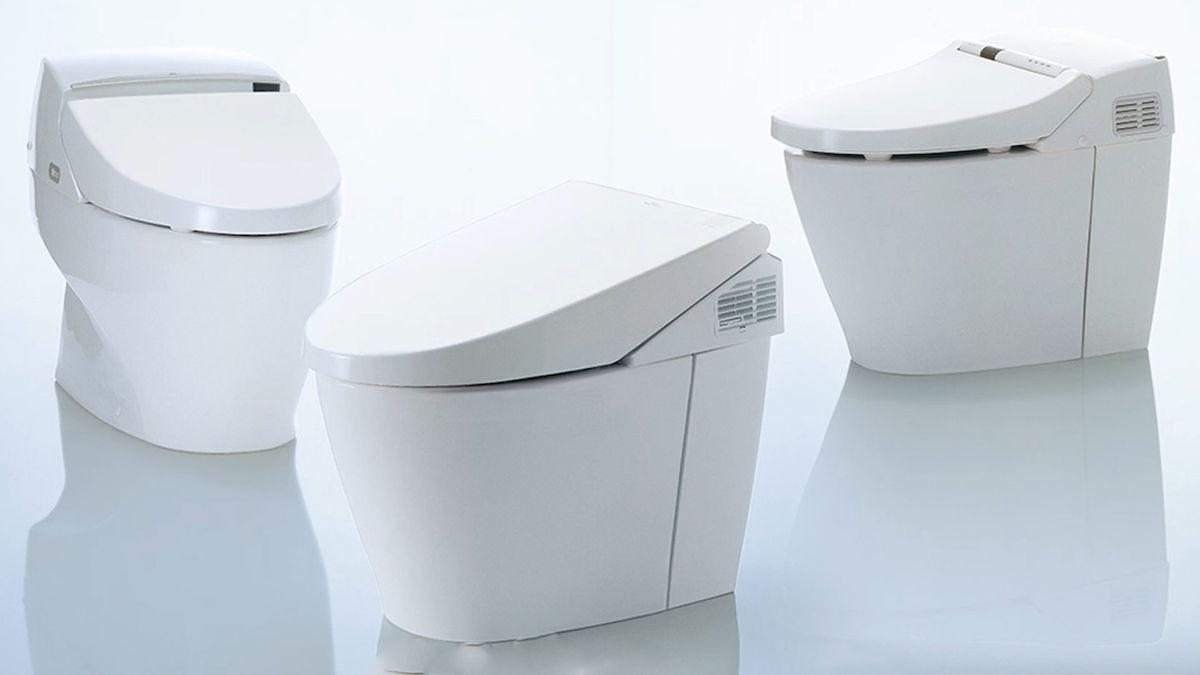
It sounds like clickbait, but the company's stocks have risen nearly 40% in 2026 alone. Despite appearances, Japan's Toto isn't just the name behind heated bidets and "Washlet" throne technology anymore. According to a report from Financial Times, the UK-based activist investor Palliser Capital just surfaced in its shareholder registry with a letter to the board saying that the company's advanced ceramics business is being wildly undervalued by the market. In other words, a loo maker might now be sitting at the crossroads of AI infrastructure and semiconductor supply chains. Now, Palliser is explicitly calling Toto "the most undervalued and overlooked AI memory beneficiary" in its letter -- which is activist language, not impartial research. Still, it's grounded in a real here-and-now connection between AI investment trends and semiconductor supply chains. See, Toto has been making precision ceramic parts for decades. These aren't bathroom fixtures; they're highly engineered components used in semiconductor manufacturing, helping hold silicon wafers steady during processing steps like etch and deposition. These materials have to withstand thermal stress, minimize contamination, and be engineered to extremely tight tolerances. Toto's advanced ceramics catalog demonstrates the company's expertise here; it includes air bearings, bonding capillaries, and structures designed for high-precision semiconductor tools. Investors are increasingly noting that this isn't some silly side hustle. According to recent reporting, Toto's advanced ceramics are contributing to profits on the order of roughly 40 percent of operating income, even as the company remains globally known for toilets. We don't have to tell you that AI data centers have massive appetites for memory, nor do we likely need to remind you of the ongoing RAM-pocalypse that's put real upward pressure on memory prices and wafer fab utilization in the past year. The upshot, at least for Toto, is more demand for the tools and components that go into making those chips. Palliser is pushing Toto to do a better job explaining this segment to the market, streamline capital allocation, and use its ~¥76 billion ($496 million US) net cash more strategically, including a potential expansion of its ceramics business ahead of the competition. Goldman Sachs and other research desks have talked up the profit potential tied to these components, even lifting ratings in the past year based on the assumption of a rebounding NAND market. Toto's shares have already seen strong moves, with gains of nearly 40% to date this year tied to both analyst coverage and activist newsflow. In short, traders aren't just laughing at the idea of bidding up a bidet maker because "AI." Instead, they're following revenue, profit, and end-market demand signals that, as strange as it sounds, track with beefed-up capital spend on memory fabs to attempt to meet the insane demand we're seeing now. That said, claims of a five-year technological moat largely come from Palliser's pitch to shareholders. It's a bullish thesis, not an independent guarantee, and Palliser has a vested interest in that claim being accurate. Also, while electrostatic chucks absolutely play a role in advanced, low-temperature etch processes, the idea that this will drive a measurable growth surge is arguably still more "industry narrative" than something that's necessarily clear when looking at public fab spending data. All of the major memory manufacturers have been highly reluctant to commit to large production expansions, citing an unwillingness to be stuck with a glut of stock if the market turns abruptly (as it may well do, given well-founded fears of an AI 'bubble'.) Toto's journey from Washlet ad campaigns to semiconductor materials speaks to the idea that AI is reshaping how investors think about supply chains. It's not just Nvidia and AMD; it's the materials and components that enable chip production. In Japan, you're seeing this theme elsewhere, too; other traditional manufacturers, from seasoning companies like Ajinomoto (making materials for chip substrates) to cosmetics companies producing wafer cleaning agents, are being reevaluated through the AI lens. Let's hope these companies don't forget their roots lest the consequences of an AI market crash take out our toilet vendors, too.
[2]
Investor says toilet maker Toto is an overlooked AI play
Palliser Capital says Toto is sitting on hidden semiconductor value - and wants the company to lift the lid The AI hype cycle has officially reached the toilet, with a Japanese bathroom giant suddenly being pitched as a serious tech play. Activist investor Palliser Capital has taken aim at Japanese loo legend Toto, urging the firm to make more noise about its little-known chip components business and arguing the maker of the "Washlet" - described by the company as "the original shower toilet" - is quietly sitting on a flush of value tied to the AI boom. In a statement to The Register, Palliser confirmed it had taken a stake in Toto but didn't comment on specifics, beyond saying it's a "top 20 shareholder." In a newly published presentation, the investment firm called Toto "the most undervalued and overlooked AI memory beneficiary," saying the company has evolved into a "strategically critical semiconductor materials innovator and supplier." The UK-based fund says the company's advanced ceramics arm produces electrostatic chucks used in cryogenic etching tools for 3D NAND manufacturing - niche but essential kit that helps hold silicon wafers steady. The ceramics are designed to remain stable at extremely low temperatures, helping to clamp wafers in place as memory chips become increasingly layered and finicky. Palliser argues the business is central to next-generation chip production and says the segment now contributes more than half of operating profit, underscoring how much of Toto's real value sits far from the bathroom showroom. With AI infrastructure spending still in full froth, it seems anything with even a whiff of exposure to memory chips is being hauled into the spotlight. Palliser reckons Toto's valuation gap is largely down to investors not fully appreciating what's going on behind the bathroom door, putting the disconnect at about ¥554 billion ($3.6 billion). The fund says fixing disclosure, tightening capital allocation, and improving capital efficiency could unlock "well over 55 percent upside" for shareholders - a pitch that essentially boils down to telling the market there's more to this outfit than heated toilet seats. Palliser says the factors behind the valuation gap are "readily solvable" if the company leans harder into the story and backs the business appropriately. When the market starts pitching a toilet maker as an AI infrastructure bet, you can't help but wonder whether the hype has finally gone fully down the drain - or whether investors are just determined to squeeze every last drop out of the boom before someone eventually pulls the chain. ®
[3]
Video: The Newest Player in A.I.'s Supply Chain Is a Toilet Maker
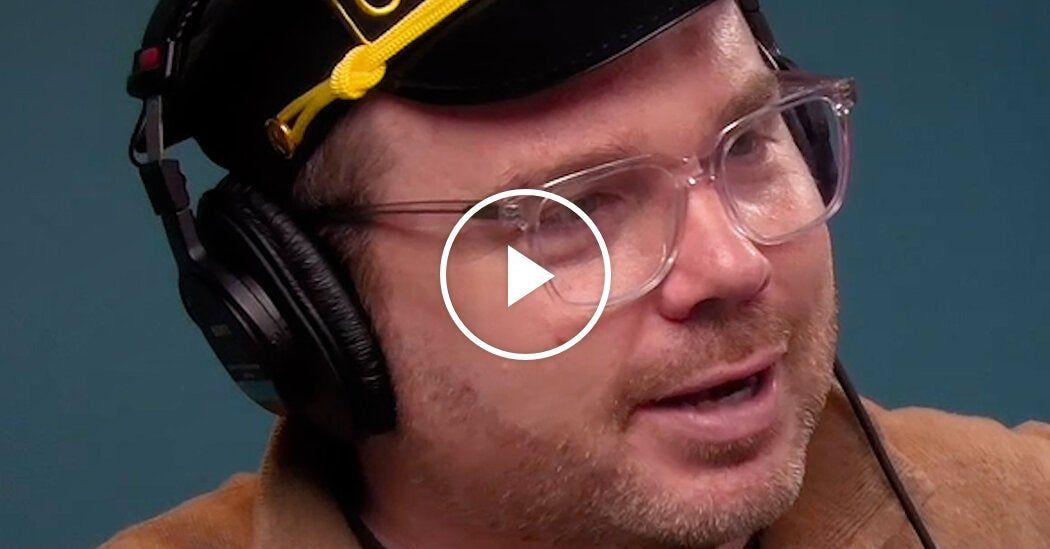
A British investor urged the Japanese company Toto to produce its advanced ceramics not for toilet seats and bidets, but for A.I. semiconductors. Casey, would you believe that Toto, the Japanese company best known for its toilet seats and bidets, - Mhm. - is becoming a major player in the global semiconductor supply chain? - Is that right? Well, because, you know, everybody who works on A.I. has to go to the bathroom. - [Laughs] No, this is about some advanced ceramics that Toto makes that help to stabilize silicon wafers during chip production, which is part of the supply chain and the way that you create these GPUs that go in these gigantic data centers. Toto, the humble toilet company, is playing a major role in that. And so there's an activist investor in the U.K. who sent a letter to the board of Toto, exhorting it to make more of its advanced ceramics. Basically, stop making so many toilets and start making chip parts. - Yeah, the next time you use a Toto toilet, I want you to just realize that it could have been making A.I., and I want you to reflect on that. And maybe I don't actually don't know what you would do with that information, but it is something you could think about. Kevin, I think this is turning into a [expletive] storm. - [Laughs] - No, I think this is a good sign for Toto. It's a high-growth industry. And I actually have a new slogan that I think they should use for the semiconductor supply chain part of their business. You want to hear it? - What's that? - Toto: We put the P U in GPU. - OK. That's enough.
Share
Share
Copy Link
Toto, the Japanese company known for Washlet bidets and heated toilet seats, is being repositioned as a critical AI infrastructure player. Activist investor Palliser Capital claims the company's advanced ceramics business—producing precision components for semiconductor manufacturing—makes it the most undervalued and overlooked AI memory beneficiary. Shares have jumped nearly 40% in early 2026 as investors recognize the connection between Toto's ceramic parts and the booming demand for memory chips in AI data centers.
Japanese Toilet Maker Toto Draws AI Investor Attention
Toto, the Japanese company globally recognized for its Washlet bidets and heated toilet seats, is now being pitched as a critical player in the semiconductor supply chain. UK-based activist investor Palliser Capital has emerged as a top 20 shareholder and sent a letter to Toto's board calling the company "the most undervalued and overlooked AI memory beneficiary" in the market
1
2
. The company's shares have surged nearly 40% in the first two months of 2026 alone, driven by growing investor interest in its little-known advanced ceramics business1
.
Source: The Register
Advanced Ceramics Fuel Semiconductor Manufacturing
Beyond bathroom fixtures, Toto has spent decades manufacturing precision ceramic components essential to semiconductor manufacturing. These highly engineered parts include electrostatic chucks used in cryogenic etching tools for 3D NAND production, helping to stabilize silicon wafers during critical processing steps like etch and deposition
1
2
. The ceramics must withstand extreme thermal stress, minimize contamination, and meet extraordinarily tight tolerances. Toto's catalog extends to air bearings, bonding capillaries, and structures designed for high-precision semiconductor tools1
. These precision components are designed to remain stable at extremely low temperatures, critical for next-generation memory chips that power AI infrastructure2
.Operating Profit Reveals Hidden Value
This isn't a minor side business. Toto's advanced ceramics segment now contributes roughly 40 percent of the company's operating profit, according to recent reporting, even as the company remains best known for toilets
1
. Palliser Capital argues the segment contributes more than half of operating profit, underscoring how much real shareholder value sits outside the bathroom showroom2
. The fund estimates a valuation gap of approximately ¥554 billion ($3.6 billion) exists because investors haven't fully grasped what's happening behind the scenes2
. With Toto holding around ¥76 billion ($496 million) in net cash, Palliser Capital is pushing for better capital allocation and strategic expansion of the ceramics business ahead of competitors1
.
Source: Tom's Hardware
AI Data Centers Drive Memory Chip Demand
The timing matters. AI data centers have massive appetites for memory chips, and the ongoing pressure on memory prices and wafer fab utilization has created real demand for the tools and components that produce those chips
1
. Goldman Sachs and other research desks have lifted ratings on Toto in the past year based on assumptions of a rebounding NAND market1
. The AI boom has put anything with exposure to memory chips under the spotlight, and Palliser believes fixing disclosure and improving capital efficiency could unlock "well over 55 percent upside" for shareholders2
.Related Stories

Activist Investor Palliser Capital Pushes for Strategic Shift
Palliser Capital is urging Toto to do a better job explaining this segment to the market and to use its resources more strategically
1
. In a presentation, the firm described Toto as having evolved into a "strategically critical semiconductor materials innovator and supplier"2
. The pitch essentially boils down to telling the market there's more to this company than heated toilet seats2
. A British investor even urged Toto to shift focus from toilet seats and bidets toward producing more advanced ceramics for AI semiconductors3
.
Source: NYT
What This Means for AI and Supply Chains
Toto's journey from bathroom products to semiconductor materials illustrates how AI is reshaping investor thinking about supply chains. It's not just GPUs from Nvidia and AMD; it's the materials and precision components that enable chip production
1
. In Japan, other traditional manufacturers are being reevaluated through the AI lens—from Ajinomoto making materials for chip substrates to cosmetics companies producing wafer cleaning agents1
. Still, Palliser's claims of a five-year technological moat come from a bullish thesis with vested interest, not independent guarantees. Major memory manufacturers remain reluctant to commit to large production expansions, citing fears of being stuck with excess stock if the AI market turns abruptly1
. Traders aren't simply bidding up a bidet maker because of AI hype; they're following revenue, profit, and end-market demand signals that track with increased capital spending on memory fabs to meet current demand1
. Whether this represents genuine long-term value or simply another chapter in the AI infrastructure frenzy remains to be seen, particularly as concerns about an AI bubble persist1
. For now, Toto sits at an unusual crossroads where bathroom technology meets the semiconductor supply chain feeding AI's explosive growth.References
Summarized by

Navi
[1]
[2]
Related Stories
TSMC calls AI demand 'endless' as chipmaker commits $56 billion to fuel sustained AI boom
12 Jan 2026•Business and Economy

TSMC's AI Chip Dominance Propels Global Ranking and Revenue Growth
30 Jul 2025•Business and Economy
Taiwan Semiconductor's AI Chip Demand Surges, Tripling Revenue Forecast
04 Nov 2024•Technology

Recent Highlights



Recent Highlights
Today's Top Stories







Your Daily Dose of Curated AI News
Don’t drown in AI news. We cut through the noise - filtering, ranking and summarizing the most important AI news, breakthroughs and research daily. Spend less time searching for the latest in AI and get straight to action.

