LG and Samsung Unveil Micro RGB TV Tech with AI-Powered Color Gamut at CES 2026


3 Sources
3 Sources
[1]
LG reveals Micro RGB evo TV with bold claims of perfect color
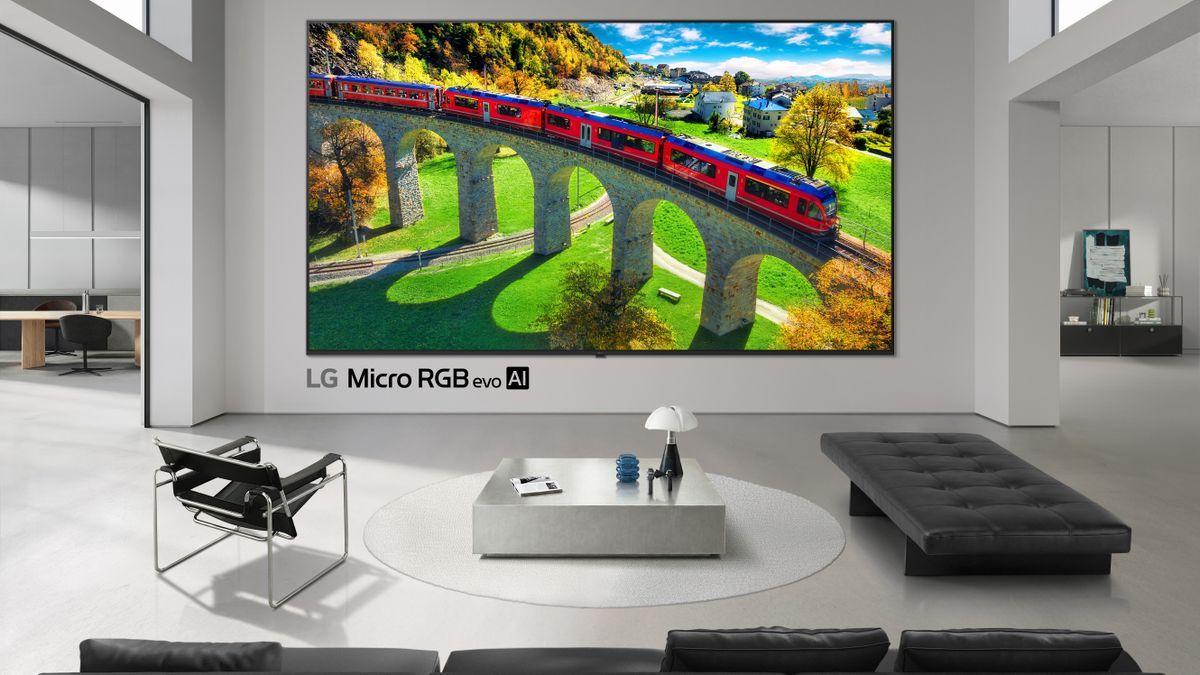
We've heard plenty about RGB TV tech from all the mainstays - Sony and Samsung included - and now LG is teeing up its debut at CES 2026 (Consumer Electronics Show) of what it believes is the best of the best: a Micro RGB TV that could deliver one of the widest color gamuts we've seen from an LCD display. LG's first-ever Micro RGB TV will be shown off at the annual show and is dubbed the LG Micro RGB evo. Like other RGB TVs - including Samsung's Micro RGB TV that I saw in person, whose vivid picture clearly outshone many Mini-LED TVs with bolder, more refined colors - the idea here is brighter output and better controlled local dimming for one of the best pictures possible. Here, LG's first-ever Micro RGB TV swaps the traditional backlight LEDs found in most LCD sets for ultra-tiny red, green, and blue LEDs. These are controlled by the brand-new α11 AI Processor Gen 3, which offers more precise control over light and color delivery. As with other RGB sets, LG says this approach brings the TV closer to OLED-level control than traditional LCD sets. Essentially, it's about merging high brightness with precision-level control for deeper blacks and a more immersive visual experience overall. The new backlights and processor are paired with what LG calls Micro Dimming Ultra, its term for the 1,000-plus local dimming zones found on the Micro RGB evo. It's not quite OLED - where individual pixels can turn off completely for perfect blacks - but it should get closer than most other LCD-based TVs. For color, LG notes that the Micro RGB evo has been certified by Intertek for 100% color gamut coverage across BT.2020, DCI-P3, and Adobe RGB. That's a claim about the range of colors the TV can display, rather than a guarantee of perfect out-of-the-box color accuracy. Even so, that's a rare trifecta, and if LG's implementation is well-tuned - something we'll be looking closely at when we see it in person - the Micro RGB evo could end up among the best LCD TVs ever released. The new-for-2026 α11 AI Processor Gen 3 also introduces several features, including the ability to process two AI upscaling tracks simultaneously. While many smart TVs have offered upscaling for several generations, LG promises this approach will boost sharpness without straying from natural-looking visuals. Like other LG TVs, the Micro RGB evo ships with webOS, offering access to major streaming services and a range of AI-powered features, including a chatbot, Voice ID, and picture-quality enhancements. LG isn't the first brand to show off RGB TV technology - Samsung and Hisense have already demonstrated it and sell TVs - but the Micro RGB evo suggests the category is evolving quickly. LG's emphasis on a wider color gamut and tighter backlight control could give it a meaningful edge, particularly for HDR content. What's especially promising is how RGB TVs continue to close the gap between LCD and OLED. If LG can combine its wide color gamut claims with strong factory calibration and effective local dimming, this could become a compelling option for buyers who want massive screen sizes, high brightness, and fewer long-term risks than with OLED. The price will also be important, but LG isn't sharing that just yet, and competing RGB sets aren't cheap. That said, CES 2026 is shaping up to be a pivotal moment for next-generation TV tech. With other manufacturers expected to show off their own takes on Micro RGB, refined Mini-LED, and alternative backlight solutions, LG's Micro RGB evo likely won't be the only standout on the show floor. We'll be watching closely to see how it stacks up - and what other surprises emerge once CES kicks off. The LG Micro RGB evo (model MRGB95) will launch in 75-inch, 86-inch, and 100-inch sizes later in 2026.
[2]
Samsung Reveals 2026 Micro RGB Series: AI-Powered, Glare-Free, and Color-Perfect
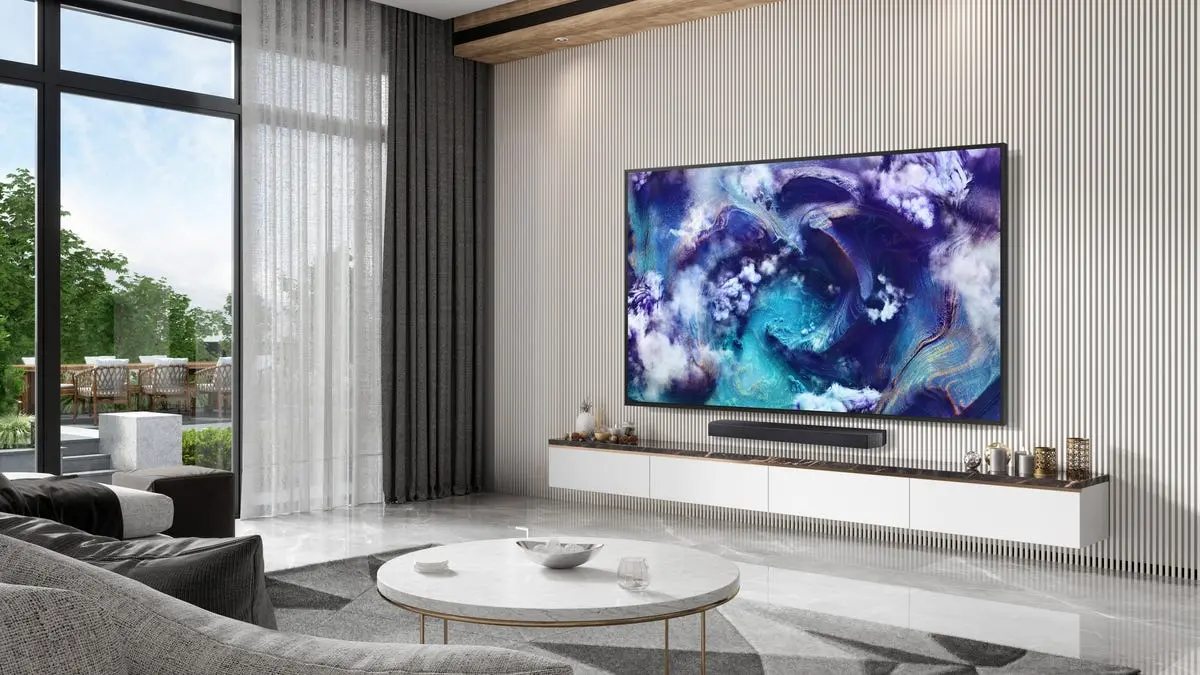
Samsung is poised to transform the home entertainment industry in 2026 with the introduction of its expanded Micro RGB TV lineup. Boasting an impressive range of screen sizes, from 55 inches to a staggering 115 inches, this new series aims to deliver unrivaled picture quality and innovative technology. The Micro RGB TV technology is engineered to provide lifelike colors, exceptional clarity, and an immersive viewing experience, making it an ideal choice for movie enthusiasts, sports fans, and TV aficionados. At the heart of this innovation lies the sub-100 μm red, green, and blue LEDs that emit light independently, allowing ultra-precise light control and enhanced color accuracy. This advanced display architecture is further complemented by Samsung's proprietary AI-powered features, such as 4K AI Upscaling Pro and AI Motion Enhancer Pro, which work in tandem to refine brightness, smooth motion, and add clarity in real-time. The result is a viewing experience that is both captivating and true-to-life, setting a new standard for home entertainment. Powering the Micro RGB TV lineup is the Micro RGB AI Engine Pro, a next-generation AI chipset designed to deliver frame-by-frame clarity and realism. With features like Micro RGB Color Booster Pro and Micro RGB HDR Pro, viewers can immerse themselves in a world of vivid colors and hyper-realistic visuals that rival real-life experiences. The Micro RGB Precision Color 100 technology, certified by VDE, achieves an impressive 100% of the BT.2020 wide color gamut, ensuring brilliant brightness and lifelike hues that bring content to life. In addition to its stunning visual performance, Samsung has integrated its upgraded Vision AI Companion, which combines large language model (LLM)-powered intelligence with natural conversation capabilities. This innovative feature allows users to interact with their TVs through conversational search, proactive recommendations, and access to AI-powered apps such as Live Translate and Generative Wallpaper. Furthermore, Samsung's Glare Free technology minimizes reflections, ensuring clear color and contrast in any lighting condition, making it suitable for various viewing environments. The 2026 Micro RGB TV lineup will be available in six sizes: 55, 65, 75, 85, 100, and 115 inches, catering to a wide range of living spaces and preferences. While Samsung has yet to disclose specific pricing details, industry experts anticipate that the lineup will target the premium segment of the market, reflecting its advanced technology and superior performance. Consumers can expect to see these models in stores and online shortly after their highly anticipated debut at CES 2026, which takes place in Las Vegas from January 6-9. For technology enthusiasts and early adopters seeking the latest advancements in home entertainment, Samsung's Micro RGB TVs are just the tip of the iceberg. The company's relentless pursuit of innovation extends to AI-driven smart features, immersive audio systems, and energy-efficient display technologies, all of which are shaping the future of consumer electronics. As the industry continues to evolve, Samsung remains at the forefront, offering a diverse range of products that cater to the ever-changing needs and preferences of consumers. Whether you're looking to upgrade your home theater or explore the possibilities of AI-powered devices, Samsung's 2026 lineup promises to deliver an unparalleled experience that will redefine the way we consume and interact with digital content.
[3]
LG Announces a New Micro RGB TV in Three Massive Screen Sizes - IGN
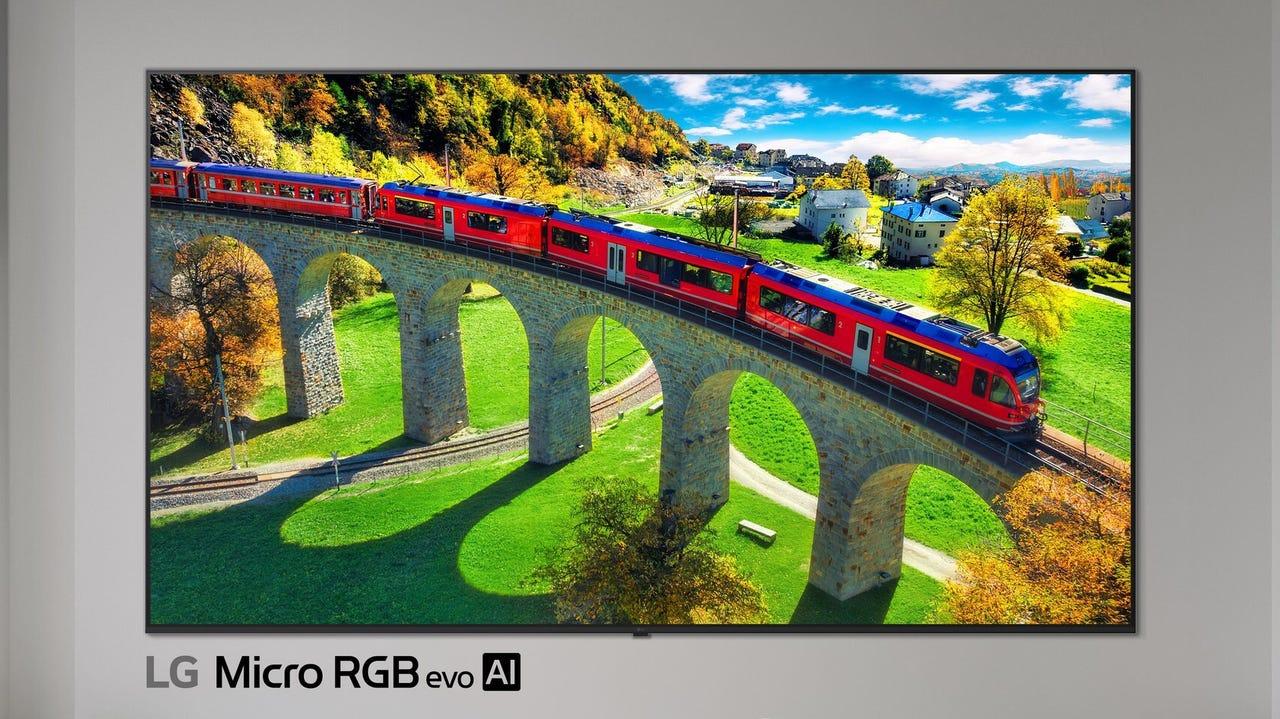
LG Electronics has announced that at CES in Las Vegas next month, it will be unveiling a new Micro RGB TV, the Micro RGB Evo. It's not announcing pricing yet, but LG says the TV will come in 100-inch, 86-inch, and 75-inch sizes. Hopefully they'll be more affordable than Samsung's 115-inch Micro RGB behemoth, or Hisense's 116-inch RGB MiniLED TV, each of which goes for about $30,000. Micro RGB is the latest in TV tech being presented as a high-contrast, higher-brightness alternative to OLED TVs. It's not MicroLED, a similar-sounding TV panel tech that is a bit like OLED but with pixels made up of individually lit RGB LEDs. Instead, this tech uses clustered RGB LEDs to backlight a normal LCD panel - it still achieves dimming like a MiniLED would, but with a wider potential color gamut. LG says the new Micro RGB Evo can hit 100 percent coverage in BT.2020, DCI-P3, and Adobe RGB, and that it offers over 1,000 dimming zones, which is about on par with many MiniLEDs. Because it's LED-lit, rather than OLED, the Micro RGB Evo should be less prone to burn-in and therefore capable of getting much brighter overall. Combined with the wider range of colors, that means better HDR without giving up nearly as much of the deep contrast of OLED as you might with a traditional LCD TV. For most of us, though, it probably won't be worth the cost quite yet - there's no way these TVs will dip into the range of affordability that LG's OLEDs sit in. But I'm sure it'll be very nice to look at. If you buy one, invite me over to watch a movie. Apart from the dazzling new display tech, LG says this TV will use the charmingly-named Dual AI Engine-based Alpha 11 AI Processor Gen 3, "which features Dual Super Upscaling to simultaneously process two types of AI upscaling." It'll run WebOS, of course, and will come with a number of AI features like a chatbot and AI-based search, and so on. Look for more info about the LG Micro RGB Evo early next month, during CES 2026, which starts on January 6. Wes is a freelance writer (Freelance Wes, they call him) who has covered technology, gaming, and entertainment steadily since 2020 at Gizmodo, Tom's Hardware, Hardcore Gamer, and most recently, The Verge. Inside of him there are two wolves: one that thinks it wouldn't be so bad to start collecting game consoles again, and the other who also thinks this, but more strongly.
Share
Share
Copy Link
LG and Samsung are set to showcase competing Micro RGB TV lineups at CES 2026, featuring ultra-precise LED backlighting that achieves 100% color gamut coverage across BT.2020, DCI-P3, and Adobe RGB standards. Both manufacturers are integrating advanced AI processors to deliver high-contrast, high-brightness displays that challenge OLED technology while addressing burn-in concerns.
LG and Samsung Race to Define Micro RGB TV Future
The battle for television supremacy is shifting to a new frontier as both LG and Samsung prepare to unveil their Micro RGB TV offerings at CES 2026 in Las Vegas from January 6-9. LG's debut Micro RGB evo TV and Samsung's expanded 2026 lineup represent a significant evolution in backlight technology, positioning Micro RGB TV as a compelling alternative that bridges the gap between traditional LCD displays and OLED panels
1
[2](https://www.geeky-gadgets.com/samsung-re veals-2026-micro-rgb-series-ai-powered-glare-free-and-color-perfect/). This emerging category uses clustered red, green, and blue LEDs to backlight LCD panels rather than relying on conventional white LEDs, enabling manufacturers to achieve wider color gamut coverage while maintaining the brightness advantages of LED technology3
.
Source: TechRadar
Achieving Perfect Color Gamut Coverage Through Advanced LED Architecture
Both manufacturers are making bold claims about color gamut performance that could redefine picture quality expectations. LG's Micro RGB evo TV has earned Intertek certification for achieving 100% color gamut coverage across BT.2020, DCI-P3, and Adobe RGB standards—a rare trifecta that suggests exceptional range in displayable colors
1
. Samsung's competing technology features sub-100 μm red, green, and blue LEDs that emit light independently, paired with Micro RGB Precision Color 100 technology that also achieves 100% of the BT.2020 color gamut with VDE certification2
. The BT.2020 standard represents the widest color space currently used in broadcasting and home entertainment, making these achievements particularly significant for HDR content delivery1
.
Source: Geeky Gadgets
AI Processors Drive Precision and Intelligence
AI integration distinguishes these next-generation displays from their Mini-LED predecessors. LG's Alpha 11 AI Processor Gen 3 powers the Micro RGB evo TV with what the company calls Dual Super Upscaling, which simultaneously processes two types of AI-powered upscaling to boost sharpness while maintaining natural-looking visuals
3
. The processor also manages over 1,000 local dimming zones through LG's Micro Dimming Ultra technology, delivering precise control over light and color delivery1
. Samsung counters with its Micro RGB AI Engine Pro chipset featuring 4K AI Upscaling Pro and AI Motion Enhancer Pro, which refine brightness, smooth motion, and add clarity frame-by-frame2
. Samsung's upgraded Vision AI Companion leverages large language models to enable conversational search, proactive recommendations, and AI-powered apps including Live Translate and Generative Wallpaper[2](https://www.geeky-gadgets.com/samsung-re veals-2026-micro-rgb-series-ai-powered-glare-free-and-color-perfect/).Bridging the OLED Gap with High-Contrast, High-Brightness Performance
Micro RGB technology addresses a fundamental tension in display engineering: achieving OLED-level contrast without sacrificing the brightness and longevity advantages of LED-based systems. Because these displays use LED backlighting rather than self-emissive OLED pixels, they should prove less prone to burn-in while achieving much higher peak brightness levels—critical factors for HDR content and viewing in bright environments
3
. Samsung specifically addresses ambient lighting challenges with Glare Free technology that minimizes reflections to maintain clear color and contrast regardless of viewing conditions2
. While these displays won't match OLED's pixel-level control where individual pixels turn off completely for perfect blacks, the combination of advanced local dimming and precise color control brings them closer than traditional LCD or even Mini-LED alternatives1
.
Source: IGN
Related Stories
Size Options and Market Positioning
LG will launch the Micro RGB evo TV (model MRGB95) in 75-inch, 86-inch, and 100-inch sizes later in 2026, focusing on the large-format segment where brightness and size advantages matter most
1
. Samsung takes a broader approach with six size options ranging from 55 inches to a massive 115 inches, aiming to make the technology accessible across more living spaces while still targeting the premium market segment2
. Neither manufacturer has disclosed pricing, though competing RGB displays like Samsung's 115-inch model and Hisense's 116-inch RGB MiniLED TV currently retail for approximately $30,0003
. Industry observers expect these premium prices to gradually decline as production scales and competition intensifies.What This Means for Home Entertainment Evolution
The simultaneous push by major manufacturers signals that Micro RGB represents more than experimental technology—it's becoming a legitimate category that could reshape purchasing decisions for consumers seeking massive screen sizes without OLED's long-term risks. The emphasis on AI-driven processing, wider color gamut coverage, and improved backlight technology suggests the category is evolving rapidly beyond early implementations. LG's integration with webOS provides access to major streaming services alongside AI features like chatbots and Voice ID
1
. As CES 2026 approaches, other manufacturers are expected to reveal their own takes on Micro RGB, refined Mini-LED, and alternative backlight solutions, making this a pivotal moment for next-generation display technology1
. The real test will come when independent reviewers assess whether factory calibration and real-world performance match the impressive specifications both companies are promising.References
Summarized by

Navi
Related Stories
Samsung unveils world's first 130-inch Micro RGB TV with AI-powered color technology at CES 2026
05 Jan 2026•Technology

Samsung Unveils World's First Micro RGB TV: A Leap in Display Technology
12 Aug 2025•Technology

LG Unveils 2025 OLED Evo TV Lineup with Advanced AI Features and Gaming Capabilities
06 Jan 2025•Technology

Recent Highlights
1
AI chatbots validate you too much, making you less kind to others, Stanford study reveals
Science and Research
2
Anthropic's Claude Code Source Leak Reveals Hidden AI Agent Plans and Extensive System Access
Technology

3
Judge blocks Pentagon from branding Anthropic a security risk over AI safety guardrails dispute
Policy and Regulation

Recent Highlights
Today's Top Stories




Your Daily Dose of Curated AI News
Don’t drown in AI news. We cut through the noise - filtering, ranking and summarizing the most important AI news, breakthroughs and research daily. Spend less time searching for the latest in AI and get straight to action.

