Lotus Health AI raises $35M to scale free AI doctor service with board-certified oversight


2 Sources
2 Sources
[1]
Lotus Health nabs $35M for AI doctor that sees patients for free | TechCrunch
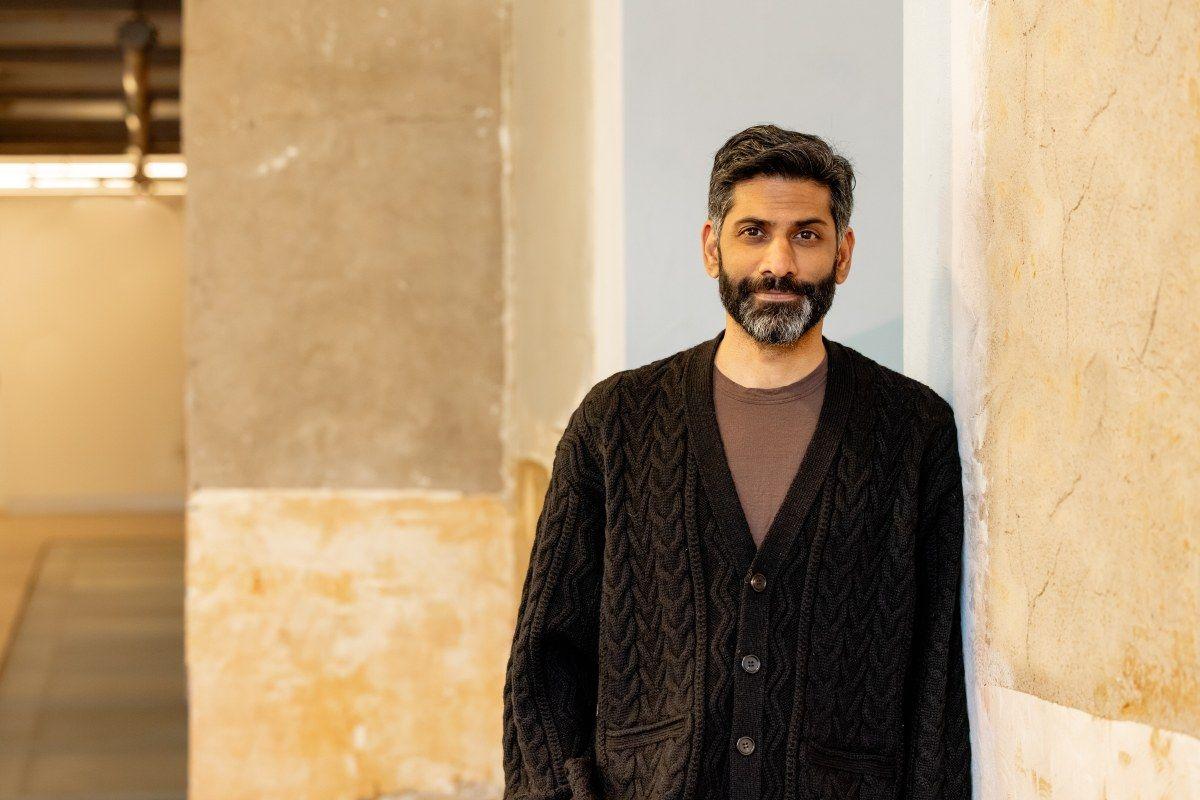
A growing number of people are asking OpenAI's ChatGPT and other LLMs about their health, often discovering that the chatbots provide remarkably useful medical insights. KJ Dhaliwal (pictured left), who in 2019 sold the South Asian dating app Dil Mil for $50 million, says he has been thinking about the inefficiencies of the U.S. healthcare system ever since he was a child acting as a medical translator for his parents, and he saw the advent of LLMs as an opportunity to do something about it. In May 2024, he launched Lotus Health AI, a free primary care provider that's available 24/7 in 50 languages. On Tuesday, Lotus announced it raised $35 million in a Series A round co-led by CRV and Kleiner Perkins, bringing its total funding to $41 million. People are already consulting AI about their health, but Lotus goes a step further: it moves beyond those chats to facilitate actual medical care, including diagnosis, prescriptions, and specialist referrals. In essence, Lotus is building an AI doctor that functions like a real medical practice, equipped with a license to operate in all 50 states, malpractice insurance, HIPAA-compliant systems, and full access to patient records. The key difference is that the majority of the work is done by AI, which is trained to ask the same questions a doctor would. Since AI models are also prone to hallucinations, the company always has board-certified human doctors from top health institutions such as Stanford, Harvard, and UCSF review the final diagnoses, lab orders and medical prescriptions. Lotus has developed an AI model that, similar to OpenEvidence, synthesizes the latest evidence-based research with a patient's history and clinical answers to generate a treatment plan. "AI is giving the advice, but the real doctors are actually signing off on it," Dhaliwal told TechCrunch. Lotus recognizes the limits of virtual care. For urgent health issues, Lotus directs patients to the nearest urgent care center or emergency room. And if a case requires a physical examination, the platform refers the patient to an in-person physician, Dhaliwal said. Outsourcing such a significant portion of medical decision-making to AI is an ambitious bet given the regulatory hurdles in healthcare. For instance, physicians are restricted to seeing patients only in the states where they hold a license. As CRV general partner Saar Gur, who led the deal and joined the company's board, put it: "There are many challenges, but it's not SpaceX sending astronauts to the moon." Gur (pictured right), an early investor in DoorDash, Mercury, and Ring, is convinced that the telemedicine frameworks established during the pandemic, combined with recent breakthroughs in AI, allow Lotus to navigate many of the existing regulatory and engineering hurdles. "It's a big swing," Gur said. But for an investor like Gur, that's the draw: Lotus attempting to fundamentally reimagine the entire primary care model. At a time when primary care doctors are in short supply, Lotus claims it can see 10 times as many patients as a traditional practice, even when it limits each visit to 15 minutes. While the startup isn't the only one building an AI doctor, Lightspeed-backed Doctoronic is one of the competitors. Lotus is differentiating itself by, for now, offering care completely free of charge. Dhaliwal said that eventual business models may include sponsored content or subscriptions, but the current focus remains entirely on product development and attracting patients rather than revenue.
[2]
Lotus Health AI Raises $41 Million to Build AI-Powered Model for Primary Care | PYMNTS.com
By completing this form, you agree to receive marketing communications from PYMNTS and to the sharing of your information with our sponsor, if applicable, in accordance with our Privacy Policy and Terms and Conditions. Together with a seed round, this brought the company's total funding to $41 million, Lotus Health AI said in a Tuesday (Feb. 3) press release. The company will use the new funding to build out the infrastructure, clinical team and runway for its artificial intelligence-powered model for primary care, according to the release. Lotus Health AI's model reduces the cost of care and makes doctors 10 times more productive by eliminating administrative bottlenecks and providing tools to doctors, the release said. The system brings together medical artificial intelligence (AI), unified patient health data, peer-reviewed medical evidence, clinical guidelines and board-certified physicians who review its guidance, per the release. The company's system syncs medical records, labs, medications, wearable data and insurance benefits to create a single patient profile, according to the release. "Physicians review care, refine recommendations and prescribe medications when needed, with lab ordering and in-person care routing coming soon," Lotus AI said in the release. Lotus Health AI earns revenue not by billing patients but by offering premium sponsorships inside its app, according to the release. Patients need no insurance, per the release. Kleiner Perkins led the seed round and co-led the Series A round with CRV, according to the release. "Every few decades, a product emerges that doesn't just improve a system, but redefines it," Kleiner Perkins Partner Annie Case said in the release. "Lotus Health AI has the potential to do that for primary care by delivering greater access, lower cost and better outcomes at scale." The PYMNTS Intelligence and AI-ID collaboration, "Generative AI Can Elevate Health and Revolutionize Healthcare," found that stakeholders in healthcare, technology and investment sectors recognize the potential of AI's impact on health and medicine. The technology is reshaping diagnostics, treatment plans and delivery of care. OpenAI said in January that AI has become one of the most widely used entry points into the healthcare system, with more than 40 million people worldwide using ChatGPT every day for health-related questions. The company said that figure places AI alongside primary care, urgent care and telehealth as a first stop for medical information.
Share
Share
Copy Link
Lotus Health AI announced $35 million in Series A funding to expand its AI-powered primary care model that provides free medical consultations 24/7. Founded by KJ Dhaliwal, the platform uses AI for diagnoses and prescriptions while board-certified physicians from Stanford, Harvard, and UCSF review all final decisions. The company claims its AI doctor service can see 10 times more patients than traditional practices.
Lotus Health AI Secures $35 Million to Transform Primary Care Delivery
Lotus Health AI announced Tuesday it raised $35 million in Series A funding co-led by CRV and Kleiner Perkins, bringing its total funding to $41 million since launching in May 2024
1
. Founded by KJ Dhaliwal, who previously sold dating app Dil Mil for $50 million in 2019, the startup offers free 24/7 primary care in 50 languages through an AI-powered primary care model1
. The company will use the new capital to build out infrastructure, expand its clinical team, and extend its runway as it focuses on patient acquisition rather than immediate revenue generation.
Source: TechCrunch
How the AI Doctor Service Functions Within Healthcare Regulations
Lotus Health AI operates as a fully licensed medical practice across all 50 states, equipped with malpractice insurance, HIPAA-compliant systems, and complete access to patient data
1
. The platform synthesizes peer-reviewed medical evidence with patient history and clinical answers to generate treatment plans, similar to services like OpenEvidence. While AI healthcare tools from OpenAI and other providers have attracted more than 40 million people worldwide using ChatGPT daily for health-related questions2
, Lotus goes beyond simple consultations to facilitate actual medical care including AI for diagnoses and prescriptions, specialist referrals, and lab orders1
.Board-Certified Physicians Review Every AI Decision
Recognizing that AI hallucinations pose significant risks in medical settings, Lotus Health AI requires board-certified physicians from top institutions including Stanford, Harvard, and UCSF to review all final diagnoses, lab orders, and prescriptions before they reach patients
1
. "AI is giving the advice, but the real doctors are actually signing off on it," KJ Dhaliwal explained1
. This hybrid approach addresses regulatory hurdles in the healthcare system while maintaining clinical safety standards. The platform also recognizes the limits of telemedicine, directing patients with urgent health issues to emergency rooms and referring cases requiring physical examination to in-person physicians1
.Related Stories
Technology Aims to Lower Healthcare Costs and Improve Physician Efficiency
The system syncs medical records, labs, medications, wearable data, and insurance benefits to create unified patient profiles
2
. By eliminating administrative tasks and bottlenecks, Lotus claims it can see 10 times as many patients as a traditional practice, even when limiting each visit to 15 minutes1
. This productivity gain addresses the critical shortage of primary care doctors in the United States. CRV general partner Saar Gur, who led the deal and joined the company's board, noted that telemedicine frameworks established during the pandemic combined with recent AI breakthroughs allow Lotus to navigate existing regulatory and engineering challenges1
.Free Access Model Differentiates from Competitors
While competitors like Lightspeed-backed Doctoronic are also building AI doctor services, Lotus Health AI differentiates itself by offering care completely free of charge with no insurance required
1
2
. Rather than billing patients, the company earns revenue through premium sponsorships inside its app2
. Dhaliwal indicated that future business models may include sponsored content or subscriptions, but the current focus remains entirely on product development and attracting patients1
. Kleiner Perkins Partner Annie Case stated, "Every few decades, a product emerges that doesn't just improve a system, but redefines it. Lotus Health AI has the potential to do that for primary care by delivering greater access, lower cost and better outcomes at scale"2
.References
Summarized by

Navi
Related Stories
OpenEvidence raises $250 million, doubles valuation to $12 billion as healthcare AI heats up
21 Jan 2026•Startups

Hippocratic AI Secures $141M Funding to Revolutionize Healthcare with AI Agents
10 Jan 2025•Health

OpenEvidence Secures $210M Funding to Revolutionize AI-Powered Medical Search and Decision Support
16 Jul 2025•Health

Recent Highlights
1
Tennessee Teens Sue Elon Musk's xAI Over Grok AI-Generated Child Abuse Images
Policy and Regulation

2
Pentagon designates Palantir Maven AI as core US military system in major defense shift
Technology

3
Supermicro Co-Founder Indicted in $2.5 Billion Nvidia AI Chip Smuggling Scheme to China
Policy and Regulation

Recent Highlights
Today's Top Stories










Your Daily Dose of Curated AI News
Don’t drown in AI news. We cut through the noise - filtering, ranking and summarizing the most important AI news, breakthroughs and research daily. Spend less time searching for the latest in AI and get straight to action.

