Meta eyes doubling Ray-Ban smart glasses output to 20 million units as AI wearables surge


5 Sources
5 Sources
[1]
Meta mulls doubling output of Ray-Ban glasses by year end, Bloomberg News reports
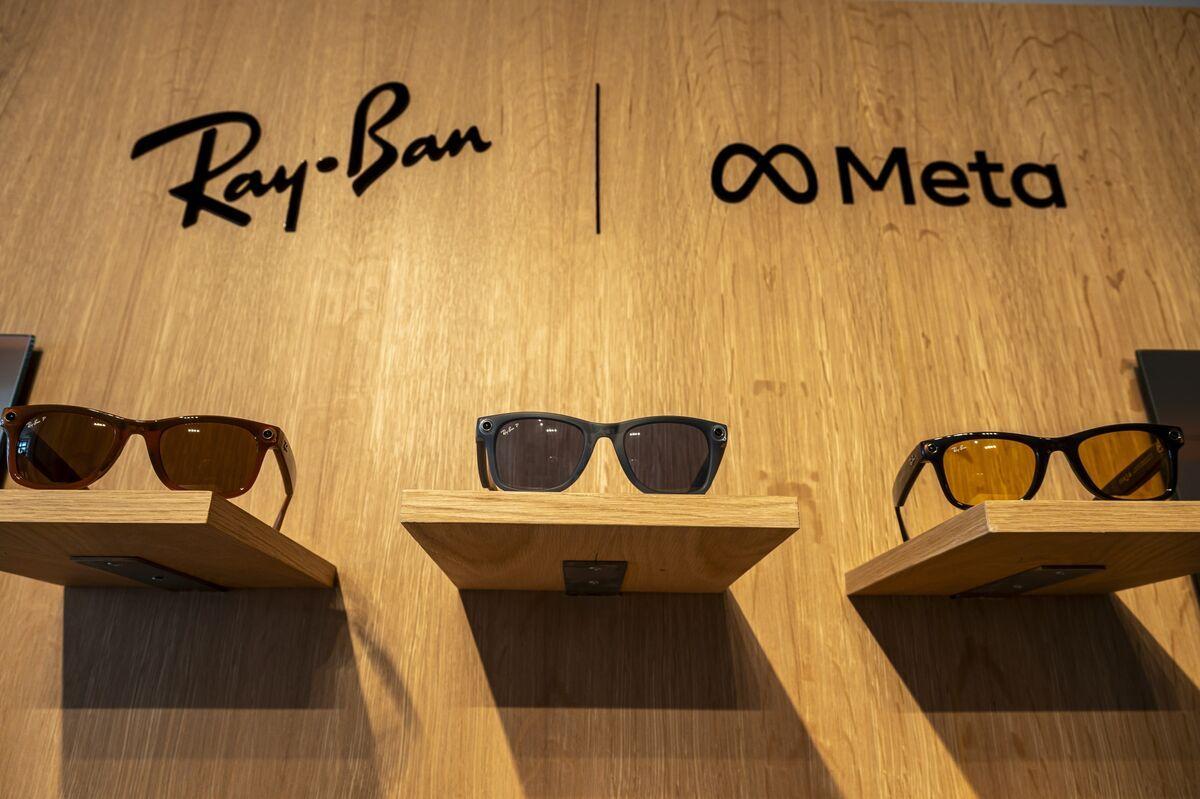
Jan 13 (Reuters) - Meta (META.O), opens new tab and EssilorLuxottica (ESLX.PA), opens new tab are considering doubling the production capacity of their artificial intelligence-powered smart glasses to 20 million units annually by the end of this year, Bloomberg News reported on Tuesday. The potential increase, driven by strong demand, could also see capacity exceed 30 million units if market conditions warrant, the report said, citing people familiar with the matter. No decision has been finalized though, it added. Reuters could not independently verify the report. EssilorLuxottica declined Reuters request for comment, while Meta did not immediately respond. The European firm behind Ray-Ban glasses and the manufacturing partner of Meta is already nearing its current production target of 10 million pairs by late 2026, according to the report. The eyewear giant said in October it would accelerate production capacity for the booming smart glasses business. The companies began their partnership in 2019 and launched their Ray-Ban branded frames in 2021, with a promise to upend the smartphone era by letting wearers take photos and videos through tiny cameras in the lenses, stream content to Meta apps and talk to an AI assistant. Last week, Meta said that it has paused the international expansion of the Ray-Ban Display glasses due to a supply shortage, aiming to prioritize U.S. shipments. The latest report comes as Meta is cutting more than 1,000 jobs from the company's Reality Labs division, according to a separate Bloomberg News report. Meta's Reality Labs unit, which focuses on virtual, augmented, and mixed-reality technologies, including products like Meta Quest headsets and Ray-Ban Meta smart glasses, has burned more than $60 billion since 2020. Reporting by Jaspreet Singh in Bengaluru, additional reporting by Elisa Anzolin and Gianluca Lo Nostro; Editing by Shailesh Kuber Our Standards: The Thomson Reuters Trust Principles., opens new tab
[2]
Meta doubles down on AI smart glasses, shuts VR studios
Meta Platforms is reshaping its hardware and AI strategy. After reports of layoffs at its Reality Labs division, the US tech giant is now in talks with EssilorLuxottica to double the annual output of its AI-powered Ray-Ban Meta smart glasses to 20 million units by the end of 2026, from an original target of 10 million. If demand remains strong, production could rise to 30 million units, though no final agreement has been reached. According to Bloomberg, Reuters, and Wccftech, Meta has used its Ray-Ban partnership since 2019 to enter the smart glasses market, positioning wearable hardware as a core entry point for AI services while reducing dependence on the smartphone ecosystem. EssilorLuxottica owns brands including Ray-Ban and Oakley, as well as retail chains such as Sunglass Hut and LensCrafters, giving Meta strong support to scale production and expand market share. CEO Francesco Milleri has said smart glasses fit the group's wearable and medical technology strategy and could eventually replace smartphones. Counterpoint Research estimates Meta held about 73% of the global smart glasses market in the first half of 2025 and forecasts a CAGR of more than 60% through 2029, signalling a fast transition from niche adoption to mass-market demand. Analysts warn that rapid capacity expansion will strain costs and margins, with smart glasses still less profitable than traditional eyewear in the near term. As volumes increase and component costs fall, economies of scale are expected to gradually improve financial performance. Refocusing on wearable AI As it expands its wearable AI devices, Meta is cutting back on its high-cost metaverse business. The company plans to reduce Reality Labs' headcount by about 10%, affecting more than 1,000 employees, and to close three VR game studios: Twisted Pixel, Sanzaru Games, and Armature Studio. Reality Labs has posted nearly US$70 billion in cumulative losses since 2020, forcing a reassessment of investment priorities under sustained financial pressure. In an internal memo, Meta CTO Andrew Bosworth said resources will shift away from immersive VR and the metaverse toward more practical, large-scale wearable AI devices and mobile experiences, including faster deployment of Horizon software and AI creator tools on mobile platforms. He stressed that VR headsets will continue to be developed, but with a leaner organisation and smaller investment scale to ensure long-term sustainability. Meta's latest moves highlight a strategic shift from a high-cost, low-return metaverse vision to a faster-monetising, demand-driven AI smart glasses market, using capacity expansion and resource reallocation to reinforce its lead in next-generation wearable AI.
[3]
Meta mulls doubling output of Ray-Ban glasses by year end: Report
Meta and EssilorLuxottica are considering doubling the production capacity of their artificial intelligence-powered smart glasses to 20 million units annually by the end of this year, Bloomberg News reported on Tuesday. Meanwhile, Meta is also cutting more than 1,000 jobs from the company's Reality Labs division. Meta and EssilorLuxottica are considering doubling the production capacity of their artificial intelligence-powered smart glasses to 20 million units annually by the end of this year, Bloomberg News reported on Tuesday. The potential increase, driven by strong demand, could also see capacity exceed 30 million units if market conditions warrant, the report said, citing people familiar with the matter. No decision has been finalized though, it added. Reuters could not independently verify the report. EssilorLuxottica declined Reuters request for comment, while Meta did not immediately respond. The European firm behind Ray-Ban glasses and the manufacturing partner of Meta is already nearing its current production target of 10 million pairs by late 2026, according to the report. The eyewear giant said in October it would accelerate production capacity for the booming smart glasses business. The companies began their partnership in 2019 and launched their Ray-Ban branded frames in 2021, with a promise to upend the smartphone era by letting wearers take photos and videos through tiny cameras in the lenses, stream content to Meta apps and talk to an AI assistant. Last week, Meta said that it has paused the international expansion of the Ray-Ban Display glasses due to a supply shortage, aiming to prioritize US shipments. The latest report comes as Meta is cutting more than 1,000 jobs from the company's Reality Labs division, according to a separate Bloomberg News report. Meta's Reality Labs unit, which focuses on virtual, augmented, and mixed-reality technologies, including products like Meta Quest headsets and Ray-Ban Meta smart glasses, has burned more than $60 billion since 2020.
[4]
Meta and EssilorLuxottica Consider Doubling Smart Glasses Production Capacity | PYMNTS.com
By completing this form, you agree to receive marketing communications from PYMNTS and to the sharing of your information with our sponsor, if applicable, in accordance with our Privacy Policy and Terms and Conditions. If demand continues to grow, they could boost the capacity to 30 million, Bloomberg reported Tuesday (Jan. 13), citing unnamed sources. The companies have not yet decided whether to boost production, according to the report. Neither Meta nor EssilorLuxottica immediately replied to PYMNTS' request for comment. Meta said on Jan. 6 that it was pausing its planned global expansion of the smart glasses to the United Kingdom, France, Italy and Canada due to "unprecedented demand and limited inventory" in the United States. "Meta Ray-Ban Display is a first-of-its-kind product with extremely limited inventory," the company wrote in a blog post. "Since launching last fall, we've seen an overwhelming amount of interest, and as a result, product waitlists now extend well into 2026." Meta unveiled the Meta Ray-Ban Display in September. These artificial intelligence-powered smart glasses feature a built-in screen that can display text messages, video calls, photos and the results of queries to Meta's AI service. "This isn't about strapping a phone to your face," the company said when introducing the product. "It's about helping you quickly accomplish some of your everyday tasks without breaking your flow." PYMNTS reported in February 2025 that a new wave of next-generation smart glasses had emerged. These devices are encased in traditional frames of various styles, so users don't look out of place in public, but they carry serious electronics to power AI capabilities like online searches and translations. Meta, several other tech giants and about a dozen smaller companies are betting on smart glasses to be the next popular connected wearable, the report said. It was reported Thursday (Jan. 8) that smart glasses maker XReal raised $100 million and is now valued at over $1 billion. XReal announced Jan. 6 that it extended its strategic partnership with Google, was named a lead hardware partner for the Android XR ecosystem, and will collaborate with Google to bring the Android XR operating system to wired XR glasses and other optical-see-through devices.
[5]

Meta considers doubling production of AI Ray-Ban glasses
Meta and EssilorLuxottica are considering doubling the production capacity of their Ray-Ban Meta smart glasses, driven by what is described as exceptionally strong demand. According to Bloomberg, talks are focused on a target of 20 million units a year, and potentially over 30 million if market conditions permit. No final decision has yet been made, but the push underscores growing interest in connected devices that incorporate artificial intelligence. This ramp-up fits into a broader Meta strategy to roll out AI in devices it controls internally, reducing its reliance on rival smartphones. The partnership with EssilorLuxottica, which has a leading industrial and commercial infrastructure, is helping this shift towards wider adoption of augmented reality through everyday objects. The initial goal of producing 10 million pairs of glasses by the end of 2026 is already close to being reached. Since the launch of the first smart glasses in 2021, Meta and EssilorLuxottica have strengthened their collaboration, notably through Meta taking a stake in its partner. The latest version, the Ray-Ban Display, equipped with an integrated text display, was launched in September in the US at a price of $799. Faced with surging demand, Meta has had to suspend sales in several countries due to a lack of stock.
Share
Share
Copy Link
Meta and EssilorLuxottica are in talks to double production capacity of their AI-powered Ray-Ban smart glasses to 20 million units annually by year-end, potentially reaching 30 million if demand stays strong. The move comes as Meta cuts over 1,000 Reality Labs jobs, signaling a strategic pivot from high-cost metaverse projects to profitable wearable AI devices.
Meta and EssilorLuxottica Target Aggressive Production Expansion
Meta and EssilorLuxottica are considering doubling production capacity of their AI-powered Ray-Ban smart glasses to 20 million units annually by the end of 2026, according to Bloomberg News
1
2
. The potential increase in production, driven by strong demand, could see capacity exceed 30 million units if market conditions warrant, though no final decision has been reached3
. EssilorLuxottica, the European firm behind Ray-Ban glasses, is already nearing its current production target of 10 million pairs by late 20261
. The eyewear giant said in October it would accelerate production capacity for the booming smart glasses business.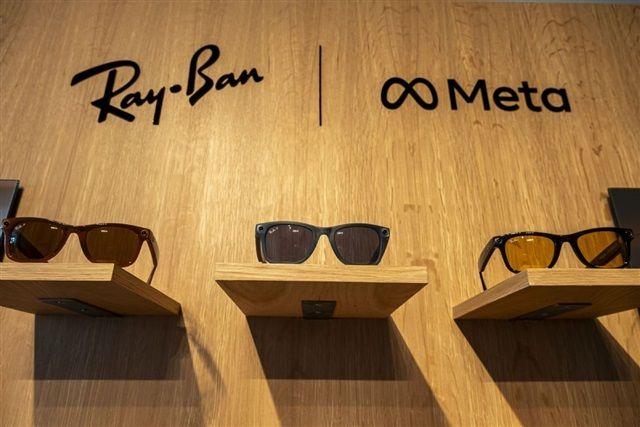
Source: DIGITIMES
Supply Shortage Signals Unprecedented Market Appetite
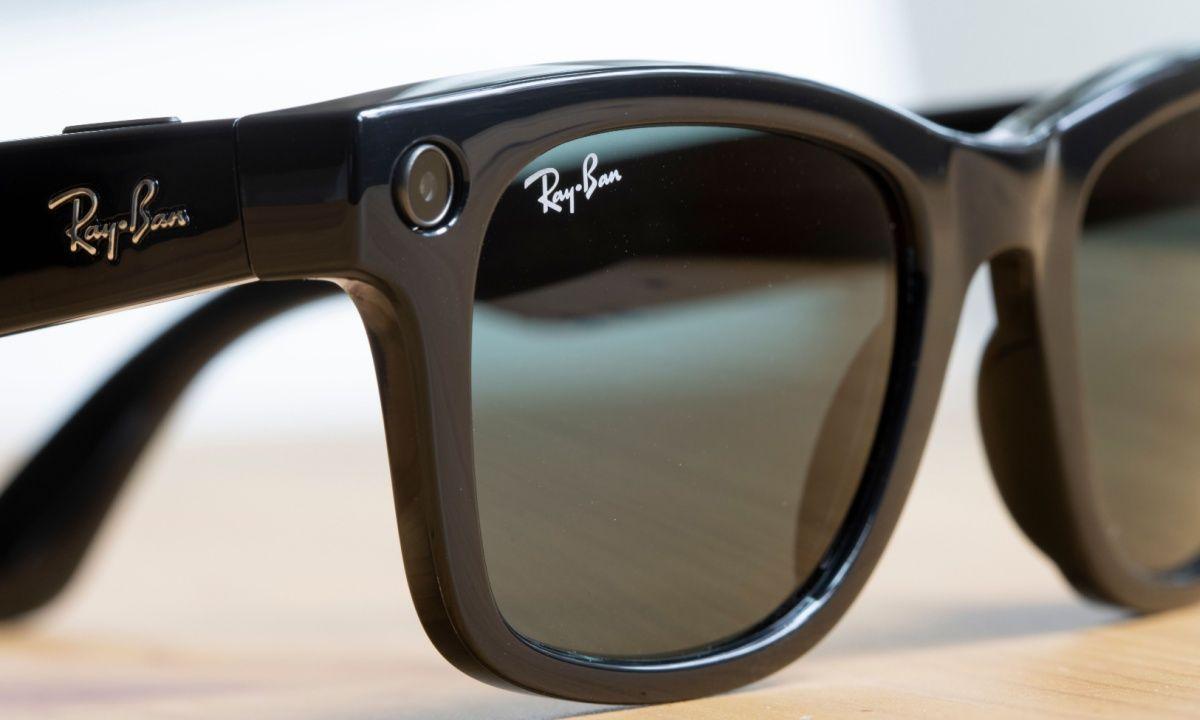
The push for doubling production capacity comes as Meta paused international expansion of the Ray-Ban Display glasses to the United Kingdom, France, Italy and Canada due to a supply shortage, prioritizing U.S. shipments
1
4
. Meta described the situation as "unprecedented demand and limited inventory," with product waitlists extending well into 20264
. The Ray-Ban Display, launched in September at $799, features a built-in screen that displays text messages, video calls, photos and results from Meta's AI service4
. Counterpoint Research estimates Meta held approximately 73% of the global smart glasses market in the first half of 2025 and forecasts a compound annual growth rate of more than 60% through 20292
.
Source: PYMNTS
Strategic Shift From Metaverse to Wearable AI Devices
As Meta expands its AI smart glasses production, the company is simultaneously cutting more than 1,000 jobs from its Reality Labs division, which has burned more than $60 billion since 2020
1
3
. The layoffs affect about 10% of Reality Labs' workforce, with Meta closing three VR game studios: Twisted Pixel, Sanzaru Games, and Armature Studio2
. Meta CTO Andrew Bosworth stated in an internal memo that resources will shift away from immersive VR and the metaverse toward more practical, large-scale wearable AI devices and mobile experiences2
. This strategic pivot reflects Meta's effort to lessen dependence on the smartphone ecosystem while pursuing faster-monetizing, demand-driven products.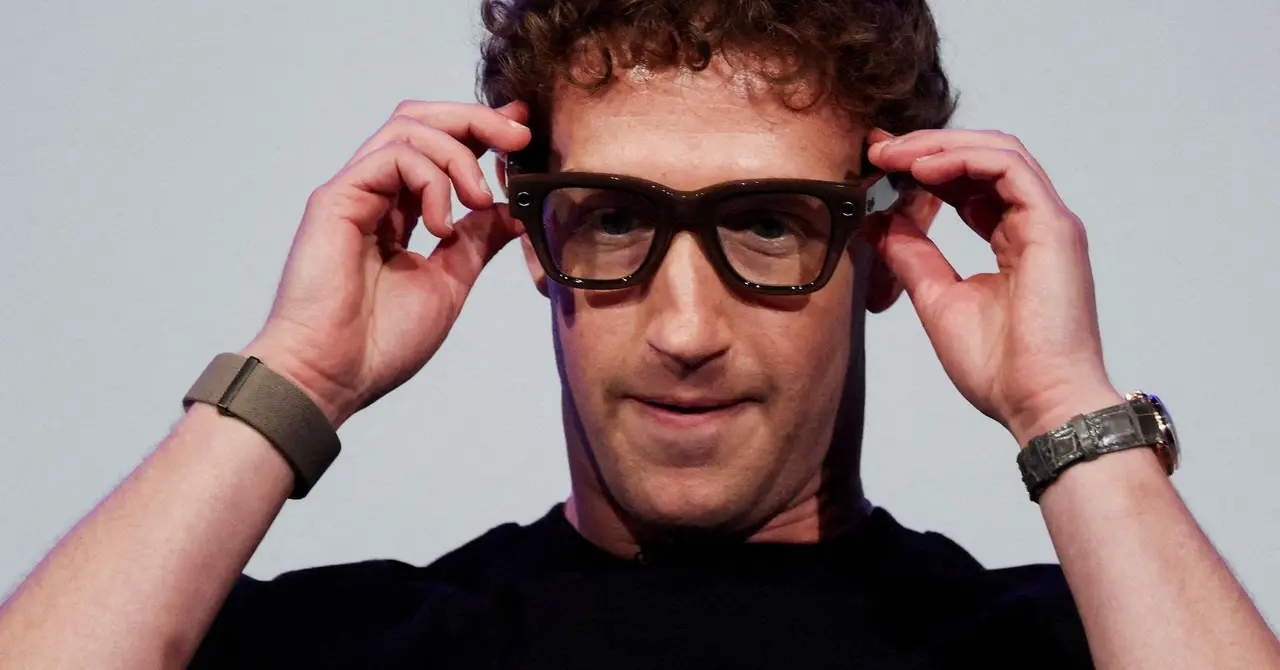
Source: Reuters
Related Stories

Partnership Positions Meta for Next-Generation Wearable Dominance
Meta and EssilorLuxottica began their partnership in 2019 and launched Ray-Ban branded frames in 2021, promising to upend the smartphone era by letting wearers take photos and videos through tiny cameras in the lenses, stream content to Meta apps and talk to an AI assistant
1
. EssilorLuxottica owns brands including Ray-Ban and Oakley, as well as retail chains such as Sunglass Hut and LensCrafters, giving Meta strong support to scale production and expand market share2
. EssilorLuxottica CEO Francesco Milleri has said smart glasses fit the group's wearable and medical technology strategy and could eventually replace smartphones2
. Meta has strengthened its collaboration with EssilorLuxottica by taking a stake in its partner5
. Analysts warn that rapid capacity expansion will strain costs and margins, with smart glasses still less profitable than traditional eyewear in the near term, though economies of scale are expected to gradually improve financial performance as volumes increase and component costs fall2
.References
Summarized by

Navi
[4]
[5]
Related Stories
Ray-Ban Meta Smart Glasses Sales Triple, Driving EssilorLuxottica's Revenue Growth
29 Jul 2025•Technology
EssilorLuxottica sells 7 million AI glasses in 2025, tripling sales as Meta partnership surges
11 Feb 2026•Business and Economy
Meta Invests $3.5 Billion in EssilorLuxottica, Boosting AI-Powered Smart Glasses Push
09 Jul 2025•Technology

Recent Highlights
1
Tennessee Teens Sue Elon Musk's xAI Over Grok AI-Generated Child Abuse Images
Policy and Regulation

2
Pentagon designates Palantir Maven AI as core US military system in major defense shift
Technology

3
Supermicro Co-Founder Indicted in $2.5 Billion Nvidia AI Chip Smuggling Scheme to China
Policy and Regulation
Recent Highlights
Today's Top Stories












Your Daily Dose of Curated AI News
Don’t drown in AI news. We cut through the noise - filtering, ranking and summarizing the most important AI news, breakthroughs and research daily. Spend less time searching for the latest in AI and get straight to action.

