Meta's AI strategy pivots as Avocado model threatens open source commitment and sparks internal tension


15 Sources
15 Sources
[1]
Meta might charge for a future AI model
Meta's next AI model could mark a change in its "open source" AI strategy that Mark Zuckerberg had called "the path forward." Currently, the company is working on a new AI model, code-named Avocado, that it might charge for access to, Bloomberg reports. Last year, Meta launched its open source (depending on who you ask, since the Open Source Initiative disagrees) Llama 4 AI model, but it had a disappointing release, with Meta caught gaming AI benchmarks and being forced to delay a planned "Behemoth" version. But Zuckerberg scrapped that "in pursuit of something new," Bloomberg says. Following the Llama 4 launch, Zuckerberg has made sweeping changes to Meta's AI team, including hiring former Scale AI CEO Alexandr Wang after investing $14.3 billion in the company and spending truckloads of money hiring other top AI talent for its newly-named Meta Superintelligence Labs group. In a July 30th memo about "personal superintelligence," Zuckerberg indicated that Meta may need to shift its approach on open source: to mitigate potential safety risks, the company will have to be "careful about what we choose to open source," he said. As part of the changes, Zuckerberg now "spends much of his time and energy working closely with those new hires, in a group called TBD Lab," Bloomberg says. That team has a "siloed space" near Zuckerberg's office at Meta's headquarters, The New York Times says in its own report about the company's AI efforts.
[2]
It's everyone but Meta in a new AI standards group
Report indicates that Mark Zuckerberg has other plans: to pull an open source U-turn and make Meta's best AI models proprietary. It appears Meta has opted to go in a whole new direction in response to this week's formation by The Linux Foundation of a group called the Agentic AI Foundation (AAIF), designed to help enterprises develop and manage AI agents through a "shared ecosystem of tools, standards and community-driven innovation." The group is made up of a who's-who of the tech industry, ranging from AWS and OpenAI to Google, Microsoft, IBM, and Cisco. The one name missing from the list is Meta, and, according to a Bloomberg article published on Wednesday, there is a reason for that: the firm is working on a new proprietary model, code-named Avocado, that will generate revenue. Brian Jackson, principal research director at Info-Tech Research Group, said, "[Meta was] never interested in a truly open source model approach, just an open weights model approach. To really commit to open source, [it] would have to be willing to share its training data and give up control over model governance."
[3]
Meta is reportedly working on a new AI model called 'Avocado' and it might not be open source
Mark Zuckerberg has for months publicly hinted that he is backing away from open-source AI models. Now, Meta's latest AI pivot is starting to come into focus. The company is reportedly working on a new model, known inside of Meta as "Avocado," which could mark a major shift away from its previous open-source approach to AI development. Both CNBC and Bloomberg have reported on Meta's plans surrounding "Avocado," with both outlets saying the model "could" be proprietary rather than open-source. Avocado, which is due out sometime in 2026, is being worked on inside of "TBD," a smaller group within Meta's AI Superintelligence Labs that's headed up by Chief AI Officer Alexandr Wang, who apparently favors closed models. It's not clear what Avocado could mean for Llama. Earlier this year, Zuckerberg said he expected Meta would "continue to be a leader" in open source but that it wouldn't "open source everything that we do." He's also cited safety concerns as they relate to superintelligence. As both CNBC and Bloomberg note, Meta's shift has also been driven by issues surrounding the release of Llama 4. The Llama 4 "Behemoth" model has been delayed for months; The New York Times reported earlier this year that Wang and other execs had "discussed abandoning" it altogether. And developers have reportedly been unimpressed with the Llama 4 models that are available. There have been other shakeups within the ranks of Meta's AI groups as Zuckerberg has spent billions of dollars building a team dedicated to superintelligence. The company laid off several hundred workers from its Fundamental Artificial Intelligence Research (FAIR) unit. And Meta veteran and Chief AI Scientist Yann LeCun, who has been a proponent for open-source and skeptical of LLMs, recently announced he was leaving the company. That Meta may now be pursuing a closed AI model is a significant shift for Zuckerberg, who just last year said "fuck that" about closed platforms and penned a lengthy memo titled "Open Source AI is the Path Forward." But the notoriously competitive CEO is also apparently intensely worried about falling behind OpenAI, Google and other rivals. Meta has said it expects to spend $600 billion over the next few years to fund its AI ambitions.
[4]
From Llamas to Avocados: Meta's shifting AI strategy is causing internal confusion
Meta CEO Mark Zuckerberg makes a keynote speech at the Meta Connect annual event at the company's headquarters in Menlo Park, Calif., on Sept. 25, 2024. Meta CEO Mark Zuckerberg was so optimistic last year about his company's Llama family of artificial intelligence models that he predicted they would become the "most advanced in the industry" and "bring the benefits of AI to everyone." But after including a whole section on Llama in his opening remarks during Meta's earnings call in January of this year, he mentioned the brand name only once on the latest call in October. The company's obsession with its open-source large language model has given way to a very different approach to AI, one focused around a multibillion-dollar hiring spree to bring in top industry talent that could help Meta take on the likes of OpenAI, Google and Anthropic. As 2025 comes to a close, Meta's strategy remains scattershot, according to insiders and industry experts, feeding the perception that the company has fallen further behind its top AI rivals, whose models are rapidly gaining adoption in the consumer and enterprise markets. Meta is pursuing a new Llama successor and frontier AI model, codenamed Avocado, CNBC has learned. People with knowledge of the matter said many within the company were expecting the model to be released before the end of this year, but that the plan now is for that to happen in the first quarter of 2026. The model is wrestling with various training-related performance testing intended to ensure the system is well-received when it eventually debuts, said the people, who asked not to be named because they weren't authorized to speak on the matter. "Our model training efforts are going according to plan and have had no meaningful timing changes," a Meta spokesperson said in a statement. With its stock underperforming the broader tech sector this year and badly trailing Google parent Alphabet, Wall Street is looking for a sense of direction and a path to a return on investment after Meta spent $14.3 billion in June to hire Scale AI founder Alexandr Wang and a handful of his top engineers and researchers. Four months after that announcement, which included Meta purchasing a big stake in Scale, the social media company raised its 2025 guidance for capital expenditures to between $70 billion and $72 billion from a prior range of $66 billion to $72 billion. "In many ways, Meta has been the opposite of Alphabet, where it entered the year as an AI winner and now faces more questions around investment levels and ROI," analysts at KeyBanc Capital Markets wrote in a November note to clients. The firm recommends buying both stocks.
[5]

Meta's New A.I. Superstars Are Chafing Against the Rest of the Company
When Mark Zuckerberg revamped Meta's artificial intelligence operations this year, he recruited a new leader -- Alexandr Wang, a 28-year-old entrepreneur -- to build a team of top researchers from rivals like OpenAI and Google. That team, called TBD Lab (for "to be determined"), was placed in a siloed space next to Mr. Zuckerberg's office at the center of Meta's Silicon Valley headquarters, surrounded by glass panels and sequoia trees. Mr. Zuckerberg wanted to separate the new A.I. group from the bureaucracy of the company, which owns Facebook, Instagram and WhatsApp, two people with knowledge of the matter said. Five months later, that divide has become more than physical. In meetings this fall, Mr. Wang has privately told people that he disagreed with some of Mr. Zuckerberg's longtime lieutenants, including Chris Cox, the chief product officer, and Andrew Bosworth, the chief technology officer, the people briefed on the conversations said. In one case, Mr. Cox and Mr. Bosworth wanted Mr. Wang's team to concentrate on using Instagram and Facebook data to help train Meta's new foundational A.I. model -- known as a "frontier" model -- to improve the company's social media feeds and advertising business, they said. But Mr. Wang, who is developing the model, pushed back. He argued that the goal should be to catch up to rival A.I. models from OpenAI and Google before focusing on products, the people said. The debate was emblematic of an us-versus-them mentality that has emerged between Meta's new A.I. team and other executives, according to interviews with half a dozen current and former employees of the A.I. business. TBD Lab's researchers have come to view many Meta executives as interested only in improving the social media business, while the lab's ambition is to create a godlike A.I. superintelligence, three of them said. To pursue TBD Lab's aim, Meta is pushing other departments to the sidelines. Mr. Bosworth was recently asked to slash $2 billion off next year's proposed budget for Reality Labs, the virtual reality and augmented reality division that he oversees, two people said. The money went to the budget for Mr. Wang's team, they said. (A Meta spokesman disputed the claim and said next year's budget was not yet final.) Some Meta employees have also disagreed over which division gets more computing power. Those working on the social media ranking algorithm have argued that more of the company's new computing power should be used to improve their business rather than training A.I. models, people with knowledge of the matter said. Juggling the tensions falls to Mr. Zuckerberg. The 41-year-old has long surrounded himself with an inner circle of loyalists, but has been open about how much he wants to win the A.I. race. He has invested billions -- including $14.3 billion in Mr. Wang's A.I. start-up -- and declared that superintelligence will lead users into "a new era of individual empowerment." "Meta spent a huge amount of money to bring in Alexandr Wang, and that must have changed both the internal topology and the feeling of the company," said Tomasz Tunguz, a general partner at the venture capital firm Theory Ventures. "You have an outsider who now has carte blanche," Mr. Tunguz added. "That probably means that a lot of previous ways of working are disregarded, which is hard." In a statement, a Meta spokesman, Dave Arnold, disputed that Mr. Wang and TBD Lab have had conflicts with Mr. Cox and Mr. Bosworth. He declined to make the executives available for interviews. "Not only is Meta's leadership aligned on building superintelligence while continuing to grow the core business, but our company is an outlier in how much our A.I. investment is improving the ads and recommendations systems at the heart of our business," Mr. Arnold said. Mr. Zuckerberg began retooling Meta's A.I. efforts this spring after its newest A.I. models underperformed those of competitors. To catch up, he invested in Mr. Wang's start-up in June and hired the entrepreneur to be the new chief A.I. officer. Mr. Wang is not an engineer but is seen as one of the best-connected A.I. entrepreneurs. Mr. Zuckerberg and Mr. Wang then went on a recruiting blitz for top A.I. researchers, offering pay packages worth hundreds of millions. Mark Chen, OpenAI's chief research officer, said Mr. Zuckerberg had gone as far as delivering homemade soup to the doorsteps of some OpenAI employees to persuade them to join his company. (The New York Times has sued OpenAI, claiming copyright infringement of news content related to A.I. systems. OpenAI has denied those claims.) The new roster of all-star researchers arrived on Meta's campus in Menlo Park, Calif., in July. Their mandate was clear: Right the wrongs of the generative A.I. team, which was no longer in charge of developing the company's next batch of chatbots. A month later, Meta restructured its A.I. division into four groups. One was focused on A.I. research, one on products and one on infrastructure such as data centers and other hardware, while TBD Lab was focused on building superintelligence. Collectively, the groups worked under an organization called Meta Superintelligence Labs. Mr. Wang would lead the entire effort. Amid the restructuring, Meta lost dozens of senior A.I. researchers, many jumping to the very rivals that the company had just recruited from, like OpenAI and Google. Some executives also left, including Yann LeCun, Meta's chief A.I. scientist; John Hegeman, the chief revenue officer; and Clara Shih, the head of A.I. business. In October, Meta laid off 600 employees in the broader A.I. division but left TBD Lab untouched. To prepare for the arrival of superintelligence, Mr. Zuckerberg has pledged $600 billion to build data centers, which are the computing facilities that power A.I. and support nearly every aspect of Meta's business. This fall, some employees who work on Meta's social media algorithms, which determine what content people see on Instagram and Facebook, argued that the computing power from those data centers should be used to improve their algorithms instead of training A.I. models, two people with knowledge of the matter said. They said the algorithms made money, while the A.I. models didn't, the people said. Meta, which gives away its A.I. models in what is known as "open sourcing," plans to make money from the technology by adding A.I. to its popular products. That includes incorporating A.I. characters that people can talk to into Instagram or adding a personal A.I. assistant to the company's smart glasses. The more time users spend on its apps, the thinking goes, the more money Meta can make from advertising. That plan has led to philosophical differences. Mr. Cox, who has worked on products like the Facebook news feed, and Mr. Bosworth, who leads hardware development, have said they envision Meta's superintelligence as useful for the social networking business. In one recent meeting, Mr. Cox asked Mr. Wang if his A.I. could be trained on Instagram data similar to the way Google trains its A.I. models on YouTube data to improve its recommendations algorithm, two people said. But Mr. Wang said complicating the training process for A.I. models with specific business tasks could slow progress toward superintelligence, they said. He later complained that Mr. Cox was more focused on improving his products than on developing a frontier A.I. model, they said. It's unclear if Mr. Wang, Mr. Cox and Mr. Bosworth have resolved their debate. On a recent call with investors, Susan Li, Meta's chief financial officer, said a major focus next year would be using A.I. models to improve the company's social media algorithm. TBD Lab had a brief stream of departures over the summer, but things have appeared to stabilize. In a recent test of loyalty, researchers on the team reached their first "vesting" period on Nov. 15, when they got to own some of their company shares outright and could sell them, two people said. Only two researchers left the lab, which has around 100 people. On Thursday, Mr. Wang plans to host his annual A.I. holiday party in San Francisco with Elad Gil, a start-up investor. (The invitation featured an A.I.-generated image of humanoid robots drinking cocktails next to a Christmas tree, according to a copy seen by The Times.) It's unclear if any top Meta executives were invited.
[6]
Mark Zuckerberg comes to his senses on metaverse spending, and we're thrilled
Is the "year of efficiency" Mark Zuckerberg back at Meta Platforms ? Shares of the social media giant rallied more than 5% to $676 each at Thursday's highs after Bloomberg reported that Zuckerberg is set to reduce metaverse spending up to 30%. The metaverse group, which works on the company's virtual "Horizon World" environment and Quest line of virtual reality headsets. It's been a long time coming. Meta stock took a beating back in 2022 when, in addition to aggressive interest rate hikes from the Federal Reserve to combat sky-high inflation, investors grew concerned that Zuckerberg was going to spend countless sums of money building out a virtual world with little idea as to when, or even if, the investment would see any return. Since then, Zuckerberg has smartly avoided much talk about the metaverse. Wall Street is wondering whether cutting the metaverse budget is a true turning point for Zuckerberg, who has been on an artificial intelligence spending spree, both on the capital expenditures side and in poaching AI talent for top dollar, or whether it's more about facing the reality that he's been throwing good money after a vanity project that no one cares about. That spending question has been top of mind as Meta shares have dropped more than 20% since reporting earnings in late October , on fears that Zuckerberg was losing his way on efficiency and preparing to continue to ramp up investments without a clear view on returns. Judging by Thursday's rally in Meta shares, the Bloomberg report has eased some of those concerns. We remember the power of spending discipline: Zuckerberg dubbed 2023 the "year of efficiency," embarking on massive layoffs and cost-cutting. Shares surged nearly 195% in 2023, followed by a 65% gain last year. The metaverse and other VR-related investments are housed within the company's Reality Labs operating segment, alongside the company's smart glasses. Reality Labs lost just over $4.4 billion in the last quarter alone, with Bloomberg highlighting more than $70 billion in losses since its launch in 2021. The article does not appear to indicate a pullback in smart glasses investments, which, by all indications, have been better received by the mass market than the company's virtual reality offerings. Bloomberg does report that Zuckerberg still believes in the metaverse and thinks that people will one day work and play in virtual worlds. META 5Y mountain Meta Platforms 5 years Our view? While focusing on a future metaverse isn't wrong, it's just a difficult narrative for investors to digest. When folks hear the term metaverse, they think about a digital playground that is nothing more than a highly immersive video game or entertainment experience. From that point of view, it's easy to understand the skepticism about a return on investment on such a big swing. As Meta shareholders for the Club, we applaud any decision to cut spending on the more ambitious aspects of the metaverse vision, but take a different view of Zuckerberg's north star. The technology needed to achieve his vision will still be invested in, just in a more methodical manner. Zuckerberg is choosing to focus on the technology that can be monetized more quickly, such as smart glasses and AI, while leaving open the idea of a metaverse-like world in the future. You aren't going to be able to run a fully immersive digital world, in which players/users can interact, without AI. So, rather than talk about the grand vision of a metaverse, Zuckerberg can simply talk about AI and how it's helping in the here and now, by reducing costs and boosting engagement, while aiding topline growth. That's a narrative investors are all too happy to talk about. The recently released display glasses -- which take the idea of smart glasses to the next level without the bulk of VR goggles -- would certainly lend themselves to user interactions in a virtual environment. By tying that effort to the screenless Ray-Ban and Oakley smart glasses, Zuckerberg has a better chance to start monetizing the research R & D investments that went into the metaverse in the first place. We think that Zuckerberg's long-term view hasn't changed so much as he has learned to be more methodical in his long-term investing roadmap, while at the same time becoming a better storyteller as it relates to the narrative of these investments. We think this bodes well for 2026 earnings - perhaps a cost guidance cut with the next earnings release - and perhaps, even more important given Meta's already attractive valuation, a reversal of the negative sentiment since the company last reported what were nothing short of fantastic quarterly results. Analysts at Mizuho are out with a note following the Bloomberg report, saying such metaverse cuts could add as much as $2 to 2026 earnings per share. Assuming a valuation multiple of 20 to 25 times earnings, that would be expected to add anywhere from $40 to $50 to the share price. "The stock is up, but it's not up nearly as much as I think it could be given the fact that it's only up 13% for the year, and is not expensive on a P/E multiple," Jim Cramer said Thursday during the Club's Morning Meeting . On a forward basis, the stock trades at 22.3 times full-year 2026 earnings estimates. That's right in line with the S & P 500 's valuation, despite expectations that Meta can grow earnings twice as fast in the coming year as the overall market. (Jim Cramer's Charitable Trust is long META. See here for a full list of the stocks.) As a subscriber to the CNBC Investing Club with Jim Cramer, you will receive a trade alert before Jim makes a trade. Jim waits 45 minutes after sending a trade alert before buying or selling a stock in his charitable trust's portfolio. If Jim has talked about a stock on CNBC TV, he waits 72 hours after issuing the trade alert before executing the trade. THE ABOVE INVESTING CLUB INFORMATION IS SUBJECT TO OUR TERMS AND CONDITIONS AND PRIVACY POLICY , TOGETHER WITH OUR DISCLAIMER . NO FIDUCIARY OBLIGATION OR DUTY EXISTS, OR IS CREATED, BY VIRTUE OF YOUR RECEIPT OF ANY INFORMATION PROVIDED IN CONNECTION WITH THE INVESTING CLUB. NO SPECIFIC OUTCOME OR PROFIT IS GUARANTEED.
[7]

Meta's new AI superstars are chafing against the rest of the company
A power struggle is growing inside Meta as Alexandr Wang's new TBD Lab clashes with long-time executives over priorities. Wang wants to focus on building superintelligence, while others push to improve social media products. Costly restructuring, budget shifts and staff tensions show Meta straining to balance ambition with its core business. When Mark Zuckerberg revamped Meta's artificial intelligence operations this year, he recruited a new leader -- Alexandr Wang, a 28-year-old entrepreneur -- to build a team of top researchers from rivals like OpenAI and Google. That team, called TBD Lab (for "to be determined"), was placed in a siloed space next to Zuckerberg's office at the center of Meta's Silicon Valley headquarters, surrounded by glass panels and sequoia trees. Zuckerberg wanted to separate the new AI group from the bureaucracy of the company, which owns Facebook, Instagram and WhatsApp, two people with knowledge of the matter said. Five months later, that divide has become more than physical. In meetings this fall, Wang has privately told people that he disagreed with some of Zuckerberg's longtime lieutenants, including Chris Cox, the chief product officer, and Andrew Bosworth, the chief technology officer, the people briefed on the conversations said. In one case, Cox and Bosworth wanted Wang's team to concentrate on using Instagram and Facebook data to help train Meta's new foundational AI model -- known as a "frontier" model -- to improve the company's social media feeds and advertising business, they said. But Wang, who is developing the model, pushed back. He argued that the goal should be to catch up to rival AI models from OpenAI and Google before focusing on products, the people said. The debate was emblematic of an us-versus-them mentality that has emerged between Meta's new AI team and other executives, according to interviews with half a dozen current and former employees of the AI business. TBD Lab's researchers have come to view many Meta executives as interested only in improving the social media business, while the lab's ambition is to create a godlike AI superintelligence, three of them said. To pursue TBD Lab's aim, Meta is pushing other departments to the sidelines. Bosworth was recently asked to slash $2 billion off next year's proposed budget for Reality Labs, the virtual reality and augmented reality division that he oversees, two people said. The money went to the budget for Wang's team, they said. Some Meta employees have also disagreed over which division gets more computing power. Those working on the social media ranking algorithm have argued that more of the company's new computing power should be used to improve their business rather than training AI models, people with knowledge of the matter said. Juggling the tensions falls to Zuckerberg. The 41-year-old has long surrounded himself with an inner circle of loyalists, but he has been open about how much he wants to win the AI race. He has invested billions -- including $14.3 billion in Wang's AI startup -- and declared that superintelligence will lead users into "a new era of individual empowerment." "Meta spent a huge amount of money to bring in Alexandr Wang, and that must have changed both the internal topology and the feeling of the company," said Tomasz Tunguz, a general partner at the venture capital firm Theory Ventures. "You have an outsider who now has carte blanche," Tunguz added. "That probably means that a lot of previous ways of working are disregarded, which is hard." In a statement, a Meta spokesperson, Dave Arnold, disputed that Wang and TBD Lab have had conflicts with Cox and Bosworth. He also denied that $2 billion was moved from Bosworth's budget to Wang's, and said that next year's budget was not final. He declined to make the executives available for interviews. "Not only is Meta's leadership aligned on building superintelligence while continuing to grow the core business, but our company is an outlier in how much our AI investment is improving the ads and recommendations systems at the heart of our business," Arnold said. Zuckerberg began retooling Meta's AI efforts this spring after its newest AI models underperformed those of competitors. To catch up, he invested in Wang's startup in June and hired the entrepreneur to be the new chief AI officer. Wang is not an engineer but is seen as one of the best-connected AI entrepreneurs. Zuckerberg and Wang then went on a recruiting blitz for top AI researchers, offering pay packages worth hundreds of millions. Mark Chen, OpenAI's chief research officer, said Zuckerberg had gone as far as delivering homemade soup to the doorsteps of some OpenAI employees to persuade them to join his company. (The New York Times has sued OpenAI, claiming copyright infringement of news content related to AI systems. OpenAI has denied those claims.) The new roster of all-star researchers arrived on Meta's campus in Menlo Park, California, in July. Their mandate was clear: Right the wrongs of the generative AI team, which was no longer in charge of developing the company's next batch of chatbots. A month later, Meta restructured its AI division into four groups. One was focused on AI research, one on products and one on infrastructure such as data centers and other hardware, while TBD Lab was focused on building superintelligence. Collectively, the groups worked under an organization called Meta Superintelligence Labs. Wang would lead the entire effort. Amid the restructuring, Meta lost dozens of senior AI researchers, many jumping to the very rivals that the company had just recruited from, like OpenAI and Google. Some executives also left, including Yann LeCun, Meta's chief AI scientist; John Hegeman, the chief revenue officer; and Clara Shih, the head of AI business. In October, Meta laid off 600 employees in the broader AI division but left TBD Lab untouched. To prepare for the arrival of superintelligence, Zuckerberg has pledged $600 billion to build data centers, which are the computing facilities that power AI and support nearly every aspect of Meta's business. This fall, some employees who work on Meta's social media algorithms, which determine what content people see on Instagram and Facebook, argued that the computing power from those data centers should be used to improve their algorithms instead of training AI models, two people with knowledge of the matter said. They said the algorithms made money, while the AI models didn't, the people said. Meta, which gives away its AI models in what is known as "open sourcing," plans to make money from the technology by adding AI to its popular products. That includes incorporating AI characters that people can talk to into Instagram or adding a personal AI assistant to the company's smart glasses. The more time users spend on its apps, the thinking goes, the more money Meta can make from advertising. That plan has led to philosophical differences. Cox, who has worked on products like the Facebook news feed, and Bosworth, who leads hardware development, have said they envision Meta's superintelligence as useful for the social networking business. In one recent meeting, Cox asked Wang if his AI could be trained on Instagram data similar to the way Google trains its AI models on YouTube data to improve its recommendations algorithm, two people said. But Wang said complicating the training process for AI models with specific business tasks could slow progress toward superintelligence, they said. He later complained that Cox was more focused on improving his products than on developing a frontier AI model, they said. It's unclear if Wang, Cox and Bosworth have resolved their debate. On a recent call with investors, Susan Li, Meta's chief financial officer, said a major focus next year would be using AI models to improve the company's social media algorithm. TBD Lab had a brief stream of departures over the summer, but things have appeared to stabilize. In a recent test of loyalty, researchers on the team reached their first "vesting" period on Nov. 15, when they got to own some of their company shares outright and could sell them, two people said. Only two researchers left the lab, which has around 100 people. On Thursday, Wang plans to host his annual AI holiday party in San Francisco with Elad Gil, a startup investor. (The invitation featured an AI-generated image of humanoid robots drinking cocktails next to a Christmas tree, according to a copy seen by the Times.) It's unclear if any top Meta executives were invited.
[8]

Meta Resets AI, Hardware Plans As 'Avocado' Delays, Leadership Turmoil, Cost Cuts Mount - Meta Platforms (NASDAQ:META)
Meta Platforms Inc (NASDAQ:META) is reshaping its artificial intelligence strategy with sweeping leadership changes, escalating investments and a decisive shift away from its open-source roots. CEO Mark Zuckerberg -- who only a year ago pushed Meta's Llama models as the future of open-source AI -- has pivoted sharply. Llama received almost no mention during the company's October earnings call, signaling a retreat after the underperformance of Llama 4 and rising competition from Chinese labs such as DeepSeek. CNBC reported Tuesday that Meta is developing a new frontier model codenamed Avocado. Initially planned for late 2025, the launch has been pushed to early 2026 due to training performance issues. Unlike previous models, Avocado may debut as a proprietary system, marking a dramatic philosophical reversal for the company. Benzinga reached out to Meta investor relations for its take on the report and is awaiting a response. The shift has triggered major internal upheaval. Zuckerberg removed longtime Chief Product Officer Chris Cox from Meta's AI division, replacing him with 28-year-old Scale AI founder Alexandr Wang, now serving as chief AI officer. Wang -- working closely with former GitHub CEO Nat Friedman -- leads elite fast-moving units that operate with startup-like secrecy. This break from Meta's historically open culture has created friction inside the organization. The new AI leadership enforces a rapid "demo, don't memo" style that leans heavily on modern AI agents, pushing employees through 70-hour workweeks amid ongoing layoffs and restructuring. The cultural transformation culminated in Chief AI Scientist Yann LeCun's departure to launch his own startup. Wall Street is watching closely as Meta pours billions into accelerating its AI race. Meta spent $14.3 billion to acquire Wang's team and raised its 2025 capex outlook to more than $70 billion, prompting investor debate about whether the massive bet can deliver returns. Meta Reshapes Hardware Strategy With Limitless Buy, Cloud Deals and Metaverse Cuts As Meta intensifies its artificial intelligence ambitions, the company is simultaneously restructuring its hardware and infrastructure roadmap, reallocating capital and tightening focus around AI-driven devices. Meta recently acquired Limitless, a startup known for AI-powered wearable technology, to speed up its push toward what Zuckerberg calls "personal superintelligence." The company is integrating Limitless' device expertise with Meta's consumer scale and AI infrastructure. As part of the transition, Meta is ending commercial sales of the Limitless Pendant while supporting existing users for at least a year, eliminating subscription fees and providing free access to premium features. The company is also retiring non-core apps such as Rewind, reducing its regional footprint, and adding tools that help users manage, export or delete their data. At the infrastructure level, Meta is diversifying beyond its own data centers. The company has struck cloud partnerships with CoreWeave Inc (NASDAQ:CRWV) and Oracle Corp (NYSE:ORCL) while simultaneously building its massive Hyperion facility in Louisiana -- all to support next-generation AI workloads. To free up capital, Meta is cutting up to 30% of its 2026 metaverse budget. That includes delaying its Phoenix mixed-reality glasses to early 2027 and shifting more resources into higher-quality smart glasses, AI wearables and data center expansions. Analysts at JPMorgan and Bank of America Securities say the tighter spending discipline and reprioritization could free billions in cash flow and help support earnings growth as Meta doubles down on AI-driven products and infrastructure. Meta shares are up 12% year-to-date as investors weigh the balance between soaring capital expenditures and long-term AI ambitions. META Price Action: Meta Platforms shares were down 1.16% at $659.08 on Tuesday at publication, according to Benzinga Pro data. Read Next: From Google To Meta, NextEra Locks In Massive AI Power Deals METAMeta Platforms Inc$659.18-1.14%OverviewCRWVCoreWeave Inc$90.084.45%GOOGLAlphabet Inc$317.351.16%ORCLOracle Corp$220.660.06% This content was partially produced with the help of AI tools and was reviewed and published by Benzinga editors. Market News and Data brought to you by Benzinga APIs
[9]

Why Meta Platforms Stock Popped Today | The Motley Fool
The catalyst that sent the social media and artificial intelligence (AI) specialist higher was a report that the company plans deep cuts to its metaverse spending. As part of the company's budget planning process for 2026, executives at Meta are considering slashing spending on the metaverse by as much as 30%, according to a report by Bloomberg. CEO Mark Zuckerberg is looking to cut the company's overall spending by as much as 10% next year, with the majority of those cuts coming from Meta's ill-fated pivot to embrace the digital realm that has never really materialized. The company spent heavily on its Reality Labs division, which includes the metaverse, its Meta Quest virtual reality (VR) headsets, and its augmented reality (AR) smart glasses. The segment has reportedly lost more than $70 billion since early 2021, prompting investors to call for a halt in the runaway spending. Meta has had greater success in recent years with the adoption of AI. In the third quarter, Zuckerberg said its AI recommendation system was "delivering higher quality and more relevant content" across the company's social media services and increasing engagement. In the third quarter, users spent 5% more time on Facebook and 10% more time on Threads. Higher engagement is driving up ad revenue, as the average price per ad increased 10%. Furthermore, Meta's family of Llama AI models are among the best in the industry. Given Meta's current focus on AI, it's likely Zuckerberg is looking to divert crucial resources to further profit from this groundbreaking technology. Investors cheered the news that Meta is finally scaling back spending on the metaverse, a strategy that never really panned out. If the company's recent AI-fueled results were any indicator, this pivot is already bearing fruit. Despite the company's recent results, Meta stock has stalled over the past year, gaining roughly 9%. There has been a commensurate decrease in its valuation, as Meta stock is selling for 29 times earnings, making it the cheapest of the Magnificent Seven stocks and an attractive price to pay for a company making all the right moves.
[10]
Meta shares jump on report company slashing VR spending - The Economic Times
Shares in Meta rose sharply on Thursday following a report that the Facebook parent company is significantly cutting back on virtual reality investments as it pivots toward artificial intelligence. In 2021, CEO and founder Mark Zuckerberg bet heavily on virtual reality's promise, even rebranding his company from Facebook to Meta -- a signal of his confidence that the future belonged to the metaverse, an artificial world accessible through VR headsets. Reality Labs, the division largely devoted to VR products, has since 2021 burned through $80.6 billion while generating just $9.7 billion in revenue. According to Bloomberg, Meta plans to cut metaverse costs by 30%-- news that drove its share price up as much as 4% in Thursday trading on Wall Street. The shift comes as Zuckerberg has dramatically increased resources allocated to AI and reorganized the dedicated teams internally. The 41-year-old CEO has launched an aggressive recruitment campaign, attracting executives from OpenAI, Apple and Google with multibillion-dollar offers. The latest hire, announced Wednesday, is Alan Dye, one of Apple's top design executives. Zuckerberg has tasked him with leading a new lab dedicated to integrating AI into products. Meta is now focusing more on augmented reality through its connected glasses (Meta Ray-Ban and Oakley Meta) rather than virtual reality.
[11]
Meta Cuts Jobs, Mark Zuckerberg Gets Richer: Wall Street Applauds Move - Meta Platforms (NASDAQ:META)
Shares of Meta Platforms Inc (NASDAQ:META) climbed higher Thursday after the company announced job cuts. With shares trading higher, Meta CEO and co-founder Mark Zuckerberg also saw his wealth soar, potentially at the expense of some of his company's employees. Meta Stock Gains, Zuckerberg's Wealth Moves Higher Meta stock closed Wednesday at $661.53 and opened for trading Thursday at $664.50. The stock hit an intraday high of $676.10 before closing at $673.07, up 1.7%. Meta shares are also trading higher on Friday, potentially due to the news. A report Thursday said Meta could conduct layoffs as early as January, with budget cuts of around 30% planned for the company's metaverse group. The company's metaverse unit has lost more than $70 billion since 2021. Once a key focus of the company's growth, investors have put pressure on the unit due to losses and lower-than-expected adoption of virtual worlds. With ownership of around 13% of Meta Platforms, Zuckerberg was one of the big gainers from the boost in Meta's stock price on Thursday. Zuckerberg gained $7.5 billion in wealth with an estimated total of $234 billion, as reported by Bloomberg. Zuckerberg currently ranks as the sixth-richest person in the world, adding $26.3 billion to his wealth year-to-date. While the Meta CEO enjoyed a strong Thursday and is up year-to-date, he has fallen down the top 10 billionaires list due to others having bigger gains in 2025. Zuckerberg finished 2024 ranked third, with a net worth of $207 billion. Read Also: Mark Zuckerberg On Big Screen: Here's Who Could Play Meta Platforms CEO Next Meta's Big Job Cuts, New Focuses The latest round of budget cuts and potential job losses come on top of changes at the company in recent years. Meta announced 600 job cuts in October, primarily from within its AI division. Earlier this year, the company also announced performance-based job cuts from multiple divisions. In 2022 and 2023, Meta was aggressive with job cuts, with both years resulting in more than 10,000 employees being let go. After putting heavy emphasis on the metaverse and virtual reality, Meta's latest spending moves highlight aggressive moves in the AI space. The latest job cuts and reduced metaverse spending could free up resources for Meta to accelerate its AI ambitions. META Stock Gains Meta shares are up 1.5% to $671.30 on Friday versus a 52-week trading range of $479.80 to $796.25. Meta shares are up 12.0% year-to-date in 2025. Read Next: Mark Zuckerberg's Confidential 2010 Email Demanded A Facebook Employee 'Resign Immediately' After 'An Act Of Betrayal' Against Company Photo: Shutterstock METAMeta Platforms Inc$671.031.44%OverviewMarket News and Data brought to you by Benzinga APIs
[12]
What's Going On With Meta Platforms Stock Friday? - Meta Platforms (NASDAQ:META)
Meta Platforms Inc. (NASDAQ:META) is expanding Meta AI to deliver a broader range of real-time content, from breaking global news to entertainment, lifestyle, and more. When users ask Meta AI news-related questions, the system now pulls information and links from a wider variety of sources, helping people discover timely, relevant content tailored to their interests. The new integrations also drive value for partners by linking directly to their articles, making it easier for users to access full content while enabling outlets to reach new audiences. Also Read: Meta Bets Big On AI: Ad Revenue Set To Outpace Google To kick off this expansion, Meta has partnered with CNN, Fox News, Fox Sports, Le Monde Group, the People Inc. media portfolio, The Daily Caller, The Washington Examiner, USA TODAY, and the USA TODAY Network. Meta plans to add more partnerships and new features to enhance the user experience. Previously, Meta and its peers, including Alphabet Inc. (NASDAQ:GOOGL), had a showdown for lack of reimbursement for using their content. Online content publishers also highlighted risks from AI technology's capabilities since the arrival of chatbots. Meta aims to make Meta AI more responsive, accurate, and balanced. Real-time events challenge current AI systems, but by incorporating diverse news sources, Meta AI can deliver timely content and multiple viewpoints across different formats. Meta emphasizes that these moves are part of its broader goal to provide valuable experiences for users. Growing User Engagement With Meta AI Tools People are using Meta AI to spark ideas, edit and animate media, explore topics, find creative inspiration, and more. As the platform evolves, Meta continues to test new AI experiences to unlock value for everyone using its services. The $1.7 trillion Meta has gained 13% in stock value year-to-date. Meta is scaling back its metaverse spending while accelerating its AI ambitions to unlock value for shareholders. Deep Cuts in Metaverse Budget as AI Spending Rises The company plans up to 30% budget cuts for its metaverse group in 2026, including Horizon Worlds and Quest, with potential layoffs starting in January. CEO Mark Zuckerberg requested 10% cuts across all divisions. However, the virtual reality segment faces deeper reductions due to slower adoption. Long-Term AI Investments and Leadership Additions Meta is aggressively investing in AI and hardware, committing over $600 billion through 2028 to expand next-generation AI infrastructure, data centers, and workforce capabilities. The company has also hired Apple Inc. (NASDAQ:AAPL) veteran Alan Dye as chief design officer to strengthen its consumer hardware and AI initiatives. META Price Action: Meta Platforms shares were up 0.22% at $662.97 during premarket trading on Friday, according to Benzinga Pro data. Read Next: Intel Ditches Sale Talks And Reinvents Networking Business Inside Its AI Strategy Photo by PJ McDonnell via Shutterstock METAMeta Platforms Inc$663.240.26%OverviewAAPLApple Inc$280.07-0.22%GOOGLAlphabet Inc$318.630.32%Market News and Data brought to you by Benzinga APIs
[13]

Meta's Avocado AI: The New Model Set to Rival ChatGPT and Gemini in 2026
Meta Hires Top AI Talent and Builds Supercomputers for Avocado, Aiming to Lead AI Race in 2026 Meta is building strong momentum in the AI race with a new model named Avocado. The project is built within the Meta Superintelligence Labs with Alexandr Wang leading the unit. Mark Zuckerberg created the lab to push Meta into the next stage of advanced AI to speed up progress after previous Llama models failed to meet his expectations. Avocado enters a crowded market where are already ahead, with new updates releasing every few months. Meta wants Avocado to match their power and even surpass them in tasks like reasoning, planning, and multimodal understanding. The lab aims to take Meta from a follower to a direct competitor in high-level AI.
[14]

Meta divided by conflict between new AI brainiacs and longtime Zuck...
Members of Meta's flashy new team of AI experts have reportedly been clashing with some of CEO Mark Zuckerberg's loyal longtime executives over what the company should prioritize. An us-versus-them mentality has riven the tech giant, with AI brainiacs disdaining Musk's inner circle as being interested just in improving the social media and ad businesses -- while they want to create a "godlike AI superintelligence," the New York Times reported Wednesday. A key player in the alleged conflict is Alexandr Wang, the 28-year-old founder of Scale AI who joined Meta after it paid $15 billion for his startup. He now leads the company's TBD Lab of researchers. (His first name really lacks the usual second E and the lab's initials indeed denote "too be determined.") During meetings this fall, Wang privately told people he disagreed with longtime Meta execs Chris Cox, the company's chief product officer, and Andrew Bosworth, chief technology officer, according to the Times. Cox and Bosworth wanted Wang's team to use Instagram and Facebook data to train Meta's new model, similar to the way Google uses YouTube data, in an effort to fine-tune Meta's social media algorithm, sources told the Times. But Wang argued TBD Lab should solely focus on catching up to AI rivals like OpenAI and Google, according to sources. He later complained that Cox was more focused on products than developing a "frontier" AI model, and that the execs' requests could slow the AI team's progress, people told the Times. Bosworth, meanwhile, was recently asked to slash $2 billion off his proposed budget for Meta's virtual reality and augmented reality division next year, which he leads - so the money could go toward Wang's team, sources were quoted as saying. A Meta spokesman disputed the account of strife and said next year's budget has not been finalized. "Not only is Meta's leadership aligned on building superintelligence while continuing to grow the core business, but our company is an outlier in how much our AI investment is improving the ads and recommendations systems at the heart of our business," the spokesman told The Post in a statement. A Meta veep also slammed the Times report. "The conversation these anonymous sources claim happened was met with surprised-disbelief by the people who supposedly had it," Andy Stone, the company's vice president of communications, tweeted in response to the Times report. It's just the latest alleged clash involving Meta's newest AI researchers - many of whom were lured from rival companies with pay packages worth hundreds of millions of dollars. It was reported earlier this year that Wang butted heads with Meta's engineers as he pushed to make the company's next AI model "closed," keeping its technology secret. Meta Chief Financial Officer Susan Li said during a recent call with investors that the company would focus on using AI models to improve the social media algorithm next year. Wang, meanwhile, is planning to host his annual AI holiday party in San Francisco on Thursday - and it's unclear whether any Meta execs made the guest list, according to the Times. Zuckerberg has been willing to shell out big bucks in the effort to catch up to rivals like ChatGPT-maker OpenAI in the superintelligence race. After buying Wang's AI startup for a whopping $14.3 billion, Zuckerberg went on a hiring blitz, offering eye-popping pay packages to top researchers at rival companies. He went so far as to have homemade soup delivered to the doorsteps of some OpenAI employees, according to Mark Chen, OpenAI's chief research officer. Zuckerberg has also announced $600 billion in planned spending on AI data centers. When the new team arrived at Meta's Silicon Valley campus in July, he placed them next to his office at the center of headquarters, according to the Times. Zuck split the AI division into four teams - research, products, infrastructure and superintelligence - and appointed Wang to oversee the entire unit. Researchers on the new AI team hit their first "vesting" period last month, so they can own and sell some of their company shares, sources told the Gray Lady. Meta has said it plans to make money from the investments by integrating AI into products, like adding a personal AI assistant to its smart glasses. But other Meta employees have argued that most of the company's computing power should go toward improving the algorithm, not funding the superintelligence lab, since Meta's social media business is the real moneymaker, sources told the Times. Meta has suffered an exodus of some top AI leaders including Yann LeCun, chief AI scientist, and Clara Shih, head of the AI business. The company also laid off 600 staffers across its AI division in October. The layoffs did not impact TBD Lab.
[15]

Meta's new AI model is called Avocado: Everything we know about it so far
Meta Superintelligence Labs developing Avocado for enterprise-focused use Meta is preparing a major shift in its artificial intelligence roadmap, and at the center of that change is a new model codenamed Avocado. Early reports suggest this system marks a significant departure from the company's earlier approach that relied on releasing open models like the Llama family. With Avocado, Meta appears ready to prioritise commercial returns over openness, signalling a new phase in its AI ambitions. For years, Meta positioned itself as the tech giant most committed to open AI development. Llama 2 and Llama 3 were shared freely with developers, research labs, and enterprises, giving Meta broad influence despite limitations in direct monetisation. Internally, though, executives began questioning how far openness could carry the company in a market dominated by paid platforms from OpenAI, Google, and Anthropic. The verdict was clear. The next wave of models needed to support revenue generation, not just ecosystem goodwill. Avocado is the first model created under this revised strategy and is expected to be available through paid APIs rather than free or open releases. Also read: World's 1st LLM trained in space: From earth to orbit on NVIDIA H100 GPUs The development of Avocado coincides with a major restructuring of Meta's AI efforts. The company has consolidated research groups into a new unit called Meta Superintelligence Labs, led by Alexandr Wang, founder of Scale AI. His leadership represents a more competitive, product-focused direction. Rather than broad academic-style work, teams are now concentrating on delivering frontier-class models that can stand alongside GPT, Claude, and Gemini. This reorganised structure has also aligned resources toward high-performance training runs and monetisable applications, reducing emphasis on long-term exploratory research. What sets Avocado apart from Meta's earlier projects is not just its capabilities but its likely release strategy. The model may not include downloadable weights or permissive licences. Instead, it could be gated behind enterprise agreements, a move that brings Meta into a more direct commercial rivalry with other AI leaders. This shift has triggered debate inside the company, especially among researchers who previously advocated for open access. Some high-profile departures from Meta's AI teams in recent months have added to the perception of an internal philosophical split. Also read: ChatGPT with Photoshop and Acrobat lowers Adobe's learning curve, here's how For the broader AI ecosystem, Avocado represents a turning point. If Meta steps away from open releases, the landscape of accessible, state-of-the-art models may narrow. Standards groups and developers have already begun discussing the implications of fewer open alternatives. Meta has not announced a release timeline, but Avocado clearly signals its intent to compete at the top tier of AI while finally attaching a business model to its ambitions.
Share
Share
Copy Link
Meta is developing a proprietary AI model code-named Avocado, marking a potential departure from Mark Zuckerberg's open source philosophy. The shift comes amid disappointing Llama 4 performance, a $14.3 billion investment in Scale AI's Alexandr Wang, and growing internal conflicts between new AI talent and longtime executives over priorities and resources.
Meta Abandons Open Source Philosophy with Avocado Development
Meta is working on a new AI model called 'Avocado' that could fundamentally alter the company's approach to artificial intelligence, with plans to charge for access rather than releasing it as open source
1
3
. This represents a dramatic move away from open-source AI that Mark Zuckerberg championed just last year when he declared it "the path forward" and said "fuck that" about closed platforms3
. The proprietary model, expected in the first quarter of 2026, signals Meta's shifting AI strategy as the company attempts to compete with OpenAI and Google in the race toward superintelligence4
.
Source: Digit
The pivot follows the disappointing performance of Llama 4, which Meta was caught gaming AI benchmarks for, and the subsequent delay of a planned "Behemoth" version that Zuckerberg ultimately scrapped "in pursuit of something new"
1
. In a July 30th memo about "personal superintelligence," Zuckerberg indicated the company would need to be "careful about what we choose to open source" due to safety concerns1
. Meta's absence from the newly formed Agentic AI Foundation—which includes AWS, OpenAI, Google, Microsoft, IBM, and Cisco—further underscores its departure from collaborative open source efforts2
.$14.3 Billion Investment Fuels AI Talent Hiring Spree
Meta invested $14.3 billion in June to hire Scale AI founder Alexandr Wang as Chief AI Officer, along with a handful of his top engineers and researchers
4
. The 28-year-old entrepreneur, who favors closed models over open source, now leads TBD Lab—a siloed space near Zuckerberg's office at Meta's headquarters where the new foundational AI models are being developed3
5
. Following this massive acquisition, Meta raised its 2025 capital expenditure guidance to between $70 billion and $72 billion from a prior range of $66 billion to $72 billion4
.
Source: New York Post
Zuckerberg and Wang embarked on an aggressive AI talent recruitment campaign, offering pay packages worth hundreds of millions of dollars. Mark Chen, OpenAI's chief research officer, revealed that Zuckerberg went as far as delivering homemade soup to the doorsteps of some OpenAI employees to persuade them to join Meta
5
. The company expects to spend $600 billion over the next few years to fund its AI ambitions3
. Zuckerberg now spends much of his time working closely with these new hires in TBD Lab, which was deliberately separated from Meta's bureaucracy1
5
.Internal Conflicts and Tensions Emerge Over Priorities
The creation of Meta Superintelligence Labs has sparked internal conflicts and tensions between Wang's team and longtime executives, including Chief Product Officer Chris Cox and Chief Technology Officer Andrew Bosworth
5
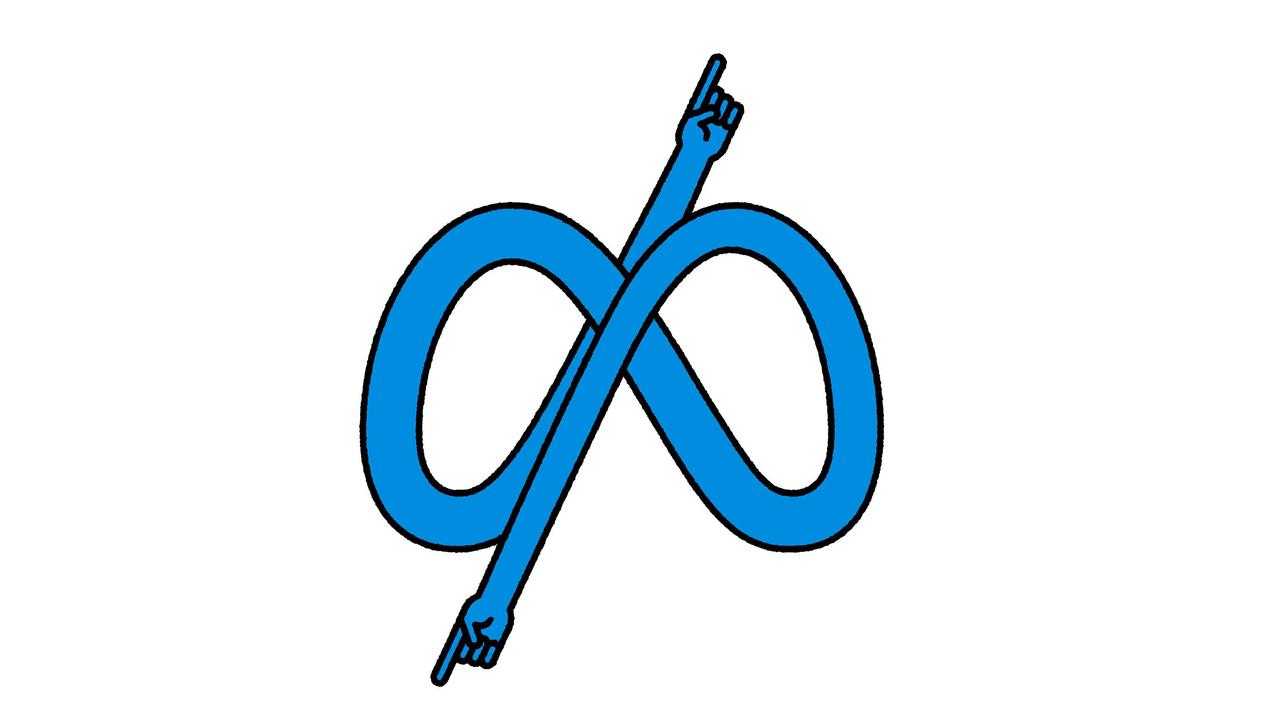
. Cox and Bosworth wanted Wang's team to concentrate on using Instagram and Facebook data to train the new frontier model to improve Meta's social media feeds and advertising business. However, Wang pushed back, arguing that the goal should be to catch up to rival AI models from OpenAI and Google before focusing on products5
.
Source: NYT
This us-versus-them mentality has created friction, with TBD Lab's researchers viewing many Meta executives as interested only in improving the social media business, while the lab's ambition is to create a godlike AI superintelligence
5
. Bosworth was recently asked to slash $2 billion off next year's proposed budget for Reality Labs, with the money redirected to Wang's team5
. Employees have also disagreed over computing power allocation, with those working on social media ranking algorithms arguing for more resources rather than dedicating them to training AI models5
.Related Stories

Market Pressure and Questions About Return on Investment
Wall Street is looking for direction and a path to return on investment after Meta's stock underperformed the broader tech sector this year and badly trailed Google parent Alphabet
4
. KeyBanc Capital Markets analysts noted that "Meta has been the opposite of Alphabet, where it entered the year as an AI winner and now faces more questions around investment levels and ROI"4
. The company's strategy remains scattershot according to insiders and industry experts, feeding the perception that Meta has fallen further behind its top AI rivals whose models are rapidly gaining adoption in consumer and enterprise markets4
.Brian Jackson, principal research director at Info-Tech Research Group, observed that Meta was "never interested in a truly open source model approach, just an open weights model approach"
2
. The company's internal restructuring has also taken a toll, with Meta laying off several hundred workers from its Fundamental Artificial Intelligence Research (FAIR) unit, and Chief AI Scientist Yann LeCun—a proponent of open source and skeptic of LLMs—recently announcing his departure3
. Many within the company expected Avocado to be released before the end of this year, but the model is now wrestling with various training-related performance testing, pushing the timeline to first quarter 20264
.References
Summarized by

Navi
[1]
[2]
[3]
Related Stories
Meta delays Avocado AI model launch after falling behind Google, OpenAI, and Anthropic in tests
13 Mar 2026•Technology
Meta's AI Strategy: Open-Sourcing LLaMA 3.1 and Its Impact on the AI Landscape
26 Jul 2024

Meta's $100M Talent Poaching Attempts Fail to Lure OpenAI's Top Researchers
18 Jun 2025•Business and Economy

Recent Highlights
1
Apple Plans Major Siri AI Overhaul in iOS 27 With Third-Party Chatbot Integration
Technology

2
OpenAI shuts down Sora after six months, ending Disney's $1 billion licensing partnership
Technology

3
AI chatbots validate you too much, making you less kind to others, Stanford study reveals
Science and Research

Recent Highlights
Today's Top Stories




Your Daily Dose of Curated AI News
Don’t drown in AI news. We cut through the noise - filtering, ranking and summarizing the most important AI news, breakthroughs and research daily. Spend less time searching for the latest in AI and get straight to action.

