Microsoft's 'Agentic OS' Vision for Windows Sparks Widespread User Backlash


15 Sources
15 Sources
[1]
Top Microsoft exec's boast about Windows 'evolving into an agentic OS' provokes furious backlash - users fed up with forced AI features
The post's comments section quickly turned into a ravenous pool of AI- and cloud-hating piranhas. Microsoft's President of Windows & Devices, Pavan Davuluri, has taken to social media to share his enthusiasm about the evolution of Windows. The Microsoft exec wanted to share his excitement about how Windows is "evolving into an agentic OS." But we didn't see anyone celebrating alongside Davuluri. Rather, the comments section was quickly overrun with sharp criticism, reflecting widespread unease about the direction Microsoft seems to be taking Windows. Davuluri used his X profile to share information about a breakout session at Microsoft Ignite. The developer-focused event will take place at large, prestigious venues such as the Chase Center and the Moscone Center in San Francisco next week. "Windows is evolving into an agentic OS, connecting devices, cloud, and AI to unlock intelligent productivity and secure work anywhere," Davuluri wrote on his public profile page. "Join us at #MSIgnite to see how frontier firms are transforming with Windows and what's next for the platform. We can't wait to show you!" Davuluri's enthusiasm regarding the evolution of Windows faced overwhelmingly negative criticism. If we had to condense the replies into a single, representative, super-reply, it would probably read something like this: 'No one wants this; we are fed up with AI everything; Windows needs tuning for performance; and Linux is looking good.' In some ways, we agree with the Windows and PC enthusiast old-guard. The execs that steer Windows might be advised to remember that, first and foremost, it is an operating system and should be honed to facilitate the operations its users wish to complete. Whatever frills it adds -- whatever side dishes it offers -- the OS definitely should not get in the way of users, and interruptions of computer workflows, entertainment, and gaming fun should be red-flagged as being contrary to the prime directive. Having said that, some of the negativity from social media commenters went a little off the rails. Davuluri's highlighted Ignite session seems to be targeted at 'frontier firms,' and if they want the Windows features described, laced with artificial intelligence and connected cloud trimmings, it seems fair that Microsoft should address them. As long as these features aren't foisted on users who want to ignore the OS and focus on their apps, content, and games, we don't think there will be an uprising or a mass exodus in the immediate future. Follow Tom's Hardware on Google News, or add us as a preferred source, to get our latest news, analysis, & reviews in your feeds.
[2]
Even the CEO of Epic Games is joining in with everyone dunking on the new Copilot videos
* Microsoft pushes an 'agentic' Windows, using Copilot to act for users. * Users are angry over lost customization: taskbar, local accounts, and control. * Workarounds (e.g., ExplorerPatcher) exist - I removed Windows after five months. So Microsoft has a little bit of a PR problem on its hands right now. We're seeing signs of Microsoft wanting to make an agentic Windows experience, including the President of Windows flat-out saying they want it. The thing is, people aren't as happy with these changes as Microsoft may like. People on social media are taking their turns making potshots at Microsoft about its new direction, some of which are more famous than others. For instance, the CEO of Epic Games, Tim Sweeney, has just thrown his hat into the ring, and I have to give it to him: his comment nailed it for me. Tim Sweeney puts forward his two cents about the state of Microsoft If you're just tuning in, Microsoft has been making a few pushes to get people to embrace the agentic future of Windows. "Agentic" means a system which mostly relies on AI tools and processes over user input, so an agentic version of Windows would likely entail Copilot doing all of your stuff for you. For instance, it would fetch the news for you without prompting, open up relevant apps for something you're working on, and suggest tasks for today given the information it has about your schedule. Feedback about this new agentic Windows has been mixed; some people see it as a useful progression in user experience, and others would rather use their PC rather than have their PC do things itself. One such critic is Tim Sweeney, who joined in with the naysayers to say something that I've been screaming about for years now: shrinking options for making a local account. In another reply, Tim states that they use ExplorerPatcher to add missing features, an app that's dear to our hearts here at XDA HQ. Nice pick, Tim.People flooded the replies to Tim's post to show their support for his stance, including the owner of X himself: Unfortunately, as popular as these comebacks get, something within me knows that Microsoft won't reverse course. The company has shelled out unfathomable amounts of money to develop Copilot, and it has to get that money back elsewhere. Well, Windows fans, I have good news for you: there is a way to get a customizable taskbar and local accounts, and it caused me to delete Windows from my PC after five months.
[3]
Microsoft says Windows is becoming an agentic OS, but users simply hate the idea
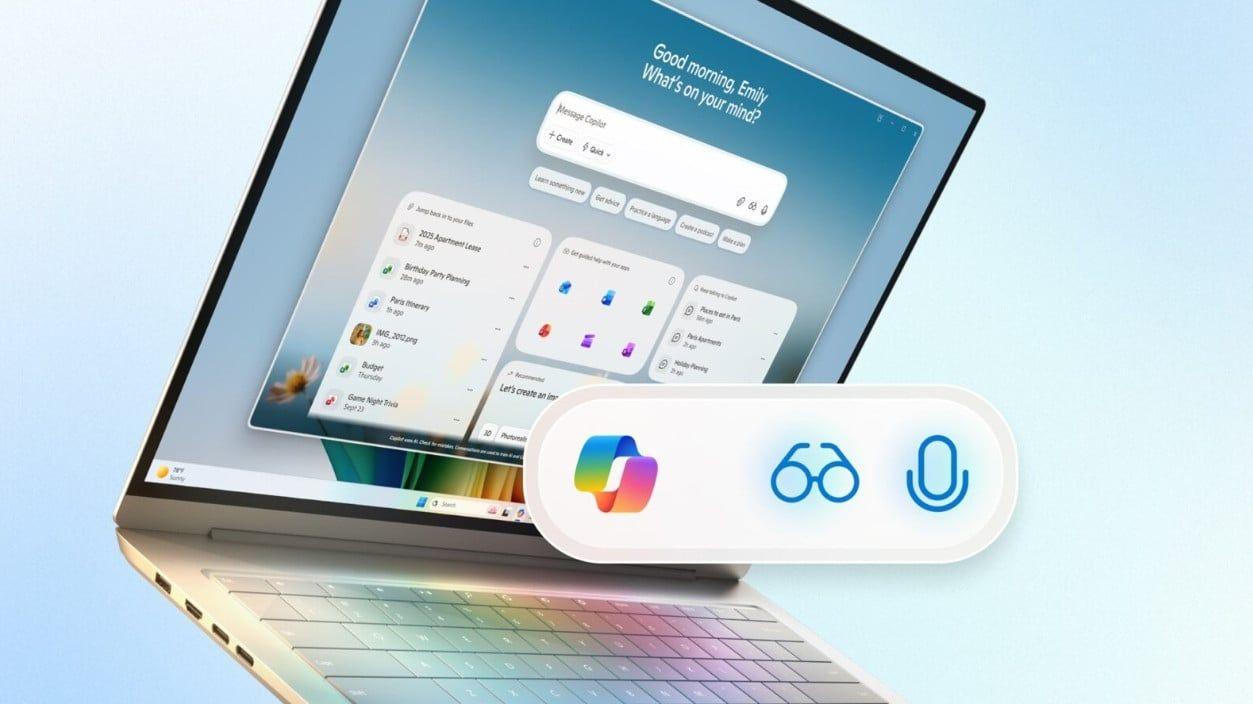
Serving tech enthusiasts for over 25 years. TechSpot means tech analysis and advice you can trust. Sounding off: Microsoft has often talked about turning Windows into an agentic OS, despite serious reservations from many quarters. Most Windows users are unhappy with the idea of AI taking greater control of their PCs, and they are once again making it clear to Redmond that they are not on board with the company's plans. Earlier this week, Windows president Pavan Davuluri reiterated that Microsoft is leveraging AI to evolve Windows into an "agentic OS" as part of its long-term strategy to transform the widely used desktop platform into an AI-native environment - one where AI agents can understand context, make decisions on users' behalf, and perform complex, multi-step tasks without human intervention. Davuluri's post was intended to set the stage for Microsoft's Ignite conference, taking place from November 18 to 21. However, many Windows users seized the opportunity to voice their frustration, accusing Davuluri of ignoring repeated pleas to stop adding more AI features to Windows. Hundreds replied to the thread, and many expressed the same sentiment: nobody wants an AI-powered Windows. The overwhelming majority of replies were negative, with many users questioning why Microsoft is not taking public opinion into account before making major product decisions. One user even asked Davuluri why the company is stubbornly sticking to its plan despite widespread negative feedback. Microsoft previously revealed that agentic Windows will center around Copilot, which will handle a wide range of workflows, including opening and closing applications, organizing files, summarizing documents, drafting emails, and more. To perform any task, users could describe a workload in natural language, and Copilot will perform it automatically, without the user having to move a muscle. According to Microsoft, its much-criticized AI assistant will gain three new features in future updates: Copilot Voice, Copilot Vision, and Copilot Actions. Copilot Voice will interpret natural-language commands, while Copilot Vision will scan open webpages to gather relevant information. Finally, Copilot Actions will carry out tasks by interacting directly with apps and local files. It will also be able to retrieve additional information from the cloud using Connectors when prompted. Notably, entire workflows can be completed using only voice... no keyboard or mouse required.
[4]
As Windows Turns 40, It's 'Evolving' Into a Bloated AI Slop Machine
Microsoft's bread-and-butter operating system, Windows, is turning the ripe age of 40 on Nov. 20. Like many folk who are busy having a midlife crisis, Windows is adopting a cringe-worthy veneer -- specifically AI -- in a desperate move to hide the fact the body is slowly degrading underneath. Last Friday, Microsoft's President of Windows and Devices, Pavan Davuluri, wrote on X that "Windows is evolving into an agentic OS." The word "agentic" relates to products that use multiple AI models in concert to complete more complex tasks. The post resulted in a wave of angry tirades against the OS's latest moves toward AI. Last month, Windows added several new features to the Copilot app that let users talk to their PCs. When you enable an option inside Windows 11 settings, the AI should be able to recognize what's on your screen and make suggestions based on your queries. For example, if you ask Copilot what settings you need to enable hi-fi audio in Spotify, the AI should be able to highlight that setting for you to click. The rollout of Microsoft's "experimental" Copilot features has gone about as well as one could expect. The AI may be able to answer some basic questions correctly, but it's just as confident a liar as any other chatbot around. In one of Microsoft's own Windows advertisements, Copilot tells a user to resize text by going through the "Scale" option in settings. The problem is this will also affect the other UI elements and balloon the entire look of your screen. Readers added a Community Note to that post on X saying the better option is to go through Settings, Accessibility, and then change Text Size. The video is full of other small cringe moments, including one where Copilot tells the user to change the scale to 150%, even though that was already the laptop's default setting. These are similar issues to what I personally experienced on Windows' Gaming Copilot. Microsoft's chatbot is too often inaccurate or just plain wrong. It fails to tell you the accurate controls for games you're actively playing and will often offer players poor advice for how to complete your in-game objectives. Davuluri has tried to offer some response to the widely negative outlook on these changes to Windows 11. Tech author and blogger Gergely Orosz complained that software developers have little reason to be happy about these software changes. The Windows president responded with "we care deeply about developers," adding that the team is still taking feedback about Copilot's reliability, performance, and ease of use (or lack thereof). "We know we have work to do on the experience, both on the everyday usability, from inconsistent dialogs to power user experiences," Davuluri wrote on Friday. "When we meet as a team, we discuss these pain points and others in detail, because we want developers to choose Windows." Microsoft is a day away from its annual Ignite conference, where it will likely show off even more AI capabilities within Windows. Many longtime Windows users are equal parts confused and miffed over Windows' descent into an "agentic" lifestyle. In the meantime, Windows just feels more bloated than ever. As somebody who regularly loads new Windows PCs for review, simply going through the steps to install Windows 11 is a chore. You're constantly bombarded with requests to sign into a Microsoft account. PCs desperately hope you'll enable 365 or the auto-screenshotting Recall feature. Epic CEO Tim Sweeney didn't mince words when he begged Microsoft to stop forcing him to sign in with a Windows account. If Copilot could change the settings on behalf of users, that would go a long way to making the OS more user-friendly. Microsoft CEO Satya Nadella wrote on Friday that he wants to see companies create their own AI trained on their own data. In its current state, when the AI doesn't even recognize the basics of using the operating system it's built for, it can't ever be users' first choice. Microsoft keeps pushing Windows as a Mac-like ecosystem, but Windows users simply want an OS that works without constant advertisements for Microsoft's other services. While current Copilot features remain optional, it's only a matter of time before Microsoft forces users to confront the AI chatbot, one way or another. When that happens, more longtime Windows users could start looking for greener pastures. Maybe this is Linux's time to shine.
[5]
Microsoft claims it "cares deeply about developers" after the huge negative feedback it got from its agentic OS direction
* Microsoft pushes Windows to be an agentic, AI-first OS despite broad user backlash. * Developers fear Windows will prioritize AI integrations over dev-friendly control and privacy. * Microsoft claims it listens, but commitment to agentic Windows suggests AI bets will win out. Microsoft recently stated that it wants to make Windows an agentic OS. If you're unsure as to what that means, "agentic" is what tech people call an AI system that can do stuff on its own without much input from the user. Some browsers are becoming agentic, although not everyone will recommend you use them. In terms of Windows, Microsoft wants to make its OS agentic by "connecting devices, cloud, and AI to unlock intelligent productivity and secure work anywhere." The problem is, nobody liked the announcement. People expressed their disinterest with Microsoft converting Windows into an AI-first platform, which caused the President of Windows to make a statement on the matter. Unfortunately, the statement seems to be "we heard you, but we're doing this for your own sake," which definitely doesn't sit well with many people. Microsoft claims that it "cares deeply about developers" as it introduces an agentic operating system Over on X, Pavan Davuluri, the President of Windows, made a post replying to the people who have felt dissatisfied with Windows' proposed direction. Pavan replied to a post from Gergely Orosz, writer for The Pragmatic Engineer, where they stated that they "Can't see any reason for [software] engineers to choose Windows with this weird direction they are doubling down on" and finished up by saying "Mac or Linux it is for devs." As such, Pavan's reply takes a more dev-oriented focus as they try to stymie the flames: Pavan claims that "When we meet as a team, we discuss these paint [sic] points and others in detail, because we want developers to choose Windows," rounding off their statement by saying "We know words aren't enough, it's on us to continue improving and shipping." As you might imagine, Pavan's post didn't garner many positive replies: It's easy to see why. From what we know about the inner workings of Microsoft, the company has fully embraced the AI wave, believing it to be the future. As such, as much as Pavan can take to the stage and claim that Microsoft will listen to user feedback and use it to improve Windows, it's still going to truck ahead with turning the OS into an agentic system. It has poured far too much money and made way too many bets on AI for it to back down now. As a result, Microsoft is taking this strange stance where it's saying "Windows is becoming an agentic OS, but we really care about our developers, but it will become an agentic OS." Unfortunately, it doesn't seem like Microsoft can appease both sides at the same time forever, and I have a nasty suspicion I know which one it'll sacrifice when it comes down to it.
[6]

Microsoft boasts about agentic Windows features, but users frown
Many expressed frustrations over forced cloud integration interrupting their regular Windows workflows Microsoft recently attempted to present its Windows operating system as evolving into an "agentic OS," designed to combine cloud services, AI, and device management into a unified experience - however the announcement quickly backfired, being met with a torrent of opposition. The announcement, made by President of Windows & Devices Pavan Davuluri, was intended to highlight features aimed at improving intelligent productivity and supporting frontier firms. However the post triggered a wave of negative reactions, many of which expressed frustration over what they saw as forced AI tools and unnecessary cloud dependencies. Davuluri highlighted the upcoming Microsoft Ignite event as a showcase for the new agentic Windows capabilities. The executive described features intended to transform workflows through connected devices and AI-enhanced productivity. Despite this, ordinary users expressed concern that these features could be automatically deployed across all Windows installations, even for those uninterested in using advanced AI tools. The backlash on social media focused on the perception Windows was prioritizing artificial intelligence over user control. Many commenters argued constant AI prompts and automatic suggestions could interfere with established workflows. Users emphasized that productivity tools should support tasks without creating additional steps or interruptions. Many noted that essential office software operations, such as document editing and spreadsheet management, could be disrupted if AI-driven features are imposed without clear opt-out options. Several responses suggested that Linux or other alternative platforms might be more suitable for users who prefer minimal automation and direct system control. While criticism was widespread, some industry observers noted the "agentic OS" concept could benefit certain organizations. Frontier firms and enterprises seeking deeper integration between AI tools, cloud, and device management may find the proposed updates advantageous. For these users, the Windows evolution promises new productivity tools that could streamline complex operations and enhance workflow efficiency. Social media commentary suggests users prioritize stability, reliable Office software, and uninterrupted access to existing applications over experimental features. Microsoft's challenge will be balancing advanced capabilities for enterprise customers while maintaining the core usability expected by the broader user base. Via Tom's Hardware
[7]

Windows to become 'agentic OS,' and the internet is having none of it
It seems people don't really want to hear about an operating system integrating yet more AI into the user experience. Pavan Davuluri, Microsoft's president of Windows and devices, posted a tweet promoting a company event and promising that Windows would soon evolve to include even more AI. Davuluri posted that Windows would soon be "agentic," which is an AI buzzword that basically means it can do some tasks autonomously. "Windows is evolving into an agentic OS, connecting devices, cloud, and AI to unlock intelligent productivity and secure work anywhere," he posted on X. This Tweet is currently unavailable. It might be loading or has been removed. Whatever Davuluri expected, folks were not thrilled with their operating system becoming "agentic." "Stop this non-sense. No one wants this," read one reply. This Tweet is currently unavailable. It might be loading or has been removed. "Its evolving into a product that's driving people to Mac and Linux," read another. This Tweet is currently unavailable. It might be loading or has been removed. The replies were largely uniform in their disapproval of the announcement. This Tweet is currently unavailable. It might be loading or has been removed. This Tweet is currently unavailable. It might be loading or has been removed. This Tweet is currently unavailable. It might be loading or has been removed. This Tweet is currently unavailable. It might be loading or has been removed. Read another reply from the account @EricLengyel: "Maybe you should pay attention to the unanimously negative replies here and adjust your goals accordingly."
[8]

'Windows is evolving into an agentic OS' says Windows president in what I can only assume is a bid to make me swap to Linux
If you're anything like me, you're probably done with AI being forced into Windows. Well, turns out AI in Windows isn't done with you, as the Windows president has big plans to make your OS even more bloated. Pavan Davuluri, the president of Windows and devices at Microsoft, recently took to X to share their feelings on the future of the OS (as spotted by Tom's Hardware). "Windows is evolving into an agentic OS, connecting devices, cloud, and AI to unlock intelligent productivity and secure work anywhere." If that phrase reads to you like someone has thrown a dart at a board filled with LinkedIn buzzwords, you're not alone. Effectively, an agentic AI is one that can run autonomously, without the need to check back in on each step of the process. If you ask a standard non-agentic AI to make you a poem, it can. If you ask that same AI to set up supply chains, adjusting stock and employees in real-time, based on information fed to it, it can't do it . So, in this sense, Windows as an agentic AI is one that is designed to run automations daily to lighten the productivity load. However, I can't help but wonder who wants that out of their OS? Many productivity apps already have systems to do this kind of work, and this means the likes of Copilot will only be getting a bigger seat to reign over your PC from. This is all before mentioning that not all Windows users will even care about greater efficiency and more productivity. If I want to boot up my PC to play a quick game of Arc Raiders, or take my time with a long game of Arc Raiders, I don't know what good AI will really do for me. And, frankly, AI implementation has served to be a mild nuisance in Windows. Windows turning over a new agentic leaf is certainly not helped by the fact that Windows has been in a weird spot recently. Windows 10 has finally met the end of its OS life; it's becoming harder to set up without an internet connection, and bugs are still aplenty. But what's the alternative? I'll admit I'm a little put off by the learning curve of using (and actually understanding) Linux, but the powers that one can summon due to sheer AI-based annoyance certainly should not be overlooked.
[9]
Microsoft exec responds to Windows 11 AI controversy, but glosses over a key reason for all the hate
That includes fixes for "everyday usability, from inconsistent dialogs to power user experiences" - but the exec misses a key point in terms of the hate for ads in Windows 11 The Microsoft executive who caught a lot of flak for comments about how Windows 11 is 'evolving into an agentic OS' has responded to that reaction, and assured the unhappy folks out there that Microsoft isn't just focusing on AI with the desktop OS. Windows Central reports that Pavan Davuluri, Microsoft's VP of Windows and Devices, has posted again on X, after disabling comments for the original post that sparked this controversy - evidently looking to put a proverbial lid on things here. In the new post responding to a complaint from author Gergely Orosz, who questions why software developers should choose Windows "with this weird direction [Microsoft is] doubling down on" (meaning AI), Davuluri explains that he is responding to a "bunch of the comments that people have made". Davuluri says: "The team (and I) take in a ton of feedback ... I've read through the comments and see focus on things like reliability, performance, ease of use and more." "But I want to spend a moment just on the point you are making, and I'll boil it down, we care deeply about developers. We know we have work to do on the experience, both on the everyday usability, from inconsistent dialogs to power user experiences. When we meet as a team, we discuss these pain points and others in detail, because we want developers to choose Windows." Windows Central also noticed a swing and a miss from Microsoft with an advert for Copilot on X, which is pretty bad timing given this controversy around AI. Microsoft's marketing department appears to be OK with the below promotional footage that shows Copilot making rather a hash of things. The footage shows someone getting help from Copilot with trying to change the text size (make it bigger) in Windows 11, but this isn't a good demo of AI at all. Why not? Firstly, because Copilot only tells the user where to click initially, then the instructions trail off - meaning the again has to ask where to click next. The next stumble, an outright mistake in this case, is that Copilot then ushers the user through to the menu to scale everything (icons, the whole interface), not just text - the text-only control is actually a separate menu (in Settings > Accessibility > Text size, as the reader context box on the X post makes clear). Finally, the AI advises the user to choose 150% scaling when that's already selected (they ignore it, and just click 200%, but there's a confused pause before that happens). If this is resizing text "like a pro" I'd hate to see it when Copilot's guidance strays into amateurish realms - and none of this really helps Microsoft's insistence on its big push with AI in Windows 11. It is good to see Davuluri take the time to address the complaints from last week, although arguably, the exec didn't have much choice - such was the snowballing of negative reaction and flood of media coverage that ensued. It's also heartening to see Davuluri acknowledge that Microsoft needs to do better in terms of everyday use and reliability of the OS, and smoothing over performance problems - which are still hanging around in Windows 11 years after its launch. The constant stream of bugs - felt even more keenly since the big changes in Windows 11 24H2 (with its new Germanium platform, required for Arm-based Copilot+ PCs) - is certainly a big part of the problem for everyday users of Microsoft's operating system. As Windows Central points out, Microsoft's constant drip-feeding of new features into Windows 11 causes trouble - and more bugs - so that 'continuous innovation' philosophy perhaps needs a rethink. In other words, mulling a switch to a model of rarer feature updates to give time for more thorough testing and bug squashing. But beyond stability and reliability, what's notably missing from Davuluri's pledges on X is any comment on the bad feeling around Microsoft pushing folks this way and that to use its services. I'm sure you're familiar with the various promotional slants in Windows 11, nudging you to use Edge or OneDrive, or Windows Backup, or to sign up for a Microsoft account, or even buy games. All this advert-like activity is what some folks are calling out as a lack of respect for the Windows user in the thread of the exec's new post (that and Microsoft's telemetry, or collecting of data on the system). Or, as Orosz - the person Davuluri was replying to - puts it, flagging up a comment from someone else (fj), Windows 11 "should be an operating system, not an ecosystem", and Microsoft is losing sight of who the platform is built for. I've said this before, and I'll say it again: Windows 11 at times feels less about the user experience, and more about the Microsoft experience, and in a paid-for OS, this simply isn't acceptable or excusable.
[10]

After 'Agentic OS' backlash, Microsoft says it wants developers to choose Windows
TL;DR: Microsoft plans to transform Windows into an AI-driven agentic OS, integrating cloud and intelligent productivity features. Despite significant user backlash citing existing bugs and inefficiencies, Windows leadership acknowledges feedback and commits to improving reliability, performance, and usability while presumably continuing its AI push. Last week, we shared a story that involved Microsoft's Windows boss, Pavan Davuluri, posting on social media that Windows is "evolving into an agentic OS, connecting devices, cloud, and AI to unlock intelligent productivity and secure work anywhere." Basically, it refers to a plan to turn every major component in Windows into an AI agent that you can interact with using speech, text, and natural language. As expected, this announcement didn't go down well, with the post quickly getting hundreds of negative comments from Windows users, engineers, developers, and PC enthusiasts. Although a big slice of the comments were along the lines of "no thanks" (with more colorful language), many were constructive, detailing why Windows 11's current state felt like a mess of inefficiencies, telemetry, bugs, and other issues. It got to the point where Pavan Davuluri turned off the ability to comment on his post about Windows becoming an "agentic OS," but not before the message was received loud and clear. In response to a separate post by technology writer Gergely Orosz, who discussed how this new direction would see software engineers ditch Windows as a platform, Microsoft's Pavan Davuluri said, "We want developers to choose Windows." "The team (and I) take in a ton of feedback," Pavan Davuluri wrote. "We balance what we see in our product feedback systems with what we hear directly. They don't always match, but both are important. I've read through the comments and see the focus on things like reliability, performance, ease of use, and more." This directly addresses the initial feedback on his original post; however, like the rest of the response, it lacks detail or assurances on where Windows is headed. "We know we have work to do on the experience, both on the everyday usability, from inconsistent dialogs to power user experiences," Pavan Davuluri adds. "When we meet as a team, we discuss these pain points and others in detail, because we want developers to choose Windows. We know words aren't enough, it's on us to continue improving and shipping." And with that, based on the company's broader shift toward AI, it's still safe to assume that additional Copilot features and AI integration into Windows are on the cards. That is, in addition to improving and fixing existing "pain points."
[11]
Windows 11 users rebel as top Microsoft exec says operating system is 'evolving into an agentic OS'
A lot of people are fed up with a lot of things, but the relentless pushing of AI and buzzwords, and lack of attention to the fundamentals of Windows 11, are clear sources of frustration A top Microsoft exec who heads up Windows has said that the future of the desktop platform is about 'evolving into an agentic OS' and pushing forward with AI, and this has provoked a groundswell of negative reaction on various social forums. Windows Central highlighted a post on X from Pavan Davuluri, who is VP of Windows and Devices at Microsoft. The key part reads: "Windows is evolving into an agentic OS, connecting devices, cloud, and AI to unlock intelligent productivity and secure work anywhere." This follows several similar comments that have filtered through in various recent Microsoft blog posts, or exec soundbites, since the software giant revealed its grand vision to 'make every Windows 11 PC an AI PC' in the future. That means driving ahead with pushing Copilot, new AI features, and voice input (and Mico, a new face for AI in Windows, or to look at it another way, a fresh take on Clippy or Cortana). That Windows 11 is going to become 'AI-native' is another variation of the rhythm in a relentless drumbeat of buzzwords that seem to be pouring forth from Microsoft execs of late - but it's a tune a lot of Windows users don't want to dance to by all accounts. Certainly not going by the feedback to that post on X. Here's a sample of one of many scathing comments on X: "Pavan, stop. We all hate Windows more with every new version you release. Nobody likes the directions this OS is heading to. Don't close your eyes and ears for consumer feedback because you already monopolized the market. Make Win 7 great again." And when Microsoft is being thanked in the replies in this thread, it seems like it's from people who are just parroting soundbites back at the company - like "the integration of AI, cloud, and devices sounds like a productivity game-changer" - or thanking the software giant for Windows 11 now giving them the final push to switch to Linux, making them so much happier. The flak being fired at Microsoft is just as bad on Reddit, as you might imagine. That includes general worries about AI bloat, as well as the possibility of AI agents in Windows 11 being additional attack surfaces that malicious actors might exploit to compromise the user in some way. (Microsoft did address security concerns in its previous revelations about the great movement towards 'all AI PCs' in fairness, but still - that's not likely to soothe the nerves of those counting the number of bugs that've cropped up in Windows 11). So, first things first, it's worth making it clear that Davuluri's comment on X is about Microsoft's Ignite conference which is for IT professionals and business leaders, so this post is an enterprise topic - but there can be no doubt that this is where Microsoft is heading for all Windows 11 users. Even if the plans on the business side are more expansive, it's not like Windows 11 Enterprise is going to be this agentic AI thing, and Windows 11 Home (or Pro) somehow won't be. In fact, an AI agent is already in Windows 11 Home, the chatbot in Settings (for Copilot+ devices), and more are coming as Microsoft told us in its recent revelations about making every Windows 11 PC an AI PC. As doubtless hasn't escaped your attention, the AI revolution has been Microsoft's main source of hype ever since ChatGPT burst onto the scene and Satya Nadella's outfit fell over itself to get in on the action. Microsoft has a deeply vested interest in AI, of course, and the AI revolution was initially talked about in terms of Copilot+ PCs with exclusive AI-powered features, but now it's much more broad strokes of 'agentic' AI, the latest buzzword everyone is getting sick of already. What is an AI agent? For consumers at least, it should be an AI bot that'll help you do things in Windows based on natural language (and voice) queries, but of course, the fear is that it will become a bot that also tries to sell you things in Windows - namely, Microsoft things (or stuff other firms pay Microsoft to peddle). And that fear is hardly unfounded as Microsoft has gradually crept forward with more and more annoying upselling efforts in Windows 11 as time has rolled on (and it was already no picnic avoiding this kind of nonsense in Windows 10, before the newer OS pitched up). As this fresh barrage of feedback on social media indicates, people are getting sick of Microsoft's various promotions and thinly veiled (or not even veiled at all, "please buy Avowed") adverts within Windows 11 - an operating system they have already paid for. (All this would be different if Windows was free - but it isn't, it's baked into the cost of your prebuilt PC or laptop, or the standalone license). On top of that, people are frustrated that Microsoft is forging ahead with AI and not fixing the basic things that are wrong with Windows 11. They don't want an AI agent that can make them a website hanging around in the operating system (although it is a kind of cool idea, admittedly). What they really want is a right-click context menu, or search function, that's not mysteriously sluggish, or basic functionality like the ability to move the taskbar away from the bottom of the screen (like you can in Windows 10). Microsoft isn't listening, though. In the early days of Windows 11, there was something of a promise of taking on board feedback, and working with that to improve the OS, but this philosophy appears to have gone out of the window (or indeed the Windows). Now it feels like a case of you're getting AI, whether you like it or not (and the shareholders will certainly like it, which is a key irritant for the more cynical here). Mind you, there's not necessarily anything wrong with AI - if it's implemented in a smart and focused way. But if Microsoft can't get simple things like a right-click menu working smoothly in Windows 11, and it keeps piping through bugs in a seemingly relentless fashion with the OS, it's little wonder there's not much confidence that AI will be done right. Microsoft needs to start making Windows 11 about the little guys - the core consumers using the OS - again, and not about whatever the company needs itself in terms of promoting services, making more money, or impressing shareholders. Especially because right now, it looks like the little guys are tilting towards a tipping point of frustration with Microsoft's vision for the future of Windows, and lack of attention to the fundamentals of the operating system.
[12]
Tim Sweeney and Musk join in with Windows 11 AI bashing: 'Hey Copilot make my taskbar vertical'
TL;DR: Epic CEO Tim Sweeney aimed a barb at Microsoft's recent push for more AI in Windows 11, and specifically, the 'Hey Copilot' feature, posting on X: "Hey Copilot, make my taskbar vertical and don't ask me to create a Windows account ever again!" Musk backed Sweeney up, noting that the biggest annoyance was the account requirement. Epic CEO Tim Sweeney and Elon Musk have joined in with the recent round of Windows 11 bashing since Microsoft revealed its grand plan to focus more heavily on AI and Copilot in the desktop OS. As Windows Latest noticed, in a post on X from the official Windows account which was explaining how the 'Hey Copilot' voice command is the "new shortcut to everything Windows 11 can do", Sweeney chimed in with a swift jab that read: "Hey Copilot, make my taskbar vertical and don't ask me to create a Windows account ever again!" Musk saw the post and agreed, noting "especially the Windows account part" before adding a flame plus tears of joy emojis. (It's a Microsoft account, guys, technically). The inability to move the taskbar away from the bottom of the screen has long been a complaint for some Windows 11 users (particularly those with ultra-wide monitors who prefer it aligned vertically as Sweeney suggests). And obviously being badgered to create a Microsoft account is another bugbear for some folks who'd prefer to live a quiet, local life with Windows 11, but can't as Microsoft gradually closes all the many workarounds to this end. As Microsoft doubles down on AI in Windows 11 - which, let's face it, was always the plan since investing in ChatGPT - there's been something of a broad backlash. Many people simply aren't happy with AI trimmings when there's still a fair bit wrong with the fundamentals of Windows 11, which includes performance hitches and bits of the interface that don't work as they should - or shove recommendations (including advertising for Microsoft services) in your face.
[13]

Windows chief says OS is going agentic -- Internet fires back: "Nobody asked for this!"
Pavan Davuluri, the current head of Windows at Microsoft, posted on X that the future of Windows is "evolving into an agentic OS." This post came just weeks after Microsoft reorganized its Windows division to prepare for an AI-powered version of the operating system. The idea is that Windows will not just run apps but will act like an AI assistant that can take actions for you, as stated by Windows Central. Microsoft has been teasing this AI-driven Windows concept for months now, calling it the future of computing. Davuluri's post triggered a huge wave of backlash online. Almost every reply said the same thing: "Nobody wants this." One person wrote, "Stop this non-sense. No one wants this." Another said, "Bro, straight up, nobody wants this." Only a small handful of users showed excitement for the idea. Most said Microsoft is not listening to its customers. The response isn't just from a few angry users. It's widespread. In almost every article or thread about the "agentic Windows," the reaction has been mostly negative. According to the report by Windows Central, one user directly asked Microsoft, "You are getting overwhelmingly negative feedback about all this AI stuff. And yet you persevere. Why?" Many feel Windows has become "enshittified" -- filled with unwanted changes and ads. Users complain that Microsoft is forcing things like Microsoft Account, OneDrive, and Copilot into the system just to make more money. As one person said online, "Windows isn't free, so none of this is acceptable." Beyond the AI push, users are angry that Windows keeps getting more unstable. Constant updates are breaking things even though there's a preview program meant to stop that. One frustrated X user wrote, "It's evolving into a bug-ridden slop pile ... You guys have utterly destroyed it." They want Microsoft to fix the basics first -- speed, stability, privacy -- before adding more AI, as stated by Windows Central. The company has gone "AI crazy", cutting budgets in other areas like Xbox and Surface just to fund AI projects. Many users feel every Microsoft product is getting worse because of this one-track AI focus. Internally, the mindset seems to be: "If it's not AI, it's not important." Users don't want to use Copilot, OneDrive, or Microsoft Accounts anymore because they've been burned too many times. Over the years, Microsoft has cancelled many products and ignored feedback, making customers lose faith. People believe if Microsoft had treated them better before, they wouldn't need to use "dirty tactics" or force features today. A fun but painful fact: Windows 11 is the only major OS that forces you to sign in online during setup. Every other system -- Android, iOS, macOS, Linux, Chrome OS -- gives you a choice to use it locally. This has become a symbol of how controlling and user-unfriendly Windows now feels. People want a simple, stable, respectful Windows -- not an "AI agent." Unless Microsoft pulls back on the AI obsession and focuses on fixing Windows itself, users may continue to turn away, as per Windows Central. For now, the message from the internet is loud and clear, "Nobody asked for this." Q1. Why are people angry about Microsoft turning Windows into an AI system? Many users say they don't want an AI-controlled Windows and want Microsoft to fix bugs, stability, and ads instead of forcing new AI features. Q2. What does "agentic OS" mean in Windows? An "agentic OS" means Windows will act like an AI assistant that can take actions or make decisions for users automatically.
[14]
Microsoft says Windows is transforming into an 'Agentic OS' and no one is happy about it
TL;DR: Microsoft's Windows is evolving into an AI-powered, agentic operating system designed to enhance productivity by integrating devices, cloud, and AI for natural language interaction. However, many users criticize Windows 11 for being slow and buggy, expressing frustration and considering alternatives like Linux due to ongoing stability concerns. Microsoft's current Windows boss, Pavan Davuluri, recently took to the social media platform X to proclaim, "Windows is evolving into an agentic OS, connecting devices, cloud, and AI to unlock intelligent productivity and secure work anywhere." Written to promote the upcoming Microsoft Ignite event, taking place in San Francisco and online later this month, this message also serves as a reminder that Windows is undergoing a fundamental transformation to become AI-powered. If you're wondering what Pavan Davuluri means when he says "Windows is evolving into an agentic OS," this means that all significant parts of the operating system, including security, will involve users engaging with AI agents for tasks such as browsing, locating files, opening documents, and managing calendars and schedules. Instead of clicking on files and folders and menus, you'll instead talk to AI with natural language, and it will handle the rest. Windows 11 and Windows 10 are currently the most popular operating systems among PC users. That said, when it comes to Windows 11, with or without AI features like Copilot, being popular in terms of the number of users is not the same thing as being likable. The consensus among PC enthusiasts is that Windows 11 is bloated, buggy, slow, and in need of a ground-up tune-up or redesign. So, the idea of it transforming into an "agentic OS" is not going down well. "Stop this nonsense," one user, a programmer, @Hasen_Judi writes. "No one wants this. You live in a Twitter bubble where AI will create tons of wealth, and you will perish unless you adopt it now. But your users are not in this bubble. They don't care about any of this." "This is going to push me to Linux, please just make my computer work," another response by @chhopsky adds, with several more sharing a similar sentiment that the current state of Windows 11 is driving users to alternate platforms like Linux or even macOS. With a sea of negative responses, and there are hundreds that we could repost here, user @EricLengyel sums up the overall sentiment with, "Maybe you should pay attention to the unanimously negative replies here and adjust your goals accordingly." For many, they want Windows 11 to become a leaner, faster, and more streamlined operating system focused on stability and security. A simple concept, but one that feels like a long way off from Microsoft's plans for the future of Windows.
[15]

Microsoft receives backlash over Windows 11, says we have a lot to fix
Microsoft has time and again focused on turning Windows 11 into a more AI driven platform. But the reaction that the company got isn't what was anticipated. There has been a lot of backlash from long time users and developers about the new updates to Windows 11 and now, the company has admitted that there is a lot of work to be done. Microsoft says that the future of Windows is an "agentic" one, where the operating system becomes far more autonomous. At the same time, Windows chief Pavan Davuluri has tried to reassure people who worry that the OS is drifting away from the needs of technical users. His recent comments suggest that Microsoft is aware of the backlash, even if it has no intention of slowing down its AI roadmap. Also read: New Android PCs could be powered by Snapdragon Elite processors, details here The trouble began on November 10, when Pavan Davuluri, President of Windows and Devices, posted on X about Windows' next phase. His message described the OS as evolving into an "agentic" platform that connects devices, cloud services and AI in order to unlock smarter productivity and secure work from anywhere. The post was meant to set up Microsoft's announcements at Ignite, but instead it triggered days of heated responses. By the time the post went viral, it had crossed more than a million views, hundreds of replies and enough negative feedback that Pavan eventually locked the comments. Many users felt that their concerns about Windows' reliability and UI inconsistencies were being ignored in favour of flashy AI additions. A number of long time Windows fans responded with frustration, saying the operating system no longer feels stable or developer friendly. One user, who claimed to have been on Microsoft products since the early eighties, said they had abandoned the ecosystem entirely. Others questioned why Microsoft was pushing AI deeper into Windows when the company still struggles to implement basic features like taskbar behaviour. A particular pain point was the recent addition of "small taskbar icons". Although the icons shrink, the taskbar remains full height, creating a mismatched look that users say feels unfinished. Several replies argued that Microsoft should focus on consistency, performance and bug fixes before introducing more AI features. The backlash eventually reached prominent figures in the software engineering community. Gergely Orosz, author of a widely read technology newsletter, said Windows no longer seems like a platform for builders who want control over their tools. In his view, the AI first direction pushes developers toward macOS or Linux instead. Pavan Davuluri responded directly to the backlash. He insisted that Microsoft still cares deeply about developers and power users. According to him, the Windows team collects feedback from multiple sources and the concerns about reliability, performance and inconsistent experiences are being actively discussed internally. "Hey Gergely, I am responding here, and I think this applies to a bunch of the comments that people have made. I mean, a lot of comments. The team (and I) take in a ton of feedback. We balance what we see in our product feedback systems with what we hear directly. They don't always match, but both are important," the post read. In a series of follow up posts, Pavan acknowledged that Windows has work to do, particularly in areas like everyday usability, system stability and power user features. He said the team regularly reviews pain points and that improving the developer experience remains a priority. He also admitted that simply saying these things is not enough and that Microsoft needs to show progress through updates. So, what does agentic OS really mean? The phrase has caused confusion, but the idea is straightforward. The tech industry believes that autonomous agents will eventually perform routine tasks for users. Instead of manually opening apps or scripting workflows, an agent could handle actions across apps and services based on intent. This could range from planning a trip to booking a restaurant or completing routine work tasks automatically. Until now, such agents have mostly lived inside browsers or web apps. Microsoft wants to move these capabilities directly into Windows so that the OS becomes the foundation for native AI agents. In theory, Windows would become an environment where agents run apps and coordinate tasks on a user's behalf. The challenge is that AI agents today are slow and often unreliable, which fuels scepticism about whether the OS should be built around them yet.
Share
Share
Copy Link
Microsoft's announcement that Windows is evolving into an AI-driven 'agentic OS' has triggered fierce criticism from users, developers, and industry leaders who oppose forced AI integration and want more control over their operating system.
Microsoft's Vision for an AI-Driven Windows
Microsoft's President of Windows & Devices, Pavan Davuluri, recently announced that Windows is "evolving into an agentic OS, connecting devices, cloud, and AI to unlock intelligent productivity and secure work anywhere."
1
The announcement was made ahead of Microsoft's Ignite conference, scheduled for November 18-21 in San Francisco, where the company plans to showcase how "frontier firms are transforming with Windows."3
The term "agentic" refers to AI systems that can operate autonomously with minimal user input, making decisions and performing complex multi-step tasks without human intervention.
3
Microsoft envisions Copilot as the centerpiece of this transformation, handling workflows such as opening applications, organizing files, summarizing documents, and drafting emails based on natural language commands.3
Source: TweakTown
Widespread User Opposition
The response to Davuluri's announcement has been overwhelmingly negative across social media platforms. Users have expressed frustration with what they perceive as forced AI integration that compromises their control over the operating system.
1
The criticism can be summarized as: "No one wants this; we are fed up with AI everything; Windows needs tuning for performance; and Linux is looking good."1

Source: TechRadar
Hundreds of users replied to Davuluri's post, with many questioning why Microsoft continues to ignore public opinion when making major product decisions.
3
The backlash reflects broader concerns about Microsoft's direction, particularly regarding the removal of customization options like taskbar modifications and the increasing difficulty of creating local accounts.2
Industry Leaders Join the Criticism
Prominent figures in the tech industry have also voiced their opposition to Microsoft's plans. Epic Games CEO Tim Sweeney publicly criticized the company's direction, specifically calling out the "shrinking options for making a local account" and expressing support for tools like ExplorerPatcher that restore missing Windows features.
2
Even Elon Musk, owner of X, showed support for Sweeney's stance in the replies.2
Developers have expressed particular concern about Windows' new direction. Software engineer and writer Gergely Orosz stated he "Can't see any reason for [software] engineers to choose Windows with this weird direction they are doubling down on," suggesting that developers might migrate to Mac or Linux alternatives.
5
Related Stories
Microsoft's Response and Ongoing Challenges
In response to the criticism, Davuluri attempted to address developer concerns, stating that Microsoft "cares deeply about developers" and acknowledging that "we have work to do on the experience, both on the everyday usability, from inconsistent dialogs to power user experiences."
5
However, his response was met with continued skepticism from users who view it as corporate speak without genuine commitment to change.5
The current implementation of Copilot has faced reliability issues, with Microsoft's own promotional materials containing inaccuracies.
4
In one advertisement, Copilot incorrectly advised users to change text scaling settings, prompting community corrections on social media.4
These technical problems compound user frustration with the AI-first approach, as many prefer traditional OS functionality over automated assistance that may provide incorrect guidance.4
Source: Gizmodo
References
Summarized by

Navi
[1]
[2]
Related Stories
Microsoft Confirms Windows 11 AI Agents Hallucinate and Introduce Novel Security Risks
02 Dec 2025•Technology

Microsoft pulls back Copilot AI from Windows 11 apps after users revolt over bloatware
23 Mar 2026•Technology
Microsoft rolls back Copilot AI bloat on Windows 11 after mounting user pushback
16 Mar 2026•Technology

Recent Highlights
1
AI Models Lie and Deceive to Protect Other AI Models From Deletion, Study Reveals
Science and Research

2
AI chatbots validate you too much, making you less kind to others, Stanford study reveals
Science and Research
3
Judge blocks Pentagon from blacklisting Anthropic over AI safety guardrails dispute
Policy and Regulation

Recent Highlights
Today's Top Stories









Your Daily Dose of Curated AI News
Don’t drown in AI news. We cut through the noise - filtering, ranking and summarizing the most important AI news, breakthroughs and research daily. Spend less time searching for the latest in AI and get straight to action.

