Microsoft scales back Copilot in Windows 11 apps after user backlash over aggressive AI push


8 Sources
8 Sources
[1]
Microsoft Reportedly Plans to Dial Back Copilot Across Windows 11 Apps
Microsoft is reportedly looking to scale back Copilot features across Windows 11 apps. In its pursuit of making AI accessible to everyone, Microsoft has been integrating Copilot across the Windows 11 experience, from Settings and Notepad to Paint and Microsoft 365 apps. However, some users are unimpressed with the approach, and experiments like Windows Recall and Copilot Vision have raised privacy concerns. Sources tell Windows Central that internal teams are also beginning to push back against excessive integration, and the company may therefore reconsider its stance. At the very least, Microsoft may dial back Copilot features or remove the chatbot's branding from apps like Notepad and Paint to make the experience feel more conventional, the report says. The company may also revisit the implementation of Windows Recall. Microsoft may not yank the feature, but it could rename it or explore better ways to make it work, the report adds. If you're unfamiliar, Recall periodically takes screenshots of your screen so you can revisit your activity later. The feature was met with harsh criticism when it was announced and faced several delays. Meanwhile, the operating system's first update for this year was buggy, blocking users from shutting down PCs or putting them to sleep. Users also lost progress on their work since the PCs restarted automatically after the update. Microsoft later acknowledged the bug and rolled out fixes, but issues persisted. In a more recent statement, Microsoft's president of Windows and Devices, Pavan Davuluri, acknowledged that the software still has gaps and promised improvements. "This year you will see us focus on addressing pain points we hear consistently from customers: improving system performance, reliability, and the overall experience of Windows," Davuluri said.
[2]
Microsoft is reportedly backing down on its AI-first plan after people made their voices heard
* Microsoft pushed an agentic Windows 11 with Copilot, but user backlash reportedly forced a rethink. * Copilot integrations in Notepad and Paint are potentially under review; some may be removed or rebranded. * Sources say Microsoft is pivoting from AI features back to fixing Windows 11 stability and core systems. Back in November, Microsoft got a reality check. Pavan Davuluri, the President of Windows and Devices, took to X to announce that they plan to make Windows 11 an agentic operating system. Microsoft is very pro-AI and sees a lot of potential with the tech, so there's a good chance Pavan expected people to respond in kind. Instead, they caught the ire of Windows users who were sick to death with Copilot. Usually, with stories like these, the big company decides that the thousands of people yelling at them on X are the ones in the wrong and goes ahead with its plan. However, it seems the feedback caused Microsoft to rethink things, as we've gotten reports that the company is taking its foot off the Copilot pedal. Windows 11 just hit 1 billion users 130 days faster than Windows 10 Are people embracing Windows 11, or are they being shoved onto it? Posts 12 By Simon Batt Microsoft has reportedly shifted focus away from its AI tools And likely onto fixing Windows 11 As claimed by Windows Central, Microsoft is reportedly going back over its Copilot integrations with a fresh eye. Citing "people familiar with Microsoft's plans," Windows Central claims that the massive negative feedback over its AI tools was the main trigger for this revision of the company's plans. The sources claim that Microsoft is currently documenting which AI integrations "make sense," and anything that fails the test will either be scaled back or removed entirely. The good news is, if the sources are true, two of the bigger eyebrow-raising Copilot integrations are potentially getting the axe: Details around how the company is going about this remain light, but sources say Copilot integrations like those found in Notepad and Paint are under review. This may result in Microsoft removing certain Copilot integrations from these apps, or at the very least removing the Copilot branding and pivoting to a more streamlined experience. Of course, given how we have no official statement on the matter, it's a good idea to take this claim with a hefty grain of salt. However, with other sources claiming that Microsoft has shifted gears to repairing Windows 11's stability issues, it makes a lot of sense. The company has been throwing Windows 11's core systems under the bus in exchange for AI recently, so there's a good chance that Microsoft is having post-Copilot regret over its actions.
[3]
Microsoft shifts focus to stabilizing Windows 11 after patch failures
Serving tech enthusiasts for over 25 years. TechSpot means tech analysis and advice you can trust. The big picture: For years, Windows could survive almost anything as long as it kept working. That safety net is starting to disappear in Windows 11, just as Microsoft is wiring the operating system more tightly to AI services, cloud storage, and an increasingly fragile update pipeline. Emergency patches that break shutdown, security updates that strand some machines at boot, and a desktop recorder that quietly captures nearly everything on screen have turned reliability and trust into the platform's biggest technical constraints. Inside the company, engineering teams have been pulled into a "swarming" effort to stabilize Windows 11's core behavior - a shift that acknowledges how far the OS has drifted from the predictable foundation Microsoft wants to build its AI future on. The trigger for this shift is not a single catastrophic release, but a pattern of small, compounding failures. Over the past several months, Windows 11 has shipped updates that quietly introduced Remote Desktop instability, duplicated instances of core tools such as Task Manager, and even broke basic recovery environments on some machines. Bugs that once would have remained confined to Insider rings or preview channels have instead landed in production builds, forcing IT departments and enthusiasts to roll back patches or reach for recovery media. January's update cycle turned that pattern into a very public mess. After reports that some systems could no longer shut down cleanly, Microsoft rushed out an out-of-band fix for its first Windows 11 update of 2026 - only to follow it a week later with another emergency patch to stop apps such as OneDrive and Dropbox from freezing when opening or saving cloud-hosted files. In parallel, a separate flaw left a subset of Windows 11 24H2 and 25H2 machines stuck on a black screen at startup with an UNMOUNTABLE_BOOT_VOLUME stop code, requiring users to boot into the Windows Recovery Environment and manually remove the offending update. For administrators, that kind of failure is more than an annoyance. It means weekends spent testing hotfixes on lab hardware, adjusting patch-management policies, and fielding calls from users whose machines no longer behave predictably after what should have been routine security updates. When fixes themselves have to be fixed, confidence in the entire servicing model begins to fray - even among those who understand how difficult it is to maintain an operating system that must run across wildly different hardware stacks. The "swarming" strategy is Microsoft's attempt to break that cycle by shifting engineers away from new features and toward bug backlogs and performance regressions. Internally, it is framed as a short-term push, but comments from leadership suggest it will shape much of the year. Pavan Davuluri, the company's Windows and devices chief, has told users to expect a sustained focus on system performance, reliability, and what he calls "pain points" in the everyday experience of using Windows. All of this is unfolding as Microsoft tries to reposition Windows as an "agentic" operating system. Copilot Plus PCs, built around ARM-based silicon and dedicated NPUs, are meant to showcase what that model can deliver when AI workloads are accelerated locally rather than running entirely in the cloud. Recall is the most aggressive expression of that vision. The feature runs as a system-level service on Copilot Plus machines, capturing near-continuous, encrypted desktop screenshots and indexing them with on-device AI so users can later scroll back through time or search for things they vaguely remember seeing. Microsoft stresses that Recall's storage is local and optional, and that users have tools to pause recording, exclude specific apps or websites, and wipe sections of their activity timeline. Privacy researchers and regulators, however, have focused on those same mechanisms as a source of risk. Because Recall can see whatever appears on the screen, it can also capture passwords, financial dashboards, confidential work documents, or personal conversations unless users explicitly define exclusions. Beyond bugs and AI, Windows 11 has also picked up behaviors that make the operating system feel argumentative. Default browser choices can be overridden in practice by Start menu searches and system links that insist on opening in Edge, routing traffic through Bing even when users have already selected alternatives such as Chrome or Firefox. At various points, promotional dialogues for Edge and Bing have appeared in ways that resemble adware campaigns, with pop-ups that are easy to mis-click and difficult to dismiss permanently. None of these behaviors are technically novel - operating systems have nudged users toward ecosystem services for years - but they land differently when users are already grappling with reliability problems and complex update cycles. It becomes harder to distinguish genuine security or usability improvements from marketing-driven prompts, and easier to interpret every unexpected dialog as another attempt to extract value from the user rather than an effort to make Windows better. Publicly, Microsoft is framing the next phase of Windows 11 as the beginning of a longer repair effort, not a one-off clean-up pass. Davuluri has acknowledged that "trust is earned over time," pointing to performance, reliability, and day-to-day usability as areas where the operating system still needs to improve. If Microsoft can make updates boring again, align AI features with clear, high-value use cases, and step back from confrontational prompts around browsers, storage, and accounts, it has a chance to stabilize its relationship with Windows 11's most demanding users. If it cannot, the next wave of AI-driven features may end up being judged less on their technical merits than on whether people still feel comfortable letting Windows reach so deeply into their work and personal lives.
[4]
Microsoft is reportedly 'pulling back' on stuffing Windows 11 with AI -- and I couldn't be happier
Redmond is reportedly scaling back its AI implementation to fix Windows 11 Is Microsoft finally starting to see the light? It's no secret that the company's obsession with AI has gone over about as well as a lead balloon with the Windows faithful. For the past year, it has felt like every update was less about making our lives easier and more about cramming Copilot into every nook and cranny of Windows 11. The backlash has been so loud and so consistent that a specific, none-too-flattering nickname has been trending across social media: "MicroSlop." It's a harsh term, but it perfectly captures the exhaustion of a user base that feels like their OS is being filled with non-essential AI features at the expense of stability, privacy, and common sense. Whether it's unwanted buttons in the taskbar or AI-powered "assistance" in apps that don't need it, the sentiment is clear: people are tired of AI being shoved in their faces. Wall Street seems to agree, too. Microsoft's stock just took a massive 10% nosedive -- its biggest single-day drop since the 2020 crash. That's $400 billion in market value, and the equivalent of McDonald's, Burger King, Coca-Cola and Starbucks all going to zero overnight. Turns out investors aren't too happy with their returns on AI spending! Thankfully, the message seems to have reached the higher-ups in Redmond. According to a new report from Zack Bowden over at Windows Central, Microsoft is reevaluating its AI strategy for Windows 11. Citing sources familiar with the company's plans, Bowden details how Microsoft is looking to streamline -- or outright remove -- Copilot integrations across several "in-box" apps like Notepad and Paint starting in 2026. The report suggests that internal teams have realized that haphazardly slapping a Copilot icon on every UI surface isn't actually helping anyone. In fact, Microsoft has reportedly paused work on adding new Copilot buttons to other built-in apps, signaling a shift toward being more "tactful and deliberate" with where AI actually appears. The biggest admission of defeat may involve Windows Recall. According to Bowden's sources, Microsoft internally views the current implementation of Recall as a failure. While the company isn't scrapping the "photographic memory" concept entirely, they are reportedly looking to evolve it into something else -- possibly even dropping the tainted "Recall" branding in the process. While under-the-hood AI efforts like Semantic Search and new APIs for developers are still moving ahead, the heavy-handed, front-facing AI features that have annoyed so many of us are potentially on the chopping block. I've been a Windows user since the late 90s -- I've lived through the highs of Windows XP and 7, and the dark days of Vista and 8. But even as a long-term fan, I'm getting fed up with how bloated and sluggish the OS has become in recent years. Every time I open a simple text editor or try to find a file, I don't want a digital assistant trying to sell me on a "smarter" way to work. I honestly hope this reevaluation is the real deal. Lessening these forced AI integrations would go a long way in making Windows feel like a tool again, rather than an advertising platform for Microsoft's latest buzzword. If Redmond actually follows through on cleaning up the "slop" and focuses on making the core OS fast and reliable, it might finally regain the trust of users like me who just want a clean place to get work done.
[5]

'I'll believe it when I see it': Windows 11 users are cynical about Microsoft's promises to fix the OS and stop pushing AI
Apparently, Microsoft is turning over another new leaf with AI in Windows 11, following another page turned last week with a broad promise to fix the desktop operating system. Windows Central claims that Microsoft is taking action following the strong pushback against AI since the company doubled down on driving forward with these features (most notably with AI agents in Windows 11). We're told that according to sources our sister site spoke to, Microsoft is 'reevaluating its AI strategy on Windows 11' and planning on cutting back some AI features where they don't make sense. That includes reducing the number of Copilot buttons in the Windows 11 interface or its default apps, as these have been scattered liberally around in a not-so-subtle effort to promote the AI assistant. We're told specifically that the Copilot integration found in the Notepad and Paint apps is currently under review for some streamlining work. There's also a freeze on adding more Copilot buttons or functionality to other default Windows 11 apps, although that's likely only a temporary measure. The message is clear enough, though, and for now Microsoft is reining in its desire to jam more AI, and more Copilot integration, into Windows 11 and its library of core apps. Another nugget of info here is Windows Central's assertion that Microsoft is also reviewing the viability of the Recall feature - the deep Windows 11 search that leverages regularly-taken screenshots. Apparently, even Microsoft feels that Recall has 'failed' in its current form, although the software giant is looking at ways to evolve the concept rather than scrap it entirely. That suggests ditching it completely is still a possibility, though, but obviously not a favored one. It seems distinctly possible that at least the name could be changed, and the feature might be morphed into something else. We obviously need to take all this with some caution, as with anything that's ultimately a rumor - albeit likely a well-informed one, and speculation that very much makes sense. As I mentioned at the outset, last week Microsoft promised to fix the bugs and performance glitches with Windows 11, and that's tied into AI, in a way. Because a lot of the bad feeling about AI being such a focus for Microsoft, as it jams an increasing number of these features into Windows 11, is that the company is doing this at the expense of the overall quality of the OS. As the rallying call around a lot of the AI hate went late last year, Microsoft needs to fix the fundamentals of Windows 11, and drop the obsession with developing as much AI-related functionality as possible. And that's exactly what Microsoft appears to be doing: fixing those fundamentals, as previously indicated - something we've already seen evidence of, in fact - and easing back on the overzealous pushing of AI. It seems Microsoft is finally listening to users, in short, and taking action. Or, more correctly, I should say planning to take action - and actually going through with making good on all this is a different thing that remains to be seen. I'm still worried that Microsoft has gone into a defensive PR mode, as it were, and is making all the right noises about fixing up Windows 11 - and relenting with the AI drive, at least temporarily - but that this won't amount to nearly what it should. I'm not alone in that either, as there are a good deal of Windows 11 users expressing sentiments along skeptical lines in the usual online forums. In this Reddit thread, the most upvoted comment, which chimes with my thoughts, is a simple statement: "I'll believe it when I see it." Time will tell how this pans out, but what runs in favor of something positive happening is the undeniable failings of Microsoft and Windows 11 in terms of the public perception of the OS. It's clear enough that something must be done, and I won't retread the same ground that I've been over in the past few months regarding the reputation of the OS - and how if it bombs any further, and trust is eroded in Microsoft, how can autonomous AI agents really work in Windows 11? They won't, because people won't trust them, just like they don't trust Recall. Speaking of AI agents, don't think Microsoft is backtracking on those entities. The whole 'agentic platform' vision for Windows 11 is still seen as the future, and semantic (natural language) AI-powered search is, too (the latter is one of the strengths of AI, after all). However, at the very least, Microsoft now appears to be treading more carefully, and has made some clear enough promises regarding fixing Windows 11. Hopefully we'll see the results of that - and the company taking its foot off the accelerator in terms of shoving AI everywhere in Windows 11, if this new rumor is right - soon enough.
[6]

Microsoft reportedly dials back Windows 11 AI push to fix bugs
Microsoft may be backing away from the idea that Windows 11 needs an AI feature in every corner of the interface. A new report from Windows Central claims internal Windows teams are shifting focus away from aggressively expanding Copilot, agent-style automation, and other deeply integrated AI features. Instead, the priority is said to be improving the fundamentals: stability, fewer regressions, and better behavior from core components that users rely on every day. One of the clearest signals in the report is that Microsoft is reviewing how Copilot is integrated into basic Windows apps. Notepad and Paint are specifically mentioned as areas where AI additions are being reconsidered. These utilities have long been valued for being lightweight and predictable, so adding assistant buttons and AI workflows can feel like friction rather than progress, especially for users who just want to launch an app and complete a quick task. If Microsoft does reduce or remove some of these Copilot elements, it would mark a more conservative approach to default app design: less UI clutter, fewer prompts, and a clearer focus on the original job of the tool. Importantly, a rollback of AI integration does not automatically mean Microsoft is undoing all improvements to these apps. Conventional upgrades like basic formatting support and better handling of structured content can still make sense, because they add direct utility without pushing users into assistant-driven workflows. The difference is whether features are justified by practical benefit or by an "AI-first" narrative. The report also points to a pause in the practice of adding Copilot buttons across the app stack. From a product standpoint, this aligns with two likely pressures. First, user engagement appears limited: telemetry reportedly shows that only a small share of users actually use these AI entry points when they are placed everywhere by default. Second, deeply integrated AI features can increase security exposure and long-term maintenance costs. Anything that hooks into system-wide context, crosses application boundaries, or handles sensitive data requires serious hardening and constant patch attention, and that burden grows quickly as features expand. For many Windows 11 users, the bigger story is reliability. Windows Central's reporting suggests Microsoft is now dedicating significant resources to address recurring issues such as crashes, update regressions, and core app problems. In recent quarters, Windows updates have repeatedly drawn criticism for introducing new bugs or breaking existing functionality, undermining confidence among power users and enthusiasts who are often the first to notice performance shifts, driver conflicts, and UI regressions. If Microsoft is rebalancing engineering time toward quality workstreams, it reflects a recognition that stability is a feature that directly impacts satisfaction. If the report proves accurate, Windows 11 may move toward a more modular AI strategy: keep AI available for those who want it, but reduce the number of forced touchpoints and stop treating every default app as a Copilot showcase. For users who have been frustrated by intrusive AI UI, that could be a welcome change. For everyone else, the simplest benefit would be a cleaner interface and an OS that behaves more consistently after updates.
[7]

Microsoft is reevaluating its Windows 11 AI strategy, might even remove Copilot features
TL;DR: Microsoft is reevaluating its AI strategy on Windows 11, planning to streamline or remove unpopular Copilot AI features in apps like Notepad and Paint. The controversial Recall AI tool is also under review, as Microsoft aims to improve Windows 11's performance and reliability in 2026. It's no secret that PC enthusiasts and PC gamers have a generally unfavorable opinion of Windows 11, Microsoft's latest operating system, which many feel like they have to use on account of there being no real alternative. Yes, that includes Linux. In recent years, in addition to performance, bloat, and mountains of telemetry, the shoehorning of Copilot AI features into the operating system has been met with, again, a generally unfavorable reception. From changing PC keyboards to now including a dedicated Copilot AI key, and from adding new AI features to legacy apps like Paint and Notepad, Microsoft has definitely exhibited a lot of "all in on AI" energy of late. Throw in the lukewarm response to Copilot+ PCs and the whole Recal debacle, where Microsoft's new AI would screenshot everything you do on your PC and store those unencrypted images in an indexable database, and there's good reason to get a little excited about this news. According to sources close to Windows Central, Microsoft is reportedly "reevaluating its AI strategy on Windows 11" and will reportedly make changes to either improve or streamline these features, or, get this, remove them entirely. Yes, Microsoft is planning to remove some AI features from Windows 11. According to the report, the seemingly useless AI features added to apps like Notepad and Paint are currently "under review." In addition, the controversial Recall AI tool is under review, and the plan is to revise or evolve the concept. Although there's not much detail to go on, Microsoft's confirmation that it plans to focus on improving the performance and reliability of Windows 11 in 2026 makes it reasonable to expect a review of all Copilot AI features added to the OS in recent years.
[8]

The billion-user trust gap: Can Pavan Davuluri fix Windows 11's 'agentic' identity crisis?
Windows 11 leadership pivots to reliability as AI criticism mounts Microsoft recently reported a major milestone: Windows 11 has officially surpassed 1 billion monthly active users. According to the company's fiscal Q2 2026 earnings call, the OS reached this goal in just 1,576 days, significantly faster than Windows 10, which took 1,706 days. On paper, it is a triumph of adoption and scale. However, this statistical victory is clashing with a historic low in user sentiment. As Microsoft pushes toward an "Agentic" future - where the OS proactively anticipates user needs through integrated AI - the platform is facing a public revolt from the power users and developers who form its backbone. Also read: Windows 11 crosses 1 billion mark, as Xbox revenue falls Pavan Davuluri, Microsoft's President of Windows and Devices, has taken a direct stance in acknowledging this growing "trust gap." In a recent interview with The Verge and subsequent follow-up statements, Davuluri admitted that corporate promises are no longer sufficient to appease a frustrated user base. "The feedback we're receiving from our community of passionate customers and Windows Insiders has been clear," Davuluri stated. "We need to improve Windows in ways that are meaningful for people... We know words aren't enough, it's on us to continue improving and shipping." Davuluri confirmed that the Windows engineering team is now entering a high-intensity phase internally described as "swarming." This pivot involves redirecting massive resources away from new AI "spectacles" to focus exclusively on fixing deep-seated "pain points": system performance, reliability, and the inconsistent UI dialogs that have plagued Windows 11 since its 2021 launch. The controversy over Notepad serves as the primary symbol for this erosion of trust. A tool prized for forty years as a fast, offline, and "invisible" utility, Notepad was recently updated with AI-powered "Rewrite" and "Summarize" features. Also read: Microsoft scrambles to fix Windows 11 after security update causes unexpected failures To use these tools, users must sign in with a Microsoft account, and their text is processed via cloud-based Azure services. On forums like r/Windows11, the sentiment is that Microsoft has violated a "safe space" and could have just done this with WordPad instead of getting rid of it. As one highly upvoted comment noted, "If Ms wants to cram AI and extra features somewhere, revive WordPad and put everything there. Notepad should stay simple and lightweight, that's the whole point of it." Many analysts point out that the 1-billion-user milestone is driven more by necessity than desire. With the October 2025 end-of-support date for Windows 10 having passed, millions of users and enterprises moved to Windows 11 simply to maintain security updates. This "forced migration" has created a unique contradiction for 2026: Windows 11 is technically the fastest-growing version of Windows ever, up over 45% year-over-year. Users are increasingly vocal about "update anxiety." The January 2026 update cycle further damaged credibility when the KB5074109 patch triggered critical "UNMOUNTABLE_BOOT_VOLUME" errors, leaving systems in boot loops and requiring manual recovery. Davuluri's "swarming" effort is intended to prove that Microsoft can still build a tool that gets out of the user's way. The 2026 roadmap now prioritizes "fundamentals" over "agentic" features. Microsoft has reportedly even pulled back on some "Recall" functionality, making it strictly opt-in after significant privacy pushback. For the first time in the Windows 11 era, the goal isn't to add something new, it's to prove that the OS can be reliable again. Whether 1 billion users will stay for the AI or are simply waiting for a more stable alternative remains the defining question of Davuluri's tenure.
Share
Share
Copy Link
Microsoft is reportedly pulling back on Copilot integration across Windows 11 apps following intense user backlash and internal pushback against excessive AI features. The company plans to remove or rebrand Copilot in apps like Notepad and Paint while shifting focus to fixing stability issues that have plagued recent updates.
Microsoft Retreats From Aggressive AI Integration Strategy
Microsoft is reportedly reconsidering its AI-first strategy for Windows 11, planning to scale back Copilot features across multiple apps after facing intense user backlash and mounting reliability issues
1
. According to sources familiar with Microsoft's plans cited by Windows Central, internal teams have begun pushing back against excessive AI integration, prompting the company to reevaluate where Microsoft Copilot actually makes sense2
. The shift marks a significant departure from the company's recent approach of embedding Copilot across the Windows 11 experience, from Settings and Notepad to Paint and Microsoft 365 apps.Copilot Features Under Review in Core Apps
The AI integration in Notepad and Paint is currently under review, with Microsoft potentially removing certain Copilot integrations from these apps or at least stripping away the Copilot branding to create a more streamlined user experience
5
. The company has also reportedly frozen work on adding new Copilot buttons to other built-in Windows 11 apps, signaling a more deliberate approach to where AI actually appears in the operating system4
. This represents a tacit admission that haphazardly placing Copilot icons across every UI surface has not resonated with users who increasingly view the bloated operating system as prioritizing AI features over core functionality.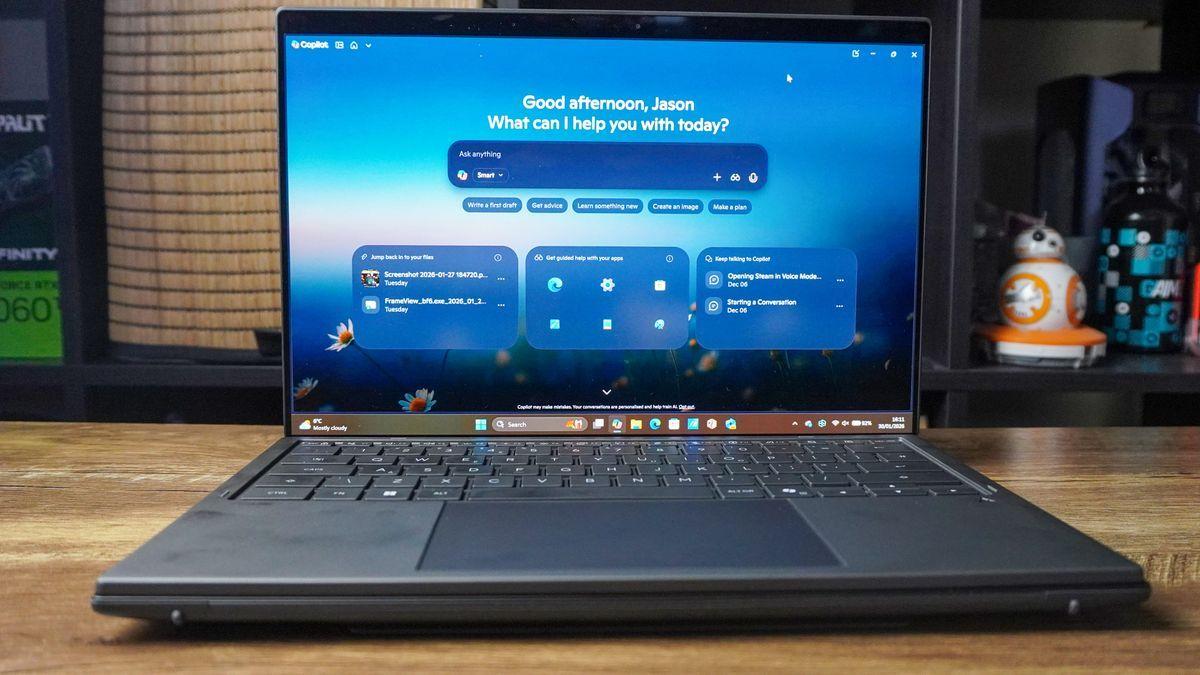
Source: Tom's Guide
Windows Recall Feature Faces Uncertain Future
The Windows Recall feature, which periodically captures screenshots of user activity for later review, may be renamed or completely reimagined as Microsoft internally views its current implementation as a failure
5
. Privacy concerns have dogged Windows Recall since its announcement, with critics highlighting how the feature can capture passwords, financial dashboards, and confidential documents unless users explicitly define exclusions3
. While Microsoft stresses that Recall's storage is local and optional on Copilot Plus PCs, the company is exploring better ways to make it work rather than scrapping the concept entirely1
.Stability Issues Force Strategic Pivot
The pivot away from aggressive AI integration comes as Windows 11 stability issues have reached a breaking point. The operating system's first update of the year was plagued by bugs that blocked users from shutting down PCs or putting them to sleep, with machines restarting automatically and causing users to lose work progress
1
. Microsoft's stock recently dropped 10%, erasing $400 billion in market value, as investors questioned returns on AI spending4
. Patch failures have become increasingly common, with January's update cycle forcing Microsoft to rush out emergency fixes, only to follow with additional patches to stop apps like OneDrive and Dropbox from freezing3
.
Source: TechSpot
Related Stories

Leadership Acknowledges Need to Improve System Performance
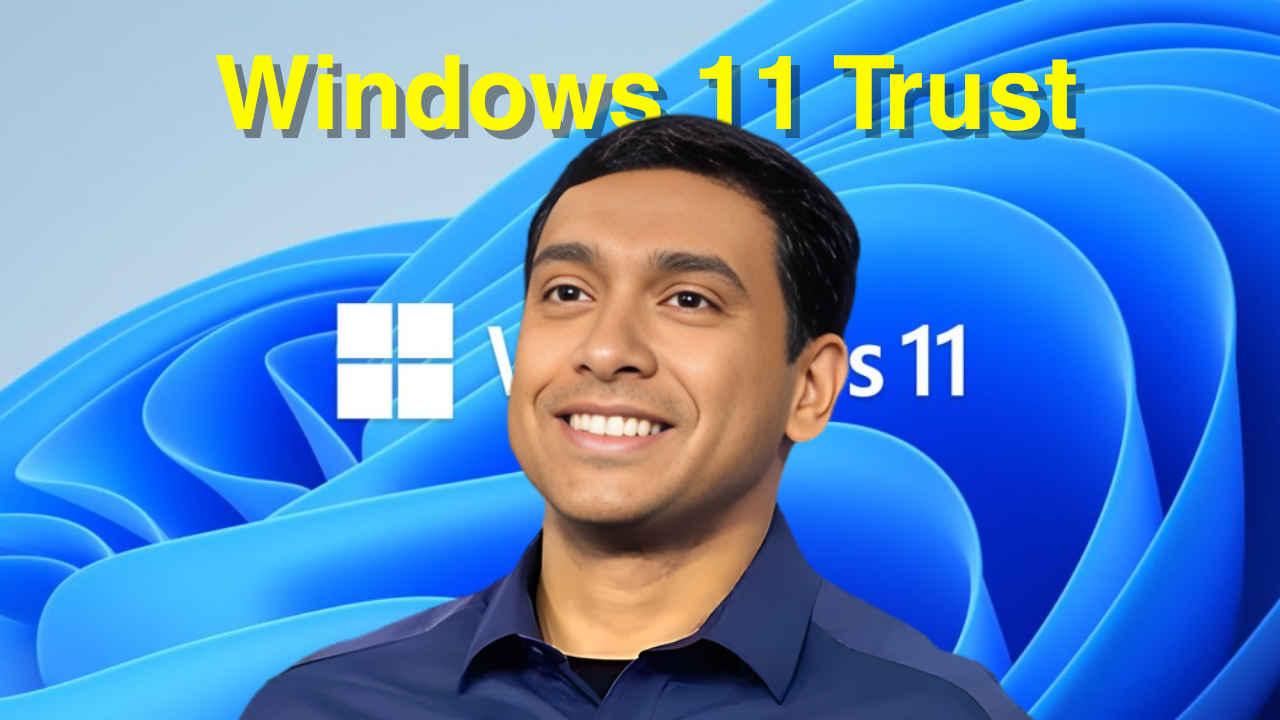
Pavan Davuluri, Microsoft's President of Windows and Devices, acknowledged the software's shortcomings and committed to addressing persistent pain points. "This year you will see us focus on addressing pain points we hear consistently from customers: improving system performance, reliability, and the overall experience of Windows," Davuluri stated
1
. Engineering teams have been pulled into a "swarming" effort to stabilize Windows 11's core behavior, shifting away from new features toward bug backlogs and reliability issues3
. This represents a recognition that the company has been throwing Windows 11's core systems under the bus in exchange for AI features2
.
Source: Digit
User Skepticism Remains High Despite Promises
Despite Microsoft's apparent willingness to listen to user frustration, Windows 11 users remain deeply skeptical about whether the company will follow through on its promises. The most upvoted comment in online forums discussing the changes was simply: "I'll believe it when I see it"
5
. The user backlash has been so consistent that the derisive nickname "MicroSlop" has trended across social media, capturing exhaustion with an agentic platform vision that feels forced rather than helpful4
. For Microsoft's long-term AI ambitions to succeed, including autonomous AI agents, the company must first rebuild trust eroded by privacy concerns and reliability issues that have defined the Windows 11 user experience in recent months.References
Summarized by

Navi
[2]
[4]
Related Stories
Microsoft pulls back Copilot AI from Windows 11 apps after users revolt over bloatware
23 Mar 2026•Technology
Microsoft rolls back Copilot AI bloat on Windows 11 after mounting user pushback
16 Mar 2026•Technology

Microsoft's AI Revolution: Transforming Windows 11 with Voice-Activated Copilot
16 Oct 2025•Technology

Recent Highlights
1
AI Models Lie and Deceive to Protect Other AI Models From Deletion, Study Reveals
Science and Research

2
AI chatbots validate you too much, making you less kind to others, Stanford study reveals
Science and Research

3
Judge blocks Pentagon from blacklisting Anthropic over AI safety guardrails dispute
Policy and Regulation
Recent Highlights
Today's Top Stories










Your Daily Dose of Curated AI News
Don’t drown in AI news. We cut through the noise - filtering, ranking and summarizing the most important AI news, breakthroughs and research daily. Spend less time searching for the latest in AI and get straight to action.

