Microsoft Unveils New AI Features for Windows 11, Including Controversial Recall Function


9 Sources
[1]
Despite Microsoft's best attempts, I'm still not sold on Copilot+ AI
Why wait for Copilot+ when you can get the same functionality with existing AI tools? Microsoft's Copilot+ program of AI PCs will expand in the coming months to include laptops powered by AMD Ryzen AI and Intel Core Ultra 200V processors, but I wonder how compelling Copilot+ will be, since you can
[2]
Microsoft is finally making Copilot+ laptops useful for AI | Digital Trends
Microsoft's Copilot+ PC initiative has been a smash hit, with many of them landing among the best laptops, but not for the AI hardware inside. Now, finally, Microsoft is putting the neural processing unit (NPU) inside Copilot+ PCs to good use. Starting today and going throughout the next two
[3]
6 AI features I wish Microsoft gave us instead of Recall
Copilot+ PCs are the big bet for Microsoft right now, and among the many features being touted for these devices, Recall seems to be the big one. It's pretty exciting, after all, to be able to go back to anything you were doing in the past and search through your history with natural language. It's
[4]
Windows 11 24H2 Brings Many New AI Features, But You Won't Get Them
In the AI age, you can't escape AI features on any platform. With the latest Windows 11 24H2 update, Microsoft is rolling out major AI features for Copilot+ PCs. Sadly, most of the Windows 11 features do not work on x86 PCs without a dedicated NPU (40+ TOPS). Nevertheless, if you have a Copilot+
[5]

Microsoft announces Recall for Windows Insiders, other AI tools in major new Windows 11 release
Microsoft has released a major announcement outlining all the new experiences coming to its new Copilot+ PCs and Windows 11, hoping to convince people to see the practical benefits of its AI-powered efforts. We'll have to see how these developments play out when they're more widespread and in the
[6]
Microsoft details the second wave of Copilot+ -- 5 new features that are coming
Key Takeaways New Copilot+ features coming for Snapdragon laptops in November, x86 in November, requires a 40 TOPS NPU. Second wave features include Recall, Generative Fill & Erase, Super Resolution, better Windows Search, and Click to Do. Recall, Microsoft's photographic memory for PCs, available
[7]

Microsoft reboots Copilot+ PC
Why it matters: The addition of built-in AI functions could give the PC industry a much-needed boost, but only if Microsoft can deliver the right combination of features -- and security -- to entice businesses and consumers. Driving the news: Following a delay, Microsoft has revamped Recall,
[8]
Microsoft finally reveals when x86 PCs will be able to get Copilot+
Key Takeaways Copilot+ features coming to x86 PCs in November with Windows Insider testing. Hardware requirements include a 40 TOPS NPU, 16GB RAM, and 256GB storage. Features include Recall, Windows Studio Effects, Cocreator, Live Captions, and more. Announced at a Seattle event back in May,
[9]

Copilot+ PC Upgrades Include 'Click to Do' for Quick In-App Suggestions
Copilot+ does not equal Copilot, but both are getting big upgrades today. Copilot+ refers to the new class of PCs that sport an NPU. They're available in Intel- and AMD-powered PCs as well as Qualcomm-powered Windows on Arm PCs, and today, Microsoft unveiled several new features for both classes
Share
Copy Link
Microsoft announces a range of AI-powered features for Windows 11, with a focus on Copilot+ PCs. The update includes the controversial Recall function and improvements to existing apps, sparking debates about utility and privacy.

Microsoft Rolls Out AI-Powered Features for Windows 11
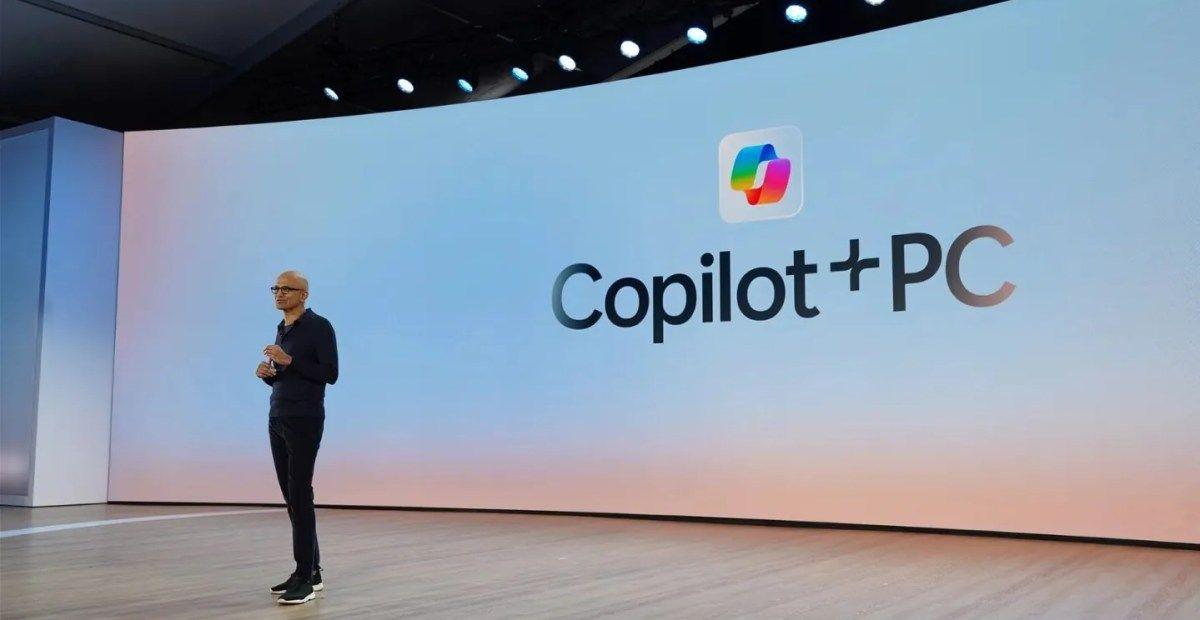
Microsoft has announced a significant update to Windows 11, introducing a suite of AI-powered features primarily designed for Copilot+ PCs. This move represents Microsoft's ambitious push to integrate AI capabilities into everyday computing experiences
1
2
3
.Recall: A Controversial Centerpiece
At the heart of this update is the controversial Recall feature. Recall takes periodic screenshots of the user's screen, creating a searchable semantic index on the device. Users can find past information using natural language queries or vague cues
4
. Microsoft has addressed initial privacy concerns by making Recall opt-in, allowing complete uninstallation, and storing data in a secure environment accessible only after Windows Hello authentication2
.AI Enhancements to Existing Applications
Microsoft is also bringing AI capabilities to familiar applications:
-
Paint: Introducing Generative Erase, Fill, and Cocreator features, allowing users to remove or add objects to images using descriptive prompts
3
4
. -
Photos: New features include AI image generation, image restyling, and Super Resolution for enhancing image quality
4
. -
Windows Search: AI-powered search capabilities in File Explorer, allowing users to find files and images using descriptive prompts rather than exact file names
2
4
.
New AI Tools and Features
Several new AI-powered tools are being introduced:
-
Click to Do: A contextual action tool that analyzes screen content and offers relevant actions, similar to Android's Circle to Search
4
. -
Voice and Vision capabilities in the Copilot app: Enabling voice chat and screen sharing for AI-assisted browsing
4
. -
Performance and power management: AI-driven adjustments to maximize performance or battery life based on user activity
3
.
Availability and Rollout
These features will be available primarily on Copilot+ PCs equipped with NPUs capable of 40+ TOPS. The rollout begins with Windows Insiders in October and November 2024, starting with Snapdragon X-powered laptops, followed by Intel Core Ultra 2 and AMD Ryzen AI 300 laptops
2
4
.Related Stories



Mixed Reception and Ongoing Debates
While Microsoft touts these features as revolutionary, the reception has been mixed. Critics argue that some features, like Recall, raise privacy concerns despite Microsoft's assurances
1
3
. Others suggest that Microsoft should focus on different AI applications, such as transcribing audio files or improving Windows Studio Effects for all webcams3
.Implications for the PC Market
This update signifies Microsoft's commitment to AI-powered computing and could influence the broader PC market. However, the exclusive nature of many features to Copilot+ PCs may create a divide in the Windows ecosystem
1
2
5
.As these features roll out, their practical benefits and user adoption will be closely watched, potentially shaping the future direction of AI integration in personal computing
5
.References
Summarized by

Navi
[3]
Related Stories
Recent Highlights



Recent Highlights
Today's Top Stories





Don’t drown in AI news. We cut through the noise - filtering, ranking and summarizing the most important AI news, breakthroughs and research daily. Follow topics that matter to you and stay ahead.


