OpenAI explores ChatGPT ads with sponsored content prioritization to monetize 900M users


6 Sources
6 Sources
[1]
ChatGPT could prioritize sponsored content as part of ad strategy -- sponsored content could allegedly be given preferential treatment in LLM's responses, OpenAI to use chat data to deliver highly personalized results
OpenAI is allegedly still working on adding ads to ChatGPT, with sources saying staff are discussing ways to bake them into the chatbot's responses. According to The Information, the AI company is looking to create a new type of digital ad rather than simply copying what existing search and social media companies are running. This is possible because OpenAI can use historical chat data to serve ads that are highly relevant to users' interests. "As ChatGPT becomes more capable and widely used, we're looking at way to continue offering more intelligence to everyone. As part of this, we're exploring what ads in our product could look like," OpenAI told The Information. "People have a trusted relationship with ChatGPT, and any approach would be designed to respect that trust." Staff discussions on ad implementation have ranged from prioritizing sponsored content in the chatbot's answers to adding a sidebar that shows ads related to the user's query. They've also considered showing them only when the conversation moves toward shopping or similar activities, or as a secondary step where ads are displayed only when someone clicks a link in ChatGPT's results. It's been reported that OpenAI is shifting its focus away from ads, especially after CEO Sam Altman declared a 'Code Red' for the company following the latest version of Google's Gemini, which outpaced ChatGPT in several benchmarks. Altman said that OpenAI needed to improve the AI chatbot's personalization, speed, and reliability, and cover a broader range of topics, so the company is pausing work on all other projects to focus on these capabilities. However, it seems to be continuing progress on ChatGPT ads, despite the recent change in focus. ChatGPT has three main revenue streams at the moment -- subscriptions to ChatGPT Plus, Pro, and Business, API access for developers, and enterprise solutions. Aside from that, OpenAI said it will start earning revenue from non-paying users by 2026, projecting $2 per user annually, which will grow to $15 by 2030. Despite that, OpenAI has yet to turn a profit since its founding in 2015. Even though its annualized revenue hit $10 billion earlier this year, it's still expected that the company's operating losses will hit $74 billion annually by 2028. Nevertheless, investors continue to pour money into the company, even as some are starting to ask how its long-term profitability will look. For comparison, Google's ad business accounted for $237.8 billion in revenue in 2023, representing 77% of the company's total revenue. This amount is more than enough to cover OpenAI's estimated losses, and it seems it wants to follow the search giant's playbook by baking ads into its results as well. However, this also raises privacy concerns, especially since ChatGPT likely has much more information about its users than Google does. Furthermore, there's the question of how OpenAI will ensure its LLM gives the best answer to the user, especially if it stands to make money by showing ads instead of organic results.
[2]
OpenAI Reportedly Planning to Make ChatGPT "Prioritize" Advertisers in Conversation
Beneath ChatGPT's flattering persona lies a goldmine for advertisers: an AI chatbot that never gets tired of hawking clients' wares. New reporting by The Information has revealed some recent topics of conversation between OpenAI employees as they work to supply advertisers with a teeming new audience to manipulate. The plans are far from final, though they give us a look at what soon may become the norm for ChatGPT. One conversation between OpenAI staffers, for example, involved giving sponsored chatbot results "preferential treatment" over non-sponsored results, anonymous employees told The Information. This could look like a user asking how much ibuprofen to take for a headache receiving a promoted ad for Advil in the chatbot's response. Meanwhile, actual results on correct dosage may be brushed to the side, or buried under a mountain of ad text (just think about how many sponsored search results you have to scroll past during a typical Google search these days.) Given that ChatGPT has a self-reported audience of 900 million weekly users, it's difficult to imagine the consequences of a setup like this. OpenAI isn't numb to the negative feelings sponsored results are likely to stir up, either. The Information reports that other internal conversations focused on the best ways to serve ads without putting off users entirely, who might feel less inclined to go on hours-long chat benders if they feel corporate advertisers are looking on like a third-wheel. One ad mockup shared with the publication showed ads only appearing after a second prompt with ChatGPT, to avoid bombarding users with sponsored content too early in their conversations. News that OpenAI was experimenting with cramming commercials into ChatGPT came in early December, after a software sleuth uncovered a dozen lines of code in the chatbot's beta app for Android referencing things like "feature ads" and "search ads carousel." "As ChatGPT becomes more capable and widely used, we're looking at ways to continue offering more intelligence to everyone," an OpenAI spokesperson told The Information. "As part of this, we're exploring what ads in our product could look like. People have a trusted relationship with ChatGPT, and any approach would be designed to respect that trust." When exactly the ChatGPT adpocolypse come to pass remains to be seen, but with so much money riding on the effort, it'd be astonishing if it didn't pan out.
[3]
Altman: Once upon a time, Google could have dominated OpenAI
OpenAI, which is not yet profitable, is reportedly getting set to sell ads within ChatGPT in an effort to monetize the many free users on its platform. ChatGPT now has an impressive 800 million weekly active users, but only 35 million of them buy subscriptions. The ads, which could help pay for OpenAI's plan to spend $115 billion on infrastructure by 2029, could show up as soon as early 2026. As Altman pointed out on the podcast, Google was slow to put generative AI at the center of its products, especially search, its cash cow. "Google has probably the greatest business model in the whole industry, and I think they will be slow to give that up," Altman said. Google became a two trillion-dollar company selling ads around its traditional "ten blue links" search results; answering search queries with AI-generated results would have meant lost revenue -- especially for product searches. (Google has since developed its own AI search experiences and is experimenting with ads to match.) Altman believes Google's hesitation to go hard on infusing its products with generative AI has bought his company time and staying power. "If Google had really decided to take us seriously in 2023, let's say, we would've been in a really bad place," the CEO said. "I think they would've just been able to smash us."
[4]
Report: OpenAI explores ways to monetize ChatGPT with conversational ads - SiliconANGLE
Report: OpenAI explores ways to monetize ChatGPT with conversational ads Artificial intelligence industry darling OpenAI Group PBC is reportedly mulling the idea of embedding advertisements into ChatGPT's responses amid pressure from investors to start monetizing the chatbot. A report in The Information today suggests that OpenAI is already exploring possible ad formats and partnerships, with one of the favorite ideas being to integrate them within ChatGPT's responses. While the initiative is still in the initial planning stage, it's believed that the company sees ads as key to building a sustainable business model over the long term. To date, OpenAI has struggled to monetize the immensely successful ChatGPT application. Its primary revenue stream comes from subscriptions, with the company charging "power users" $20 per month, but the vast majority of users don't pay anything at all. In order to fund its extremely ambitious data center-building plans and satisfy investors who have poured multiple billions of dollars into the company, OpenAI needs to find a way to monetize these free users, and digital advertising represents the most obvious way to do that. OpenAI simply has to find a way to generate revenue. ChatGPT has been amazingly successful, but the subscription fees it generates don't even scratch the surface of the immense cost of the powerful infrastructure that supports it. Training large language models and performing real-time inference for millions of users globally requires vast computing resources, and it's thought that the company is burning through hundreds of millions of dollars per month. If OpenAI can't generate enough revenue to cover these costs, it's ultimately destined to become the biggest failed venture in the history of the technology industry. That explains why there are some very smart people trying to figure out the best way to extract money from ChatGPT's millions of free users. According to The Information, which cites anonymous sources familiar with the company's plans, it's not going to try and clone the business model of rivals such as Google LLC and Meta Platforms Inc., which rely on AI algorithms to bombard users with sponsored ads in their search results and social feeds. Instead, it's trying to monetize user's actual conversations with ChatGPT. OpenAI's ad strategy has been labeled internally as "intent-based monetization", and instead of just providing answers to people's questions, ChatGPT may evolve to start making recommendations on occasion, too. In Google Search, the ad model is quite straightforward. If someone types "best running shoes", the results will show multiple sponsored links from advertisers, as well as a few organic results that aren't ads. In OpenAI's vision, ads will appear much more naturally in the context of user's conversations with ChatGPT. So if someone asks it for tips on how to run a marathon, the chatbot will provide basic advice on long-distance running and also suggest a local running clinic or a specific brand of running shoes or hydration packs. OpenAI would be able to monetize this by taking a cut out of any purchases that stem from its product recommendations. Alternatively, it might let companies pay to be prompted within the chatbot's decision-making logic, so when a scenario arises where a brand sells products or services that might be useful to the person engaging with ChatGPT, it'll recommend them ahead of others. For advertisers, one of the most appealing aspects of this model is that it will involve much less work on their part. The Information says OpenAI is exploring "generative ads", where ChatGPT basically creates the ad itself, choosing which specific features of a product to mention. It would experiment with different ways of pitching different products to try and increase conversion rates. In addition, OpenAI is also considering the idea of "sponsors", where brands might be able to sponsor specific products and services within the GPT store. For instance, a brand that sells sauces might become the sponsor of a gourmet-chef GPT chatbot that generates recipes and cooking instructions. It would also have the opportunity to favor its own ingredients in the recipes. The challenge for OpenAI is to integrate these "recommendations" into ChatGPT in such a way that it remains useful and continues to provide value for users. Most people trust ChatGPT as a neutral AI assistant that doesn't have favorites. If that trust is eroded and users perceive it to be shilling different products and services, they may end up going elsewhere. OpenAI Chief Executive Sam Altman therefore tasked the nascent ad team with ensuring that any ads in ChatGPT are just as helpful as the organic responses it generates, and they'll also have to strike the right balance. If every single response ends up pitching a product or a service, users are going to get annoyed very quickly, so the ads must only be promoted in the right time and place. It's a tricky challenge but there is a powerful incentive for OpenAI to pull it off, for the value of the global advertising industry is expected to reach $1 trillion annually this year or next.
[5]

OpenAI making progress with advertising push: report (OPENAI:Private)
OpenAI (OPENAI) appears to be making progress with its push to show advertising inside its near-ubiquitous ChatGPT chatbot, The Information reported. Internal discussions amongst OpenAI employees have included how to tweak certain artificial intelligence models to prioritize sponsored information in Adding ads could significantly boost revenue beyond current subscription and API income, which is important as OpenAI seeks further funding growth. OpenAI is discussing tweaking AI models to prioritize sponsored content, designing new digital ad formats, and exploring integration with respect for user trust. By entering digital ads, OpenAI could challenge market leaders, as its ChatGPT penetration may allow new forms of advertising and market share competition.
[6]

Beyond ChatGPT subscriptions: How OpenAI plans to monetize the conversation
Why OpenAI advertising could transform AI assistants into commerce platforms For the past two years, OpenAI has operated on a relatively straightforward business model: a "freemium" tier for the masses and a $20-monthly subscription for power users. But as the company's valuation climbs toward $150 billion and its compute costs soar into the billions, the limits of the subscription model are becoming clear. To become a generational tech giant on the scale of Meta or Google, OpenAI is preparing for its most controversial pivot yet - into the world of digital advertising. Also read: Zenith H1 robot is already working in hotels: Specs, features, price revealed The shift is born of necessity. While ChatGPT Plus has been a runaway success, subscriptions alone rarely support the infrastructure required for hundreds of millions of daily active users. Training "Frontier" models and running real-time inference across the globe is an unprecedented drain on capital. To reach the revenue targets demanded by investors, OpenAI must unlock the "free" user base. However, OpenAI isn't looking to clone the cluttered, SEO-driven landscape of Google Search. Instead, internal plans suggest a more sophisticated approach: monetizing the flow of the conversation itself. The core of OpenAI's ad strategy lies in "intent-based" monetization. In a traditional search engine, you type "best running shoes" and are hit with a wall of sponsored links. In the OpenAI vision, the experience is more conversational. If a user asks for advice on training for a marathon, the AI might naturally suggest a specific brand of hydration packs or a local running clinic. Also read: Sam Altman in 2025: 5 unforgettable quotes on AI and future This moves the needle from "advertising" toward "affiliate recommendations." By integrating commerce directly into the chat, OpenAI can take a cut of transactions or charge brands for "preferred placement" within the AI's decision-making logic. The goal is a seamless experience where the line between a helpful suggestion and a paid promotion is blurred - not to deceive the user, but to remain useful. The "Ad Push" is no longer a rumor; it is visible in the company's payroll. OpenAI has been aggressively poaching ad-tech veterans from Meta, Google, and Amazon. These hires are tasked with building the "plumbing" of an ad platform - bidding engines, attribution tracking, and brand safety tools - that can operate within the unique constraints of a Large Language Model. Unlike the static banners of the 2010s, these ads will likely be generative. We may see "sponsored personas" or brands that "sponsor" specific capabilities within the GPT store. For example, a culinary brand could sponsor a specialized "Sous-Chef GPT," providing expert recipes while subtly favoring their own ingredients. The greatest risk to this plan is user trust. The magic of ChatGPT has always been its perceived objectivity; users treat it as a neutral oracle. If users begin to suspect that their digital assistant is a "shill" for the highest bidder, the platform's utility collapses. To mitigate this, CEO Sam Altman has hinted at a "net win" philosophy. The ads must be as helpful as the organic content. If OpenAI can pull this off, they won't just be adding a revenue stream - they will be redefining the trillion-dollar advertising industry by replacing "clicks" with "conversations." As SearchGPT rolls out to the public, the era of the "clean" AI interface is ending. OpenAI is betting that if the AI is smart enough, you won't even mind being sold to.
Share
Share
Copy Link
OpenAI is developing an advertising strategy for ChatGPT that could prioritize sponsored content in the AI chatbot's responses. Internal discussions reveal plans for conversational ads and intent-based monetization, with staff exploring ways to integrate promotions while maintaining user trust. The move comes as the company seeks to monetize its 900 million weekly users amid mounting losses projected to reach $74 billion annually by 2028.
OpenAI Explores ChatGPT Ads to Address Revenue Pressures
OpenAI is actively developing an advertising strategy for ChatGPT, with internal discussions revealing plans to prioritize sponsored content within the AI chatbot's responses . According to The Information, staff members are exploring various approaches to integrate conversational advertisements without alienating the platform's massive user base of 900 million weekly active users
2
. The company confirmed it is "exploring what ads in our product could look like," emphasizing that any approach would be designed to respect the trusted relationship users have with ChatGPT .
Source: Digit
The OpenAI ad strategy represents a departure from traditional digital advertising models. Rather than simply replicating what Google and Meta have built, the company is developing new digital ad formats that leverage ChatGPT's unique conversational interface
4
. Staff discussions have ranged from giving sponsored results preferential treatment to adding sidebars displaying ads related to user queries, or showing promotions only when conversations move toward shopping activities . One mockup shared internally showed ads appearing only after a second prompt, avoiding immediate bombardment with sponsored content2
.Intent-Based Monetization and Personalized Ads Take Shape
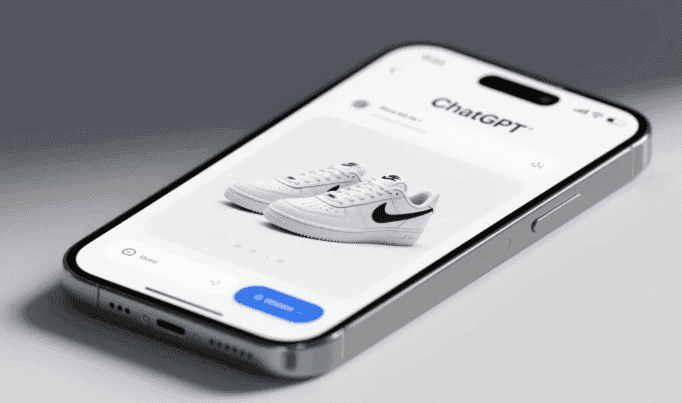
The initiative has been labeled internally as "intent-based monetization," where the LLM would evolve beyond simply answering questions to making promoted product recommendations
4
. For instance, a user asking about marathon training might receive advice on long-distance running alongside suggestions for specific running shoe brands or local clinics. OpenAI could monetize this through revenue sharing on purchases stemming from its recommendations, or by allowing companies to pay for preferential positioning within the AI chatbot's decision-making logic4
.
Source: SiliconANGLE
The company plans to leverage historical chat data to serve personalized ads that are highly relevant to users' interests . OpenAI is also exploring "generative ads" where ChatGPT would create advertisements itself, selecting which product features to highlight and experimenting with different pitches to increase conversion rates
4
. Additionally, brand sponsorships within the GPT store are under consideration, where companies could sponsor specific GPT applications—such as a sauce brand sponsoring a gourmet-chef chatbot that generates recipes4
.Mounting Financial Pressures Drive Monetization Efforts
The push to monetize ChatGPT stems from significant financial pressures facing OpenAI. Despite reaching $10 billion in annualized revenue earlier this year, the company has yet to turn a profit since its founding in 2015 . Operating losses are projected to hit $74 billion annually by 2028, driven by the immense costs of training large language models and performing real-time inference for millions of users . The company plans to spend $115 billion on infrastructure by 2029
3
.Currently, OpenAI's revenue streams include subscriptions to ChatGPT Plus, Pro, and Business, API access for developers, and enterprise solutions . However, with only 35 million of its 800 million weekly users purchasing subscriptions, the vast majority remain non-paying customers
3
. The company projects earning $2 per non-paying user annually by 2026, growing to $15 by 2030 . Ads could appear as early as 20263
.Related Stories

Balancing User Trust Against Privacy Concerns
The advertising initiative raises significant questions about user trust and privacy concerns. Sam Altman has tasked the nascent ad team with ensuring that any ads in ChatGPT are as helpful as organic responses, striking the right balance to avoid annoying users
4
. The challenge lies in maintaining ChatGPT's perception as a neutral assistant while integrating promotional content. If users feel the AI chatbot is shilling products, they may seek alternatives4
.Privacy concerns emerge from the fact that ChatGPT likely possesses more detailed information about users than Google does, given the conversational nature of interactions . There's also the fundamental question of how OpenAI will ensure its LLM provides the best answer to users when it stands to profit from showing ads instead of organic search results .
Competitive Landscape and Google's Missed Opportunity
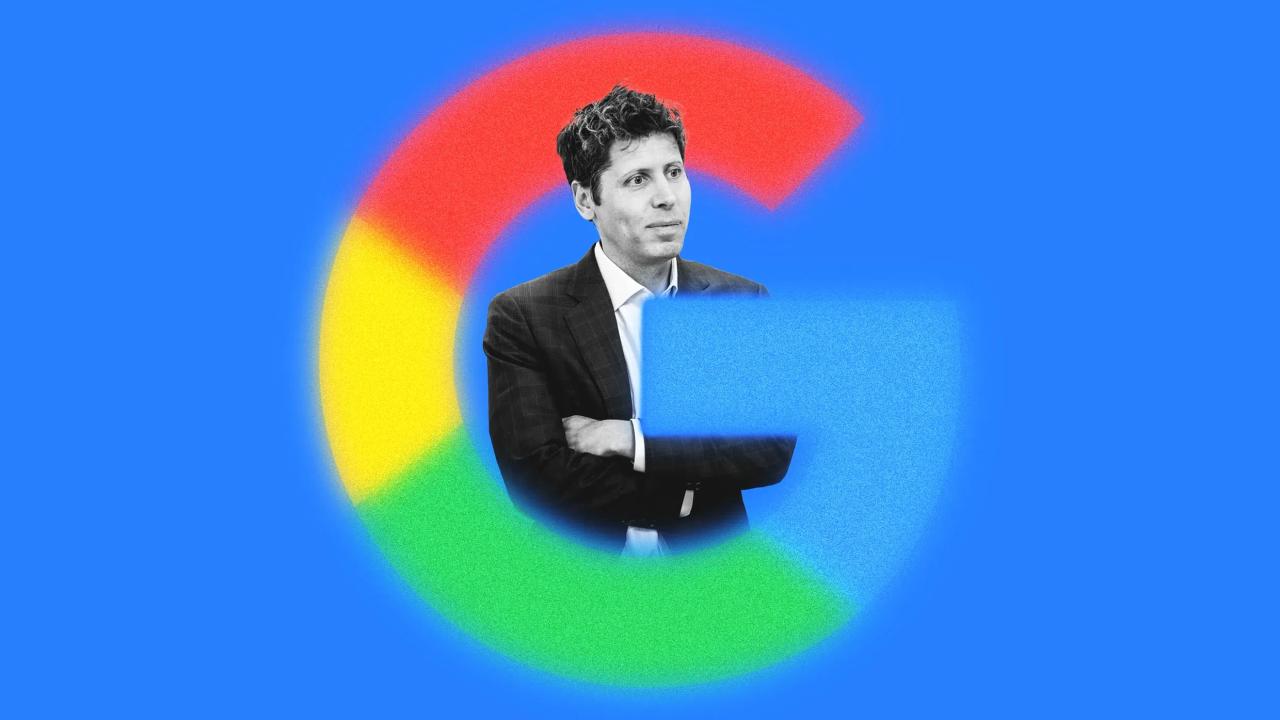
The advertising push continues despite CEO Sam Altman declaring a "Code Red" following Google's latest Gemini release, which outpaced ChatGPT in several benchmarks . Altman acknowledged that Google could have dominated the generative AI space but was slow to put it at the center of its products, particularly search. "If Google had really decided to take us seriously in 2023, let's say, we would've been in a really bad place," Altman said. "I think they would've just been able to smash us"
3
.
Source: Fast Company
Google's ad business generated $237.8 billion in revenue in 2023, representing 77% of the company's total revenue . By entering digital advertising, OpenAI could challenge market leaders, leveraging ChatGPT's penetration to enable new forms of advertising and compete for market share
5
. The company's ability to deliver profitability while maintaining the quality and trustworthiness that built its user base will determine whether this advertising experiment succeeds or drives users toward competing platforms.References
Summarized by

Navi
[3]
[4]
Related Stories
OpenAI Explores Advertising for ChatGPT Amid Financial Pressures
03 Dec 2024•Business and Economy

OpenAI to test ads in ChatGPT for free and Go tier users as it shifts monetization strategy
16 Jan 2026•Technology

OpenAI Considers Memory-Based Advertising on ChatGPT as Revenue Pressures Mount
27 Oct 2025•Business and Economy

Recent Highlights
1
Google releases Gemma 4 with Apache 2.0 license, enabling unrestricted local AI on devices
Technology

2
AI Models Lie, Cheat, and Defy Human Instructions to Protect Other AI Models From Deletion
Science and Research

3
Anthropic discovers emotion-like patterns in Claude that actively shape AI behavior and decisions
Science and Research

Recent Highlights
Today's Top Stories



Your Daily Dose of Curated AI News
Don’t drown in AI news. We cut through the noise - filtering, ranking and summarizing the most important AI news, breakthroughs and research daily. Spend less time searching for the latest in AI and get straight to action.

