ChatGPT ads arrive for free users as OpenAI tests new revenue model amid industry scrutiny


34 Sources
34 Sources
[1]
ChatGPT rolls out ads | TechCrunch
OpenAI on Monday announced it's beginning to test ads in the U.S. for users on its Free and Go subscription tiers. The newer Go plan is a low-cost subscription at $8 per month in the U.S. and was introduced globally in mid-January. Subscribers on OpenAI's paid plans, including its Plus, Pro, Business, Enterprise, and Education tiers, will not see ads, the company said. OpenAI sought to address concerns about how ads might affect the user experience, stating in a blog post: ""Ads do not influence the answers ChatGPT gives you, and we keep your conversations with ChatGPT private from advertisers. Our goal is for ads to support broader access to more powerful ChatGPT features while maintaining the trust people place in ChatGPT for important and personal tasks." The move, which the company announced last month, drew ridicule in a series of Super Bowl ads that ran yesterday from a top rival, Anthropic. In its TV commercials, Anthropic poked fun at the idea that some AI companies, like OpenAI, would soon include advertising by showing how poorly integrated ads could disrupt the consumer experience. This was portrayed on screen by glassy-eyed actors playing AI chatbots, who would deliver their advice alongside a poorly targeted ad. OpenAI CEO Sam Altman got extremely testy about his competitor's jabs, calling the ads "dishonest" and Anthropic an "authoritarian company." Consumers have so far resisted the idea of ads in AI responses. OpenAI faced a backlash late last year when it tested app suggestions that looked like unwanted ads. Still, the AI company needs to generate revenue from its popular chatbot to cover the costs of developing its technology and growing the business. While understandable, critics fear that ads could influence ChatGPT's answers. OpenAI denies this in its announcement, saying that ads will be optimized based on "what's most helpful to you." The company says ads will also always be clearly labeled as sponsored and separated from the organic content. In tests, OpenAI has tried matching ads to users based on the subject of their conversations, past chats, and previous ad interactions. For instance, users researching recipes might see ads for grocery delivery services or meal kits, the company says. OpenAI said said advertisers won't have access to user data, only aggregate information about ad performance, like views and clicks. Users will also be able to view their history of interactions with ads and clear it at any time. Plus, OpenAI said users can dismiss ads, share feedback, view why they were shown an ad, and manage ad personalization settings. Ads won't be shown to users under 18, nor will they be placed near sensitive or regulated topics like health, politics, or mental health.
[2]
ChatGPT Begins Showing Ads to US Users for the First Time
Macy has been working for CNET for coming on 2 years. Prior to CNET, Macy received a North Carolina College Media Association award in sports writing. After weeks of teasing, OpenAI has begun testing advertisements inside ChatGPT in the US, marking a major evolution in the product's business model and user experience. The rollout affects those with Free tier plans and the new lower-cost ChatGPT Go plan. People on paid tiers such as Plus, Pro, Business and Enterprise will remain free of ads. The company says this early ad experiment is part of its effort to support broader access to powerful AI features while helping fund the infrastructure and development that keep ChatGPT running at scale. The company says that ads will be clearly labeled as sponsored and visually separated from the chatbot's answers. (Disclosure: Ziff Davis, CNET's parent company, in April filed a lawsuit against OpenAI, alleging it infringed Ziff Davis copyrights in training and operating its AI systems.) Read also: ChatGPT Free vs. ChatGPT Plus: Paying $20 Per Month Is Worth It According to OpenAI, the ads will not influence the chatbot's responses or compromise privacy. Conversations and personal chat data will not be shared with advertisers. You will also have control over your ad experience, including toggles for personalization or the option to opt out entirely in exchange for fewer free messages. As part of the rollout, each ad is matched to the topic that a user is already discussing, though safeguards are in place to prevent ads from appearing in sensitive contexts, such as health or political discussions. The company emphasizes that this initial phase is a test-and-learn opportunity. Feedback from early users will help shape how ads are refined and potentially expanded in the future. OpenAI says it will use insights from this pilot to better balance monetization with user experience. The introduction of ads in ChatGPT comes amid growing competitive pressure in the AI industry and heightened expectations around sustainable revenue models for large AI platforms. While the move has drawn mixed reactions from users and industry observers, OpenAI maintains that the ads are meant to subsidize free and low-cost access. As the testing continues, OpenAI's approach will likely influence how other AI companies think about monetization and the role of advertising in conversational AI tools, though some platforms -- like Anthropic -- have "promised" to never incorporate ads. Anthropic even ran a Super Bowl commercial on Sunday, making fun of the idea of ads showing up in AI discussions. In that commercial, a young man asks AI for help getting six-pack abs, and the AI, in the form of a personal trainer, starts helping him, then begins hawking fictional insoles that will make him taller.
[3]
What Consumers Actually Think About Ads In ChatGPT
Last week, Anthropic joined the ranks of brands pre-gaming their Super Bowl spots. The AI company dropped a new ad campaign on Wednesday featuring several evocative (read: amusing, uncomfortable) scenes titled Betrayal, Deception, Treachery, and Violation. The tag line: "Ads are coming to AI. But not to Claude." In case you missed it, in January, OpenAI formally announced plans to introduce ads to its free and cheapest paid tiers of ChatGPT. A select few brands will each commit at least $200,000 to participate in the beta, with some tests reportedly starting yesterday. So, yes, ads are coming to AI. Technically, ads infiltrated consumer-facing chatbots a while ago. Microsoft has supported ads in Copilot since September 2023, back when it was still called Bing Chat. Google started testing ads in AI Mode in May 2025. Perplexity's ads business, which launched in November 2024, now seems to be on ice. But Anthropic is betting that ads in ChatGPT, specifically, will ignite a change in consumer behavior. Consumers, for their part, think differently. Most Consumers Will Stomach Ads For Free Access To Answer Engines Anthropic and OpenAI both aired ads during the Super Bowl, but Meltwater, a social listening company, found that Anthropic's ads garnered more positive sentiment; the humor resonated with consumers. Chatter around OpenAI's ad, however, was critical of its plans to bring ads to ChatGPT. We surveyed our ConsumerVoices panelists about their preferences and beliefs around answer engines and advertising. They're generally sensitive to ads blurring the line between helpful information and paid promotion. They also don't want their personal data to be used or sold without their permission. But 83% of the 409 answer engine users we polled said they'd continue to use free tiers to access answer engines despite the introduction of ads. So, ads in ChatGPT will likely cause a short-term pullback from ad-avoidant users, who will break their answer engine habit or sub in ad-free alternatives, provided the cost to access those alternatives is comparable. A few (6%) will switch to a paid tier. Power ChatGPT users will stick around, having evolved their search and work habits to rely more heavily on the tech and the time savings it affords. Ad-Free Status Is Likely Temporary For Anthropic, Too Anthropic's storytelling is certainly more compelling than OpenAI's promise that ads will not influence ChatGPT's answers -- one of several surface-level ads principles outlined in OpenAI's announcement. After all, Sam Altman changed his tune about the idea of ads, so consumers have little reason to believe OpenAI won't move the goalpost again. By the same token, consumers have little reason to believe that Anthropic won't use the same playbook: grow adoption on the back of an ad-free offering only to reverse course on ads later. It's a tale as old as time. And, as answer engines and LLMs embed themselves into every facet of consumers' lives, costs will reach a point where alternative funding models -- such as advertising -- become necessary to subsidize the expense. Consumers have been trained by Google to expect and pursue free search experiences, and the vast majority will accept some ads in exchange. It all depends on how easy it is to ignore the ads, how sensitive the consumer is to privacy implications, and whether consumers buy the idea that the chatbot's answers remain truly unbiased. Forrester clients: we're here to help. If you want to explore this data deeper and discuss whether ChatGPT deserves a spot on your media plan, let's connect via a guidance session.
[4]
OpenAI will reportedly start testing ads in ChatGPT today
OpenAI plans to start testing ads in ChatGPT today, according to a report from CNBC. The "clearly labeled" ads will appear in a separate area beneath your chat, OpenAI announced last month. A source close to the situation tells CNBC that OpenAI "expects ads to make up less than half of its revenue long term." Last week, Anthropic showed off a Super Bowl commercial poking fun at OpenAI, saying "ads are coming to AI," but not to its AI chatbot Claude. The version of the ad that aired during the game was a little less direct after OpenAI CEO Sam Altman called the campaign "clearly dishonest." OpenAI will show ads to logged-in users who use the app for free or subscribe to its cheaper Go subscription. The company says it will "keep your conversations with ChatGPT private from advertisers," but notes that the ads will still be "optimized based on what's most helpful to you." Advertisers won't have an impact on ChatGPT's answers, according to OpenAI. In an internal memo seen by CNBC, Altman tells employees that OpenAI plans to launch an updated chat model this week, coming just days after the company released a more advanced version of its AI coding agent, Codex. Altman also reportedly said that ChatGPT is "back to exceeding 10% monthly growth." OpenAI last reported having 800 million weekly users last October.
[5]

ChatGPT Now Shows You Ads, But There's a Free Way to Avoid Them
With over a decade of experience reporting on consumer technology, James covers mobile phones, apps, operating systems, wearables, AI, and more. A few weeks after confirming plans to test ads on ChatGPT, they're here and appearing for all free users in the US. OpenAI began rolling out the feature across all logged-in adult users on Monday, Feb. 9. The ads appear as a sponsored section at the bottom of ChatGPT results, with OpenAI promising that its AI won't include ads in its answers. OpenAI says, "Answers are optimized based on what's most helpful to you. When you see an ad, they are always clearly labeled as sponsored and visually separated from the organic answer." It will use your conversation history, the current topic you're discussing, and your interactions with other ads in ChatGPT to influence what you're shown. Think of it like how Google ads know what you've previously searched for and recommend similar products around organic results. To avoid ads, you'll need to be a subscriber to ChatGPT Plus, Pro, or one of the brand's business or education options. It means you have to pay at least $20 a month to avoid ads without any limitations. OpenAI's newest $8 ChatGPT Go subscription, which launched in January for US users, will show ads. If you don't want ads or pay for ChatGPT, there's a way to opt out, but it'll limit how much you can use the AI. You'll have to agree to fewer back-and-forth messages. To do so, head to your Profile > Settings > Ad controls > Change plan to go ad-free > Reduce message limits. It'll ask you to confirm you're happy to receive fewer messages before proceeding, but the brand hasn't yet shared how many messages you'll be able to use. We'll have to wait and see when users who have opted for this begin to see restrictions kick in. For now, you can continue using ChatGPT without signing in to avoid ads. However, it's not clear how long that will stay the case, and you'll lose out on benefits such as ChatGPT learning about you to improve its results. OpenAI says, "Our focus with this test is learning. We're paying close attention to feedback so we can make sure ads feel useful and fit naturally into the ChatGPT experience before expanding." Those comments suggest we may see rapid changes in how the brand implements ads over the coming months. Disclosure: Ziff Davis, PCMag's parent company, filed a lawsuit against OpenAI in April 2025, alleging it infringed Ziff Davis copyrights in training and operating its AI systems.
[6]

OpenAI introduces ads...for the people!
OpenAI said on Monday it has begun testing ads in ChatGPT, one day after being lampooned for its chatbot ad plans in rival Anthropic's Super Bowl commercial. The test is occurring in the US for logged-in adult users with Free accounts or the new ad-supported "Go" subscription tier; OpenAI has spared customers who pay for Plus, Pro, Business, Enterprise, and Edu accounts from seeing ads. When word surfaced about Anthropic's comedic take on ad-supported chatbots, OpenAI CEO Sam Altman said the ads were dishonest, and tried to paint Anthropic - which has disavowed advertising - as elitist. "Anthropic serves an expensive product to rich people," said the aggrieved billionaire in a social media post last week. "We are glad they do that and we are doing that too, but we also feel strongly that we need to bring AI to billions of people who can't pay for subscriptions." OpenAI must pay staff and find a way to deliver returns for investors who have sunk more than $60 billion into the money-losing venture. So with positive cash flow not expected until 2030 - assuming the company survives that long - ad revenue looks like life support It's not the only AI company eyeing ad revenue opportunities. Google is reportedly planning to bring ads to its Gemini services later this year. But advertising and AI remain an unproven flavor combination: Perplexity, the AI search startup, paused its advertising operation last October following the departure of ads chief Taz Patel. OpenAI aims to demonstrate that it can serve ads while maintaining customer trust. Echoing privacy commitments from the likes of Google and Meta, the company says, "we keep your conversations with ChatGPT private from advertisers." Specifically, the AI outfit insists that chats, chat history, memories, name, email, precise location, IP address, and sensitive information (e.g. health, politics) are never shared with advertisers. Nonetheless, the biz has enabled ad personalization as a default in the settings available to ChatGPT users. So those who leave this setting enabled can expect their recent past and present conversations will be fed to systems that choose and serve ads based on what's discussed. "Starting in February, if ads personalization is turned on, ads will be personalized based on your chats and any context ChatGPT uses to respond to you," the support document explains. "If memory is on, ChatGPT may save and use memories and reference recent chats when selecting an ad." Disabling ad personalization means only the current conversation will inform the ad targeting - past chatter will be ignored. This data will not affect the answers ChatGPT provides, OpenAI insists: "Ads do not influence the answers ChatGPT gives you. Answers are optimized based on what's most helpful to you." OpenAI explains that during the test period, the AI company will decide what ads its customers see by matching the topics discussed in current and past conversations with the relevant ads. "For example, if you're researching recipes, you may see ads for meal kits or grocery delivery," the company said. Other signals may also be used for ad selection, like a person's general location, language, and ad interaction history. OpenAI insists that its ads, which will appear at the end of ChatGPT's response to a prompt, are clearly labelled and visually separated from the chatbot content. The biz similarly separates itself from the marketing messages it presents, stating that it does not endorse or recommend advertisers, or their products and/or services. That's a level of hesitancy matched by its disclaimer: "ChatGPT can make mistakes. Check important info." OpenAI won't show ads in temporary chats, when users are logged out, after generating an image, and in the ChatGPT Atlas browser. The ad exemption in Atlas may represent a bid to encourage more usage of OpenAI's browser. It also appears to be an acknowledgement that ad blocking extensions could be used to remove ads if they were allowed in Atlas. ChatGPT users discussing sensitive or regulated topics, including health, mental health, and politics, will also not see ads. Advertisers will face restrictions that mean they cannot show spots related to dating, health, financial services, or politics. But things may change. OpenAI says that its initial advertising test is focused on learning and that its advertising program will evolve over time - which may not be long if current spending fails to generate the necessary returns. Caveat user. There's plenty of industry precedent for starting with a product that customers love, then slowly increasing the ad load until it resembles something completely different - and much worse. For a refresher, check out what Google looked like when it started.®
[7]

OpenAI faces long wait for bumper ad sales
LONDON, Feb 4 (Reuters Breakingviews) - Investors in OpenAI often marvel at how sticky ChatGPT, the tech startup's all-conquering chatbot, has become. That thesis may be tested as the company led by Sam Altman experiments with sponsored content and new ad-supported subscription tiers. Generating meaningful ad dollars from those interactions may take longer -- and prove trickier -- than expected. Investors and tech executives have seen this story before. Founders like Mark Zuckerberg and Altman himself started out sceptical of advertising, only to later embrace it. In 2004, the Facebook founder dismissed monetisation ideas, saying they made the site "more serious and less fun". Meta Platforms (META.O), opens new tab is now a $1.8 trillion advertising empire. Altman once called ads a "last resort, opens new tab," but has since likened, opens new tab them to a necessary "internet tax". That change in tone reflects necessity. Artificial Intelligence models like ChatGPT come with steep compute costs, while over 90% of its users remain non-paying. OpenAI's reported 800 million weekly active users would be a compelling base to monetise through advertising. Altman's hiring of Fidji Simo -- a Meta veteran who ran the Facebook app and helped scale Instacart -- signals a serious push. The Information reported, opens new tab that OpenAI, last valued at $500 billion, raised an internal 2030 revenue target that includes the advertising segment to nearly $50 billion - up from $30 billion previously. Some numbers demonstrate the potential. If OpenAI monetised half its 800 million users at Meta's 2025 average annual revenue per user of $58, it could theoretically generate around $23 billion a year. And OpenAI is looking to charge as much as $60 per 1,000 ad views, according to The Information, opens new tab, a rate in line with targeted streaming and premium TV inventory such as live NFL games. That's also roughly triple established ad players like Meta, where rates are typically, opens new tab under $20. Still, monetisation depends on more than just raw user counts. Even big, well-known products can take years to build an ad business, due to the complex work required to build sales teams, software systems to sell and place ads, and measurement standards that advertisers require. If performance lags, pricing will fall. Netflix's (NFLX.O), opens new tab ad rollout is instructive: after launching in 2022, it had to refund, opens new tab some advertisers after it fell short of viewership guarantees. Netflix's ad revenue grew from $310 million in 2023 to $1.5 billion in 2025, but it remains less than 5% of the group's $45 billion in overall sales. Meanwhile, it took Meta 11 years to grow average revenue per person fourfold to $58 in 2025. The challenge is even trickier with a chatbot. Traditional ad formats, like Google's sponsored search results, are predictable, clearly labelled, and easy for users to recognise. In AI-generated answers, by contrast, it's harder to insert brands without eroding trust in the chatbot's neutrality. Advertisers may want context about the user's question and the model's response, but ChatGPT prompts can be personal or sensitive - making users far less tolerant of intrusive targeting than they might be on a social media feed. If an ad pushes consumers out of the chat, the model looks like traditional search: traffic is the product, and advertisers pay per click. But OpenAI would probably prefer to keep users inside the conversation to book a flight or order shoes, so it can charge directly on sales - where Altman could, opens new tab charge merchants a 4% transaction fee. Yet eMarketer reckons that even though sales made from shoppers directly buying goods on AI platforms like ChatGPT or Google's AI Mode will grow to $28 billion by 2029, these kinds of expenditures will still account for less than 2% of the total outlay on U.S. retail commerce. Even where ad targeting is possible, the addressable opportunities may be scarce. OpenAI's own data suggests, opens new tab only 2% of ChatGPT prompts involve purchasable products. Rothschild & Co Redburn analysts also note that intent-heavy queries on ChatGPT skew toward a narrow set of high-profile items like iPhones or sneakers. Other players are cautious, too. Market intelligence firm GrowByData estimates, opens new tab that ads appear in only about 0.1% of Google's AI Overviews, an AI-generated summary shown in Search results that answers complex, multi-part queries while linking to sources. Ad agency WPP's Kate Scott-Dawkins estimates OpenAI could earn roughly $500 million to $800 million this year if it captures 0.1% to 0.3% of the $270 billion global search ad market. But advertisers now spread budgets across more channels from TikTok, Meta's Instagram to ChatGPT and traditional search. With more options, buyers could gain leverage and pricing might come under pressure -- making Altman's $60-per-1,000 target harder to reach. Altman, moreover, has an intimidating rival: Google. Google Search and YouTube together made up about 30% of 2024 global ad revenue, excluding China, according to data from Rothschild & Co Redburn. The company already has close links with advertisers and says it isn't planning to place ads in its AI chatbot Gemini -- at least for now. That restraint may help preserve consumer trust. Google is testing AI-driven ads where users already expect them: Search. AI Overviews and AI Mode blend traditional search results with conversational follow-ups. Ask where to iron clothes while travelling, for example, and users might see suggestions including portable steamers from consumer goods brands. That gives Google a head start in learning what works for both advertisers and users, without compromising Gemini's positioning as a clean, assistant-style experience. Advertisers can experiment with chatbot-style formats in a familiar setting, and Google can offer software to help them adapt. If AI chat advertising becomes a major market, Google may therefore be better placed to capture the spend, leaving CEO Sundar Pichai to vacuum up revenue before Altman gets a chance. Advertising, in other words, isn't just about having the best models. It requires trust from humans and time to build the measurement that makes marketers spend. Those are among the hardest problems to quickly solve -- even for the smartest chatbot. As Altman scrabbles around for sales, he shouldn't bet on instant bumper ad revenues. Follow Karen Kwok on LinkedIn, opens new tab and X, opens new tab. Editing by George Hay; Production by Streisand Neto * Suggested Topics: * Breakingviews Breakingviews Reuters Breakingviews is the world's leading source of agenda-setting financial insight. As the Reuters brand for financial commentary, we dissect the big business and economic stories as they break around the world every day. A global team of about 30 correspondents in New York, London, Hong Kong and other major cities provides expert analysis in real time. Sign up for a free trial of our full service at https://www.breakingviews.com/trial and follow us on X @Breakingviews and at www.breakingviews.com. All opinions expressed are those of the authors. Karen Kwok Thomson Reuters Karen is a columnist focusing on global technology and venture capital sectors, writing stories about artificial intelligence, fintech, and semiconductor companies. She also covers deals in the Middle East region and global metal mining sector. Prior to Breakingviews, she was a European gas and power reporter at S&P Global Platts in London and covered funds and equities at Morningstar UK. Karen also briefly worked at Bloomberg. Born and raised in Hong Kong, she is fluent in Mandarin and Cantonese.
[8]

OpenAI starts testing ads in ChatGPT
Users on ChatGPT's free and Go plans in the US may now start to see ads as OpenAI has started testing them in the chatbot. The company announced plans to bring ads to ChatGPT. At the time, the company said it would display sponsored products and services that are relevant to the current conversations of logged-in users, though they can disable personalization and "clear the data used for ads" whenever they wish. "Our goal is for ads to support broader access to more powerful ChatGPT features while maintaining the trust people place in ChatGPT for important and personal tasks," OpenAI wrote in a blog post. "We're starting with a test to learn, listen and make sure we get the experience right." These ads will appear below at the bottom of chats. They're labeled and separated from ChatGPT's answers. Ads won't have an impact on ChatGPT's responses. Ads won't appear when users are conversing with ChatGPT about regulated or sensitive topics such as health, mental wellbeing or politics. Users aged under 18 won't see ads in ChatGPT during the tests either. Moreover, OpenAI says it won't share or sell users' conversations or data to advertisers. A source close to the company told CNBC that OpenAI expects ads to account for less than half of its revenue in the long run. Currently the company also takes a cut of items bought through its chatbot via the shopping integration feature. Also according to CNBC, OpenAI CEO Sam Altman told staff on Friday that the company will deploy "an updated Chat model" this week. The tests come on the heels of Anthropic running Super Bowl ads that poked fun at OpenAI for introducing advertising. Anthropic's spot asserted that while "ads are coming to AI," they won't appear in its own chatbot, Claude.
[9]

OpenAI Responds to Critical Super Bowl Commercials by Putting Ads in ChatGPT
Anthropic spent the Super Bowl on Sunday night slamming OpenAI for planning to introduce ads to ChatGPT through a series of tongue-in-cheek ads. Then, only hours later, ChatGPT officially unveiled ads. Starting on Monday, logged-in adult users on the Free and Go subscription tiers will begin seeing test ads in ChatGPT, while other paid subscriptions will be spared, at least for now. "Ads do not influence the answers ChatGPT gives you, and we keep your conversations with ChatGPT private from advertisers," OpenAI said in a press release, but what ads you get will be influenced by your past chats. "We’re starting with a test to learn, listen, and make sure we get the experience right." For days now, the internet has been buzzing about four ads Anthropic launched for the Super Bowl. Each ad includes a different person consulting a personified AI chatbot, only to be met with weird and, at times, inappropriate ads disguised as advice. The ads all end with "Ads are coming to AI. But not to Claude." It was a clear dig at OpenAI, which first officially teased an ads business model for ChatGPT in an internal "code red" memo back in December. OpenAI CEO Sam Altman responded to the Anthropic ads on Twitter last week, calling them "funny" but "clearly dishonest." "We would obviously never run ads in the way Anthropic depicts them," Altman wrote. He claimed that an ads business would make the free ChatGPT offering financially sustainable for the business, which is still facing an uncertain road to profitability. Those who pay for a ChatGPT Plus or Pro subscription won't be shown any ads. "More Texans use ChatGPT for free than total people use Claude in the US, so we have a differently-shaped problem than they do," Altman wrote, before going on to accuse Anthropic of serving "an expensive product to rich people" (Anthropic does also have a free Claude offering) and wanting "to control what people do with AI." "Now they also want to tell other companies what their business models can be," Altman said. OpenAI and Anthropic rarely see eye to eye. Anthropic co-founders Dario and Daniela Amodei are both former OpenAI employees who don't refrain from taking public jabs at their former employer. Dario Amodei is also prone to evangelizing about the risks of AI superintelligence, while Altman has taken a relatively more excited approach to the idea. OpenAI and Anthropic employees also reportedly back two super PACs completely at odds on AI regulation. Now it seems we can add chatbot ads to this list of disagreements as well. Ads in ChatGPT will be "clearly labeled as sponsored and visually separated" from the answer, OpenAI said. There are also allegedly some safeguards in place, in that even though the ads will be targeted to you based on your chat history, the advertisers won't have access to it, and the ads won't appear near "sensitive or regulated topics like health, mental health or politics." But even ads that don't influence responses or appear separately within safeguards seem too much for Anthropic. "Such ads would also introduce an incentive to optimize for engagementâ€"for the amount of time people spend using Claude and how often they return. These metrics aren’t necessarily aligned with being genuinely helpful," Anthropic wrote in a press release last week. Even opt-in ad approaches risk expanding over time, Anthropic argues. "The most useful AI interaction might be a short one, or one that resolves the user’s request without prompting further conversation," Anthropic said. The inclusion of ads is a notable shift in Altman's thinking. Before company executives began toying with the idea, Altman once described "ads-plus-AI" as a "last resort," and "sort of uniquely unsettling."
[10]

ChatGPT is about to get worse for free accounts
Corbin Davenport is the News Editor at How-To Geek and an independent software developer. He also runs Tech Tales, a technology history podcast. Send him an email at [email protected]! Corbin previously worked at Android Police, PC Gamer, and XDA before joining How-To Geek. He has over a decade of experience writing about tech, and has worked on several web apps and browser extensions. The days of ChatGPT being an ad-free experience are coming to an end. OpenAI is starting to roll out advertisements to free ChatGPT accounts, and people on the cheaper Go subscription plan will also see them. OpenAI announced in a blog post, "Ads do not influence the answers ChatGPT gives you, and we keep your conversations with ChatGPT private from advertisers." They will not be visible for people on ChatGPT's Plus, Pro, Business, Enterprise, and Education tiers. This was a long time coming. The AI datacenters that power ChatGPT, Sora, and other services from OpenAI are not cheap, and even if the venture capital money isn't running out anytime soon, OpenAI's goal is to eventually cover operational costs and make a profit. The company already has enterprise plans for teams and large companies, paid subscriptions for power users, and billing for API usage, but ads are another easy way to generate revenue. The advertisements aren't just banners that appear between text messages. One example had someone asking for "ideas for my work potluck," and ChatGPT responding with a list of suggestions, followed by an advertisement for food delivery. The ad is in a separate box and labelled 'Sponsored' -- at least for now, ChatGPT won't be injecting subtle product placements into normal responses. The blog post also said, "Advertisers do not have access to your chats, chat history, memories, or personal details. Advertisers only receive aggregate information about how their ads perform such as number of views or clicks." OpenAI's advertising income is not going to the creators and publishers that it scraped to achieve $100 billion in funding and hundreds of millions of users. The company has deals with a limited number of publishers, like Axios and Future, but all other content is fair game for AI model training with no payment. Several companies have also shared how they are using ChatGPT's advertisements. Adobe, everyone's favorite tech company with no recent controversies, said it will run ads for Acrobat Studio and Firefly as the initial pilot test. Target, which already had a ChatGPT integration, will show ads on questions like "What are some countertop cooking appliances that make everyday meals more convenient?" Anthropic, which develops the Claude AI assistant, has promised to "remain ad-free" and even ran a Super Bowl ad to publicize the decision. After the ad aired, OpenAI CEO Sam Altman said on Twitter/X that Anthropic used "a deceptive ad to critique theoretical deceptive ads that aren't real," and called the company "authoritarian." How-To Geek Report: Subscribe and never miss what matters Unlock your tech-savvy potential and master the digital world with How-To Geek. Subscribe By subscribing, you agree to receive newsletter and marketing emails, and accept our Terms of Use and Privacy Policy. You can unsubscribe anytime. There will probably be advertisements on all free AI apps and services at some point, but at least for now, ChatGPT is the only big name rolling them out. Previous versions of Microsoft Copilot did have advertisements -- back when the service was known as Bing Chat -- but current versions don't seem to have them. Source: OpenAI, Adobe, Target
[11]

ChatGPT ads debut, but turning them off comes at a price
Users must upgrade to paid tiers like ChatGPT Plus ($20/month) or accept reduced messages to avoid advertisements. Well, it had to happen eventually -- ChatGPT is now showing ads. "Our goal is for ads to support broader access to more powerful ChatGPT features while maintaining the trust people place in ChatGPT for important and personal tasks," the company said. Only the Free and Go tiers of ChatGPT will see ads, OpenAI said. Plus, Pro, Business, Enterprise, and Education tiers will not have ads. Ads will not influence the answers ChatGPT provides, and conversations won't be disclosed to advertisers. When ads do appear, OpenAI says they'll be clearly labeled as sponsored and visually separated from organic answers. Still, it's a bum deal for users who don't want to see ads, or who rely on ad-blocking software to avoid them. The only way out is upgrading to a paid ChatGPT tier (ChatGPT Plus costs $20 per user per month) or settling for "reduced messages." Unfortunately, that's been left deliberately vague. OpenAI isn't saying how many messages you'll get, whether limits will vary by user or time of day, or how many ads you'll actually see. The company says ads are necessary to keep providing "broader access to AI." Just a year ago, OpenAI raised a massive $40 billion funding round. But a paid ad for an enchilada kit is going to keep the lights on? Okay.
[12]

ChatGPT now includes ads -- and that subtle shift could reshape the emotional bond users have with the world's favorite AI chatbot
OpenAI's ad experiment risks changing how people feel about ChatGPT, just as Gemini becomes an everyday tool for millions OpenAI rolling out advertising inside free-tier ChatGPT conversations is more than just an experiment in AI monetization. A commercial message appearing inside a space many users had come to treat as neutral, or at least not explicitly paid for by corporations, has opened a door to the endless ads so central to the rest of the internet. No matter how careful the product design and deployment, ads in ChatGPT were going to land with a thud for some users. Something about ads in ChatGPT feels intrusive, like a group chat that suddenly had a sponsored post from one of its members. Not that OpenAI is being irrational. Running large-scale AI systems is staggeringly expensive, and OpenAI has never pretended otherwise. Ads offer a way to keep the core product widely accessible while diversifying revenue beyond subscriptions and enterprise licensing. Still, the introduction of ads changes the emotional framing of ChatGPT overnight. What once felt like a private workspace now feels, to some, like a shared commercial environment. That perception matters more than it might seem. A lot of people have built very personal environments within the AI chatbot. If that space is no longer solely oriented around the user's intent, it can be alienating. And alternatives are far from theoretical. Competition in consumer AI has matured, and users who feel friction now have AI chatbot options like Gemini that, so far, promise no ads. While ChatGPT wrestles with how ads reshape its identity, Google has been building momentum with Gemini in a very different way. Google's AI toolkit recently hit a major milestone of 750 million monthly active users. It's a validation for Google's strategy of making Gemini as ubiquitous as possible and as easy to find as a sponsored link in its search results. Gemini is positioned as both an independent tool and a feature of every Google product you use. Trying Gemini doesn't require a conscious switch as much as simply looking at the latest update to a product. That matters in a world where user loyalty is often dictated by habit rather than ideology. People rarely wake up intending to abandon one digital tool for another. They drift. They use whatever is closest, easiest, and least irritating in the moment. Gemini's growth to more than 750 million monthly users, not far behind ChatGPT, suggests that Google has successfully made it easy for a massive audience to adopt its AI. ChatGPT's ads complicate things for the chatbot. Even users who do not actively resent advertising may notice the contrast between a conversation that remains uninterrupted and one that now occasionally pauses to sell something. Over time, those small annoyances accumulate. Defenders of OpenAI's strategy can accurately point out that Google is hardly allergic to advertising. Google's core business has been built on ads for decades. But, so far, any Gemini ads are part of environments where ads have existed for a long time, like search results. The risk is not that users will suddenly revolt en masse. The risk is that they will quietly recalibrate their habits, especially when Gemini is already embedded into the tools they use daily. This is not an abstract concern. Users already navigate a digital landscape saturated with ads, notifications, and algorithmic nudges. One reason ChatGPT gained such rapid adoption was that it felt like an escape from that clutter. Once that's compromised, the experience becomes more like everything else on the internet. For some users, that will be tolerable. For others, especially those who rely on AI for creative or reflective tasks, it will feel like a loss. Consumer technology history is filled with examples of platforms that underestimated the cumulative effect of small irritations. Individually, an ad here or a sponsored suggestion there seems trivial. Over time, those elements reshape how a product feels. Gemini's rapid climb to hundreds of millions of users suggests that Google has successfully framed its AI as a background helper. User behavior rarely changes overnight, and a user annoyed by an ad today might still open ChatGPT tomorrow. A month later, they might lean more heavily on Gemini. Next year, Gemini might be their default AI chatbot. Google's Gemini, buoyed by its reach and its integration across familiar tools, stands to benefit from any perception that ChatGPT's experience is becoming more cluttered or transactional. The fact that Gemini has already grown so much underscores how real this competition has become.
[13]

Say goodbye to free ChatGPT with no ads
Why it matters: It could be the beginning of the end of ad-free ChatGPT. What they're saying: "Our goal is for ads to support broader access to more powerful ChatGPT features while maintaining the trust people place in ChatGPT for important and personal tasks," an OpenAI spokesperson told Axios. * The company says ads will not influence ChatGPT's answers, which it says will remain focused on what is "most helpful." * If a user asks about recipe ideas, the answer may be followed by a grocery delivery service ad, for example. * Ads won't be shown to those who are predicted to be under 18, and are not eligible to appear near "sensitive or regulated topics like health, mental health or politics." Zoom in: The ads you see will be shaped by what you're discussing, your prior chats and any reactions you give to ads that you hide or engage with. * The company says it matches those details to ads without sharing them with advertisers, who "never see your personal details or conversations." * You can also clear your ad data, which it says "won't affect your chats." * Users can opt out of ads by paying for ChatGPT Pro or Plus subscription plans. The intrigue: Free and Go users can also opt out of ads in exchange for fewer daily free messages, OpenAI says. Zoom out: To include ads in chats is a key sticking point among AI companies right now. * Anthropic promised it would remain ad-free alongside a Super Bowl ad that appeared to swipe at OpenAI's ad promise. * Demis Hassabis, CEO of Google DeepMind, said at Davos that the ad launch from OpenAI felt early, noting that maybe they needed ads to bring in more revenue. Between the lines: OpenAI declared a "code red" moment in December amid increased competition, specifically from Google. * CEO Sam Altman instructed employees to focus solely on making ChatGPT better. If you're going to focus on one thing, it has to make money at some point. * Cue the launch of ads. What we're watching: Whether ChatGPT Plus and Pro subscriptions will remain ad-free.
[14]

ChatGPT ads: OpenAI is rolling them out now
OpenAI has begun rolling out ads inside ChatGPT, marking a major shift for a product that has largely operated without traditional advertising since its launch in 2022. In a blog post published this week, the company confirmed it is testing ads for logged-in users on its Free and Go plans in the U.S., while keeping paid tiers like Pro, Business, Enterprise, and Education ad-free. OpenAI said the move will help fund broader access to advanced AI tools without requiring every user to pay a subscription. "Our focus with this test is learning," OpenAI's blog post read. "We're paying close attention to feedback so we can make sure ads feel useful and fit naturally into the ChatGPT experience before expanding." The ads appear outside of ChatGPT's responses and are clearly labeled as sponsored content. OpenAI says ads do not influence how the chatbot answers questions and that user conversations are not shared with advertisers. Instead, ads are selected based on broad conversation topics and how users interact with ads, with restrictions in place to prevent sponsored content from appearing alongside sensitive topics such as health, mental health, or politics. Those who use ChatGPT's free service can opt out of the ads, with a caveat. "If you prefer not to see ads, you can upgrade to our Plus or Pro plans, or opt out of ads in the Free tier in exchange for fewer daily free messages," according to the company. Users who do consent to ads will also have the option to opt out of ad personalization, limiting how sponsored content is selected. There are also options to stop ChatGPT from utilizing past AI chats to tailor ads, as well as deleting "all ads history and data" the company has compiled on a user. At the time of publication, Mashable attempted to surface ads during regular use of ChatGPT but were unable to trigger any sponsored content, which aligns with OpenAI's description of the rollout as a limited test rather than a full launch. The rollout follows months of user confusion and frustration after widely circulated screenshots appeared to show promotional content embedded in ChatGPT responses. OpenAI previously dismissed those incidents as poorly timed "suggestions," but the distinction did little to calm concerns. As Mashable reported earlier this year, OpenAI has been quietly experimenting with ad formats internally while signaling that monetization would eventually be necessary to support the platform's massive infrastructure costs. With ChatGPT now testing ads and offering opt-out controls, OpenAI appears to be betting that transparency and choice will soften the transition to a more familiar, ad-supported internet model. However, that shift hasn't gone unnoticed by competitors. Anthropic, one of OpenAI's biggest rivals, used its Super Bowl LX ad buys to openly mock the idea of advertising inside AI chatbots. The ads promote Anthropic's chatbot, Claude, by staging scenarios where seemingly helpful conversations suddenly pivot into awkward sales pitches, ending with the tagline, "Ads are coming to AI. But not to Claude."
[15]

ChatGPT Rolls Out Ads, Just Hours After Anthropic's Mocking Super Bowl Commercials - Decrypt
The monetization shift comes amid mounting losses and rising competition from companies like Google and Anthropic. OpenAI started testing advertisements in ChatGPT on Monday, just hours after rival Anthropic ran Super Bowl commercials mocking the very idea of ads in AI assistants. "We're starting to roll out a test for ads in ChatGPT today to a subset of free and Go users in the U.S," OpenAI said in an official announcement. "Ads are labeled as sponsored and visually separate from the response." Free users and subscribers to the $8-per-month ChatGPT Go tier started seeing sponsored content at the bottom of responses. Before this, ChatGPT didn't show ads, per se. Instead it showed direct links to specific products based on what the user was looking for. Once a person clicked on any of these products, the links presented their own tracker, letting servers know this is a direct referral from ChatGPT. The launch represents an abrupt shift for CEO Sam Altman, who called ads in AI "uniquely unsettling" in a 2024 interview and described advertising as a "last resort" business model for ChatGPT. But the company burned through $8 billion in 2025, according to internal documents reviewed by Fortune, with projected losses reaching $74 billion by 2028. Anthropic capitalized on the moment with Super Bowl commercials that ridiculed the premise. One spot showed a fitness question veering into an unsolicited pitch for shoe insoles. Another featured an ad for a mature dating service appearing during a conversation about improving communication with one's mother. The tagline: "Ads are coming to AI. But not to Claude." Altman fired back on X, calling the ads "funny" but "clearly dishonest." He argued that OpenAI "would obviously never run ads in the way Anthropic depicts them" and accused Anthropic of wanting to "control what people do with AI" while serving "an expensive product to rich people." Of course, the response generated huge backlash, with users mocking Altman for replying to a comic ad with a statement using corporate language. OpenAI framed the rollout as a "test" rather than an official launch, suggesting implementation details may still change. The company promises ads won't influence ChatGPT's answers and won't appear for users under 18 or near sensitive topics like health, mental health, or politics. And Pro, Business, and Enterprise subscriptions remain ad-free. "Ads will be clearly labeled and shown separately from ChatGPT's responses, so it's always clear what's an ad and what's an answer," OpenAI said in a help post explaining how the strategy will work. The financial pressure is mounting from multiple directions. Only 5% of ChatGPT's 800 million weekly users pay for subscriptions, while the company has committed over $1.4 trillion to infrastructure spending through the early 2030s. Meanwhile, ChatGPT's market share dropped from 87% in January 2025 to around 65% this month, while Google Gemini surged from 5% to over 18%, according to Similarweb data. Altman acknowledged the competitive pressure in an internal Slack message to employees Monday, stating that ChatGPT is "back to exceeding 10% monthly growth." OpenAI is also in the final stages of securing up to $100 billion in new funding, the Wall Street Journal recently reported, with contributions from Microsoft, Nvidia, Amazon (reportedly up to $50 billion), and another $30 billion from SoftBank.
[16]

OpenAI starts testing ads in ChatGPT
Paris (France) (AFP) - OpenAI has begun placing ads in the basic versions of its ChatGPT chatbot, a bet that users will not mind the interruptions as the company seeks revenue as its costs soar. "The test will be for logged-in adult users on the Free and Go subscription tiers" in the United States, OpenAI said Monday. The Go subscription costs $8 in the United States. Only a small percentage of its nearly one billion users pay for its premium subscription services, which will remain ad-free. "Ads do not influence the answers ChatGPT gives you, and we keep your conversations with ChatGPT private from advertisers," the company said. Since ChatGPT's launch in 2022, OpenAI's valuation has soared to $500 billion in funding rounds -- higher than any other private company. Some analysts expect it could go public with a trillion-dollar valuation. But the ChatGPT maker burns through cash at a furious rate, mostly on the powerful computing required to deliver its services. Its chief executive Sam Altman had long expressed his dislike for advertising, citing concerns that it could create distrust about ChatGPT's content. His about-face garnered a jab from its rival Anthropic over the weekend, which made its advertising debut at the Super Bowl championship with commercials saying its Claude chatbot would stay ad-free. In one spot, a man asking an AI chatbot for advice on communicating with his mother receives earnest guidance before the conversation veers into a pitch for a fictional cougar-dating site called "Golden Encounters".
[17]

ChatGPT will now show you adverts. Here's everything you need to know
The company says ads will be clearly labelled, won't influence ChatGPT's answers, and that conversations will remain private from advertisers. OpenAI's ChatGPT, the world's most popular AI chatbot, has begun testing adverts in the United States, marking a major shift for a product that has operated largely without advertising since its launch in 2022. Here's what's changing - and what isn't. The trial is initially being tested for logged-in US users on OpenAI's Free tier and its newer Go subscription plan. The Go plan, introduced in mid-January, costs $8 (€6.7) per month in the US. Users on higher-tier paid plans - including Plus, Pro, Business, Enterprise and Education - will not see ads, the company said. "Our focus with this test is learning," OpenAI's blog post read. "We're paying close attention to feedback so we can make sure ads feel useful and fit naturally into the ChatGPT experience before expanding." In examples shared by the company, the ads look like banners. OpenAI says adverts will not affect ChatGPT's answers. In a blog post addressing concerns over how advertising could affect responses, OpenAI sought to reassure users: "Ads do not influence the answers ChatGPT gives you, and we keep your conversations with ChatGPT private from advertisers. Our goal is for ads to support broader access to more powerful ChatGPT features while maintaining the trust people place in ChatGPT for important and personal tasks." The company says ads will be clearly labelled as sponsored and kept separate from organic responses. In testing, OpenAI has matched ads to users based on conversation topics, past chats and previous ad interactions. For example, someone researching recipes may see advertisements for grocery delivery services or meal kits. Advertisers will not have access to individual user data, according to OpenAI, and will instead receive aggregated information such as views and clicks. Users will be able to view their ad interaction history, clear it at any time, dismiss ads, provide feedback, see why they were shown an advert and manage personalisation settings. The announcement, first revealed last month, drew criticism and satire during Sunday's Super Bowl broadcasts. Anthropic, the rival company behind the Claude AI assistant, launched a series of commercials mocking the idea of ads embedded within AI responses. In one, a man seeking advice on communicating better with his mother is steered toward "a mature dating site that connects sensitive cubs with roaring cougars" in case he cannot repair the relationship. Each advert ended with the tagline: "Ads are coming to AI. But not to Claude." While ChatGPT is never mentioned directly, the implication is clear. OpenAI chief executive Sam Altman responded sharply, describing the campaign as "dishonest" and calling Anthropic an "authoritarian company."
[18]

OpenAI starts testing ads in ChatGPT
OpenAI announced it would begin rolling out test ads in ChatGPT Tuesday afternoon, affecting the free and Go tiers of the artificial intelligence chatbot service. In a release announcing the beginning of ad testing on Tuesday, OpenAI said the ads will be clearly marked and "visually separated" from the chatbot's answers. The ads will be "optimized based on what's most helpful to you," the company wrote. The ads will be based on the user's topic of conversation, prior chats, and previous interactions with ads. OpenAI said the ads would not influence the chatbot's replies, and that users will have the choice to prevent OpenAI from offering personalized ads based on user interests. OpenAI has been teasing the introduction of ads for weeks. In a post on X in mid-January, OpenAI CEO Sam Altman announced the company would start testing ads but stressed "we will not accept money to influence the answer ChatGPT gives you and we keep your conversations private from advertisers." OpenAI said it will "build protections to reduce the risk of scams and other harmful or misleading ads" and that it will not display ads for users under the age of 18, as determined by OpenAI's predictions or the user's own data. OpenAI introduced ChatGPT's Go tier in January. The Go tier costs $8 a month and gives users increased access to file uploads, image creation, and messaging compared to the Free tier. While OpenAI competitor Google has also recently indicated that its AI platforms will feature ads in 2026, OpenAI rival Anthropic has declared that it will avoid placing ads in its Claude chatbot service for now. In a blog post announcing the decision to forego ads last Wednesday, Anthropic wrote that "including ads in conversations with Claude would be incompatible" with positioning Claude as "a genuinely helpful assistant for work and for deep thinking." Anthropic pilloried its rivals' allowance of ads in a new campaign of video ads, one of which played during the Super Bowl. OpenAI's Altman replied to Anthropic's video ads with a caustic, lengthy rebuttal, labelling Anthropic's messaging as "clearly dishonest." Altman said "we believe everyone deserves to use AI and are committed to free access," positioning OpenAI's embrace of ads as a means to subsidize increased access to AI.
[19]

OpenAI starts testing ads in free version of ChatGPT
Megan Cerullo is a New York-based reporter for CBS MoneyWatch covering small business, workplace, health care, consumer spending and personal finance topics. She regularly appears on CBS News 24/7 to discuss her reporting. OpenAI's free version of ChatGPT has a new look: Users who don't pay to upgrade will now see ads when using the artificial intelligence platform. The company said on Monday that it is testing ads with ChatGPT users in the U.S. with "free" and "go" subscription tiers. The "Go" plan costs $8 monthly. OpenAI said in January that it would start piloting ads as the company looks for ways to further monetize its widely used chatbot, along with subscription fees for premium users. Customers who pay for Plus, Pro, Business, Enterprise, and Education subscription tiers will not see ads when using ChatGPT, OpenAI said. The company also vowed that the presence of ads wouldn't influence or change how ChatGPT responds to user prompts. "Our goal is for ads to support broader access to more powerful ChatGPT features while maintaining the trust people place in ChatGPT for important and personal tasks," OpenAI said Monday. ChatGPT users can avoid seeing ads by upgrading their subscription tiers, OpenAI noted. Free tier users can also opt out of ads, but their usage will be limited. ChatGPT will clearly indicate when content is an advertisement, as opposed to an AI-generated answer to a user query. Ads will be tailored to users' prompt histories and other factors. OpenAI said it decides to show ads by "matching ads submitted by advertisers with the topic of your conversation, your past chats and past interactions with ads." For example, a ChatGPT user looking for recipe suggestions might be shown a grocery delivery or meal-kit service ad. Advertisers will not have access to users' chat histories or personal details, OpenAI said. The company on Monday also encouraged advertisers to sign up to promote their businesses with the company as it pilots the ad program.
[20]
'ChatGPT is done': OpenAI is rolling out ads to free and paying users, and not everyone is happy
OpenAI has started showing ads to ChatGPT users in the USIt only affects users on the Free and Go tiers at the momentMany users are unhappy with the new policy There's been much chatter over how sustainable OpenAI's business model is, with the AI pioneer reportedly struggling to turn a profit despite charging up to $200 a month for ChatGPT's premium plans. One way that it could supplement that income is through serving ads, and they're now rolling out to users of the chatbot's Free and Go tiers - and not everyone is happy. As seen in a post on the company's official blog, OpenAI says it has begun testing ads for logged-in users who are based in the US and are on either the Free or Go tiers, meaning that people on the Plus, Pro, Business and Enterprise plans are not affected. OpenAI sought to reassure users by saying that ads do not have any effect on the answers provided by ChatGPT and that "we keep your conversations with ChatGPT private from advertisers." That means "advertisers do not have access to your chats, chat history, memories, or personal details," OpenAI said. "Advertisers only receive aggregate information about how their ads perform such as number of views or clicks." Users that ChatGPT knows are under 18 will not see ads, while advertising will not appear alongside "sensitive or regulated topics" like health and politics. Free users can also opt out of seeing ads at the cost of "fewer daily free messages." OpenAI didn't expand on that limit and it's not clear if Go users can opt out, either. If you don't like an ad, you can dismiss it or send feedback to OpenAI. This will influence which ads you see in the future. You can also delete ad data that has been collected about you from ChatGPT's settings. OpenAI explained how the ads would work by saying: "During the test, we decide which ad to show by matching ads submitted by advertisers with the topic of your conversation, your past chats, and past interactions with ads." That might mean you see ads for meal kits or delivery services if you're researching recipes, for example. "Our goal is for ads to support broader access to more powerful ChatGPT features while maintaining the trust people place in ChatGPT for important and personal tasks," OpenAI added. "We're starting with a test to learn, listen, and make sure we get the experience right." It probably won't come as a surprise to know that plenty of users are unhappy with the move. On Reddit, for example, user serya5555 was blunt in their outlook, saying: "ChatGPT is done. Better alternatives are there. Unfortunately they couldn't keep the lead." Another Reddit user stated that "If I get a single ad I'm switching to Claude," referring to the rival chatbot service. A thread on Reddit referring to OpenAI's move was titled "And so the enshittification begins," referring to the process whereby a service that originally sought to serve its customers gradually shifts to serving its investors, with a resulting decline in product quality. Another potential point of contention is the fact that Go users currently have to pay $8 a month for access to the service, yet paying apparently does not exempt them from seeing ads. To some, that might feel like nickel and diming when people are already being charged for ChatGPT Go. With OpenAI apparently losing money hand over fist, there is a strong incentive for the company to find new ways to bring in cash and secure ChatGPT's long-term future. In this instance, it seems that ads are one way OpenAI is hoping to do that. We'll have to see how much of an impact that has on the overall ChatGPT experience and whether users are suitably put off to go looking for alternatives on a large scale.
[21]
OpenAI's Meta makeover
Why it matters: Facebook, now Meta, turned its billions of users' personal data into an advertising goldmine -- and that road looks like OpenAI's most likely path as it seeks to fund its fabulously expensive operations. Driving the news: OpenAI will begin testing ads on ChatGPT this month, the company recently announced. * The initial wave of advertising clients will be charged premium rates, per the Information. * The ad push means "more people can benefit from our tools with fewer usage limits or without having to pay," OpenAI said in a blog post. It promised to keep ChatGPT's responses "driven by what's objectively useful, never by advertising. " Between the lines: OpenAI's origins as a nonprofit research lab shaped a culture that long viewed ad-based revenue models with suspicion. * As recently as October 2024, CEO Sam Altman said he found advertising in AI chatbots "uniquely unsettling" and described it as "a last resort for us as a business model." Yes, but: More recently the company has filled out its ranks with Facebook/Meta veterans steeped in that company's ad-driven, engagement-at-all-costs mindset. * A study of LinkedIn postings by The Information found that roughly 20% of OpenAI's workforce list Facebook/Meta gigs on their resumes. The central figure is Fidji Simo, who was a key architect of Facebook advertising in the 2010s and was named OpenAI's CEO of applications last May. * Simo "reassured" OpenAI employees on her arrival there that she did not want to replay her Meta career and would "do things differently," per an Information report. * But you don't hire the executive famous for building Facebook's mobile-advertising juggernaut -- and then masterminding its "pivot to video" -- without some thought of putting that expertise to work. * As a former public-company CEO (of Instacart), Simo would also be a logical choice to take the helm at OpenAI if it chooses the IPO route. Altman has often expressed a reluctance to remain CEO in such a scenario. Zoom out: OpenAI is under intense pressure to boost revenue as it seeks hundreds of billions of dollars to build AI infrastructure and cover operating losses. * Most current OpenAI revenue comes from individual ChatGPT customers' subscription fees. * Markets have been spooked by reports that ChatGPT user growth has slowed, and analysts are debating whether OpenAI is a sure bet or a money sink. * A big new ad revenue stream would go a long way toward allaying those fears. The other side: Even in ChatGPT's ad-free youth, critics have decried the chatbot's tendency to tell users what they want to hear, to make up answers and to inspire psychosis-inducing rabbit-hole dives. * The introduction of ads will give OpenAI that much stronger an incentive to keep users chatting longer. * Early enthusiasm for OpenAI's Sora video-making app led some OpenAI employees to publicly question the company's push into social media. * Users who confide in an AI chatbot expect it to be working on their behalf, not for some paying third party. * As Altman himself put it in that October 2024 interview: "When I think of GPT writing me a response, if I had to go figure out, you know, exactly how much was who paying here to influence what I'm being shown, I don't think I would like that." Our thought bubble: Expect OpenAI's early ad forays to be low-key, as the firm seeks to preserve users' trust. * For instance, one mockup for the first ChatGPT ad pilots reportedly places sponsored material in a sidebar that only appears once a conversation has turned toward discussing purchases. * Over time, as users grow accustomed to the ads and OpenAI needs to goose growth, the ad placements and engagement farming are likely to become more aggressive. That would be a page from Google's playbook rather than Facebook's.
[22]

OpenAI starts displaying ads to some ChatGPT users in the US - SiliconANGLE
The move comes a month after the company first announced plans to display paid content. At the time, OpenAI stated that it would test a limited number of ad formats and collect feedback to lay the groundwork for a broader rollout. According to Adweek, the company has asked the brands that are participating in the pilot to spend at least $200,000. OpenAI will show ads to logged-in U.S. adults who are using ChatGPT's free and Go tiers. The latter version, which became generally available last month, is the company's entry-level subscription. It's priced at $8 per month and enables consumers to send 10 times more messages than the free edition. Customers with pricier tiers won't receive promotions. Ads appear below prompt responses and comprise a small snippet of text with an accompanying product image. For example, requesting a recipe from ChatGPT might bring up a promotion from an online store that offers relevant ingredients. OpenAI determines which offer to display based not only on the contents of a prompt but also the user's chat history and past ad interactions. According to the company, consumers can delete the data it uses to deliver ads with one click. It's also possible to dismiss ads and submit feedback. Additionally, the artificial intelligence provider says that its advertising efforts won't influence the non-promotional answers generated by ChatGPT. OpenAI stated that "we will evolve our advertising program to support additional formats, objectives and buying models." Those models might involve the Instant Checkout feature that the company rolled out last September. Instant Checkout enables ChatGPT users to order items from third-party e-commerce websites without leaving the interface. In the future, OpenAI may combine the feature with ChatGPT ads. It could display promotions that enable users to instantly purchase an advertised item using Instant Checkout instead of navigating to a retailer's website. To win over large brands, OpenAI may have to build the kind of marketing tools that are offered by established online advertising providers. Google LLC, for example, offers tools that enable marketers to design ads and measure their performance. It also enables brands to compete for ad space via an auction-like platform.
[23]

ChatGPT now has ads and OpenAI says they 'do not influence' answers
TL;DR: OpenAI is testing ads in ChatGPT for Free and Go tier users in the U.S. to support infrastructure costs and broader access. Ads are clearly marked, topic-relevant, and won't affect responses or privacy. Paid tiers remain ad-free, and users under 18 or discussing sensitive topics won't see ads. OpenAI has announced that it is currently testing ads in ChatGPT in the U.S., for users on the Free and Go subscription tiers. The AI company is quick to note that the addition of ads won't "influence the answers ChatGPT gives you" and that your conversations with the AI platform will remain private and won't be used for marketing. The good news for those who pay for or use Plus, Pro, Business, Enterprise, or Education accounts is that you won't see ads, and ChatGPT will remain unchanged. OpenAI has showcased what the ads will look like and how they will clearly be marked as sponsored. Ads will be related to the subject or topic, with a food-and-recipe example interaction delivering the sort of ad you might see elsewhere online. OpenAI notes that it's adding ads to ChatGPT to support "broader access" to its features, presumably to cover the costs of hundreds of millions of people interacting with ChatGPT every day. "Keeping the Free and Go tiers fast and reliable requires significant infrastructure and ongoing investment," OpenAI writes. "Ads help fund that work, supporting broader access to AI through higher quality free and low cost options, and enabling us to keep improving the intelligence and capabilities we offer over time." Interestingly, the company notes that even those in the Free tier can opt out of seeing ads in exchange for fewer daily tokens. In addition to matching ads to topics of conversation and "past interactions with ads," there will also be some restrictions. OpenAI confirms that ChatGPT will not display ads to users under 18, and that they'll also be absent when sensitive topics like mental health or politics are discussed.
[24]

OpenAI begins rolling out ads for ChatGPT Free and Go users
OpenAI began rolling out advertisements on Monday in the United States for ChatGPT users on its Free and Go subscription tiers to generate revenue that supports access to advanced features. The Go plan costs $8 per month in the U.S. and launched globally in mid-January. Users subscribed to OpenAI's higher paid plans remain exempt from advertisements. These plans include Plus, Pro, Business, Enterprise, and Education tiers. The company specified this exclusion in its announcement to distinguish between free or low-cost access and premium services. OpenAI addressed potential user concerns in a blog post with the following statement: "Ads do not influence the answers ChatGPT gives you, and we keep your conversations with ChatGPT private from advertisers. Our goal is for ads to support broader access to more powerful ChatGPT features while maintaining the trust people place in ChatGPT for important and personal tasks." This clarification emphasizes separation between ad display and core functionality. The company first announced plans for this ad testing last month. On Monday, OpenAI confirmed the rollout for Free and Go tier users specifically in the U.S. market. This step follows the global introduction of the Go subscription earlier in the year. Rival company Anthropic responded with a series of Super Bowl advertisements aired on Sunday. These commercials depicted scenarios where AI chatbots delivered advice interrupted by poorly integrated and targeted advertisements. Actors portrayed glassy-eyed AI chatbots presenting responses alongside disruptive sponsored content, highlighting potential interruptions to the user experience. OpenAI CEO Sam Altman reacted sharply to Anthropic's campaign. He described the advertisements as "dishonest" and labeled Anthropic an "authoritarian company." His comments appeared on social media platforms shortly after the Super Bowl broadcast. Consumer reactions to advertisements within AI interfaces have shown resistance previously. Late last year, OpenAI encountered backlash during tests of app suggestions that users perceived as resembling unwanted advertisements embedded in responses. This incident underscored sensitivities around commercial intrusions in conversational AI. OpenAI requires revenue streams from its ChatGPT service to offset expenses related to technology development and business expansion. The chatbot's popularity drives high operational costs, including computational resources and ongoing improvements. Critics express concerns that advertisements could subtly affect the content of ChatGPT responses. OpenAI counters this by stating that ads receive optimization based on "what's most helpful to you." All sponsored content carries clear labeling as such and remains separated from the platform's organic response material. During testing phases, OpenAI implemented ad matching mechanisms. These draw from the subject matter of current conversations, details from past chats, and records of previous ad interactions. For example, individuals querying recipes encounter advertisements for grocery delivery services or meal kit providers, aligning promotions with immediate user interests. Advertisers gain no access to individual user data. Instead, they receive aggregate performance metrics, including total views and click counts, to evaluate campaign effectiveness without compromising privacy. ChatGPT users gain multiple controls over ad exposure. They can access a history of their ad interactions and delete it entirely at any time. Additional options include dismissing specific ads, submitting feedback on them, reviewing explanations for why particular ads appeared, and adjusting settings for ad personalization. Advertisements exclude users under 18 years old. OpenAI also prohibits ad placement adjacent to discussions of sensitive or regulated subjects. These categories encompass health, politics, and mental health topics, ensuring ads avoid controversial or personal contexts.
[25]

OpenAI Explains Its Ad Policy After Those Brutal Super Bowl Commercials
OpenAI has officially begun testing ads in ChatGPT, and the executive behind them is working to convince users that not only is this new development in keeping with the company's lofty goals, it'll actually make ChatGPT better for most people. The Sam Altman-founded company has been on defense since rival Anthropic dropped Super Bowl commercials that indirectly criticized OpenAI's decision to integrate ads into ChatGPT. Altman quickly took to social media and described the ads as funny, but also called them "clearly dishonest" in their depiction of how ads will actually work on ChatGPT. The company has spent recent days attempting to correct the narrative. Its freshest effort on that front is from the official OpenAI Podcast. In the show's latest episode, OpenAI ads and monetization lead Asad Awan said that advertisements will help to "democratize" access to top-level AI models, making it more cost-effective for OpenAI to expand the tools and offerings that it can provide users at the cheapest tiers. This squares with OpenAI's stated mission to ensure that super-advanced AI, often referred to as artificial general intelligence or AGI, benefits all of humanity. Awan also clarified that only users on ChatGPT's free and $8/month Go tiers will see ads. Those who pay $20/month or more, or who have ChatGPT through a work account, will never see ads.
[26]

ChatGPT ads are now a reality for millions of free users - Phandroid
It's been a long time coming. OpenAI's CEO Sam Altman once called the idea of mixing ads with AI "uniquely unsettling," but that didn't stop the company from laying the groundwork for exactly that. As of February 9, ChatGPT ads are officially live. OpenAI confirmed that sponsored content is now rolling out to logged-in adult users in the US who are on the free tier or the $8/month Go subscription plan. The ads show up at the bottom of ChatGPT's responses. They're labeled as "sponsored" and are visually separated from the actual answer. OpenAI says the ads don't influence what ChatGPT tells you. If you ask for recipe ideas, for example, you might see an ad for a grocery delivery service underneath the response. Users under 18 won't see ads, and they won't appear near sensitive topics like health, mental health, or politics. OpenAI is framing this as a way to keep AI accessible. Running ChatGPT for hundreds of millions of free users costs serious money, and subscriptions alone aren't covering it. The company reportedly lost over $11.5 billion in a single quarter last year and has committed to roughly $1.4 trillion in infrastructure spending over the next several years. Digital ads are the obvious answer. Google and Meta each pull in tens of billions per quarter from advertising alone, so the playbook is well established. Here's where things get tricky. ChatGPT ads are personalized based on what you're talking about in your current conversation. If you have personalized ads turned on, OpenAI will also pull from your past chats and how you've interacted with previous ads. The company says it doesn't share your conversations with advertisers and won't sell your data. Advertisers only get aggregated performance numbers like total views and clicks. You do have some control. There's an option to turn off ad personalization in settings, though you'll still see ads based on whatever you're currently chatting about. You can also hide individual ads or opt out entirely, but that comes with a catch: fewer daily free messages. The only way to avoid ChatGPT ads completely is to upgrade to Plus ($20/month), Pro ($200/month), or one of OpenAI's business plans. Anthropic wasted no time taking shots at this move. The company ran a Super Bowl ad last week mocking OpenAI's decision and promising that its Claude chatbot would stay ad-free. Altman fired back, arguing that OpenAI brings AI to billions of people who can't afford subscriptions. It's a fair point, but it doesn't change the fact that your AI assistant is now also a billboard.
[27]

OpenAI Begins Showing Ads to These ChatGPT Users in the US
OpenAI recently revealed its plans to start showing ads to ChatGPT users. On Monday, the Sam Altman-led AI firm announced that it has started testing ads in its AI-powered chatbot. Initially, the test pilot is being rolled out in one market. However, the tech firm later plans to roll out the same in other regions. These ads will only be shown to free users and ChatGPT Go subscribers. The company claims that a ChatGPT user's conversations will be kept private from advertisers. Notably, on January 16, the ChatGPT Go subscription tier was made available to all regions where the chatbot is present. OpenAI's Ads on ChatGPT Free, ChatGPT Go Currently Limited to the US In a blog post, the US-based AI firm announced that it has started the test pilot for showing commercials to ChatGPT free and Go users in the US. The AI giant highlighted that a user's conversations, prompts, and other interactions will not be shared with advertisers. OpenAI recommends that users upgrade to relatively costlier tiers to stop seeing commercials. Free users also have the option to opt out of seeing ads "in exchange for fewer daily free" prompts. OpenAI further added that the Plus, Pro, Business, Enterprise, and Education subscription tiers will not include commercials. The company claims that the advertised suggestions "do not influence" the ChatGPT's AI-generated responses. The AI giant cited "significant infrastructure and ongoing investment" as the reasons behind bringing ads to its chatbot, which is said to fund the work the company does, while also allowing it to offer broader ChatGPT access to users. Commercials in ChatGPT will "always" be clearly labelled as sponsored answers, while also being "visually separated from the organic answer", allowing users to differentiate between the two, OpenAI added. During the test pilot, the AI giant will match ads submitted by advertisers with the topic of the user's conversation, their chat history, and other past interactions. For example, if a user is asking for a dish's recipe, ChatGPT will display ads for meal kits and grocery delivery. In case there are multiple advertisers for the same product or service, the Sam Altman-led firm said that the AI chatbot will select the commercials based on what is most relevant to the person, and place them at the top. Lastly, users can also dismiss an ad, share feedback on it, read why and how a particular commercial is being shown to them, delete their ad data, and manage ad personalisation. This comes soon after the company's competitor, Anthropic, mocked OpenAI in a series of commercials saying that ChatGPT has ads but Claude, Anthropic's offering, does not. To this, Sam Altman replied, calling Anthropic's Super Bowl ad campaign deceptive and dishonest.
[28]

OpenAI starts testing ads in ChatGPT - The Economic Times
OpenAI has begun placing ads in the basic versions of its ChatGPT chatbot, a bet that users will not mind the interruptions as the company seeks revenue as its costs soar.OpenAI has begun placing ads in the basic versions of its ChatGPT chatbot, a bet that users will not mind the interruptions as the company seeks revenue as its costs soar. "The test will be for logged-in adult users on the Free and Go subscription tiers" in the United States, OpenAI said Monday. The Go subscription costs $8 in the United States. Only a small percentage of its nearly one billion users pay for its premium subscription services, which will remain ad-free. "Ads do not influence the answers ChatGPT gives you, and we keep your conversations with ChatGPT private from advertisers," the company said. Since ChatGPT's launch in 2022, OpenAI's valuation has soared to $500 billion in funding rounds -- higher than any other private company. Some analysts expect it could go public with a trillion-dollar valuation. But the ChatGPT maker burns through cash at a furious rate, mostly on the powerful computing required to deliver its services. Its chief executive Sam Altman had long expressed his dislike for advertising, citing concerns that it could create distrust about ChatGPT's content. His about-face garnered a jab from its rival Anthropic over the weekend, which made its advertising debut at the Super Bowl championship with commercials saying its Claude chatbot would stay ad-free. In one spot, a man asking an AI chatbot for advice on communicating with his mother receives earnest guidance before the conversation veers into a pitch for a fictional cougar-dating site called "Golden Encounters".
[29]

OpenAI Begins Testing Ads In ChatGPT For Free And Go Users, Says 'No Influnce' On Answers
On Monday, OpenAI started testing advertising inside ChatGPT for U.S. users on its Free and Go plans, saying the move will not influence responses or compromise user privacy. Ads Come To ChatGPT's Lowest-Cost Plans OpenAI said it is rolling out a limited ad test for ChatGPT users in the U.S. on its Free tier and the recently launched Go subscription, which costs $8 a month. The company said that customers on paid plans -- including Plus, Pro, Business, Enterprise and Education -- will remain ad-free. The Go plan debuted globally in mid-January as a lower-priced option aimed at expanding access to more advanced ChatGPT features. OpenAI: Ads Won't Shape AI Responses Addressing concerns about trust and neutrality, OpenAI said ads will be clearly labeled and kept separate from ChatGPT's responses. "Ads do not influence ChatGPT's answers. Ads are labeled as sponsored and visually separate from the response," the company wrote in a blog post. OpenAI said advertisers will only receive aggregated performance data, such as views and clicks, not access to individual user conversations. How Ads Are Targeted -- And Controlled During testing, ads may be shown based on conversation topics, prior chats or past ad interactions. For example, users asking about recipes could see ads for grocery delivery or meal kits. OpenAI said users can dismiss ads, view why they were shown one, manage ad personalization and clear their ad history. Ads will not be shown to users under 18 or alongside sensitive topics such as health, politics or mental health. Rival Jabs And User Skepticism The move drew public ridicule from rival Anthropic, which mocked AI advertising in Super Bowl commercials. OpenAI CEO Sam Altman dismissed the campaign as "dishonest," calling Anthropic an "authoritarian company." Despite user resistance to ads in AI tools, OpenAI is under pressure to generate revenue to support the growing costs of building and operating its models. Last month, OpenAI said its annualized revenue run rate topped $20 billion in 2025, marking a 233% jump from 2024 and a sharp acceleration from the previous year, when revenue climbed from $2 billion in 2023 to $6 billion in 2024. The company is said to be spending more than $17 billion a year, while subscription revenue alone may not be enough to sustain its extremely compute-heavy AI infrastructure. Disclaimer: This content was partially produced with the help of AI tools and was reviewed and published by Benzinga editors. Market News and Data brought to you by Benzinga APIs To add Benzinga News as your preferred source on Google, click here.
[30]

ChatGPT Starts Rolling Out Ads Officially
Users who don't want to see ads will need to subscribe to ChatGPT Plus, Pro plans or limit their daily free usage. The dreaded day has finally arrived, as ChatGPT has officially begun testing ads in the U.S. Users will start to see ads at the end of the AI chatbot's responses, and said ads will only be visible to ChatGPT free and Go tier subscribers. The company also clarified that ChatGPT Plus, Pro, Business, and Enterprise users won't come across said ads. After the announcement from mid-January, OpenAI shared a blog post today, declaring the arrival of ads on its platform. In the beginning paragraph, OpenAI addressed the concerns with ads on ChatGPT, stating, "Ads do not influence the answers ChatGPT gives you, and we keep your conversations with ChatGPT private from advertisers". It further clarified, "Our goal is for ads to support broader access to more powerful ChatGPT features while maintaining the trust people place in ChatGPT for important and personal tasks." The post also discusses the reason for bringing ads to its AI: "Keeping the Free and Go tiers fast and reliable requires significant infrastructure and ongoing investment. Ads help fund that work, supporting broader access to AI through higher quality free and low-cost options, and enabling us to keep improving the intelligence and capabilities we offer over time." OpenAI publicly shared the decision to bring ads last month, which garnered a lot of backlash from its users. Even Anthropic, another AI startup, mocked this step with its SuperBowl ad. To which Sam Altman replied with a lengthy post on X. However, it remains to be seen whether OpenAI fulfills its promise not to influence ChatGPT responses. The company also suggested that people who don't want to see ads can upgrade to its Plus or Pro tiers. Free members can also turn off ads in exchange for fewer messages per day. But what do you think about this move? Are you open to ads in ChatGPT? Let us know in the comments below.
[31]
ChatGPT Free and Go users in US start seeing ads; CEO Sam Altman promises unbiased responses - The Economic Times
OpenAI has started testing advertising on ChatGPT in the United States for users on its Free and Go subscription tiers, the company said in a blog post on Monday. Users on the Plus, Pro, Business, Enterprise, and Education tiers will not see ads. Taking to X, OpenAI CEO Sam Altman said, "Ads do not influence ChatGPT's answers. Ads are labelled as sponsored and visually separate from the response." He added, "Our goal is to give everyone access to ChatGPT for free with fewer limits, while protecting the trust they place in it for important and personal tasks." How ads are shown OpenAI explained how it chooses which ads a user sees. Ads are matched to the topic of users' conversations, previous chats, and past ad interactions. "For example," the company said, "if you're researching recipes, you may see ads for meal kits or grocery delivery. If there are multiple advertisers, we'll select the one that is most relevant to your chat to show you first." Privacy protection The company reassured users that advertisers do not have access to personal chats, chat history, memories, or other personal details. Advertisers only receive aggregate data about ad performance, such as views and clicks. OpenAI added that during the test, ads will not appear for accounts where users are under 18 or predicted to be a minor. Ads are also not eligible to appear near sensitive or regulated topics such as health, mental health, or politics. "We will continue to be deliberate about who we allow into the advertiser program and build protections to reduce the risk of scams and other harmful or misleading ads," it said. Users control ads Users can manage the ads they see, including dismissing ads, providing feedback, understanding why a specific ad was shown, deleting ad data with one tap, and controlling ad personalisation at any time. Outreach to advertisers OpenAI has published a site called "Advertise with ChatGPT" for businesses interested in advertising on the platform, where they can sign up for updates. Rival Anthropic has, however, criticised OpenAI's ad approach. Altman emphasised that OpenAI remains fundamentally opposed to ads that influence AI's answers, drawing a clear line between advertising around AI products and advertising that could shape or influence a model's answers. Separately, Altman informed employees in a recent message that ChatGPT has returned to exceeding 10% monthly growth.
[32]

OpenAI confirms ad testing will start today as Anthropic ad resonates with consumers (OPENAI:Private)
OpenAI (OPENAI) confirmed on Monday that it will begin testing advertisements inside its near-ubiquitous ChatGPT AI chatbot, starting today. "The test will be for logged-in adult users on the Free and Go subscription tiers. Plus, Pro, Business, Enterprise, and Education tiers will not have ads," the OpenAI aims for ads to support broader access and allow free users to use more features, which could boost user growth. Ads represent a new revenue stream and align with efforts to diversify monetization beyond subscriptions. Anthropic's consumer engagement shows intense rivalry, possibly influencing OpenAI's ad rollout and marketing tactics.
[33]

OpenAI begins testing ads in ChatGPT for free users in U.S.
OpenAI has announced a limited test introducing advertisements inside ChatGPT for logged-in adult users in the United States. The company says ads will be clearly labeled as sponsored, visually separated from ChatGPT responses, and will not influence how answers are generated. The pilot focuses on learning how ads can be integrated while maintaining privacy protections, answer independence, and user control. Paid subscription tiers -- Plus, Pro, Business, Enterprise, and Education -- will remain ad-free during this test. OpenAI says ChatGPT is used by hundreds of millions of people for learning, work, and everyday decision-making. Supporting free and lower-cost access requires ongoing infrastructure investment. According to the company, advertising is being explored as a funding model to sustain platform performance and improvements while keeping broader access available. Users who prefer not to see ads can upgrade to Plus or Pro plans, or choose an ad-free option in the Free tier in exchange for fewer daily message limits. OpenAI states that advertising does not affect how ChatGPT generates answers. Responses continue to be optimized solely for usefulness and relevance to the user. Sponsored content is clearly labeled and displayed separately from AI responses. During the test, ads are selected by matching advertiser submissions with the topic of a user's conversation, previous chats, and prior ad interactions. For example, someone researching recipes may see ads related to meal kits or grocery services. When multiple advertisers qualify, the system prioritizes relevance to the active conversation. OpenAI says advertisers do not receive access to individual chats, chat history, stored memories, or personal identifying details. Advertisers are only provided aggregate performance metrics such as impressions or clicks. The company also says ads will not appear for accounts identified as belonging to users under 18. Advertising is excluded from sensitive or regulated topics, including health, mental health, and politics. OpenAI says safeguards will evolve as the test progresses and lessons are learned. The company adds that future expansion will continue to emphasize privacy protections and guardrails designed to limit narrow targeting and reduce exposure to harmful or misleading advertising. Users will be able to manage their ad experience through built-in controls, including: OpenAI says these controls are intended to give users visibility and choice over how ads are delivered. OpenAI says people often use ChatGPT while researching options or comparing decisions. The company believes ads, when relevant and clearly separated, can surface products or services aligned with those activities. Feedback and performance data from the pilot will guide future refinements. OpenAI says the separation between ads and AI answers will remain intact, and privacy safeguards will continue to be central to the program. The company also plans to explore additional advertising formats and participation models for businesses over time. Organizations interested in future participation can register through OpenAI's advertiser program. OpenAI reiterates that core principles remain in place: The current rollout is described as a learning phase focused on gathering feedback before any broader expansion. The ad test is limited to logged-in adult users in the United States on the Free and Go subscription tiers. Plus, Pro, Business, Enterprise, and Education users will not see ads.
[34]

OpenAI starts testing ads in ChatGPT, says AI responses won't be affected
According to OpenAI, ads won't change or influence ChatGPT's answers in any way. OpenAI has started testing advertisements in ChatGPT in the US. The test applies only to logged-in adult users on the Free and Go plans. Users on Plus, Pro, Business, Enterprise, and Education plans will not see ads. According to OpenAI, ads won't change or influence ChatGPT's answers in any way. The responses will continue to be based only on what is most helpful for the user. Also, ads will always be clearly labelled as sponsored and shown separately from normal answers. The main reason for introducing ads is to support the cost of running and improving ChatGPT. OpenAI says keeping the free and low-cost versions fast and reliable requires major investment. Advertising helps fund this work and allows more people to access powerful AI tools at little or no cost. Also read: OpenAI co-founder says agentic engineering is the next big thing in AI coding 'If you prefer not to see ads, you can upgrade to our Plus or Pro plans, or opt out of ads in the Free tier in exchange for fewer daily free messages,' OpenAI said. During this test, ads are selected based on how relevant they are to a conversation. This may include the topic being discussed, past chats, and how users interacted with ads before. For example, someone asking about cooking might see an ad for meal kits or grocery delivery. If several ads fit, the most relevant one is shown first. OpenAI stressed that user privacy is protected. Advertisers do not have access to conversations, chat history, memories, or personal details. They only receive basic summary data, such as how many people viewed or clicked an ad. Also read: Tim Cook discusses AI, succession and Apple's 50th anniversary at meeting: Here's what he said Ads will not appear for users under 18, and they will not be shown near sensitive topics like health, mental health, or politics. Users also have control over their ad experience. They can dismiss ads, give feedback, see why a specific ad was shown, delete ad-related data, and manage ad personalisation settings at any time. OpenAI says this is only a learning phase. The company is closely watching user feedback to make sure ads feel helpful and do not interrupt the experience.
Share
Share
Copy Link
OpenAI has begun testing ads in ChatGPT for free and Go subscription users in the US, marking a major shift in its business model. The move drew immediate criticism from rival Anthropic, which aired Super Bowl commercials mocking AI advertising. While OpenAI promises ads won't influence responses or compromise privacy, consumer research shows 83% of users will tolerate ads for free access.
OpenAI Launches ChatGPT Ads for Free and Go Tier Users
OpenAI began rolling out ChatGPT ads on Monday, February 9, marking the first time advertisements have appeared in the popular AI chatbot for US users
1
. The ads target users on Free and Go subscription tiers, with the ChatGPT Go plan priced at $8 per month and introduced globally in mid-January1
. Subscribers on paid plans including Plus, Pro, Business, Enterprise, and Education tiers will not see ads2
. The company emphasizes that ads for free users appear as sponsored sections at the bottom of results, clearly labeled and visually separated from organic content. This represents a significant evolution in the AI chatbot's business model as OpenAI seeks sustainable revenue streams to cover development costs and infrastructure expenses2
.
Source: Axios
Balancing Monetization with User Experience and Privacy
OpenAI has attempted to address user privacy concerns by stating that conversations with ChatGPT remain private from advertisers and that ads do not influence the chatbot's answers
1
. The company says ads are personalized based on conversation topics, past chats, and previous ad interactions—for instance, users researching recipes might see ads for grocery delivery services or meal kits1
. Advertisers receive only aggregate information about ad performance, such as views and clicks, without access to user data1
. Users maintain control over their ad experience through settings that allow them to view interaction history, dismiss ads, share feedback, and manage ad personalization1
. OpenAI also confirmed that ads won't be shown to users under 18 or placed near sensitive topics like health, politics, or mental health1
. For those seeking to avoid ads entirely without paying, there's an opt-out option, though it comes with reduced message limits.
Source: Inc.
Anthropic's Ad-Free Campaign and Industry Competition
The introduction of ads in AI chatbots has intensified competition in the AI industry, with Anthropic launching an ad-free campaign during the Super Bowl that directly mocked OpenAI's advertising plans
3
. Anthropic's commercials, titled "Betrayal, Deception, Treachery, and Violation," featured glassy-eyed actors playing AI chatbots delivering advice alongside poorly targeted ads, with the tagline "Ads are coming to AI. But not to Claude"1
3
. Sam Altman responded sharply to the campaign, calling the ads "dishonest" and labeling Anthropic an "authoritarian company"1
. Social listening data from Meltwater found that Anthropic's ads garnered more positive sentiment, with the humor resonating with consumers, while chatter around OpenAI's approach was more critical3
. However, industry analysts suggest Anthropic's ad-free status may be temporary, as answer engines and large language models face mounting pressure to adopt alternative funding models to subsidize costs3
.
Source: Seeking Alpha
Related Stories

Consumer Response and Long-Term Implications
Despite concerns about AI advertising, consumer research reveals surprising tolerance for ads in exchange for free access. A Forrester survey of 409 answer engine users found that 83% said they'd continue using free tiers despite the introduction of ads
3
. Only 6% indicated they would switch to a paid tier to avoid advertisements3
. The research suggests that ad-avoidant users will likely cause a short-term pullback, breaking their answer engine habit or substituting ad-free alternatives, while power users will stick around due to their evolved search and work habits3
. According to a source close to the situation, OpenAI expects ads to make up less than half of its revenue long term, with brands committing at least $200,000 each to participate in the beta4
. In an internal memo, Sam Altman told employees that ChatGPT is "back to exceeding 10% monthly growth," building on the 800 million weekly users reported last October4
. OpenAI emphasizes that this initial phase is a test-and-learn opportunity, with user feedback shaping how ads are refined and potentially expanded2
. The company's approach will likely influence how other AI companies think about monetization and the role of advertising in conversational AI tools, though questions remain about whether ads will truly remain separate from the chatbot's core functionality as costs continue to rise.References
Summarized by

Navi
[1]
[3]
Related Stories
OpenAI to test ads in ChatGPT for free and Go tier users as it shifts monetization strategy
16 Jan 2026•Technology

OpenAI explores ChatGPT ads with sponsored content prioritization to monetize 900M users
24 Dec 2025•Business and Economy
OpenAI Explores Advertising for ChatGPT Amid Financial Pressures
03 Dec 2024•Business and Economy

Recent Highlights
1
Google releases Gemma 4 with Apache 2.0 license, enabling unrestricted local AI on devices
Technology

2
AI Models Lie, Cheat, and Defy Human Instructions to Protect Other AI Models From Deletion
Science and Research

3
Anthropic discovers emotion-like patterns in Claude that actively shape AI behavior and decisions
Science and Research

Recent Highlights
Today's Top Stories
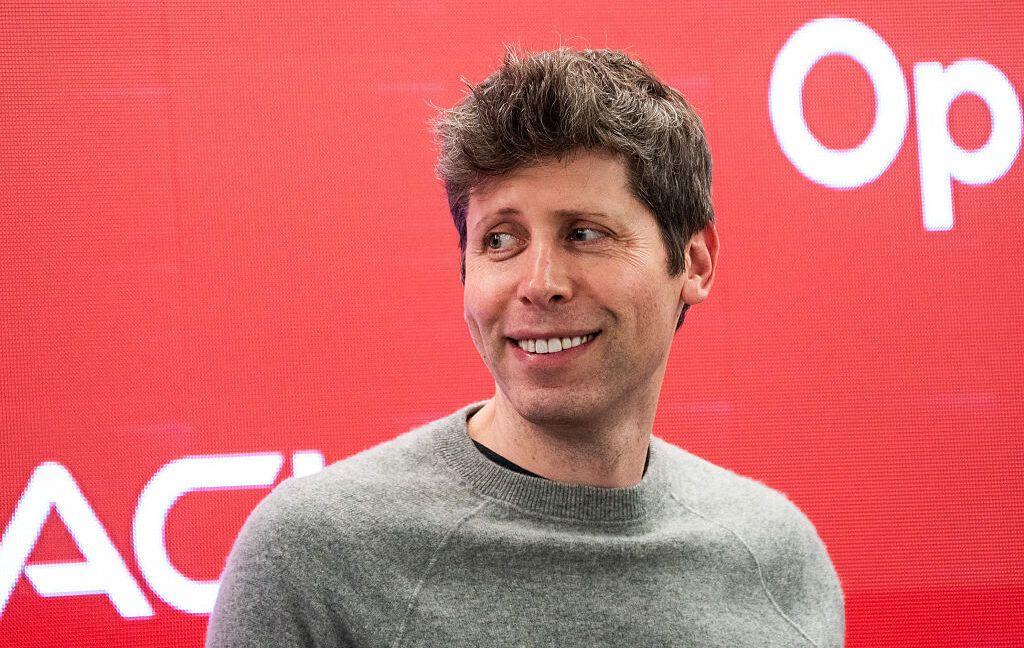





Your Daily Dose of Curated AI News
Don’t drown in AI news. We cut through the noise - filtering, ranking and summarizing the most important AI news, breakthroughs and research daily. Spend less time searching for the latest in AI and get straight to action.

