OpenAI's Jony Ive-Designed AI Hardware Delayed to 2027 as Company Drops io Branding


6 Sources
6 Sources
[1]
OpenAI Abandons 'io' Branding for Its AI Hardware
OpenAI will not use the name "io" for its forthcoming line of AI hardware devices, according to a Monday court filing. The motion is part of a trademark infringement lawsuit filed last year by audio device startup iyO, which sued OpenAI after it acquired famed Apple designer Jony Ive's startup io. Peter Welinder, OpenAI's vice president and general manager, said in the filing that OpenAI had reviewed its product-naming strategy and "decided not to use the name 'io' (or 'IYO,' or any capitalization of either) in connection with the naming, advertising, marketing, or sale of any artificial intelligence-enabled hardware products." Welinder also said that OpenAI now has a better understanding of the timeline for getting its devices to market. In the filing, the company said its first hardware device won't ship to customers before the end of February 2027. Previously, OpenAI has said that it is planning to unveil its AI device in the second half of 2026. The company's first prototype is reportedly a screenless device that can sit on a user's desk, and accompany a phone and laptop. Welinder also said that OpenAI has yet to create packaging or marketing materials for its first hardware device, according to the filing. OpenAI did not immediately respond to WIRED's request for comment. The news comes as wild rumors continue to spread about OpenAI's hardware efforts. A now debunked Reddit thread went viral over the weekend, claiming that OpenAI had pulled a Super Bowl ad unveiling its forthcoming device. Someone posted the alleged ad, which featured the actor Alexander Skarsgård wearing a pair of silver headphones and tapping a reflective puck. The video was shared widely on social media, including by Reddit cofounder Alexis Ohanian. OpenAI spokesperson Lindsay McCallum confirmed to WIRED that the ChatGPT-maker had nothing to do with the ad in question. OpenAI announced back in May 2025 that it would acquire Jony Ive's secretive consumer hardware subsidiary for $6.5 billion, marking the company's largest acquisition ever. At the time, io was marketed as a new company that would merge with OpenAI to create a family of AI devices. Since then, the company has been embroiled in a messy trademark infringement lawsuit that's likely revealed more than OpenAI would have liked about its devices. iyO claims that OpenAI and io executives met with iyO leaders and tested the company's AI audio technology before the acquisition was announced. OpenAI leaders previously revealed in filings related to this lawsuit that the prototype CEO Sam Altman mentioned in io's launch video was "not an in-ear device, nor a wearable device."
[2]
Curious About OpenAI's AI Device? Don't Expect Anything Until 2027
OpenAI's first hardware device won't be available to buy until early 2027. We still don't know what form the gadget will take, but new documents say it will appear in February next year. The news was shared in a court filing as part of an ongoing trademark case brought by startup Iyo against OpenAI over its use of the name io for a startup it acquired from Jony Ive last year. A previous court order prohibited OpenAI from using io, prompting the ChatGPT maker to remove all mentions of the name from its website. The new court filing, spotted by Wired, says OpenAI will not use the name "io" or any variation of it for future gadgets. An OpenAI representative said last month that the brand was on track to debut its first device before the end of 2026. That may still be true, as it could announce its first device late this year before putting it on sale in early 2027. OpenAI has yet to share any details about the AI device. In October, the Financial Times reported it may be a screen-less device designed to sit nearby. Other AI devices have not had any success so far, from the Rabbit R1 to the Humane AI Pin. That hasn't deterred tech giants from trying; Apple is reportedly developing an AI pin of its own. A post on Reddit over the weekend, meanwhile, led many to believe OpenAI was set to debut its new hardware in a Super Bowl ad. The now-debunked hoax was posted by someone claiming to have footage of an ad showing actor Alexander Skarsgård interacting with a shiny orb device called the Dime as well as earbuds. OpenAI soon confirmed the post was fake; its actual Super Bowl ad focused on the Codex tool. Disclosure: Ziff Davis, PCMag's parent company, filed a lawsuit against OpenAI in April 2025, alleging it infringed Ziff Davis copyrights in training and operating its AI systems.
[3]
Sam Altman and Jony Ive's AI Gadget Just Hit Another Eyebrow-Raising Roadblock
Looks like Sam Altman and Jony Ive will have to wait until next year to kill AirPods, or the iPhone, or revolutionize the pen, or whatever it is they're actually doing with their AI-centric hardware venture. According to a report from Wired, court filings indicate that Sam Altman and Jony Ive have hit yet another snag in their nascent journey into AI gadgets with a newly formed company, io. The first snag is that, well, they may not really be able to call the company "io" at all. Per Wired: "Peter Welinder, OpenAI’s vice president and general manager, said in the filing that OpenAI had reviewed its product-naming strategy and decided not to use the name â€~io’...in connection with the naming, advertising, marketing, or sale of any artificial intelligence-enabled hardware products.†"Decided" is an interesting choice of words here, given that the company was actually sued and issued a court order in June over a trademark claim regarding the use of that name. What OpenAI "decided" exactly is unclear, but from the outside, it looks like the decision was not theirs. It's also unclear what name they'll go with now, but maybe they could try "Pear," or "Grape," or some other one-word fruit, since last I checked, "Apple" was already taken. Wouldn't want to repeat that mistake twice. That's snag number one. Snag number two is that the company now has a new timeline for the release of its first piece of hardware, and it's a bit further out than we had anticipated. According to Wired, Sam Altman and Jony Ive's now nameless company will not start shipping its first gadget until February of 2027. The Information and Axios have reported that OpenAI could unveil its devices as soon as this year. As a result, the projected unveiling of the device by the second half of this year is now uncertain, though the company might still have something to show by then. I say "might" because it's really hard to tell just how far along any of this stuff is. Reports last year of difficulties getting devices to do basic stuff aren't instilling much confidence. According to a report from the Financial Times, Sam Altman and Jony Ive are struggling to actually muster the computing power to enable their computer(s) to, um, compute. On top of that, they're struggling to get their voice assistant (which apparently is supposed to be listening all the time) to function in a way that makes the device usable. One problem in particular has reportedly been getting the voice assistant to listen when you want it to and shut up when appropriate. Listen, I get it; figuring anything new out is going to come with its own unique set of challenges, and some of those challenges aren't going to be easily solvable overnight. The problem is that when you take a simple fact like that and place it in the context of AI gadgets, it becomes very easy to cast doubt on the whole idea. AI gadgets have had a rough go; just ask Humane and its fallen AI Pin or Rabbit and the increasingly irrelevant R1. The problem isn't even that those devices didn't take off; it's that they seemingly didn't do half of what was promised. Maybe OpenAI can solve critical flaws with AI gadgets, but maybe the problem is that there are too many issues to solve. Could be that AI just isn't smart enough yet, and neither are the voice assistants powered by it. Or maybe our general vice grip on phones as the end-all, be-all form factor is too strong for a device like Altman and Ive's to pry open. No matter which way you spin it, the company formerly known as io has a lot to solve, and the problems just seem to keep piling up.
[4]
Jony Ives' AI hardware is delayed to 2027 and won't be called io - 9to5Mac
The mysterious AI hardware device designed by Jony Ive for OpenAI has been delayed, according to a new court filing. It had originally been scheduled to launch later this year but now won't ship any earlier than February 2027. The same court paperwork also reveals that the company is no longer planning to use the name io for the upcoming device ... The company first teased the device in a video back in May of last year. They promised it would be a completely new concept in AI hardware but didn't give many clues to the form factor or functionality. One possibility put forward was that it might take the form of a pen. The device was originally going to be named the io, but the company quickly ran into trouble with a trademark dispute from a hearing aid startup called iYo. A spokesperson for Jony Ive said at the time the complaint was "utterly baseless" and that the company would "fight it vigorously." A report late last year said that the project had been delayed as the company struggled to solve three fundamental problems, though a prototype was said to exist as of November. The company has hired more Apple alumni to help it progress toward a launch. The company subsequently said it was on track for a launch in the second half of this year. However, a new report says this is no longer the case. Wired reports the company saying in a court document that the launch has been delayed into early next year. In the filing, the company said its first hardware device won't ship to customers before the end of February 2027. The same filing reveals that the company has abandoned plans to use the io branding. The company lost an appeal at the end of last year but was previously expected to continue the legal battle. However, OpenAI said that this has now changed. Peter Welinder, OpenAI's vice president and general manager, said in the filing that OpenAI had reviewed its product-naming strategy and "decided not to use the name 'io' (or 'IYO,' or any capitalization of either)." I said last month that I remain an AI hardware skeptic, even if it does seem brave to bet against Ive and Altman. What are your views? Please share in the comments.
[5]

OpenAI's Jony Ive-Designed Device Delayed to 2027
OpenAI's first Jony Ive-designed hardware device won't ship to customers until next year, new court filings show (via Wired). The motion stems from a trademark infringement lawsuit filed last year by audio device startup iyO. The company sued OpenAI after the latter acquired io, a startup founded by Apple's former design chief. OpenAI's original stated goal was to ship the ChatGPT-powered device before the end of 2026. But in the latest filing, the company said its first hardware device won't ship to customers before the end of February 2027. OpenAI has not created any packaging or marketing materials for its first hardware device either, according to the documents. The filing also said that OpenAI had reviewed its product-naming strategy and "decided not to use the name 'io' (or 'IYO,' or any capitalization of either) in connection with the naming, advertising, marketing, or sale of any artificial intelligence-enabled hardware products." Few details are known about the first AI consumer product that OpenAI is working on. The gadget - pitched as a "third core device" that would sit in your pocket, or on your desk alongside a MacBook Pro and iPhone - apparently won't be an in-ear device or a wearable, based on previous filings related to this lawsuit. Previous leaks have revealed that the gadget will be pocket-sized, contextually aware of your surroundings and life, and completely screen-free. OpenAI CEO Sam Altman apparently told OpenAI staff it's "the coolest piece of technology that the world will have ever seen" after testing Ive's prototype at home. The development comes as now-debunked rumors circulated on Reddit over the weekend claiming that OpenAI had pulled a Super Bowl ad unveiling its upcoming device. The now-deleted post shared an alleged ad featuring actor Alexander Skarsgård in silver headphones, tapping a reflective puck. The video was widely circulated on social media, including by Reddit cofounder Alexis Ohanian.
[6]

OpenAI Delays First Consumer Device to 2027 | PYMNTS.com
By completing this form, you agree to receive marketing communications from PYMNTS and to the sharing of your information with our sponsor, if applicable, in accordance with our Privacy Policy and Terms and Conditions. OpenAI formally acquired Ive's startup io Products in 2025 in a multibillion-dollar deal aimed at accelerating its push beyond software into physical devices. The collaboration signaled ambitions to build hardware specifically designed around generative AI interactions rather than adapting existing smartphone or laptop paradigms. Executives have previously described the effort as an attempt to create a more natural and ambient interface for AI. While earlier reporting suggested a possible 2026 debut, the updated timeline now points to 2027 for customer availability. The delay surfaces as OpenAI continues to refine both the hardware concept and its broader consumer AI strategy. Speculation around the device's form factor has intensified over the past year. In January, TechCrunch reported that OpenAI was exploring earbuds as a potential first product, citing sources who described a compact device capable of handling AI tasks through custom silicon and tight integration with OpenAI's models. The idea fueled expectations that the company might introduce a wearable companion designed for voice-first interaction. However, subsequent reporting complicated that narrative. The Verge reported that viral imagery circulating around the Super Bowl purporting to show OpenAI hardware was a hoax, underscoring how little concrete information has been confirmed publicly. The company dismissed the images as fake, and executives reiterated that no official product visuals had been released. Meanwhile, Wired reported that OpenAI has dropped the "io" branding previously associated with the project following trademark challenges. The decision to abandon the name adds another layer of transition as the company prepares its long-term hardware strategy. The company has framed its hardware initiative as an effort to rethink how users interact with AI, potentially reducing reliance on traditional screens and keyboards. Yet designing an entirely new category of AI-first hardware presents technical, supply chain, and user-experience challenges that differ markedly from shipping a software update. Delaying until 2027 gives OpenAI additional runway to mature its models, optimize on-device processing, and refine design concepts under Ive's direction. It also positions the company to enter what is becoming a crowded field of AI-enabled consumer gadgets, as competitors explore smart wearables, voice assistants and multimodal devices. For now, OpenAI's first consumer hardware product remains unnamed and unseen.
Share
Share
Copy Link
OpenAI's first AI hardware device won't reach customers until February 2027, according to new court filings. The company has also abandoned the io branding following a trademark infringement lawsuit from audio startup iyO. The screen-free gadget, designed by former Apple chief Jony Ive, was originally slated for late 2026.
OpenAI Pushes Hardware Timeline to February 2027
OpenAI confirmed in a Monday court filing that its first AI hardware device won't ship to customers before the end of February 2027
1
. The announcement marks a significant delay from the company's previous timeline, which targeted unveiling the Jony Ive-designed device in the second half of 20262
. Peter Welinder, OpenAI's vice president and general manager, stated that the company now has a better understanding of the timeline for getting its devices to market1
. The filing also revealed that OpenAI has yet to create packaging or marketing materials for its first hardware device, suggesting the product remains in early development stages.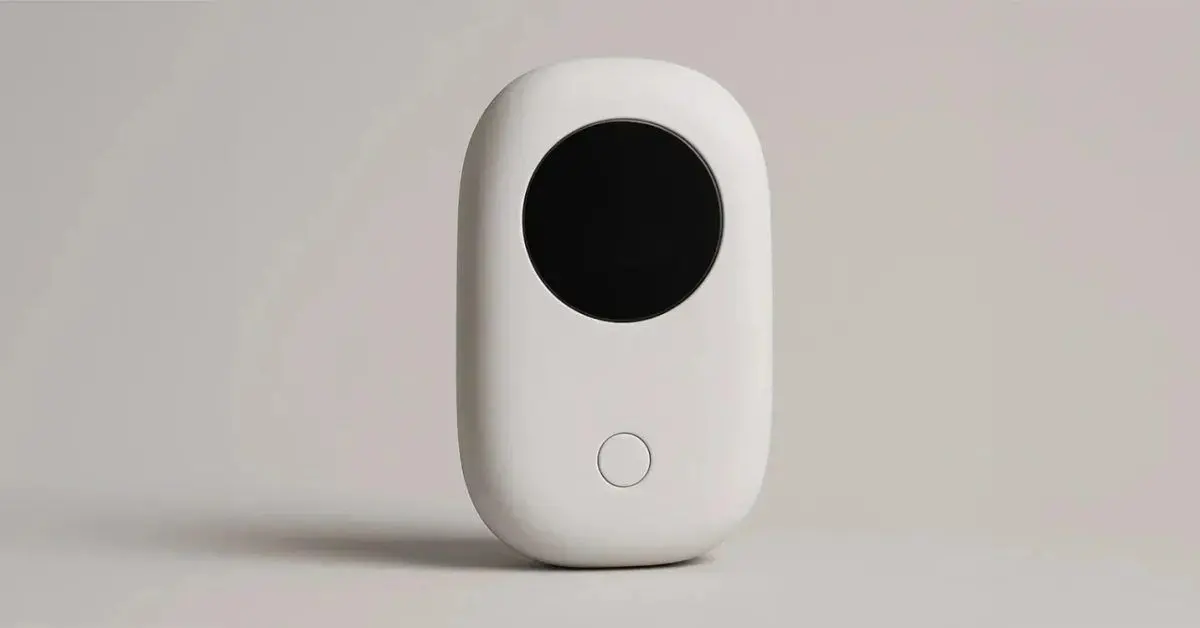
Source: 9to5Mac
Company Abandons io Branding Amid Trademark Dispute
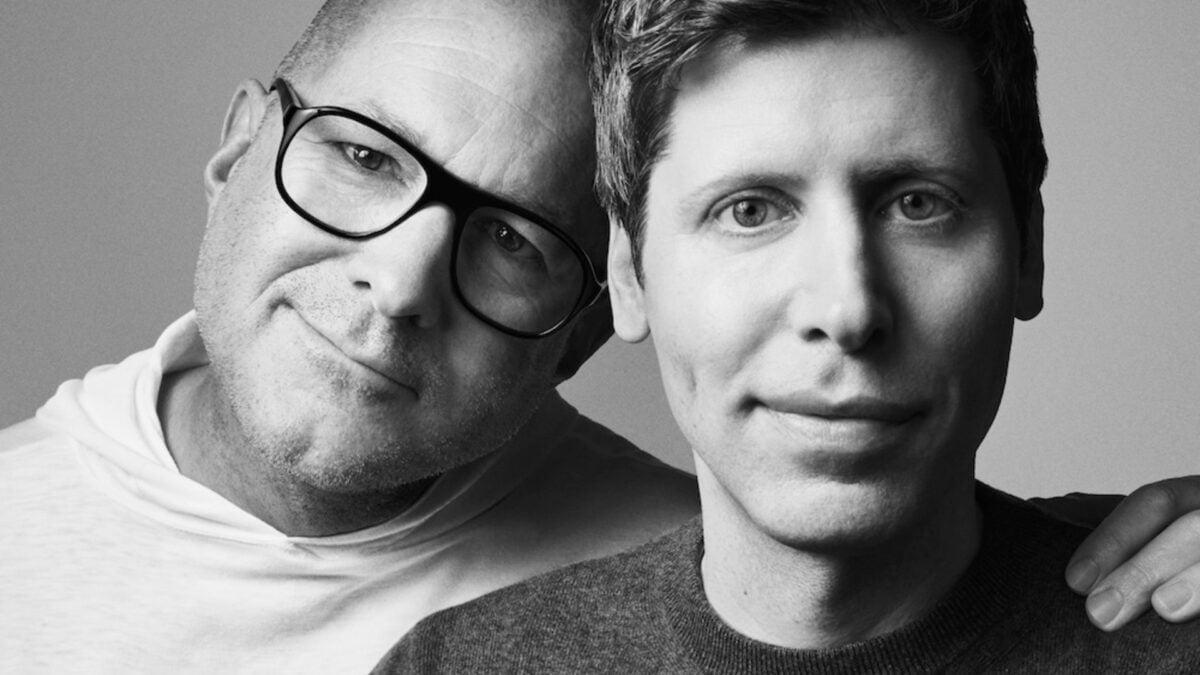
The court filing stems from a trademark infringement lawsuit filed by audio device startup iyO, which sued OpenAI after it acquired Jony Ive's startup for $6.5 billion in May 2025
1
. Welinder confirmed that OpenAI had reviewed its product-naming strategy and "decided not to use the name 'io' (or 'IYO,' or any capitalization of either) in connection with the naming, advertising, marketing, or sale of any artificial intelligence-enabled hardware products"4
. The decision follows a court order issued in June that prohibited OpenAI from using io branding3
. Audio startup iyO claims that OpenAI and io executives met with iyO leaders and tested the company's AI audio technology before the acquisition was announced1
.
Source: Gizmodo
What We Know About the Screen-Free Gadget
The prototype that Sam Altman mentioned in io's launch video was described as "not an in-ear device, nor a wearable device"
1
. Previous reports indicate the device will be a screenless gadget that can sit on a user's desk and accompany a phone and laptop1
. The screen-free gadget is pitched as a "third core device" that would be pocket-sized, contextually aware of surroundings, and completely screen-free5
. Altman reportedly told OpenAI staff it's "the coolest piece of technology that the world will have ever seen" after testing Jony Ive's prototype at home5
.Related Stories
Technical Challenges and Market Skepticism
Reports from the Financial Times last year revealed that Sam Altman and Jony Ive were struggling to muster the computing power needed for their device and facing difficulties getting the always-listening voice assistant to function appropriately
3
. The challenges include getting the voice assistant to listen when needed and remain silent when appropriate3
. These technical hurdles come as the AI hardware market faces significant skepticism following the underwhelming performance of devices like the Humane AI Pin and Rabbit R1, which failed to deliver on many promised features3
. Apple, the company where Jony Ive spent decades as chief designer, is reportedly developing its own AI pin2
.
Source: PC Magazine
Debunked Super Bowl Ad Fuels Speculation
A viral Reddit post over the weekend falsely claimed that OpenAI had pulled a Super Bowl ad unveiling its device delayed to 2027
1
. The now-debunked hoax showed actor Alexander Skarsgård wearing silver headphones and tapping a reflective puck device called the Dime2
. The video was shared widely on social media, including by Reddit cofounder Alexis Ohanian, before OpenAI spokesperson Lindsay McCallum confirmed the ChatGPT-maker had nothing to do with the ad1
. OpenAI's actual Super Bowl ad focused on the Codex tool instead2
. The incident highlights the intense public interest surrounding OpenAI's hardware ambitions, even as the company navigates legal challenges and technical obstacles that continue to push back its launch timeline.References
Summarized by

Navi
[5]
Related Stories
OpenAI confirms first AI device launch for 2026, and leaked reports suggest it could be earbuds
19 Jan 2026•Technology

OpenAI's first Jony Ive device is a $200-$300 smart speaker with a camera, launching in 2027
20 Feb 2026•Technology

OpenAI and Jony Ive's AI Device: Ambitious Vision Meets Real-World Challenges
07 Oct 2025•Technology

Recent Highlights
1
Apple Plans Major Siri AI Overhaul in iOS 27 With Third-Party Chatbot Integration
Technology

2
OpenAI shuts down Sora after six months, ending Disney's $1 billion licensing partnership
Technology

3
AI chatbots validate you too much, making you less kind to others, Stanford study reveals
Science and Research

Recent Highlights
Today's Top Stories





Your Daily Dose of Curated AI News
Don’t drown in AI news. We cut through the noise - filtering, ranking and summarizing the most important AI news, breakthroughs and research daily. Spend less time searching for the latest in AI and get straight to action.

