OpenAI's first Jony Ive device is a $200-$300 smart speaker with a camera, launching in 2027


11 Sources
[1]
OpenAI's first ChatGPT gadget could be a smart speaker with a camera
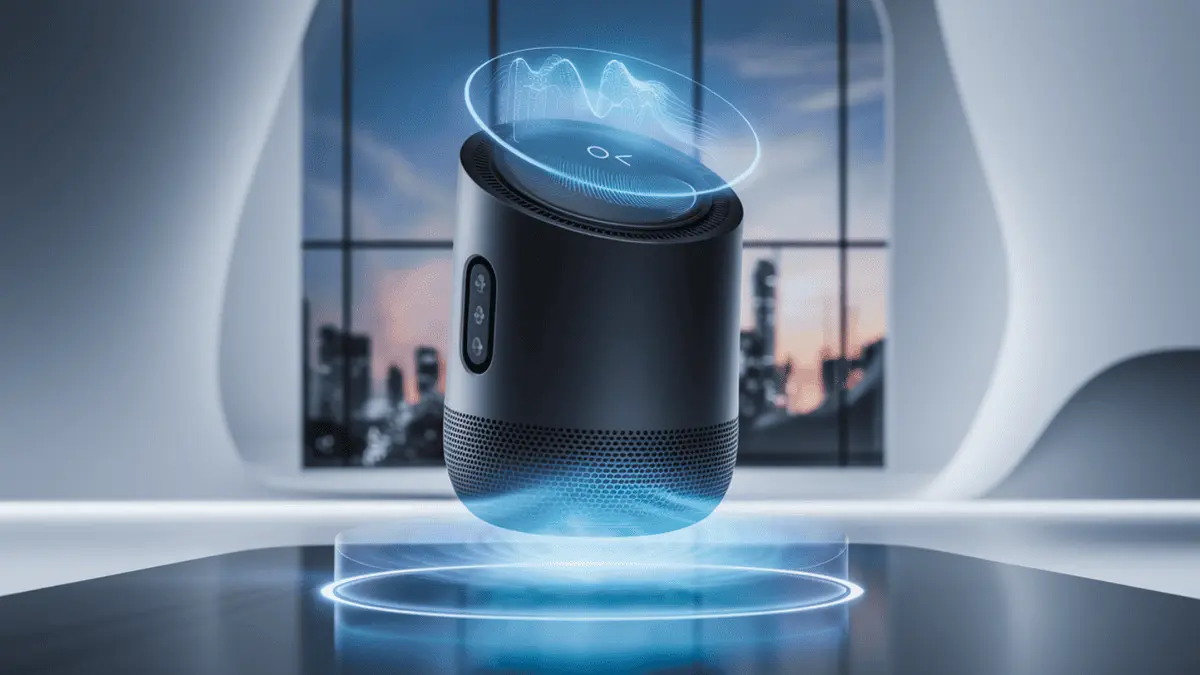
OpenAI's first hardware release will be a smart speaker with a camera that will probably cost between $200 and $300, according to The Information. The device will be able to recognize things like "items on a nearby table or conversations people are having in the vicinity," The Information says, and
[2]
OpenAI will reportedly release an AI-powered smart speaker in 2027
OpenAI is reportedly hard at work developing a series of AI-powered devices, including smart glasses, a smart speaker and a smart lamp. According to reporting by , the AI company has a team of over 200 employees dedicated to the project. The first product scheduled to be released is reported to be
[3]
ChatGPT's first hardware may look familiar
This conventional approach could disappoint expectations for revolutionary AI hardware, as the smart speaker format may not fully showcase ChatGPT's unique capabilities compared to existing devices. When the news first broke that legendary Apple designer John Ive was joining forces with OpenAI on
[4]
OpenAI's first Jony Ive device sounds like HomePod 2.0: report - 9to5Mac
A new report from The Information details OpenAI's hardware ambitions, and reveals that the first Jony Ive-designed device expected to launch is a smart speaker. Here are the details. OpenAI is working with Jony Ive to product its first line of hardware products, with a launch expected early next
[5]

Forget the HomePod -- OpenAI is launching a smart speaker designed by Jony Ive
ChatGPT's parent company is building a smart speaker, but can it stand out in a crowded market? OpenAI is quietly assembling one of its most ambitious projects yet: a family of AI-powered consumer devices, starting with a smart speaker for the home. But with Apple, Meta and Google already staking
[6]

OpenAI may sell a smart speaker with facial recognition camera
Mister speaker? OpenAI chief Sam Altman at an AI summit in February. Credit: Prakash Singh/Bloomberg via Getty Images It's no secret that OpenAI, the company behind ChatGPT, is losing money at a rapid clip. Some estimates suggest the company will run out of cash sometime in 2027 -- and even a
[7]

OpenAI's Hardware Device Just Leaked, and You Will Cringe
Stuffing an AI chatbot into a consumer electronics device has proven extremely difficult. We've come across creepy and widely-hated pendants designed to listen to everything you say, as well as flawed AI "pins" that turned out to be a flaming dumpster fire, leading to frustration and sheer
[8]

Is OpenAI developing a smart speaker?
OpenAI is reportedly developing a series of AI-powered devices, including a smart speaker, smart glasses, and a smart lamp, with a team of over 200 employees. The first product, a smart speaker equipped with a camera, is expected to ship in early 2027. This device will identify objects and nearby
[9]

OpenAI's Must Compete with Amazon & Apple as It Moves into AI Hardware in 2027
OpenAI has announced its entry into the hardware market with a series of AI-driven devices aimed at integrating artificial intelligence into daily routines. According to AI Grid, the lineup includes a smart speaker, smart glasses, and possibly a smart lamp, with features such as facial recognition
[10]

OpenAI developing AI devices including smart speaker, The Information reports
Feb 20 (Reuters) - OpenAI has more than 200 people working on a family of AI-powered devices that will include a smart speaker and possibly smart glasses and a smart lamp, the Information reported on Friday, citing a person with knowledge of the plans. The smart speaker, the first device OpenAI
[11]

OpenAI may launch ChatGPT smart speaker with camera: Expected price, launch timeline and other details
Facial recognition for purchases reportedly in development. Although there were some speculations that the first OpenAI hardware would be an advanced earbud codenamed 'Sweet Pea', the latest news is that the debut device could be a smart speaker with a built-in camera. The Information reports that
Share
Copy Link
OpenAI is developing its first hardware lineup, starting with a smart speaker with a camera expected in early 2027. Designed by legendary Apple designer Jony Ive, the $200-$300 device will feature facial recognition and object recognition capabilities. The company has over 200 employees working on AI-powered hardware devices including smart glasses and a smart lamp, as it enters a consumer hardware market already crowded with competitors like Apple, Meta, and Google.
OpenAI Enters Consumer Hardware Market With Smart Speaker
OpenAI is preparing to launch its first hardware product, marking a significant shift for the AI company known primarily for ChatGPT. According to a report from The Information
1
, the company's debut device will be an AI-powered smart speaker equipped with a camera, priced between $200 and $300. The smart speaker with a camera won't reach customers before February 2027 at the earliest4
, giving the company over a year to refine what CEO Sam Altman has called the "coolest piece of technology that the world will have ever seen"3
.
Source: Tom's Guide
The device represents OpenAI's first major push into physical products, backed by a team of more than 200 employees dedicated to developing a lineup of AI-powered hardware devices
2
. This ambitious effort follows the company's $6.5 billion acquisition of Io Products, a startup co-founded by Altman and legendary designer Jony Ive, who spent decades shaping Apple's iconic product aesthetic before his 2019 departure5
.
Source: Engadget
Advanced Features Beyond Traditional Smart Speakers
The OpenAI hardware product will distinguish itself through sophisticated sensing capabilities. The camera will enable object recognition of items on nearby tables and monitor conversations happening in the vicinity
1
. Perhaps most notably, the device will include a facial recognition system similar to Apple's Face ID, allowing users to authenticate purchases simply by looking at the speaker2
.These features suggest a ChatGPT gadget designed to be contextually aware of its environment, potentially offering proactive suggestions based on user behavior and calendar information
5
. However, this always-listening and always-watching approach may face skepticism from consumers concerned about privacy concerns2
, particularly in an era of heightened data sensitivity.Jony Ive Device Design Faces Internal Challenges
The collaboration between Jony Ive's design firm LoveFrom and OpenAI's internal devices team has encountered friction. LoveFrom handles the visual design of potential products, while OpenAI's hardware division manages engineering, software, and consumer research
4
. Some OpenAI staffers have complained that LoveFrom has been slow to revise designs and shares little about its creative process, creating tensions between the two groups4
.The devices division is led by Peter Welinder and includes several Apple veterans, including Tang Tan on hardware, Evans Hankey on industrial design, and Scott Cannon managing supply chain operations
5
. Despite this experienced team, the project has already faced delays due to technical issues, privacy concerns, and logistical challenges surrounding the computing power necessary for mass production of AI devices2
.Related Stories


Smart Glasses and Smart Lamp in Development Pipeline
Beyond the smart speaker, OpenAI is "possibly" working on smart glasses and a smart lamp
1
. The smart glasses wouldn't reach mass production until 2028 or later4
, entering a space currently dominated by Meta's Ray-Ban collaboration2
. While OpenAI has created prototypes of devices like the smart lamp, it remains unclear whether these will actually be released, as the company's device plans are still in early stages1
.Competing in a Crowded Consumer Hardware Market
OpenAI faces formidable competition from established players. Apple is reportedly developing its own smart glasses, an AI-powered pendant, and AirPods with cameras
1
. Google continues advancing its smart glasses efforts and Nest ecosystem, while Meta has already shipped AI-enabled smart glasses to consumers5
. Apple may even be working on a smart lamp similar to OpenAI's concept .For a company with no hardware track record, breaking into this market presents genuine challenges. Consumers have become selective about smart home adoption, with surveys showing that wearable and connected device purchases rise only when products deliver clear daily value
5
. The price point of $200-$300 positions the device as a premium offering comparable to HomePod4
, requiring OpenAI to demonstrate substantial advantages over existing alternatives to justify the investment.
Source: 9to5Mac
The launch timeline stretching into 2027 and beyond gives competitors ample opportunity to advance their own offerings, while OpenAI must prove it can manufacture, distribute, and support physical products at scale—capabilities entirely different from its software expertise.
References
Summarized by

Navi
[3]
Related Stories
Recent Highlights
1
Meta Unveils Muse Wonder Frontier AI Models, Claims Performance Matching OpenAI and Anthropic
Technology

2
IMF Report Warns AI Market Correction Could Spark Global Financial Crisis With $1.4T at Risk
Business and Economy

3
OpenAI Releases 722 AI-Generated Math Solutions, Triggering Existential Crisis in Mathematics
Technology

Recent Highlights
Today's Top Stories






Don’t drown in AI news. We cut through the noise - filtering, ranking and summarizing the most important AI news, breakthroughs and research daily. Follow topics that matter to you and stay ahead.


