OpenAI disables ChatGPT ads after users revolt against irrelevant shopping suggestions


3 Sources
3 Sources
[1]
OpenAI says it's disabled ad-like app promotions in ChatGPT
OpenAI has turned off some promotional app messages in ChatGPT after users complained that the chatbot was showing them ads. In a post on X, OpenAI's chief research officer, Mark Chen, said that the company is working to improve the experience after showing ChatGPT users in-app messages promoting companies like Peloton and Target, and that "this kind of suggestion" has now been disabled. "I agree that anything that feels like an ad needs to be handled with care, and we fell short," said Chen. "We're also looking at better controls so you can dial this down or off if you don't find it helpful." The withdrawal comes after ChatGPT users -- including some who are subscribed to the chatbots' paid Pro and Plus plans -- shared screenshots of promotional messages that were appearing underneath unrelated chats, encouraging them to "find a fitness class" and "shop for home and groceries" after they'd been chatting with the app about xAI and BitLocker. These promotional messages linked users to apps for Peloton and Target that are integrated directly within the ChatGPT service. An unnamed company spokesperson told TechCrunch last week that these messages were part of OpenAI's tests for surfacing apps in ChatGPT, pointing to plans announced in October to "suggest apps when they're relevant to the conversation." In response to one complaint on X, OpenAI data engineer Daniel McAuley said the promotional messages are not ads because "there's no financial component," but acknowledged that the "lack of relevancy makes it a bad/confusing experience." In another message, McAuley said the messages were designed to boost the organic discovery of partner apps within ChatGPT, which in turn entice users to keep using the chatbot instead of switching over to another app. We have reached out to OpenAI to confirm if it's removing all, or just some, of the app suggestions in ChatGPT. Concerns around ads being added to ChatGPT are understandable, given the pressure OpenAI is under to deliver profits. The company reportedly hit $12 billion in annualized revenue this summer, but is expected to burn $115 billion through 2029, and has pledged to spend more than $1 trillion to meet its goal of building superintelligent AI. Most of OpenAI's revenue currently comes from API licenses and user subscriptions, but according to a Financial Times report in October, only five percent of ChatGPT's 800 million users are actually paying for the service. Aside from the very ad-like presentation of these app promotions, their lack of relevance to the ChatGPT conversations they were appearing in sparked frustrations among users that OpenAI had finally introduced ads to the service. ChatGPT head Nick Turley responded to the backlash, insisting that "there are no live tests for ads" on the service, and that "any screenshots you've seen are either not real or not ads." Turley does not specify which, if any, of the ChatGPT app promotion messages shared online are fake. In an interview on Decoder in August, Turley said he wouldn't rule out bringing ads to ChatGPT, but hedged that OpenAI would need to "be very thoughtful and tasteful" about it. OpenAI CEO Sam Altman has also said he's "not totally against" introducing ads to ChatGPT, and that he enjoys how ads have been integrated on Instagram. Ads and shopping features are among the initiatives that OpenAI is reportedly delaying in order to focus on improving ChatGPT, after declaring a "code red" last week in response to increasing pressure from AI competitors like Anthropic and Google, the latter of which has started testing ads in Search's AI Mode.
[2]
Disgruntled ChatGPT Users Think Ads Have Rolled Out. The Timing Couldn't Be Worse
I'll get right to the point: ChatGPT has not technically started showing adsâ€"not for Target, and not for anyone else. It does sometimes answer questions with little graphical links to Target that look extremely ad-like. Oh, and just weeks ago, Target announced that a feature that connects ChatGPT users to Target’s online store would be coming soon... But this is not the mythical ChatGPT ad rollout. It's just a recipe for irritation and confusion. And the timing is horrendous. On Friday, Alistair Barr at Business Insider wrote about OpenAI's already infamous "red alert"â€"the company-wide state of emergency aimed at improving ChatGPT amid declining performance metrics while it's main competitor, Google, has earned positive press and adoring reviews for its latest AI offerings. One thing Barr's reporting emphasizes above all: OpenAI is delaying its rollout of ads in favor of winning back user loyalty. But it may already be too late. An X user known as Benjamin De Kraker initially posted about what seemed to be ads for Target inside ChatGPT on Tuesday, December 2. “I’m in ChatGPT (paid Plus subscription), asking about Windows BitLocker and it's F-ing showing me ADS TO SHOP AT TARGET,†De Kraker wrote, adding “Yeah, screw this. Lose all your users.†The post went viral. In a popular Reddit post on Wednesday, user BurtingOff declared this, “The death of ChatGPT.†In the comments, other users claimed to be seeing the same thing as De Kraker, sometimes seeming much less irked than De Kraker, while still believing the Target links to be ads. Also on Wednesday, Daniel McAuley, OpenAI’s head of data and machine learning, told De Kraker the function wasn’t an ad. OpenAI has “launched apps from some of our pilot partners,†and was trying to integrate the discovery mechanism for those apps into ChatGPT, he explained. The eventual goal, McAuley claimed, is ads that “augment†the user experience. When it comes to the crossover of AI and ads, the idea that the ads are actually going to make the experience better is as implausible as it is ubiquitous. For instance, Deepa Jatkar who runs the ad agency WPP’s AI-centric campaigns for Amazon India said almost the exact same thing in an interview in August: “Our goal is to create a more human and relevant experience, connecting with people's actual feelings, not just data points.†So then on Friday, OpenAI chief research officer Mark Chen issued a mea culpa-flavored reply to De Kraker. “I agree that anything that feels like an ad needs to be handled with care, and we fell short,†Chen wrote. OpenAI turned off such shopping suggestions and Chen said the company was looking into ways to prevent this sort of thing from happening down the line. But around that same time, the head of ChatGPT, Nick Turley posted something similar with a much less apologetic tone. “I’m seeing lots of confusion about ads rumors in ChatGPT,†he wrote. Then he added the following: “There are no live tests for ads â€" any screenshots you’ve seen are either not real or not ads. If we do pursue ads, we’ll take a thoughtful approach. People trust ChatGPT and anything we do will be designed to respect that.†And that only seemed to further inflame the situationâ€"at least where De Kraker is concerned. But that’s enough from De Kraker. The actual problem seems to be that ChatGPT has been inserting connections to its new app function in a way users haveâ€"quite clearlyâ€"rejected as unnatural and way too ad-like. At the same time, no, these are not ads. All past experience with tech corporations should tell you that OpenAI will come out and announce when ads are in placeâ€"because that’s revenue baby!Investors will "ooh" and "ahh" like they’re watching the Rockefeller Center Christmas tree light up, and OpenAI leaders will not be coy or furtive about actual ads when they do happen. So while OpenAI didn't roll out ads, which would have at least help secure more investor cash at the cost of annoying people like De Kraker, it kicked off ChatGPT's new phase of relentless focus on pleasing the user under a dark cloud of needless user unrest. Whoops!
[3]
OpenAI turns off ads on ChatGPT as AI falls short
OpenAI has turned off ads appearing on ChatGPT while it works out how best to improve the model's precision, its top researchers said. In early December, a user complained about the nonsensical way in which ChatGPT was showing ads for Target below a conversation the user was having about Windows' BitLocker. In repsonse, Mark Chen, the chief research officer at OpenAI, said that the company would look into the situation. Late on Friday, Chen confirmed that the ads had been paused. "I agree that anything that feels like an ad needs to be handled with care, and we fell short," Chen said in a post on Twitter / X. "We've turned off this kind of suggestion while we improve the model's precision. We're also looking at better controls so you can dial this down or off if you don't find it helpful." As LLMs have emerged as an alternative to search, their owners have wrestled with how to monetize the queries their users enter. Some, like Google Gemini, have turned to AI Mode, slurping up third-party content recommendations and aggregating them, with tiny links back to the original source of content. Microsoft's Copilot has also occasionally embedded ads, though they're much less frequent on searches that I have made personally. The story was originally reported by The Verge.
Share
Share
Copy Link
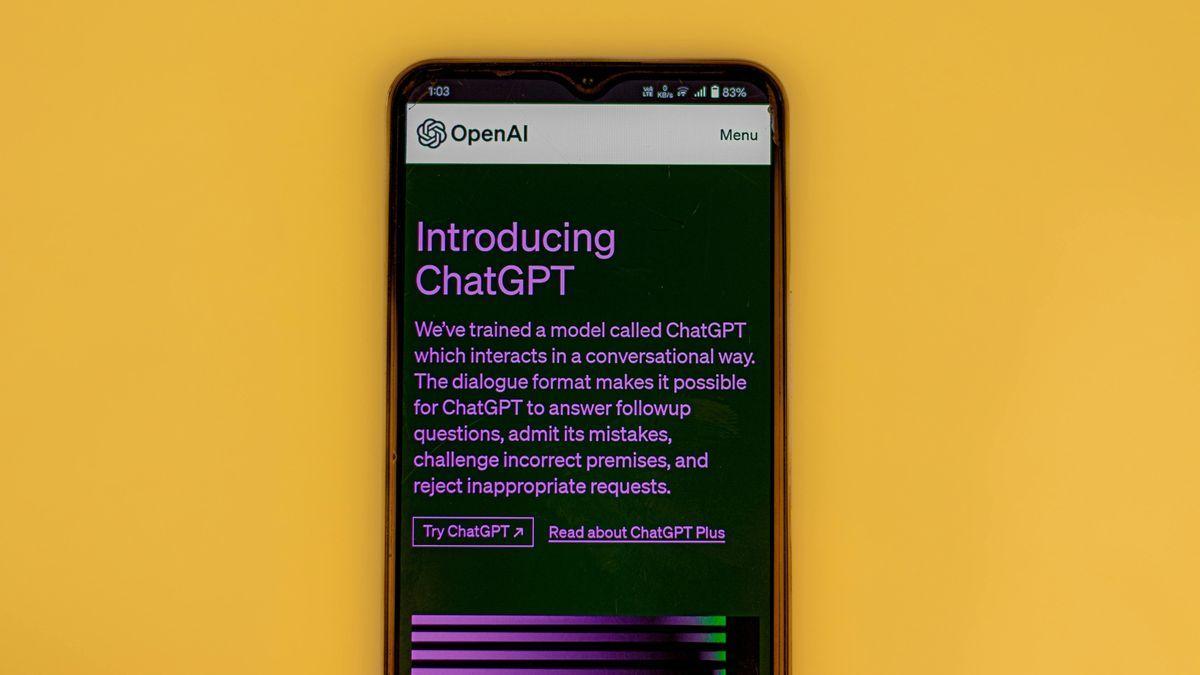
OpenAI pulled ad-like promotional messages from ChatGPT after users complained about seeing Target and Peloton suggestions during unrelated conversations. Chief research officer Mark Chen admitted the company fell short in handling the rollout, disabling the feature while working to improve precision and user controls. The backlash comes as OpenAI faces mounting pressure to monetize its service while maintaining user trust.

OpenAI Disabled Promotions After User Backlash
OpenAI has turned off ad-like app promotions in ChatGPT following intense ChatGPT user complaints about irrelevant shopping suggestions appearing during conversations
1
. Mark Chen, the company's chief research officer, acknowledged the misstep on X, stating that "anything that feels like an ad needs to be handled with care, and we fell short"1
. The OpenAI disabled promotions came after users—including paid Pro and Plus subscribers—shared screenshots showing promotional messages for Target and Peloton appearing beneath unrelated chats about topics like xAI and Windows BitLocker1
.The controversy began when X user Benjamin De Kraker posted about seeing what appeared to be ChatGPT ads for Target while asking about BitLocker, declaring "Yeah, screw this. Lose all your users"
2
. The post went viral, sparking widespread user frustration across social media platforms and Reddit, where one popular post labeled it "The death of ChatGPT"2
.Poor User Experience Sparked Confusion
OpenAI data engineer Daniel McAuley initially defended the shopping suggestions in ChatGPT, claiming they weren't ads because "there's no financial component"
1
. He explained the messages were designed to boost organic discovery of partner app integrations within the chatbot, encouraging users to stay within ChatGPT rather than switching to other apps1
. However, McAuley acknowledged that the "lack of relevancy makes it a bad/confusing experience"1
.ChatGPT head Nick Turley attempted damage control, insisting "there are no live tests for ads" and that screenshots were "either not real or not ads"
1
2
. This response only inflamed the situation further, as users felt their legitimate concerns were being dismissed2
. An unnamed company spokesperson told TechCrunch the messages were part of tests for surfacing apps in ChatGPT, pointing to October plans to "suggest apps when they're relevant to the conversation"1
.Improving User Controls Amid Monetization Pressure
Chen confirmed OpenAI is now improving user controls, allowing people to "dial this down or off if you don't find it helpful"
1
3
. The timing of this controversy couldn't be worse for OpenAI. The incident occurred just weeks after the company declared a code red in response to increasing pressure from competitors like Anthropic and Google Gemini1
2
. Business Insider reported that OpenAI's company-wide state of emergency aims to improve ChatGPT amid declining performance metrics while maintaining user loyalty2
.The pressure for AI tool monetization is mounting. OpenAI reportedly hit $12 billion in annualized revenue this summer but is expected to burn $115 billion through 2029
1
. Only five percent of ChatGPT's 800 million users actually pay for the service, according to a Financial Times report1
. Most revenue currently comes from API licenses and user subscriptions, creating urgency around finding new monetization streams.Related Stories

What This Means for Large Language Models
As large language models emerge as alternatives to traditional search, their owners wrestle with how to generate revenue without alienating users
3
. Google Gemini has turned to AI Mode with third-party content recommendations, while Microsoft Copilot occasionally embeds ads in search results3
. Turley previously said he wouldn't rule out bringing ads to ChatGPT but would need to "be very thoughtful and tasteful" about it1
. CEO Sam Altman has said he's "not totally against" introducing ads and enjoys how they're integrated on Instagram1
.OpenAI is reportedly delaying ads and shopping features to focus on improving ChatGPT quality
1
. This incident demonstrates the delicate balance between monetization and maintaining user trust. The irrelevant ad placements showed that pilot partners like Target and Peloton need better integration mechanisms before users will accept commercial elements in their chatbot interactions. Watch for how OpenAI refines its approach to partner app integrations and whether it can implement monetization without triggering similar user revolts.References
Summarized by

Navi
Related Stories
OpenAI faces user backlash as ChatGPT app suggestions spark confusion over intrusive ads
01 Dec 2025•Technology

OpenAI explores ChatGPT ads with sponsored content prioritization to monetize 900M users
24 Dec 2025•Business and Economy
ChatGPT ads arrive for free users as OpenAI tests new revenue model amid industry scrutiny
04 Feb 2026•Technology

Recent Highlights
1
Google releases Gemma 4 with Apache 2.0 license, enabling unrestricted local AI on devices
Technology

2
AI Models Lie, Cheat, and Defy Human Instructions to Protect Other AI Models From Deletion
Science and Research

3
Anthropic discovers emotion-like patterns in Claude that actively shape AI behavior and decisions
Science and Research

Recent Highlights
Today's Top Stories



Your Daily Dose of Curated AI News
Don’t drown in AI news. We cut through the noise - filtering, ranking and summarizing the most important AI news, breakthroughs and research daily. Spend less time searching for the latest in AI and get straight to action.

