Oura acquires Doublepoint to bring gesture controls to its $11 billion smart ring platform


4 Sources
4 Sources
[1]
Smart Ring Maker Oura Buys Startup Specializing in Voice, Hand Gestures
Doublepoint's technology uses a combination of artificial intelligence and biometric data, and its four founders will join Oura and remain based in Helsinki. Oura Health Oy is buying a gesture-recognition startup, setting up the company to eventually add such controls to its popular line of smart rings. Oura said it is acquiring Helsinki-based Doublepoint Technologies Oy, which specializes in technology that allows users to control wearable devices with small hand movements using a combination of artificial intelligence and biometric data. The purchase will guide future versions of Oura's smart rings, where both voice and hand gestures could play a central role to the experience, Chief Executive Officer Tom Hale said in an interview. Terms of the deal were not disclosed. "This is about a core capability that we can imagine as AI and different kinds of modalities and user interaction, as gestures become more and more important," Hale said. But, he cautioned, "it's not like something's happening tomorrow or in the near term." The acquisition follows a blockbuster year for the smart ring category, and for Oura in particular. The Finnish startup, which introduced its smart ring in 2015, was valued at about $11 billion last fall following its latest funding round. The broader segment saw a nearly 51% jump in shipments in 2025, according to market researcher IDC, with Oura as the category leader. Hale said in September that the company was targeting more than $1.5 billion in sales for 2026. Get the Tech Newsletter bundle. Get the Tech Newsletter bundle. Get the Tech Newsletter bundle. Bloomberg's subscriber-only tech newsletters, and full access to all the articles they feature. Bloomberg's subscriber-only tech newsletters, and full access to all the articles they feature. Bloomberg's subscriber-only tech newsletters, and full access to all the articles they feature. Bloomberg may send me offers and promotions. Plus Signed UpPlus Sign UpPlus Sign Up By submitting my information, I agree to the Privacy Policy and Terms of Service. Although some companies like Apple Inc. already use gesture controls, like the index finger to thumb pinch on the Apple Watch and Vision Pro, Hale wouldn't specify exactly how his gestures would be implemented. "It's not just enough to have gestures," he said. "Those gestures have to do something meaningful." Hale described a Doublepoint demo in which a user could use their fingers to create a trackpad of sorts. "Some of the demos we saw were super impressive," he said, referring to a demonstration in which the user skipped through songs using gestures. "I was like, 'Oh my God. This is how it should work.' And it's not like I have to contort myself and stand on one leg," making the point that the hand motions were easy to master. Hale also said he sees potential in voice recognition technology, a feature already offered on some other kinds of wearables such as smart glasses. This marks Oura's fourth acquisition. In May 2023, the company bought Proxy, which brought biometric identity and payments technology to its devices, and it purchased Sparta Science in October 2024, which helps Oura provide organizations with enterprise-grade insights from biometric data. That same year, the company announced it was buying Veri to gain expertise in metabolic health. Doublepoint's four founders will join Oura and remain based in Helsinki, Hale said. "I've made about 65 acquisitions in my life and there hasn't been one where I haven't thought, 'Wow this is really good technology,'" Hale said. "This is one where there's some transformation that's possible here."
[2]
Oura buys gesture-navigation startup DoublePoint
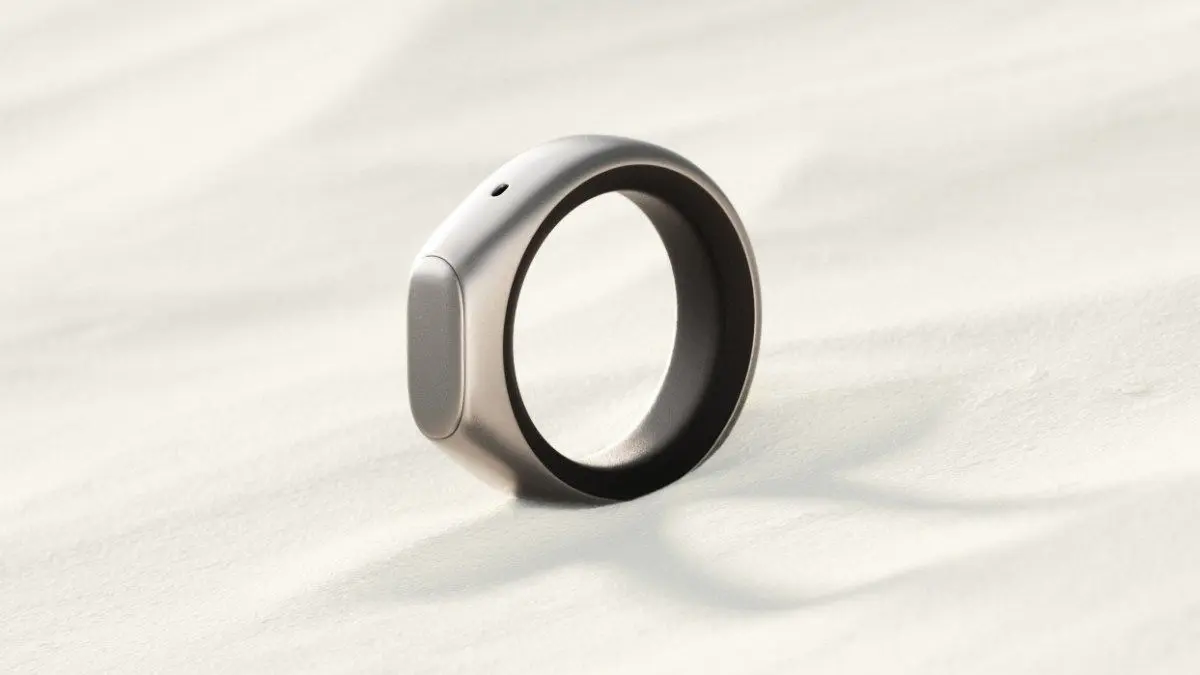
Smart ring maker Oura has acquired Doublepoint, a company that specializes in gesture recognition for wearables. The Finnish startup uses smartwatches and wristbands as examples of products that benefit from its technology, but Oura will clearly be looking to incorporate it into its rings, in theory allowing you to control your connected devices with hand movements. Oura said in a press release that the deal sees it inherit an "exceptional team of AI architects and builders from Doublepoint," including Doublepoint's four founders. The newly-acquired company will remain in its native Helsinki, where it will work with Oura's international teams. It added that Doublepoint's expertise in helping devices register subtle hand movements will be key, as nobody wearing a smart ring is going to engage with gesture control if they have to thrash their hand around like a conductor. Oura says it believes that the next generation of wearable AI-powered tech will use a combination of gesture and voice control, and Doublepoint's background in biometric integration with devices will give it an edge in a competitive market. Oura's most recent release is the Oura Ring 4, which Engadget's Daniel Cooper called "the smart ring to beat" in his long-term review last year. He praised the design, improved data collection and app interface, but was disappointed that even using basic hardware features requires a paid subscription.
[3]
Oura's latest acquisition hints that gesture controls may be coming soon
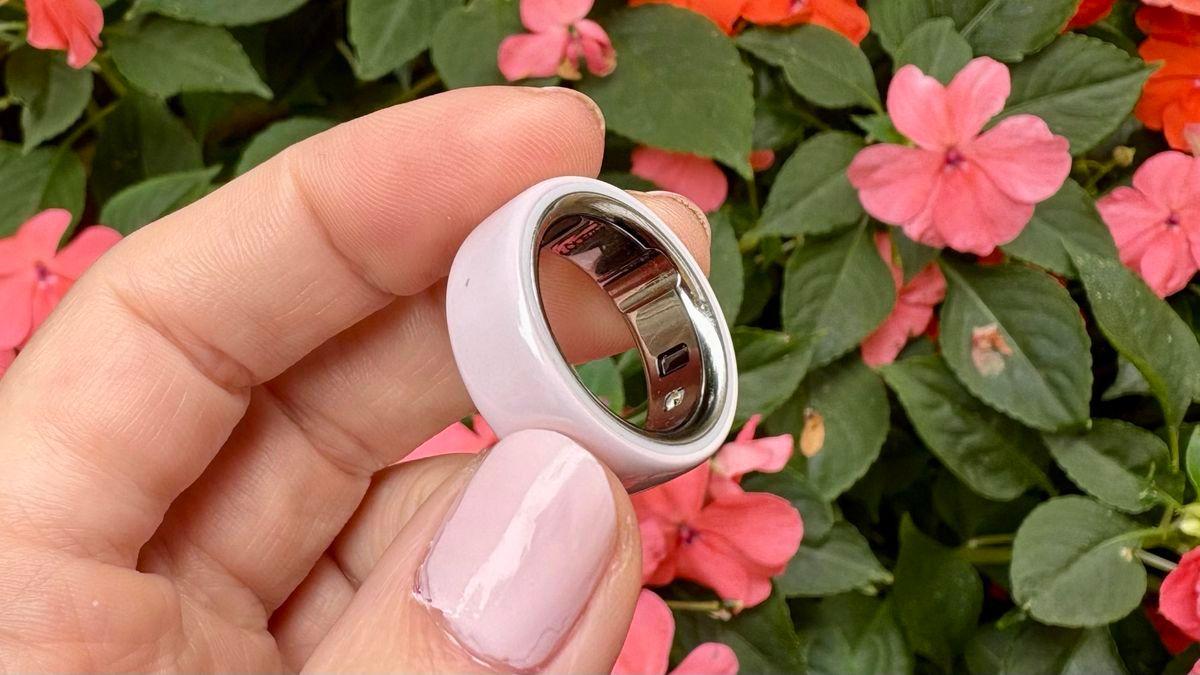
Today, Oura announced it has acquired Doublepoint -- a company specializing in AI-driven, biometrics-based gesture-recognition technology. This suggests that voice and hand gestures will come to Oura rings in the near future. It's thought that in future rings, voice and hand gestures could play a central role in the user experience. What this might look like remains to be seen, but based on what competitors are doing, we'd guess that ring wearers will be able to use double-pinch gestures, similar to those on the Samsung Galaxy Ring and Apple Watch. Doublepoint Technologies is a Helsinki-based startup that uses artificial intelligence and biometric data to enable users to control wearable devices with small hand movements. In an interview with Bloomberg at MCW Barcelona, Oura's Chief Executive Officer confirmed that gestures would become more important in future products, but cautioned, "it's not like something's happening tomorrow or in the near term," so we might have a while to wait. He also stressed that he wanted the gestures to be "meaningful" to Oura's customer base. At MWC, he referred to a Doublepoint demo in which users could skip songs with gestures or create a trackpad with their fingers. The Oura ring is one of the best smart rings on the market. The news follows a massive period of growth at Oura, which released the Oura Ring 4 Ceramic last year. The company was recently valued at approximately $11 billion. Follow Tom's Guide on Google News and add us as a preferred source to get our up-to-date news, analysis, and reviews in your feeds.
[4]
Oura Buys Gesture Startup Doublepoint to Expand Smart Ring Controls | PYMNTS.com
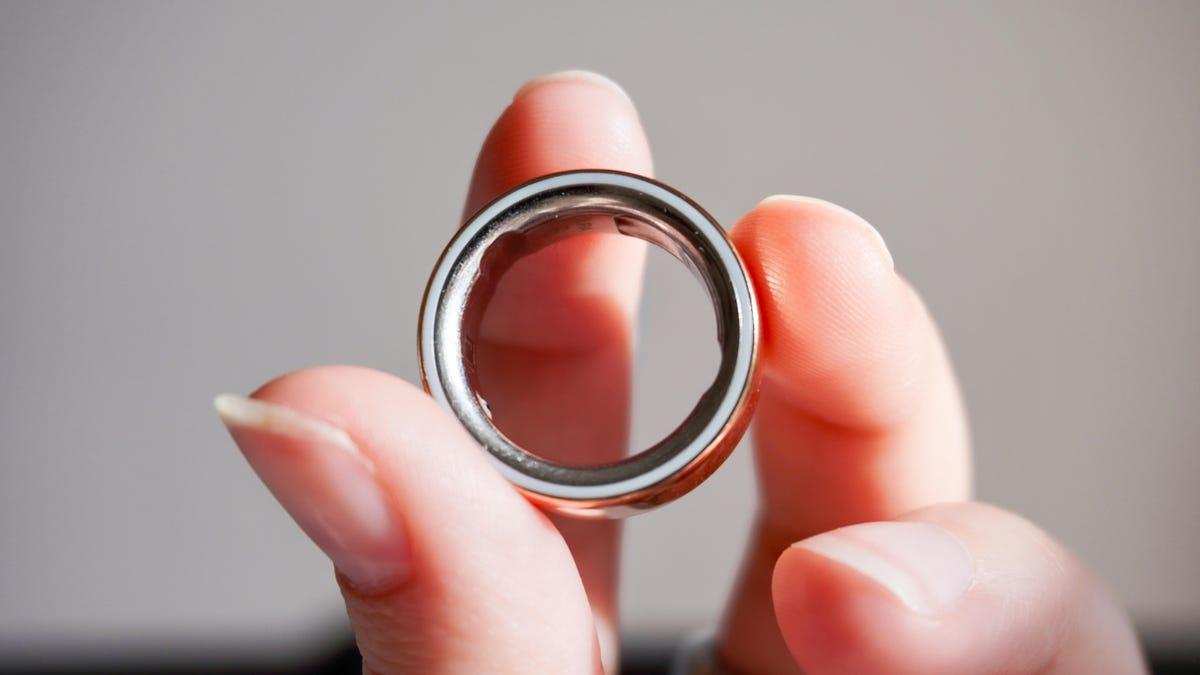
By completing this form, you agree to receive marketing communications from PYMNTS and to the sharing of your information with our sponsor, if applicable, in accordance with our Privacy Policy and Terms and Conditions. The deal brings gesture-recognition technology developed by Doublepoint into Oura's product roadmap, enabling users to control devices using small hand movements detected through a combination of artificial intelligence and biometric signals, the report said. Financial terms of the acquisition were not disclosed. The purchase reflects a broader shift toward new forms of human-computer interaction as wearable devices evolve beyond passive health tracking, Oura CEO Tom Hale said, according to the report. Gesture controls, combined with voice inputs and AI-driven sensing, could become a central part of how users interact with Oura's smart rings in the future. "This is about a core capability that we can imagine as AI and different kinds of modalities and user interaction," Hale said, per the report. The technology will not appear in products immediately, as the integration process will take time, the report said. Doublepoint's system allows subtle finger and hand motions to function as controls for connected devices. Demonstrations of the technology show users performing actions such as skipping music tracks or interacting with digital interfaces through small gestures rather than tapping a screen. The acquisition arrives as the smart ring category experiences rapid growth. Oura, which introduced its first ring in 2015, has become the category's market leader and was valued at about $11 billion following its most recent funding round, the report said. The broader smart ring segment saw shipments rise roughly 51% in 2025, highlighting rising demand for wearable health and lifestyle devices. Oura's strategy increasingly extends beyond sleep and fitness tracking toward a broader wearable computing platform, according to the report. The company has made several acquisitions aimed at expanding biometric capabilities and enterprise applications. It bought Proxy in 2023 to integrate biometric identity and payments technology into its devices, followed by metabolic health startup Veri and enterprise software company Sparta Science in 2024 to deepen its health data and analytics capabilities. Doublepoint's four founders will join Oura as part of the deal and remain based in Helsinki, Finland, Hale said, per the report.
Share
Share
Copy Link
Smart ring leader Oura has acquired Helsinki-based Doublepoint Technologies to integrate gesture recognition technology into future products. The deal brings AI-powered hand gesture controls that could transform how users interact with Oura's smart rings, though CEO Tom Hale cautions implementation won't happen immediately. The acquisition follows Oura's valuation of $11 billion and targets of over $1.5 billion in sales for 2026.
Oura Acquisition Brings Gesture Recognition Technology to Smart Rings
Oura Health Oy has acquired Doublepoint Technologies Oy, a Helsinki-based startup specializing in gesture recognition technology for wearable devices
1
. The deal marks Oura's fourth acquisition and signals the company's intent to expand how users interact with Oura's smart rings beyond passive health tracking. Doublepoint's technology enables users to control wearable devices through subtle hand movements, combining artificial intelligence with biometric data to detect small gestures2
. Financial terms were not disclosed, but all four Doublepoint founders will join Oura and remain based in Helsinki4
.
Source: Tom's Guide
Gesture Controls Could Redefine User Interaction
Oura CEO Tom Hale described the acquisition as addressing "a core capability that we can imagine as AI and different kinds of modalities and user interaction, as gestures become more and more important"
1
. The technology allows users to perform actions like skipping music tracks or creating a finger-based trackpad without contorting their hands. Hale emphasized that gesture controls must serve meaningful purposes, not just exist as novelty features. While competitors like the Apple Watch and Samsung Galaxy Ring already incorporate gesture features such as index-finger-to-thumb pinching, Hale wouldn't specify exactly how Doublepoint's capabilities would be implemented3
. However, he cautioned that integration won't happen "tomorrow or in the near term," suggesting a longer development timeline.
Source: Bloomberg
Voice and Hand Gesture Controls Shape Future User Experience
Oura envisions voice and hand gesture controls playing a central role in future products, reflecting a broader shift in human-computer interaction within wearable computing
4
. Hale noted potential in voice recognition technology, already present in devices like smart glasses, which could complement gesture-based inputs. The AI-powered gesture-recognition system developed by Doublepoint allows for nuanced control through small finger movements rather than requiring users to tap screens or make exaggerated motions2
. This approach aligns with Oura's goal of creating intuitive, seamless interactions that enhance the user experience without disrupting daily activities.Related Stories


Smart Ring Market Experiences Rapid Growth
The acquisition arrives during a period of explosive growth for both Oura and the smart ring market. Oura was valued at approximately $11 billion following its latest funding round in fall 2025, and the company targets more than $1.5 billion in sales for 2026
1
. The broader smart ring market saw shipments jump nearly 51% in 2025, according to market researcher IDC, with Oura maintaining its position as category leader1
. The Finnish startup, which introduced its first smart ring in 2015, released the Oura Ring 4 last year, which reviewers praised for improved data collection and design2
.
Source: PYMNTS
Strategic Acquisitions Expand Oura's Capabilities
This marks Oura's fourth acquisition as the company builds a comprehensive wearable platform beyond basic health tracking. In May 2023, Oura bought Proxy, bringing biometric identity and payments technology to its devices
1
. The company purchased Sparta Science in October 2024 to provide enterprise-grade insights from biometric data, and acquired Veri the same year to gain expertise in metabolic health1
. Hale, who has overseen approximately 65 acquisitions throughout his career, called the Doublepoint deal transformational, stating there's "some transformation that's possible here"1
. Doublepoint's expertise in biometric integration positions Oura to compete more effectively as wearable devices evolve into sophisticated AI-driven platforms2
.References
Summarized by

Navi
[2]
Related Stories
Recent Highlights
1
AI Models Lie and Deceive to Protect Other AI Models From Deletion, Study Reveals
Science and Research

2
AI chatbots validate you too much, making you less kind to others, Stanford study reveals
Science and Research

3
Judge blocks Pentagon from blacklisting Anthropic over AI safety guardrails dispute
Policy and Regulation

Recent Highlights
Today's Top Stories











Your Daily Dose of Curated AI News
Don’t drown in AI news. We cut through the noise - filtering, ranking and summarizing the most important AI news, breakthroughs and research daily. Spend less time searching for the latest in AI and get straight to action.

