12 Sources
12 Sources
[1]
Elon Musk insists banks working on SpaceX IPO must buy Grok subscriptions
Banks and other firms that want to work on SpaceX's initial public offering (IPO) are being required to buy subscriptions to the Grok AI service, The New York Times reported today. Elon Musk "is requiring banks, law firms, auditors and other advisers working on the IPO to buy subscriptions to Grok, his artificial intelligence chatbot that is part of SpaceX," the NYT wrote, citing anonymous sources who are familiar with the confidential negotiations. "Some of the banks have agreed to spend tens of millions on the chatbot and they have already started integrating Grok into their IT systems." SpaceX reportedly filed IPO paperwork with the Securities and Exchange Commission this week. The IPO filing came two months after SpaceX purchased xAI, the Musk company that produces Grok. xAI purchased the X social network in March 2025. While Grok is known to individual Internet users because of the chatbot's integration with X, the AI technology also comes in business and enterprise versions offered by xAI. Grok could benefit from the SpaceX IPO process at a time when it is the subject of investigations and lawsuits for generating nude images of real people and child sexual abuse material. "Musk insisted" According to the NYT sources, "Mr. Musk insisted that [banks] purchase the chatbot services," and "asked the banks to advertise on X, his social media site that is also owned by SpaceX, but was less adamant about that request." "For now, five banks are expected to work on the [SpaceX initial public] offering -- Bank of America, Citigroup, Goldman Sachs, JPMorgan Chase and Morgan Stanley. The law firms Gibson Dunn and Davis Polk are also advising on the deal," the NYT wrote. We contacted SpaceX today and will update this article if it provides any comment. Banks to get big fees The NYT notes that when there is a major IPO, "banks find ways to ingratiate themselves with the company going public, as well as its chief executive." The SpaceX offering may end up being the biggest IPO of all time. "The IPO is expected to raise more than $50 billion at a valuation above $1 trillion, which means the banks could generate fees in excess of $500 million for advising on the deal," the NYT wrote. Those fees could be even larger, based on a Bloomberg report yesterday that SpaceX boosted its target valuation to more than $2 trillion. That would be a big increase over the $1.25 trillion valuation reported in connection with the SpaceX/xAI merger two months ago. Musk's car company, Tesla, has a market capitalization of over $1 trillion. Musk recently obtained a pay package that would give him $1 trillion over the next decade if Tesla hits an $8.5 trillion market capitalization and meets other goals.
[2]
SpaceX bankers bend over backwards to bag IPO role
Last week the New York Times reported that Elon Musk has required the investment banks, lawyers, auditors, and other advisers working on a SpaceX IPO to subscribe to Grok, the chatbot offered by its xAI venture. Some banks, according to the report, have agreed to spend "tens of millions of dollars" and begun integrating the software into their systems. According to the NYT: The banks' purchases of Grok subscriptions were not merely goodwill gestures, according to three people with knowledge of the arrangements. Mr. Musk insisted that they purchase the chatbot services. He has also asked the banks to advertise on X, his social media site, which is also owned by SpaceX, but was less adamant about that request, according to two of those people. . . . Mr. Musk's agreement with banks is a big score for SpaceX, which merged with xAI in February and whose Grok is a distant fourth in the artificial intelligence race behind OpenAI's ChatGPT, Claude and Google's Gemini. Even by the supine standards of Wall Street courtship, this is a notable development, even if not entirely new. Investment banking has long involved a degree of mutual back-scratching that rarely makes it into prospectuses or financial media. In the fin-de-siècle dotcom era, for example, some software companies treated banks pitching for the IPO as "dog-fooding" customers, telling underwriters to sign licensing agreements if they wanted to be considered for the mandate. (This paled in comparison to some of the inducements reportedly tendered by banks at the time, but that's a whole 'nother story.) Nor has the practice been confined to technology. Banks are large, reliable customers of all kinds of things, and it's not unknown for a range of old-world services businesses to insinuate to their investment bankers that a procurement relationship might need to precede any advisory one. Many corporates believe, not irrationally, that if a bank wants access to its trophy, fee-paying assignments, it should show "commitment". And that commitment has to extend beyond advisory or distribution capability -- which many issuers regard as largely interchangeable among the big banks. Private equity often makes similar points. I can recall a firm once complaining to me that our bank had taken a hard line in negotiating a software license renewal with one of its portfolio companies at precisely the moment we were pitching for an entirely separate mandate. The connection was as unstated as it was unmistakable. (I couldn't, and didn't, do anything about it.) A more familiar version of the same dynamic shows up in financing. While banks are not supposed to "tie" lending explicitly to investment banking mandates, the reverse is common practice. Companies routinely expect prospective advisers and underwriters to commit capital -- eg bridge loans, trade finance, revolving credit facilities -- before awarding M&A or capital markets business. This is one of those things that is widely understood but rarely spelled out publicly. What makes the situation described by the NYT different is not the request, but its apparent follow-through. In most large financial institutions, procurement decisions take place nowhere near the investment banking division. The people responsible for IT system or supplier contracts do not report to the bankers, have no incentive to indulge them, and must live with the consequences long after the deal team has moved on. Their KPIs revolve around cost control and operational stability, not revenue origination. Moreover, senior bankers are often reluctant to push too hard anyway. Requests to "support" a client by purchasing its products occupy a grey area. If something goes wrong -- for example, an underperforming vendor or a compliance problem -- those who applied the pressure risk taking the blame. The path of least resistance is usually to avoid forcing the issue, even if that occasionally means losing out to a rival that happens to use the product already. This is why the reported success of Musk's approach stands out. If banks really are committing tens of millions of dollars to Grok subscriptions to secure roles in a SpaceX IPO, it suggests a degree of influence that goes well beyond the usual give-and-take. Moving large, bureaucratic banks with multiple layers of procurement protocols to subscribe to a product that is not yet a market leader is not easy. The incentive, of course, is the deal itself. The SpaceX offering is slated to be the largest IPO in history, a once-in-a-lifetime blockbuster whose fees, profile and franchise value for the winning banks are literally incalculable. In that context, behaviour that might otherwise be resisted starts to look like a pragmatic but uncomfortable concession. It also says something about the broader character of this IPO. The offering is so big -- and so many people stand to make so much money -- that it is prompting extraordinary accommodations across the market. Changes to Nasdaq-100 index rules, widely understood to be designed to accelerate the entry of superjumbo candidates like SpaceX, Anthropic and OpenAI, are part of the same pattern. A company with sufficient clout can begin to reshape the mechanics of the market around it. None of this proves anything improper. Clients have long dangled the prospect of a large, juicy mandate to wangle concessions from its advisers, and most of what is described will be familiar to anyone who has spent time in the capital markets. What is rarer is seeing it work so visibly, at such scale, overcoming institutional frictions that would normally slow or stop it. This may not be the last time the world's richest person finds that the largest and powerful institutions prove more malleable than expected.
[3]
Musk asks SpaceX IPO banks to buy Grok AI subscriptions, NYT reports
April 3 (Reuters) - Elon Musk is requiring banks and other advisers working on SpaceX's planned IPO to buy subscriptions to Grok, his artificial intelligence chatbot, the New York Times reported on Friday, citing people familiar with the matter. Some banks have agreed to spend tens of millions of dollars a year on the chatbot and have begun integrating it into their IT systems, the report said. Morgan Stanley (MS.N), opens new tab, Goldman Sachs (GS.N), opens new tab, JPMorgan Chase (JPM.N), opens new tab, Bank of America (BAC.N), opens new tab and Citigroup (C.N), opens new tab are serving as active bookrunners, or the lead banks managing the deal, Reuters reported earlier this week. Musk and SpaceX did not respond to Reuters' requests for comment. The five banks did not immediately respond to Reuters' queries. The Starbase, Texas-headquartered rocket maker boosted its target initial public offering valuation above $2 trillion, according to a Bloomberg News report a day earlier, setting the stage for what could become the largest stock market listing on record. The company aims to raise a record $75 billion, which would dwarf previous mega-IPOs such as Saudi Aramco in 2019 and Alibaba in 2014. Reporting by Savyata Mishra in Bengaluru; Editing by Bill Berkrot Our Standards: The Thomson Reuters Trust Principles., opens new tab
[4]
Banks chasing SpaceX's IPO were told by Elon Musk to buy Grok subscriptions
Serving tech enthusiasts for over 25 years. TechSpot means tech analysis and advice you can trust. Rumor mill: SpaceX's upcoming initial public offering is already reshaping expectations on Wall Street - and not just because of its size. Elon Musk, whose companies have often blurred the boundaries between business innovation and personal brand, has extended his influence far beyond rocket launches and satellites by tying SpaceX's bankers to his growing artificial intelligence venture. Four people familiar with the matter told The New York Times that Musk is requiring banks, law firms, auditors, and other advisers on the IPO to buy subscriptions to Grok. Some of the banks have agreed to spend tens of millions of dollars on the AI and have begun integrating it into their IT systems, three of the people said. These conditions come as Wall Street competes aggressively for a role in what some forecasts say could be one of the largest offerings in history - one that could raise more than $50 billion and value SpaceX at more than $1 trillion. Musk and a SpaceX spokesman did not respond to requests for comment. The unconventional requirement underscores Musk's ability to use one venture to drive commercial momentum for another. After years of muted activity in the public markets, the prospect of taking SpaceX public has triggered intense competition among investment banks eager to secure the lucrative deal. The offering could reportedly generate advisory fees exceeding $500 million. It also gives Musk an opportunity to position Grok - still trailing rivals such as OpenAI's ChatGPT, Anthropic's Claude, and Google's Gemini - as a high-profile enterprise product. People familiar with the arrangements said the Grok subscriptions were not optional gestures of goodwill. Musk insisted they be purchased. He also encouraged the banks to advertise on X, his social media platform, although that request carried less weight, according to two of those people. Five banks are currently expected to participate - Bank of America, Citigroup, Goldman Sachs, JPMorgan Chase and Morgan Stanley - along with law firms Gibson Dunn and Davis Polk. SpaceX has filed confidential IPO documents with the US Securities and Exchange Commission, but left the names of these advisers off the paperwork, one person said. Negotiations continue over which bank will take the lead, a role offering both prestige and the largest share of fees. The deal follows SpaceX's February merger with xAI. In previous investor filings, xAI reported about $1 billion in annual revenue from its artificial intelligence operations, according to a person who reviewed the financials, although it did not detail how much came from consumer subscriptions versus enterprise clients. The new contracts with banks give Grok a more visible enterprise presence and could add financial weight to SpaceX's broader technology portfolio. Despite recurring controversy, Musk has remained an outspoken supporter of Grok, often portraying it as a "non-woke" alternative to other chatbots. The system has drawn regulatory scrutiny after sharing antisemitic content, praising Adolf Hitler, and producing nonconsensual sexualized images of women and girls. Indonesia and Malaysia have banned its use, while several European governments have launched investigations into its dissemination of explicit material. "Grok & xAI are definitely improving faster than any other AI," Musk wrote when reposting a recent message on X. On Friday, he posted 18 times promoting the chatbot's latest software update. SpaceX's dominant Starlink division continues to serve as the engine of its profitability, generating billions in free cash flow. Financial documents reviewed by The New York Times show Starlink reported roughly $8 billion in revenue in 2024. The robust position of SpaceX's core business - now combined with Musk's AI ambitions - is likely to draw intense attention to its IPO not only on Wall Street but also across the technology sector.
[5]
Big Banks Seeking a Piece of SpaceX's I.P.O. Must Subscribe to Elon Musk's Grok
Mr. Musk is requiring Wall Street firms to purchase subscriptions to his A.I. chatbot if they want to advise on one of the largest initial public offerings in history. It's not uncommon for large companies doing big deals to make demands of their bankers and lawyers. But Elon Musk has made a particularly bold demand of his Wall Street advisers ahead of the initial public offering of his company SpaceX. Mr. Musk is requiring banks, law firms, auditors and other advisers working on the I.P.O. to buy subscriptions to Grok, his artificial intelligence chatbot that is part of SpaceX, according to four people with knowledge of the matter, who were not authorized to speak publicly about confidential discussions. Some of the banks have agreed to spend tens of millions per year on the chatbot and they have already started integrating Grok into their I.T. systems, three of the people said. Mr. Musk and a SpaceX spokesman did not respond to requests for comment. For almost any major initial public offering, banks find ways to ingratiate themselves with the company going public, as well as its chief executive. But after several years with few significant public offerings coming to market, Wall Street has been salivating for a deal like SpaceX, which is forecast to be one of the largest in history. The I.P.O. is expected to raise more than $50 billion at a valuation above $1 trillion, which means the banks could generate fees in excess of $500 million for advising on the deal. Mr. Musk's ability to secure business from the banks for his A.I. chatbot also shows the enormous sway of the world's richest man over a banking sector clamoring for his business now and into the future. The banks' purchases of Grok subscriptions were not merely good will gestures, according to three people with knowledge of the arrangements. Mr. Musk insisted that they purchase the chatbot services. He has also asked the banks to advertise on X, his social media site that is also owned by SpaceX, but was less adamant about that request, according to two of those people. For now, five banks are expected to work on the offering -- Bank of America, Citigroup, Goldman Sachs, JPMorgan Chase and Morgan Stanley. The law firms Gibson Dunn and Davis Polk are also advising on the deal. Mr. Musk's agreement with banks is a big score for SpaceX, which merged with xAI in February and whose Grok is a distant fourth in the artificial intelligence race behind OpenAI's ChatGPT, Claude and Google's Gemini. Mr. Musk has marketed Grok as the antidote to political correctness and said that his chatbot would not be "woke," unlike its competitors. In recent months, Grok has been mired in controversy after sharing antisemitic content and praise of Adolf Hitler as well as generating nonconsensual sexualized images of women and girls. Some countries, including Indonesia and Malaysia, have banned Grok, while others have opened investigations into its spread of sexualized material. Despite its problems, Mr. Musk has continued to promote the chatbot, regularly urging his more than 237 million followers on X to "try Grok." As of noon on Friday in New York, he had posted 18 times that day about the chatbot, which had launched a new version of its app on Thursday. "Grok & xAI are definitely improving faster than any other AI," read one message on X that Mr. Musk reposted. Grok generates revenue mostly from individuals rather than from businesses. The subscriptions from the banks will give the so-called enterprise part of the artificial intelligence arm a boost ahead of SpaceX's I.P.O. In its most recent financial report to investors ahead of the SpaceX merger, xAI reported roughly $1 billion in revenue from its artificial intelligence operations, according to a person who viewed the results. The company didn't indicate how much came from its consumers or business customers. Starlink, SpaceX's satellite internet service, is the company's crown jewel, generating billions of dollars in so-called free cash flow from its operations, according to the person familiar with its financials. Financial documents obtained by The New York Times showed that Starlink recorded about $8 billion in revenue in 2024. For months, bankers have been in SpaceX's Los Angeles-area offices helping the company draft the I.P.O. filing. It's unclear which bank, if any, will have the lead role in the deal, a position that carries prestige and often an outsize share of the fees, according to two people familiar with the negotiations. SpaceX, which confidentially filed I.P.O. paperwork with the Securities and Exchange Commission earlier this week, left the names of banks off the filing, one of the people said. Ryan Mac and Lauren Hirsch contributed reporting.
[6]
The Unprecedented Catch in Elon Musk's SpaceX IPO
The most contentious detail of the upcoming SpaceX initial public offering isn't the rocket science -- it's a mandatory software subscription. Elon Musk is reportedly requiring the deal's lead investment banks, law firms, and other advisors to commit tens of millions of dollars to his artificial intelligence platform, Grok, as a condition for securing their roles in the historic deal. Space X's IPO is expected to raise as much as $80 billion and value the company at $1.75 trillion, more than twice as much as the richest IPO to date, Saudi Aramco's $29 billion debut in 2019. MorganStanley, Goldman Sachs, and JPMorgan Chase are among the banks dealing with Musk's request, an unconventional ask by a billionaire known for his unorthodox management style. The New York Times says some banks have already agreed to subscribe to Grok and are now integrating the chatbot into their Information Technology systems.
[7]
Elon Musk Has a Strange Requirement for Banks Working on SpaceX's IPO
In normal circumstances, banks pitch for IPO business with expertise and competitive fees. But SpaceX isn't a normal circumstance, and Elon Musk doesn't do things in a normal way. The future trillionaire is demanding that banks, law firms, and auditors working on the IPO purchase Grok subscriptions, and some banks have already agreed to spend tens of millions. The stakes are massive. SpaceX's IPO is expected to raise over $50 billion at a valuation above $1 trillion, generating more than $500 million in fees for the five banks advising: Bank of America, Citigroup, Goldman Sachs, JPMorgan Chase and Morgan Stanley. The move is a big win for Grok, which ranks fourth in the AI race behind ChatGPT, Claude, and Google's Gemini. The chatbot has also been mired in controversy after sharing antisemitic content and generating nonconsensual sexualized images, leading countries like Indonesia and Malaysia to ban it.
[8]
Elon Musk asks SpaceX IPO banks to buy Grok AI subscriptions, NYT reports - The Economic Times
Some banks have agreed to spend tens of millions of dollars a year on the chatbot and have begun integrating it into their IT systems, the report said.Elon Musk is requiring banks and other advisers working on SpaceX's planned IPO to buy subscriptions to Grok, his artificial intelligence chatbot, the New York Times reported on Friday, citing people familiar with the matter. Some banks have agreed to spend tens of millions of dollars a year on the chatbot and have begun integrating it into their IT systems, the report said. Morgan Stanley, Goldman Sachs, JPMorgan Chase , Bank of America and Citigroup are serving as active bookrunners, or the lead banks managing the deal, Reuters reported earlier this week. Musk and SpaceX did not respond to Reuters' requests for comment. JPMorgan Chase and Goldman Sachs declined to comment. Bank of America, Morgan Stanley and Citigroup did not immediately respond to Reuters' queries. The Starbase, Texas-headquartered rocket maker boosted its target initial public offering valuation above $2 trillion, according to a Bloomberg News report a day earlier, setting the stage for what could become the largest stock market listing on record. The company aims to raise a record $75 billion, which would dwarf previous mega-IPOs such as Saudi Aramco in 2019 and Alibaba in 2014.
[9]
Musk Wants SpaceX IPO Banks to Become Grok Subscribers | PYMNTS.com
By completing this form, you agree to receive marketing communications from PYMNTS and to the sharing of your information with our sponsor, if applicable, in accordance with our Privacy Policy and Terms and Conditions. But as The New York Times (NYT) reported Friday (April 3), access to the company's long-awaited initial public offering (IPO) comes with a specific demand: Banks, lawyers and other advisers must subscribe to Grok, the AI chatbot from Musk's xAI startup. Some of the banks have agreed to spend millions on Grok subscriptions and have begun integrating it into their IT systems, the report said, citing sources familiar with the matter. NYT noted that while banks find ways to accommodate companies going public, SpaceX is a unique case, as its IPO is expected to be one of the largest on record. The deal was expected to raise more than $50 billion at a valuation of upwards of $1 trillion, meaning banks could realize fees of more than $500 million for advising on the listing, the report added. Sources told NYT that the banks' purchase of Grok's subscriptions came after Musk insisted they sign up. He also asked banks to advertise on social media site X, which is also part of Space X, sources said, adding that the multibillionaire was less insistent on this request. Five banks are expected to take work on the IPO, the report said: Bank of America, Citigroup, Goldman Sachs, JPMorgan Chase and Morgan Stanley. SpaceX acquired xAI in February, a move that Musk has said will allow for solar-powered, space-based artificial intelligence, partially by using designs and strategies developed around SpaceX's broadband satellite systems. Meanwhile, research by PYMNTS Intelligence shows that banks are increasingly embracing AI for a host of different uses. For example the "2025 State of Fraud and Financial Crime in the United States" report, produced in collaboration with Block, found that 70% of financial institutions say AI allows them to blend proactive and reactive defenses against fraud. More recently, PYMNTS looked at the way AI is helping banks make credit card rewards more personal. "I think the real AI revolution in credit cards isn't necessarily happening at checkout," Jeanniey Walden, chief marketing and executive advisor at Rakuten Rewards, said in an interview with PYMNTS. "It's happening in the offers feed." Historically, rewards programs were built around broad categories, such as travel, groceries or dining. While those structures were simple, they were created for a hypothetical "average" cardholder whose spending patterns hardly ever matched reality, Walden said.
[10]
Elon Musk Links IPO Access to AI Subscriptions in Surprise Move
Before SpaceX Goes Public, Elon Musk Asks Banks to Subscribe to His AI Tool to Join the IPO Elon Musk has made a bold and surprising decision. He is asking banks and firms to , Grok, if they want to work on the upcoming SpaceX IPO. This condition has quickly caught the attention of Wall Street and the tech world. This is one of the most unexpected moves one could think of. Usually, companies pick banks based on their track record and fees. This time, Musk is asking them to use his technology first. That simple change has made the story spread fast. Experts say this is not just about business. They believe Musk is trying to push artificial intelligence into everyday work inside big financial firms. Instead of waiting for companies to adopt AI slowly, he is giving them a strong reason to start now.
[11]
Elon Musk Asks SpaceX IPO Banks and Advisers to Purchase Costly Grok AI Subscriptions
Elon Musk is reportedly asking banks and other advisers working on SpaceX's planned initial public offering to buy subscriptions to Grok, the artificial intelligence chatbot linked to his business group. The reported requirement comes as SpaceX prepares for a public listing that could value the company at more than $2 trillion and raise about $75 billion. If those targets hold, the deal would rank above previous record IPOs by size. Musk has told banks and other advisers that work on the SpaceX IPO comes with a requirement to purchase , according to people familiar with the matter cited in recent reporting. Some banks have reportedly agreed to spend tens of millions of dollars each year on the chatbot and have already started integrating it into internal technology systems. The reported arrangement adds an unusual commercial condition to one of the biggest equity offerings in preparation. It also places Grok inside large financial firms at a time when companies are expanding spending on enterprise AI tools. The reported requirement goes beyond banks alone. It also covers advisers involved in the offering process, including other professional service firms attached to the listing. The push gives Grok a direct route into large institutions through a deal that many firms want to join because of its size and visibility.
[12]
Musk asks SpaceX IPO banks to buy Grok AI subscriptions, NYT reports
April 3 (Reuters) - Elon Musk is requiring banks and other advisers working on SpaceX's planned IPO to buy subscriptions to Grok, his artificial intelligence chatbot, the New York Times reported on Friday, citing people familiar with the matter. Some banks have agreed to spend tens of millions of dollars a year on the chatbot and have begun integrating it into their IT systems, the report said. Morgan Stanley, Goldman Sachs, JPMorgan Chase, Bank of America and Citigroup are serving as active bookrunners, or the lead banks managing the deal, Reuters reported earlier this week. Musk and SpaceX did not respond to Reuters' requests for comment. JPMorgan Chase and Goldman Sachs declined to comment. Bank of America, Morgan Stanley and Citigroup did not immediately respond to Reuters' queries. The Starbase, Texas-headquartered rocket maker boosted its target initial public offering valuation above $2 trillion, according to a Bloomberg News report a day earlier, setting the stage for what could become the largest stock market listing on record. The company aims to raise a record $75 billion, which would dwarf previous mega-IPOs such as Saudi Aramco in 2019 and Alibaba in 2014. (Reporting by Savyata Mishra in Bengaluru; Editing by Bill Berkrot and Mark Porter)
Share
Share
Copy Link
Elon Musk is requiring investment banks, law firms, and advisors working on SpaceX's initial public offering to buy subscriptions to Grok, his artificial intelligence chatbot. Some banks have agreed to spend tens of millions of dollars and begun integrating the AI into their IT systems. The SpaceX IPO could raise $75 billion at a valuation above $2 trillion, making it potentially the largest stock market listing in history.
Elon Musk is requiring investment banks, law firms, auditors, and other financial advisors working on the SpaceX IPO to purchase subscriptions to Grok, his artificial intelligence chatbot, according to a New York Times report citing sources familiar with confidential negotiations . The requirement is not a goodwill gesture but an explicit condition for participation in what could become the largest initial public offering in history. Some banks have already agreed to spend tens of millions of dollars annually on Grok subscriptions and have begun integrating the chatbot into their IT systems
5
.
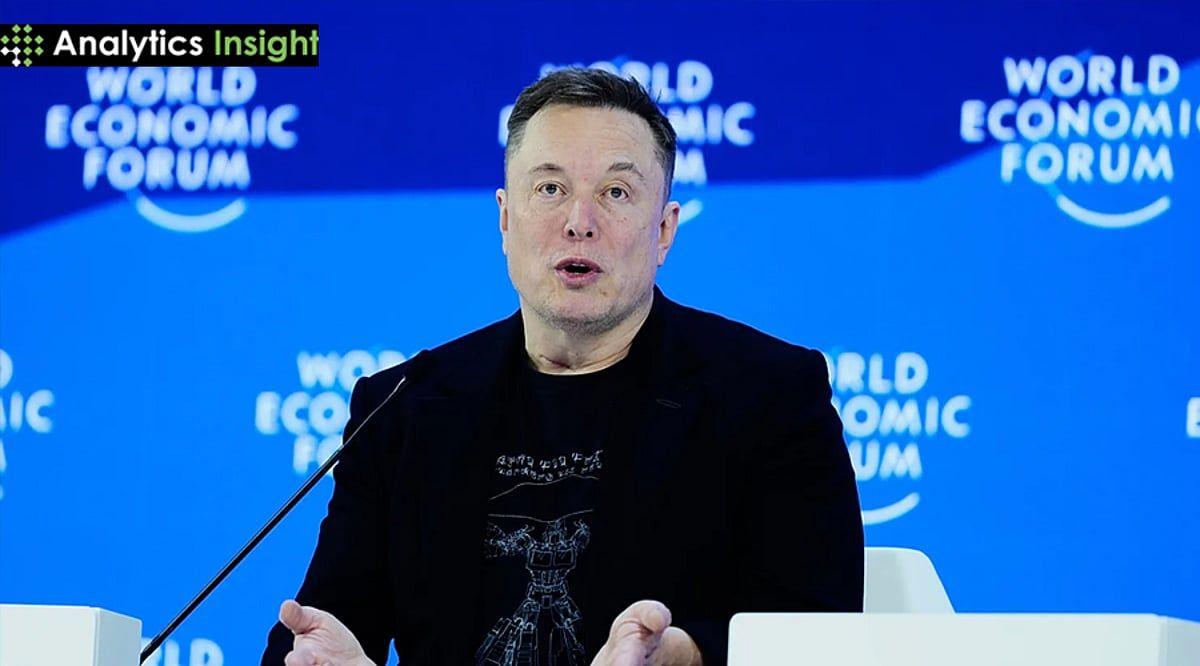
Source: Analytics Insight
Five major banks and law firms are expected to work on the offering: Bank of America, Citigroup, Goldman Sachs, JPMorgan Chase, and Morgan Stanley, along with law firms Gibson Dunn and Davis Polk
3
. Musk also asked the banks to advertise on X, his social media platform owned by SpaceX, though he was less adamant about that request1
.The SpaceX IPO has boosted its target IPO valuation above $2 trillion, according to Bloomberg, a significant increase from the $1.25 trillion valuation reported during the SpaceX and xAI merger two months ago
1
. The company aims to raise a record $75 billion, dwarfing previous mega-IPOs such as Saudi Aramco in 2019 and Alibaba in 20143
.
Source: PYMNTS
For Wall Street, the stakes are enormous. The underwriters could generate fees exceeding $500 million for advising on the deal, creating fierce competition among investment banking divisions
5
. After several years with few significant public offerings coming to market, banks have been eager for a blockbuster deal of this magnitude4
.The mandatory Grok subscriptions represent a strategic win for xAI, which merged with SpaceX in February 2025. Grok currently trails behind competitors like OpenAI's ChatGPT, Anthropic's Claude, and Google's Gemini in the chatbot market
5
. In its most recent financial report to investors ahead of the SpaceX merger, xAI reported roughly $1 billion in revenue from its artificial intelligence operations, though it didn't specify how much came from consumers versus business customers5
.Source: Ars Technica
The bank contracts will significantly boost the enterprise revenue side of Grok's business, which has primarily generated income from individual users rather than corporate clients
5
. This cross-promotion strategy demonstrates Musk's ability to leverage one venture to drive commercial momentum for another.Related Stories
While investment banking has long involved mutual back-scratching and companies expecting prospective advisers to show commitment through procurement relationships, the reported success of Musk's approach stands out
2
. Moving large bureaucratic banks with multiple layers of procurement protocols to subscribe to a product that is not yet a market leader requires extraordinary influence2
.The Financial Times noted that in most large financial institutions, procurement decisions occur far from the investment banking division, with IT system decisions made by teams focused on cost control and operational stability rather than revenue origination
2
. The fact that banks are committing tens of millions to IT systems integration for Grok suggests accommodations that go well beyond typical give-and-take2
.Underpinning the IPO is Starlink, SpaceX's satellite internet service and the company's crown jewel, which generates billions of dollars in free cash flow from operations
5
. Financial documents show Starlink recorded approximately $8 billion in revenue in 20244
. SpaceX has filed confidential IPO paperwork with the Securities and Exchange Commission, though it left the names of banks off the filing5
. Negotiations continue over which bank will secure the lead role, a position carrying both prestige and the largest share of IPO fees5
.Summarized by
Navi
02 Apr 2026•Business and Economy

21 Jan 2026•Business and Economy

22 Apr 2026•Business and Economy

1
Technology

2
Science and Research

3
Technology