Qualcomm and Wayve partner to accelerate AI-powered self-driving system for automakers


3 Sources
3 Sources
[1]
Qualcomm, Wayve partner to accelerate AI-powered self-driving system rollout
March 10 (Reuters) - Qualcomm (QCOM.O), opens new tab and British self-driving startup Wayve said on Tuesday they are collaborating on an integrated artificial intelligence system to help automakers rapidly deploy advanced driver-assistance and automated driving features. The tie-up combines Wayve's "AI Driver" software with Qualcomm's Snapdragon Ride automotive chips and active safety software, creating a platform for carmakers to use across models ranging from entry-level systems to advanced automated driving capabilities. Chipmakers and software developers are racing to supply the technology for future vehicles, as automakers seek systems to accelerate the rollout of increasingly automated driving features. The companies said the integrated system aims to reduce the complexity automakers face when stitching together chips, safety systems and AI software from multiple suppliers, and will support features from hands-off assistance to advanced "eyes-off" driving functions as regulations allow. The combined system is designed to scale across vehicle tiers and geographic markets, allowing carmakers to standardize underlying technology, the companies added. Nvidia-backed (NVDA.O), opens new tab Wayve develops an AI model using real-world driving data, enabling vehicles to learn driving behavior and adapt to different road conditions and regions without extensive rule-based programming. Qualcomm, which has been expanding beyond smartphones, said its Snapdragon Ride platform provides the high-performance, energy-efficient processing for advanced AI systems in vehicles while meeting safety standards. Automakers have shown growing interest in systems that can shorten development cycles and allow software updates to expand capabilities over a vehicle's lifetime, the companies said. Wayve, founded in 2017, is part of a new wave of AI-focused autonomous driving developers pursuing software-centric approaches that rely on machine learning rather than heavily map-dependent systems. The startup raised $1.2 billion last month, valuing the company at $8.6 billion from investors including Mercedes-Benz (MBGn.DE), opens new tab, Nvidia, Nissan (7201.T), opens new tab and Uber (UBER.N), opens new tab. Reporting by Akash Sriram in Bengaluru and Stephen Nellis in San Francisco; Editing by Vijay Kishore Our Standards: The Thomson Reuters Trust Principles., opens new tab
[2]
Qualcomm, Wayve partner to accelerate AI-powered self-driving system rollout
Qualcomm and Wayve will together partner to build an integrated system, which will help carmakers quickly introduce driver assistance and automated driving features. It aims to simplify development and support various driving functions as regulations allow. Qualcomm and British self-driving startup Wayve said on Tuesday they are collaborating on an integrated artificial intelligence system to help automakers rapidly deploy advanced driver-assistance and automated driving features. The tie-up combines Wayve's "AI Driver" software with Qualcomm's Snapdragon Ride automotive chips and active safety software, creating a platform for carmakers to use across models ranging from entry-level systems to advanced automated driving capabilities. Chipmakers and software developers are racing to supply the technology for future vehicles, as automakers seek systems to accelerate the rollout of increasingly automated driving features. The companies said the integrated system aims to reduce the complexity automakers face when stitching together chips, safety systems and AI software from multiple suppliers, and will support features from hands-off assistance to advanced "eyes-off" driving functions as regulations allow. The combined system is designed to scale across vehicle tiers and geographic markets, allowing carmakers to standardize underlying technology, the companies added. Nvidia-backed Wayve develops an AI model using real-world driving data, enabling vehicles to learn driving behavior and adapt to different road conditions and regions without extensive rule-based programming. Qualcomm, which has been expanding beyond smartphones, said its Snapdragon Ride platform provides the high-performance, energy-efficient processing for advanced AI systems in vehicles while meeting safety standards. Automakers have shown growing interest in systems that can shorten development cycles and allow software updates to expand capabilities over a vehicle's lifetime, the companies said. Wayve, founded in 2017, is part of a new wave of AI-focused autonomous driving developers pursuing software-centric approaches that rely on machine learning rather than heavily map-dependent systems. The startup raised $1.2 billion last month, valuing the company at $8.6 billion from investors including Mercedes-Benz , Nvidia, Nissan and Uber.
[3]
Qualcomm, Wayve partner to accelerate AI-powered self-driving system rollout
March 10 (Reuters) - Qualcomm and British self-driving startup Wayve said on Tuesday they are collaborating on an integrated artificial intelligence system to help automakers rapidly deploy advanced driver-assistance and automated driving features. The tie-up combines Wayve's "AI Driver" software with Qualcomm's Snapdragon Ride automotive chips and active safety software, creating a platform for carmakers to use across models ranging from entry-level systems to advanced automated driving capabilities. Chipmakers and software developers are racing to supply the technology for future vehicles, as automakers seek systems to accelerate the rollout of increasingly automated driving features. The companies said the integrated system aims to reduce the complexity automakers face when stitching together chips, safety systems and AI software from multiple suppliers, and will support features from hands-off assistance to advanced "eyes-off" driving functions as regulations allow. The combined system is designed to scale across vehicle tiers and geographic markets, allowing carmakers to standardize underlying technology, the companies added. Nvidia-backed Wayve develops an AI model using real-world driving data, enabling vehicles to learn driving behavior and adapt to different road conditions and regions without extensive rule-based programming. Qualcomm, which has been expanding beyond smartphones, said its Snapdragon Ride platform provides the high-performance, energy-efficient processing for advanced AI systems in vehicles while meeting safety standards. Automakers have shown growing interest in systems that can shorten development cycles and allow software updates to expand capabilities over a vehicle's lifetime, the companies said. Wayve, founded in 2017, is part of a new wave of AI-focused autonomous driving developers pursuing software-centric approaches that rely on machine learning rather than heavily map-dependent systems. The startup raised $1.2 billion last month, valuing the company at $8.6 billion from investors including Mercedes-Benz, Nvidia, Nissan and Uber. (Reporting by Akash Sriram in Bengaluru and Stephen Nellis in San Francisco; Editing by Vijay Kishore)
Share
Share
Copy Link
Qualcomm and British self-driving startup Wayve announced a collaboration to build an integrated AI system that helps automakers rapidly deploy advanced driver-assistance and automated driving features. The partnership combines Wayve's AI Driver software with Qualcomm's Snapdragon Ride automotive chips, aiming to simplify development and reduce complexity for carmakers seeking to accelerate autonomous vehicle technology rollout.
Qualcomm and Wayve Join Forces on Integrated Self-Driving System
Qualcomm and Wayve announced a strategic collaboration to accelerate the AI-powered self-driving system rollout for automakers worldwide. The partnership merges the British startup's AI Driver software with Qualcomm's Snapdragon Ride automotive chips and active safety software, creating a unified platform designed to help carmakers rapidly deploy advanced driver-assistance and automated driving features across their vehicle lineups
1
. This integrated approach addresses a critical pain point in the automotive industry, where manufacturers have struggled with stitching together chips, safety systems, and AI software from multiple suppliers.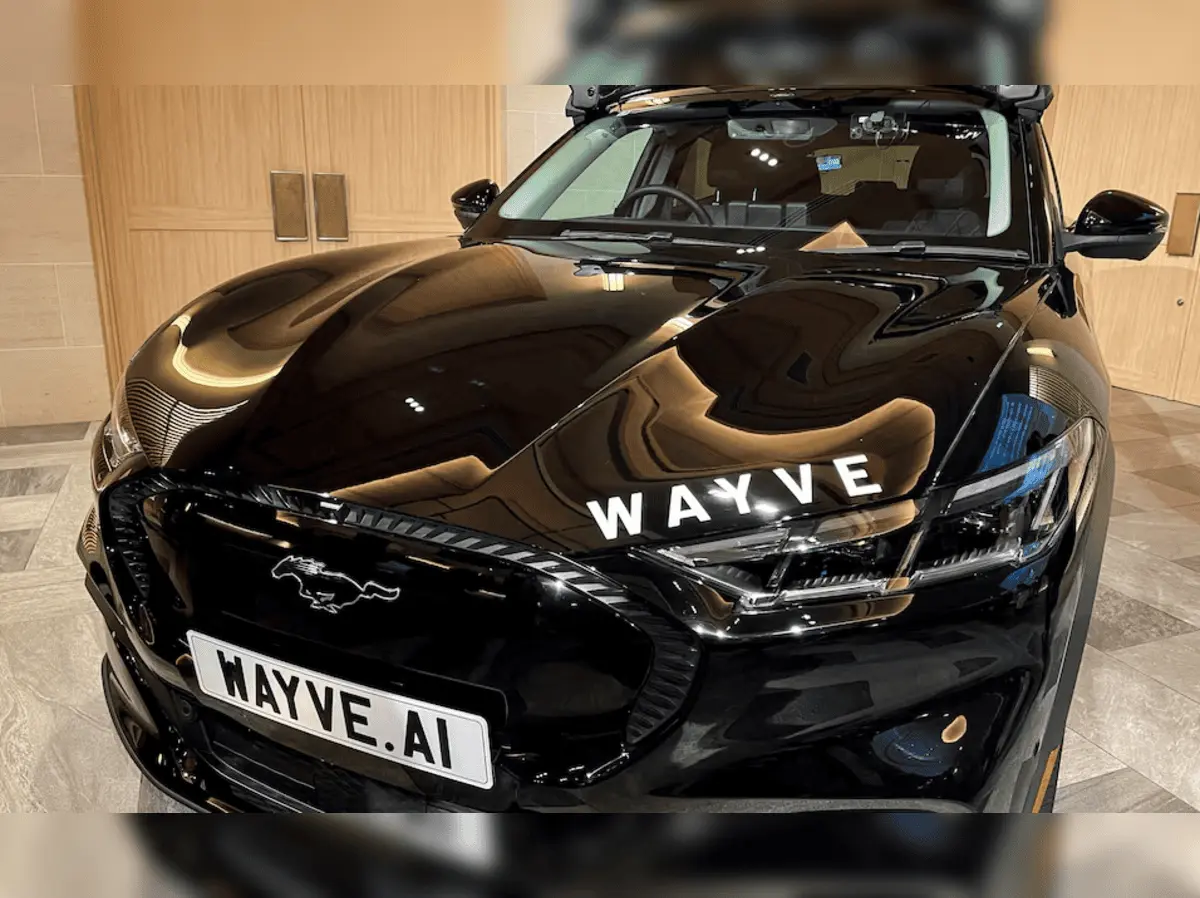
Source: ET
Simplifying Complexity for Automakers
The combined system aims to reduce the complexity automakers face when developing autonomous vehicles by offering scalable solutions that work across vehicle tiers and geographic markets. The platform supports a range of capabilities, from hands-off assistance to advanced eyes-off driving functions as regulations allow
2
. By standardizing underlying technology, carmakers can shorten development cycles and deploy software updates that expand capabilities over a vehicle's lifetime. This flexibility is particularly valuable as the industry races to meet growing consumer demand for increasingly sophisticated driving features while navigating varying regulatory environments across different regions.Machine Learning Meets Energy-Efficient Processing
Wayve, founded in 2017 and backed by Nvidia, develops AI models using real-world driving data, enabling autonomous vehicles to learn driving behavior and adapt to different road conditions and regions without extensive rule-based programming
3
. This machine learning approach represents a shift from heavily map-dependent systems to more flexible, software-centric solutions. Qualcomm's Snapdragon Ride platform complements this by providing high-performance, energy-efficient processing for advanced AI systems in vehicles while meeting safety standards1
. The chipmaker, which has been expanding beyond smartphones, brings proven expertise in scalable platform development to the partnership.Related Stories

Strong Backing and Market Implications
Wayve raised $1.2 billion last month, valuing the company at $8.6 billion from investors including Mercedes-Benz, Nvidia, Nissan, and Uber
1
. This substantial funding round signals strong industry confidence in the British startup's approach to autonomous driving technology. The partnership with Qualcomm positions both companies to compete more effectively as chipmakers and software developers race to supply technology for future vehicles. For automakers, this collaboration offers a potential pathway to faster deployment of automated driving features while maintaining flexibility across different markets and regulatory frameworks. Watch for announcements about which carmakers will be the first to adopt this integrated system, as early adopters could gain significant competitive advantages in bringing advanced autonomous features to market.References
Summarized by

Navi
[3]
Related Stories
Qualcomm and Google Partner to Revolutionize In-Car AI Experiences
23 Oct 2024•Technology

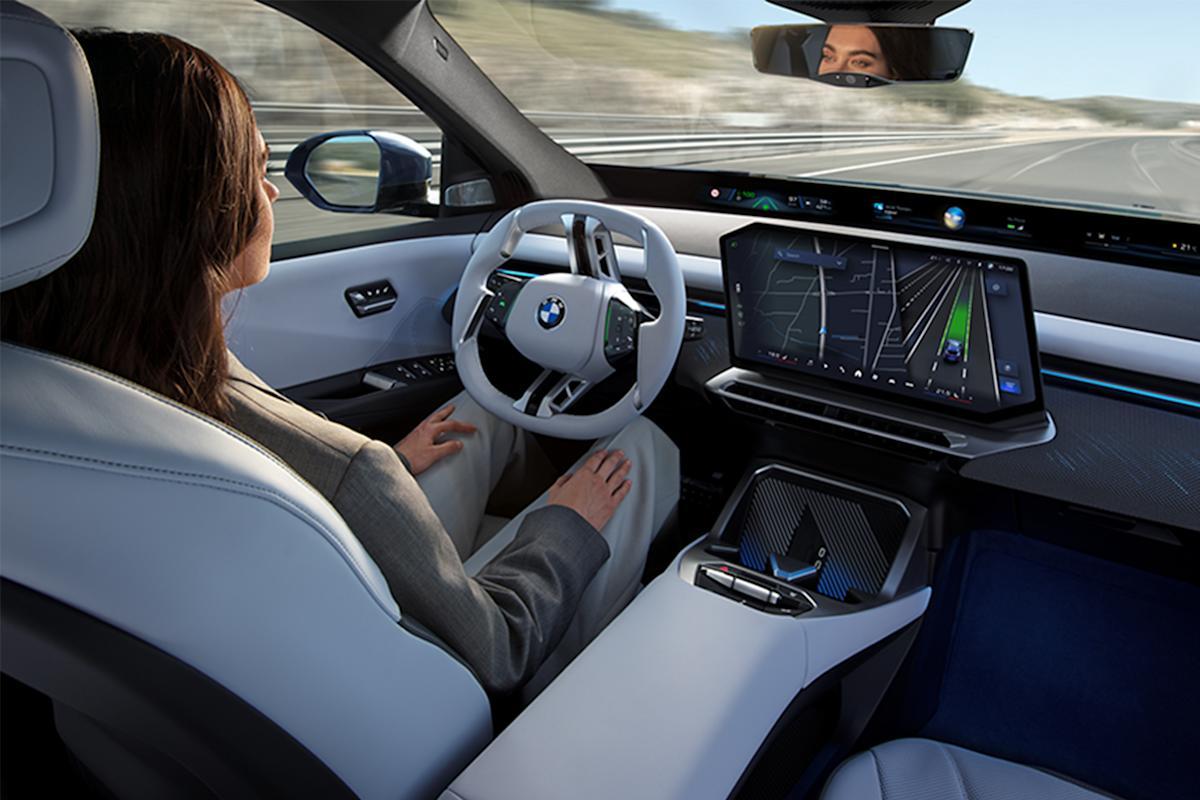
Qualcomm and BMW Unveil Groundbreaking Automated Driving System: Snapdragon Ride Pilot
06 Sept 2025•Technology
Nvidia Eyes $500M Investment in UK Self-Driving Startup Wayve, Boosting AI Ecosystem
19 Sept 2025•Technology

Recent Highlights
1
AI chatbots validate you too much, making you less kind to others, Stanford study reveals
Science and Research

2
Anthropic's Claude Code Source Leak Reveals Hidden AI Agent Plans and Extensive System Access
Technology

3
Judge blocks Pentagon from branding Anthropic a security risk over AI safety guardrails dispute
Policy and Regulation

Recent Highlights
Today's Top Stories











Your Daily Dose of Curated AI News
Don’t drown in AI news. We cut through the noise - filtering, ranking and summarizing the most important AI news, breakthroughs and research daily. Spend less time searching for the latest in AI and get straight to action.

