Samsung Galaxy wearables will detect early signs of dementia using AI-powered brain health monitoring


2 Sources
2 Sources
[1]
Samsung says Galaxy wearables could soon help detect early signs of dementia
Samsung also wants to use AI across its devices to offer better health coaching, improved sleep guidance, exercise tips, and more. Samsung just concluded its First Look event at CES 2026, announcing a number of new products, including a gigantic 130-inch Micro RGB TV. However, the impressive new display wasn't the only takeaway from the keynote. The company also announced that it's taking health tech on its wearables in a whole new direction. Discussing what's next for the Galaxy Watch and Galaxy Ring, Samsung's Vice President and Head of Digital Health, Praveen Raja, stated that the company is developing new tools to identify early signs of mental decline, including dementia, by utilizing data from its wearables and other connected devices. Samsung says that in the future, devices like the Galaxy Watch and Galaxy Ring will look for things like slurred speech while using Bixby, slower movement, or changes in how people interact with other home devices. The goal isn't to diagnose anyone, but to give users and families early warnings about mental decline so they can seek medical help sooner. Samsung also sees AI playing a bigger role across all its products. It says that phones, wearables, appliances, and more could eventually help prevent health problems before they happen. The company is also exploring features such as more personalized exercise and sleep coaching based on data from connected devices, as well as suggestions for reducing the risk of major chronic diseases. In short, Samsung wants its wearables to go beyond traditional health tracking and act more like preventive healthcare devices. The company didn't share more details on when these new features will roll out, but said they will be available in beta in select markets.
[2]
Samsung's Galaxy Watch and Ring will soon flag early signs of dementia
Samsung's latest wearable software won't diagnose dementia, but it might catch early cognitive changes first, giving you and your doctor a valuable head start in tracking brain health. At the CES 2026, Samsung's Vice President and Head of Digital Health, Praveen Raja, announced that the company is working on a new set of AI-powered tools to monitor cognitive function and identify the early signs of dementia in users (via official newsroom post). The feature should be available for the newer Galaxy Watch and Galaxy Ring models in the near future. It will work by analyzing users' everyday behavior, including changes in speech patterns (including how someone interacts with the on-device AI assistant), movement, and walking cadence, and even how one uses the smart devices in their house. From fitness tracking to brain health monitoring Basically, the smartwatch and smart ring (with all their sensors) should be able to detect subtle changes in how users speak, move, and interact with the smart devices around them over time and identify early signs of cognitive decline. However, Samsung remains very careful to note that it won't be a medical diagnostic tool at launch. Recommended Videos Instead, it will alert users and families to potential signs of mental decline, suggesting they consult a medical professional for further guidance. The technology relies heavily on artificial intelligence: it gathers and processes data from a bunch of sensors on the health-monitoring devices, processes them on the devices (comparing real-time data to baseline metrics), and informs users of any disparities. The cognitive monitoring feature marks a major shift in how consumer wearables can help users track their mental health (in addition to their physical health). Until now, smartwatches have primarily focused on physical metrics like steps, calories, and heart rate. But Samsung's cognitive monitoring feature aims to change that. Globally, dementia affects millions of people, and earlier detection could seriously help curb the symptoms or take preventive measures in time to either slow its progression or improve the quality of life through timely medication and lifestyle changes. Even though clinical validation and medical integration remain a question at this point, the feature sounds promising. While Samsung hasn't confirmed the availability of the cognitive monitoring feature, it should be available as a beta (for testing) in select markets around the globe. If successful, Samsung's cognitive monitoring feature could quietly change what we expect from health-tracking wearables, helping them evolve from fitness trackers to an early warning system for brain health. Most recently, a Samsung Health update added smarter snoring detection to Galaxy Watches.
Share
Share
Copy Link
Samsung announced at CES 2026 that its Galaxy Watch and Galaxy Ring will soon monitor cognitive function to identify early signs of dementia. The AI-powered features will analyze speech patterns, movement, and smart device interactions to alert users about potential mental decline, marking a shift from fitness tracking to preventive healthcare.
Samsung Shifts Galaxy Wearables Toward Brain Health Monitoring
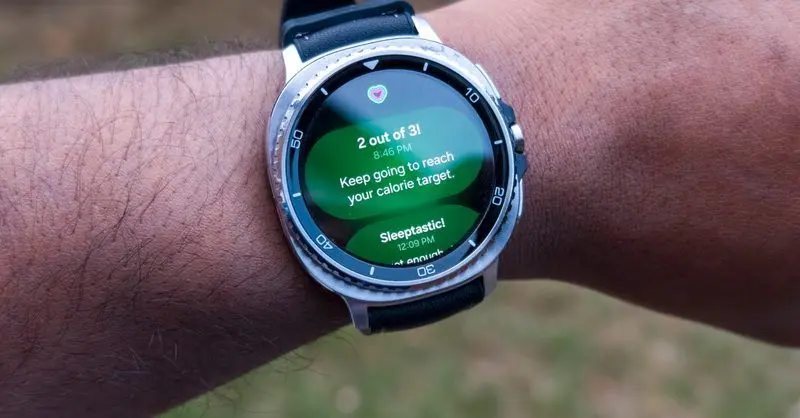
Samsung revealed at CES 2026 that its Galaxy wearables will soon move beyond traditional fitness tracking to detect early signs of dementia. Praveen Raja, Samsung's Vice President and Head of Digital Health, announced the company is developing AI-powered features that analyze everyday behavior to identify cognitive changes in users
1
2
. The Galaxy Watch and Galaxy Ring will monitor speech patterns, including interactions with Bixby, movement cadence, and smart device interactions to flag potential mental decline1
.
Source: Digital Trends
This marks a significant expansion of wearable capabilities, transforming consumer devices into tools for preventive healthcare rather than simple health tracking gadgets. Samsung emphasized that these features won't diagnose medical conditions but will provide early warnings, prompting users and families to seek professional medical guidance sooner
2
.How AI Powers Cognitive Function Detection
The technology relies on AI to gather and process data from multiple sensors embedded in Samsung Health devices. These sensors detect subtle changes in how users speak, move, and interact with connected home devices over time
2
. The system compares real-time data against baseline metrics, processing information directly on the devices to identify disparities that might indicate cognitive decline. Samsung will look for indicators like slurred speech during voice assistant use, slower movement patterns, and altered behaviors when engaging with other smart home products1
.
Source: Android Authority
This approach to mental health monitoring represents a fundamental shift in how wearables serve users. Where smartwatches previously focused on physical metrics like steps, calories, and heart rate, Samsung now aims to create an early warning system for brain health
2
. The company believes AI will play a bigger role across all its products, with phones, wearables, and appliances working together to prevent health problems before they escalate1
.Related Stories

Broader Vision for Preventive Healthcare Devices
Samsung is exploring additional features beyond dementia detection, including personalized health coaching, improved sleep guidance, and exercise tips based on data from connected devices
1
. The company also plans to offer suggestions for reducing the risk of major chronic diseases, positioning its ecosystem as a comprehensive health management platform. This holistic approach could help millions globally, as dementia affects vast populations and earlier detection enables timely medication and lifestyle changes that may slow progression or improve quality of life2
.Samsung hasn't confirmed specific rollout dates but stated these features will launch in beta testing across select markets
1
2
. Questions remain about clinical validation and medical integration, but the announcement signals Samsung's intent to redefine what consumers expect from health-tracking wearables. If successful, this cognitive monitoring feature could establish a new standard for how technology supports aging populations and their families, offering valuable head starts in tracking brain health before symptoms become severe.References
Summarized by

Navi
[1]
[2]
Related Stories
Samsung Partners with Stanford to Enhance Galaxy Watch's Sleep Apnea Features Using AI
10 Apr 2025•Health

Samsung Explores AI-Powered Wearables: From Smart Earrings to Necklaces
12 Jul 2025•Technology
Samsung Health to Introduce AI-Powered Assistant for Personalized Fitness Guidance
17 Sept 2025•Technology

Recent Highlights



Recent Highlights
Today's Top Stories







Your Daily Dose of Curated AI News
Don’t drown in AI news. We cut through the noise - filtering, ranking and summarizing the most important AI news, breakthroughs and research daily. Spend less time searching for the latest in AI and get straight to action.

