Satya Nadella enters founder mode as Microsoft races to maintain AI dominance amid rising competition


3 Sources
3 Sources
[1]
Microsoft CEO Injects 'Sense of Urgency' Into AI Efforts | PYMNTS.com
As the Financial Times (FT) reported Tuesday (Dec. 30), those changes include an overhaul of Microsoft's senior leadership as Satya Nadella looks to keep the company ahead in the AI race following the restructuring of its partnership with OpenAI. The chief executive is reacting to increased competition in the AI space and looking to accelerate progress on developing Microsoft's AI models and coding tools and applications, more than half a dozen current and former Microsoft executives told the FT. "Satya is in 'founder mode'," said Dee Templeton, deputy chief technology officer at Microsoft, a reference to the hands-on leadership style coined by tech investor Paul Graham. Sources close to Nadella say he is also focused on the increasing competition from Amazon and Google as those companies make advances in infrastructure and model development. The report notes that while Microsoft 365's AI assistant Copilot has topped 150 million monthly active users, that's still short of the numbers enjoyed by Google (650 million) and OpenAI (800 million) for their chatbots. "Satya is trying to demonstrate a sense of urgency," said one Microsoft executive. "The goal is to get out of some of the structures that exist and make the route to him easier." The FT adds that Microsoft achieved an early edge in AI thanks to its multi-billion dollar investment in OpenAI, getting access to that company's technology and data center contracts. However, Microsoft will lose access to OpenAI's research and has given up exclusivity over its data center needs under the new deal struck with OpenAI in October. The report follows a similar story by The Information last week which said Nadella was unhappy with the company's progress on Copilot and had begun taking a more hands-on approach. In other artificial intelligence news, PYMNTS recently looked back on the year in agentic AI, pointing to PYMNTS Intelligence research showing that in May, 85% of chief financial officers surveyed said they had no plans to implement agentic AI. But by July, newer findings showed agentic AI moving from discussions to testing at a small but increasing number of companies, with strict guardrails around scope and authority. "That pattern now defines the early playbook for banks and payment providers," PYMNTS wrote. "Agents are being deployed into money-adjacent workflows, such as exceptions handling, invoice matching, collections support and dispute triage, where errors are visible and reversible. Institutions that can safely orchestrate these use cases and align controls to client readiness are moving first."
[2]
The AI Evangelist: Satya Nadella's High-Stakes Transformation of Microsoft
How Satya Nadella Is Betting Microsoft's Future on Artificial Intelligence In the boardrooms and hallways of Microsoft's Redmond headquarters, a new mantra has taken hold: adapt to the AI revolution or step aside. Satya Nadella is pushing his executives with intensity and urgency, demanding that his leadership team either embrace the grueling pace of artificial intelligence development or consider their future elsewhere. For a CEO known for his empathetic leadership style, this represents a dramatic shift, one that reveals just how seriously Nadella views the stakes of the AI race. Since becoming CEO in 2014, Nadella has orchestrated one of the most remarkable corporate transformations in tech history, growing Microsoft's market value tenfold to over $3 trillion. Yet despite this success, he carries the scars of Microsoft's past failures, the missed opportunities in mobile phones, tablets, and web browsers that allowed competitors to surge ahead. He knows from experience that when a paradigm shifts, companies without relevant contributions lose their right to exist. That historical awareness drives Nadella's current all-in bet on AI. Over five years, he has committed $13 billion to OpenAI, the company behind ChatGPT, even before it turned profitable. He absorbed most of Inflection AI's staff in a $650 million deal, entrusting cofounder Mustafa Suleyman with billions of dollars of Microsoft's business. These aren't cautious hedges; they're bold wagers from a leader who understands that hesitation in technology's inflection points can prove fatal. The intensity of Nadella's AI push has reshaped Microsoft's internal culture. He recently created a new CEO of Commercial Business position, appointing Judson Althoff to the role, allowing himself to concentrate exclusively on what he calls the company's highest ambition, technical work. In internal memos, he's direct about expectations, telling teams they must rapidly learn new skills and adopt new working methods. Some veteran executives now face a stark choice: embrace the relentless pace or leave. This urgency extends beyond mere executive pressure. Nadella launched weekly AI accelerator meetings and dedicated Teams channels, where junior technical fellows, not traditional executives, are encouraged to share innovative ideas. Capital expenditures have surged, with the company spending $14 billion in early 2024 alone on GPUs and data centers, and costs expected to keep rising through 2025.
[3]
After OpenAI's code red, Microsoft CEO Satya Nadella enters into founder mode to beat AI rivals
The tech giant hired Jay Parikh, the former head of engineering at Meta, and also promoted some senior executives. OpenAI recently went into a code red mode after Google released Gemini 3. Now, it seems like the pressure is being felt across the tech industry, especially at Microsoft. As competition in AI grows, Microsoft CEO Satya Nadella has stepped into what is described as "founder mode" to make sure the company stays ahead. Over the past year, Nadella has reshaped Microsoft's top leadership team. The tech giant hired Jay Parikh, the former head of engineering at Meta. Nadella also promoted some senior executives, such as commercial chief Judson Althoff and LinkedIn chief executive Ryan Roslansky, whose platform is owned by Microsoft. Also read: Oppo Find X9s leaks: Launch timeline, camera, battery, processor and other details Current and former Microsoft executives say these decisions show Nadella's desire to move faster, reports Firstpost. The goal is to improve AI-powered software and strengthen coding tools. Companies like Amazon and Google, once seen as behind in AI, have made significant advances in infrastructure and model development. "Satya is in 'founder mode'," said Dee Templeton, Microsoft's deputy chief technology officer, using a term popularised by Silicon Valley investor Paul Graham to describe a more hands-on leadership approach. Also read: Realme 16 Pro series India launch set for next week: Expected specs and price Microsoft's early AI advantage came from its $14bn investment in OpenAI, which gave it access to ChatGPT's technology and priority use of powerful data centres. That partnership helped Microsoft move quickly while others were still experimenting. However, the relationship is changing. After a restructuring of the partnership with OpenAI in October, Microsoft gave up exclusive rights to host OpenAI's data centre needs. In the longer term, the company is also expected to lose exclusive access to OpenAI's research and models in the early 2030s.
Share
Share
Copy Link
Microsoft CEO Satya Nadella has shifted to a hands-on 'founder mode' leadership style, overhauling senior leadership and demanding urgency from executives as the company faces intensifying AI competition from Google and Amazon. With Copilot at 150 million users versus OpenAI's 800 million, Nadella is restructuring to accelerate progress on AI models and tools following changes to the OpenAI partnership.
Satya Nadella Adopts Founder Mode Leadership Style to Drive Microsoft Forward
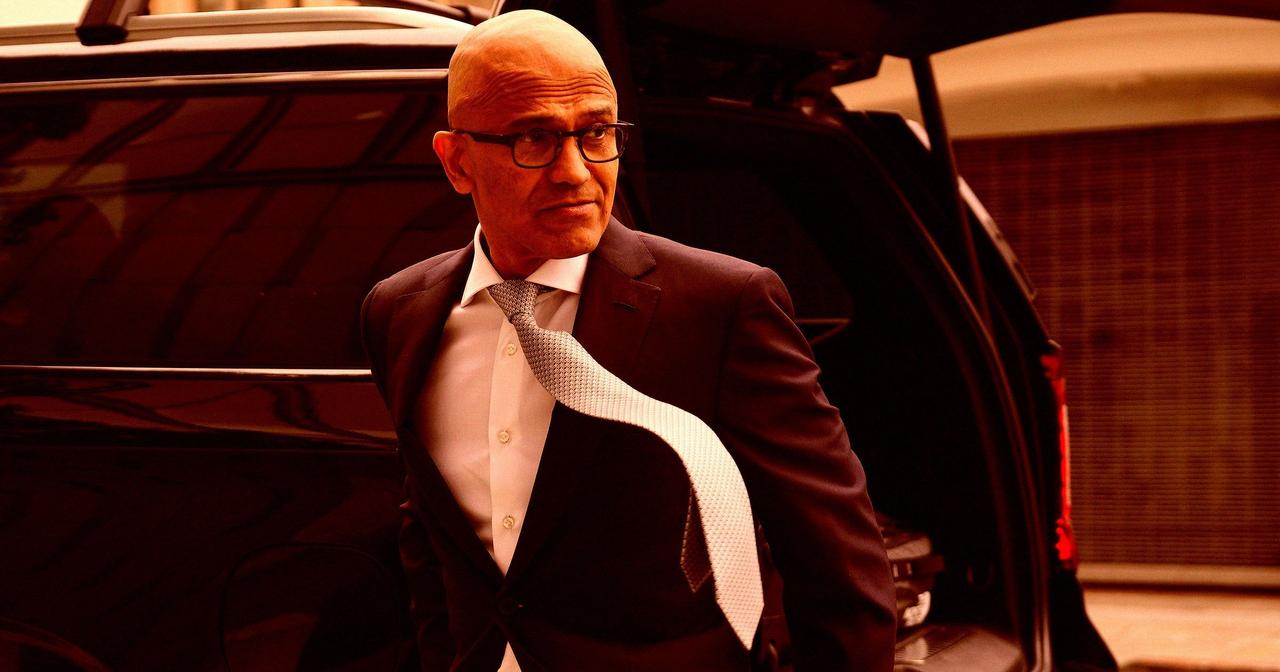
Satya Nadella is pushing Microsoft into high gear with what insiders call a founder mode leadership style, demanding that executives either match the intense pace of AI development or reconsider their positions
1
. The shift represents a dramatic departure for a CEO known for empathetic management, but the stakes have never been higher. "Satya is in 'founder mode'," said Dee Templeton, deputy chief technology officer at Microsoft, referencing the hands-on approach coined by tech investor Paul Graham3
. This high-stakes transformation comes as Microsoft faces mounting pressure from rivals who have closed the gap in AI infrastructure and model development.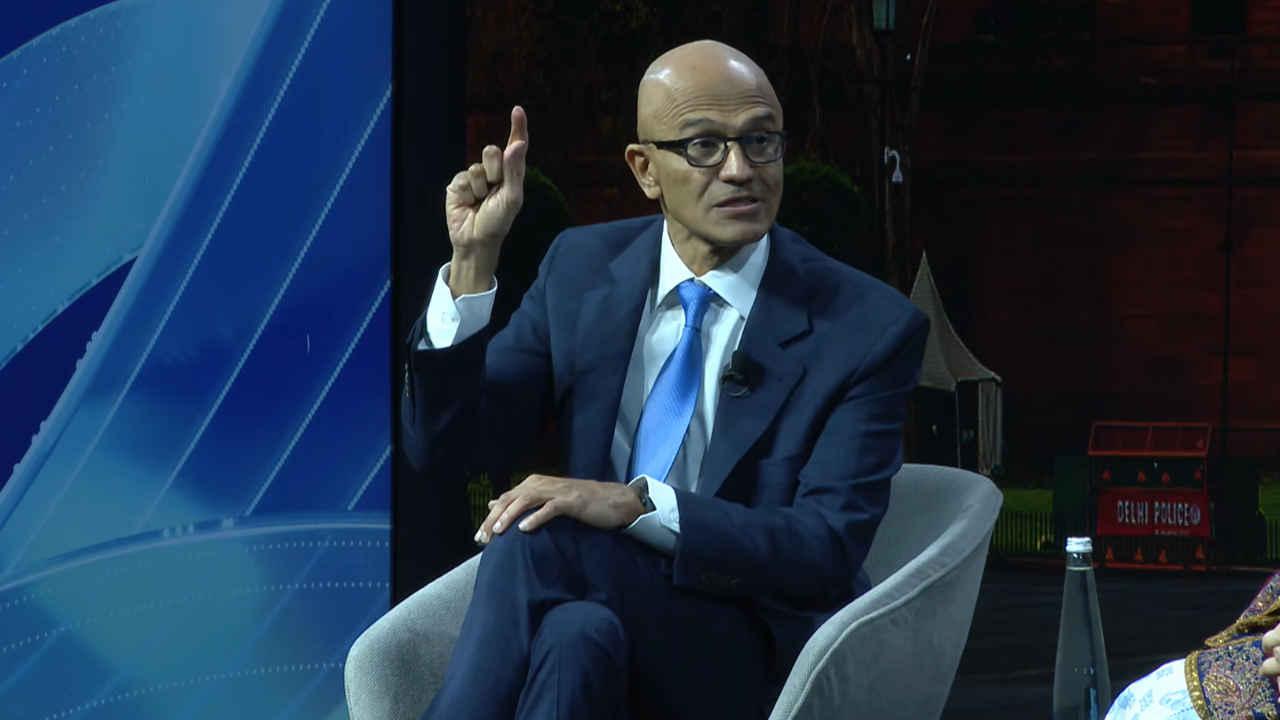
Source: Digit
Senior Leadership Overhaul Signals Urgency in AI Competition
The urgency driving Nadella's actions has manifested in a sweeping senior leadership overhaul designed to accelerate AI efforts across the organization. Microsoft hired Jay Parikh, former head of engineering at Meta, and promoted key executives including commercial chief Judson Althoff to a new CEO of Commercial Business position and LinkedIn chief executive Ryan Roslansky
3
. These moves allow Nadella to concentrate exclusively on technical work and the company's highest ambitions2
. "Satya is trying to demonstrate a sense of urgency," said one Microsoft executive. "The goal is to get out of some of the structures that exist and make the route to him easier"1
. Nadella has launched weekly AI accelerator meetings and dedicated Teams channels where junior technical fellows are encouraged to share innovative ideas, bypassing traditional hierarchies.
Source: PYMNTS
Partnership with OpenAI Restructures as Competition Intensifies
Microsoft's early advantage in AI stemmed from its $13 billion investment in OpenAI over five years, securing access to ChatGPT technology and priority data centers contracts
2
. However, the partnership with OpenAI underwent significant restructuring in October, with Microsoft giving up exclusive rights to host OpenAI's data center needs3
. The company will also lose access to OpenAI's research in the early 2030s1
. This shift comes as OpenAI entered code red mode following Google's release of Gemini 3, creating ripple effects throughout the industry3
. The pressure has intensified as companies like Amazon and Google make significant advances in AI infrastructure, challenging Microsoft's position.Related Stories
Developing AI Models and Tools Amid User Gap with Rivals
While Microsoft 365's AI assistant Copilot has reached 150 million monthly active users, that figure falls short of Google's 650 million and OpenAI's 800 million for their chatbots
1
. This gap has driven Nadella's focus on developing AI models and tools more rapidly. Capital expenditures surged to $14 billion in early 2024 alone on GPUs and data centers, with costs expected to continue rising through 20252
. Nadella also absorbed most of Inflection AI's staff in a $650 million deal, entrusting cofounder Mustafa Suleyman with billions of dollars of Microsoft's business2
. The moves reflect lessons from Microsoft's past failures in mobile phones, tablets, and web browsers, where hesitation allowed competitors to surge ahead. As agentic AI moves from discussion to testing at companies, with strict guardrails around scope and authority, Microsoft faces pressure to maintain relevance in money-adjacent workflows like exceptions handling and dispute triage1
.References
Summarized by

Navi
[2]
Related Stories
Microsoft's AI Strategy Shift: Embracing Diversity and Cost-Efficiency in the Face of New Competition
16 May 2025•Technology

Microsoft Positions Itself as AI Industry Leader at Annual Developer Conference
19 May 2025•Business and Economy
Microsoft and OpenAI: From Allies to Potential Rivals in the AI Race
29 Apr 2025•Business and Economy
Recent Highlights
1
Apple Plans Major Siri AI Overhaul in iOS 27 With Third-Party Chatbot Integration
Technology

2
OpenAI shuts down Sora after six months, ending Disney's $1 billion licensing partnership
Technology

3
AI chatbots validate you too much, making you less kind to others, Stanford study reveals
Science and Research

Recent Highlights
Today's Top Stories







Your Daily Dose of Curated AI News
Don’t drown in AI news. We cut through the noise - filtering, ranking and summarizing the most important AI news, breakthroughs and research daily. Spend less time searching for the latest in AI and get straight to action.

