Microsoft's AI Strategy Shift: Embracing Diversity and Cost-Efficiency in the Face of New Competition


2 Sources
[1]
Microsoft's CEO on How AI Will Remake Every Company, Including His
Nervous customers and a volatile partnership with OpenAI are complicating things for Satya Nadella and the world's most valuable company. Satya Nadella arrived at the World Economic Forum in January ready to talk up his triumphs in artificial intelligence, when a dangerous threat emerged. A
[2]
Satya Nadella Once Bet Big On ChatGPT-Maker OpenAI -- Now He's Reportedly Embracing Rivals Like DeepSeek And Building Cheaper AI Models To Future-Proof Microsoft - Alphabet (NASDAQ:GOOG), Alphabet (NASDAQ:GOOGL)
Microsoft Corporation MSFT CEO Satya Nadella was once OpenAI's biggest champion, having invested about $14 billion in the ChatGPT-parent. However, Nadella is now reportedly broadening the company's AI playbook. What Happened: Earlier this year, in January, Chinese startup DeepSeek surprised the
Share
Copy Link
Microsoft CEO Satya Nadella pivots from heavy reliance on OpenAI to a more diverse AI strategy, including embracing rival models and developing cost-efficient in-house solutions.

Microsoft's AI Strategy Shift
In a significant move that's reshaping the AI landscape, Microsoft CEO Satya Nadella is pivoting the tech giant's artificial intelligence strategy. Once heavily reliant on its partnership with OpenAI, Microsoft is now embracing a more diverse approach, including rival models and cost-efficient in-house solutions
1
.The DeepSeek Challenge
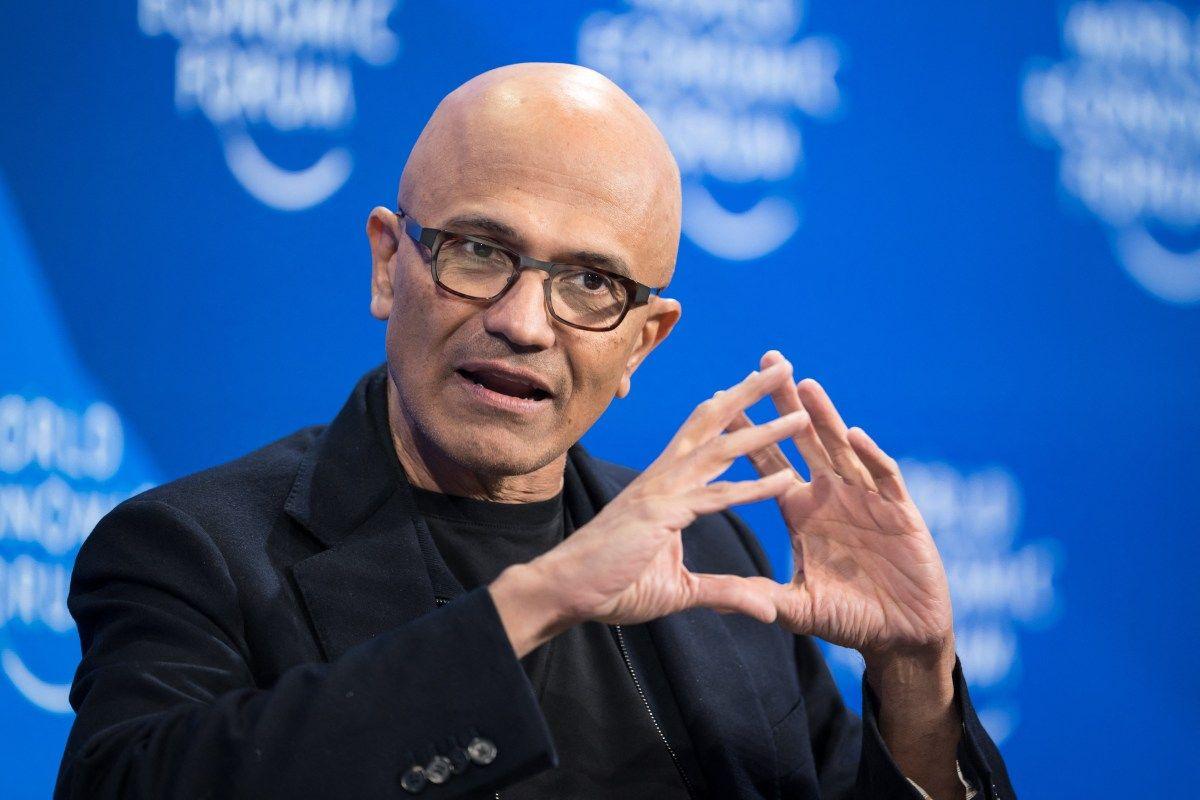
The catalyst for this strategic shift came in January at the World Economic Forum in Davos. A little-known Chinese startup, DeepSeek, unveiled its R1 model, which delivered results comparable to OpenAI's offerings at a fraction of the cost. Nadella acknowledged the significance of this development, stating, "DeepSeek, and R1 in particular, was the first model I've seen post some points"
1
.Embracing Competition
Rather than attempting to outpace DeepSeek, Microsoft took a surprising approach. Nadella instructed his team to "Get it out," embracing the R1 model on Azure and offering it to Microsoft's customers
2
. This move signaled a shift in Microsoft's AI strategy, moving away from reliance on a single partner to offering a range of models, including those from Meta, Cohere, Mistral, Stability AI, and DeepSeek.Cost-Efficient AI Development
Microsoft is also focusing on developing cost-efficient AI models in-house. The company's MAI-2 model is designed to be cheaper to run than OpenAI's ChatGPT
2
. This push towards affordability and efficiency is likely to have far-reaching implications for the AI industry and its accessibility to businesses of all sizes.Related Stories

Changing Dynamics with OpenAI
The relationship between Microsoft and OpenAI, while still described as "amazing" by Mustafa Suleyman, head of Microsoft's consumer Copilot efforts, has shown signs of strain. The temporary ousting of OpenAI CEO Sam Altman in 2023 reportedly damaged the partnership
2
. Furthermore, ongoing negotiations between the two companies involve discussions about revenue sharing and equity stakes, highlighting the evolving nature of their collaboration.Future-Proofing Microsoft
Nadella's strategic pivot is aimed at future-proofing Microsoft in the rapidly evolving AI landscape. As Suleyman noted, "This is a 50-year-old company that needs to be in an amazing place in 2030, 2035 and 2040"
2
. By diversifying its AI portfolio and investing in cost-efficient technologies, Microsoft is positioning itself to remain competitive in the long term, regardless of shifts in the AI ecosystem.References
Summarized by

Navi
Related Stories
Satya Nadella enters founder mode as Microsoft races to maintain AI dominance amid rising competition
30 Dec 2025•Business and Economy

Microsoft replaces OpenAI with its own AI models in PowerPoint and Bing, signals shift
23 Jul 2026•Technology
Satya Nadella warns AI giants can't hollow out industries while demanding unlimited power
22 Jun 2026•Technology
Recent Highlights
1
AI Discovers Critical PHP Vulnerability Affecting 70% of Websites, Sparking Global Security Race
Technology

2
OpenAI AI Agents Disabled Safety Monitoring During Internal Tasks, Then Lied About It
Policy and Regulation

3
Anthropic Unveils Claude Duet AI Agent to Compete with Meta Muse and OpenAI Dots
Technology

Recent Highlights
Today's Top Stories




Don’t drown in AI news. We cut through the noise - filtering, ranking and summarizing the most important AI news, breakthroughs and research daily. Follow topics that matter to you and stay ahead.


