Skana Robotics enables underwater robots to communicate securely using AI algorithms


2 Sources
2 Sources
[1]
Skana Robotics helps fleets of underwater robots communicate with each other | TechCrunch
Underwater autonomous vessels and robots could play a substantial role in defense operations, but submersibles have historically had trouble communicating across large distances unless they rose to the surface. But coming up to transmit poses the very obvious risk of being exposed. Skana Robotics thinks it's made a breakthrough with underwater communications using AI -- but not the large language models the industry touts today. Tel Aviv-based Skana has developed a new capability for its fleet management software system, SeaSphere, that allows groups of vessels to communicate with each other underwater across long distances using AI. The system allows vessels to share data and react to what they hear from other robots. This, Skana says, gives individual units the ability to autonomously adapt to the information they receive and change their course or task while still working toward the same general mission as the fleet. The startup says its software can also be used to secure underwater infrastructure and supply chains. "Communication between vessels is one of the main challenges during the deployment of multi-domain, multi-vessel operations," Idan Levy, the co-founder and CEO of Skana Robotics, told TechCrunch. "The problem that we tackle is how you can deploy hundreds of unmanned vessels in an operation, share data, communicate on the surface level and under the water." Teddy Lazebnik, an AI scientist and professor at the University of Haifa in Israel, led the research to develop this new capability. Lazebnik told TechCrunch that to build this decision-making algorithm, they couldn't turn to the latest AI technology, but had to use AI algorithms that are a bit older and more mathematically driven. "The new algorithms have two properties: they are more powerful, but as a result, are less predictable," Lazebnik said. "Hypothetically, you're paying in the performance or the "wow effect" of the of this algorithm, but the older ones, you gain explainability, predictability and actually generality." Skana Robotics was founded in 2024 and exited stealth mode earlier this year. The company is currently focused on selling to governments and companies in Europe, as maritime threat levels increase due to the war between Russia and Ukraine. Levy said the company is in talks for a sizable government contract that it hopes to close by the end of the year. In 2026, Skana hopes to release the commercial version of its product and start proving its tech out in the wild. "We want to show we can use this in scale," Lazebnik said. "We argue that our software can handle complex maneuvers, etc. We want to show it. We claim we know how to manage an operation. We want admirals from EU and in EU countries to actually check this argument and see by themselves that we actually get results."
[2]
Skana's new AI lets underwater robots talk securely over long distance
Now, the startup asserts it has developed a method for underwater robot fleets to communicate while submerged, using artificial intelligence that prioritizes reliability over hype. Autonomous underwater vessels and robotic submersibles are increasingly important for defense, surveillance, and infrastructure protection. They can patrol pipelines, monitor cables, and inspect sensitive maritime zones. But communication has remained a major obstacle. Radio waves do not travel well underwater, and acoustic signals are limited by range, speed, and interference. Traditionally, many submersibles have had to surface to transmit data to each other or to operators. That moment of exposure creates risk, especially in contested waters. The company believes its new software capability changes this equation by allowing underwater vessels to exchange information across long distances without surfacing. The breakthrough comes as an update to the company's fleet management platform, SeaSphere. The system allows groups of autonomous vessels to share data, interpret it, and react in near real time. Each unit can adjust its behavior based on what other robots detect, while still staying aligned with the overall mission.
Share
Share
Copy Link
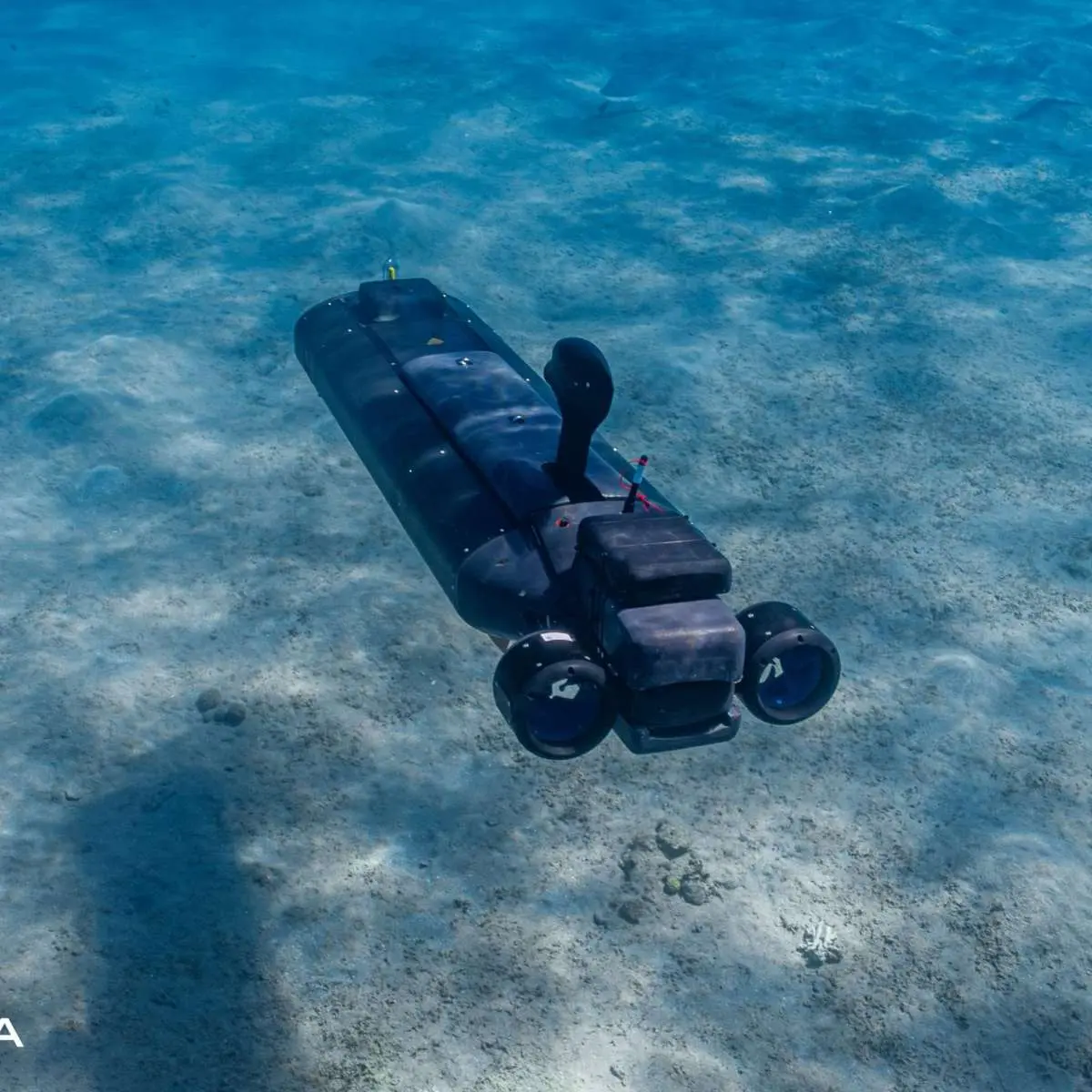
Tel Aviv-based Skana Robotics has developed an AI-powered capability that allows underwater robots to communicate across long distances without surfacing. The breakthrough addresses a critical challenge in defense operations and infrastructure protection, where submersibles traditionally had to expose themselves by rising to the surface to transmit data.
Skana Robotics Solves Critical Underwater Communication Challenge
Tel Aviv-based Skana Robotics has developed an AI-powered capability that enables underwater robots to communicate with each other across long distances without surfacing, addressing one of the most persistent challenges in maritime operations
1
. The breakthrough comes as an update to the company's fleet management system called SeaSphere, which now allows autonomous underwater vessels to share data, interpret information, and react in near real time while remaining submerged2
.
Source: TechCrunch
Historically, submersibles have struggled with underwater communication because radio waves do not travel well underwater, and acoustic signals face limitations in range, speed, and interference
2
. This forced many underwater robots to surface to transmit data, creating obvious exposure risks during defense operations or in contested waters. Skana Robotics believes its solution changes this equation fundamentally.AI Algorithms Prioritize Predictability Over Performance
What sets Skana's approach apart is its deliberate choice to use older, mathematically driven AI algorithms rather than the large language models dominating today's AI landscape. Teddy Lazebnik, an AI scientist and professor at the University of Haifa in Israel who led the research, explained that newer algorithms are more powerful but less predictable
1
. "Hypothetically, you're paying in the performance or the 'wow effect' of this algorithm, but the older ones, you gain explainability, predictability and actually generality," Lazebnik said.This decision reflects the high-stakes nature of defense and infrastructure protection applications where reliability matters more than impressive demonstrations. The system allows robot fleets to share data and react to what they hear from other robots, giving individual units the ability to autonomously adapt to information they receive and change their course or task while still working toward the same general mission
1
.Applications in Defense Operations and Infrastructure Security
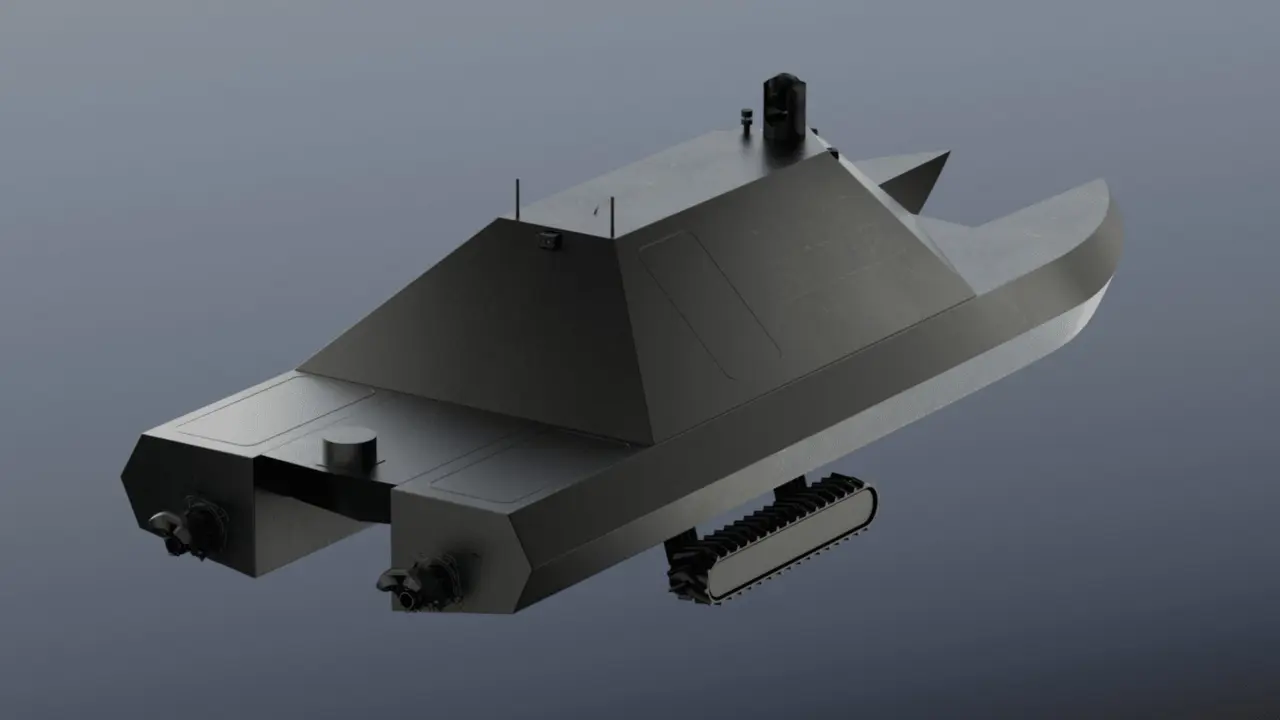
The timing of Skana's technology is significant. Founded in 2024 and emerging from stealth earlier this year, the company is currently focused on selling to governments and companies in Europe, where maritime threat levels have increased due to the war between Russia and Ukraine
1
. Autonomous underwater vessels and robotic submersibles are increasingly important for surveillance, patrolling pipelines, monitoring cables, and inspecting sensitive maritime zones2
.
Source: Interesting Engineering
"Communication between vessels is one of the main challenges during the deployment of multi-domain, multi-vessel operations," said Idan Levy, co-founder and CEO of Skana Robotics. "The problem that we tackle is how you can deploy hundreds of unmanned vessels in an operation, share data, communicate on the surface level and under the water"
1
.Related Stories

Path to Commercial Deployment
Levy revealed that the company is in talks for a sizable government contract that it hopes to close by the end of the year
1
. Looking ahead to 2026, Skana plans to release the commercial version of its product and demonstrate its technology at scale in real-world conditions. "We want to show we can use this in scale," Lazebnik said. "We argue that our software can handle complex maneuvers, etc. We want to show it. We claim we know how to manage an operation. We want admirals from EU and in EU countries to actually check this argument and see by themselves that we actually get results"1
.The system's ability to enable vessels to communicate across long distances underwater while securing underwater infrastructure and supply chains positions Skana Robotics at the intersection of growing defense needs and critical infrastructure vulnerabilities. Each unit in a fleet can now adjust its behavior based on what other robots detect through AI communication, while staying aligned with overall mission objectives
2
.References
Summarized by

Navi
[1]
[2]
Related Stories
Helsing Unveils AI-Powered Underwater Drone Swarm for Naval Surveillance
13 May 2025•Technology
Spear AI Secures $2.3M Funding to Revolutionize Submarine Data Analysis with AI
26 Jul 2025•Technology
Denmark Deploys AI-Powered Robotic Sailboats for Maritime Surveillance Amid Rising Tensions
17 Jun 2025•Technology

Recent Highlights
1
Anthropic's Claude AI can now control your computer to complete tasks autonomously
Technology

2
Nvidia's Jensen Huang calls OpenClaw the next ChatGPT, sending Chinese AI stocks soaring
Technology

3
Elon Musk unveils $20 billion Terafab chip manufacturing project to produce terawatt of computing
Technology

Recent Highlights
Today's Top Stories







Your Daily Dose of Curated AI News
Don’t drown in AI news. We cut through the noise - filtering, ranking and summarizing the most important AI news, breakthroughs and research daily. Spend less time searching for the latest in AI and get straight to action.

