Sony AI Patent Reveals Ghost Player That Takes Over Games When Players Get Stuck


10 Sources
10 Sources
[1]
Sony Patent Would Unleash AI 'Ghosts' to Beat Games for You When They Get Too Hard
Getting stuck in a video game is a problem as old as video games themselves. Back in the day, this usually meant running up against a puzzle you couldn’t solve, and depending on how old you are, the remedy was either shelling out for a mail-order hint book, paying by the minute to dial the publisher’s hint line, or badgering that one friend with a dial-up AOL connection to get the answer from the know-it-alls on a bulletin board. With the advent of the internet, however, solutions to such problems are just a click away. This means that if anything is going to halt your progress in a game today, it’s less likely to be an inscrutable puzzle and more likely to be a skill issueâ€"perhaps you just don’t have the time or motivation to git gud enough to smack down the boss standing between you and the rest of your game, and Let Me Solo Her just isn’t answering your calls any more. Being able to offer a challenge to experienced players, while also avoiding situations where dispirited n00bs just give up, is one of the fundamental challenges of game design. Today, most games address the problem with a variety of increasingly granular difficulty sliders. But is there a better way? Well, it seems that Sony thinks so, and their idea is based on â€| oh, go on, you’ll never guess. Last year, the company filed a patent for an AI-based system to assist players on the verge of hurling their controller across the room and ragequitting. The patent describes the idea of a “ghost†character upon whom players could call in times of need; when summoned, the ghost could step into the player’s metaphorical shoes to either demonstrate what they’re doing wrong or just complete the challenging section for them. The key idea is that the “ghosts†are operated by an AI that actually takes control of your character’s inputs. In theory, this would allow the system to adapt to any in-game situation. This is an obvious improvement to what games today provide in the way of help, which is usually a series of tutorials on how the game’s systems work. Of course, an AI requires training dataâ€"and given that this patent was filed a year ago, there’s a non-zero chance that somewhere in the bowels of Sony HQ, a bunch of interns are getting steamrolled repeatedly by Promised Consort Radahn so that Sony’s AI can learn what not to do. Also, it certainly seems possible that your own pitiful efforts could be put to similar use one day soon: section 6.2 of the PlayStation Terms of Service addresses the subject of user-generated content (UGC), a category that includes gameplay data, and grants Sony “a royalty-free, perpetual, global license to use, distribute, copy, modify, display, and publish your UGC for any reason, without further notice or payment to you or any third parties.†Many people will no doubt be uncomfortable with the idea of an AI playing their game for them, and it’s easy to think of the gazillion ways that systems like this could be abused in multiplayer contexts. Still, when it comes to applications for AI, this one seems relatively harmless and may even have accessibility benefits.Â
[2]
I grew up gaming -- here's why Sony's AI gameplay plan worries me
There are plenty of reasons to be skeptical about games playing themselves AI is moving fast. Within the last month we've seen Gemini 3 Flash released and even AI upgrades to Gmail after over 20 years! But advancements in gaming are much more of a hot-button topic, sparking "passionate" debates between supporters and skeptics across the internet. That tension has only intensified since Sony PlayStation created a patent aimed at reducing friction in gameplay by using AI assistance. Once you understand what the technology proposes, it's easy to see why it hasn't gone over well with longtime gamers who've spent years -- or decades -- honing their skills. Here's everything to know. According to the patent, PlayStation games could eventually play themselves through a feature called Ghost Assistance. In Guide Mode, players can set the controller down while the AI demonstrates how to solve a puzzle or approach a tough fight, then jump back in and try it themselves. Complete Mode goes further, clearing those challenges entirely before returning control. As someone who practically came out of the womb with a gamepad in his hands, I understand why this idea rubs so many players the wrong way -- even if I can also see how it might help. Whenever I hit a brutal boss or brain-melting puzzle, dread sets in. After failed attempts, heavy breathing, and a few expletives I won't repeat, finally breaking through delivers a rush that makes it all worth it. Hardcore gamers know that feeling well -- and letting AI handle those moments means missing out on that hard-earned euphoria. Casual players may not care. But Soulslike fans would scoff at anyone bragging about letting AI defeat Elden Ring's Malenia for them. If you ask me, it's better to rage quit, take a breather, and come back ready to die 20 more times -- the victory is sweeter that way. If this patent ever becomes reality on the PS5 or future PlayStation hardware, online gaming discourse could get even messier than it already is. Just imagine your timeline being dominated by posts from random gamers posting clips of their near-flawless gameplay and not being able to tell if they were done by their own hands or because the AI-generated "ghost" did it for them. Sony could stop this nightmare scenario from coming to fruition with a simple fix -- disable trophies for players that tap into the AI feature to do all the work. That way, players still get the help they need, but they can't take full credit for achievements earned by AI. It preserves bragging rights for honest playthroughs while discouraging fraudulent flexing. I'll be the first to admit I've pulled out my phone and searched YouTube for puzzle solutions more than once (yes, I needed help decoding those snow-region codes in Ghost of Yōtei -- judge me). With Ghost Assistance, players wouldn't need to leave the game to get unstuck. Turning on Guide Mode could quickly nudge players past frustrating roadblocks without completely removing them from the experience. Used sparingly, that kind of assist could strike a healthy balance between accessibility and agency. Sony's AI patent has sparked plenty of backlash -- and for understandable reasons. For many gamers, the idea of letting the game play itself feels fundamentally wrong. But like most things in gaming, there's a balance to be struck. Casual players may find exactly what they're looking for in a feature like Ghost Assistance, while hardcore fans will likely ignore it entirely. If this technology ever makes its way into the PS6, its real impact will depend on how -- and how often -- players choose to use it. Until then, it's a fascinating glimpse into where gaming could be headed.
[3]
New PlayStation tech patent called Ghost Player will take over players' games when they get stuck
The AI Ghost would analyze a player's game to identify the scenario they are trying to progress through and then process the gameplay data to find the best solution Sony has patented new AI technology that will take control of PlayStation games when the player gets stuck. As reported by BoingBoing, the patent, which was originally filed in September 2024, details a new AI-generated system dubbed "Ghost Player" that would be able to generate AI-powered "ghosts" that would assist players. Essentially, the "AI Ghost" would demonstrate how to progress a level if a player got stuck, or take full control and progress the scenario instead. Sony explained in the filing that the AI would be trained from past gameplay videos from YouTube and Twitch, and data from the PlayStation Network, in order to find the best solution and solve the problem. "Some solutions have included the use of a character that a user can follow. However, the character is usually a graphic image or outlined image of a prior player that played the game and the user must follow the character watching the moves that occurred (including moves and interaction that is not relevant to the user's current gameplay scenarios)," Sony explained. "This is not, however, very useful for real-time assistance to a player that is encountering some difficulty with a specific scenario of gameplay or along the player's specific gameplay path. This is because the character does not know specifically what the player is playing or the context of the user's gameplay. "Further, the character is typically only performing actions of one prior player. Further yet, the character is only presented for general game scenarios that relate to the game, not in relation to the context of the player's current gameplay." It's also said that the AI system would be able to analyze a player's game state data to identify the scenario they are trying to progress through. The AI would then process the gameplay to find the best solution. "The relevant interactivity is for the context of the gameplay of the player, not just some prior gameplay of another player," the patent reads. "The ghost character can therefore be controlled by the assistance Al engine during gameplay and provide the player with visual illustrations of how certain game scenarios are played in order for the character controlled by the player to be able to achieve progress in the game." It sounds like an interesting idea, but what about, for instance, FromSoftware games, which famously don't offer an easy mode? If I'm stuck on an Elden Ring boss, will the AI Ghost take over and beat it for me, minimizing all my hard-earned progress? Though the patent does make mention of ways for the AI Ghost to offer "limited assistance", along with more detailed and comprehensive assistance, would it be a system I can opt out of completely? The patent doesn't mention any plans to implement this feature in future PlayStation hardware, but it's hard to ignore how quickly AI is finding its way into the gaming space, like Microsoft's Gaming Copilot feature, which was introduced last year as an AI companion.
[4]
Sony patents AI-powered 'ghost' that shows you how to get past videogame obstacles, and can even play the hard bits for you
As reported by All About AI, in 2025 Sony was granted a patent for an AI-generated ghost player that can help you out when you're stuck. (Sony applied for the patent in 2023; these things take time.) The patent proposes an in-game interface that accepts "natural language queries" to identify which bit of the game you're stuck on, and then can either show you how to overcome the obstacle or take over and do it for you. I guess via possession? The "ghost character" who provides "ghost assistance" will be based on footage of other players, presumably scraped from YouTube by AI. There's already a Game Help feature on Playstation 5 that can bring up relevant videos when you're stuck, and this seems like a less jarring implementation of that. As far as throwing AI at videogames goes, it sounds pretty inoffensive to me. It's not costing anyone their job or, you know, devaluing the connection between artist and audience. If it means there's one less reason to splatter yellow paint telling us where to go all over videogames, this seems like a good thing. Of course, that's not how gamers have responded. BlueSky and the like are full of people furious at the idea of videogames playing themselves when you should be struggling to get through every boss fight uphill both ways like we did when men still had hair on their chests in the good old days. Well, I remember the good old days, and what I remember is that we knew all Doom's cheats by heart and passed around walkthroughs from magazines so we could finish the Discworld videogame. If I could press a button and have an AI ghost skip me through the obligatory terrible stealth bits in the next Sony cinemaslop action-adventure, I'd bloody well take it.
[5]

Sony has patented an AI gaming ghost that will play PlayStation games for you when you get stuck
A patent filed by Sony over a year ago has recently resurfaced, and shows the company has ideas for an AI 'ghost' that could assist players if they get stuck in a game. The aforementioned patent, which was recently noticed by allaboutAI and VGC, describes an "overlay" version of a player's character. When in use, this overlay character would be able to demonstrate actions, such as how to solve a puzzle or by providing "example controller input button sequences", which would in turn allow a player to then progress with the game. In some cases, an AI 'ghost' could also have a conversation with the player's character and give some "guidance or instruction" about what to do. Other times, the ghost could complete a section for the player. It sounds like an evolution of PlayStation's Game Help on PS5, which offers users tips and guides via videos and images on screen. An image within the patent also describes mode switching, which would encapsulate four different options for users to be able to choose from. These are: Story Mode, Combat Mode, Exploration Mode and Full Game Mode . "Although video game technology has seen many advances, some players find themselves in need of assistance. Games become very complicated, so players who are not experts oftentimes quit playing or find it hard to complete tasks," the filing reads. "Players are able to do research for the game or even look up prior gameplays on internet sites, but that process is time consuming and many times not very relevant to tasks and/or scenarios currently being encountered by the player." Should these AI Ghost helpers become a reality, it appears that they would be trained on existing footage of any given PlayStation game. Assistance in games is, of course, nothing new. As I have already mentioned, the PS5 has Game Help, while Microsoft has its own Copilot AI feature. Meanwhile, games more broadly often include a range of features to make them more accessible for as wide an audience as possible. This includes everything from adjustable difficulty levels to controller remapping and in-game hint systems (I personally quite liked the book that Guybrush had tucked away in Return to Monkey Island, but there are plenty of other examples out there). As for AI, it remains an area of heated debate within the industry. In 2024, a report by Unity claimed 62 percent of studios using its tools used AI at some point during game development. In this report, Unity noted animation was the top use case. A GDC survey from that same year, meanwhile, said that around a third of industry workers reported using AI tools already. That number is now likely to be higher, and a more recent Tokyo Games Show survey reported over half of Japanese game companies are using AI in development. Last year, Epic Games boss Tim Sweeney said "AI will be involved in nearly all future production", so having Steam games disclose whether they were built with AI makes about as much sense as telling us what kind of shampoo the developers use.
[6]

An AI 'Ghost' That Plays Games For You Is The Inevitable Endpoint
Whenever my kids get stuck playing a game, they run around the house yelling for me to help them. Doesn't matter where I am or what I'm doing. Making dinner, taking out the trash, going to the bathroom, nowhere is safe. I patiently try to explain to them that back in my day, there was no grownup to help me beat Snake Man in Mega Man 3 or find Excalibur in Final Fantasy IV. I just had to bash my head against the wall until I figured it out or give up until I got older. They never find this paternal wisdom satisfactory, so there I am finding them Zonai devices in The Legend of Zelda: Tears of the Kingdom or turning off damage in the Minecraft settings menu like a personal accessibility assistant. Will they do the same for their children? They might not have to. New AI "ghosts" might be able to do everything in the game for them. The games will, on command, be able to play themselves. Perfect for grinding crypto-currency in the Roblox mines while the oceans rise. RIP my future grandchildren. A Sony patent for these AI ghosts has been making the rounds online today. As reported by VGC, the September 2024 registration documents which were publicized earlier this week reveal a technology that would allow people to get AI to help them beat games. These AI "ghost players" would be trained on existing game footage and either demonstrate the solution to an obstacle (“Guide Modeâ€) or beat it entirely (“Complete Modeâ€). It's not clear from the patent whether Sony actually plans to move forward with this new AI help tool now or in the future. People have made jokes online about how bad current AI is at hallucinating gameplay, showing you something that looks normal enough before shifting into surreal nightmare fuel just moments later. There are also concerns about how the AI "helper" would be trained, which would seemingly include footage shared on social media and YouTube. Gaming has a long history of companies trying to help players overcome the difficulty that they themselves designed into their games. In the past there were hotlines and strategy manuals. More recently, companies have tried to embed guides directly into the games. Game Help on PlayStation 5 shows you videos of how other players have completed a particular section of a game. It's a neat idea whose implementation is messy and incomplete. Microsoft is trying to go a step further and embed its Copilot AI into games to offer chatbot-style assistance as an overlay like a new version of Clippy. Tools like this could be a boon for helping more people enjoy games or at least "unstuck" themselves before bouncing off in a fit of boredom or frustration. But there's also a Black Mirror version where all of the friction of actually playing a game is offloaded to AI agents entirely. How many games would be improved by adding a skip button that lets you fast-forward your progression by 20 seconds or 20 minutes? How many games would you stop playing entirely if you could offload the drudgery entirely? Players love to optimize strategies and get one over on the games they're playing. Sometimes that means doing a lot of work to grind as effectively as possible or craft the most broken build. Other times it means wrapping a rubber-band around an analog stick and going to sleep while the game does all the work for you. What would it be like to play Diablo 4 if those builds you had to look up online were automatically recommended inside the skill tree menu? What would be the point if at any time you could put the mouse and keyboard down and let an AI agent, trained on YouTube or even your own play history, take the wheel and grind until all of that hyper-rare loot finally drops? Not everyone would go for it. Maybe some would. We already know what choice Elon Musk would make. Experience-based games would probably be safe. The ones where you're there for player choice or the story, though even fans of things like Dispatch might be tempted to have someone else handle all of the less engaging mini-games. Multiplayer games have faced an ongoing arms race with cheaters for years. Who wouldn't be tempted to take credit for a duos Battle Royale win pulled off by their AI counterpart? None of this is in the Sony patent for AI help, but it's all in the same Pandora's box. In fact, some of the most popular games of the past few years play with automating the player's role to some degree until they are irrelevant to the outcome. That's what made people obsessed with Vampire Survivors. It's what helped Ball X Pit sell over a million copies. It's what made Megabonk so popular, it ended up being nominated for an award at the Game Awards that the developer had to recuse himself from. Some games call upon us to embrace the moment-to-moment drudgery of simulated work. Others lure us with the siren's call of participating in a high-score chase where the big reward is seeing our own participation incrementally diminished. In 20 years, even that concept might sound as alien to my grandkids as calling something a "button masher." By then, the computers will no doubt be able to read the inputs directly from their minds. What the AI chooses to do with those, well, that's anybody's guess.
[7]

Sony worries games have become "very complicated, so players who are not experts oftentimes quit playing" in patent for AI-generated "ghost" that beats games for you
Sony's patented ghost would show you how to solve puzzles, make combos, and more In a potentially helpful application of generative AI, Sony has patented a "ghost" assistance system that would help players beat games by having a phantom character directly show them how to complete certain tasks or just finish them automatically. As All About AI spotted, Sony's newly surfaced April 2025 patent describes an AI "trained using training footage of gameplay of the game to identify a scenario occurring in the context of the gameplay of the player." Welcome to patent speech, folks. When prompted by the player, through a bespoke interface, button press, gesture, verbal inputs via audio devices, or some combination of these or other methods, the AI would share (via "interactive conversation") or directly demonstrate how to beat sections of a game. From the patent's verbiage and its attached drawings, this system sounds like watching an overlaid version of your character conjured and controlled by an AI. Picture the player phantoms attached to FromSoftware's iconic messages and bloodstains, but much smarter and more dynamic. A little guy appears to show you where to go, what to do, or even to "provide example controller input sequences." Rather than Atreus giving you hints on solving puzzles in God of War: Ragnarok, for instance, a ghost Kratos - the ghost Ghost of Sparta - might physically wander around fiddling with all the puzzle pieces in the right order. This AI is meant to help solve modern gaming frustrations and challenges, Sony suggests. "Although video game technology has seen many advances, some players find themselves in need of assistance," the patent reasons. If nothing else I could see such a system as an immense accessibility win. "Games become very complicated, so players who are not experts oftentimes quit playing or find it hard to complete tasks," the patent continues. "Players are able to do research for the game or even lookup prior gameplays on internet sites, but that process is time consuming and many times not very relevant to tasks and/or scenarios currently being encountered by the player." (Hey, we're an internet site, and our guide team rocks!) The patent proposes four interconnected modes for this AI. Story mode would "compile a ghost narrative of only essential story pieces" so you can follow the ghost through the main storyline - the critical path, basically. In combat mode, you'd see more examples of how to fight. Exploration mode would focus on "discovery moments and collecting of new and potentially rare items, weapons, new areas, and the like." Finally, "full game mode," which I've seen some people misinterpret as the AI taking direct control of your character like an older sibling summoned to just beat this part, essentially combines the three other modes "to lead the user through the game as it is normally sequentially played." If you do want the AI to literally play for you, look instead to a fifth, separate hypothetical: "Complete mode," which would have the AI "actually completing game tasks and advancing the player" instead of just showing you how it's done. You, the player, can simply follow the ghost around and receive credit for its actions. The rub, as I understand it, is that you'd get to choose how much assistance you need, and then decide if you actually want to do it yourself. Which, interestingly, isn't far from a central generative AI debate in game development: what is worth doing yourself? To many developers, the answer is everything. Importantly, "the ghost assistance can be switched on and off at the direction of the player." This addresses a common complaint with some current and proposed AI features: they can get obnoxious, and may be difficult or impossible to fully disable even if unwanted. This is what gave me pause when Microsoft, which has shoehorned its often frustrating Copilot app into everything it can, commissioned and shared a study that found 79% of gamers are "open to help from AI" in some form. Its sample size of 1,500 didn't instill much confidence since we didn't know how those respondents were selected, nor did we know the specifics of the AI-related questions they were asked. Microsoft didn't specify how that AI would help, and since my experience with Microsoft's in-house AI has been pretty bad, I was fairly gun-shy; I'd at least be more open to something I can turn off like a difficulty setting. Even if this patent did eventually manifest as an in-game feature for PlayStation games - and Sony patents a lasso for the moon every other month, so don't bet on it coming to fruition - it wouldn't be the first time that games have offered this kind of assistance. Sony's already dabbled in spiritually similar pointers with PlayStation Game Help, Microsoft has Gaming Copilot, and let's not forget Nintendo Super Guide. Some of these function more as search engines or tip libraries while others deliver a more hands-on guide. You could fairly argue that plenty of NPC companions serve a similar role. For this ghost AI, specifically, my mind can't escape the FromSoftware phantom motif: press a button, watch the ghost of somebody do the thing, and then do the thing yourself. For "Complete mode," I suppose the comparison would be Elden Ring Spirit Ashes that are so strong they can solo a boss while you cheer from the sidelines. Black Knife Tiche, my beloved. Or as this immensely amusing example from the patent illustrates: "The player can say 'how do I jump the river' The assistance Al engine will then look to the Al model to determine how the river should be jumped, and the ghost character can speak back to the player to explain how to jump the river. In another embodiment, the ghost character can simply demonstrate how to jump the river." At last, we can jump the river.
[8]

Not walkthroughs, nor cheat codes: Ghost Player AI hints at a future where PlayStation games play themselves
Sony has filed a patent for a "Ghost Player" system that could allow AI to take control of gameplay when players get stuck, according to reports cited by Futurism. The system includes modes that either guide players or fully play on their behalf. While part of a wider industry push toward AI assisted gaming, the idea has sparked concerns about player agency and whether automation risks undermining the core gaming experience. As artificial intelligence promises to take over everything from online shopping to travel planning, a new question is quietly unsettling gamers. If AI can do the hard work for us everywhere else, will it soon start playing our video games too? A recent report by Futurism highlights that this scenario may be closer than expected. Japanese tech giant Sony has filed a patent that envisions AI stepping directly into gameplay, potentially changing the role of the human player itself. According to a patent filed by Sony in September 2024 and later reported by Video Games Chronicle, the company is developing a system referred to as a "Ghost Player." The idea is simple yet provocative. If a player gets stuck, an AI agent could take over their character and move the game forward. The patent outlines two modes. In "Guide Mode," the AI demonstrates the correct way to proceed while the player watches. In "Complete Mode," the AI assumes full control and plays the segment, or possibly the entire game, on the player's behalf. Gamers have long relied on walkthroughs, hints and online guides, usually after repeated failures that come with a sense of learning and achievement. Sony's proposal shifts that balance by allowing AI to remove the struggle entirely. Technically, this builds on existing accessibility features. Modern games already allow players to lower difficulty levels or skip challenging sections. Sony's PlayStation 5 includes a Game Help feature that offers in game tips without leaving the screen. The difference, critics argue, is that AI would no longer advise but act. Sony is not alone in exploring AI assisted play. In 2024, Microsoft introduced Copilot for Gaming, an AI powered assistant for Xbox that offers coaching through voice and text prompts. Unlike Sony's concept, Copilot does not directly control gameplay. Still, these developments signal a broader push. According to Futurism, companies across the gaming industry are actively testing how far AI can be embedded into player experiences. AI in gaming has already proven divisive. Many players have objected to studios using AI for creative tasks such as artwork, writing and voice generation. Despite this resistance, industry leaders remain bullish. Epic Games CEO Tim Sweeney has publicly stated that AI will be used in nearly all future game production. The idea of AI playing games instead of players, however, raises deeper concerns about agency and engagement. Writing for The Gamer, journalist Mike Drucker predicted that 2026 could become the year when AI in gaming becomes, in his words, "super annoying." For now, Sony's Ghost Player remains a patent, not a confirmed product. Yet its existence suggests that major players are seriously considering AI agents that do more than assist. Whether gamers will embrace a future where watching replaces playing is another question altogether.
[9]

Stuck in Marvel's Wolverine? Sony's New Patented 'AI-Generated Ghost Player' Will Beat it For You
Are you looking forward to first-party PlayStation games like Marvel's Wolverine? Ever wanted a game to just play itself, while you put the controller down and just watch the trophies roll in? If you hear that and wonder, 'Well, what's the point of playing the game in the first place?' then you're having the same reaction to Sony's new 'AI-generated Ghost Player' patent that most of the internet seems to be having. If you think that sounds like a great way to enjoy a game, then this patent seems to be made specifically for you. Spotted by VGC, the World Intellectual Property Organization (WIPO) published the filing publicly this week after it was initially filed by Sony back in September 2024. The patent describes a "ghost player" appearing as an "overlay" to show the player how to complete a section of the game they're having trouble with. "During live gameplay by a player, game state data is analyzed in order to identify a scenario occurring in the context of the gameplay of the player. The scenario occurring during the live gameplay can then be processed by the Al model and an assistance Al engine in order to provide a ghost character with control inputs for animation/control to guiding the player in relevant interactivity of the game," the filing reads. "The relevant interactivity is for the context of the gameplay of the player, not just some prior gameplay of another player. The ghost character can therefore be controlled by the assistance Al engine during gameplay and provide the player with visual illustrations of how certain game scenarios are played in order for the character controlled by the player to be able to achieve progress in the game." The filing also describes different modes for players to pick from. The 'Guide Mode' would show you the solution to whatever is troubling you in the game you're playing, like a puzzle in Uncharted or God of War. Whereas 'Complete Mode' would just do it for you, so you can move progress further in the game and not have to deal with that section. Sony already has help systems built into the PS5's console software, with its Tips and Game Help system that lets players get increasingly more detailed hints as to how they complete a section of the game, with the most detailed hint simply telling the player what they need to do. It only works when developers opt into including those hints, but when they're there, they can be helpful to players who don't want to reach for their phone or laptop to look up a guide. Players already complain when NPC allies give you the answer to a puzzle before you've had the chance to solve it yourself. It doesn't sound like this AI-generated Ghost Player would jump the gun and show you a solution before you ask for one, but going as far as to beat the section for you seems like a stretch too far for anyone who actually wants to enjoy the games they buy. Of course, it is just a patent, so we may never see this actually implemented. But based on the reaction players had to Microsoft's Gaming Copilot introduction last year, and even the idea that an AI is helping you and watching you play, this doesn't seem like the kind of thing players want to have available to them. You can always look up a handy guide, or, of course, just try and figure it out for yourself. No one likes getting frustrated when playing a game, and getting stuck is not a good feeling. Sometimes that frustration is what makes you stop playing a game entirely. But where's the fun in watching the game play itself?
[10]

PlayStation Patents AI Assist Feature That Can Take Over If You Get Stuck - IGN
PlayStation is exploring the possibility of letting an AI take over your game, to help you if you're stuck. Patent documents filed by Sony show plans to offer an in-game "AI Ghost" that can demonstrate how to progress further, or alternatively have your control fully taken over by the AI in order to make progress for you (thanks, Boing Boing). Intriguingly, Sony suggests the AI could be called upon at any time, trained from past gameplay clips posted on YouTube and Twitch, as well as play data gleaned from PlayStation Network. The idea is that the AI would be able to detect what a player is doing and compare it to past successful examples, then offer solutions. Sony's patent positions this new generation of AI assistance as superior to previous examples seen in games previously, evoking one unnamed example that sounds similar to Nintendo's assist features seen in some Mario 2D platformers. "Some solutions have included the use of a character that a user can follow," Sony wrote in the patent. "However, the character is usually a graphic image or outlined image of a prior player that played the game and the user must follow the character watching the moves that occurred (including moves and interaction that is not relevant to the user's current gameplay scenarios). "This is not, however, very useful for real-time assistance to a player that is encountering some difficulty with a specific scenario of gameplay or along the player's specific gameplay path. This is because the character does not know specifically what the player is playing or the context of the user's gameplay. "Further, the character is typically only performing actions of one prior player. Further yet, the character is only presented for general game scenarios that relate to the game, not in relation to the context of the player's current gameplay." Sony has suggested that its AI assistance system will be able to track player progress on a more granular level, so the AI would be able to detect exactly what someone might be looking to achieve at a particular moment. It's an intriguing idea, though one which is -- for now -- just an idea. How good can AI get at playing games, or detecting exactly what you need to do to get better? If I'm stuck at a boss in Clair Obscur, will it respec my Verso with a better build? Still, it might help me finally beat Bloodborne, which would be nice.
Share
Share
Copy Link
Sony has patented an AI-powered ghost system that can demonstrate solutions or complete difficult game sections when players struggle. Filed in 2023 and granted in 2025, the Ghost Assistance feature would use gameplay data from YouTube and Twitch to train AI helpers. While the technology promises gaming accessibility benefits, it has sparked debate among hardcore gamers about player agency and achievement authenticity.
Sony AI Patent Introduces Ghost Player for In-Game Assistance
Sony has secured a patent for an AI-driven feature for gamers that could fundamentally change how players approach challenging game sections. The Sony AI patent, originally filed in September 2023 and granted in 2025, describes a system called Ghost Player or Ghost Assistance that deploys an AI ghost to help players overcome difficult sections when they get stuck
1
3
. The AI-powered ghost system operates through an in-game interface that accepts natural language queries to identify exactly which scenario is causing frustration4
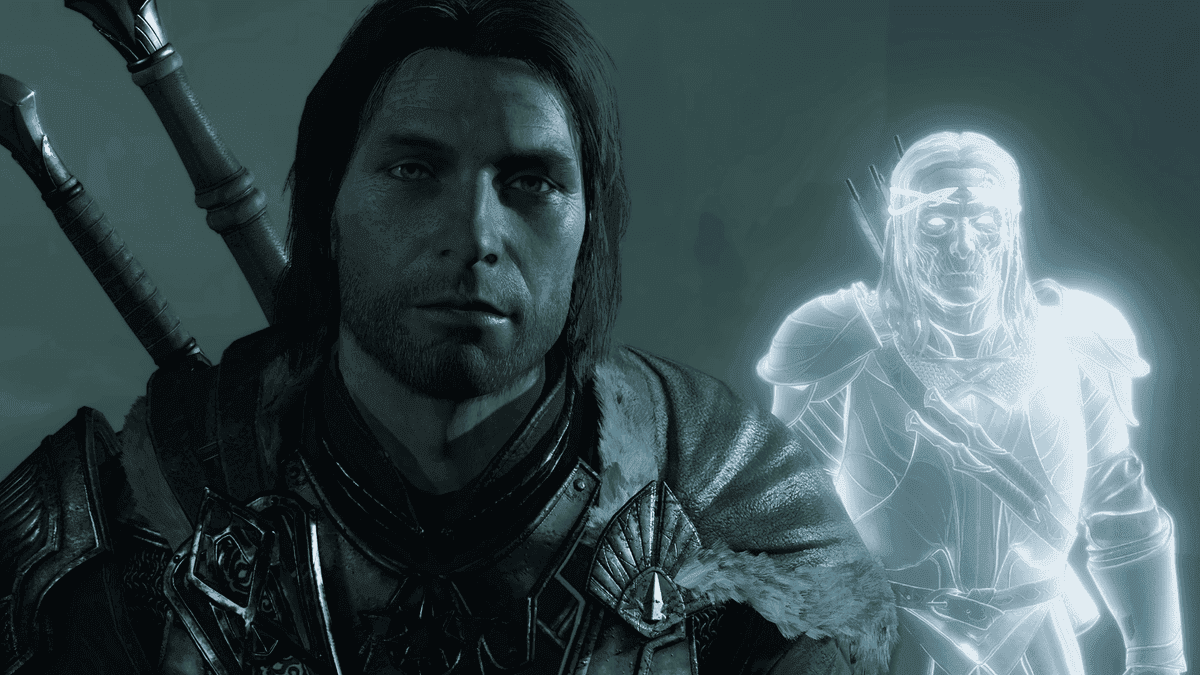
.
Source: PC Gamer
How the AI Takes Over Gameplay
The PlayStation AI technology offers two distinct modes of operation. Guide Mode allows players to set down their controller while the AI demonstrates how to solve a puzzle or approach a tough fight, then players can jump back in and attempt it themselves
2
. Complete Mode goes further, with AI completes challenging parts entirely before returning control to the player. The system would analyze a player's game state data to identify the specific scenario they're attempting, then process gameplay data to find the best solution3
. Sony's patent emphasizes that this in-game AI assistance differs from existing solutions because it provides context-aware help rather than generic tutorials or difficulty sliders3
.
Source: Tom's Guide
Training Data Raises Privacy Questions
The AI ghost would be trained on existing footage from YouTube and Twitch, along with gameplay data from the PlayStation Network
3
4
. Section 6.2 of the PlayStation Terms of Service already addresses user-generated content (UGC), which includes gameplay data, granting Sony "a royalty-free, perpetual, global license to use, distribute, copy, modify, display, and publish your UGC for any reason"1
. This means player efforts could potentially train the system, raising questions about data usage in game development.Related Stories

Gaming Accessibility Versus Player Agency Debate
The patent has ignited passionate discussions about gaming accessibility and player agency. Hardcore gamers argue that struggling through challenging sections like Elden Ring bosses delivers a hard-earned euphoria that AI assistance would eliminate
2
. The concern extends to trophies and achievements, with suggestions that Sony should disable these rewards for players using AI help to prevent fraudulent flexing2
. However, casual players might welcome relief from ragequitting moments without needing to consult in-game guides or external videos4
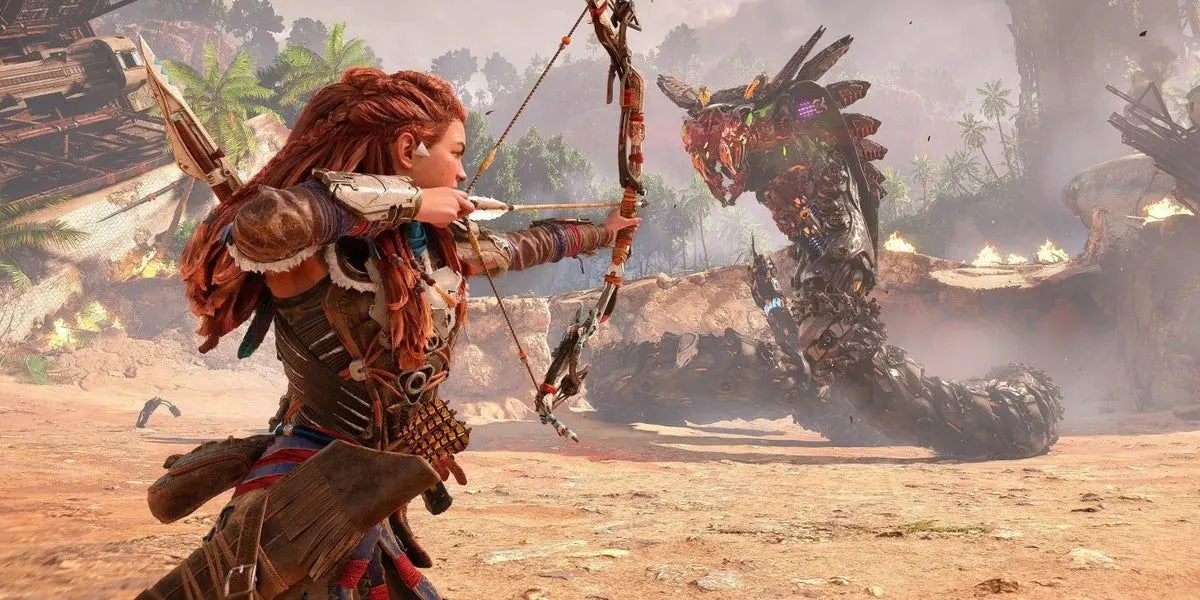
.
Source: Eurogamer
What This Means for PlayStation and Beyond
This technology represents an evolution of PlayStation's existing Game Help feature on PS5, which currently offers tips through videos and images
5
. Microsoft has already introduced its Gaming Copilot feature as an AI companion, suggesting this trend extends beyond Sony3
. A 2024 GDC survey found around a third of industry workers already use AI tools, with that number likely higher now5
. While the patent doesn't confirm implementation in future PlayStation hardware, it signals where the industry is headed. Watch for how Sony addresses concerns about multiplayer abuse, achievement authenticity, and whether players can opt out entirely from this system.References
Summarized by

Navi
[3]
Related Stories
Microsoft patent reveals AI helper that can take over and play your Xbox games for you
04 Mar 2026•Technology
Sony patents AI-generated podcasts hosted by PlayStation characters like Kratos and Aloy
03 Feb 2026•Technology
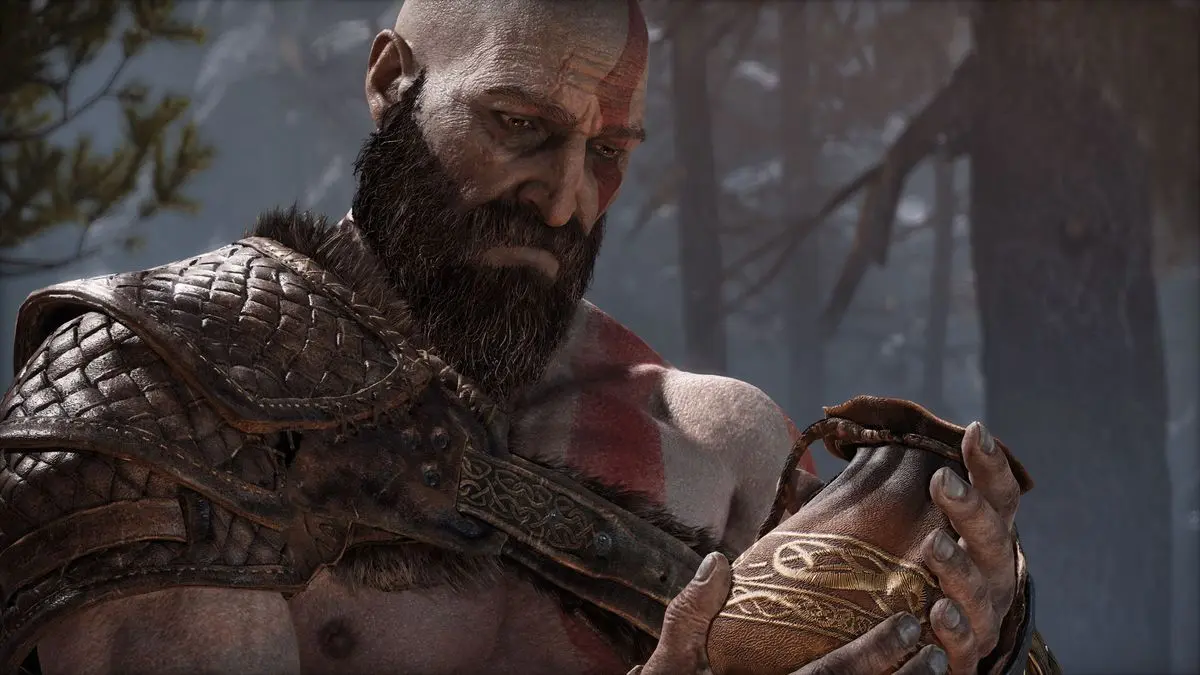
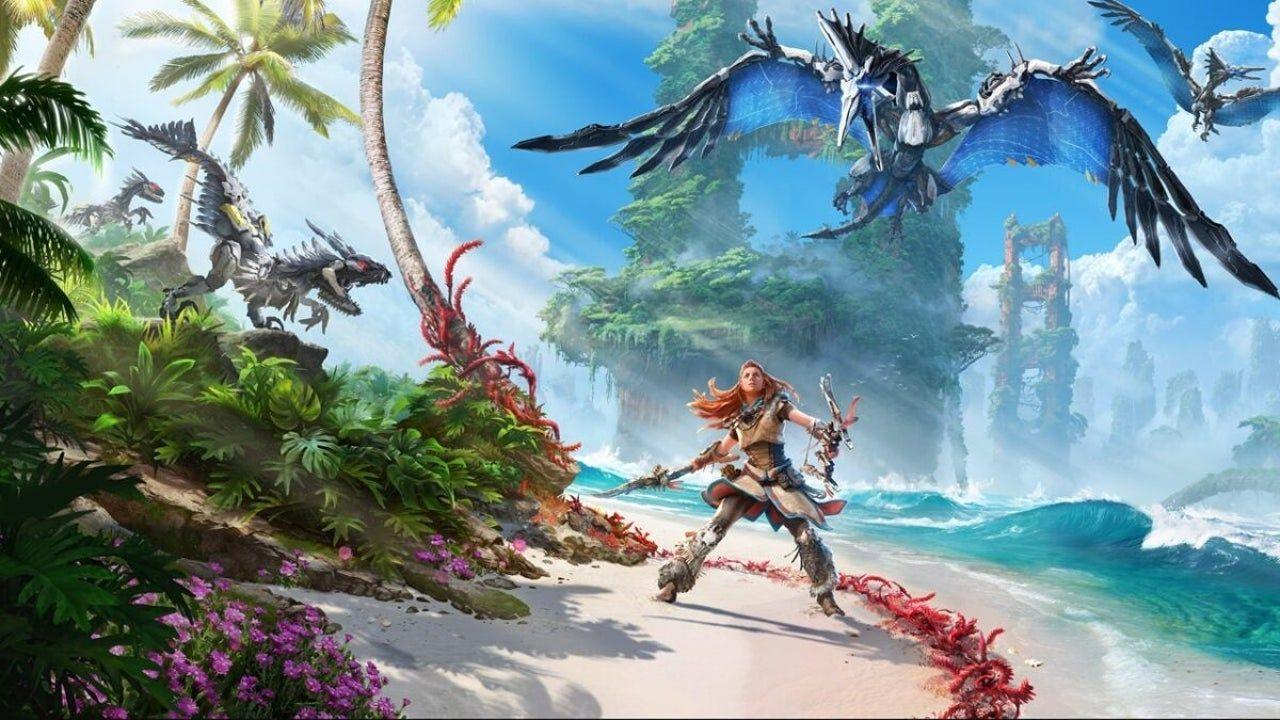
Sony's AI Prototype of Horizon's Aloy Sparks Controversy and Concerns in Gaming Industry
11 Mar 2025•Technology
Recent Highlights
1
Tennessee Teens Sue Elon Musk's xAI Over Grok AI-Generated Child Abuse Images
Policy and Regulation
2
Pentagon designates Palantir Maven AI as core US military system in major defense shift
Technology

3
Supermicro Co-Founder Indicted in $2.5 Billion Nvidia AI Chip Smuggling Scheme to China
Policy and Regulation

Recent Highlights
Today's Top Stories










Your Daily Dose of Curated AI News
Don’t drown in AI news. We cut through the noise - filtering, ranking and summarizing the most important AI news, breakthroughs and research daily. Spend less time searching for the latest in AI and get straight to action.

