South Korea exports surge 33.9% in January as AI chips fuel record growth amid tariff tensions


2 Sources
2 Sources
[1]
South Korea Jan exports beat forecasts, logs sharpest rise since 2021
SEOUL, Feb 1 (Reuters) - South Korea's exports rose in January for an eighth consecutive month and at the fastest pace in four and a half years, as demand for AI-servers continues to power the country's chip sales, government data showed on Sunday. Exports from Asia's fourth-largest economy, a bellwether for global trade, rose 33.9% in January to $65.85 billion, trade data showed, beating a median 29.9% increase tipped in a Reuters poll of economists. Imports also gained 11.7% in January from a year earlier to $57.11 billion. Exports of semiconductors more than doubled, jumping 102.7% from a year earlier, extending the chip rally thanks to "the rise in memory prices since last year continued in January due to high demand for AI servers," according to the trade ministry. "The surge in chip sales is expected to continue for the time being due to factors such as soaring semiconductor prices and supply shortages," said Park Sang-hyun, an analyst at iM Securities, who said the larger number of working days in January this year also helped trade performance as January last year had fewer working days. Of the country's 15 major export items, sales for 13 of them including chips, cars, petrochemical products, steel and computers increased. Destination-wise, exports to China logged the sharpest exports increase, jumping by 46.7% on-year in January. Exports to the U.S. increased 29.5% and to EU 6.9%. "It is positive that major items such as semiconductors and automobiles as well as promising items such as consumer goods showed even growth," industry minister Kim Jung-kwan said through the press statement. "Having said that, uncertainty in the trade environment has increased due to the U.S. tariff policy and the spread of protectionism." Kim on Saturday said South Korea needs more discussion with the U.S. on a trade deal they reached last year after two days of talks through Friday with his counterpart, following U.S. President Donald Trump's announcement to raise tariffs. Reporting by Cynthia Kim; Editing by Diane Craft Our Standards: The Thomson Reuters Trust Principles., opens new tab
[2]
South Korea posts record January exports on AI chip boom
South Korea posted its highest-ever exports for the month of January, official data showed on Sunday, fuelled by a global AI boom heavily reliant on chips made in the country. The record was set a month earlier, when the country exported chips worth $20.8 billion. South Korea posted its highest-ever exports for the month of January, official data showed on Sunday, fuelled by a global AI boom heavily reliant on chips made in the country. Budget 2026 Live Budget 2026 Live UpdatesIncome Tax Slabs Live UpdatesStock Market Live Updates The total value of January's exports was $65.8 billion, a 33.9 percent rise on-year, according to a trade ministry statement, marking the first time they surpassed a $60 billion threshold for the month. Home to the world's leading memory chip makers, South Korean products have become crucial to AI infrastructure. Technology giants Samsung and SK both posted record quarterly operating profits in the October-December period. "Semiconductor exports came in at $20.5 billion, a 102.7 percent increase," the ministry said, the second-highest monthly chips exports. The record was set a month earlier, when the country exported chips worth $20.8 billion. Automobile exports increased 21.7 percent on-year to $6 billon thanks to the strong performance of hybrid and electric cars, it said. It comes as Seoul is scrambling to respond to US President Donald Trump's announcement earlier this week that he was raising tariffs on South Korean goods to 25 percent from 15 percent, accusing the South Korean legislature of not having ratified their trade deal. Seoul and Washington struck a deal in October with Seoul pledging investment in the United States in exchange for slicing tariffs from 25 to 15 percent. Seoul's presidential office insisted in November that the deal does not require parliamentary approval, arguing it represents a memorandum of understanding rather than a binding legal document. South Korean Trade and Industry Minister Kim Jung-kwan met his US counterpart Howard Lutnick in Washington following the hike announcement and returned to Seoul on Saturday. "There was considerable disappointment (from the US) over the fact that the special bill remains pending in the National Assembly," Kim told reporters at the airport, adding that talks would continue.
Share
Share
Copy Link
South Korea posted record January exports of $65.8 billion, marking a 33.9% year-on-year increase driven by booming demand for AI chips. Semiconductor exports more than doubled at 102.7%, reaching $20.5 billion as memory prices climbed on AI server demand. The milestone comes as Seoul navigates rising trade tensions with the U.S. over tariffs and ratification disputes.
South Korea Exports Hit Record January Levels
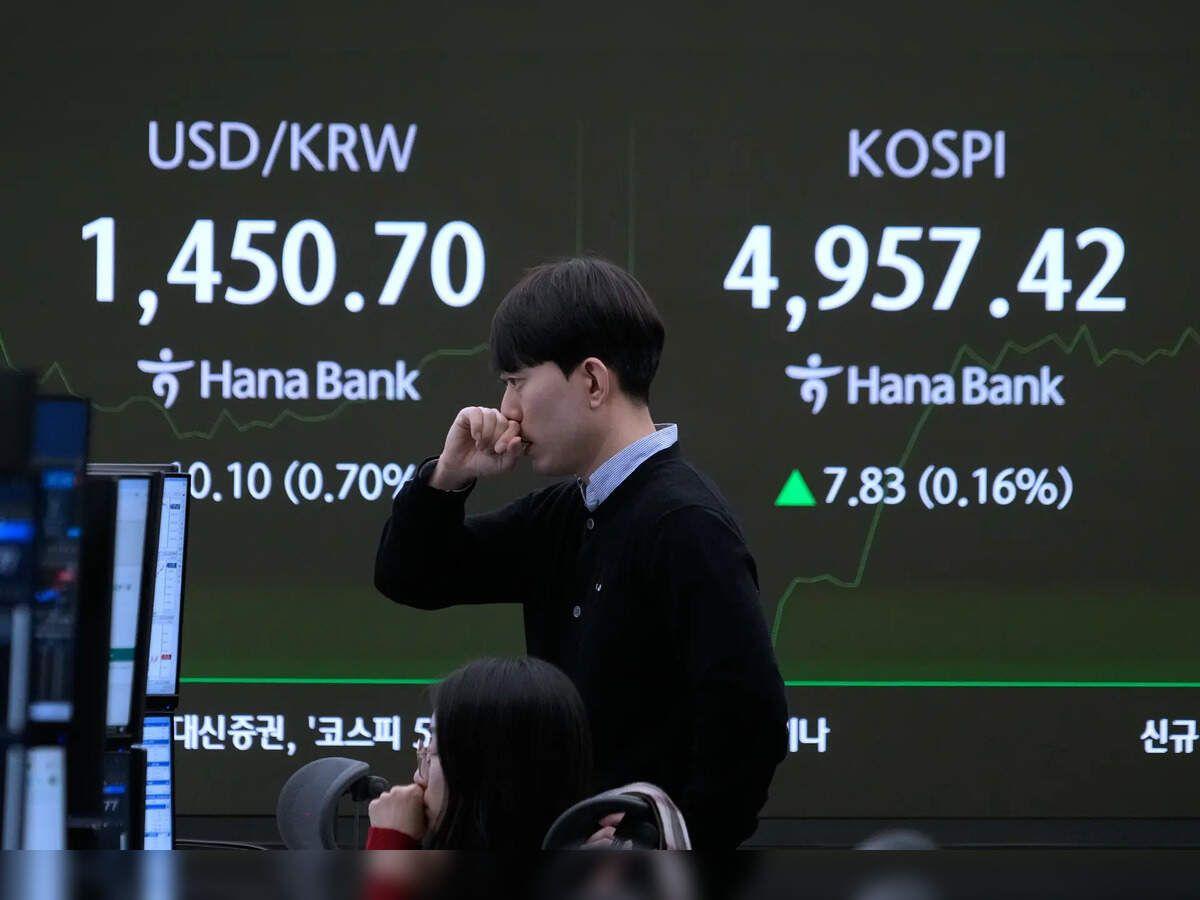
South Korea exports surged to $65.8 billion in January, marking the highest-ever export value for the month and representing a 33.9% year-on-year increase
2
. This performance exceeded forecasts, with economists predicting a 29.9% rise, according to a Reuters poll1
. The milestone represents the eighth consecutive month of export growth and the sharpest rise in four and a half years for Asia's fourth-largest economy, a bellwether for global trade.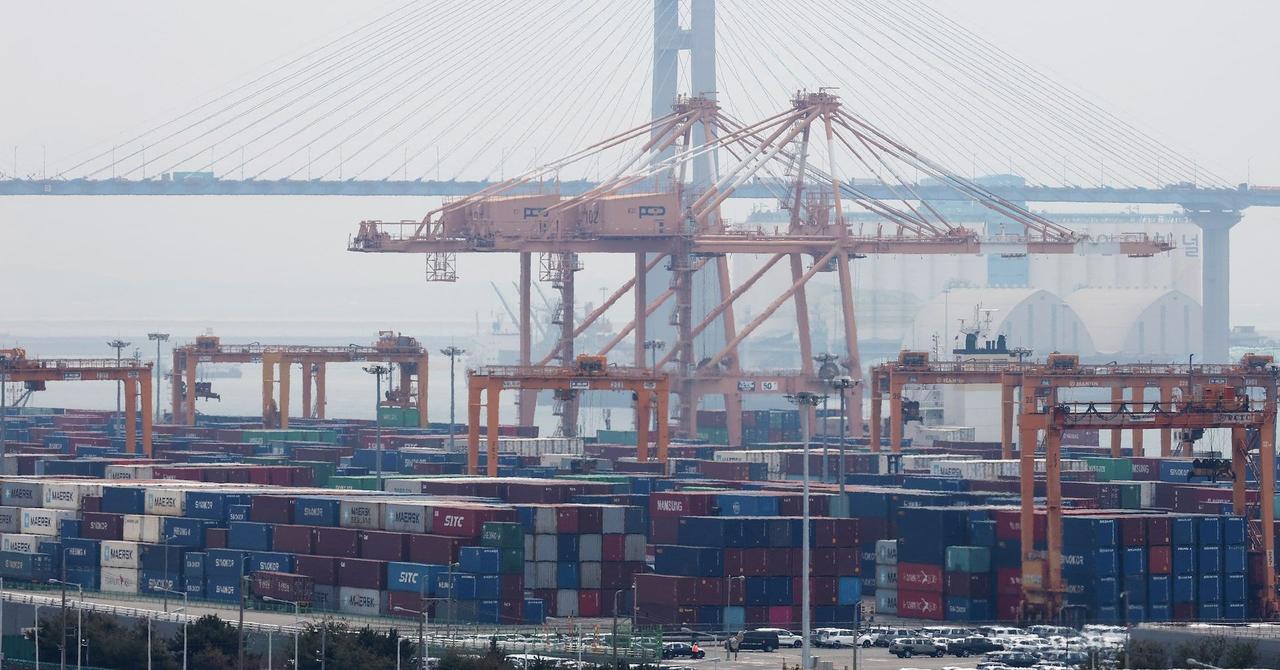
Source: Reuters
Semiconductors Drive Growth Amid Global AI Boom
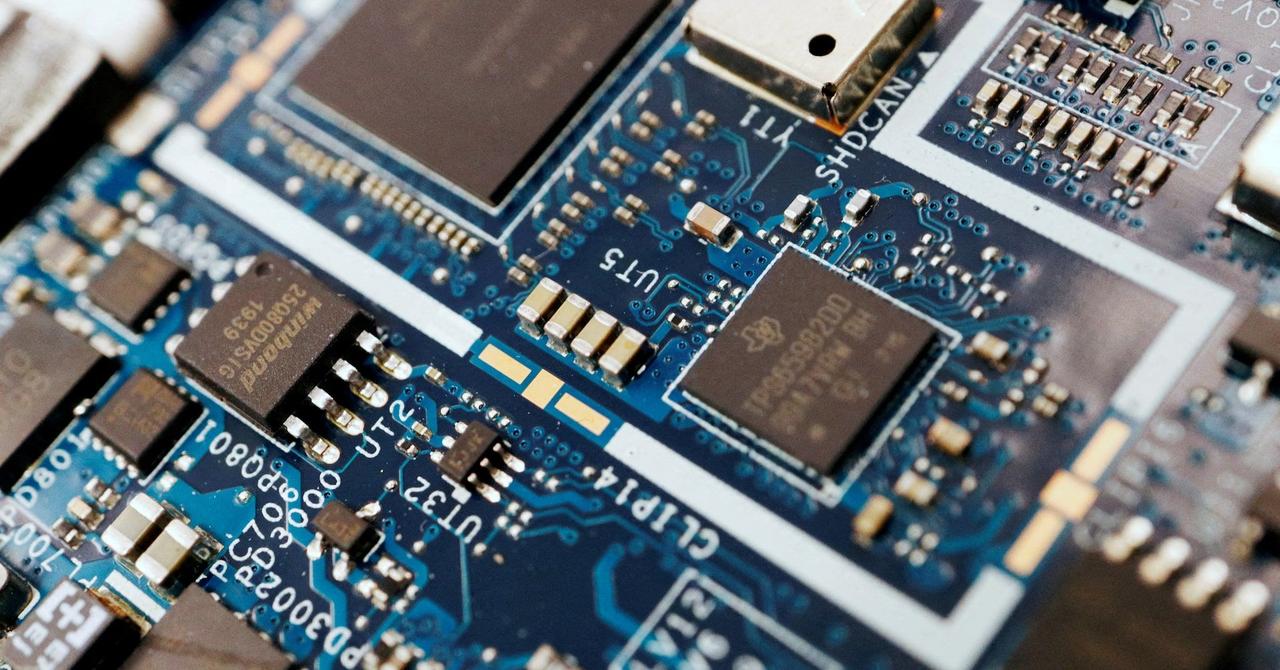
The explosive growth stems primarily from semiconductors, with semiconductor exports surging 102.7% to reach $20.5 billion, making it the second-highest monthly chips exports on record
2
. The record was set just a month earlier at $20.8 billion. The trade ministry attributed this surge to continued demand for AI servers, which has driven memory prices higher since last year1
. Home to Samsung and SK, the world's leading memory chip makers, South Korean products have become crucial to AI infrastructure as technology giants posted record quarterly operating profits2
. Park Sang-hyun, an analyst at iM Securities, noted that "the surge in chip sales is expected to continue for the time being due to factors such as soaring semiconductor prices and supply shortages"1
.
Source: ET
Increased Automobile Exports and Broad-Based Growth
Beyond AI chips, the export boom showed broad strength across multiple sectors. Increased automobile exports rose 21.7% year-on-year to $6 billion, driven by strong performance of hybrid and electric cars
2
. Of the country's 15 major export items, 13 showed increases, including automobiles, petrochemical products, steel, and computers1
. Geographically, exports to China logged the sharpest increase, jumping 46.7% year-on-year, while exports to the U.S. increased 29.5% and to the EU rose 6.9%1
. Imports also gained 11.7% to $57.11 billion.Related Stories

Trade Discussions with the US Amid Rising Tensions
Despite the strong performance, uncertainty looms over the trade environment. Industry minister Kim Jung-kwan acknowledged that "uncertainty in the trade environment has increased due to the U.S. tariff policy and the spread of protectionism"
1
. Seoul is scrambling to respond after Donald Trump announced he was raising tariffs on South Korean goods to 25% from 15%, accusing the South Korean legislature of not ratifying their trade deal2
. Seoul and Washington struck a deal in October with Seoul pledging investment in the United States in exchange for slicing tariffs from 25% to 15%. Trade and Industry Minister Kim Jung-kwan met his U.S. counterpart Howard Lutnick in Washington following the tariff hike announcement, noting "considerable disappointment" from the U.S. over pending legislation2
. Kim stated that South Korea needs more discussion with the U.S. on their trade deal1
.References
Summarized by

Navi
Related Stories
Recent Highlights


Recent Highlights
Today's Top Stories










Your Daily Dose of Curated AI News
Don’t drown in AI news. We cut through the noise - filtering, ranking and summarizing the most important AI news, breakthroughs and research daily. Spend less time searching for the latest in AI and get straight to action.

