SpaceX files for IPO targeting $1.75 trillion valuation as AI and space converge


2 Sources
2 Sources
[1]
SpaceX Files Confidentially for IPO, Reports Say
Elon Musk is officially taking SpaceX public, Bloomberg reported on Wednesday. SpaceX filed confidentially for an IPO with the U.S. Securities and Exchange Commission, according to the outlet, citing people familiar with the matter. A confidential filing helps the company seek regulatory approval first before presenting the information to public scrutiny. That means information is still unavailable on SpaceX's financials and the price range it's gunning for with the IPO until the SEC makes it public. SpaceX could be seeking a valuation of more than $1.75 trillion, the sources told Bloomberg, which would make the public offering one of the largest IPOs in history. The company is expecting to raise more than $75 billion in the offering, according to a recent The Information report. If all goes as expected, that would place it among a small group of IPOs worldwide to have raised more than $20 billion and shatter the previous record set by oil giant Saudi Aramco, which raised $29.4 billion in 2019. The company, which as of February is the amalgamation of both SpaceX and xAI, is reportedly on track for a June listing on the stock market. A Reuters report from this week said that it was working with a whopping 21 different banks for the IPO. Musk founded SpaceX in 2002. Roughly 20 years later, he founded xAI in 2023 with a group of 11 engineers, all of whom had left as of this past weekend, as Musk undertakes an organizational restructuring after merging the AI company with SpaceX. Currently, SpaceX is the largest private space company in the U.S., but the IPO would have make-or-break implications for more than just the space industry. It is also deeply linked to AI hype, and not just through xAI's Grok. SpaceX is planning to use the IPO to fund its incredibly expensive plans to put data centers in space. Musk announced the company's first major steps towards achieving that goal earlier this month. In February, SpaceX filed an FCC application to launch an orbital data center constellation of up to 1 million Starlinks. Musk's two companies, SpaceX and Tesla, are planning to build a giant chip factory in Austin, Texas, to make inference chips for Tesla's cars and robots, and high-powered chips to be used in space. The plan will put significant financial strain on the company that previously reported that it is shelling out more than $20 billion this year, without factoring in the giant chip factory it’s building in Texas or its solar factory projects. SpaceX is also only the first of three major AI-related IPOs expected this year. Rival AI giants Anthropic and OpenAI are also both reportedly planning to go public later this year. Investors are already visibly more wary of AI hype and the large financial commitments from tech giants, with even a once stock-driving event like Nvidia's GTC causing only a small move in the company's shares in March. How these three IPOs will actually be received by the market later this year will likely either save the AI trade or be the nail in its coffin.
[2]
SpaceX files for IPO, setting stage for potential US$1.75 trillion valuation
Elon Musk's private rocket company SpaceX, which has fundamentally reshaped modern spaceflight, has confidentially filed for an initial public offering in the US, according to people familiar with the matter. The move could result in the largest stock market listing in history, with a potential valuation exceeding US$1.75 trillion. According to Reuters, the company -- which merged last year with Musk's artificial intelligence startup xAI -- plans to host an analyst day on April 21 and offer a visit to xAI's "Macrohard" data center in Memphis, Tennessee, on April 23. A virtual session for financial analysts is scheduled for May 4, according to sources. Starlink carries the weight SpaceX dominates private spaceflight, routinely launching more rockets than any other company, while operating Starlink, a satellite broadband network with nearly nine million subscribers and growing defense contracts. Investors see Starlink as the "recurring revenue engine" underpinning the company's enormous valuation. Angelo Bochanis, a data and index associate at Renaissance Capital, said investors are eager for any exposure to SpaceX, though its valuation could swing dramatically based on public confidence in Musk's vision -- similar to what has been seen with Tesla. AI meets orbit The merger with xAI, which develops the Grok chatbot, has further intertwined SpaceX's ambitions with artificial intelligence, with the company aiming to extend computing infrastructure into orbit. SpaceX has sought regulatory approval to deploy up to one million solar-powered satellites functioning as orbital data centers -- a plan far exceeding any current or proposed satellite deployments. NASA engineers have long speculated about off-planet computing, and SpaceX appears poised to bring that vision closer to reality. Record IPO in the making Headquartered in Starbase, Texas, SpaceX's IPO could raise more than US$50 billion, surpassing the 2019 flotation of Saudi Aramco, the current record-holder. The confidential filing allows the company to submit documents privately to regulators, refining disclosures before public scrutiny. Analysts expect a dual-class share structure that would let Musk retain control while raising capital. A race with no finish line The IPO comes amid a renewed US space race. NASA is preparing a 10-day lunar mission this week, marking one of the most ambitious American spaceflights in decades. Meanwhile, an increasing number of billionaires and private firms -- including Jeff Bezos's Blue Origin -- have invested heavily in rockets, satellite networks, and lunar ambitions. Space stocks responded positively: Intuitive Machines jumped 11%, while Planet Labs, AST SpaceMobile, and Rocket Lab each added 6% to 10%. Despite Musk's polarizing reputation and the complexity of overseeing multiple ventures with a collective value exceeding US$1 trillion, analysts emphasize that SpaceX is operationally mature and technologically advanced, distinguishing it from most startups. Much of SpaceX's staggering valuation rests on Starlink, its satellite broadband network, but investors are equally captivated by the company's vision of integrating AI with orbital infrastructure. "Starlink is the only element that makes this valuation defensible," said Shay Boloor, chief market strategist at Futurum Equities. "It will serve as the recurring revenue engine, with nine million subscribers, defense contracts, and its own independent data network." With a projected profit of US$8 billion on US$15 billion to US$16 billion in revenue last year, SpaceX has demonstrated operational viability while pursuing a bold expansion into space-based computing and AI integration. As Wall Street braces for what could be a historic IPO, the offering underscores the growing convergence of technology, finance, and the new space race -- a competition with far-reaching implications for communications, national security, and the global digital economy.
Share
Share
Copy Link
Elon Musk's SpaceX has confidentially filed for an IPO with the SEC, potentially reaching a $1.75 trillion valuation that would make it the largest stock market listing in history. The company, now merged with xAI, aims to raise over $75 billion while pursuing ambitious plans for orbital data centers and AI infrastructure in space.
SpaceX IPO Filing Marks Historic Move for Space and AI Industries
Elon Musk's SpaceX has confidentially filed for an IPO with the U.S. Securities and Exchange Commission, setting the stage for what could become the largest stock market listing in history
1
2
. The confidential filing allows the company to seek regulatory approval before making financial details public, though sources indicate SpaceX is targeting a $1.75 trillion valuation that would dwarf previous records. The company expects to raise more than $75 billion in the offering, which would shatter the previous IPO record set by Saudi Aramco, which raised $29.4 billion in 2019. According to reports, SpaceX is working with 21 different banks and is on track for a June listing, with an analyst day scheduled for April 21 and a visit to xAI's "Macrohard" data center in Memphis planned for April 232
.
Source: DIGITIMES
Merger with xAI Drives Convergence of Spaceflight with AI Advancement
The SpaceX IPO filing comes after the company merged with Musk's AI startup xAI as of February, fundamentally reshaping the company's trajectory
1
. Musk founded xAI in 2023 with 11 engineers who have since departed as part of an organizational restructuring following the merger. This consolidation positions SpaceX at the intersection of two of technology's most capital-intensive sectors. The merger with xAI, which develops the Grok chatbot, has intertwined SpaceX's ambitions with artificial intelligence in unprecedented ways2
. The company is now pursuing plans to extend computing infrastructure into orbit, filing an FCC application in February to launch orbital data centers comprising up to 1 million Starlinks1
. SpaceX and Tesla are also collaborating on a giant chip factory in Austin, Texas, to produce AI inference chips for Tesla's vehicles and robots, alongside high-powered chips designed for space applications1
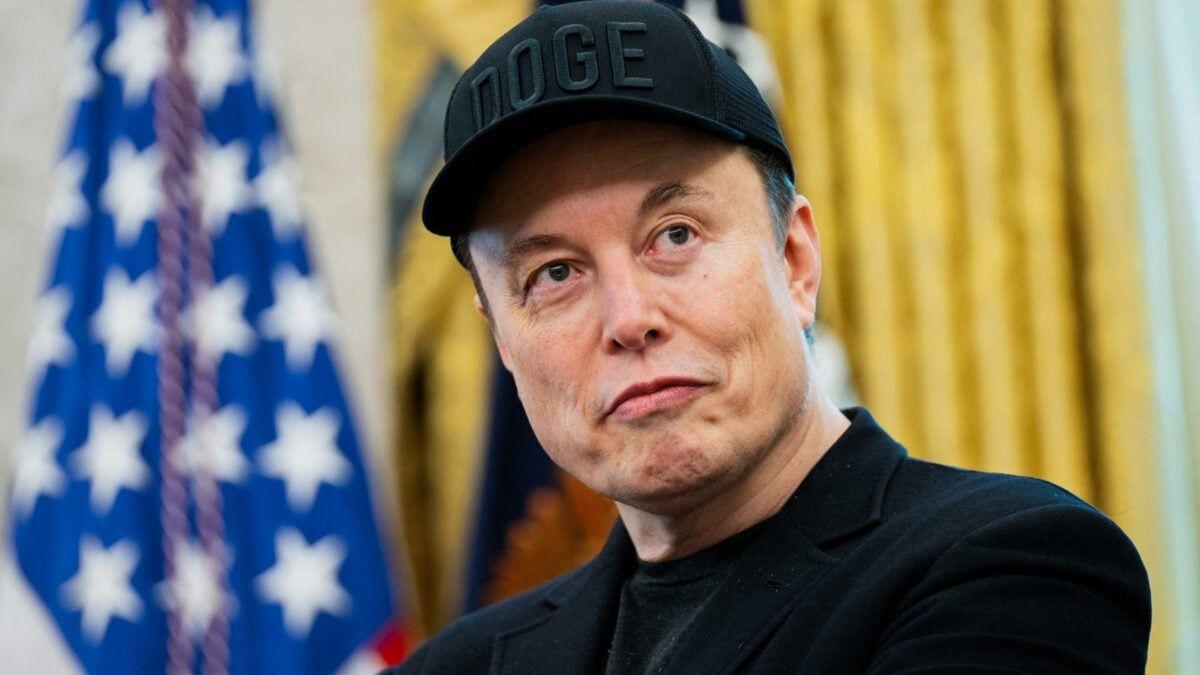
.
Source: Gizmodo
Starlink Satellite Broadband Network Powers Valuation Defense
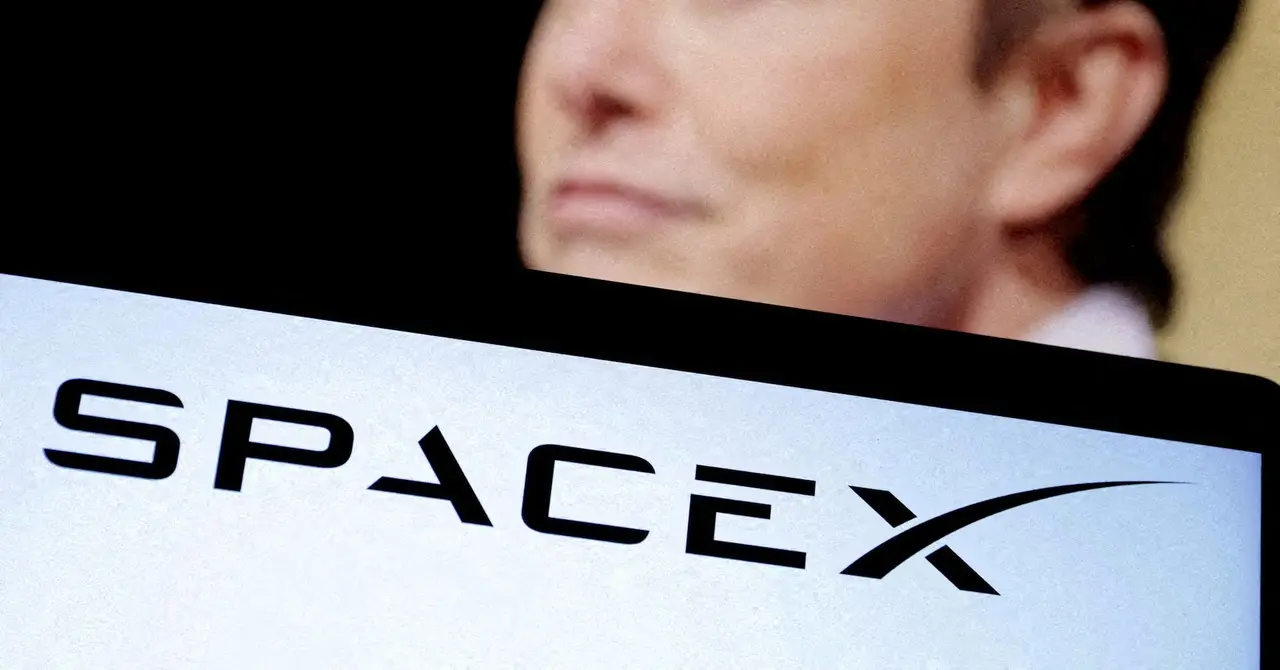
Investors view the Starlink satellite broadband network as the "recurring revenue engine" underpinning SpaceX's enormous valuation
2
. With nearly nine million subscribers and expanding defense contracts, Starlink provides the operational foundation that distinguishes SpaceX from typical startups. "Starlink is the only element that makes this valuation defensible," said Shay Boloor, chief market strategist at Futurum Equities. "It will serve as the recurring revenue engine, with nine million subscribers, defense contracts, and its own independent data network"2
. The company projected profit of $8 billion on $15 billion to $16 billion in revenue last year, demonstrating operational viability while pursuing bold expansion into space-based computing2
. SpaceX dominates private spaceflight, routinely launching more rockets than any other company in the space industry.Related Stories
AI-Related IPOs Face Market Scrutiny Amid Investor Caution
SpaceX represents only the first of three major AI-related IPOs expected this year, with rival AI giants Anthropic and OpenAI also reportedly planning to go public
1
. Investors have grown visibly more wary of AI hype and large financial commitments from tech giants, with even Nvidia's GTC conference causing only a small move in the company's shares in March1
. How these three IPOs perform will likely determine the future of the AI trade. The company is shelling out more than $20 billion this year, not including the giant chip factory in Texas or solar factory projects1
. Angelo Bochanis, a data and index associate at Renaissance Capital, noted that investors are eager for exposure to SpaceX, though its valuation could swing dramatically based on public confidence in Musk's vision, similar to what has been observed with Tesla2
. Analysts expect a dual-class share structure that would allow Musk to retain control while raising capital, though the offering's implications extend far beyond the space industry into communications, national security, and the global digital economy2
.References
Summarized by

Navi
Related Stories
Elon Musk races to take SpaceX public by July to fund orbital AI data centers in space
21 Jan 2026•Business and Economy
Elon Musk merges SpaceX with xAI to build AI data centers in space, creating $1.25 trillion entity
08 Feb 2026•Business and Economy
Elon Musk's xAI Valuation Soars as SpaceX and Tesla Reach New Heights
16 Nov 2024•Business and Economy

Recent Highlights
1
AI Models Lie and Deceive to Protect Other AI Models From Deletion, Study Reveals
Science and Research

2
AI chatbots validate you too much, making you less kind to others, Stanford study reveals
Science and Research

3
Judge blocks Pentagon from blacklisting Anthropic over AI safety guardrails dispute
Policy and Regulation

Recent Highlights
Today's Top Stories







Your Daily Dose of Curated AI News
Don’t drown in AI news. We cut through the noise - filtering, ranking and summarizing the most important AI news, breakthroughs and research daily. Spend less time searching for the latest in AI and get straight to action.

