The Last of Us co-director calls generative AI a snake eating its own tail, rejects its use


2 Sources
2 Sources
[1]
Generative AI is "a snake eating its own tail" says The Last of Us co-director, but the term AI is easily misinterpreted
The Last of Us co-director Bruce Straley has described generative AI as "a snake eating its own tail", discussing how easily use of the tech can be misinterpreted. Straley left Naughty Dog back in 2017 and has now formed his own independent studio, Wildflower Interactive. In an interview with Polygon about the studio's debut, Coven of the Chicken Foot, Straley revealed his staunch dislike of generative AI. "It's a snake eating its own tail," he said. "It can't grow and think for itself, it just consumes, and it tries to mimic what it's consumed. That's the best it can do right now." Generative AI has not been used in development of Coven of the Chicken Foot, Straley confirmed. However, he noted how the term AI has been used in gaming for decades, but has since become confused and conflated with the current use of generative AI. "It's difficult to even pitch the concept of this creature, because in my world, NPCs are AI," Straley said. "AI programmers are a type of personnel you have on staff in the programming department. Now you can't say that because if somebody does have an opinion about AI, I can't now call this creature the most advanced AI companion. People are going to think we did machine learning, and LLMs, and all that. No, we did none of that. This is hard work, and a lot of problem solving, and a lot of creative thinking. Which I think makes it more charming. "I like art that has chips and flaws. It's like pottery. It has imperfections because it didn't come out of the kiln right. That's the cool stuff about art." Straley did admit generative AI could potentially be useful in certain instances, but he's not interested in using it. "I feel like without a human being the creation, I personally have zero investment in wanting to watch a TV show made by a robot," he said. "I have zero interest in looking at art that is generated by a computer. I don't think prompting is art." Straley's comments are timely, following those of Larian CEO Swen Vincke. In an interview with Bloomberg, Vincke admitted to Larian using generative AI as part of development. When this received backlash online, Vincke clarified that concept artists would not be replaced by AI. Instead the studio uses "AI tools to explore references" and developers can "experiment with these tools to make their lives easier" if they wish to. The backlash Larian received to Vincke's initial comment is testament to the strong immediate opinions the use of AI can generate. Coven of the Chicken Foot was revealed at this year's The Game Awards showcase - we've got a rundown of everything announced.
[2]
The Last of Us director won't use Gen AI even if it produces something "compelling" as "I don't think prompting is art"
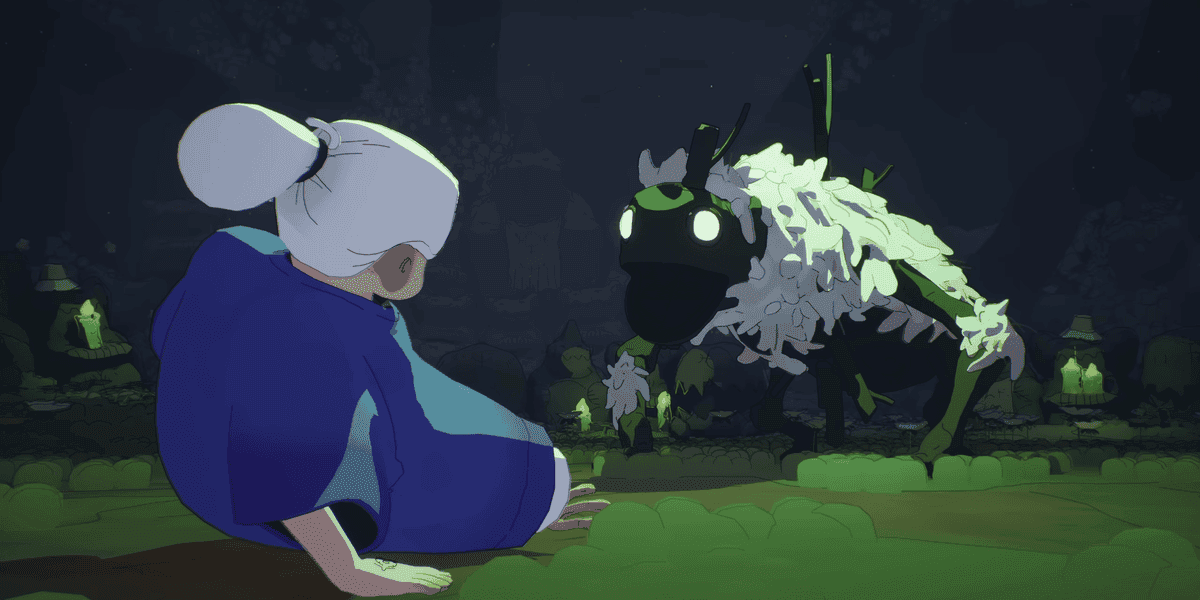
"It's a snake eating its own tail. It can't grow and think for itself, it just consumes" The Last of Us' co-director, Bruce Straley, has discussed his views on generative AI, saying that even if it could produce something that was "compelling", he would still be uninterested in the technology. He discusses the current wave in popularity for computer automation in regards to the first trailer for his independent studio's game, Coven of the Chicken Foot. Revealed during The Game Awards 2025, Coven of the Chicken Foot sees you control an elderly witch who has a toad chicken guy companion. However, much like our adorable friend Trico from The Last Guardian, toad chicken guy doesn't always do what you expect them to. Instead, they react to your actions. You feed them rotten food, and they'll poop. Unlike with Gen AI, toad chicken guy's responses have been scripted and programmed by humans. While games like Where Winds Meet are using generative AI to give NPCs personality, Wildflower Interactive has planned out every part of their characters behavior. "This is hard work, and a lot of problem solving, and a lot of creative thinking," Straley explains. Further in his interview with Polygon, Straley breaks down his opinions on generative AI and its use in video games and other media. "It's a snake eating its own tail," Straley says. "It can't grow and think for itself, it just consumes, and it tries to mimic what it's consumed. That's the best it can do right now." There are certainly significant problems with current generative AI models. If we take the example of Where Winds Meet, players very quickly found ways to circumvent the AI's requests. However, even if the technology improves, Straley is uninterested in it. "You might create something compelling," Straley says on the possible future of AI. "I'm not interested in the slightest bit in that world... I have zero interest in looking at art that is generated by a computer. I don't think prompting is art." Further, he doesn't understand why it's so popular. "I don't know who wants it," Straley says. "I don't know who's asking for it, I don't know who's pushing for it, but I don't think it's the way as a human species we need to be evolving." Personally, Coven of the Chicken Foot is by far my most anticipated game from The Game Awards 2025, and I'm excited to play with the toad chicken guy the team has handcrafted.
Share
Share
Copy Link
Bruce Straley, co-director of The Last of Us, has voiced strong criticism of generative AI, describing it as a snake eating its own tail that merely mimics what it consumes. The veteran game developer insists his new studio won't use the technology, arguing that prompting is not art and expressing zero interest in computer-generated creativity.
Bruce Straley Takes Firm Stance Against Generative AI in Game Development
Bruce Straley, The Last of Us co-director and founder of independent studio Wildflower Interactive, has delivered a scathing critique of generative AI, calling it "a snake eating its own tail" that cannot grow or think independently
1
. Speaking to Polygon about his studio's debut title Coven of the Chicken Foot, Straley made clear that generative AI has no place in his creative process. "It can't grow and think for itself, it just consumes, and it tries to mimic what it's consumed. That's the best it can do right now," he explained2
. The veteran developer, who left Naughty Dog in 2017, represents a growing voice of criticism of generative AI within creative industries as the technology becomes increasingly prevalent.
Source: GamesRadar
Prompting Is Not Art, Says Industry Veteran
Straley's rejection of generative AI extends beyond technical limitations to fundamental questions about creativity and artistic value. "I have zero interest in looking at art that is generated by a computer. I don't think prompting is art," he stated emphatically
1
. Even if the technology improves and produces something compelling, Straley remains unmoved. "You might create something compelling. I'm not interested in the slightest bit in that world," he told Polygon2
. His philosophy centers on human creativity in game development, valuing the imperfections and authenticity that come from human hands. "I like art that has chips and flaws. It's like pottery. It has imperfections because it didn't come out of the kiln right. That's the cool stuff about art," Straley explained1
.Confusion Between Traditional AI in Gaming and Generative AI
Straley highlighted a significant communication challenge facing AI in gaming: the conflation of traditional game AI with generative AI technologies. "It's difficult to even pitch the concept of this creature, because in my world, NPCs are AI," he noted
1
. For decades, AI programmers have been essential personnel in game development departments, creating sophisticated NPC behaviors and game systems. Now, Straley can't describe his game's companion as "the most advanced AI companion" without risking confusion. "People are going to think we did machine learning, and LLMs, and all that. No, we did none of that. This is hard work, and a lot of problem solving, and a lot of creative thinking," he clarified1
. The distinction matters: Coven of the Chicken Foot features a toad-chicken companion whose behaviors are entirely scripted and programmed by humans, not generated by AI tools2
.
Source: Eurogamer
Related Stories
Industry Divided as Larian Faces Backlash Over AI Use
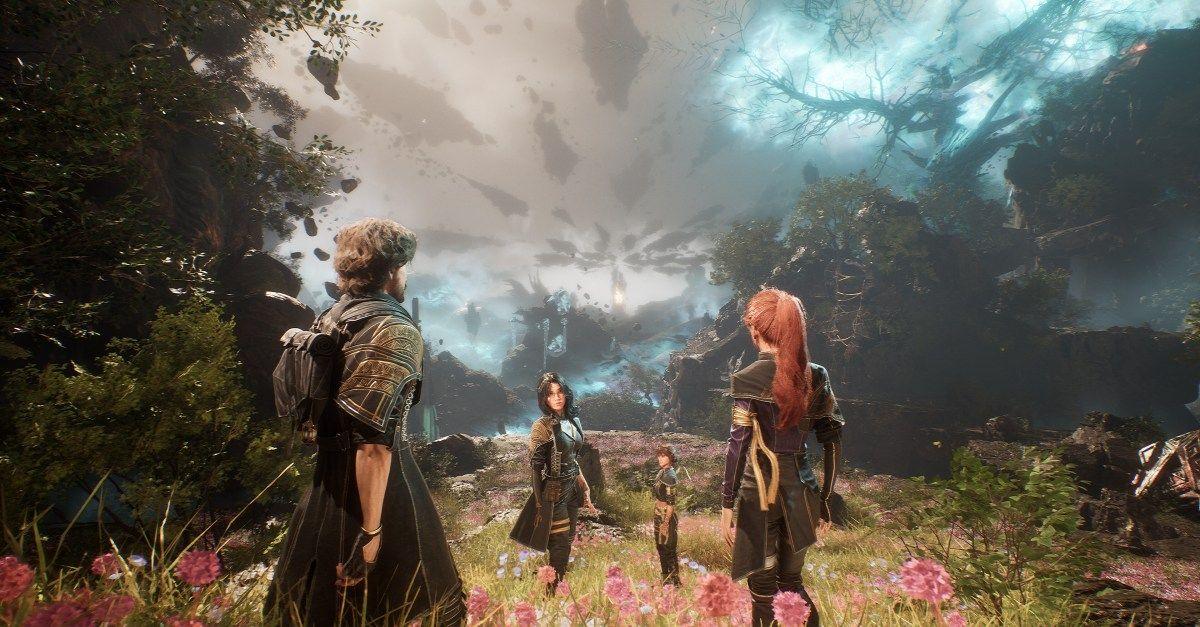
Straley's comments arrive amid broader industry tensions about AI in creative industries. Larian CEO Swen Vincke recently sparked controversy when he admitted to using generative AI during game development in a Bloomberg interview
1
. The immediate backlash forced Vincke to clarify that concept artists wouldn't be replaced, and that the studio uses "AI tools to explore references" while allowing developers to "experiment with these tools to make their lives easier" if they choose1
. The swift reaction demonstrates how polarizing AI adoption has become. Straley questions the entire premise of the technology's popularity: "I don't know who wants it, I don't know who's asking for it, I don't know who's pushing for it, but I don't think it's the way as a human species we need to be evolving," he said2
. As studios navigate these decisions, the debate between efficiency and artistic integrity continues to shape game development's future.References
Summarized by

Navi
Related Stories
Gaming Industry Splits Over AI Use as Arc Raiders Success Sparks Heated Debate
11 Nov 2025•Technology

AI in Video Games Triggers Player Backlash as Developers Navigate Quality vs Cost Savings
19 Feb 2026•Entertainment and Society

Larian Studios' Swen Vincke on AI in Game Development: Enhancing Efficiency, Not Replacing Creativity
29 Apr 2025•Technology
Recent Highlights
1
Tennessee Teens Sue Elon Musk's xAI Over Grok AI-Generated Child Abuse Images
Policy and Regulation

2
Pentagon designates Palantir Maven AI as core US military system in major defense shift
Technology

3
Supermicro Co-Founder Indicted in $2.5 Billion Nvidia AI Chip Smuggling Scheme to China
Policy and Regulation

Recent Highlights
Today's Top Stories












Your Daily Dose of Curated AI News
Don’t drown in AI news. We cut through the noise - filtering, ranking and summarizing the most important AI news, breakthroughs and research daily. Spend less time searching for the latest in AI and get straight to action.

