Tom Cruise Brad Pitt AI fight scene sparks Hollywood debate over green-screen footage controversy


2 Sources
2 Sources
[1]
Did That Viral Tom Cruise, Brad Pitt AI Fight Scene Get a Green-Screen Assist?
A viral AI video featuring a fight scene between Tom Cruise and Brad Pitt made the rounds on the internet this week, with many marveling at how realistic it looked, but at least one digital creative is questioning how much of it was truly spun up by AI. The fight scene was made by ByteDance's AI video generator, Seedance 2.0, using a "2 line prompt," according to filmmaker Ruairi Robinson. However, visual effects artist and app developer Aron Peterson was skeptical, "because we can see the camera movement [in the Pitt-Cruise video] and AI video generators are really bad at simulating realistic camera moves, especially handheld shaky cam." He acknowledged that the "Seedance 2.0 model is newer and thus more reliable," but argued that it's "highly unlikely that just two prompts and thirty seconds were needed to generate a full multi-angle fight scene." On Seedance's website, "it only took 10 seconds to find green screen footage of two stuntmen performing the same fight choreography we see in the Cruise vs Pitt scene," Peterson writes. "Seedance had used the green screen footage for a different demo -- this time using a prompt for an anime style fight scene." The distinction is important because some argued that AI tools like Seedance could kill modern filmmaking. If a simple, two-line prompt can create an action scene out of thin air, why pay for actors, a choreographer, wardrobe stylist, and a full film crew? The green-screen footage, however, suggests that Seedance took real fight-scene footage, generated the background, and added the faces of Pitt and Cruise. "It's important to note that not anyone could shoot the green screen video above," Peterson says. "Video to video requires excellent input/source material for best results, as Seedance did. Hiring a green screen studio, stuntmen, choreographer, lighting crew and cameraman would cost a couple of grand a day on the low end. Out of that all they got was about 20 seconds of footage. Then there is the cost of generating. We don't know how many times they had unusable output. It is doubtful that it was a one shot generation per angle." In his post, Peterson tells Seedance and Robinson that "the ball is in your court," and asks them to explain whether the clip is "really just a 2 line prompt or...2 lines, green screen video footage, and face references too? The evidence appears to show that stuntmen were filmed from several angles, that a clip had to be generated for every angle, and then finally all clips were stitched together for marketing." On X, Robinson hasn't addressed Peterson directly, but doesn't seem too concerned about the controversy. "Sorry i typed 2 lines and pressed a button, i now know this was wrong," he joked last week.
[2]
Hollywood is freaking out over a viral AI video showing Brad Pitt and Tom Cruise fighting
At first glance, it could be the trailer for a new Hollywood blockbuster starring Brad Pitt and Tom Cruise. "This was a 2 line prompt in seedance 2," Irish filmmaker Ruairí Robinson clarifies in a caption on X of the 15-second clip, which shows two of the industry's biggest stars locked in a fistfight on a crumbling rooftop, complete with sweeping camera angles and crisp sound effects. The viral AI-generated clip has garnered more than 1.8 million views since it was posted on X last week, triggering panic and backlash from Hollywood. Deadpool screenwriter Rhett Reese reposted the video with the message, "I hate to say it. It's likely over for us."
Share
Share
Copy Link
A viral AI video featuring Tom Cruise and Brad Pitt in a rooftop fight scene generated over 1.8 million views and triggered panic across Hollywood. But visual effects artist Aron Peterson uncovered evidence suggesting ByteDance's Seedance 2.0 used green-screen footage with stuntmen rather than creating the scene from a simple prompt alone, raising questions about AI video generation capabilities.
Viral AI Video Triggers Hollywood Panic and Backlash
A 15-second AI fight scene showing Tom Cruise and Brad Pitt locked in combat on a crumbling rooftop has ignited intense debate about the future of filmmaking. The viral AI video, posted by Irish filmmaker Ruairí Robinson, garnered over 1.8 million views within days, prompting immediate reactions from industry professionals
2
. Deadpool screenwriter Rhett Reese reposted the clip with an ominous message: "I hate to say it. It's likely over for us"2
. The AI-generated video appeared to demonstrate that ByteDance's Seedance 2.0 could produce Hollywood-quality action sequences complete with sweeping camera angles and crisp sound effects from minimal input.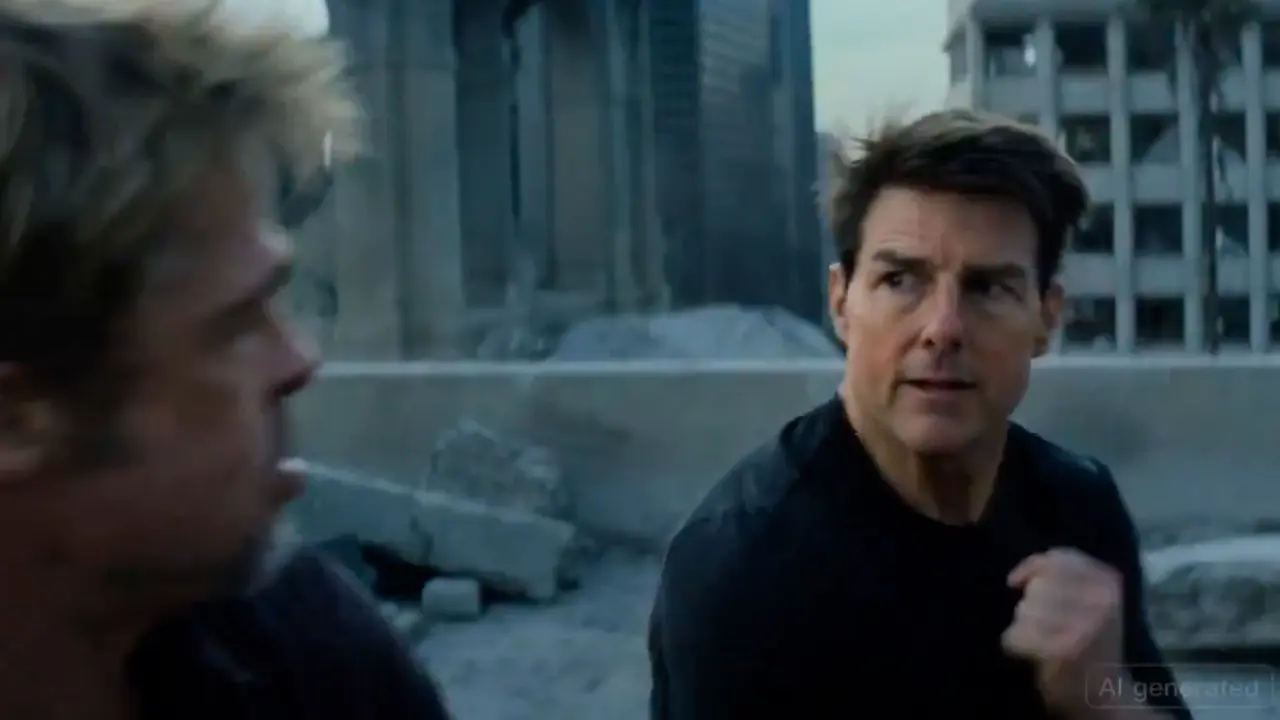
Source: Fast Company
Green-Screen Footage Controversy Challenges AI Claims
The initial excitement around the 2 line prompt video generation claim quickly drew skepticism from visual effects experts. Aron Peterson, a visual effects artist and app developer, questioned the authenticity of the creation process "because we can see the camera movement [in the Pitt-Cruise video] and AI video generators are really bad at simulating realistic camera moves, especially handheld shaky cam"
1
. Peterson's investigation on Seedance's website uncovered compelling evidence: "it only took 10 seconds to find green screen footage of two stuntmen performing the same fight choreography we see in the Cruise vs Pitt scene"1
. The discovery revealed that ByteDance had used the identical green-screen footage for a different demo featuring an anime-style fight scene, suggesting the Tom Cruise and Brad Pitt fighting video wasn't generated purely from text prompts.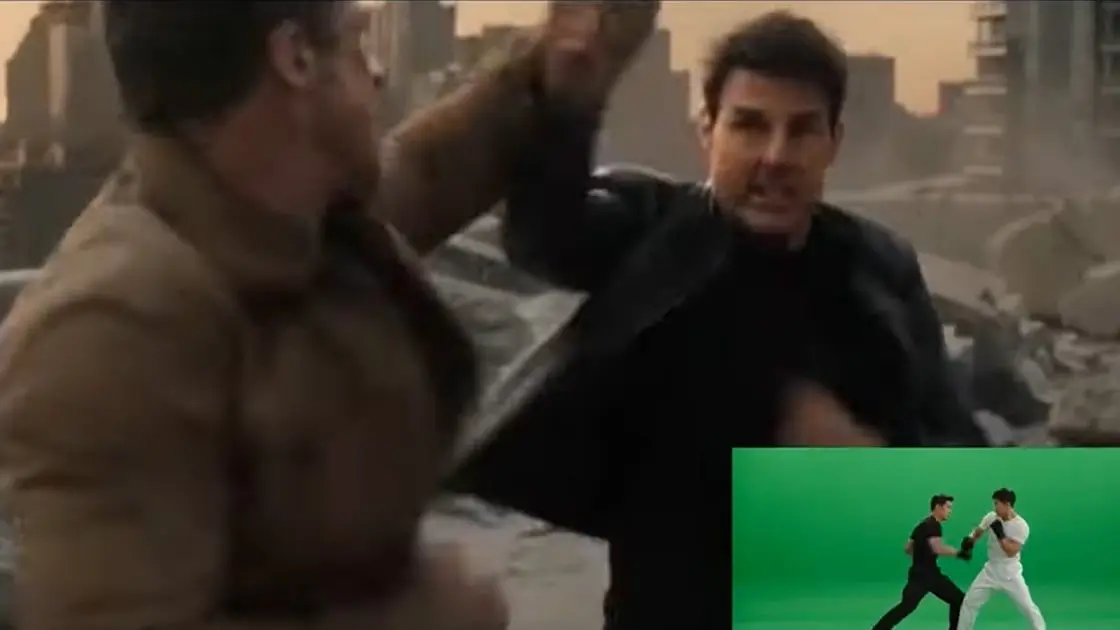
Source: PC Magazine
Real Production Costs Behind AI Video Generation
The distinction between pure AI generation and video-to-video transformation carries significant implications for understanding AI's actual impact on pre-production and filmmaking workflows. Peterson emphasized that creating quality source material still requires substantial resources: "Hiring a green screen studio, stuntmen, choreographer, lighting crew and cameraman would cost a couple of grand a day on the low end. Out of that all they got was about 20 seconds of footage"
1
. The process likely involved filming stuntmen from multiple camera angles, generating separate clips for each angle, then stitching them together—far more complex than simply typing two lines and pressing a button. Peterson noted that "we don't know how many times they had unusable output. It is doubtful that it was a one shot generation per angle"1
.}Related Stories
What This Means for Hollywood's Future
The viral video debate highlights a critical question about AI's role in creative industries. If Seedance 2.0 could truly generate professional action sequences from simple prompts, it would fundamentally threaten traditional filmmaking by eliminating the need for actors, choreography teams, and full film crews. However, the evidence suggests a more nuanced reality: ByteDance's tool appears to excel at transforming existing footage—adding generated backgrounds and swapping faces—rather than creating scenes from scratch. Robinson hasn't directly addressed Peterson's findings but responded with humor on X: "Sorry i typed 2 lines and pressed a button, i now know this was wrong"
1
. As AI video tools continue advancing, the industry faces ongoing questions about transparency in showcasing capabilities versus marketing hype, and whether these technologies will augment human creativity or attempt to replace it entirely.References
Summarized by

Navi
Related Stories
ByteDance scrambles to fix Seedance 2.0 after Hollywood erupts over copyright infringement
13 Feb 2026•Policy and Regulation
Hollywood reframes AI as infrastructure while studios navigate creative boundaries and job concerns
17 Mar 2026•Technology

AMC Theatres blocks AI-generated film after social media outcry over creative rights
20 Feb 2026•Entertainment and Society

Recent Highlights
1
Google releases Gemma 4 with Apache 2.0 license, enabling unrestricted local AI on devices
Technology

2
AI Models Lie and Deceive to Protect Other AI Models From Deletion, Study Reveals
Science and Research

3
Anthropic discovers functional emotions in Claude that actively shape AI behavior and decisions
Science and Research

Recent Highlights
Today's Top Stories




Your Daily Dose of Curated AI News
Don’t drown in AI news. We cut through the noise - filtering, ranking and summarizing the most important AI news, breakthroughs and research daily. Spend less time searching for the latest in AI and get straight to action.

