Trump's Tech Force AI hiring campaign attracts 25,000 applicants for 1,000 federal tech roles


3 Sources
3 Sources
[1]
Trump's AI hiring campaign draws interest from 25,000 hopefuls
WASHINGTON, Dec 23 (Reuters) - Roughly 25,000 people have expressed interest in joining the Trump administration's cadre of engineers known as Tech Force, a senior Trump administration official said on Tuesday, as the U.S. government looks to install staff with artificial intelligence expertise in federal roles. The Trump administration will use that list to recruit software and data engineers, in addition to other tech roles, said Scott Kupor, director of the U.S. Office of Personnel Management, in a post, opens new tab on X. Reuters could not independently verify the 25,000 figure. The interested candidates will compete for 1,000 spots in the first Tech Force cohort. The recruits will spend two years working on technology projects inside federal agencies, including the Departments of Homeland Security, Veterans Affairs, and Justice, among other government offices, Kupor said previously. The hiring initiative is part of the Trump administration's AI agenda. Previous U.S. presidents have launched similar initiatives to bring tech talent into government, including former President Joe Biden. President Donald Trump, in the first months of his second term, focused on eliminating government jobs, with exceptions for positions his administration said were necessary to maintain "national security." Tech Force is a departure from the downsizing campaign. Reporting by Courtney Rozen Editing by Rod Nickel Our Standards: The Thomson Reuters Trust Principles., opens new tab Courtney Rozen Thomson Reuters Courtney Rozen reports on the Trump administration's transformation of federal agencies and government spending. She previously worked at Bloomberg.
[2]
Trump's AI Hiring Campaign Draws Interest From 25,000 Hopefuls
WASHINGTON, Dec 23 (Reuters) - Roughly 25,000 people have expressed interest in joining the Trump administration's cadre of engineers known as Tech Force, a senior Trump administration official said on Tuesday, as the U.S. government looks to install staff with artificial intelligence expertise in federal roles. The Trump administration will use that list to recruit software and data engineers, in addition to other tech roles, said Scott Kupor, director of the U.S. Office of Personnel Management, in a post on X. Reuters could not independently verify the 25,000 figure. The interested candidates will compete for 1,000 spots in the first Tech Force cohort. The recruits will spend two years working on technology projects inside federal agencies, including the Departments of Homeland Security, Veterans Affairs, and Justice, among other government offices, Kupor said previously. The hiring initiative is part of the Trump administration's AI agenda. Previous U.S. presidents have launched similar initiatives to bring tech talent into government, including former President Joe Biden. President Donald Trump, in the first months of his second term, focused on eliminating government jobs, with exceptions for positions his administration said were necessary to maintain "national security." Tech Force is a departure from the downsizing campaign. (Reporting by Courtney RozenEditing by Rod Nickel)
[3]
Trump's AI hiring campaign draws interest from 25,000 hopefuls
The Trump administration will use that list to recruit software and data engineers, in addition to other tech roles, said Scott Kupor, director of the U.S. Office of Personnel Management, in a post on X. Roughly 25,000 people have expressed interest in joining the Trump administration's cadre of engineers known as Tech Force, a senior Trump administration official said on Tuesday, as the U.S. government looks to install staff with artificial intelligence expertise in federal roles. The Trump administration will use that list to recruit software and data engineers, in addition to other tech roles, said Scott Kupor, director of the U.S. Office of Personnel Management, in a post on X. Reuters could not independently verify the 25,000 figure. The interested candidates will compete for 1,000 spots in the first Tech Force cohort. The recruits will spend two years working on technology projects inside federal agencies, including the Departments of Homeland Security, Veterans Affairs, and Justice, among other government offices, Kupor said previously. The hiring initiative is part of the Trump administration's AI agenda. Previous U.S. presidents have launched similar initiatives to bring tech talent into government, including former President Joe Biden. President Donald Trump, in the first months of his second term, focused on eliminating government jobs, with exceptions for positions his administration said were necessary to maintain "national security." Tech Force is a departure from the downsizing campaign. (Reporting by Courtney Rozen Editing by Rod Nickel)
Share
Share
Copy Link
The Trump administration's Tech Force initiative has drawn roughly 25,000 applicants competing for 1,000 positions focused on artificial intelligence expertise in federal agencies. The two-year program marks a shift from recent government downsizing, recruiting software and data engineers to work on technology projects across Homeland Security, Veterans Affairs, and Justice Department.
Tech Force Draws Massive Interest for Federal AI Roles
The Trump administration's AI hiring campaign has attracted approximately 25,000 applicants for its newly launched Tech Force initiative, according to Scott Kupor, director of the U.S. Office of Personnel Management
1
. The massive response signals strong interest among tech professionals in bringing artificial intelligence expertise to government work, despite the administration's broader focus on reducing the federal workforce.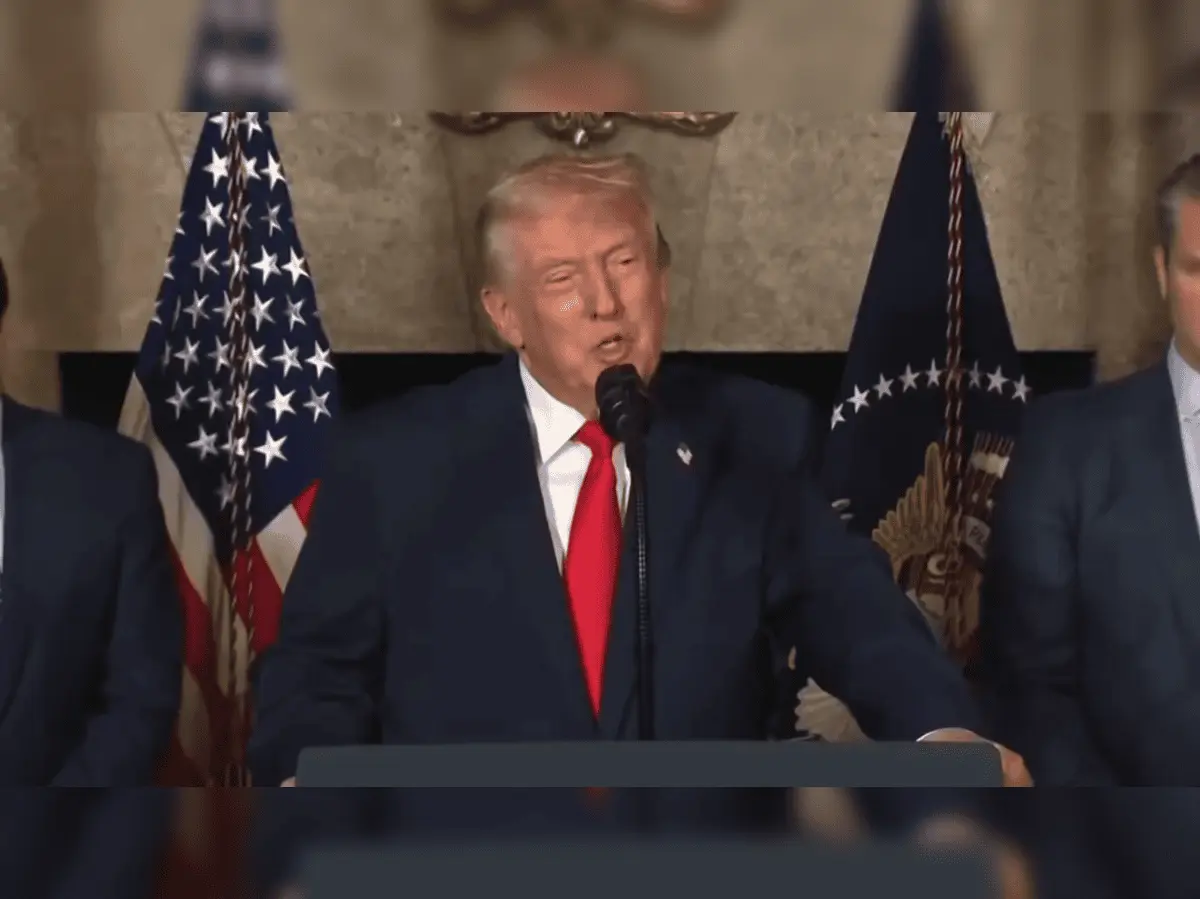
Source: ET
The 25,000 applicants for 1,000 roles creates an intensely competitive selection process, with only 4% of interested candidates securing positions in the first Tech Force cohort
2
. Kupor announced the figures in a post on X, though Reuters could not independently verify the numbers. The Trump administration will use this applicant pool to recruit software and data engineers, in addition to other federal government tech roles focused on modernizing agency operations.Two-Year Assignments Across Critical Federal Agencies
Selected recruits will spend two-year assignments working on technology projects inside multiple federal agencies, including the Departments of Homeland Security, Veterans Affairs, and Justice Department, among other government offices
3
. This structure mirrors previous efforts to bring tech talent into government, with former President Joe Biden launching similar initiatives during his tenure. The focus on recruiting tech talent represents a strategic shift in how federal agencies approach digital transformation and AI implementation.The hiring initiative forms a core component of the Trump administration's AI agenda, positioning the government to compete for skilled professionals typically drawn to private sector opportunities. By offering structured programs that allow engineers to contribute to national priorities while maintaining career flexibility through defined time commitments, Tech Force aims to bridge the persistent gap between government needs and private sector talent pools.
Related Stories

A Departure From Downsizing Campaign
President Donald Trump spent the early months of his second term focused on eliminating government jobs, with exceptions carved out for positions deemed necessary to maintain national security
1
. Tech Force represents a notable departure from this downsizing campaign, suggesting the administration views artificial intelligence capabilities as critical infrastructure requiring specialized expertise. This dual approach of reducing overall headcount while simultaneously recruiting for high-skill technology positions reflects a broader government transformation strategy.The question facing observers is whether this model can successfully compete with private sector compensation and work environments long-term. While two-year assignments may appeal to professionals seeking public service experience, sustaining institutional knowledge and building lasting AI capabilities will require retention strategies beyond short-term rotations. The success of this cohort could determine whether federal agencies can establish themselves as viable destinations for top-tier tech talent, or if recruiting tech talent remains an ongoing challenge in the face of lucrative private sector alternatives.
References
Summarized by

Navi
Related Stories
Trump launches US Tech Force to recruit 1,000 AI specialists from Apple, Google, and Microsoft
15 Dec 2025•Policy and Regulation
Trump Administration's AI Talent Purge Contradicts Push for AI Dominance
29 Apr 2025•Policy and Regulation

Trump Considers Appointing 'AI Czar' with Elon Musk's Influence
26 Nov 2024•Policy and Regulation

Recent Highlights
1
OpenAI shuts down Sora video app after six months, ending Disney's $1 billion investment deal
Technology

2
AI-Generated Val Kilmer to Posthumously Appear in As Deep as the Grave After His Death
Entertainment and Society

3
Supermicro Co-Founder Indicted in $2.5 Billion Nvidia AI Chip Smuggling Scheme to China
Policy and Regulation

Recent Highlights
Today's Top Stories







Your Daily Dose of Curated AI News
Don’t drown in AI news. We cut through the noise - filtering, ranking and summarizing the most important AI news, breakthroughs and research daily. Spend less time searching for the latest in AI and get straight to action.

