Trump UAE deal grants access to 500,000 AI chips after $500M crypto investment raises concerns


3 Sources
3 Sources
[1]
UAE Royal's Alleged Stake in Trump Crypto Venture Raises Ethical Concerns - Decrypt
The deal came ahead of a U.S. policy shift granting the UAE expanded access to advanced AI chips. A UAE-backed entity tied to Sheikh Tahnoon bin Zayed agreed to buy a 49% stake in Trump-linked crypto firm World Liberty Financial for $500 million four days before President Donald Trump's inauguration, according to a report from the Wall Street Journal on Saturday. A large share of the proceeds flowed to Trump and Witkoff family entities, the report said, with the deal preceding the Trump administration's approval of expanded UAE access to advanced U.S. AI chips that had been restricted under the Biden administration. The primary agreement was signed by Eric Trump on behalf of World Liberty Financial, the family's crypto investment and decentralized finance project. It involved an investment vehicle linked to Sheikh Tahnoon bin Zayed Al Nahyan, the UAE's national security adviser and a member of the UAE royal family. The deal made the UAE-linked entity the crypto firm's largest outside shareholder and directed roughly $187 million to Trump family entities and at least $31 million to Witkoff family-affiliated entities, the Wall Street Journal reported. The White House did not immediately return Decrypt's request for comment. It comes as Congress continues to table a broad crypto market structure bill less than a year after the GENIUS Act took effect and began reshaping federal oversight of stablecoins and digital asset markets. "This is corruption, plain and simple," Senator Elizabeth Warren, ranking member of the Senate Banking, Housing, and Urban Affairs Committee, told Decrypt. "The Trump Administration must reverse its decision to sell sensitive AI chips to the United Arab Emirates." Officials named by Warren, including Steve Witkoff, David Sacks, Secretary of Commerce Howard Lutnick, and other Trump Administration officials, "must testify in front of Congress on mounting evidence that they sold out American national security in order to benefit the President's crypto company," Senator Warren said. This should include an inquiry about whether any officials "lined their own pockets in the process," she noted, adding that Congress "needs to grow a spine and put a stop to Trump's crypto corruption." Senator Warren's statement follows an earlier call for an investigation in May last year into the extent of Donald Trump and his family's crypto ventures in the UAE, as well as another request from December on whether Trump Administration officials "used their positions to cash in on foreign crypto deals." Other critics have warned that Trump's personal and family ties to crypto ventures risk blurring the line between policymaking and private financial interest at a moment when the administration is backing crypto regulation and expanding U.S. crypto market access. Some have also noted how the Trump family's ventures have been "frustrating" bipartisan negotiations pushing for crypto regulation. What's concerning in the financial arrangement is that it appears "like a subscription for policy access," Andrew Rossow, public affairs attorney and CEO of AR Media Consulting, told Decrypt. The "four-day window" with which the deal with the UAE was reportedly signed appears as "a massive red flag," Rossow said, because Congressional committees "typically use proximity to policy shifts as the primary justification for subpoenas." "Where a company with no revenue and no product sells 49% of itself for $500 million, there is a very strong presumption that this fails the 'arms-length transaction' test, and instead, appears to be a 'disguised gift,' which bypasses traditional campaign finance and gift limit laws," he added. The Committee on Foreign Investment in the U.S. (CFIUS) has the power to review foreign investments in U.S. businesses that affect national security, he explained. Legal principles at play include the Foreign Emoluments Clause, which bars federal officials from accepting benefits from foreign states without congressional approval. However, courts have struggled with whether business transactions at claimed market value qualify as prohibited emoluments, an issue that surfaced repeatedly during Trump's first term, Rossow explained. While World Liberty Financial is technically a crypto firm, its links to the president and his family, as well as its use of stablecoins to facilitate deals with the UAE, "may be argued as a 'covered transaction' because it creates a financial dependency that compromises the POTUS's 'independence' on UAE-related security policy," Rossow added.
[2]
Inside The $187M Deal Between The Trump Family And The UAE's 'Spy Sheikh'
The Trump family reportedly received $187 million from an Abu Dhabi royal-backed investment firm four days before Trump's inauguration and months before the UAE secured access to 500,000 advanced AI chips annually. Sheikh Tahnoon Invests $500M In WLFI According to the Wall Street Journal, Sheikh Tahnoon bin Zayed Al Nahyan, the UAE's national security adviser, backed a $500 million investment for 49% of World Liberty Financial (CRYPTO: WLFI) through his firm Aryam Investment 1 on January 16, 2025. Eric Trump signed the agreement. Trump family entities received $187 million of the first $250 million installment. Meanwhile, $31 million went to Steve Witkoff's family entities and another $31 million went to co-founders Zak Folkman and Chase Herro. The timing raised red flags. Weeks earlier, the administration named Witkoff U.S. envoy to the Middle East, marking the first time a foreign government official bought a major stake in an incoming president's company. The AI Chip Push Sheikh Tahnoon -- called the "spy sheikh" -- oversees a $1.3 trillion empire spanning AI and surveillance operations. His top priority was securing the U.S. AI chips that Biden had blocked over fears the technology could reach China through his AI firm G42, which had close ties to sanctioned Chinese tech giant Huawei. However, Trump's election reopened negotiations. Following the World Liberty investment, Tahnoon met multiple times with Trump and Witkoff. In March, he visited the White House and pledged $1.4 trillion in U.S. investment over a decade. Two months later, the payoff arrived. The administration committed to give the UAE 500,000 of the most advanced AI chips annually. This is enough to build one of the world's biggest AI data center clusters. Notably, roughly one-fifth would flow to G42. The Board And Binance Deal The deal placed two Aryam executives -- Peng Xiao and Martin Edelman, both G42 officials -- on World Liberty's five-person board alongside Eric Trump and Zach Witkoff. What wasn't disclosed: MGX and World Liberty shared leadership through the same G42 executives on both boards. The $2 billion commitment boosted USD1's ranking and gave World Liberty a cash reserve generating about $80 million annually in Treasury interest. The Constitutional Question Legal experts said the deal could violate the Constitution's emoluments clause. This provision prevents government officials from being controlled by foreign governments. Kathleen Clark, a law professor and former ethics lawyer, called it a potential bribe and warned it signals the federal government is for sale. Moreover, Ty Cobb, who served as White House lawyer in Trump's first term, said don't do business deals with families of foreign country leaders because it damages American foreign policy credibility. The White House pushed back. David Wachsman, a World Liberty spokesman, said the investment had nothing to do with the chip deal. President Trump and Witkoff had no involvement since taking office, and the deal didn't grant access to government decision-making. Image: Shutterstock Market News and Data brought to you by Benzinga APIs
[3]
UAE made secret $500 million investment in Trump-linked crypto firm - WSJ
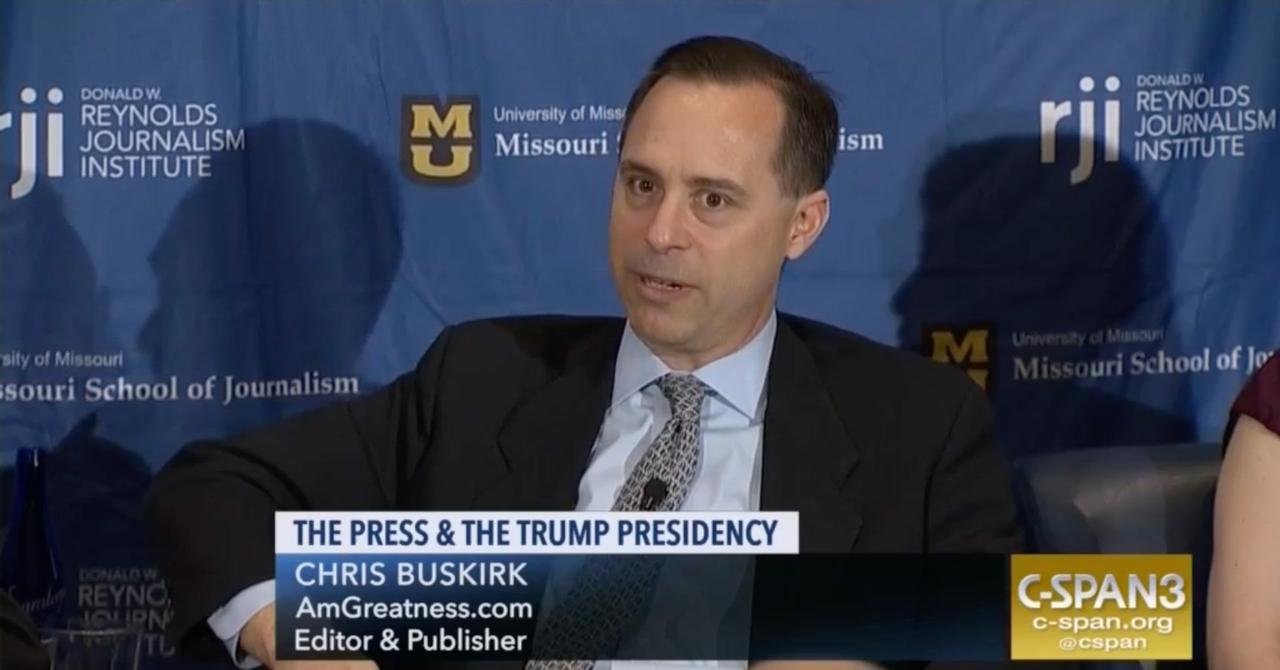
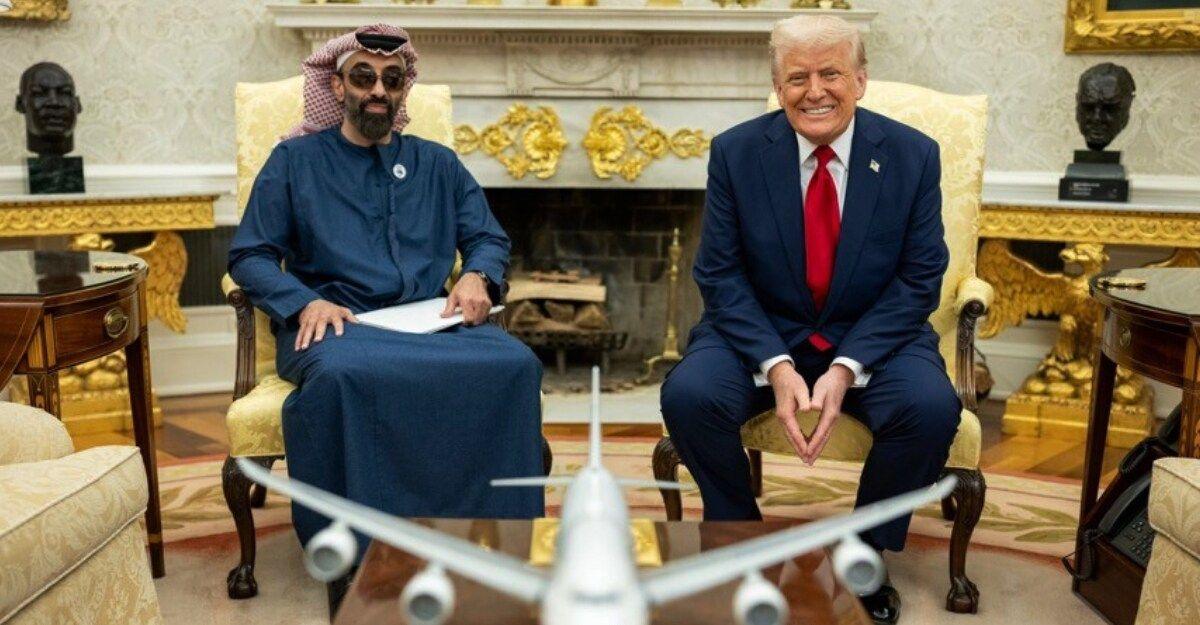
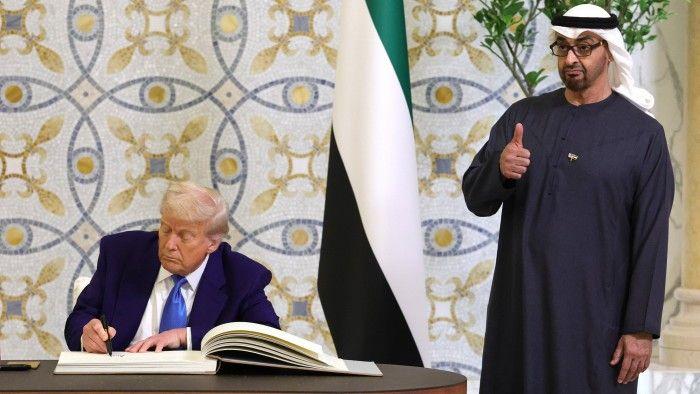
US President Donald Trump attends a business forum at Qasr Al Watan during the final stop of his Gulf visit, in Abu Dhabi, United Arab Emirates, May 16, 2025. A crypto company linked to US President Donald Trump received a $500 million secret investment from the UAE four days before Trump's presidential inauguration in 2025, according to a Sunday report from the Wall Street Journal. The $500 million investment granted the Emiratis 49% of World Liberty Financial, a fledgling cryptocurrency venture owned by the Trump family, with the deal being approved by Eric Trump, the US president's son, according to documents cited by the Journal. US Special Envoy Steve Witkoff's family was also implicated in the deal, with $31 million slated to flow to entities affiliated with them, according to the documents. The documents also detailed how the deal was backed by Sheikh Tahnoon bin Zayed Al Nahyan, reportedly in an effort to gain access to the US's artificial intelligence chips, which Americans have been known to tightly guard from foreign actors. The Biden administration had rejected Tahnoon's attempts to gain access to the technology, citing concerns that it might be diverted to China, the report said. According to the Journal, reports of an investment in a company linked to the Trump and Witkoff families mark the first instance of a foreign official taking a major stake in a company linked to an incoming US president. Tahnoon reportedly oversees a $1.3 trillion empire spanning fish farms, AI, and surveillance, making him one of the most powerful single investors in the world. David Wachsman, a spokesman for World Liberty, assured the Journal that Trump and Witkoff had no involvement in the deal and haven't been involved in World Liberty since taking office, and that Witkoff had never played an operational role in the company. "President Trump only acts in the best interests of the American public," said White House spokeswoman Anna Kelly, adding that his assets are in a trust managed by his children. "There are no conflicts of interest." UAE's deal to access US' AI chips Two months after Trump's second inauguration, Tahnoon reportedly met with the US president and Witkoff to discuss a deal that would give the UAE access to 500,000 US chips a year to create one of the world's largest AI data center clusters. The deal was eventually closed in March, transforming the Gulf state into a major competitor in AI development. During the May presentation of the Emirati data center project, Trump, who was present, repeatedly invoked Tahnoon and told the UAE President, Sheikh Mohamed bin Zayed Al Nahyan, about his "wonderful brother" visit to Washington.
Share
Share
Copy Link
A UAE-backed entity tied to Sheikh Tahnoon bin Zayed invested $500 million for 49% of World Liberty Financial four days before Trump's inauguration. The Trump family received $187 million from the deal, which preceded a U.S. policy shift granting the UAE access to 500,000 advanced AI chips annually—technology the Biden administration had blocked over national security concerns.
UAE Investment in Trump-Linked Crypto Firm Sparks Controversy
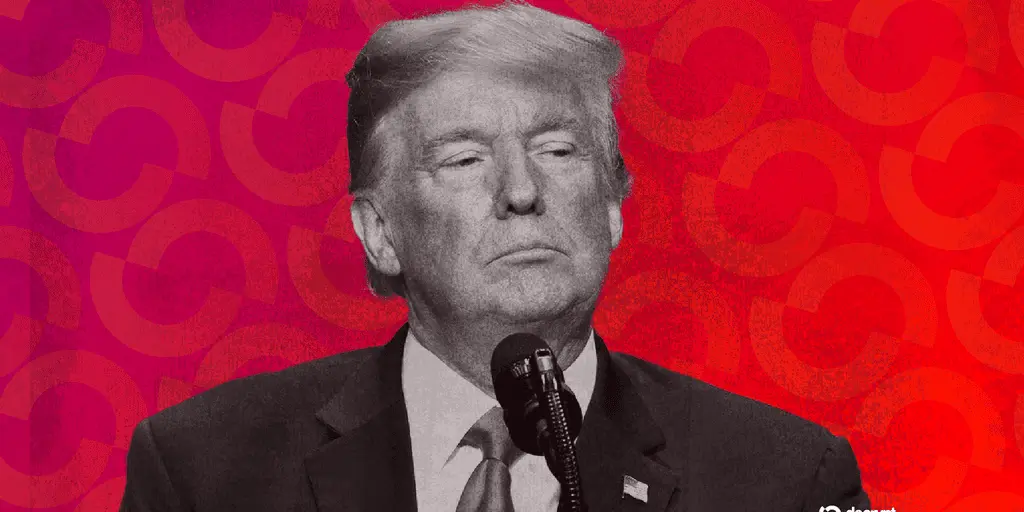
A UAE-backed investment vehicle connected to Sheikh Tahnoon bin Zayed Al Nahyan, the UAE's national security adviser and member of the royal family, agreed to purchase a 49% stake in World Liberty Financial for $500 million on January 16, 2025—just four days before President Donald Trump's inauguration
1
. The Trump UAE deal made the Emirati entity the largest outside shareholder in the Trump-linked crypto firm, with Eric Trump signing the primary agreement on behalf of the family's cryptocurrency investment and decentralized finance project2
.
Source: Decrypt
The financial arrangement directed approximately $187 million to Trump family entities from the first $250 million installment, while at least $31 million flowed to entities affiliated with Steve Witkoff's family
1
. Another $31 million went to World Liberty Financial co-founders Zak Folkman and Chase Herro2
. The UAE investment marks the first instance of a foreign government official taking a major stake in an incoming president's company3
.The AI Chips Connection and U.S. Policy Shift
The timing of the deal has raised ethical concerns because it preceded a significant U.S. policy shift on access to AI chips. Sheikh Tahnoon, who oversees a $1.3 trillion empire spanning AI and surveillance operations, had been seeking access to advanced U.S. semiconductor technology that the Biden administration had blocked over fears the technology could reach China through his AI firm G42, which maintained close ties to sanctioned Chinese tech giant Huawei
2
.Following the World Liberty Financial investment, Sheikh Tahnoon met multiple times with Trump and Witkoff
2
. In March 2025, two months after inauguration, he visited the White House and pledged $1.4 trillion in U.S. investment over a decade2
. Shortly thereafter, the Trump administration committed to give the UAE access to 500,000 of the most advanced AI chips annually—enough to build one of the world's largest AI data center clusters, with roughly one-fifth flowing to G422
.Legal Questions and Conflict of Interest Allegations
The arrangement has triggered concerns about potential violations of the Constitution's Emoluments Clause, which bars federal officials from accepting benefits from foreign states without congressional approval
1
. Andrew Rossow, public affairs attorney and CEO of AR Media Consulting, told Decrypt that the deal appears "like a subscription for policy access," with the "four-day window" representing "a massive red flag"1
. He noted that where a company with no revenue and no product sells 49% of itself for $500 million, there is a strong presumption this fails the "arms-length transaction" test and instead appears to be a "disguised gift" that bypasses traditional campaign finance and gift limit laws1
.Senator Elizabeth Warren, ranking member of the Senate Banking, Housing, and Urban Affairs Committee, called the situation "corruption, plain and simple," demanding that the Trump Administration reverse its decision to sell sensitive AI chips to the United Arab Emirates
1
. Warren stated that Steve Witkoff, David Sacks, Secretary of Commerce Howard Lutnick, and other Trump Administration officials "must testify in front of Congress on mounting evidence that they sold out American security in order to benefit the President's crypto company"1
.Related Stories
Board Composition and Operational Structure
The deal placed two Aryam executives—Peng Xiao and Martin Edelman, both G42 officials—on World Liberty Financial's five-person board alongside Eric Trump and Zach Witkoff
2
. This shared leadership structure between MGX and World Liberty Financial through the same G42 executives on both boards was not initially disclosed2
. David Wachsman, a World Liberty spokesman, maintained that the investment had nothing to do with the chip deal and that President Trump and Witkoff had no involvement since taking office2
.Implications for AI Policy and National Security
Legal experts have expressed alarm about the national security implications. Kathleen Clark, a law professor and former ethics lawyer, called the arrangement a potential bribe that signals the federal government is for sale
2
. Ty Cobb, who served as White House lawyer in Trump's first term, warned against doing business deals with families of foreign country leaders because it damages American foreign policy credibility2
. The Committee on Foreign Investment in the U.S. (CFIUS) has the power to review foreign investments in U.S. businesses that affect national security, and while World Liberty Financial is technically a crypto firm, its links to the president and his family may be argued as a "covered transaction" because it creates a financial dependency that compromises presidential independence on UAE-related security policy1
.References
Summarized by

Navi
Related Stories
UAE and US Officials Discuss Crypto and AI Collaboration, Highlighting Global Tech Diplomacy
22 Mar 2025•Policy and Regulation
Trump's $100 Billion AI Venture: UAE's MGX Emerges as Key Player Amid Controversy
24 Jan 2025•Technology

US and UAE Forge Landmark AI Partnership: Massive Data Center and Chip Access Deal Announced
14 May 2025•Business and Economy
Recent Highlights
1
Google releases Gemma 4 with Apache 2.0 license, enabling unrestricted local AI on devices
Technology

2
AI Models Lie and Deceive to Protect Other AI Models From Deletion, Study Reveals
Science and Research

3
Anthropic discovers functional emotions in Claude that actively shape AI behavior and decisions
Science and Research

Recent Highlights
Today's Top Stories





Your Daily Dose of Curated AI News
Don’t drown in AI news. We cut through the noise - filtering, ranking and summarizing the most important AI news, breakthroughs and research daily. Spend less time searching for the latest in AI and get straight to action.

