Uber launches Autonomous Solutions division to become the service layer for robotaxi fleets


2 Sources
2 Sources
[1]
Uber's new autonomous vehicle division is about survival and opportunity | TechCrunch
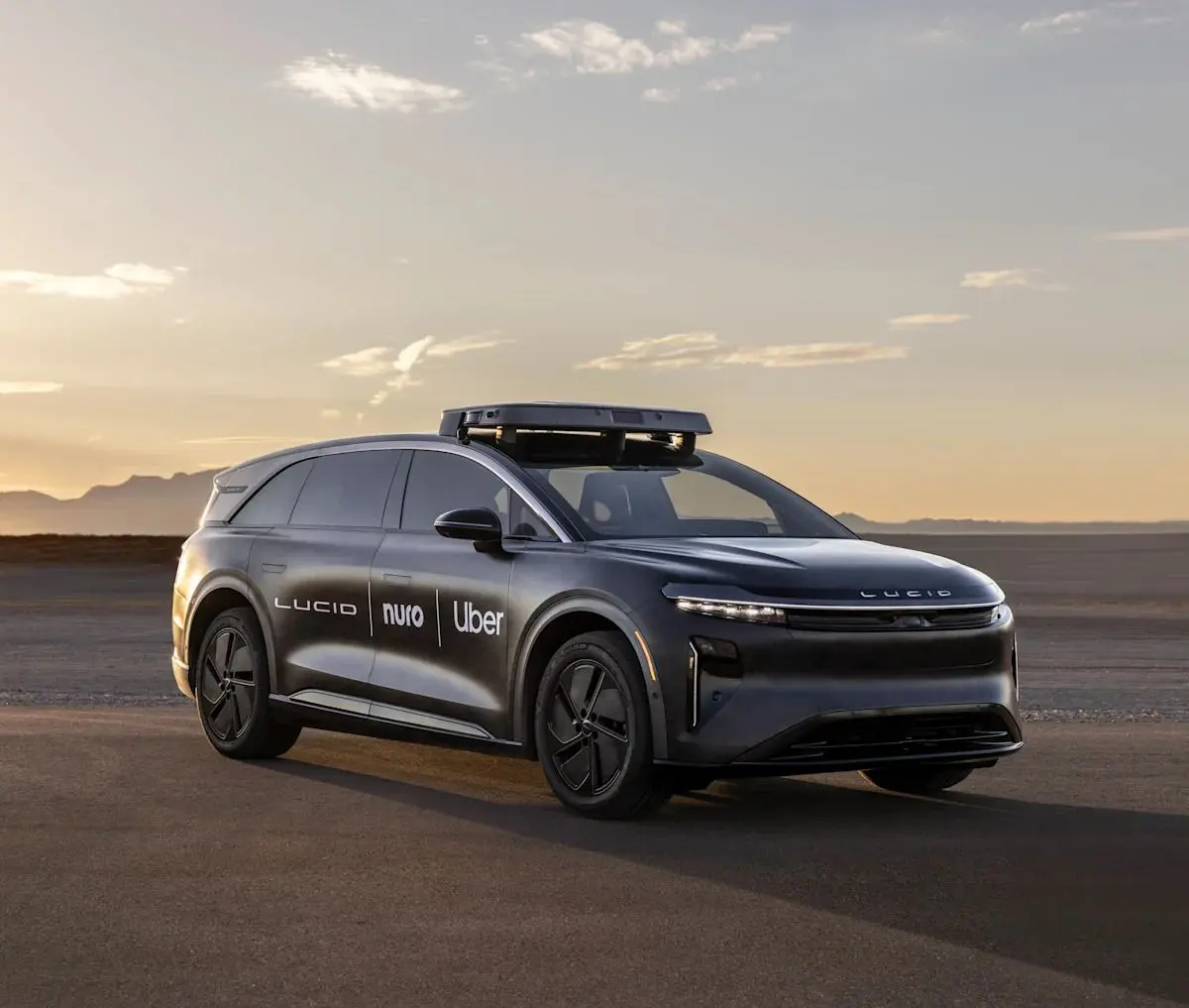
Uber has a pitch for autonomous vehicle makers: we got this. The ride-hailing and food delivery company has launched a new division called Uber Autonomous Solutions designed to take on all the tasks associated with operating a robotaxi, self-driving truck, or sidewalk delivery robot business, including software and support services. The initiative, announced Monday, formalizes what Uber has been not so quietly working on for several years now. Uber has amassed partnerships with nearly two dozen autonomous vehicle technology companies across every use case from robotaxis and trucking to sidewalk delivery robots and drones. Uber has backed many of these companies -- Lucid and Nuro, Waabi, and China's WeRide -- invested $100 million to build fast-charging, autonomous-vehicle charging stations, and even launched Uber AV Labs, a specialized engineering team that will gather data for robotaxi partners. Uber has made the partnerships and investments; now it wants to make itself indispensable. "AV tech teams should be able to focus on what they do best: building software that can safely power an autonomous world," said Sarfraz Maredia, Uber's global head of autonomous mobility and delivery, who will be leading the initiative. The idea, he said, is to add "operational depth wherever they need it," including demand generation, rider experience, customer support, or managing the day-to-day fleet operations. The end goal is to help these companies reduce their costs per mile and increase the speed to market. Uber said it plans to help these partners scale robotaxi deployments to more than 15 cities by the end of this year. "What's going to determine the success or failure of autonomous in the world is whether it can be commercialized, and Uber is going to be the thing that makes autonomy commercially viable," Uber President and COO Andrew MacDonald said. For Uber that means handling infrastructure like training data and mapping, fleet financing, regulatory services, and managing how robotaxis and other AVs navigate complex events and venues. The company said it is using a fleet of specially equipped Lucid vehicles to collect data that can be shared with partners so they can train their AI systems. The new division also plans to tackle user experience including customer support. Notably, Uber wants to take over fleet management, which would include remote assistance -- an issue that recently received attention from federal lawmakers over concerns Waymo uses workers overseas. Fleet management would also cover insurance and employing the humans who might need to support these AVs when they're out in the world. Uber's move is both existential and opportunistic. The company sold its in-house AV development unit known as Uber ATG in 2020, following two years of internal struggles and pressure after one of its test vehicles killed a pedestrian. (Uber sold off the division in a complex deal with Aurora.) It has tried to shore up its position through partnerships and investments. And there have been plenty. Uber and Waymo have a shared robotaxi service in Atlanta and Austin. The company has also locked up partnerships with Chinese firms Baidu, Momenta, and Pony.ai, sidewalk delivery bot companies Cartken, Starship, Serve, and the UK-based automated driving tech startup Wayve, as well as robotaxi developers AVride and Motional, to name a few. It has plans to launch a robotaxi service with Volkswagen in Los Angeles by the end of 2026 -- although it won't be driverless until 2027. These do provide Uber with some protection, but it doesn't provide a replacement to any revenue lost if these companies erode its own ride-hailing and food delivery business that is today powered by human drivers. Uber is hoping this new division will.
[2]
Uber launches a new division to power robotaxis behind the scenes
Serving tech enthusiasts for over 25 years. TechSpot means tech analysis and advice you can trust. First look: Uber's latest move suggests it aims to become more than just a ride-hailing and food delivery platform. This week, the company announced a significant expansion into autonomous vehicle infrastructure with the creation of Uber Autonomous Solutions, a new division that will provide the technical and operational backbone for companies deploying robotaxis on its platform and potentially beyond. The San Francisco - based company's new venture is designed to serve as a comprehensive support hub for commercial self-driving fleets. The division will offer a range of services, including insurance coverage, roadside assistance, and "AV mission control" - a software layer that enables fleet operators to monitor vehicles and take corrective action in response to traffic incidents or technical faults. Uber Autonomous Solutions will also provide fleet financing to partners looking to add robotaxis to the network. By bundling these elements under one umbrella, the company aims to lower barriers to entry for autonomous vehicle providers while building a sustainable business model around a service it once only piloted. The unit will report to Sarfraz Maredia, Uber's global head of autonomous mobility and delivery, and will draw talent and resources from multiple departments across the organization. Uber President and COO Andrew Macdonald told the Financial Times that recent engineering advances have eliminated many of the obstacles that slowed autonomous systems for years. The remaining challenge, he said, is commercial execution - turning viable self-driving technology into a profitable business. Uber's involvement in the robotaxi market has accelerated significantly over the past year. The company has struck more than a dozen partnerships, including with Alphabet's Waymo in the United States and Baidu in Asia and the Middle East. It has also invested in several startups, such as UK-based Wayve, and signed supply agreements with developers like Waabi. Last month, Uber invested $500 million in Waabi and placed an order for at least 25,000 of its autonomous vehicles. In parallel, Uber has committed to purchasing tens of thousands of electric SUVs from Lucid, equipped with sensor arrays supplied by Nuro, with plans to deploy them in San Francisco later this year. By the end of 2026, the company aims to have autonomous vehicles operating in 15 global cities, including London, Los Angeles, and Hong Kong. The launch of Uber Autonomous Solutions complements the company's expanding AI and data infrastructure efforts. Mapping and data collection will become central components of the new initiative, feeding into AI model training pipelines used for vehicle perception and navigation. The data will be gathered through Uber's AV Lab, a research group formed last month to collect and annotate sensor information from specially outfitted vehicles operating on the platform. The move follows Uber's mid-2025 rollout of its AI Solutions business, which provides data-labeling and model training services to AI labs and autonomous vehicle developers. Taken together, these initiatives point to a clear long-term strategy: rather than directly competing to build fully autonomous vehicles, Uber aims to position itself as the service layer connecting autonomous fleets, data infrastructure, and riders within a unified ecosystem. Even as Uber deepens its relationships with major autonomous vehicle developers, it faces the paradox of competing with some of them. In San Francisco, Uber's network coexists - and competes - with partners such as Waymo for market share. That tension has not gone unnoticed by investors: Uber's stock has declined nine percent since the start of the year. Still, the company's leadership appears determined to press ahead. With core autonomous technology maturing after years of setbacks, Uber sees an opportunity not only to provide rides but also to supply the systems that make those rides possible.
Share
Share
Copy Link
Uber has launched Uber Autonomous Solutions, a new division designed to handle all operational aspects of running robotaxi services. The move formalizes years of strategic partnerships with autonomous vehicle companies and positions Uber as essential infrastructure rather than just a platform. With plans to scale deployments to 15 cities by year-end, Uber aims to make autonomous vehicles commercially viable while protecting its core business from disruption.
Uber Autonomous Solutions Takes Center Stage in AV Infrastructure
Uber has officially launched Uber Autonomous Solutions, a new division that consolidates the ride-hailing giant's ambitions to become the operational backbone for autonomous vehicles across multiple use cases
1
. The initiative, announced Monday, formalizes what the company has been building quietly for several years through strategic partnerships with nearly two dozen autonomous vehicle technology companies1
. Led by Sarfraz Maredia, Uber's global head of autonomous mobility and delivery, the division aims to handle everything from fleet management to customer support, allowing AV tech teams to focus exclusively on developing safe autonomous driving software1
.
Source: TechCrunch
The new division will provide comprehensive operational and support services including insurance coverage, roadside assistance, fleet financing, and AV mission control software that enables real-time vehicle monitoring and corrective action during traffic incidents or technical faults
2
. Uber President and COO Andrew MacDonald emphasized that commercial execution, not technology, now represents the primary challenge facing the autonomous mobility ecosystem. "What's going to determine the success or failure of autonomous in the world is whether it can be commercialized, and Uber is going to be the thing that makes autonomy commercially viable," MacDonald stated1
.Strategic Partnerships Position Uber as Essential Service Layer
Uber has assembled an extensive network of partnerships with robotaxi companies including Waymo, with whom it operates shared services in Atlanta and Austin, as well as Chinese firms Baidu, Momenta, and Pony.ai
1
. The company has invested in several startups including UK-based Wayve, Waabi, Nuro, and China's WeRide1
. Last month alone, Uber invested $500 million in Waabi and placed an order for at least 25,000 of its autonomous vehicles2
. The company has also committed to purchasing tens of thousands of electric SUVs from Lucid, equipped with sensor arrays supplied by Nuro, with plans to deploy them in San Francisco later this year .These partnerships extend beyond robotaxis to include sidewalk delivery bot companies Cartken, Starship, and Serve, as well as trucking applications
1
. Uber plans to launch a robotaxi service with Volkswagen in Los Angeles by the end of 2026, though it won't operate driverless until 20271
. The company aims to help partners scale robotaxi deployments to more than 15 cities globally by the end of this year, including London, Los Angeles, and Hong Kong1
2
.Data Infrastructure and AI Model Training Drive Technical Advantage
Mapping and data collection form central components of Uber Autonomous Solutions' value proposition
2
. The company uses a fleet of specially equipped Lucid vehicles to collect data that can be shared with partners for AI model training, feeding into pipelines used for vehicle perception and navigation1
2
. This data infrastructure effort is coordinated through Uber AV Labs, a specialized engineering team formed last month to gather and annotate sensor information from vehicles operating on the platform1
2
.The division will also handle infrastructure like training data, regulatory services, and managing how robotaxis navigate complex events and venues
1
. Notably, Uber wants to take over fleet operations including remote assistance, an issue that recently drew attention from federal lawmakers over concerns about Waymo using workers overseas1
. The move complements Uber's mid-2025 rollout of its AI Solutions business, which provides data-labeling and model training services to AI labs and autonomous vehicle developers2
.Related Stories


Existential Pivot After Abandoning In-House Development
Uber's strategy represents both survival and opportunity following its decision to sell its in-house AV development unit, Uber ATG, in 2020 after one of its test vehicles killed a pedestrian
1
. The company sold the division in a complex deal with Aurora following two years of internal struggles and pressure1
. While partnerships provide some protection, they don't replace revenue lost if autonomous vehicle companies erode Uber's ride-hailing and food delivery business currently powered by human drivers1
.The company faces a paradox of competing with some of its partners, particularly in San Francisco where Uber's network coexists and competes with Waymo for market share
2
. This tension has affected investor confidence, with Uber's stock declining nine percent since the start of the year2
. Yet the company's leadership remains committed to the strategy. By positioning itself as essential infrastructure connecting autonomous fleets, data infrastructure, and riders within a unified ecosystem, Uber hopes to maintain relevance as the mobility landscape transforms2
. The end goal is to help partners reduce costs per mile and increase speed to market, with user experience improvements including enhanced customer support and demand generation1
.
Source: TechSpot
References
Summarized by

Navi
Related Stories
Recent Highlights


Recent Highlights
Today's Top Stories










Your Daily Dose of Curated AI News
Don’t drown in AI news. We cut through the noise - filtering, ranking and summarizing the most important AI news, breakthroughs and research daily. Spend less time searching for the latest in AI and get straight to action.

