Uber unveils custom robotaxi with Lucid and Nuro, targeting San Francisco launch this year


5 Sources
5 Sources
[1]
Uber's Not Done With Self-Driving Cars Just Yet. It's Designing a New Robotaxi With Lucid and Nuro
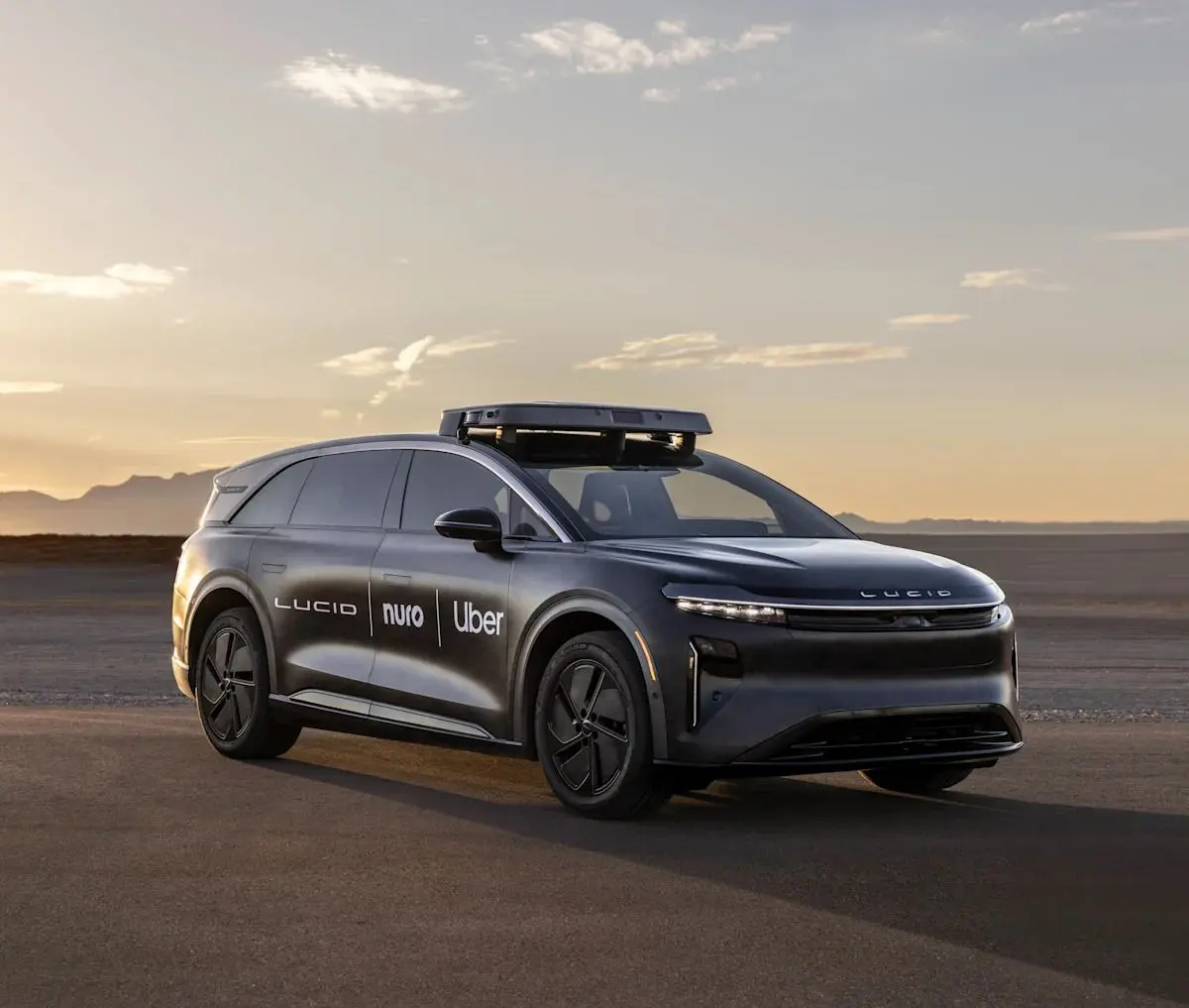
Uber is using CES to tell the world that it's still chasing the self-driving car dream. In Las Vegas on Monday, the ride-hailing company announced that it was developing a driverless robotaxi prototype with EV maker Lucid and autonomous vehicle company Nuro. While not as futuristic as Tesla’s Cybercab concept or Amazon’s Zoox, which has no steering wheel, the still unnamed Uber-designed version of Lucid's Gravity EV is expected to arrive in the San Francisco Bay Area at some point this year. It’ll join Waymo and Zoox robotaxis already on the road there. The companies said that on-road testing started at the end of last year, which isn’t surprising as Nuro already holds driverless testing permits through the California DMV. In fact, Nuro-branded autonomous vehicles started popping up on San Francisco streets last month. Eventually, the trio plan to offer the Level 4 robotaxi prototype everywhere Uber has a presence â€" if all goes well, that is. Monday’s big announcement provided us with the first look at what the prototype, which at its core is a repurposed Lucid Gravity, could look like. At first glance, the prototype takes advantage of Nuro's autonomous last-mile delivery know-how and Nvidia's Drive Hyperion platform for real-time AI processing. The passenger experience is indeed a combination of all the companies involved in this robotaxi project. Inside it looks like the Gravity, which seats up to six adults and has a large hatchback trunk for luggage, but has some robotaxi hallmarks like touchscreens, which allow you to customize the ride and control the interior climate, activate heated seats, and set music choices. In terms of support, the car features an autonomous vehicle customer support button and emergency stop setting. In addition, the screens show passengers what the robotaxi sees on the roadâ€"similar to the way Waymo shows pedestrians, traffic signals, and other carsâ€"all in real-time. Less noticeable is the prototype's sensor suite, which includes high-res cameras, solid-state LiDAR sensors, and radars. The sensors are built into the Gravity exterior and more visible on the roof, where it looks like a roof rack is riding on top of the Gravity. Lights on this roof rack sensor unit will light up with different colors, display passenger initials (just like Waymo), and provide status updates, the companies said. Missing from the announcement was more information about how customers could hail one of these robotaxis or get access to the cars once they start production. If I had to bet, I imagine that everything will be tied into the existing Uber app. The robotaxi prototype is expected to be built at Lucid’s Arizona factory at some point later this year. Of course, it'll have to pass autonomous validation benchmarks first before being deployed. With Monday’s announcement, Uber's efforts (and notorious failures) to take on autonomous driving on its own are officially gone. If anyone wants to check out the self-driving Gravity taxi, it’s on public display at the Nvidia showcase at the Fontainebleau Hotel in Las Vegas through Thursday.Â
[2]
Uber shows off its robotaxi heading for San Francisco
Las Vegas (AFP) - Uber on Monday unveiled a custom robotaxi it is adding to its global ride-share platform, starting on the San Francisco home turf it shares with rival Waymo, owned by Google. The Uber robotaxis are taking shape through a collaboration with autonomous driving technology firm Nuro and electric vehicle maker Lucid using a platform powered by AI-chip colossus Nvidia. Uber and Nvidia late last year announced an alliance to deploy 100,000 robotaxis starting in 2027. "Together with Uber, we're creating a framework for the entire industry to deploy autonomous fleets at scale, powered by Nvidia AI infrastructure," Nvidia chief executive Jensen Huang said at the time. "What was once science fiction is fast becoming an everyday reality." Nvidia has been working with an array of automakers to put its technology to work in autonomous driving systems. The Lucid Gravity robotaxi, boasting room for six passengers and an Uber-designed in-cabin ride experience, went on display at an Nvidia exhibit at the Fontainebleau resort in Las Vegas. The all-electric Gravity robotaxis will have interactive screens that let riders control features like seat heaters, climate controls and music, and allow passengers to contact support teams or command vehicles to pull over, according to Uber. Road testing of the robotaxis began last month, with humans in the drivers seat as a precaution. Launch of the Uber robotaxi service is slated for later this year provided they get clearance from regulators in California. "Uber is proud to partner with Lucid and Nuro to bring a state-of-the-art robotaxi to market later this year," said Sarfraz Maredia, Uber's global head of autonomous mobility. Uber currently lets users in a few US cities hail robotaxis operated by Google-owned Waymo. Waymo robotaxis have grown in popularity in San Francisco and have even become a tourist attraction. Waymo's fleet in the area is estimated at more than 800 vehicles, and its service will be available in a total of 10 US cities in the coming months, as well as London. Amazon-owned Zoox has also started offering driverless ride service in parts of San Francisco as part of a limited "explorers" program for the service.
[3]
Uber shows off its robotaxi heading for San Francisco
The Uber robotaxis are taking shape through a collaboration with autonomous driving technology firm Nuro and electric vehicle maker Lucid using a platform powered by AI-chip colossus Nvidia. Uber on Monday unveiled a custom robotaxi it is adding to its global ride-share platform, starting on the San Francisco home turf it shares with rival Waymo, owned by Google. The Uber robotaxis are taking shape through a collaboration with autonomous driving technology firm Nuro and electric vehicle maker Lucid using a platform powered by AI-chip colossus Nvidia. Uber and Nvidia late last year announced an alliance to deploy 100,000 robotaxis starting in 2027. "Together with Uber, we're creating a framework for the entire industry to deploy autonomous fleets at scale, powered by Nvidia AI infrastructure," Nvidia chief executive Jensen Huang said at the time. "What was once science fiction is fast becoming an everyday reality." Nvidia has been working with an array of automakers to put its technology to work in autonomous driving systems. The Lucid Gravity robotaxi, boasting room for six passengers and an Uber-designed in-cabin ride experience, went on display at an Nvidia exhibit at the Fontainebleau resort in Las Vegas. The all-electric Gravity robotaxis will have interactive screens that let riders control features like seat heaters, climate controls and music, and allow passengers to contact support teams or command vehicles to pull over, according to Uber. Road testing of the robotaxis began last month, with humans in the drivers seat as a precaution. Launch of the Uber robotaxi service is slated for later this year provided they get clearance from regulators in California. "Uber is proud to partner with Lucid and Nuro to bring a state-of-the-art robotaxi to market later this year," said Sarfraz Maredia, Uber's global head of autonomous mobility. Uber currently lets users in a few US cities hail robotaxis operated by Google-owned Waymo. Waymo robotaxis have grown in popularity in San Francisco and have even become a tourist attraction. Waymo's fleet in the area is estimated at more than 800 vehicles, and its service will be available in a total of 10 US cities in the coming months, as well as London. Amazon-owned Zoox has also started offering driverless ride service in parts of San Francisco as part of a limited "explorers" program for the service.
[4]
See the robotaxi revealed at CES from Lucid, Nuro and Uber (UBER:NYSE)
Lucid Group (LCID), Nuro, and Uber Technologies (UBER) unveiled the production intent vehicles that will be used in their global robotaxi service and introduced the Uber-designed in-cabin rider experience for the first time at CES. Highlights of The robotaxi signifies a key milestone toward scaling autonomous mobility by consolidating Nuro's automation, Lucid's vehicles, and Uber's rideshare reach. The robotaxi features next-gen sensors, real-time AI compute via Nvidia, and rider-friendly interfaces, promising safer, more transparent autonomous rides. On-road testing began recently using prototypes in the Bay Area, and launch is expected in the San Francisco region pending final validation.
[5]

Uber, Lucid and Nuro Begin On-Road Testing for Robotaxi Service
Uber, Lucid and Nuro said they began on-road testing for their planned robotaxi service. The companies said Monday the testing began last month and evaluates a number of capabilities including Nuro's artificial intelligence foundation model. The program also includes closed-course testing and simulation. Nuro is leading the testing using robotaxi engineering prototypes supervised by autonomous vehicle operators, beginning in the San Francisco Bay Area, the companies said. Pending final validation, the robotaxi is expected to start production at Lucid's Arizona factory later this year. The companies expect to offer the service in the Bay Area later this year. The companies announced their plans for the service, which will be offered on Uber's ride-hailing app, in July.
Share
Share
Copy Link
Uber announced its return to self-driving cars with a custom robotaxi developed alongside EV maker Lucid and autonomous vehicle company Nuro. The Level 4 autonomous vehicle, based on Lucid's Gravity EV, began on-road testing last month in the San Francisco Bay Area and is expected to launch later this year, joining Waymo and Zoox on city streets.
Uber Returns to Self-Driving Cars With Custom Robotaxi
Uber is making a calculated return to the autonomous vehicle space, this time through strategic partnerships rather than solo development. At CES in Las Vegas on Monday, the ride-hailing giant unveiled a custom robotaxi built in collaboration with electric vehicle maker Lucid and autonomous driving technology firm Nuro
1
. The Lucid Gravity robotaxi represents a significant shift from Uber's previous notorious failures in autonomous driving, signaling a more measured approach to deploying self-driving cars on its global rideshare platform.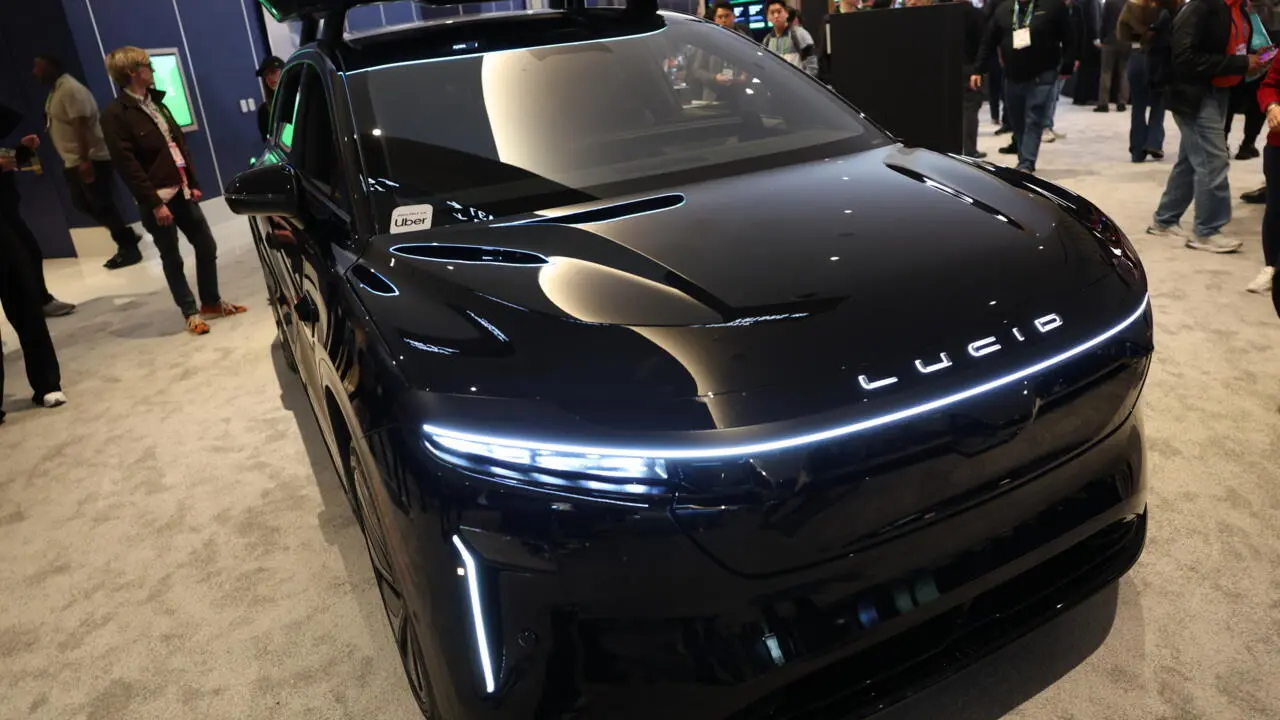
Source: France 24
On-Road Testing Begins in San Francisco Bay Area
The companies have already started validating their technology on public roads. On-road testing began last month using robotaxi engineering prototypes supervised by autonomous vehicle operators in the San Francisco Bay Area
5
. Nuro is leading the testing program, which evaluates multiple capabilities including the company's artificial intelligence foundation model. The testing includes both closed-course trials and simulation work, with humans in the driver's seat as a precaution during initial phases2
. Nuro already holds driverless testing permits through the California DMV, and Nuro-branded autonomous vehicles started appearing on San Francisco streets last month1
.Level 4 Robotaxi Prototype Features Advanced Technology
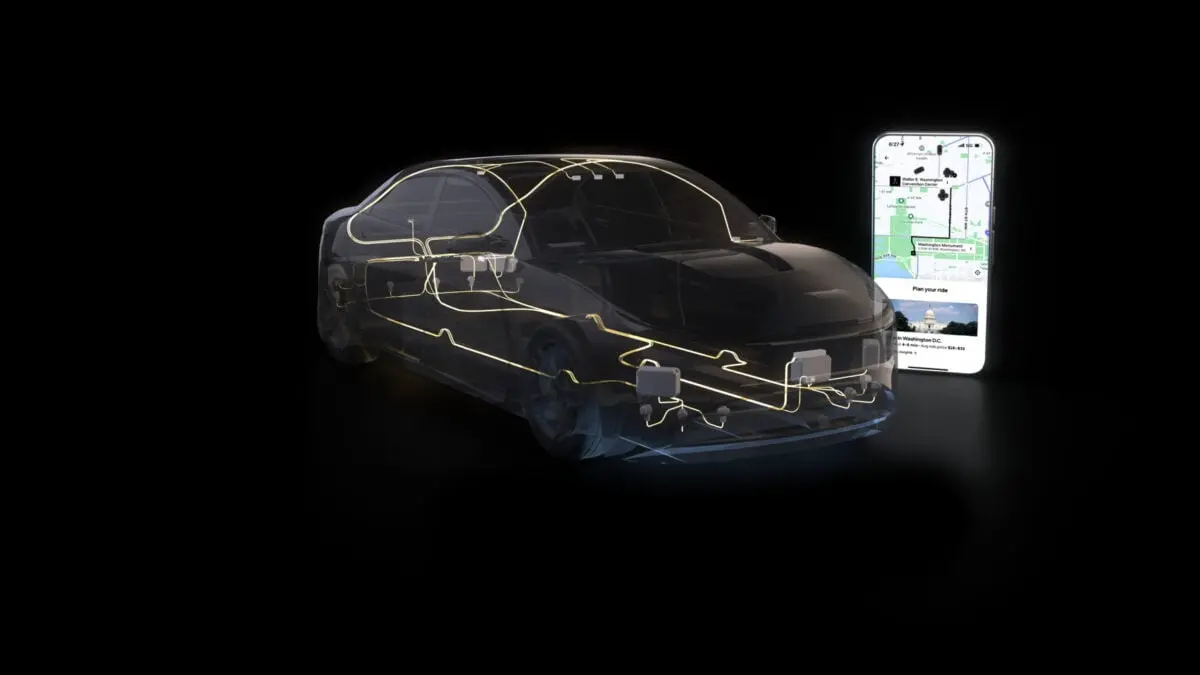
The still-unnamed Uber-designed version of Lucid's Gravity EV is a Level 4 robotaxi prototype that leverages cutting-edge autonomous mobility service technology. At its core, the vehicle uses the Nvidia Drive Hyperion platform for real-time AI processing, combining Nuro autonomous driving expertise with Lucid's electric vehicle platform
1
. The sensor suite includes high-resolution cameras, solid-state LiDAR sensors, and radars built into the Gravity exterior, with additional sensors mounted on the roof in what resembles a roof rack configuration. This roof unit features lights that display different colors, show passenger initials similar to Waymo, and provide status updates to riders and pedestrians.
Source: Gizmodo
Passenger Experience Designed for Autonomous Travel
The all-electric Gravity robotaxis seat up to six passengers and feature a large hatchback trunk for luggage
3
. The passenger experience includes interactive screens that allow riders to customize their journey by controlling seat heaters, climate controls, and music selections. An autonomous vehicle customer support button and emergency stop setting provide safety features, while real-time displays show passengers what the robotaxi sees on the road—including pedestrians, traffic signals, and other cars—similar to how Waymo operates1
.Production and Launch Timeline
Pending final validation, the robotaxi is expected to start production at Lucid's Arizona factory later this year
5
. Launch of the Uber robotaxi service is slated for later this year in the San Francisco Bay Area, provided they receive clearance from regulators in California2
. "Uber is proud to partner with Lucid and Nuro to bring a state-of-the-art robotaxi to market later this year," said Sarfraz Maredia, Uber's global head of autonomous mobility3
. Eventually, the trio plan to offer the service everywhere Uber has a presence globally, though success in San Francisco will be critical.Related Stories

Competing in a Crowded Autonomous Vehicle Market
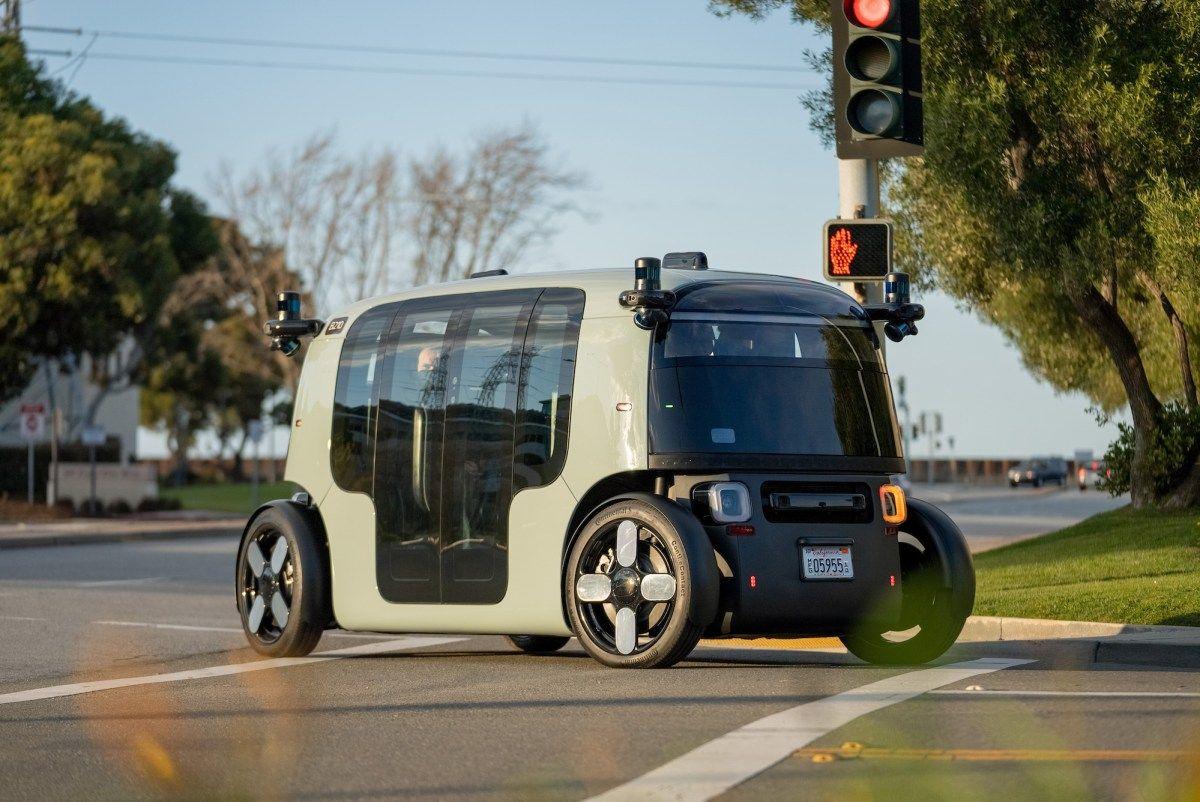
The Uber robotaxi service will enter a competitive landscape dominated by established players. Uber currently lets users in a few US cities hail robotaxis operated by Google-owned Waymo, which has grown in popularity and even become a tourist attraction in San Francisco
2
. Waymo's fleet in the area is estimated at more than 800 vehicles, and its service will expand to 10 US cities in the coming months, as well as London. Amazon-owned Zoox has also started offering driverless ride service in parts of San Francisco through a limited explorers program3
.Nvidia Partnership Signals Scale Ambitions
The collaboration extends beyond this single vehicle design. Uber and Nvidia announced an alliance late last year to deploy 100,000 robotaxis starting in 2027
2
. "Together with Uber, we're creating a framework for the entire industry to deploy autonomous fleets at scale, powered by Nvidia AI infrastructure," Nvidia chief executive Jensen Huang said at the time. "What was once science fiction is fast becoming an everyday reality." Nvidia has been working with multiple automakers to integrate its technology into autonomous driving systems, positioning itself as a critical infrastructure provider for the industry. The robotaxi was on public display at the Nvidia showcase at the Fontainebleau Hotel in Las Vegas through Thursday during CES1
.
Source: Seeking Alpha
References
Summarized by

Navi
[1]
[5]
Related Stories
Recent Highlights
1
Tennessee Teens Sue Elon Musk's xAI Over Grok AI-Generated Child Abuse Images
Policy and Regulation

2
Pentagon designates Palantir Maven AI as core US military system in major defense shift
Technology

3
Supermicro Co-Founder Indicted in $2.5 Billion Nvidia AI Chip Smuggling Scheme to China
Policy and Regulation
Recent Highlights
Today's Top Stories













Your Daily Dose of Curated AI News
Don’t drown in AI news. We cut through the noise - filtering, ranking and summarizing the most important AI news, breakthroughs and research daily. Spend less time searching for the latest in AI and get straight to action.

