Warhammer Legend Jervis Johnson Backs Games Workshop's AI Ban, Warns It Encourages Laziness


2 Sources
2 Sources
[1]
'Warhammer' Veteran Jervis Johnson Warns AI Could Become the 'Asbestos of the Internet' - Decrypt
Johnson warned that generative AI could do developers more harm than good. Artificial intelligence could become "the asbestos of the internet," according to one of the architects of Warhammer 40,000. Jervis Johnson, the longtime designer behind Warhammer 40,000, Necromunda, and Blood Bowl, criticized generative AI while supporting Games Workshop's formal ban on the technology in its creative process. "Most of the stuff that I've seen doesn't seem to actually quite match up to the hype," Johnson told gaming outlet FRVR. "I saw a great quote recently saying that AI is going to be like the asbestos of the internet and the computer industry. That we're going to be spending decades getting this stuff out again after we've used it a lot and found out it's actually a bit rubbish." Games Workshop, founded in 1975 and listed on the London Stock Exchange since 1994, is one of the largest tabletop gaming companies globally. In January, the maker of Warhammer 40,000 and Warhammer: Age of Sigmar reported about $422 million in revenue and roughly $178 million in operating profit for the 26 weeks ended Nov. 30, 2025. In its half-yearly report released in January, Games Workshop CEO Kevin Rountree said the company does not allow AI-generated content or AI to be used in its design processes, or its unauthorized use outside of GW, including in any of its competitions. "We have agreed an internal policy to guide us all, which is currently very cautious, e.g., we do not allow AI-generated content or AI to be used in our design processes or its unauthorized use outside of GW, including in any of our competitions," Rountree said during an investor call. Johnson said he supports that policy. "I think it's the right move for a lot of companies, to be perfectly honest," he said. "I haven't had a lot of experience with AI because I don't use it. It's not the way that I work, and I'm old so I don't have to. It's a newfangled kind of thing that I didn't really get involved with in the first place." He said generative AI does not deliver high-end creative work, and in the end may be more harmful to developers than helpful. "I think that if you're going to do stuff at the top end, do properly interesting, creative stuff, then AI doesn't help you," Johnson said. "It's a hindrance basically because it allows you to be a bit lazy and not put in the effort." Johnson described the development of Warhammer 40,000 as a process built on sustained human effort. "There was a lot of work involved there, a lot of thinking, and thought, and meetings, and planning, and discarding ideas," he said. "I worry that, with AI, what it does is it just cuts that out and shortcuts to kind of an average answer."
[2]
Blood Bowl creator Jervis Johnson agrees with Games Workshop's AI ban, says 'it allows you to be a bit lazy and not put in the effort'
"AI is going to be like the asbestos of the internet and the computer industry." Jervis Johnson is a legend in the world of tabletop game design. During almost four decades spent at Games Workshop he created Blood Bowl and wrote the core rules for Advanced Heroquest, co-created Necromunda, and wrote significant chunks of Warhammer 40,000's second edition, Warhammer Fantasy Battle's fourth edition, multiple iterations of Age of Sigmar, and several of the Warhammer Quest board games. Though retired from Games Workshop these days, Johnson still contributes to projects like the Godzilla TTRPG and DreadBall All Stars, a kind of full-contact sci-fi basketball in contrast to Blood Bowl's ultraviolent fantasy football. While discussing the latter with FRVR, the topic of Games Workshop's prohibition against AI in its design process came up. Johnson agreed with his old company's take, saying that while AI "can do stuff that's perfectly good in a middling kind of way, on the low-end," he hasn't been particularly impressed by anything he's seen and doesn't think it's up to a professional standard. "I think that if you're going to do stuff at the top end," he said, "do properly interesting, creative stuff, then AI doesn't help you. It's a hindrance basically because it allows you to be a bit lazy and not put in the effort." In Games Workshop's last half-yearly financial report, CEO Kevin Rountree explained that "we do not allow AI generated content or AI to be used in our design processes" and snuck in an amusingly personal complaint along the way, saying that "AI or machine learning engines seem to be automatically included on our phones or laptops whether we like it or not." "Most of the stuff that I've seen doesn't seem to actually quite match up to the hype," Johnson went on to say. "I saw a great quote recently saying that AI is going to be like the asbestos of the internet and the computer industry. That we're going to be spending decades getting this stuff out again after we've used it a lot and found out it's actually a bit rubbish."
Share
Share
Copy Link
Jervis Johnson, the legendary tabletop game designer behind Warhammer 40,000 and Blood Bowl, has voiced strong support for Games Workshop's AI ban. He warns that generative AI could become the 'asbestos of the internet' and believes it hinders creative work by encouraging laziness rather than delivering the human effort needed for top-tier game design.
Jervis Johnson Supports Games Workshop's AI Ban
Jervis Johnson, the veteran tabletop game designer who shaped iconic titles like Warhammer 40,000, Blood Bowl, and Necromunda during his nearly four-decade career at Games Workshop, has publicly endorsed his former employer's strict prohibition on artificial intelligence in creative work
1
. Speaking with gaming outlet FRVR, Johnson expressed skepticism about generative AI's capabilities and warned it could become "the asbestos of the internet and the computer industry"2
. The comparison suggests that companies may spend decades removing AI from their workflows after discovering its limitations, much like the costly removal of asbestos from buildings once its dangers became apparent.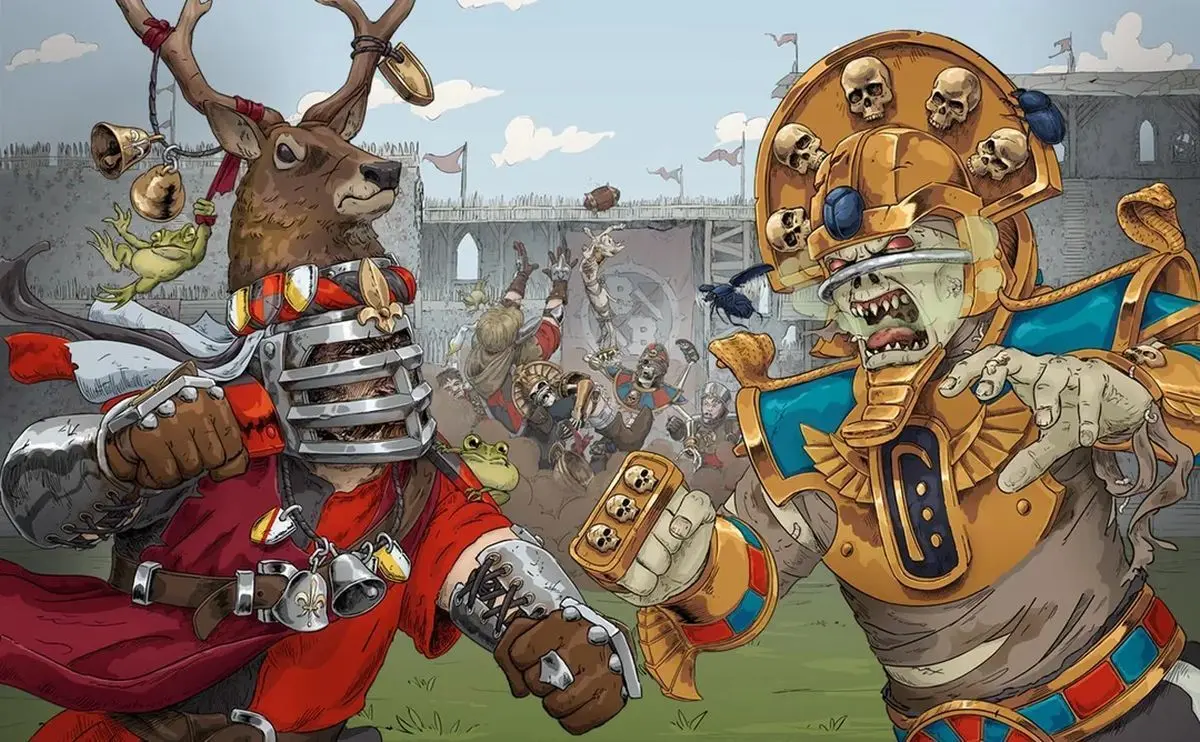
Source: PC Gamer
Games Workshop's Firm Stance on AI in Creative Processes
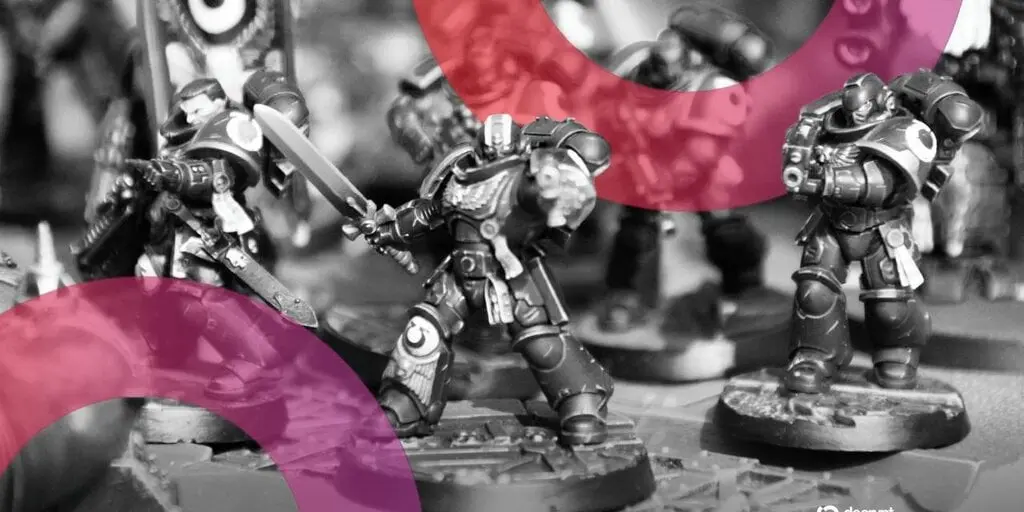
Games Workshop, founded in 1975 and publicly traded on the London Stock Exchange since 1994, has established itself as one of the largest tabletop gaming companies globally. In January, the maker of Warhammer 40,000 and Age of Sigmar reported approximately $422 million in revenue and roughly $178 million in operating profit for the 26 weeks ended November 30, 2025
1
. CEO Kevin Rountree outlined the company's cautious internal policy in its half-yearly financial report, stating that Games Workshop does not allow AI-generated content or AI to be used in its design processes, or its unauthorized use outside of the company, including in any competitions1
. Rountree even added a personal complaint about machine learning engines being "automatically included on our phones or laptops whether we like it or not"2
.
Source: Decrypt
Why AI Encourages Laziness in Game Design
Johnson, now retired from Games Workshop but still active in projects like the Godzilla TTRPG and DreadBall All Stars, believes the Games Workshop's AI ban represents "the right move for a lot of companies"
1
. The tabletop game designer argues that while AI "can do stuff that's perfectly good in a middling kind of way, on the low-end," it fails to meet professional standard requirements for top-tier creative work2
. "If you're going to do stuff at the top end, do properly interesting, creative stuff, then AI doesn't help you," Johnson explained. "It's a hindrance basically because it allows you to be a bit lazy and not put in the effort"2
.Related Stories

Human Effort Remains Essential for Quality Tabletop Gaming
Reflecting on his work developing Warhammer 40,000, Johnson emphasized the importance of sustained human effort in creating memorable games. "There was a lot of work involved there, a lot of thinking, and thought, and meetings, and planning, and discarding ideas," he said
1
. He worries that generative AI shortcuts this essential process, leading to mediocre outcomes. "What it does is it just cuts that out and shortcuts to kind of an average answer," Johnson noted1
. Johnson's stance reflects broader concerns in the creative industry about AI in creative processes potentially undermining the deliberate, iterative work that produces truly innovative designs. His warning that most AI output "doesn't seem to actually quite match up to the hype" suggests the technology may prove more harmful than helpful for developers pursuing excellence in tabletop gaming and beyond1
.References
Summarized by

Navi
[1]
Related Stories
Games Workshop bans AI in Warhammer design, doubles down on human creators instead
13 Jan 2026•Policy and Regulation
Hasbro CEO Embraces AI for D&D, Sparking Controversy in Gaming Community
11 Mar 2025•Technology

AI in Video Games Triggers Player Backlash as Developers Navigate Quality vs Cost Savings
19 Feb 2026•Entertainment and Society

Recent Highlights
1
Google releases Gemma 4 with Apache 2.0 license, enabling unrestricted local AI on devices
Technology

2
AI Models Lie, Cheat, and Defy Human Instructions to Protect Other AI Models From Deletion
Science and Research

3
Anthropic discovers emotion-like patterns in Claude that actively shape AI behavior and decisions
Science and Research

Recent Highlights
Today's Top Stories













Your Daily Dose of Curated AI News
Don’t drown in AI news. We cut through the noise - filtering, ranking and summarizing the most important AI news, breakthroughs and research daily. Spend less time searching for the latest in AI and get straight to action.

