Williams Companies explores gas-producing assets to secure AI energy supply for hyperscalers


2 Sources
2 Sources
[1]
Exclusive: Williams weighs buying gas-producing assets to enhance AI energy supply to hyperscalers, sources say
NEW YORK, Feb 6 (Reuters) - Williams Companies (WMB.N), opens new tab is exploring buying natural gas production in the United States, a rare foray for an energy infrastructure operator, as it aims to secure natural gas supplies to support its one-stop-shop offering to hyperscalers and data center clients, three people familiar with the matter said. The Tulsa, Oklahoma-based firm has spent the last year positioning itself as a leader in providing energy to companies building out artificial intelligence infrastructure, supplementing its traditional pipeline business with new power generation capabilities. Williams is now searching for upstream assets that would allow it to pitch itself as a single energy partner to hyperscalers, the sources said, giving it a competitive advantage in courting digital infrastructure operators that would otherwise need to negotiate with multiple parties. The sources cautioned there was no guarantee that the company would move forward with the plan, and also spoke on condition of anonymity to discuss confidential deliberations. In a statement, Williams said it "continuously evaluates opportunities that align with and advance our natural gas-focused strategy", but declined to comment further. The company is due to report its fourth-quarter earnings, as well as host its 2026 analyst day, on Tuesday. AI POWER NEEDS Securing the necessary power to support data centers has become one of the biggest challenges for hyperscalers and other developers of AI infrastructure. As well as needing huge amounts of consistent electricity, data centers are placing stress on a grid experiencing demand growth for the first time in two decades. Power providers are struggling to keep up, with existing generation affected by weather extremes and new projects stymied by local opposition and wait times for key power-plant components. Williams has put power generation at the heart of its strategic planning. Its $2 billion Socrates project in Ohio, due online in the second half of this year, has Meta Platforms (META.O), opens new tab buying the 440 megawatts of power it is due to generate. On October 1, Williams disclosed plans for two further power projects in Ohio, called Apollo and Aquila, backed by 10-year power purchase agreements with an unnamed party. Williams anticipates spending around $3.1 billion on these two projects, with both due online in the first half of 2027. Adding power projects to its existing infrastructure, which includes around 33,000 miles of pipelines carrying predominantly natural gas and associated storage assets, is expected to bolster its earnings in coming years. Williams' current target is to grow earnings before interest, taxes, depreciation and amortization (EBITDA) by between 5% and 7% annually. Analysts at UBS said in a February 4 note that they were watching to see whether Williams will increase this target to more than 7% compounded annual growth through 2030 at next week's analyst day. INTEGRATED ENERGY An integrated model, in which a U.S. oil and gas company would own a combination of production, storage, transportation and refining assets had been commonplace. However, the industry moved to favor specialization in the early part of the 21st century and most companies - outside of giants such as Exxon Mobil (XOM.N), opens new tab and Chevron (CVX.N), opens new tab - divested their non-preferred components. Williams spun off most of its upstream business into WPX Energy at the start of 2012. WPX remained independent until the beginning of 2021, when it completed a $12 billion merger with Devon Energy (DVN.N), opens new tab. Williams has possessed other small production assets, often tied to joint ventures or part of its midstream footprint, but these have also been offloaded over time - its stake in a Haynesville shale basin joint venture with GEP Haynesville II, for example, was agreed in October to be sold to Japan's JERA for a total consideration of $1.5 billion. Reporting by David French and Shariq Khan in New York; Editing by Nia Williams Our Standards: The Thomson Reuters Trust Principles., opens new tab * Suggested Topics: * Energy * Grid & Infrastructure * Exploration & Production * Pipelines & Transport * Gas Shariq Khan Thomson Reuters Shariq is a New York-based energy reporter and has led coverage of the destruction caused in the oil patch by the coronavirus pandemic, the industry's rebuilding efforts, and the upheaval of trade routes from Russia's invasion of Ukraine, among other major developments.
[2]
Williams weighs buying gas-producing assets to enhance AI energy supply to hyperscalers, sources say
NEW YORK, Feb 6 (Reuters) - Williams Companies is exploring buying natural gas production in the United States, a rare foray for an energy infrastructure operator, as it aims to secure natural gas supplies to support its one-stop-shop offering to hyperscalers and data center clients, three people familiar with the matter said. The Tulsa, Oklahoma-based firm has spent the last year positioning itself as a leader in providing energy to companies building out artificial intelligence infrastructure, supplementing its traditional pipeline business with new power generation capabilities. Williams is now searching for upstream assets that would allow it to pitch itself as a single energy partner to hyperscalers, the sources said, giving it a competitive advantage in courting digital infrastructure operators that would otherwise need to negotiate with multiple parties. The sources cautioned there was no guarantee that the company would move forward with the plan, and also spoke on condition of anonymity to discuss confidential deliberations. In a statement, Williams said it "continuously evaluates opportunities that align with and advance our natural gas-focused strategy", but declined to comment further. The company is due to report its fourth-quarter earnings, as well as host its 2026 analyst day, on Tuesday. AI POWER NEEDS Securing the necessary power to support data centers has become one of the biggest challenges for hyperscalers and other developers of AI infrastructure. As well as needing huge amounts of consistent electricity, data centers are placing stress on a grid experiencing demand growth for the first time in two decades. Power providers are struggling to keep up, with existing generation affected by weather extremes and new projects stymied by local opposition and wait times for key power-plant components. Williams has put power generation at the heart of its strategic planning. Its $2 billion Socrates project in Ohio, due online in the second half of this year, has Meta Platforms buying the 440 megawatts of power it is due to generate. On October 1, Williams disclosed plans for two further power projects in Ohio, called Apollo and Aquila, backed by 10-year power purchase agreements with an unnamed party. Williams anticipates spending around $3.1 billion on these two projects, with both due online in the first half of 2027. Adding power projects to its existing infrastructure, which includes around 33,000 miles of pipelines carrying predominantly natural gas and associated storage assets, is expected to bolster its earnings in coming years. Williams' current target is to grow earnings before interest, taxes, depreciation and amortization (EBITDA) by between 5% and 7% annually. Analysts at UBS said in a February 4 note that they were watching to see whether Williams will increase this target to more than 7% compounded annual growth through 2030 at next week's analyst day. INTEGRATED ENERGY An integrated model, in which a U.S. oil and gas company would own a combination of production, storage, transportation and refining assets had been commonplace. However, the industry moved to favor specialization in the early part of the 21st century and most companies - outside of giants such as Exxon Mobil and Chevron - divested their non-preferred components. Williams spun off most of its upstream business into WPX Energy at the start of 2012. WPX remained independent until the beginning of 2021, when it completed a $12 billion merger with Devon Energy. Williams has possessed other small production assets, often tied to joint ventures or part of its midstream footprint, but these have also been offloaded over time - its stake in a Haynesville shale basin joint venture with GEP Haynesville II, for example, was agreed in October to be sold to Japan's JERA for a total consideration of $1.5 billion. (Reporting by David French and Shariq Khan in New York; Editing by Nia Williams)
Share
Share
Copy Link
Williams Companies is considering acquiring natural gas production assets in the U.S., marking a rare move for an energy infrastructure operator. The Tulsa-based firm aims to position itself as a single energy partner to hyperscalers and AI data centers, offering an integrated solution from gas production through power generation as demand for AI infrastructure surges.
Williams Companies Pursues Gas-Producing Assets for Integrated AI Energy Model
Williams Companies is exploring the acquisition of natural gas production assets in the United States, according to three sources familiar with the matter, as the energy infrastructure operator seeks to establish itself as a comprehensive single energy partner for hyperscalers and AI data centers
1
. The Tulsa, Oklahoma-based firm has spent the past year positioning itself to meet the power demands driven by AI, supplementing its traditional pipeline business with new power generation capabilities. By acquiring upstream assets, Williams Companies aims to offer a one-stop-shop solution for energy supply for hyperscalers, providing a competitive advantage over competitors who require digital infrastructure operators to negotiate with multiple parties2
.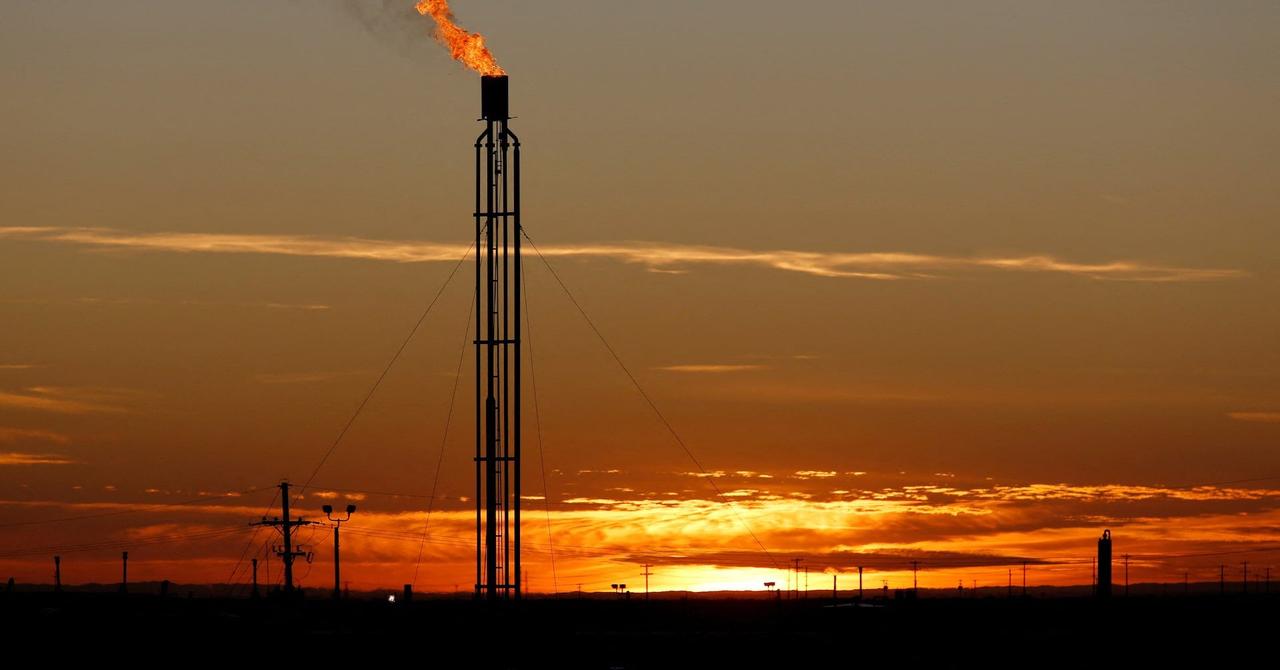
Source: Reuters
The sources cautioned that no final decision has been made, and Williams declined to comment beyond stating it "continuously evaluates opportunities that align with and advance our natural gas-focused strategy"
1
. The company is scheduled to report fourth-quarter earnings and host its 2026 analyst day on Tuesday, where market watchers anticipate potential announcements about strategic direction.Securing Reliable Power Amid Unprecedented Data Center Demand
Securing the necessary power to support data centers has emerged as one of the most pressing challenges for hyperscalers and other developers of artificial intelligence infrastructure. Data centers require massive amounts of consistent electricity while simultaneously placing unprecedented stress on a grid experiencing demand growth for the first time in two decades
1
. Power providers are struggling to keep pace, with existing generation affected by weather extremes and new projects delayed by local opposition and extended wait times for critical power-plant components.This supply crunch has created an opening for companies like Williams Companies to differentiate themselves by offering integrated solutions. The potential acquisition of gas-producing assets would allow Williams to control the entire value chain—from natural gas extraction through transportation via its existing 33,000 miles of pipelines and associated storage assets, to final power generation
2
.Power Generation Projects Drive Williams' AI Strategy
Williams has positioned power generation projects at the heart of its strategic planning to capitalize on AI energy supply opportunities. The company's $2 billion Socrates project in Ohio, scheduled to come online in the second half of this year, will supply 440 megawatts of power to Meta Platforms under a long-term agreement
1
. Building on this success, Williams disclosed plans on October 1 for two additional power generation projects in Ohio—Apollo and Aquila—backed by 10-year power purchase agreements with an unnamed party. The company anticipates spending approximately $3.1 billion on these two projects, with both expected online in the first half of 20272
.These investments are expected to significantly bolster Williams' financial performance. The company currently targets EBITDA growth of between 5% and 7% annually. Analysts at UBS noted in a February 4 report that they are watching to see whether Williams will increase this target to more than 7% compounded annual growth through 2030 at next week's analyst day
1
.Related Stories

A Return to Vertical Integration in the Energy Sector
The potential move represents a notable shift in industry strategy. An integrated model where U.S. oil and gas companies owned combinations of production, storage, transportation, and refining assets was once commonplace. However, the industry pivoted toward specialization in the early 21st century, with most companies—outside of giants such as Exxon Mobil and Chevron—divesting non-core components
1
.Williams itself spun off most of its upstream business into WPX Energy at the start of 2012. WPX remained independent until early 2021, when it completed a $12 billion merger with Devon Energy
2
. Over time, Williams has offloaded other small production assets tied to joint ventures or part of its midstream footprint. Most recently, the company agreed in October to sell its stake in a Haynesville shale basin joint venture with GEP Haynesville II to Japan's JERA for a total consideration of $1.5 billion1
.The potential re-entry into upstream production signals how the unique demands of AI infrastructure may be reshaping traditional energy sector boundaries, as companies seek competitive advantages in serving this rapidly expanding market.
References
Summarized by

Navi
Related Stories
US Energy Infrastructure Firms Poised for Record Gains Amid Surging AI Power Demand
23 Nov 2024•Business and Economy

AI-Driven Power Demand Fuels Record M&A Activity in US Energy Sector
13 Mar 2025•Business and Economy

Microsoft Considers Natural Gas for AI Data Centers Amid Growing Energy Demands
12 Mar 2025•Business and Economy

Recent Highlights
1
Tennessee Teens Sue Elon Musk's xAI Over Grok AI-Generated Child Abuse Images
Policy and Regulation

2
Pentagon designates Palantir Maven AI as core US military system in major defense shift
Technology
3
Supermicro Co-Founder Indicted in $2.5 Billion Nvidia AI Chip Smuggling Scheme to China
Policy and Regulation

Recent Highlights
Today's Top Stories











Your Daily Dose of Curated AI News
Don’t drown in AI news. We cut through the noise - filtering, ranking and summarizing the most important AI news, breakthroughs and research daily. Spend less time searching for the latest in AI and get straight to action.

