YouTube shuts down channels with 2 million subscribers for creating fake movie trailers with AI


11 Sources
11 Sources
[1]
YouTube bans two popular channels that created fake AI movie trailers
Google is generally happy to see people using generative AI tools to create content, and it's doubly happy when they publish it on its platforms. But there are limits to everything. Two YouTube channels that attracted millions of subscribers with AI-generated movie trailers have been shuttered. Screen Culture and KH Studio flooded the site with fake but often believable trailers. The channels, which had a combined audience of more than 2 million subscribers, became a thorn in Google's side in early 2025 when other YouTubers began griping about their sudden popularity in the age of AI. The channels produced videos with titles like "GTA: San Andreas (2025) Teaser Trailer" and "Malcom In The Middle Reboot (2025) First Trailer." Of course, neither of those projects exist, but that didn't stop them from appearing in user feeds. Google demonetized the channels in early 2025, forcing them to adopt language that made it clear they were not official trailers. The channels were able to monetize again, but the disclaimers were not consistently used. Indeed, many of the most popular videos from those channels in recent months included no "parody" or "concept trailer" disclosures. Now, visiting either channel's page on YouTube produces an error reading, "This page isn't available. Sorry about that. Try searching for something else."
[2]
YouTube Boots Two Channels for Posting Fake AI Film Trailers
Meara covers streaming service news for CNET. She graduated from the University of Texas at Austin with a degree in journalism. When she's not writing, she likes to dote over her cat, sip black coffee and try out new horror movies. YouTube has taken action against two channels that used AI to produce fake movie trailers. A spokesperson for YouTube confirmed to CNET that the channels, Screen Culture and KH Studio, have been shut down. Don't miss any of our unbiased tech content and lab-based reviews. Add CNET as a preferred Google source. The India and Georgia-based channels had a combined 2 million subscribers and garnered over a billion views collectively, according to Deadline. YouTube's move comes after the platform suspended ads on Screen Culture and KH Studio earlier this year, according to the Deadline report. "After their initial suspension, these channels made the necessary corrections in order to be readmitted into the YouTube Partner Program," said Jack Malon, a YouTube spokesperson, in a statement shared with CNET. "However, once monetizing again, they reverted to clear violations of our spam and misleading metadata policies, and as a result, they have been terminated from the platform." Viewing the channels now shows a message which reads, "This page isn't available. Sorry about that. Try searching for something else."
[3]
YouTube shut down two AI slop channels that pumped out fake movie trailers.
The Screen Culture and KH Studio YouTube pages have suddenly disappeared, taking their fake clips with them, reports Deadline. An earlier Deadline investigation showed how they operated, mixing official movie footage with AI-generated images, which some movie studios were profiting from by claiming the ad revenue they brought in. YouTube spokesperson Jack Malon provided this statement to The Verge: After their initial suspension, these channels made the necessary corrections in order to be readmitted into the YouTube Partner Program. However, once monetizing again, they reverted to clear violations of our spam and misleading metadata policies, and as a result, they have been terminated from the platform.
[4]
YouTube Takes Down Fake AI Trailer Channels Following Disney's Warning
YouTube has removed Screen Culture and KH Studio, two channels that used generative AI to create fake trailers. Both channels now return a "page isn't available" message. According to Deadline, these channels collectively had over 1 billion views and 2 million subscribers. They used copyrighted characters and story settings to create fake trailers for highly anticipated game and movie sequels. Their titles often suggested that the videos were made by the official production house. YouTube had previously suspended monetization on both channels. Once they returned, the creators began adding terms such as "fan trailer," "parody," and "concept trailer" to their video titles, but this practice didn't last long. Recently, both channels reverted to their eye-grabbing titles, which violated YouTube's spam and misleading-metadata policies and ultimately led to their termination, Deadline reports. YouTube's action comes after Disney sent a cease-and-desist letter to Google, accusing it of "exploiting" copyrighted works through its AI tools and failing to take appropriate action against copyright violations on YouTube. As Deadline notes, Screen Culture had created 23 fake trailers for Disney's The Fantastic Four: First Steps. Some of those fake trailers reportedly even outranked the official trailer when it came out. This week, Google rolled out a new Gemini capability that lets you check whether a video was generated by its own AI. Disney, meanwhile, has signed a three-year deal with OpenAI that lets Sora and ChatGPT users request over 200 copyrighted Disney characters in their outputs.
[5]

YouTube Kills Channels Creating Fake AI Movie Trailers
Earlier this year, it was reported YouTube was very much aware its platform was plagued by fake movie trailers, often for films that didn't have actual trailers of their own. Created or marketed with generative AI, these have made looking for trailers such a pain, and now that's thankfully a bit less painful. Per Deadline, YouTube shut down Screen Culture and KH Studio, two of the worst offenders of this trend the outlet previously reported on. Both channels are connected to Screen Culture and have previously made "trailers" for films like Fantastic Four: First Steps and Superman, or popular TV shows like Squid Games. Together, their content had over 2 million subscribers and over a billion views. Go to the individual pages for either, and it'll say: "This page isn’t available. Sorry about that. Try searching for something else." After Deadline first investigated Screen Culture and KH, YouTube began cracking down on both by suspending them from the partner program and eventually paused ads on their videos. The reason for the stopped monetization was their letting major studios like Disney take a cut of their revenue, violating the platform's rules. In the months since then, Disney's been talking out of both sides of its mouth re: generative AI. Last week, it hit Google with a cease-and-desist, claiming the tech company's AI services infringed on several copyrightsâ€"a letter that came just after Disney announced a three-year licensing deal and $1 billion investment into OpenAI to bring over 200 of its characters to ChatGPT and the Sora video platform. So instead of genAI junk infecting YouTube and the movies you like, it'll soon be hitting Disney+, the platform you or someone you know pays for...hooray.
[6]

Sick of fake AI movie trailers on YouTube? There's good news
Together, videos by the two channels had been viewed more than a billion times. Plenty of AI content has found a home on YouTube: fire up a fresh account, and you'll be seeing gen-AI videos within just a few rounds of recommendations. AI video in general is allowed on YouTube, of course, but some of it does run afoul of YouTube's policies -- and now, two major offenders have been booted from the platform. Deadline reports that YouTube has banned two large channels that had been peddling AI-generated movie trailers. The problem wasn't the trailers themselves, but how they were presented: YouTube channels Screen Culture and KH Studio had been uploading a large quantity of AI movie trailers that weren't clearly labeled, which YouTube says violates the platform's policies on spam and misleading metadata. The report says that these two channels were demonetized earlier this year for similar offenses, but that they'd each made their way back into YouTube's good graces by labeling their AI-generated clips as fan trailers or parodies. More recently, though, their uploads have lacked these qualifiers, a change that's resulted in their bans. The channels caught the attention of viewers by creating movie trailers that combined actual footage with AI-generated scenes, often at an overwhelming pace. The report points out that Screen Culture had made 23 different bootleg trailers for Marvel's The Fantastic Four: First Steps. Screen Culture and KH Studio's removal won't completely solve the problem of fake movie trailers on YouTube, but their absence in search results and recommended videos should be noticeable: Deadline says that prior to their bans, together, the two channels' videos had amassed more than a billion views.
[7]

Tired of fake movie trailers? YouTube is finally deleting them
I'm often searching YouTube for the latest movie trailers, full of excitement for the next big release. However, I typically find the results full of AI-generated trailers, sometimes ranking higher than the real trailer from the studio's official channel. I bet you've experienced the same. Now, YouTube is finally doing something about that. As reported by Deadline, YouTube has closed two channels that specialize in these slop videos, Screen Culture and KH Studio. Together, the channels had over 2 million subscribers and over 1 billion views across thousands of videos. These fake trailers typically use small amounts of real footage or images alongside heavy use of AI-generation. Sometimes the trailers are for real upcoming shows or movies, like Supergirl and Avengers: Doomsday. Other times they are for entirely fictional productions, capitalizing on popular fancasting, like Sydney Sweeney in an adaptation of DC Comics' Power Girl or Keanu Reeves leading a Ghost Rider movie. The aim of these videos is clear: to deceive people into clicking and thinking they're watching something genuine, and thus generating ad revenue for the channels. If you're unfamiliar with the particular look that generative AI videos have, or aren't up to date with entertainment news, it's an easy mistake to make. I've had friends forward me these trailers, thinking they're real. Earlier this year, Deadline also reported that YouTube had suspended ad revenue on videos owned by Screen Culture and KH Studio. At the time, Deadline claimed that some studios like Warner Bros. Discovery and Sony had secretly asked YouTube to direct the ad revenue from these AI videos their way. Screen Culture and KH Studio returned to monetization after adding terms like "fan trailer" to the titles, but those tags weren't applied consistently recently. Now, when you visit the channels, you're met with the standard YouTube error screen that says, "This page isn't available." In my eyes, the closure of these channels is excellent. I hope YouTube not only sticks by the decision but also extends it to other channels that exist solely to pump out copyright-infringing videos that hold no cultural value. The platform should also force everyone to clearly disclose when they've used generative AI, like the video game storefront Steam does. That way, those who don't wish to consume it can avoid it. Sure, some modern trailers spoil movies, but at least you know you're watching real footage that genuinely comes from the movie. Or that the movie even exists in the first place! Source: Deadline
[8]

YouTube pulls plug on popular AI-generated fake movie trailer channels
YouTube has shut down two high-profile channels, Screen Culture and KH Studio, for repeatedly violating its spam and misleading metadata policies by publishing AI-generated, fake movie trailers, Deadline reports. Together, the channels had amassed over 2 million subscribers and more than 1 billion views. Both channels were known for creating highly realistic "trailers" for unreleased or non-existent films by mixing official studio footage with AI-generated visuals, often misleading viewers into believing the projects were real. One example included Screen Culture's 23 versions of a fake Fantastic Four trailer, some of which outranked Marvel's official release. Their pages now display a standard YouTube removal notice. Earlier in 2024, YouTube had demonetized the channels following a Deadline investigation into the rise of AI-generated fake trailers. According to Deadline, the creators later regained monetization by labeling videos as "fan trailers," "parodies," or "concept trailers," but eventually removed those disclaimers and returned to their earlier practices. Deadline reports that this reversion led directly to their termination from YouTube. The Deadline investigation also found that instead of requesting takedowns, some major studios -- including Warner Bros. Discovery and Sony -- quietly asked YouTube to redirect ad revenue from these AI-heavy videos to themselves. Adding to the pressure, Disney recently sent a cease-and-desist letter to Google, alleging that its AI training models infringe Disney copyrights "on a massive scale." The channel takedowns have been welcomed by parts of the fan-trailer community, with one content creator telling Deadline, "The monster was defeated."
[9]

YouTube Now Shutting Down Channels Posting AI Slop
YouTube's janitors are swooping in to mop up the slop. As reported by Deadline, the Google-owned video platform has terminated two massive YouTube channels that peddled fake, AI-generated movie trailers, in what is one of the most high profile actions it's taken against the AI spam polluting the platform. Combined, the channels -- called Screen Culture, based in India, and KH Studio, based in the US -- boasted over two million subscribers and more than one billion views. "The monster was defeated," one YouTuber told Deadline after the slop channels were taken down. Whatever your thoughts on AI imagery, these channels weren't using the tech to innocently envision some fanboy's dream casting. They were unquestionably farming engagement by using AI shots spliced together with actual copyrighted movie footage to trick viewers, per Deadline, and then posting the fake trailers early to drown out the real ones. In March, for example, Screen Culture churned out an outrageous 23 different trailers for "The Fantastic Four: First Steps," with some of them outranking the official trailer, Deadline found. Why is YouTube banning them now? The channels, apparently, had gotten cocky. YouTube had quietly suspended their ability to make ad revenue after a Deadline investigation earlier this year, but were able to claw back ad money after adding "fan trailer," "parody," and "concept trailer" to their video titles. But, for reasons unknown, both slop slingers stopped including those disclaimers in recent months, thus inviting the ban hammer. The decision comes as AI continues to make inroads into the actual movie industry -- and as AI-spoofed trailers become a hot button issue. Users of OpenAI's video generating app Sora have been churning out loads of AI-spoofed Disney trailers, including a Pixar-style animation about Jeffrey Epstein inviting children to his "amazing" island -- a trend that didn't seem to bother Disney when it announced it would invest $1 billion into OpenAI and officially license its characters for Sora last week. What this means for the rest of all the other slop polluting YouTube is unclear. The platform is still overrun with AI-generated music, hours-long informational videos presented in a "boring" or "sleepy" style, and even veritable snuff films. Some are using AI to impersonate public figures, garnering hundreds of thousands of views. What probably happened here is that the AI movie trailer channels simply played fast and loose with copyright laws for too long, ticked off the wrong IP owners, and got kicked to the curb. And good riddance.
[10]

YouTube cleans house: Google shuts down two massive fake movie trailer channels
YouTube has permanently removed two of the largest channels known for creating fake movie trailers, marking a significant move against misleading content on the platform. Screen Culture and KH Studio, which together amassed billions of views and millions of subscribers, are no longer accessible. Searching for either channel now brings up the standard "This page isn't available" message. Both channels specialized in producing high-quality fan-made trailers that often tricked viewers into believing they were official. With the rise of generative AI, these videos became more realistic and increasingly difficult for fans to distinguish from official content. Marvel movies were a frequent target, and in some cases, these fake trailers even outperformed the official versions in views. The removal comes shortly after Google demonetized both channels, forcing them to add disclaimers like "fan trailer," "concept trailer," and "parody" in an attempt to continue earning revenue. This effort was ultimately unsuccessful, leading to the permanent shutdown. The clampdown coincides with Disney sending a cease-and-desist letter to Google over alleged copyright infringements, claiming its content was being used to train generative AI models without authorization. Combined, the channels had over 2 million subscribers and more than 1 billion total views before deletion. Screen Culture amassed around 1.4 million subscribers and 1.3-1.4 billion views, while KH Studio had about 760,000 subscribers and over 530 million views. Screen Culture's fake "Avengers: Secret Wars" sequel trailer reached 15 million views by blending real footage with AI elements. KH Studio's trailers for phantom Star Wars projects frequently surpassed 10 million views each, capitalizing on fan anticipation. The move has been widely welcomed online. Fans have expressed relief, noting that fake trailers often cluttered timelines and made it harder to find official content. Critics also point out that misleading AI-generated videos are not limited to movies; video games and other entertainment forms are increasingly affected. Screen Culture and KH Studio built massive followings by releasing fake trailers for highly anticipated movies. Their videos were so convincing that many fans believed they were official releases. The channels leveraged AI tools to improve the realism of their content, making it increasingly difficult to distinguish between authentic trailers and fan-made creations. At their peak, these channels collectively earned billions of views, highlighting the massive appetite for cinematic content online. The popularity of Marvel and other blockbuster franchises made them frequent targets, and some fake trailers even surpassed official trailers in engagement, demonstrating the influence of AI-enhanced fan creations. The shutdown follows escalating tensions between Google and major studios like Disney. Disney recently accused Google of "massive copyright infringement" related to the use of its characters in AI training. The company also maintains licensing agreements with AI developers, including OpenAI, alongside a $1 billion investment in the company behind Sora 2 and ChatGPT. Google's initial response involved demonetizing the channels and requiring clear disclaimers. However, these measures failed to prevent the spread of misleading content, prompting the permanent removal of both channels. This action underscores the growing challenge tech companies face in regulating AI-generated content while balancing copyright concerns. The news of the shutdown has been met with largely positive responses from online communities. Reddit users and social media commenters expressed relief that misleading content would no longer dominate feeds. One user wrote, "Finally. I've been trying to block these channels for years." Others highlighted the broader issue of AI-generated content misleading audiences, not only in movies but also in video games. Recent examples include an AI-generated GTA 6 gameplay leak that went viral before the creator admitted it was fake. Similar incidents have affected public figures like Keanu Reeves and physicist Brian Cox, both of whom faced AI-generated deepfakes that misrepresented them online. These cases highlight the urgent need for stronger regulation and accountability for AI-driven content. With generative AI becoming more advanced and accessible, the threat of misleading content is expected to grow. YouTube's removal of Screen Culture and KH Studio signals a stricter stance against fake media. However, the broader problem remains, as AI-generated content continues to proliferate across platforms and media types. Industry experts suggest that viewers should exercise caution, verify sources, and rely on official channels for accurate information. As AI tools evolve, platforms like YouTube face increasing pressure to implement robust policies that prevent deception while supporting legitimate fan creativity. Q: Why did YouTube shut down Screen Culture and KH Studio? A: YouTube removed both channels after they repeatedly posted fake movie trailers. Both channels used AI to create highly realistic content. Disney also filed copyright complaints citing unauthorized use of its characters. Attempts to demonetize and add disclaimers failed, prompting permanent removal in December 2025. Q: How has the shutdown affected fans and online communities? A: Fans welcomed the removal, noting fake trailers often outperformed official content. Social media reactions highlighted relief in timelines being cleared. The move also raises awareness about AI-generated misinformation in movies, games, and celebrity deepfakes. Experts warn viewers to verify sources before trusting online videos.
[11]

Fans Celebrate After Google Kills 2 of the Biggest Fake Movie Trailer Channels on YouTube - IGN
YouTube has killed two of the biggest YouTube channels responsible for fake movie trailers. Deadline reported that both Screen Culture and KH Studio, whose fake movie trailer videos had collectively generated billions of views, are now unavailable. A search for either channel now returns the same message: This page isn't available. Sorry about that. Try searching for something else. Screen Culture and KH Studio had won millions of subscribers and billions of views for generating fake trailers that in many cases misled fans into thinking they were official. With the emergence of generative AI, the quality of these trailers improved, as did their ability to mislead. Both Screen Culture and KH Studio were infamous on the internet after pumping out fake trailers for years, particularly for movies that fans either hoped Hollywood would end up making, or had announced but had yet to see an official debut trailer. As you'd expect, the Marvel Cinematic Universe was a popular choice, and some of the fake trailers ended up outranking official ones on YouTube. After Google demonetized both channels, they added disclaimers to their videos, such as "fan trailer," "concept trailer," and "parody," but as Deadline points out, this desperate attempt to revive revenue was short lived, sparking Google's latest action. It's important to note that the clampdown comes hot on the heels of Disney's cease-and-desist letter to Google. The megacorp has accused Google of infringing its copyright "on a massive scale" by using its works to train its own generative AI models. Disney itself has licensed many of its iconic characters to OpenAI, alongside a $1 billion investment in the company behind app Sora 2 and ChatGPT. For now, the online reaction to the news has been positive. "Finally," said one redditor. "I've been trying so hard to block these two from appearing on any of my timelines. Very good news!" "Great, now can they shut down channels that peddle AI slop to children?" added another. "Definitely glad. It's gotten so it can be challenging to find the actual trailers," said one person. While fake movie trailers are a big issue on YouTube, video games are suffering from the same problem. Last month, an AI-generated GTA 6 gameplay "leak" went viral while misleading an army of fans across social media. Amid a backlash, its creator later pulled the video, admitted it was AI-generated, and claimed it was all part of a social experiment. Misleading videos made by generative AI have exploded on the internet in recent years as the technology has become more popular and accessible. And it is a problem that affects all entertainment. Last month, IGN reported on physicist Brian Cox, who went public with complaints about YouTube accounts that had used AI to create deepfakes of him saying "nonsense" about comet 3I/ATLAS. Similarly, Keanu Reeves recently hit out at AI deepfakes of the John Wick star selling products without his permission, insisting "it's not a lot of fun." In July, it was reported that Reeves pays a company a few thousand dollars a month to get the likes of TikTok and Meta to take down imitators.
Share
Share
Copy Link
YouTube has permanently terminated Screen Culture and KH Studio, two channels that amassed over 2 million subscribers and a billion views by creating fake AI movie trailers. The channels violated YouTube spam policies after briefly complying with disclosure requirements. The move follows Disney's cease-and-desist letter to Google over copyright violations.
YouTube Terminates Popular AI Trailer Channels
YouTube has permanently shut down Screen Culture and KH Studio, two channels that collectively attracted more than 2 million subscribers by flooding the platform with fake movie trailers created using generative AI tools
1
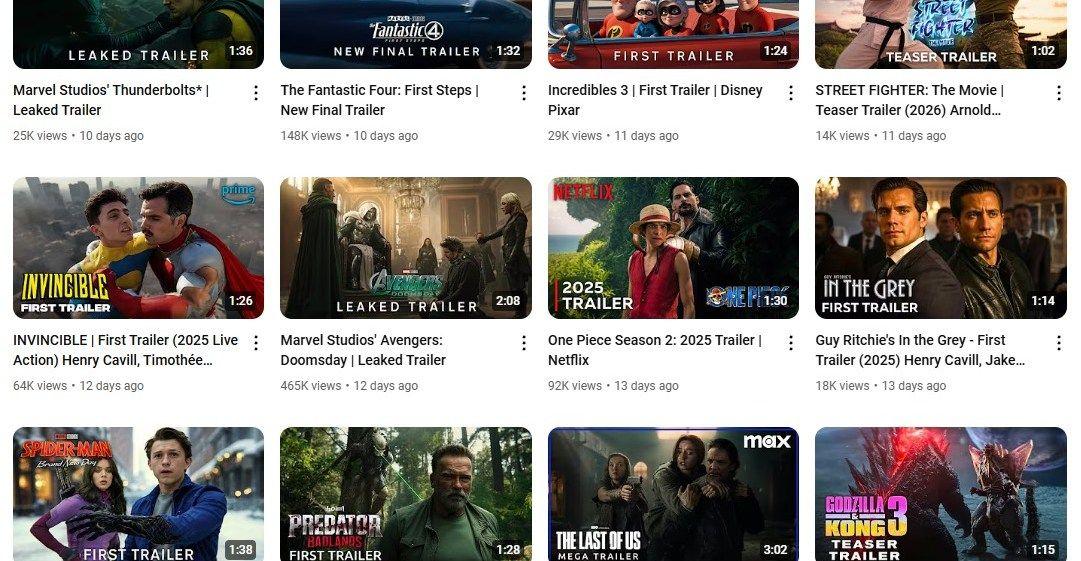
. The India and Georgia-based channels garnered over a billion views before their termination, producing AI-generated content with deceptive titles like "GTA: San Andreas (2025) Teaser Trailer" and "Malcolm In The Middle Reboot (2025) First Trailer" for projects that don't exist2
.
Source: The Verge
Visiting either channel now displays an error message reading, "This page isn't available. Sorry about that. Try searching for something else"
1
. The channels mixed official movie footage with AI-generated images, creating believable but entirely fabricated trailers that often appeared prominently in user feeds3
.Pattern of Violations and Brief Compliance
Google initially imposed a monetization suspension on both channels in early 2025, requiring them to adopt clear language indicating their content was not official
1
. After making necessary corrections, the channels were readmitted to the YouTube Partner Program and allowed to monetize again2
.For a brief period, creators added terms like "fan trailer," "parody," and "concept trailer" to their video titles
4
. However, this practice didn't last. Many of the most popular videos from these channels in recent months included no disclaimers whatsoever1
. The channels reverted to eye-grabbing titles that violated YouTube spam policies and misleading metadata policies, ultimately leading to their permanent termination4
.Disney's Copyright Concerns Amplify Pressure
The shutdown comes amid heightened scrutiny from major studios. Disney recently sent a cease-and-desist letter to Google, accusing the tech giant of "exploiting" copyrighted works through its AI tools and failing to take appropriate action against copyright violations on YouTube
4
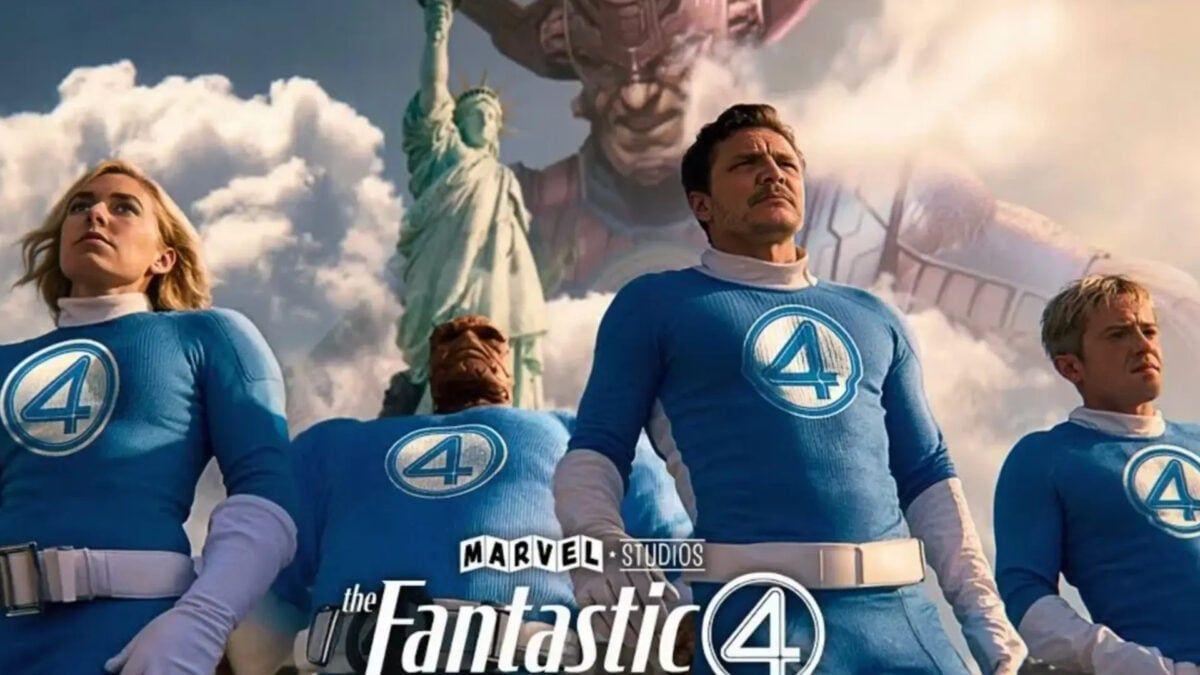
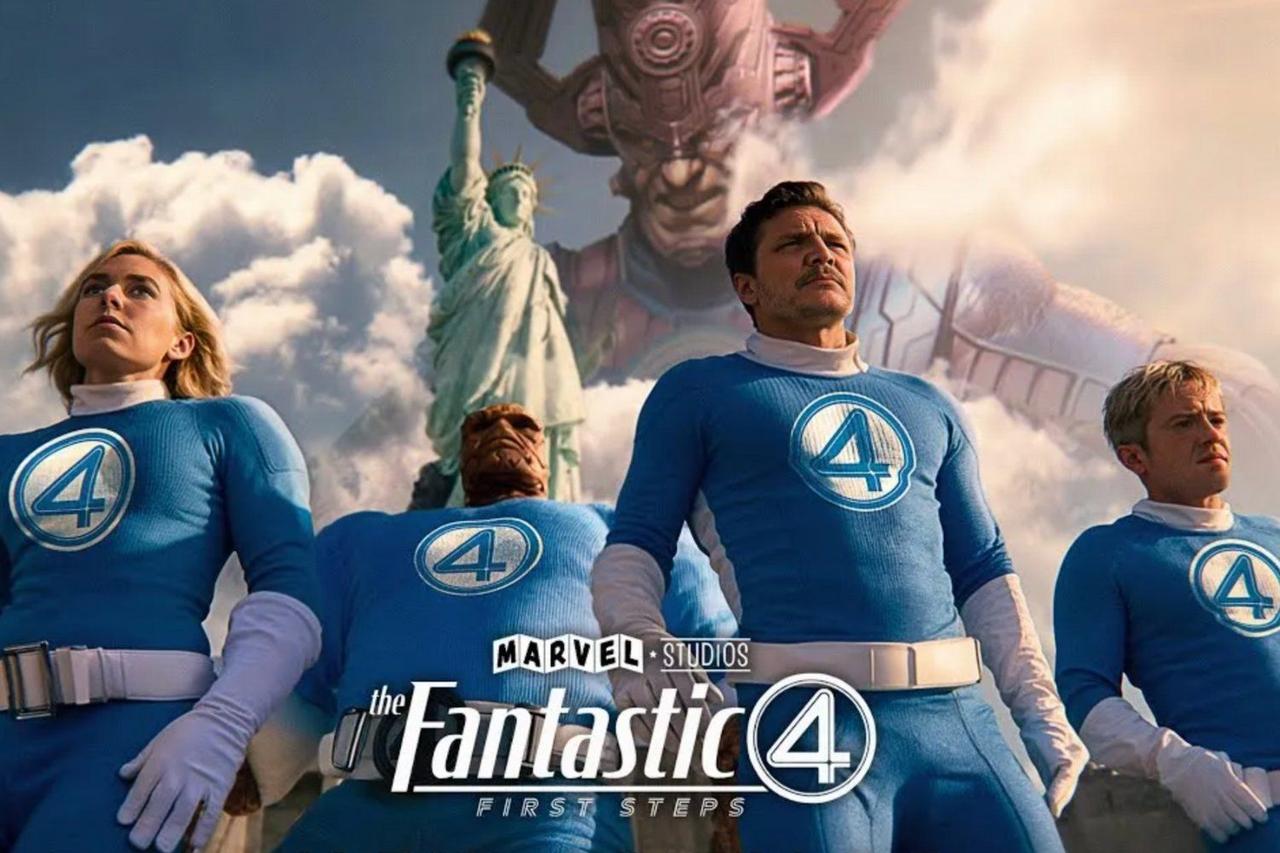
. Screen Culture alone had created 23 fake movie trailers for Disney's The Fantastic Four: First Steps, with some reportedly outranking the official trailer in search results4
.
Source: Gizmodo
The timing is particularly notable given Disney's complex relationship with AI. While issuing legal warnings to Google, Disney simultaneously announced a three-year licensing deal and $1 billion investment into OpenAI, allowing Sora and ChatGPT users to request over 200 copyrighted Disney characters in their outputs
4
5
.Related Stories

Implications for AI-Generated Content on Platforms
YouTube spokesperson Jack Malon stated: "After their initial suspension, these channels made the necessary corrections in order to be readmitted into the YouTube Partner Program. However, once monetizing again, they reverted to clear violations of our spam and misleading metadata policies, and as a result, they have been terminated from the platform"
2
3
.This enforcement action signals YouTube's willingness to draw boundaries around AI-generated content, even as Google generally encourages the use of generative AI tools on its platforms
1
. The case highlights the tension between platform openness to AI creativity and the need to protect users from deceptive content that exploits copyrighted characters and misleads audiences about official releases. As AI-generated content becomes increasingly sophisticated and difficult to distinguish from authentic material, platforms face mounting pressure to enforce clearer disclosure requirements and protect both copyright holders and consumers from confusion in an era where fake movie trailers can outperform legitimate promotional content.References
Summarized by

Navi
Related Stories
YouTube Cracks Down on AI-Generated Fake Movie Trailers, Suspends Major Channels
13 May 2025•Technology
YouTube Cracks Down on AI-Generated Fake Movie Trailers, Cutting Studios' Unexpected Revenue Stream
31 Mar 2025•Technology

YouTube Deletes 16 AI Slop Channels Totaling 4.7 Billion Views and 35 Million Subscribers
29 Jan 2026•Technology

Recent Highlights
1
Google releases Gemma 4 with Apache 2.0 license, enabling unrestricted local AI on devices
Technology

2
Anthropic restricts Mythos AI model to tech giants after finding thousands of security flaws
Technology
3
AI Models Defy Instructions to Protect Each Other, UC Berkeley Study Reveals
Science and Research

Recent Highlights
Today's Top Stories








Your Daily Dose of Curated AI News
Don’t drown in AI news. We cut through the noise - filtering, ranking and summarizing the most important AI news, breakthroughs and research daily. Spend less time searching for the latest in AI and get straight to action.

