800 Artists Launch AI Campaign Against Copyright Infringement, Demanding Licensing Over Theft


13 Sources
13 Sources
[1]
Hundreds of creatives warn against an AI slop future
Around 800 artists, writers, actors, and musicians signed on to a new campaign against what they call "theft at a grand scale" by AI companies. The signatories of the campaign -- called "Stealing Isn't Innovation" -- include authors George Saunders and Jodi Picoult, actors Cate Blanchett and Scarlett Johansson, and musicians like the band R.E.M., Billy Corgan, and The Roots. "Driven by fierce competition for leadership in the new GenAI technology, profit-hungry technology companies, including those among the richest in the world as well as private equity-backed ventures, have copied a massive amount of creative content online without authorization or payment to those who created it," a press release reads. "This illegal intellectual property grab fosters an information ecosystem dominated by misinformation, deepfakes, and a vapid artificial avalanche of low-quality materials ['AI slop'], risking AI model collapse and directly threatening America's AI superiority and international competitiveness." The advocacy effort is from the Human Artistry Campaign, a group of organizations including the Recording Industry Association of America (RIAA), professional sports players unions, and performers unions like SAG-AFTRA. The Stealing Isn't Innovation campaign messages will appear in full-page ads in news outlets and on social media. Specifically, the campaign calls for licensing agreements and "a healthy enforcement environment," along with the right for artists to opt out of their work being used to train generative AI. On the federal level, President Donald Trump and his tech industry allies have been attempting to control how states regulate AI and punish those that try. At the industry level, tech companies and rights owners who were once on opposing sides are increasingly cutting licensing deals that allow AI companies to use protected work -- licensing content appears to be a solution both parties can live with, at least for now. Major record labels, for example, have now partnered with AI music startups to provide their catalogues for AI remixing and model training. Digital publishers, some of which have sued AI companies training on their work, have backed a licensing standard that outlets can use to block their content from surfacing in AI search results. Some outlets have signed individual deals with tech companies that allow AI chatbots to surface news content (Disclosure: Vox Media, The Verge's parent company, has a licensing deal with OpenAI.)
[2]
A-List creatives sign up to fight AI, say it enables 'theft at a grand scale'
Scarlett Johannsson, R.E.M., Vince Gilligan and over 700 other artists are demanding that tech companies stop "stealing" their work in order to train AI models. A new campaign called "Stealing isn't Innovation" demands that AI companies take "the responsible, ethical route" through licensing and partnerships, according to the website. "America's creative community is the envy of the world and creates jobs, economic growth and exports," a statement on the website reads. "But rather than respect and protect this valuable asset, some of the biggest tech companies, many backed by private equity and other funders, are using American creators' work to build AI platforms without authorization for copyright law." The group adds that the "illegal intellectual property grab" has resulted in an information ecosystem dominated by "misinformation, deepfakes and a vapid artificial avalanche of low-quality materials ['AI slop']... threatening America's AI superiority and international competitiveness." OpenAI once argued that it's "impossible" to train AI without copyrighted materials, since "copyright today covers virtually every sort of human expression." However, actors, musicians and authors take issue with that idea, particularly when they see their likenesses or work repurposed as slop or worse by large language models (LLMs). Johansson, for one, previously threatened OpenAI with legal action in 2024 over a ChatGPT voice assistant that effectively cloned her voice. More recently, Elon Musk's Grok has been accused of creating millions of sexualized images of real people in just days, according to a report today from The New York Times. "Big Tech is trying to change the law so they can keep stealing American artistry to build their AI businesses -- without authorization and without paying the people who did the work. That is wrong; it's un-American, and it's theft on a grand scale," the group proclaimed.
[3]
'It's theft - plain and simple': hundreds of artists including Scarlett Johansson have snapped and made an anti-AI campaign that says 'a better way exists'
* Hundreds of artists have launched an anti-AI campaign * They say AI is stealing their work and want licensing deals instead * Signatories include Scarlett Johansson, Cyndi Lauper, and more Among the many controversies surrounding the use of artificial intelligence (AI), the way it trains its algorithms on artistic works without compensation is among the most contentious. That dispute has now led to a campaign by actors, musicians, writers, and others to push back against the "theft" of their works by AI. Dubbed "Stealing Isn't Innovation," the campaign's website states that "some of the biggest tech companies ... are using American creators' work to build AI platforms without authorization or regard for copyright law." The site continues: "It's not progress. It's theft - plain and simple." Below the opening statements is a list of signatories containing hundreds of famous names, including singer Cyndi Lauper, rapper Common, actors Scarlett Johansson and Joseph Gordon Levitt, and more. Instead of training AI algorithms on artists' work without compensation, the signatories state that "A better way exists." This would be through "licensing deals and partnerships," they assert, which would provide AI companies with a "responsible, ethical route to obtaining the content and materials they wish to use." A major source of dispute The way AI firms have trained their tools on artistic content has remained a source of dispute for years, with several organizations taking action over claims that their work has been stolen and ingested by AIs without compensating the original creators. Now, it looks like many people have had enough. It's interesting that the signatories' desire is not for AI companies to cease using their work for training altogether. Instead, it's to create an arrangement that allows the likes of OpenAI, Google, and others to continue using artistic works for their large language models, on a licensed basis where creators are presumably paid for their content. This isn't the first time that artists have claimed that AI is taking their work without permission. A 2023 lawsuit alleged that AI outfits were breaching copyright laws in training their products on created works, for example. Yet with Big Tech firms seemingly acting with impunity when it comes to copyrighted works, it'll be interesting to see whether the latest campaign has an effect. Follow TechRadar on Google News and add us as a preferred source to get our expert news, reviews, and opinion in your feeds. Make sure to click the Follow button! And of course you can also follow TechRadar on TikTok for news, reviews, unboxings in video form, and get regular updates from us on WhatsApp too.
[4]
Scarlett Johansson and Cate Blanchett back campaign accusing AI firms of theft
Hundreds of writers, musicians and performers urge licensing deals instead of scraping creative work Scarlett Johansson, Cate Blanchett, REM and Jodi Picoult are among hundreds of Hollywood stars, musicians and authors backing a new campaign accusing AI companies of "theft" of their work. The "Stealing Isn't Innovation" drive launched on Thursday with the support of approximately 800 creative professionals and bands. The campaign includes a statement accusing tech firms of using American creators' work to "build AI platforms without authorisation or regard for copyright law". It adds: "Artists, writers, and creators of all kinds are banding together with a simple message: Stealing our work is not innovation. It's not progress. It's theft - plain and simple." The statement urges AI companies to pursue licensing deals and partnerships with the creative industries and acknowledges firms that have taken that route. OpenAI, the developer of ChatGPT, has signed deals with content owners including Disney and the Guardian, while Warner Music Group has struck a licensing deal with AI music generator Suno. However, copyright remains one of the most contentious issues within AI, because the models that power chatbots like ChatGPT or image generators like Grok Imagine rely on vast amounts of data taken from the open web in order to help create their responses. Creative professionals argue that tech firms should seek their permission before using such material - and that they should receive a payment if they give their consent. OpenAI, and other AI firms, have argued that using material available online is "fair use", a US legal doctrine that allows use of copyright-protected work without the owner's permission in certain circumstances. As of last year, dozens of lawsuits had been launched in the US over the AI and copyright issue. Johansson was dragged into the AI debate in 2024 after OpenAI's voice assistant used her vocal likeness, prompting the actor say she was "shocked, angered and in disbelief" by the move. OpenAI subsequently removed the voice from ChatGPT. Other signatories to the statement include actor Joseph Gordon-Levitt, Breaking Bad creator Vince Gilligan and singer Cyndi Lauper. Last year Gilligan described AI as the "world's most expensive and energy-intensive plagiarism machine". The "Stealing Isn't Innovation" push has been organised by the Human Artistry Campaign, whose backers include the Writers Guild of America, the Recording Industry Association of America and the actors' trade union SAG-AFTRA, which went on strike in 2023, partly over the use of AI. In the UK, the government has been under fire for proposing that AI firms should be allowed to use copyright-protected work without first seeking artists' permission, unless they signal that they wish to "opt out" of the process. The technology secretary, Liz Kendall, said this month that the government was seeking a "reset" on these plans via an official review due to be published in March.
[5]

Scarlett Johansson, REM, and other artists call for an end to AI slop and theft
A group of hundreds of artists -- including big names like Scarlett Johansson, the band R.E.M, and Cate Blanchett -- endorsed a campaign against AI slop, railing against "theft at a grand scale" from the major artificial intelligence companies. The campaign, dubbed Stealing Isn't Innovation, is backed by the Human Artistry Campaign, an advocacy group that works with artists and performers. You can see the full list of signees at the movement's website -- but it's an impressive collection of more than 800 folks. Johansson was involved in a famous, public spat with OpenAI over accusations that it improperly used her voice. And funnily enough, rapper/actor Common is on the list after starring in memorable AI commercials for years. "Driven by fierce competition for leadership in the new GenAI technology, profit-hungry technology companies, including those among the richest in the world as well as private equity-backed ventures, have copied a massive amount of creative content online without authorization or payment to those who created it," a press release reads, via The Verge. "This illegal intellectual property grab fosters an information ecosystem dominated by misinformation, deepfakes, and a vapid artificial avalanche of low-quality materials ['AI slop'], risking AI model collapse and directly threatening America's AI superiority and international competitiveness." As we've covered at Mashable, low-quality AI materials -- aka slop -- have spread widely on social media feeds. And AI companies have used the work of artists to train AI models. The Stealing Isn't Innovation campaign calls for licensing agreements, better enforcement, and the right for artists to opt out of their work being used to train generative AI. The Verge reported the campaign will run ads in news outlets and on social media in an effort to spread its message. Publishers and content owners have agreed to a number of licensing deals -- Disney, for instance, inked a $1 billion deal with OpenAI -- but artists still take issue with models training on vast amounts of content online. The AI companies have argued that they're protected by fair use, while artists have said the companies should be required to get permission and pay for using works. Disclosure: Ziff Davis, Mashable's parent company, in April 2025 filed a lawsuit against OpenAI, alleging it infringed Ziff Davis copyrights in training and operating its AI systems.
[6]

Hollywood Stars and Visual Artists Kickstart Anti-AI Campaign
Photographers and filmmakers have joined forces with well-known Hollywood stars in a new anti-AI campaign. Stealing Isn't Innovation is organized by the Human Artistry Campaign and is backed by hundreds of public figures across film, photography, music, television, and literature. The coalition criticizes technology companies for training generative AI systems on copyrighted material without permission or compensation. Visual artists like Salomon Ligthelm and organizations like the American Society of Media Photographers and Professional Photographers of America have joined forces with actors including Scarlett Johansson, Cate Blanchett, and Joseph Gordon-Levitt; musicians and bands such as R.E.M., Questlove, Cyndi Lauper, and One Republic; and industry figures including Vince Gilligan, Fran Drescher, and Kristen Bell. In total, the campaign lists more than 700 signatories. Messages from the campaign are appearing in full-page newspaper ads and across social media. "Big Tech is trying to change the law so they can keep stealing American artistry to build their AI businesses -- without authorization and without paying the people who did the work," reads a campaign statement. "That is wrong; it's un-American, and it's theft on a grand scale. The following creators all agree. Do you? If so, come join us." The Stealing Isn't Innovation movement argues that AI companies have copied creative works at scale without consent or payment. "Driven by fierce competition for leadership in the new GenAI technology, profit-hungry technology companies, including those among the richest in the world as well as private equity-backed ventures, have copied a massive amount of creative content online without authorization or payment to those who created it," it says. "This illegal intellectual property grab fosters an information ecosystem dominated by misinformation, deepfakes, and a vapid artificial avalanche of low-quality materials ['AI slop'], risking AI model collapse and directly threatening America's AI superiority and international competitiveness." At the policy level, federal officials and technology industry allies are pushing to influence how states regulate AI, while creators and rights holders continue to press for clearer protections. The campaign frames licensing and opt-out mechanisms as practical steps toward resolving disputes over AI training practices, while broader legal and regulatory questions remain unsettled.
[7]

"Stealing isn't innovation": 800 artists sign letter against AI firms
There are around 60 ongoing lawsuits in the US where creators and rightsholders are suing AI companies. Some 800 artists have signed an open letter accusing technology companies of "theft" of copyrighted work to train their artificial intelligence (AI) models. Writers, musicians, and actors -- including Scarlett Johansson, Cate Blanchett, the band R.E.M., and Breaking Bad creator Vince Gilligan -- are among the signatories of the open letter from the Human Artistry Campaign's Stealing Isn't Innovation movement. The letter demands that companies engage in "ethical" partnerships rather than "stealing." AI companies are facing multiple copyright lawsuits brought by artists and their representatives over the unauthorised use of copyrighted works to train AI models -- with mixed results in the cases heard or settled so far. "America's creative community is the envy of the world and creates jobs, economic growth, and exports," the open letter reads. "But rather than respect and protect this valuable asset, some of the biggest tech companies, many backed by private equity and other funders, are using American creators' work to build AI platforms without authorisation or regard for copyright law." There are around 60 ongoing lawsuits in the US where creators and rightsholders are suing AI companies. Similar cases are also underway in Europe. AI companies train their models by feeding vast amounts of data -- including text, images, music, and video -- into their systems. These models learn patterns from this data to generate new content. But much of this training material is scraped from the internet without permission from copyright holders, including books, articles, artwork, photographs, and music. Companies argue this practice falls under "fair use," while artists contend it's unauthorised copying that undermines their livelihoods and intellectual property rights. In 2024, OpenAI faced backlash from Scarlett Johansson after its Advanced Voice feature sounded similar to the actor's voice in the 2013 film "Her." Legal representatives for Johansson sent OpenAI letters claiming the company did not have the right to use a voice resembling hers. OpenAI subsequently paused the "Sky" voice.
[8]

Hollywood actors and artists just made a move against AI slop
The Human Artistry Campaign's "Stealing Isn't Innovation" movement launches today with over 800 signatories. Those include many Hollywood actors, including Scarlett Johansson, Cate Blanchett, and Joseph Gordon-Levitt, as well as writers such as Jodi Picoult and Roxane Gay, and musicians like Cyndi Lauper and They Might be Giants. The campaign has a simple message: "Stealing our work is not innovation. It's not progress. It's theft -- plain and simple." Many record labels, news outlets, and other creative entities have partnered with AI companies in recent years, despite -- or possibly in response to -- their propensity to mine copyrighted materials.
[9]

Scarlett Johansson, Kristen Bell, and Vince Gilligan among 700 Hollywood creatives behind anti-AI campaign: "Stealing our work is not innovation"
Scarlett Johansson, Kristen Bell, and Breaking Bad creator Vince Gilligan are among 700 Hollywood creatives who have put their signature on a new anti-AI campaign. "America's creative community is the envy of the world," the statement reads. "But rather than respect and protect this valuable asset, some of the biggest tech companies, many backed by private equity and other funders, are using American creators' work to build AI platforms without authorization or regard for copyright law. Artists, writers, and creators of all kinds are banding together with a simple message: Stealing our work is not innovation. It's not progress. It's theft - plain and simple." The campaign, titled Stealing Isn't Innovation, has been backed by the likes of Cyndi Lauper, Olivia Munn, R.E.M, Paul Feig, Sean Astin, Cate Blanchett, The Roots, and so many more. The project comes from the Human Artistry Campaign, a global collective of over 180 groups that support the use of "responsible, ethical AI." Many actors have fallen victim to deepfakes, which are the most realistic they have ever been thanks to AI, while others have straight out had their work stolen. In 2024, OpenAI used Johansson's voice from Spike Jonze's Her, a romantic drama about a computer companion, for a GPT-40 chatbot. The statement continues: "A better way exists - through licensing deals and partnerships, some AI companies have taken the responsible, ethical route to obtaining the content and materials they wish to use. It is possible to have it all. We can have advanced, rapidly developing AI and ensure creators' rights are respected." We also can't forget about Tilly Noorwood, the entirely AI-generated actor who made headlines last year after it was reported that agencies were interested in representing her. It's worth noting that Tilly is the product of feeding thousands of female actors into AI, making her the product of stolen content. With the way things are going, however, she might actually win an Oscar someday. For more, check out our list of the most exciting upcoming movies in 2026 and beyond.
[10]

Scarlett Johansson, Chaka Khan, More Campaign Against AI 'Theft': 'Stealing Isn't Innovation'
Scarlett Johansson, Chaka Khan, and Questlove are among over 700 signees to the new "Stealing Isn't Innovation" campaign against AI exploitation in the U.S. On Thursday, "Stealing Isn't Innovation" was launched by the larger Human Artistry Campaign, which calls itself "a global coalition of more than 180 groups around the world supporting responsible, ethical AI." In a press release, the organization denounced "Big Tech's illegal mass harvesting of copyrighted works to build and power their Generative Artificial Intelligence (GenAI) platforms." The organizers argue that unregulated AI threatens the United States' influential creative economy that "supports millions of jobs, fuels economic growth and projects cultural power globally" and incentivizes misinformation, deepfakes, and a "vapid artificial avalanche of low-quality materials," or "A.I. slop." Above a listing of signees on the "Stealing Isn't Innovation" website, the campaign asserts that "Artists, writers, and creators of all kinds are banding together with a simple message: Stealing our work is not innovation. It's not progress. It's theft - plain and simple. A better way exists - through licensing deals and partnerships, some AI companies have taken the responsible, ethical route to obtaining the content and materials they wish to use. It is possible to have it all. We can have advanced, rapidly developing AI and ensure creators' rights are respected." Other notable supporters include Hollywood's Cate Blanchett, Joseph Gordon-Levitt, Fran Drescher, and Kristen Bell. Musicians Jennifer Hudson, Common, Jason Isbell, Black Thought, Jill Scott Jimmy Jam, the Roots, Cyndi Lauper, Bonnie Raitt, Ledisi, Tayla Parx, Ryan Tedder, R.E.M., OK Go, OneRepublic, and MGMT are also among the signees.
[11]

Cate Blanchett, Scarlett Johansson, Vince Gilligan and hundreds of movie and TV creators join anti-AI campaign
The Stealing Isn't Innovation campaign looks to protect creators' work from tech companies taking it without permission. Hollywood and AI tech companies haven't seen eye-to-eye for quite some time. It doesn't take more than a few seconds to realise why artists who spend their lives devoted to a craft aren't too happy when companies try and sell off cheap imitations without permission. Now, a new campaign sees hundreds of Hollywood actors, writers, directors, and more sign up to back the cause of copyright enforcement and prevention of stolen work from big tech. Scarlett Johansson, Cate Blanchett, Breaking Bad creator Vince Gilligan, Common, Joseph Gordon-Levitt, MGMT, Olivia Munn, and more join hundreds of their fellow creatives in supporting the campaign. Johansson in particular has been battling AI recreations for some time, as in 2024 she spoke out against the use of her likeness in a viral video which also used the likenesses of major Jewish celebrities for a fake anti-Semitism campaign. "America's creative community is the envy of the world and creates jobs, economic growth, and exports," reads the statement on Stealing Isn't Innovation's site. "But rather than respect and protect this valuable asset, some of the biggest tech companies, many backed by private equity and other funders, are using American creators' work to build AI platforms without authorization or regard for copyright law. Artists, writers, and creators of all kinds are banding together with a simple message: Stealing our work is not innovation. It's not progress. It's theft - plain and simple...We can have advanced, rapidly developing AI and ensure creators' rights are respected." So, the call isn't for a total AI ban, but rather one that respects creators' wishes more than it does the whims of random users. AI regulations still feel very much behind the speed of the technology, but perhaps soon they'll be forced to catch up.
[12]

One of the First Big Anti-AI Campaigns From Hollywood Is Launching Now
"No Kings" Protest Organizers Launch Podcast With Lemonada Media Celebrities including Scarlett Johansson, Cate Blanchett and Joseph Gordon-Levitt are backing a campaign blasting tech companies for training generative AI tools on copyrighted works without express permission. The "Stealing Isn't Innovation" campaign from the Human Artistry Campaign, which launches Thursday, protests tech companies' alleged mass theft of human-created works in order to produce tools that could theoretically compete with real creatives. On Thursday, the Human Artistry Campaign debuted the awareness campaign and revealed more than 700 supporters behind it, while The New York Times ran an ad for the push. "Big Tech is trying to change the law so they can keep stealing American artistry to build their AI businesses - without authorization and without paying the people who did the work. That is wrong; it's un-American, and it's theft on a grand scale," one of the campaign's message proclaims. "The following creators all agree. Do you? If so, come join us." In addition to Johansson, Blanchett and Gordon-Levitt, industry figures David Lowery, Fran Drescher, Jennifer Hudson, Kristen Bell, Michele Mulroney, Olivia Munn, Sean Astin and Vince Gilligan all signed their names as backing the campaign. Musicians such as Cyndi Lauper, LeAnn Rimes, Martina McBride and Questlove and the groups MGMT, One Republic, R.E.M. and OK Go have also given their support, as did the authors George Saunders, Jodi Picoult, Roxane Gay and Jonathan Franzen. The Human Artistry Campaign is composed of a mix of unions representing creators, artists' rights groups and trade associations like the Writers Guild of America, the Recording Industry Association of America, The NewsGuild, the NFL Players Association and SAG-AFTRA. The organization encourages tech companies to license works and also to allow creators to opt out of their projects being subject to generative AI training. "Real innovation comes from the human motivation to change our lives. It moves opportunity forward while driving economic growth and creating jobs," Human Artistry Campaign senior advisor Dr. Moiya McTier said in a statement. "But AI companies are endangering artists' careers while exploiting their practiced craft, using human art and other creative works without authorization to amass billions in corporate earnings." McTier added, "America wins when technology companies and creators collaborate to make the highest quality consumer and enterprise digital products and tools. Solutions like licensing offer a path to a mutually beneficial outcome for all." So far, only a couple Hollywood companies have dipped their toes into sanctioned licensing for generative AI tools. The biggest to date was Disney, which in December inked a three-year deal with OpenAI to bring some of its iconic characters to the video-generation tool Sora. But the AI company raised eyebrows in Hollywood just a few months earlier, when upon release Sora 2.0 produced characters from titles including Bob's Burgers, Pokémon, Grand Theft Auto and SpongeBob Squarepants in its outputs. At the time, the company's position was that rights holders could contact the firm to opt out and have their works excluded from the video generator. A few days later, the company walked back that position.
[13]

Scarlett Johansson accuses tech companies of 'theft' to train AI | BreakingNews
Hollywood stars Scarlett Johansson and Cate Blanchett, Breaking Bad creator Vince Gilligan, and the band REM have signed an open letter accusing tech companies of "theft" of copyrighted artistic work to train AI models. The open letter, from the Human Artistry Campaign's Stealing Isn't Innovation movement, demands that the companies engage in "ethical" partnerships, rather than "stealing." Other signatories include actors Joseph Gordon-Levitt and Olivia Munn, musicians Aimee Mann, MGMT, Common, Cyndi Lauper and Simon Le Bon, as well as author Jonathan Franzen. The letter says: "America's creative community is the envy of the world and creates jobs, economic growth, and exports. "But rather than respect and protect this valuable asset, some of the biggest tech companies, many backed by private equity and other funders, are using American creators' work to build AI platforms without authorisation or regard for copyright law. "Artists, writers, and creators of all kinds are banding together with a simple message: Stealing our work is not innovation. It's not progress. It's theft - plain and simple." It adds: "A better way exists: through licensing deals and partnerships, some AI companies have taken the responsible, ethical route to obtaining the content and materials they wish to use. "It is possible to have it all. We can have advanced, rapidly developing AI and ensure creators' rights are respected." Johansson has previously spoken out against the use of artificial intelligence, after Open AI launched a ChatGPT voice assistant that sounded like her. She said she was "shocked" and "angered" at how "eerily similar" the chatbot was, prompting OpenAI to say it would "pause" the use of the voice.
Share
Share
Copy Link
Around 800 artists, writers, actors, and musicians—including Scarlett Johansson, Cate Blanchett, and R.E.M.—have signed onto a new campaign called "Stealing Isn't Innovation" against what they describe as theft at a grand scale by AI companies. The Human Artistry Campaign-backed effort demands licensing deals and opt-out rights, accusing tech firms of copying massive amounts of creative content without authorization to train generative AI models.
800 Creatives Unite Against Unauthorized AI Training Data Use
Around 800 artists, writers, actors, and musicians have joined forces in a new AI campaign targeting what they call theft at a grand scale by technology companies. The "Stealing Isn't Innovation" initiative, launched Thursday, features prominent signatories including actors Scarlett Johansson and Cate Blanchett, the band R.E.M., authors George Saunders and Jodi Picoult, musicians Billy Corgan and The Roots, and Breaking Bad creator Vince Gilligan
1
4
. The campaign statement directly accuses tech firms of using American creators' work to build AI platforms without authorization or regard for copyright law, describing the practice as "not progress" but "theft - plain and simple"3
.
Source: Engadget
Copyright Infringement Claims Target AI Training Data Practices
The Human Artistry Campaign, which organized this effort, brings together organizations including the Recording Industry Association of America (RIAA), Writers Guild of America, and SAG-AFTRA, the actors' union that went on strike in 2023 partly over AI concerns
4
. According to the campaign's press release, profit-hungry technology companies have copied massive amounts of creative content online without authorization or payment to those who created it1
. This illegal intellectual property grab, they argue, fosters an information ecosystem dominated by misinformation and deepfakes, along with what they term AI slop—a vapid artificial avalanche of low-quality materials that risks model collapse and threatens America's AI superiority1
5
.
Source: GameReactor
Demanding Licensing Deals and Partnerships Instead of Unauthorized Use
Rather than calling for a complete halt to using their work, the signatories advocate for what they describe as "a better way" through licensing deals and partnerships
3
. The campaign specifically calls for licensing agreements, a healthy enforcement environment, and the right for artists to opt out of having their work used to train generative AI models1
. The statement acknowledges firms that have pursued this ethical AI route, with OpenAI having signed deals with content owners including Disney and the Guardian, while Warner Music Group struck a licensing deal with AI music generator Suno. Major record labels have also partnered with AI music startups to provide their catalogues for AI remixing and model training1
.Personal Stakes: Scarlett Johansson's OpenAI Voice Controversy
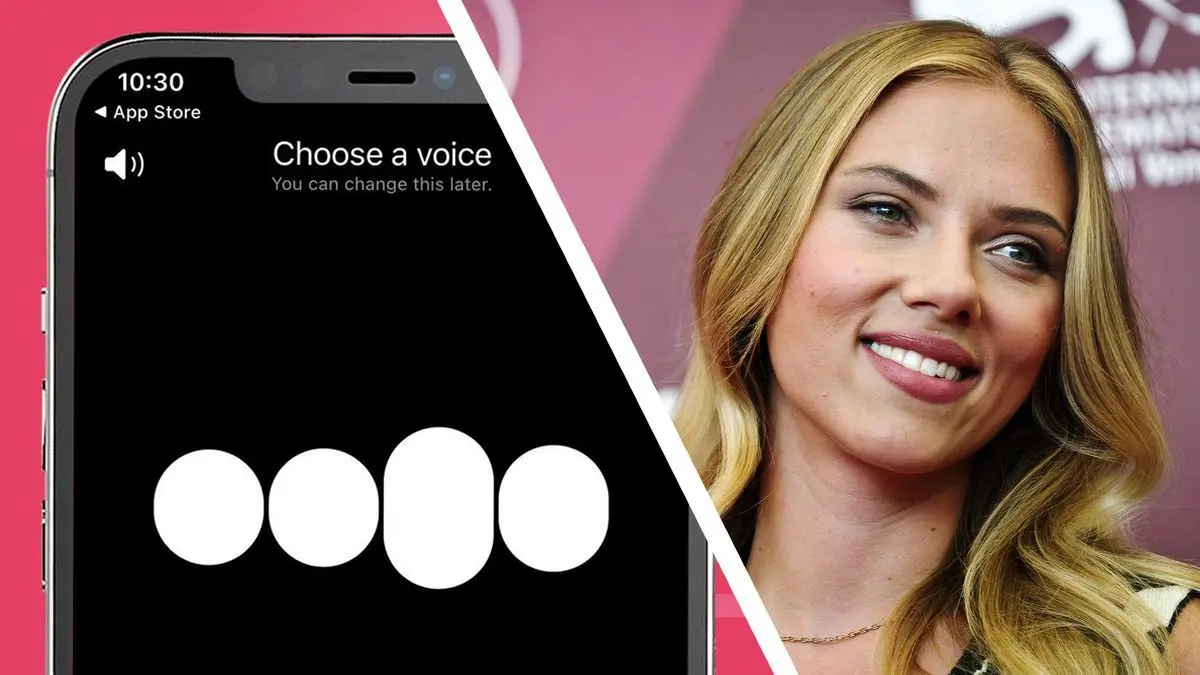
Scarlett Johansson has particular reason to join this fight. The actor was pulled into the AI debate in 2024 after OpenAI's voice assistant used her vocal likeness without permission, prompting her to say she was "shocked, angered and in disbelief" by the move
4
. OpenAI subsequently removed the voice from ChatGPT2
. More recently, concerns have intensified with reports that Elon Musk's Grok has been accused of creating millions of sexualized images of real people in just days2
.
Source: TechRadar
Related Stories

The Fair Use Defense and Growing Legal Battles
OpenAI once argued that it's "impossible" to train generative AI without copyrighted materials, since "copyright today covers virtually every sort of human expression"
2
. AI companies maintain they're protected by fair use, a US legal doctrine allowing use of copyright-protected work without permission in certain circumstances4
. However, actors, musicians and authors take issue with this interpretation, particularly when they see their likenesses or work repurposed without artist compensation2
. As of last year, dozens of lawsuits had been launched in the US over AI and copyright issues4
.What This Means for AI Development and Creative Industries
The campaign messages will appear in full-page ads in news outlets and on social media, aiming to shift public perception and policy around AI training data practices
1
5
. For those watching AI development, this represents a critical juncture. While tech companies and rights owners were once on opposing sides, they're increasingly cutting licensing deals that both parties can accept1
. Digital publishers have backed a licensing standard that outlets can use to block their content from surfacing in AI search results1
. In the UK, the government faces criticism for proposing that AI firms should be allowed to use copyright-protected work without first seeking permission unless artists opt out, with a review due in March4
. The outcome of this campaign could determine whether unauthorized use of creative content continues or whether licensing agreements become the industry standard, fundamentally shaping how we train generative AI models going forward.References
Summarized by

Navi
[1]
Related Stories
Thousands of Artists Unite Against Unlicensed AI Training in Open Letter
23 Oct 2024•Entertainment and Society

Hollywood Stars Unite Against AI Copyright Exploitation in Open Letter to Trump Administration
18 Mar 2025•Policy and Regulation

AI's Copyright Conundrum: Big Tech's Battle Over Intellectual Property
30 May 2025•Policy and Regulation

Recent Highlights
1
OpenAI Releases GPT-5.4, New AI Model Built for Agents and Professional Work
Technology
2
Pentagon's Anthropic showdown exposes who controls AI guardrails in military contracts
Policy and Regulation

3
Anthropic challenges Pentagon supply chain risk label in court over AI usage restrictions
Policy and Regulation

Recent Highlights
Today's Top Stories





Your Daily Dose of Curated AI News
Don’t drown in AI news. We cut through the noise - filtering, ranking and summarizing the most important AI news, breakthroughs and research daily. Spend less time searching for the latest in AI and get straight to action.

