Hollywood Stars Unite Against AI Copyright Exploitation in Open Letter to Trump Administration


14 Sources
[1]
Hundreds of Actors Urge Trump Not to Let AI Train on Their Copyrighted Content
Katelyn is a writer with CNET covering social media, AI and online services. She graduated from the University of North Carolina at Chapel Hill with a degree in media and journalism. You can often find her with a novel and an iced coffee during her time off. Copyright law is one of the most
[2]
Hundreds of celebrities warn against letting OpenAI and Google 'freely exploit' Hollywood
Emma Roth is a news writer who covers the streaming wars, consumer tech, crypto, social media, and much more. Previously, she was a writer and editor at MUO. More than 400 members of the entertainment industry have signed a letter pushing back on OpenAI and Google's proposal to allow AI models to
[3]
Over 400 celebrities sign letter opposing AI training on copyrighted works without permission
Serving tech enthusiasts for over 25 years. TechSpot means tech analysis and advice you can trust. What just happened? Hundreds of stars and Hollywood executives have signed an open letter urging the Trump administration to deny proposals from AI companies that would allow their systems to be
[4]
Hollywood vs AI: 400 celebs urge Trump to rein in OpenAI, Google
More than 400 prominent Hollywood creatives -- including filmmakers, actors, writers, and musicians -- have come together in a powerful open letter addressed to the Trump White House's Office of Science and Technology Policy (OSTP). Their message is loud and clear: do not weaken U.S. copyright
[5]

400 Hollywood Stars Warn Trump Not to Let AI Companies Exploit Copyright Laws
Over 400 Hollywood creative leaders wrote an open letter urging the U.S. government to stop companies like Open AI and Google from weakening copyright rules. Leading filmmakers, writers, actors, musicians, and others submitted a letter to President Donald Trump's White House's Office of Science
[6]

Paul McCartney, Cynthia Erivo Among Celebrities Asking Trump for AI Protections - Decrypt
The entertainment industry's battle with the AI industry continued on Tuesday, with over 400 entertainers -- including Mark Ruffalo, Paul McCartney, Cynthia Erivo, Cate Blanchett, and Chris Rock -- signed an open letter urging the Trump administration to uphold existing copyright protections
[7]

Hollywood urges Trump to protect film, TV from AI
Los Angeles (United States) (AFP) - Hundreds of Hollywood stars including Ben Stiller, Cate Blanchett and Cynthia Erivo have urged Donald Trump's White House to protect film, TV and music copyrights against big tech and artificial intelligence. The open letter -- signed by over 400 actors,
[8]

Hundreds of actors and Hollywood insiders sign open letter urging government not to loosen copyright laws for AI
Caitlin O'Kane is a New York City journalist who works on the CBS News social media team as a senior manager of content and production. She writes about a variety of topics and produces "The Uplift," CBS News' streaming show that focuses on good news. Hollywood actors, directors and other
[9]

More than 400 artists send letter to Trump over AI exploitation
Paul McCartney, Ben Stiller, Cate Blanchett and more than 400 celebrities and artists have sent a letter to Trump, urging his administration to not roll back copyright protections. More than 400 Hollywood celebrities and creative leaders, including Paul McCartney, Cate Blanchett and Guillermo del
[10]

Hollywood warns about AI industry's push to change copyright law
A who's who of musicians, actors, directors, and more have teamed up to sound the alarm as AI leaders including OpenAI and Google argue that they shouldn't have to pay copyright holders for AI training material. In an open letter, submitted to the White House Office of Science and Technology, more
[11]

Ben Stiller, Paul McCartney, and more urge Trump to protect copyright from AI
More than 400 Hollywood creative leaders signed an open letter to the Trump White House's Office of Science and Technology Policy, urging the administration not to roll back copyright protections at the behest of AI companies. The letter was a response to submissions from OpenAI and Google, who
[12]

Hollywood vs. AI: Over 400 stars including Ben Stiller, Paul McCartney, Aubrey Plaza demand Trump admin block OpenAI and Google from exploiting copyrighted work for training
Hollywood celebrities, including Olivia Wilde and Paul McCartney, have urged the Trump administration to prevent OpenAI and Google from using copyrighted content for AI. They argue that weakening copyright protections would harm the entertainment industry and threaten jobs by allowing AI to exploit
[13]

400 Hollywood Creatives Push Back on OpenAI and Google's Calls to Train AI on Copyrighted Material
SAG-AFTRA Video Game Strike: Union Says Latest AI Proposals From Studios Contain "Alarming Loopholes" Major Hollywood figures are pushing back against OpenAI and Google's appeals to the U.S. government to allow their AI models to train on copyrighted works. Film, television and music figures
[14]

AI Regulations: Tech Giants and Hollywood Converge on White House AI Strategy | PYMNTS.com
Google, OpenAI, Andreessen Horowitz and a group of 400 entertainment industry celebrities were among those who submitted 8,755 comments on a request for ideas for a U.S. AI Action Plan. The comment period for the plan ended Saturday (March 15), and according to a White House statement, the
Share
Copy Link
Over 400 celebrities and entertainment industry leaders have signed an open letter urging the Trump administration to protect copyright laws from AI companies seeking unrestricted access to copyrighted content for training purposes.

Hollywood Stars Rally Against AI Copyright Exploitation
In a significant move, over 400 prominent figures from the entertainment industry have united to address a pressing concern in the AI landscape. These celebrities, including renowned names like Paul McCartney, Guillermo del Toro, and Mark Ruffalo, have penned an open letter to the Trump administration's Office of Science and Technology Policy (OSTP), urging them to maintain strong copyright protections in the face of AI advancement
1
2
.The Core of the Controversy
At the heart of this issue lies a proposal by tech giants OpenAI and Google. These companies are seeking a "special government exemption" that would allow them to train their AI models on copyrighted content without obtaining permission or providing compensation to the rights holders
3
. This request comes as part of the feedback for the Trump administration's incoming AI Action Plan.Tech Giants' Stance
OpenAI and Google argue that such access is crucial for maintaining America's competitive edge in AI development, particularly against countries like China. OpenAI went as far as to claim that applying fair use protections to AI is a "matter of national security"
2
. Both companies suggest that current copyright laws are hindering their progress in AI development.Hollywood's Rebuttal
The entertainment industry leaders strongly oppose this potential rewriting of copyright law. Their letter emphasizes that America's global cultural influence isn't accidental but stems from a fundamental respect for intellectual property rights
1
. They argue that weakening these protections could undermine the economic and cultural strength of the nation's creative industries.Economic and Cultural Impact
The signatories highlight the significant economic contribution of the entertainment industry, supporting 2.3 million citizens and contributing $229 billion in wages annually
4
. They also stress the industry's role in projecting American soft power abroad, suggesting that all of this could be at risk if the proposals from AI companies are accepted.Related Stories

Call for Fair Negotiations
Rather than seeking exemptions, the letter urges AI companies to negotiate appropriate licenses with copyright holders, as is standard practice across other industries
5
. The celebrities argue that there's no justification for eliminating copyright protections, especially when these tech companies have substantial financial resources at their disposal.Global Context
This issue isn't confined to the United States. Similar debates are unfolding in the UK, where proposals to allow AI training on lawfully accessed material have sparked protests from musicians and other creatives
4
. This global dimension underscores the widespread concern about AI's impact on creative industries and copyright laws.Looking Ahead
As the Trump administration formulates its AI Action Plan, the outcome of this debate could have far-reaching implications for both the tech and entertainment industries. The tension between fostering AI innovation and protecting creative rights presents a complex challenge for policymakers, with significant stakes for America's cultural and economic landscape.
References
Summarized by

Navi
[2]
[3]
[4]
Related Stories
Thousands of Artists Unite Against Unlicensed AI Training in Open Letter
23 Oct 2024•Entertainment and Society

800 Artists Launch AI Campaign Against Copyright Infringement, Demanding Licensing Over Theft
22 Jan 2026•Entertainment and Society
OpenAI and Google Push for Relaxed Copyright Laws in AI Development
14 Mar 2025•Policy and Regulation
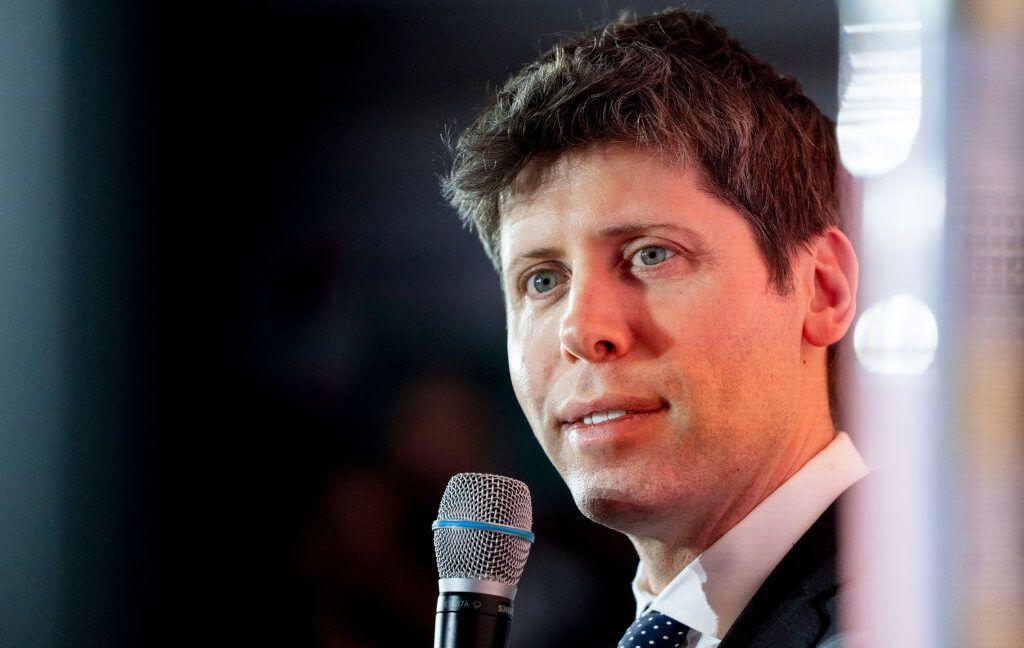
Recent Highlights



Recent Highlights
Today's Top Stories




Don’t drown in AI news. We cut through the noise - filtering, ranking and summarizing the most important AI news, breakthroughs and research daily. Follow topics that matter to you and stay ahead.


