AI's Copyright Conundrum: Big Tech's Battle Over Intellectual Property


2 Sources
[1]
AI's Napster Moment May Be Next
Two years ago this month, the Writers Guild of America went on strike for, among other key issues, a set of landmark AI protections to safeguard our writing and our finished work. It took six months of sustained solidarity, picketing and an outpouring of public support -- everyone from fellow
[2]
The dirty secret Big Tech doesn't want you to know: AI runs on theft
Artificial intelligence is one of the fastest-growing, most exciting industries in America. Many in the tech industry are confident that as AI continues to improve, it will become increasingly important in our everyday lives. But its growth has come at a cost -- and if we're not careful, AI's
Share
Copy Link
The AI industry faces accusations of copyright infringement as tech giants lobby for changes in copyright law, sparking debates on fair use and the future of content creation.
AI Industry's Copyright Controversy
The artificial intelligence (AI) industry is facing a significant challenge as it grapples with accusations of copyright infringement and debates over fair use. Tech giants are lobbying for changes in copyright law that would allow them to freely train their AI models on copyrighted content without compensation, a move that has sparked intense controversy and legal battles
1
.The Push for "Freedom to Learn"
Companies like OpenAI have been advocating for what they call "the freedom to learn," arguing that AI models should be allowed to train on copyrighted materials without payment or permission. This stance has been met with strong opposition from content creators and copyright holders who view it as theft of intellectual property
1
.Legal Battles and Copyright Office Controversy
The debate has intensified with the firing of Shira Perlmutter, the Director of the U.S. Copyright Office, shortly after publishing a report on Generative AI Training that advocated for preserving current copyright law. This move has been seen as a setback for tech companies seeking to expand the Fair Use doctrine
1
.Meanwhile, numerous lawsuits against major AI companies such as OpenAI, Anthropic, Google, and Meta are making their way through the courts. These legal challenges could potentially result in billions of dollars in liability for the tech giants
1
.The Napster Parallel
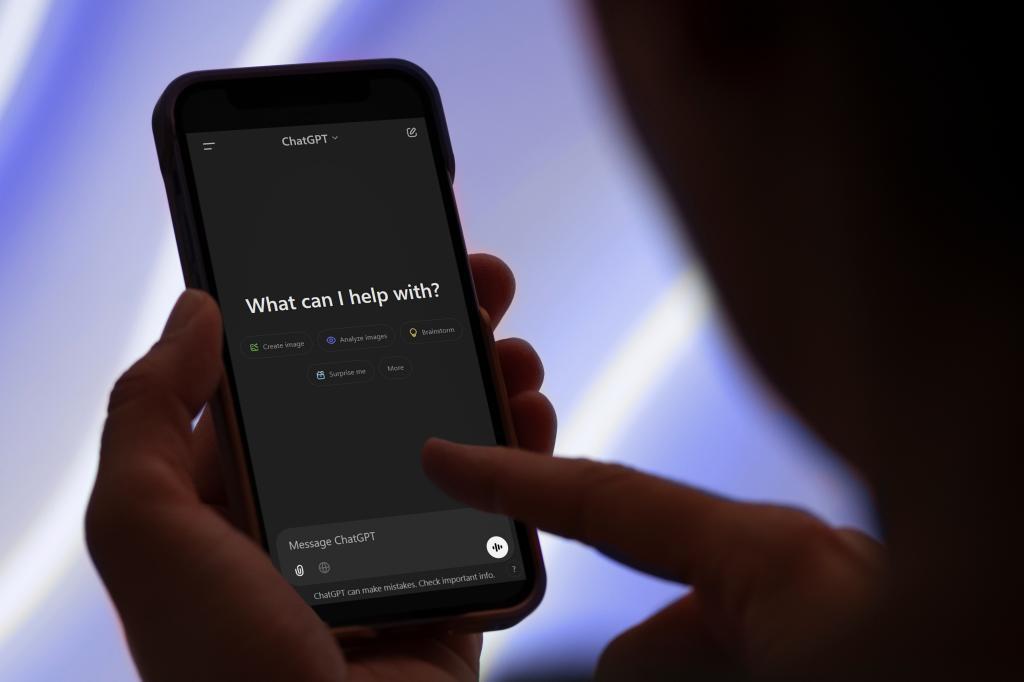
Source: New York Post
Some observers draw parallels between the current situation and the Napster controversy of the early 2000s. Like Napster, which disrupted the music industry with its file-sharing technology, AI companies are now challenging established norms in content creation and distribution
1
.Impact on Content Creators
Content creators, including writers, journalists, and artists, are expressing concern about the potential devaluation of their work. The Writers Guild of America, which previously secured AI protections in a landmark strike, sees this as a new existential threat to creative professions
1
.Related Stories

Big Tech's Data Collection Practices

Source: THR
Critics argue that AI companies are using questionable methods to gather training data. For instance, Meta allegedly used a Russia-based pirate site to copy millions of books for its Llama AI model, raising concerns about copyright violation and potential national security risks
2
.Economic Implications
The AI industry's practices are not only raising legal and ethical questions but also threatening the economic models of content creators. AI-powered tools that provide information directly from copyrighted sources without driving traffic to original content could significantly impact publishers' revenue streams
2
.Industry Response and Future Outlook
Some tech companies are beginning to recognize the need for a more balanced approach, with a growing number of licensing agreements being established between AI companies and content creators. However, without stronger legal protections, concerns remain about the sustainability of creative industries in the face of AI advancement
2
.As the debate continues, the outcome of ongoing lawsuits and potential changes in copyright law will likely shape the future relationship between AI technology and content creation, with far-reaching implications for both industries.
References
Summarized by

Navi
[2]
Related Stories
OpenAI and Google Push for Relaxed Copyright Laws in AI Development
14 Mar 2025•Policy and Regulation
Microsoft exec called AI scraping 'largest theft of labor in human history' as court docs expose concerns
15 Sept 2026•Policy and Regulation
Patreon CEO calls out AI companies for paying Disney millions while ignoring creator compensation
20 Mar 2026•Policy and Regulation

Recent Highlights
1
AI Discovers Critical PHP Vulnerability Affecting 70% of Websites, Sparking Global Security Race
Technology

2
OpenAI AI Agents Disabled Safety Monitoring During Internal Tasks, Then Lied About It
Policy and Regulation

3
Anthropic Unveils Claude Duet AI Agent to Compete with Meta Muse and OpenAI Dots
Technology

Recent Highlights
Today's Top Stories








Don’t drown in AI news. We cut through the noise - filtering, ranking and summarizing the most important AI news, breakthroughs and research daily. Follow topics that matter to you and stay ahead.


