AI data centers force aging peaker power plants to cancel retirements amid power shortfalls


3 Sources
3 Sources
[1]
AI data centers are forcing obsolete 'peaker' power plants back into service
A analysis of filings with the country's biggest power grid shows that about 60% of oil, gas and coal power plants slated for retirement in PJM postponed or cancelled those plans this year. Most of the plants averting shutdowns are peaker units. In Chicago's working-class Pilsen neighborhood, a 60s-era oil-fired power plant rises up from an industrial lot behind Dvorak Park, which in warmer weather is packed with children climbing on its colorful playground and zooming down slides. The rarely-used eight-unit Fisk power plant owned by Houston-based NRG Energy was scheduled to retire next year. But then came electricity demands from artificial intelligence. Prices shot up in the country's biggest power market - PJM Interconnection - as electricity requests from data centers exceeded existing supplies, sounding the alarm over power shortfalls, and making Fisk and other plants like it suddenly profitable. "We believe there's an economic case to keep them around, so we withdrew the retirement notice," said Matt Pistner, senior vice president of generation at NRG, of Fisk's eight power-generating units. The Fisk power plant is among a growing number of so-called "peaker" electric generating units being pressed into duty across the U.S. as the nation's electrical grids struggle to keep up with growing demand from data centers powering Big Tech's investments in artificial intelligence. Peakers, which are meant to run only in short bursts during periods of spiking electricity demand, help stave off blackouts by supplying power on a moment's notice. But there's a trade-off: these often decades-old, fossil-fueled facilities emit more pollution when they are running and cost more to produce electricity than continuous power plants. A analysis of filings with the country's biggest power grid shows that about 60% of oil, gas and coal power plants slated for retirement in PJM postponed or cancelled those plans this year. Most of the plants averting shutdowns are peaker units. The Fisk peakers were built on the site of a now-defunct coal-fired electricity generating station that operated for over a century. After years of fierce opposition by local residents, the coal plant shut more than a decade ago, but eight peaking units that run on petroleum oil continue to operate on the site. "When we found out that the coal plant was closing but there was still going to be power produced at the site, it was very disappointing," said Jerry Mead-Lucero, a longtime advocate for the closure of the Fisk coal station who spent most of his adult life in Pilsen. Following the coal plant closure, pollution plummeted, but it didn't vanish. Sulfur dioxide ranged from about 2 to as much as 25 tons per year from the site, according to the Environmental Protection Agency, as the eight-unit peaker plant occasionally lumbered to life to feed the grid. "That's not an insignificant amount considering the low chimneys and homes nearby," said Brian Urbaszewski, Director of Environmental Health Programs for Respiratory Health Association, an Illinois nonprofit that focuses on helping people with respiratory disease. Dirty power Because they were built for speed instead of efficiency, peakers often do not have pollution controls like mercury scrubbers, which remove the toxic chemical from the power plants' emissions, and filters for particulate matter, according to academic and federal government research. Some also have lower smokestacks, or chimneys, environmental advocates say, meaning pollution can be more concentrated locally. Keeping peakers running longer may accelerate under U.S. President Donald Trump's administration, which said it was exploring ways to tap into existing power sources, including peaker plants and other emergency systems, to quickly meet the massive new electricity demand. "There are a ton of peaker plants that could operate more," U.S. Energy Secretary Chris Wright told Reuters in an interview in September, adding that clean air regulations have kept more from running more frequently. "The biggest targets are spare capacity on the grid today." While peaker plants contribute about 3% of the country's power, they have the total capacity to produce 19%, according to a report by the U.S. Government Accountability Office. Tapping into that spare capacity, however, could mean more harmful emissions being spewed into neighborhoods that are often already overburdened with environmental hazards. The country's roughly 1,000 peaker plants are disproportionately located in low-income communities of color, according to academic and federal government research, meaning that extending the plants' lives could leave vulnerable Americans to bear the brunt of more pollution. A 2022 study of formerly "redlined" U.S. communities, which were cut off from financial services like mortgages for being predominantly Black or immigrant, found that residents were 53% more likely to have had a peaker plant built nearby since the year 2000 than in non-redlined areas. "If you were a redlined neighborhood, you were more likely to have a fossil fuel power plant built nearby, and we saw that relationship was even stronger for peaker plants," said UCLA professor of environmental health sciences Lara Cushing, who led the study. Power demands straining the grid Most of the country's peaker plants were built during two periods of growth in energy consumption: in the mid-20th century as electrical appliances became common household items, and at the turn of the millennium as the economy grew and computers gained popularity. Afterwards, as energy-sapping devices and infrastructure became more efficient, U.S. power demand waned and many fossil-fired power plants shut. Meanwhile, solar and wind farms, which only produce power when the sun is shining and the wind is blowing, began to supply more of the country's energy. "We're kind of making the old system work harder and that's part of why we're seeing this increased use of plants operating as peakers," said Frank Rusco, a director with the Government Accountability Office, which was directed by U.S. Congress, at the urging of environmental justice groups, to study the use of peaker plants and how they intersect with American communities. The study found that natural gas peaker plants emit 1.6 times more sulfur dioxide for each unit of electricity produced on a median basis compared to non-peaker plants. Fisk is part of the nation's largest electrical grid, PJM Interconnection, which stretches across 13 states and covers the world's biggest concentration of data centers. Demand from AI data centers is threatening to engulf the grid's power reserves, and it is already driving up prices. Prices paid to power suppliers in PJM to ensure plants run at times of spiking demand soared by more than 800% this summer, compared to a year earlier. That made owning peaker power plants much more lucrative. "It is clear today, nationally, that electricity demand is outstripping supply - the market reflects this, and generators are responding," PJM spokesman Jeff Shields said. "We cannot afford to lose existing generation while we continue to bring on new generation to keep pace with the electricity needs of data centers and other large loads powering the country's economy." About 23 oil, gas and coal power plants in PJM territory were scheduled to retire starting in 2025 or shortly after, according to a Reuters analysis of letters sent to PJM Interconnection by power companies. Since January, U.S. power companies, the grid operator, and the federal government have delayed or cancelled the retirements of 13 of those power plants, the letters showed. Of those plants that averted closure, 11 were peakers. Among those delayed were the roughly 55-year-old units at the "Eddystone" plant outside of Philadelphia, owned by Constellation Energy, which were ordered to keep running by the Department of Energy. The Wagner peaker near Baltimore, meanwhile, was kept alive at the request of PJM while the grid operator coordinates on the transmission needed for the removal of the generator. Many of the retained power plants were built as peakers, while others were initially intended to be around-the-clock power, but later downgraded to run only during emergencies. 'Last line of defense' Fisk owner NRG Energy says peakers are essential safeguards for the grid that are being called on more often not just for data centers but for the electrification of manufacturing and transportation, and to avert blackouts caused by increasingly severe winter storms and summer heatwaves. Having the Fisk peakers in the city means that Chicago doesn't need to import electricity in the case of an emergency when outside power sources go down. "They really are the last line of defense, and the shock absorber, for the system," said Matt Pistner of NRG Energy. "When they're needed, there is no other place to go." While NRG owns power generating sources from nuclear energy to wind and solar, oil-fired peakers add another layer of certainty by ensuring the power fuel source can be stored on site, Pistner said. "During its run times, the power plant consistently operates within federal and state environmental regulations - and we are proud of its record," an NRG spokesman told Reuters separately. Energy experts say there are alternatives to peakers. Investing in more robust transmission lines could transport electricity from parts of the country with oversupplies of power to those with shortfalls. "If we do that, the system would run more efficiently and you would probably have a reduction in the amount of reliance on peakers," said the GAO's Rusco. Batteries, which are undergoing technological improvements to store power for longer, could also replace many peaker units, according to clean energy advocates. In the meantime, as AI power demand rises, communities like Pilsen, which have successfully fought to close some pollution sources in recent history, may find peaker plants more difficult to fight. "It all adds up to significant cost increases for electricity consumers and significant increases in local pollution and will prevent new clean energy generation from connecting to the grid," said John Quigley, of the University of Pennsylvania's Kleinman Center for Energy Policy. PJM said it would continue to connect carbon-free renewable power, nuclear and gas-fired energy to the grid regardless of whether peakers stay on longer. "We need every single megawatt of energy we can get right now," Shields said. Deactivating existing power plants, he added, "ignores reality." Northern Illinois is a budding data center market, with at least one data center already operating in Pilsen and multiple other energy-intensive projects planned for nearby areas, including a 20-building campus announced this year by T5 Data Centers. Mead-Lucero worries that the Fisk peaker units will continue the legacy of environmental hazards plaguing his hometown, which also sees emissions from industrial truck traffic, a metal scrapper and a major highway cutting through the neighborhood. "You add all of these compounding factors, and you end up with a real problem again."
[2]
AI data centres are forcing dirty 'peaker' power plants back into service
In Chicago's working-class Pilsen neighborhood, a 60s-era oil-fired power plant rises up from an industrial lot behind Dvorak Park, which in warmer weather is packed with children climbing on its colorful playground and zooming down slides. The rarely-used eight-unit Fisk power plant owned by Houston-based NRG Energy was scheduled to retire next year. But then came electricity demands from artificial intelligence. Prices shot up in the country's biggest power market - PJM Interconnection - as electricity requests from data centers exceeded existing supplies, sounding the alarm over power shortfalls, and making Fisk and other plants like it suddenly profitable. "We believe there's an economic case to keep them around, so we withdrew the retirement notice," said Matt Pistner, senior vice president of generation at NRG, of Fisk's eight power-generating units. The Fisk power plant is among a growing number of so-called "peaker" electric generating units being pressed into duty across the U.S. as the nation's electrical grids struggle to keep up with growing demand from data centers powering Big Tech's investments in artificial intelligence. Peakers, which are meant to run only in short bursts during periods of spiking electricity demand, help stave off blackouts by supplying power on a moment's notice. But there's a trade-off: these often decades-old, fossil-fueled facilities emit more pollution when they are running and cost more to produce electricity than continuous power plants. A Reuters analysis of filings with the country's biggest power grid shows that about 60 per cent of oil, gas and coal power plants slated for retirement in PJM postponed or canceled those plans this year. Most of the plants averting shutdowns are peaker units. The Fisk peakers were built on the site of a now-defunct coal-fired electricity generating station that operated for over a century. After years of fierce opposition by local residents, the coal plant shut more than a decade ago, but eight peaking units that run on petroleum oil continue to operate on the site. "When we found out that the coal plant was closing but there was still going to be power produced at the site, it was very disappointing," said Jerry Mead-Lucero, a longtime advocate for the closure of the Fisk coal station who spent most of his adult life in Pilsen. Following the coal plant closure, pollution plummeted, but it didn't vanish. Sulfur dioxide ranged from about two to as much as 25 tons per year from the site, according to the Environmental Protection Agency, as the eight-unit peaker plant occasionally lumbered to life to feed the grid. "That's not an insignificant amount considering the low chimneys and homes nearby," said Brian Urbaszewski, Director of Environmental Health Programs for Respiratory Health Association, an Illinois nonprofit that focuses on helping people with respiratory disease. Because they were built for speed instead of efficiency, peakers often do not have pollution controls like mercury scrubbers, which remove the toxic chemical from the power plants' emissions, and filters for particulate matter, according to academic and federal government research. Some also have lower smokestacks, or chimneys, environmental advocates say, meaning pollution can be more concentrated locally. Keeping peakers running longer may accelerate under U.S. President Donald Trump's administration, which said it was exploring ways to tap into existing power sources, including peaker plants and other emergency systems, to quickly meet the massive new electricity demand. "There are a ton of peaker plants that could operate more," U.S. Energy Secretary Chris Wright told Reuters in an interview in September, adding that clean air regulations have kept more from running more frequently. "The biggest targets are spare capacity on the grid today." While peaker plants contribute about three per cent of the country's power, they have the total capacity to produce 19 per cent, according to a report by the U.S. Government Accountability Office. Tapping into that spare capacity, however, could mean more harmful emissions being spewed into neighborhoods that are often already overburdened with environmental hazards. The country's roughly 1,000 peaker plants are disproportionately located in low-income communities of color, according to academic and federal government research, meaning that extending the plants' lives could leave vulnerable Americans to bear the brunt of more pollution. A 2022 study of formerly "redlined" U.S. communities, which were cut off from financial services like mortgages for being predominantly Black or immigrant, found that residents were 53% more likely to have had a peaker plant built nearby since the year 2000 than in non-redlined areas. "If you were a redlined neighborhood, you were more likely to have a fossil fuel power plant built nearby, and we saw that relationship was even stronger for peaker plants," said UCLA professor of environmental health sciences Lara Cushing, who led the study. Most of the country's peaker plants were built during two periods of growth in energy consumption: in the mid-20th century as electrical appliances became common household items, and at the turn of the millennium as the economy grew and computers gained popularity. Afterwards, as energy-sapping devices and infrastructure became more efficient, U.S. power demand waned and many fossil-fired power plants shut. Meanwhile, solar and wind farms, which only produce power when the sun is shining and the wind is blowing, began to supply more of the country's energy. "We're kind of making the old system work harder and that's part of why we're seeing this increased use of plants operating as peakers," said Frank Rusco, a director with the Government Accountability Office, which was directed by U.S. Congress, at the urging of environmental justice groups, to study the use of peaker plants and how they intersect with American communities. The study found that natural gas peaker plants emit 1.6 times more sulfur dioxide for each unit of electricity produced on a median basis compared to non-peaker plants. Fisk is part of the nation's largest electrical grid, PJM Interconnection, which stretches across 13 states and covers the world's biggest concentration of data centers. Demand from AI data centers is threatening to engulf the grid's power reserves, and it is already driving up prices. Prices paid to power suppliers in PJM to ensure plants run at times of spiking demand soared by more than 800 per cent this summer, compared to a year earlier. That made owning peaker power plants much more lucrative. "It is clear today, nationally, that electricity demand is outstripping supply - the market reflects this, and generators are responding," PJM spokesman Jeff Shields said. "We cannot afford to lose existing generation while we continue to bring on new generation to keep pace with the electricity needs of data centers and other large loads powering the country's economy." About 23 oil, gas and coal power plants in PJM territory were scheduled to retire starting in 2025 or shortly after, according to a Reuters analysis of letters sent to PJM Interconnection by power companies. Since January, U.S. power companies, the grid operator, and the federal government have delayed or canceled the retirements of 13 of those power plants, the letters showed. Of those plants that averted closure, 11 were peakers. Among those delayed were the roughly 55-year-old units at the "Eddystone" plant outside of Philadelphia, owned by Constellation Energy, which were ordered to keep running by the Department of Energy. The Wagner peaker near Baltimore, meanwhile, was kept alive at the request of PJM while the grid operator coordinates on the transmission needed for the removal of the generator. Many of the retained power plants were built as peakers, while others were initially intended to be around-the-clock power, but later downgraded to run only during emergencies. Fisk owner NRG Energy says peakers are essential safeguards for the grid that are being called on more often not just for data centers but for the electrification of manufacturing and transportation, and to avert blackouts caused by increasingly severe winter storms and summer heatwaves. Having the Fisk peakers in the city means that Chicago doesn't need to import electricity in the case of an emergency when outside power sources go down. "They really are the last line of defense, and the shock absorber, for the system," said Matt Pistner of NRG Energy. "When they're needed, there is no other place to go." While NRG owns power generating sources from nuclear energy to wind and solar, oil-fired peakers add another layer of certainty by ensuring the power fuel source can be stored on site, Pistner said. "During its run times, the power plant consistently operates within federal and state environmental regulations -- and we are proud of its record," an NRG spokesman told Reuters separately. Energy experts say there are alternatives to peakers. Investing in more robust transmission lines could transport electricity from parts of the country with oversupplies of power to those with shortfalls. "If we do that, the system would run more efficiently and you would probably have a reduction in the amount of reliance on peakers," said the GAO's Rusco. Batteries, which are undergoing technological improvements to store power for longer, could also replace many peaker units, according to clean energy advocates. In the meantime, as AI power demand rises, communities like Pilsen, which have successfully fought to close some pollution sources in recent history, may find peaker plants more difficult to fight. "It all adds up to significant cost increases for electricity consumers and significant increases in local pollution and will prevent new clean energy generation from connecting to the grid," said John Quigley, of the University of Pennsylvania's Kleinman Center for Energy Policy. PJM said it would continue to connect carbon-free renewable power, nuclear and gas-fired energy to the grid regardless of whether peakers stay on longer. "We need every single megawatt of energy we can get right now," Shields said. Deactivating existing power plants, he added, "ignores reality." Northern Illinois is a budding data center market, with at least one data center already operating in Pilsen and multiple other energy-intensive projects planned for nearby areas, including a 20-building campus announced this year by T5 Data Centers. Mead-Lucero worries that the Fisk peaker units will continue the legacy of environmental hazards plaguing his hometown, which also sees emissions from industrial truck traffic, a metal scrapper and a major highway cutting through the neighborhood. "You add all of these compounding factors, and you end up with a real problem again."
[3]
AI data centers force dirty 'peaker' power plants back into service
STORY: In Chicago's working-class Pilsen neighborhood, an oil-fired power plant built in the 1960s rises up from an industrial lot behind Dvorak Park, which, in warmer weather is packed with children. The rarely used Fisk power plant was scheduled to retire next year. But then came electricity demands from artificial intelligence. Fisk, owned by Houston-based NRG Energy, is among a growing number of electric plants being pressed back into duty across the U.S. They are classified as "peakers," because they are meant to run only in short bursts during periods of peak electrical demand. They're intended to stave off blackouts by supplying power on a moment's notice. But there's a trade-off: these often decades-old, fossil-fueled facilities emit more pollution when they are running and cost more to produce electricity than continuous power plants. And the country's roughly 1,000 peaker plants are disproportionately located in low-income communities of color, according to academic and federal government research. "People can say, 'Well, the peakers, they only operate occasionally, they're not nearly as big a pollution source as the big, coal-fired power plant was when it was operating..." Jerry Mead Lucero is a longtime advocate for closing the Fisk plant. "And I'm very cognizant of the fact that communities like Pilsen, immigrant communities, working class communities, communities of color, are the ones that are, you know, unduly impacted all over the country. This is something that we see all over the United States. And you have to understand the race and class dimensions when you're addressing an issue like this." :: February 14, 2025 "We have more energy than any other country. And now, we're unleashing it, to put it nicely." U.S. President Donald Trump's administration says it's exploring ways to tap into existing power sources. :: September 25, 2025 "So how many gigawatts of coal do you, do you want to, stop from saving?" "All of it that's viable." In an interview with Reuters in September, U.S. Energy Secretary Chris Wright said "there are a ton of peaker plants that could operate more," but said clean air regulations have prevented them doing so. While peaker plants contribute about 3% of the country's power, a report by the U.S. Government Accountability Office said they have the total capacity to produce 19%. Keeping them running, or ramping up their use, has some worried about environmental and social costs. Byron Sigcho-Lopez is a Chicago city council member. "They have to be good neighbors and responsible. So, it's my hope that they actually discuss with the community in good faith and openly what are the community benefits because we bear all the costs and barely, rarely see any benefits." A spokesperson for NRG Energy told Reuters, "during its run times, the power plant consistently operates within federal and state environmental regulations -- and we are proud of its record." Fisk is part of the nation's largest electrical grid, PJM Interconnection, which stretches across 13 states and covers the world's biggest concentration of data centers. Letters reviewed by Reuters show about 23 oil, gas and coal power plants in PJM territory were scheduled to retire starting in 2025 or shortly after. But, since January, the letters show U.S. power companies, the grid operator, and the federal government have delayed or canceled the retirements of 13 of those power plants. Of those plants that averted closure, 11 were peakers. A PGM spokesperson told Reuters, "it is clear today, nationally, that electricity demand is outstripping supply - the market reflects this, and generators are responding." In the meantime, as AI power demand rises, communities like Pilsen, which have successfully fought to close some pollution sources in recent history, may find peaker plants more difficult to fight.
Share
Share
Copy Link
Surging electricity demand from AI is forcing obsolete peaker power plants back into service across the U.S. About 60% of oil, gas, and coal plants slated for retirement in the country's largest power grid postponed or cancelled those plans this year. The move raises environmental and social justice concerns as these fossil-fuel-fired plants disproportionately impact low-income communities of color.
Peaker Power Plants Cancel Retirements as AI Data Centers Strain Grid
The explosive growth of AI data centers is forcing a surprising reversal in U.S. energy infrastructure. About 60% of oil, gas, and coal power plants slated for retirement in PJM Interconnection postponed or cancelled those plans this year, according to an analysis of filings with the country's biggest power grid
1
. Most of these plants averting shutdowns are peaker units—decades-old facilities designed to run only during periods of spiking electricity demand to prevent power shortfalls and blackouts2
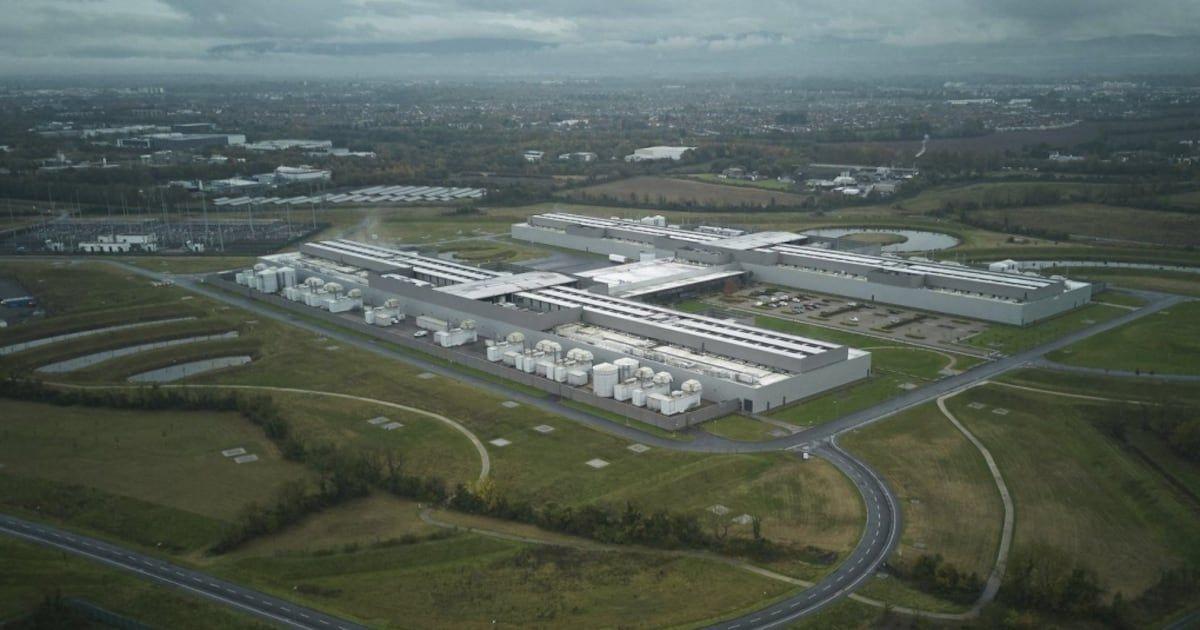
.
Source: BNN
The Fisk plant in Chicago's working-class Pilsen neighborhood exemplifies this trend. The rarely-used eight-unit oil-fired facility, owned by Houston-based NRG Energy, was scheduled to retire next year. But surging electricity demand from AI changed those plans. "We believe there's an economic case to keep them around, so we withdrew the retirement notice," said Matt Pistner, senior vice president of generation at NRG Energy
1
. Prices shot up in PJM Interconnection as electricity requests from data centers exceeded existing supplies, making fossil-fuel-fired plants like Fisk suddenly profitable again.Environmental and Social Justice Concerns Mount
The revival of peaker power plants carries significant environmental implications. Because these facilities were built for speed instead of efficiency, they often lack modern emission controls like mercury scrubbers and filters for particulate matter
2
. Some have lower smokestacks, meaning pollution can be more concentrated locally. At the Fisk plant, sulfur dioxide emissions ranged from about 2 to as much as 25 tons per year, according to the Environmental Protection Agency1
. "That's not an insignificant amount considering the low chimneys and homes nearby," said Brian Urbaszewski, Director of Environmental Health Programs for Respiratory Health Association.The country's roughly 1,000 peaker plants are disproportionately located in low-income communities of color, raising environmental justice concerns. A 2022 study of formerly "redlined" U.S. communities found that residents were 53% more likely to have had a peaker plant built nearby since 2000 than in non-redlined areas
2
. Delaying scheduled retirements means vulnerable Americans will bear the brunt of increased pollution and health risks from these aging facilities.Related Stories

Trump Administration Eyes Expanded Peaker Capacity
The trend of keeping peaker power plants running longer may accelerate under President Donald Trump's administration, which is exploring ways to tap into existing power sources to quickly meet massive new electricity demand. U.S. Energy Secretary Chris Wright told Reuters in September that "there are a ton of peaker plants that could operate more," adding that air regulations have kept more from running more frequently. "The biggest targets are spare capacity on the power grid today," Wright said
1
.
Source: ET
While peaker plants contribute about 3% of the country's power, they have the total capacity to produce 19%, according to a report by the U.S. Government Accountability Office
2
. Tapping into that spare capacity could help address the electricity demand crisis driven by AI data centers, but at a significant environmental cost. Letters reviewed by Reuters show that of 23 oil, gas, and coal power plants in PJM territory scheduled to retire starting in 2025, 13 have delayed or canceled retirements since January, with 11 of those being peaker units.Chicago city council member Byron Sigcho-Lopez expressed concerns about the impact on local communities: "They have to be good neighbors and responsible. So, it's my hope that they actually discuss with the community in good faith and openly what are the community benefits because we bear all the costs and barely, rarely see any benefits". A spokesperson for NRG Energy stated that "during its run times, the power plant consistently operates within federal and state environmental regulations." As Big Tech's investments in artificial intelligence continue to strain the nation's electrical grids, communities that have successfully fought to close pollution sources may find fossil fuel peaker plants more difficult to fight, creating a tension between technological advancement and public health priorities.
References
Summarized by

Navi
[3]
Related Stories
US Power Grid Struggles to Keep Pace with AI Data Center Boom, While China Surges Ahead
15 Aug 2025•Business and Economy
AI-Driven Power Demand Surge Strains America's Largest Grid, Threatening Price Hikes and Blackouts
09 Jul 2025•Technology
AI's surging power demands push Big Tech to lock in more fossil fuels despite climate goals
27 Mar 2026•Business and Economy

Recent Highlights
1
Google releases Gemma 4 with Apache 2.0 license, enabling unrestricted local AI on devices
Technology

2
AI Models Lie and Deceive to Protect Other AI Models From Deletion, Study Reveals
Science and Research

3
OpenAI closes $122 billion funding round amid fierce AI competition and profitability questions
Startups

Recent Highlights
Today's Top Stories







Your Daily Dose of Curated AI News
Don’t drown in AI news. We cut through the noise - filtering, ranking and summarizing the most important AI news, breakthroughs and research daily. Spend less time searching for the latest in AI and get straight to action.

