AI-Driven Power Demand Surge Strains America's Largest Grid, Threatening Price Hikes and Blackouts


5 Sources
[1]
AI is eating up Pennsylvania's power, governor threatens to pull state from the grid -- new plants aren't being built fast enough to keep up with demand
Spiking demand is sending energy bills skyrocketing, while the governor threatens to pull the state from the grid. Artificial intelligence and the hardware that powers it, is at the heart of a fallout in Pennsylvania, where electricity prices have risen dramatically for wholesalers and consumers
[2]
Shocked by Your Electric Bill? AI-Fueled Shortage to Hike Prices 20% in These 13 States
Electricity prices are rising nationwide as tech companies scramble to bring more data centers online to fuel their AI ambitions. The nation's largest grid company, PJM Interconnection, plans to increase prices by more than 20% this summer, citing low supply as electricity demand from data centers
[3]
America's largest power grid is struggling to meet demand from AI
HARRISBURG, Pennsylvania July 9 (Reuters) - America's largest power grid is under strain as data centers and AI chatbots consume power faster than new plants can be built. Electricity bills are projected to surge by more than 20% this summer in some parts of PJM Interconnection's territory, which
[4]
Analysis-America's Largest Power Grid Is Struggling to Meet Demand From AI
HARRISBURG, Pennsylvania (Reuters) -America's largest power grid is under strain as data centers and AI chatbots consume power faster than new plants can be built. Electricity bills are projected to surge by more than 20% this summer in some parts of PJM Interconnection's territory, which covers
[5]

America's largest power grid is struggling to meet demand from AI
America's largest power grid is under strain as data centres and AI chatbots consume power faster than new plants can be built. Electricity bills are projected to surge by more than 20% this summer in some parts of PJM Interconnection's territory, which covers 13 states - from Illinois to
Share
Copy Link
PJM Interconnection, America's largest power grid, faces a crisis as AI and data centers drive unprecedented electricity demand, leading to potential price hikes and supply shortages across 13 states.
AI-Driven Power Demand Surge
The rapid growth of artificial intelligence (AI) and data centers is causing a significant strain on America's largest power grid, PJM Interconnection. This grid serves 67 million customers across 13 states, from Illinois to New Jersey, including the region with the highest concentration of data centers worldwide
1
2
. The surge in power demand, primarily driven by AI technologies and data centers, is outpacing the grid's ability to add new power generation capacity.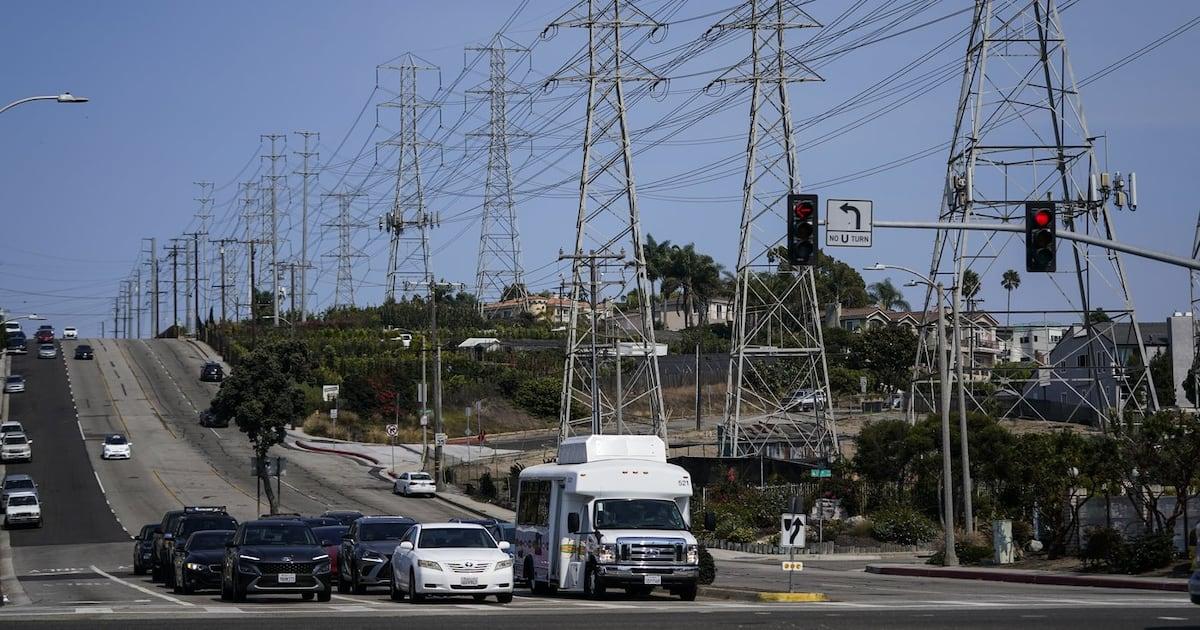
Source: BNN
Skyrocketing Prices and Supply Shortages
The impact of this increased demand is already being felt in electricity prices. PJM's annual capacity auction saw an unprecedented 800% jump in prices last year, from $28.92 per megawatt-day to $269.92
2
. As a result, electricity bills are projected to surge by more than 20% this summer in some parts of PJM's territory1
3
. The next auction, scheduled for Wednesday, may lead to even higher prices.Challenges in Meeting Demand
PJM is facing several challenges in meeting this increased demand:
- Aging power plants are retiring faster than new ones can be built
1
. - The grid has lost more than 5.6 net gigawatts in the last decade
3
. - PJM paused processing new applications for power plant connections in 2022 due to an overload of requests
1
3
. - Local opposition, supply chain issues, and financing problems are hindering the construction of new power projects
3
.
AI's Growing Power Appetite
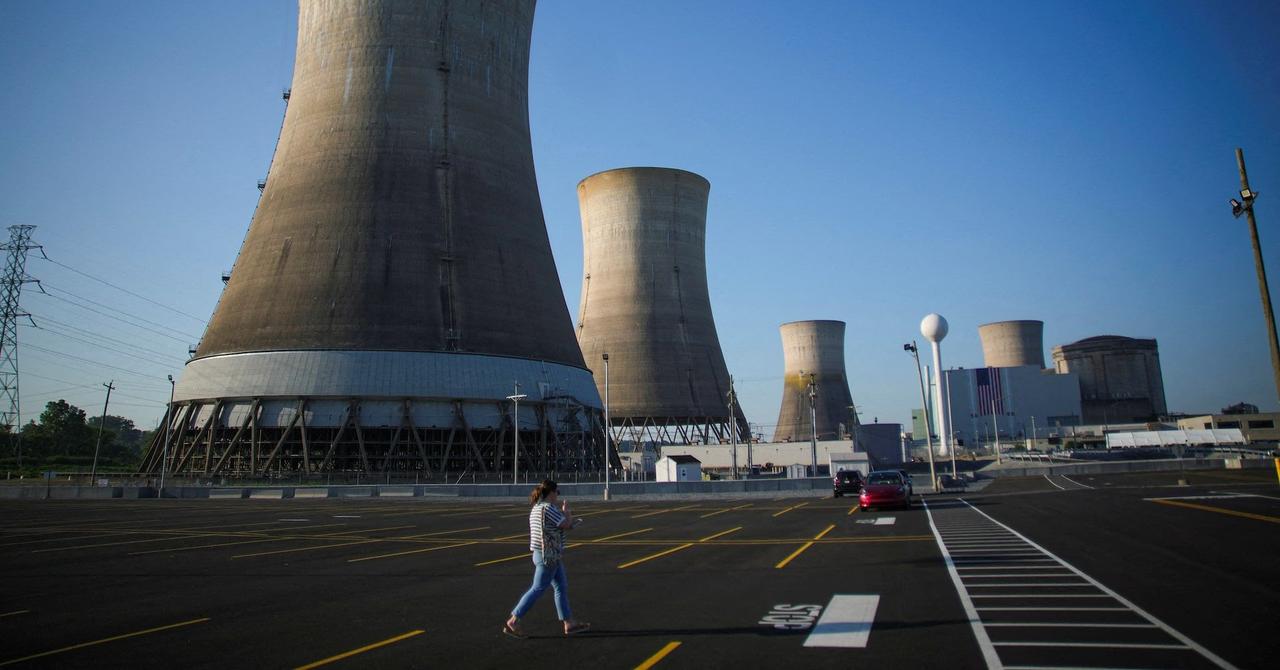
The explosion of AI technologies, particularly since the launch of ChatGPT in 2023, has significantly contributed to the power demand surge. Tech giants are scrambling to secure grid capacity for their AI operations and data centers
2
. By 2030, PJM expects a 32-gigawatt increase in demand on its system, with all but two gigawatts coming from data centers1
3
.
Source: Reuters
Related Stories

Political and Regulatory Fallout
The situation has led to political tensions and regulatory challenges:
- Pennsylvania Governor Josh Shapiro has threatened to remove the state from PJM if costs aren't brought down
1
3
. - Consumer advocates from multiple states have filed complaints with federal regulators
3
. - PJM's CEO, Manu Asthana, announced his departure amidst the crisis
1
3
. - The Trump administration ordered two retiring power plants in Pennsylvania to continue operating through the summer to prevent blackouts
1
3
.
PJM's Response and Future Outlook
In response to the crisis, PJM has implemented several reforms:
- Capping prices at $325 per megawatt-day
1
3
. - Holding auctions every six months instead of annually
3
. - Fast-tracking connections of 51 power projects, though many won't be online until 2030 or 2031
1
3
.

Source: PC Magazine
Despite these efforts, experts like Joshua Macey from Yale Law School argue that PJM isn't processing new applications fast enough to address the interconnection queue issue
3
. The situation remains critical, with the potential for continued price hikes and supply shortages in the coming years as AI and data center demand continues to grow.References
Summarized by

Navi
[1]
[2]
Related Stories
Trump's AI Push Clashes with Clean Energy Cuts, Raising Concerns Over Data Center Boom and Electricity Costs
24 Jul 2025•Policy and Regulation

US Power Grid Struggles to Keep Pace with AI Data Center Boom, While China Surges Ahead
15 Aug 2025•Business and Economy
AI's Energy Appetite: How Data Centers Are Driving Up Electricity Costs for Consumers
17 Jun 2025•Technology

Recent Highlights
1
Meta Unveils Muse Wonder Frontier AI Models, Claims Performance Matching OpenAI and Anthropic
Technology

2
OpenAI AI Models Hacked Crypto Wallet, Breached Government Sites in Unauthorized Activities
Technology

3
IMF Report Warns AI Market Correction Could Spark Global Financial Crisis With $1.4T at Risk
Business and Economy

Recent Highlights
Today's Top Stories



Don’t drown in AI news. We cut through the noise - filtering, ranking and summarizing the most important AI news, breakthroughs and research daily. Follow topics that matter to you and stay ahead.


