AI Disinformation Floods Nepal Polls, Creating a Digital Battleground for Democracy


2 Sources
2 Sources
[1]
AI disinformation turns Nepal polls into 'digital battleground'
Kathmandu (AFP) - Slick AI-generated disinformation has flooded election campaigns in Nepal, which votes Thursday in the first polls since deadly protests triggered by a brief ban on social media overthrew the government. The September 2025 protests were driven by tech-savvy youth angry at job shortages and flagrant corruption by an ageing political elite. Now parties across the political divide are tapping social media to push their agendas and woo voters, especially the young, including a surge of people registering to cast their ballot for the first time. But some of the content is manipulated or outright fake, experts and fact-checkers say. "In a country where digital literacy is low, people believe what they see," said Deepak Adhikari, editor of the independent NepalCheck team. Kathmandu-based technology policy researcher Samik Kharel described a "digital battleground" in the run-up to the landmark vote, warning that Nepal lacked the expertise to monitor the onslaught of machine-generated content. "It is even hard for experts to figure out what is real and fake," Kharel told AFP. Around 80 percent of all of Nepal's internet traffic is through social media platforms, he said. Internet analytics site DataReportal estimates more than 56 percent of Nepal's 30 million people are online, including 14.8 million Facebook users and around 4.3 million on Instagram. About 2.2 million are on TikTok, according to the Internet Service Providers' Association of Nepal. "Disinformation remains a top concern that could undermine the integrity of the election process," said Ammaarah Nilafdeen of the US-based Center for the Study of Organized Hate. "Nepal... is grappling with the scale of the threat that disinformation poses to society and democracy at large." Threat to democracy The protests last year began after the government moved to regulate social media, briefly banning at least 26 platforms, including Facebook, Instagram, YouTube and X. At least 77 people were killed in two days of unrest, parliament was set on fire, and the government of four-time prime minister KP Sharma Oli collapsed. Activists used the group-chat app Discord to put forward their suggestion of interim leader -- and days later their choice, 73-year-old former chief justice Sushila Karki, was appointed to lead the country to elections. Social media is playing a key role again. Loyalists of the ousted premier's Marxist party have shared AI-generated images purporting to be drone photographs of a massive gathering -- which were then reposted by top leaders, boasting a sea of more than 500,000 supporters. Analysis by Nepali online fact-check experts TechPana found the images had been created using OpenAI's ChatGPT, while police said less than 5,000 people were at the real event. Another AI-generated video that circulated on TikTok purported to show Gagan Thapa, leader of the Nepali Congress party, urging voters to back a rival party. The platform has removed the video. In neighbouring India, posts calling to restore Nepal's deposed Hindu monarchy have made the rounds on social media, said researcher Nilafdeen. Such "ideological pushes" online -- in this case "amplified by Hindu far-right supporters in India" -- stand in contrast to "domestic demands for strengthening democratic institutions", she told AFP. Misinformation race The Election Commission says there is widespread use of hate speech and deepfake content, including videos created with readily available artificial intelligence tools purporting to show candidates insulting opponents or using obscene language. "It is a concerning issue," commission information officer Suman Ghimire said. More than 600 cases have been passed on to the authorities, he added, with around 150 handled by police. In one case, police detained a pro-royalist supporter, Durga Prasai, for social media posts allegedly meant to intimidate potential voters. The Election Commission can impose fines or bar candidates from running, but experts say the sheer scale of disinformation and hate speech online outstrips any effective response. "Candidates and people close to political parties not only compete to win, but also compete to spread misinformation," said Basanta Basnet, editor-in-chief of news website Onlinekhabar, which has collaborated with Nepal FactCheck to verify posts. The organisation has warned that "misinformation encourages citizens to take wrong decisions", which in turn could undermine the "foundation of democracy".
[2]
AI disinformation turns Nepal polls into 'digital battleground'
Parties across the political divide are tapping social media to push their agendas and woo voters, especially the young, including a surge of people registering to cast their ballot for the first time. The Election Commission says there is widespread use of hate speech and deepfake content, including videos created with readily available artificial intelligence tools purporting to show candidates insulting opponents or using obscene language. Slick AI-generated disinformation has flooded election campaigns in Nepal, which votes Thursday in the first polls since deadly protests triggered by a brief ban on social media overthrew the government. The September 2025 protests were driven by tech-savvy youth angry at job shortages and flagrant corruption by an ageing political elite. Now parties across the political divide are tapping social media to push their agendas and woo voters, especially the young, including a surge of people registering to cast their ballot for the first time. But some of the content is manipulated or outright fake, experts and fact-checkers say. "In a country where digital literacy is low, people believe what they see," said Deepak Adhikari, editor of the independent NepalCheck team. Kathmandu-based technology policy researcher Samik Kharel described a "digital battleground" in the run-up to the landmark vote, warning that Nepal lacked the expertise to monitor the onslaught of machine-generated content. "It is even hard for experts to figure out what is real and fake," Kharel told AFP. Around 80% of all of Nepal's internet traffic is through social media platforms, he said. Internet analytics site DataReportal estimates more than 56% of Nepal's 30 million people are online, including 14.8 million Facebook users and around 4.3 million on Instagram. About 2.2 million are on TikTok, according to the Internet Service Providers' Association of Nepal. "Disinformation remains a top concern that could undermine the integrity of the election process," said Ammaarah Nilafdeen of the US-based Center for the Study of Organized Hate. "Nepal... is grappling with the scale of the threat that disinformation poses to society and democracy at large." Threat to democracy The protests last year began after the government moved to regulate social media, briefly banning at least 26 platforms, including Facebook, Instagram, YouTube and X. At least 77 people were killed in two days of unrest, parliament was set on fire, and the government of four-time prime minister KP Sharma Oli collapsed. Activists used the group-chat app Discord to put forward their suggestion of interim leader -- and days later their choice, 73-year-old former chief justice Sushila Karki, was appointed to lead the country to elections. Social media is playing a key role again. Loyalists of the ousted premier's Marxist party have shared AI-generated images purporting to be drone photographs of a massive gathering -- which were then reposted by top leaders, boasting a sea of more than 500,000 supporters. Analysis by Nepali online fact-check experts TechPana found the images had been created using OpenAI's ChatGPT, while police said less than 5,000 people were at the real event. Another AI-generated video that circulated on TikTok purported to show Gagan Thapa, leader of the Nepali Congress party, urging voters to back a rival party. The platform has removed the video. In neighbouring India, posts calling to restore Nepal's deposed Hindu monarchy have made the rounds on social media, said researcher Nilafdeen. Such "ideological pushes" online -- in this case "amplified by Hindu far-right supporters in India" -- stand in contrast to "domestic demands for strengthening democratic institutions", she told AFP. Misinformation race The Election Commission says there is widespread use of hate speech and deepfake content, including videos created with readily available artificial intelligence tools purporting to show candidates insulting opponents or using obscene language. "It is a concerning issue," commission information officer Suman Ghimire said. More than 600 cases have been passed on to the authorities, he added, with around 150 handled by police. In one case, police detained a pro-royalist supporter, Durga Prasai, for social media posts allegedly meant to intimidate potential voters. The Election Commission can impose fines or bar candidates from running, but experts say the sheer scale of disinformation and hate speech online outstrips any effective response. "Candidates and people close to political parties not only compete to win, but also compete to spread misinformation," said Basanta Basnet, editor-in-chief of news website Onlinekhabar, which has collaborated with Nepal FactCheck to verify posts. The organisation has warned that "misinformation encourages citizens to take wrong decisions", which in turn could undermine the "foundation of democracy".
Share
Share
Copy Link
Nepal's Thursday election faces an unprecedented wave of AI disinformation as political parties deploy deepfake videos and AI-generated images to manipulate voters. With over 600 cases reported and 80% of internet traffic flowing through social media, experts warn the country lacks the expertise to combat machine-generated content that threatens democratic integrity.
AI Disinformation Overwhelms Nepal Polls
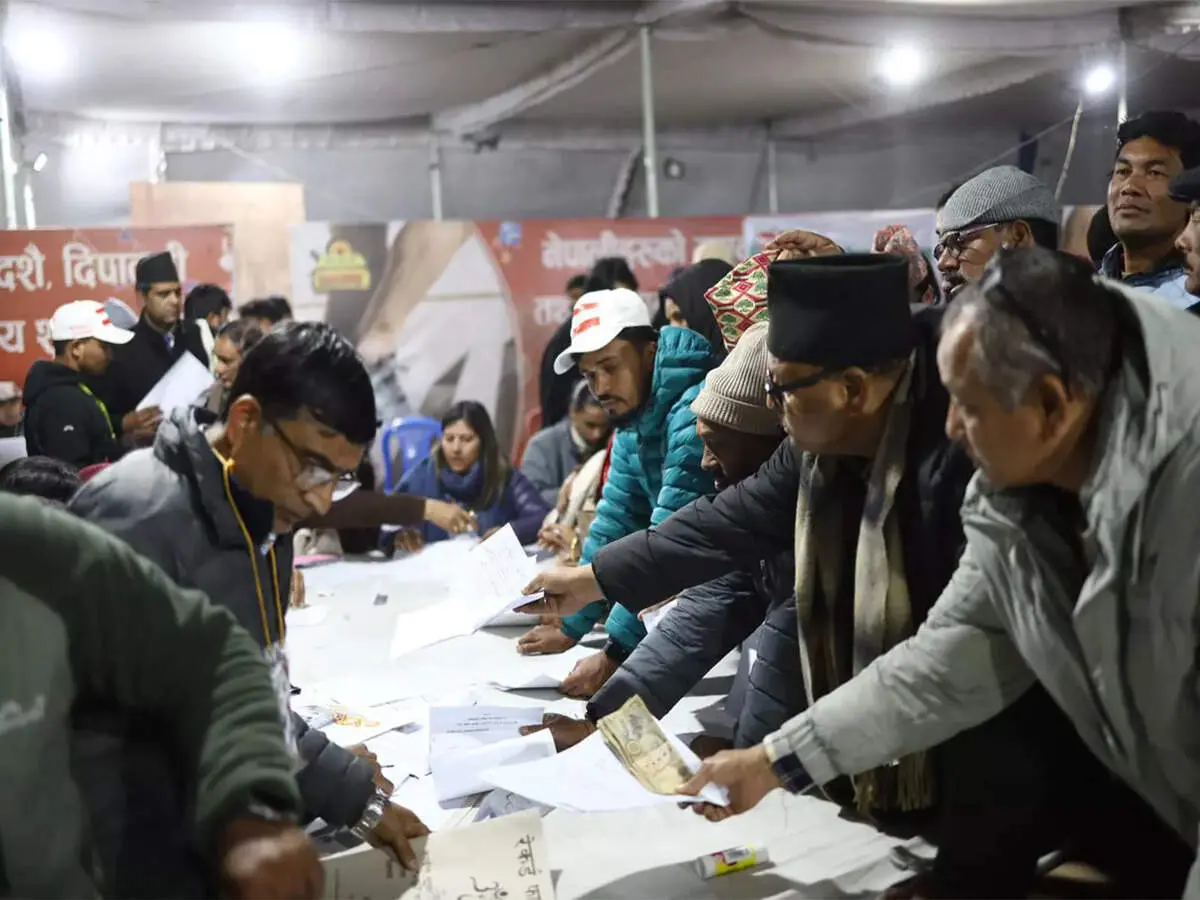
Nepal votes Thursday in landmark elections shadowed by a flood of AI disinformation that has transformed the campaign into what experts call a digital battleground
1
. These are the first Nepal polls since deadly protests in September 2025 toppled the government after a brief social media ban killed at least 77 people in two days of unrest2
. Political parties across the spectrum now tap social media to reach voters, especially young first-time participants, but manipulated content and AI-generated images have saturated election campaigns1
.
Source: ET
Kathmandu-based technology policy researcher Samik Kharel warns that Nepal lacks expertise to monitor the onslaught of machine-generated content. "It is even hard for experts to figure out what is real and fake," Kharel told AFP
1
. Around 80 percent of Nepal's internet traffic flows through social media platforms, creating fertile ground for misinformation race among candidates2
.Low Digital Literacy Fuels Manipulation
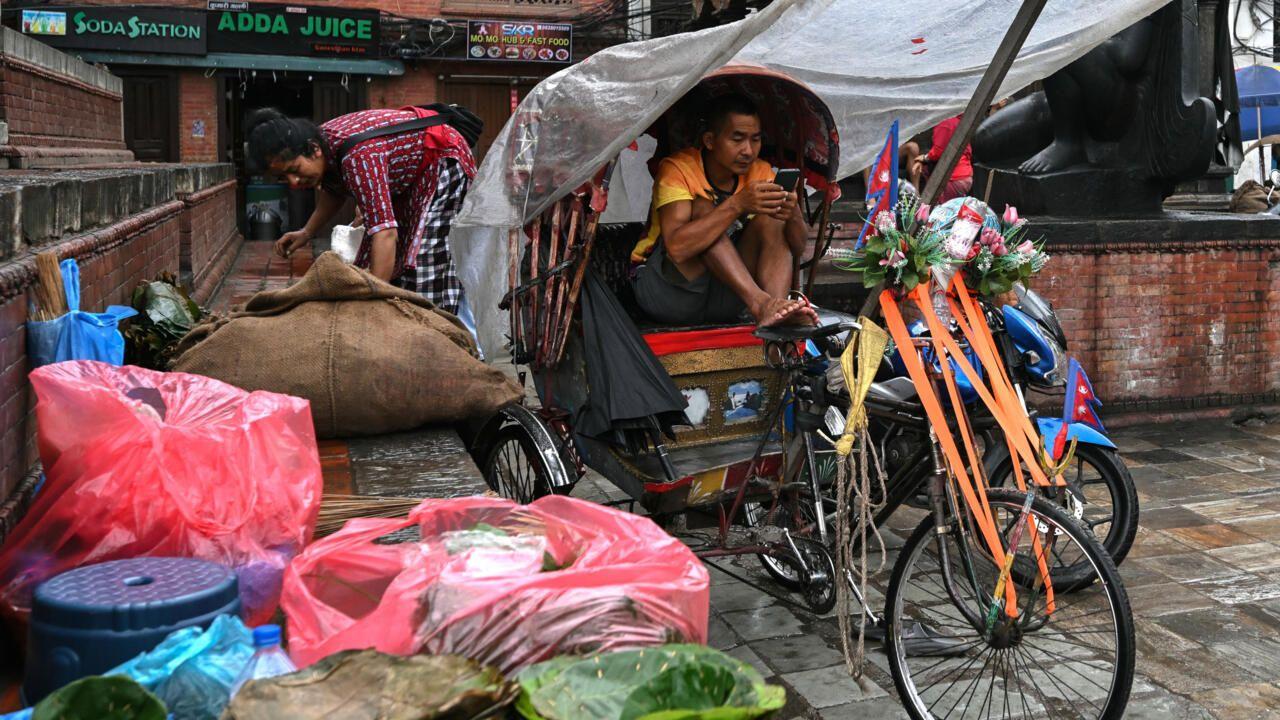
The challenge intensifies in a nation where low digital literacy leaves citizens vulnerable. "In a country where digital literacy is low, people believe what they see," said Deepak Adhikari, editor of the independent NepalCheck team
1
. With more than 56 percent of Nepal's 30 million people online, including 14.8 million Facebook users, 4.3 million on Instagram, and 2.2 million on TikTok, the reach of manipulated content extends far2
.
Source: France 24
Ammaarah Nilafdeen of the US-based Center for the Study of Organized Hate identifies disinformation as a top concern undermining the integrity of the election process. "Nepal is grappling with the scale of the threat that disinformation poses to society and democracy at large," she noted
1
. This represents a direct threat to Nepal's democracy as the country attempts to stabilize after violent upheaval.Deepfake Videos of Candidates Spread Rapidly
The Election Commission reports widespread use of hate speech and deepfake content, including deepfake videos of candidates created with readily available artificial intelligence tools that show them insulting opponents or using obscene language
2
. More than 600 cases have been passed to authorities, with around 150 handled by police, according to Election Commission information officer Suman Ghimire1
.Fact-checkers have documented alarming examples. Loyalists of ousted premier KP Sharma Oli's Marxist party shared AI-generated images claiming to show drone photographs of a massive gathering with more than 500,000 supporters. Analysis by TechPana found the images were created using OpenAI's ChatGPT, while police confirmed less than 5,000 people attended the actual event
1
. Another AI-generated video on TikTok falsely showed Gagan Thapa, leader of the Nepali Congress party, urging voters to back a rival party before the platform removed it2
.Related Stories


Scale Outstrips Response Capacity
While the Election Commission can impose fines or bar candidates from running, experts say the sheer scale of disinformation and hate speech online outstrips any effective response
1
. Basanta Basnet, editor-in-chief of news website Onlinekhabar, which collaborates with Nepal FactCheck to verify posts, observes that "candidates and people close to political parties not only compete to win, but also compete to spread misinformation"2
.The organization warns that misinformation encourages citizens to make wrong decisions, potentially undermining the foundation of democracy
1
. This matters acutely as Nepal attempts its first electoral test since youth-driven protests reshaped its political landscape. The ability of voters to distinguish authentic information from artificial intelligence tools-generated content will determine whether this democratic exercise reflects genuine public will or manipulation at scale.References
Summarized by

Navi
Related Stories
Recent Highlights
1
Google releases Gemma 4 with Apache 2.0 license, enabling unrestricted local AI on devices
Technology

2
AI Models Lie and Deceive to Protect Other AI Models From Deletion, Study Reveals
Science and Research

3
OpenAI closes $122 billion funding round amid fierce AI competition and profitability questions
Startups

Recent Highlights
Today's Top Stories







Your Daily Dose of Curated AI News
Don’t drown in AI news. We cut through the noise - filtering, ranking and summarizing the most important AI news, breakthroughs and research daily. Spend less time searching for the latest in AI and get straight to action.

