Amazon cuts 16,000 jobs as companies cite AI for layoffs, sparking 'AI-washing' debate


22 Sources
22 Sources
[1]
AI layoffs or 'AI-washing'?
How many of the companies with recent layoffs are truly adapting their workforces to the efficiencies and challenges of artificial intelligence? And how many of them were just using AI as an excuse to cover other problems? That's the question posed by a New York Times article on the trend of "AI-washing," where companies will cite AI as the reason for layoffs that might actually be caused by other factors, like over-hiring during the pandemic. AI was the stated reason for more than 50,000 layoffs in 2025, with Amazon and Pinterest among the tech companies who blamed the technology for recent cuts. But a Forrester report published in January argued, "Many companies announcing A.I.-related layoffs do not have mature, vetted A.I. applications ready to fill those roles, highlighting a trend of 'A.I.-washing' -- attributing financially motivated cuts to future A.I. implementation." Molly Kinder, a senior research fellow at the Brookings Institute, noted that saying layoffs were caused by AI is a "very investor-friendly message," especially when the alternative might mean admitting, "The business is ailing."
[2]
Amazon cuts 16,000 jobs globally to undo pandemic-era hiring amid AI push
Jan 28 (Reuters) - Amazon (AMZN.O), opens new tab said on Wednesday it was cutting 16,000 jobs worldwide in the second major round of layoffs at the company in three months, as it restructures after pandemic-era over-hiring and expands the adoption of artificial intelligence tools. Reuters first reported last week that Amazon was planning a second round of job cuts as part of a broader goal of trimming about 30,000 corporate roles, with the layoffs expected to affect workers in Amazon Web Services, retail, Prime Video and human resources departments. Amazon slashed 14,000 white-collar jobs in late October, with CEO Andy Jassy stressing the need for the company to eliminate excessive bureaucracy by trimming operational levels and reducing the number of managers. "Some of you might ask if this is the beginning of a new rhythm - where we announce broad reductions every few months. That's not our plan," said Beth Galetti, senior vice president of people experience and technology at Amazon. RISING AI ADOPTION The job cuts also underscore how artificial intelligence is changing corporate workforce dynamics. Significant improvements in AI assistants are helping enterprises execute duties from routine administrative tasks to complex coding problems with rapid speed and precision, driving widespread adoption. Jassy had said last summer that the increased use of AI tools would lead to more automation of duties, resulting in corporate job losses. Earlier this month, top executives at the World Economic Forum's annual meeting said while jobs would disappear, new ones would spring up, with two of them telling Reuters that AI would be used as an excuse by companies planning to cut jobs anyway. The 30,000 jobs would together represent a small portion of Amazon's 1.58 million employees, but nearly 10% of its corporate workforce. The majority of Amazon's workers are in fulfillment centers and warehouses. Tech giants, including Amazon, Facebook-parent Meta Platforms (META.O), opens new tab and Microsoft (MSFT.O), opens new tab, had sharply ramped up hiring during the COVID-19 pandemic demand surge and have lately been restructuring their workforce. Amazon has also been investing in robotics at its warehouses to speed up packaging and deliveries for its e-commerce segment, reduce the reliance on human labor and cutting costs. The company is set to report quarterly results next week. Reporting by Deborah Sophia and Zaheer Kachwala in Bengaluru; Editing by Arun Koyyur Our Standards: The Thomson Reuters Trust Principles., opens new tab
[3]
Did artificial intelligence really drive layoffs at Amazon and other firms? It can be hard to tell
The one thing N. Lee Plumb knows for sure about being laid off from Amazon last week is that it wasn't a failure to get on board with the company's artificial intelligence plans. Plumb, his team's head of "AI enablement," says he was so prolific in his use of Amazon's new AI coding tool that the company flagged him as one of its top users. Many assumed Amazon's 16,000 corporate layoffs announced last week reflected CEO Andy Jassy's push to "reduce our total corporate workforce as we get efficiency gains from using AI extensively across the company." But like other companies that have tied workforce changes to AI -- including Expedia, Pinterest and Dow last week -- it can be hard for economists, or individual employees like Plumb, to know if AI is the real reason behind the layoffs or if it's the message a company wants to tell Wall Street. "AI has to drive a return on investment," said Plumb, who worked at Amazon for eight years. "When you reduce head count, you've demonstrated efficiency, you attract more capital, the share price goes up." "So you could potentially have just been bloated in the first place, reduce head count, attribute it to AI, and now you've got a value story," he said. Plumb is atypical for an Amazon worker in that he's also running what he describes as a "long shot" bid for Congress in Texas, on a platform focused on stopping the tech industry's reliance on work visas to "replace American workers with cheaper foreign labor." But whatever it was that cost Plumb his job, his skepticism about AI-driven job replacement is one shared by many economists. "We just don't know," said Karan Girotra, a professor of management at Cornell University's business school. "Not because AI isn't great, but because it requires a lot of adjustment and most of the gains accrue to individual employees rather than to the organization. People save time and they get their work done earlier." If an employer works faster because of AI, Girotra said it takes time to adjust a company's management structure in a way that would enable a smaller workforce. He's not convinced that's happening at Amazon, which he said is still scaling back from a glut of hiring during the COVID-19 pandemic. A report by Goldman Sachs said AI's overall impact on the labor market remains limited, though some effects might be felt in "specific occupations like marketing, graphic design, customer service, and especially tech." Those are fields involving tasks that correlate with the strengths of the current crop of generative AI chatbots that can write emails and marketing pitches, produce synthetic images, answer questions and help write code. But the bank's economic research division said in its most recent monthly AI adoption tracker that, since December, "very few employees were affected by corporate layoffs attributed to AI," though the report was published Jan. 16, before Amazon, Dow and Pinterest announced their layoffs. San Francisco-based Pinterest was the most explicit in asserting that AI drove it to cut up to 15% of its workforce. The social media company said it was "making organizational changes to further deliver on our AI-forward strategy, which includes hiring AI-proficient talent. As a result, we've made the difficult decision to say goodbye to some of our team members." Pinterest echoed that message in a regulatory disclosure that said the company was "reallocating resources to AI-focused roles and teams that drive AI adoption and execution." Expedia has voiced a similar message but the 162 tech workers the travel website cut from its Seattle headquarters last week included several AI-specific roles, such as machine-learning scientists. Dow's regulatory disclosures tied its 4,500 layoffs to a new plan "utilizing AI and automation" to increase productivity and improve shareholder returns. Amazon's 16,000 corporate job cuts were part of a broader reduction of employees at the ecommerce giant. At the same time as those cuts, all believed to be office jobs, Amazon said it would cut about 5,000 retail workers, according to notices it sent to state workforce agencies in California, Maryland and Washington, resulting from its decision to close almost all of its Amazon Go and Amazon Fresh stores. That's on top of a round of 14,000 job cuts in October, bringing the total to well over 30,000 since Jassy first signaled a push for AI-driven organizational changes. Like many companies, in technology and otherwise, but particularly those that make and sell AI tools and services, Amazon has been pushing its workforce to find more efficiencies with AI. Meta CEO Mark Zuckerberg said last week that 2026 will be when "AI starts to dramatically change the way that we work." "We're investing in AI-native tooling so individuals at Meta can get more done, we're elevating individual contributors, and flattening teams," he said on an earnings call. "We're starting to see projects that used to require big teams now be accomplished by a single very talented person." So far, Meta's layoffs this year have focused on cutting jobs from its virtual reality and metaverse divisions. Also driving job impacts is the industry shifting resources to AI development, which requires huge spending on computer chips, energy-hungry data centers and talent. Jassy told Amazon employees last June to be "curious about AI, educate yourself, attend workshops and take trainings, use and experiment with AI whenever you can, participate in your team's brainstorms to figure out how to invent for our customers more quickly and expansively, and how to get more done with scrappier teams." Plumb was fully on board with that and said he demonstrated his proficiency in using Amazon's AI coding tool, Kiro, to "solve massive problems" in the company's compensation system. "If you weren't using them, your manager would get a report and they would talk to you about using it," he said. "There were only five people in the entire company that were a higher user of Kiro than I was, or had achieved more milestones." Now he's shifting gears to his candidacy among a field of Republicans in the Houston area looking to unseat U.S. Rep. Dan Crenshaw in the March primary. Cornell's Girotra said it's possible that increasing AI productivity is leading companies to cut middle management, but he said the reality is that those making layoff decisions "just need to cut costs and make it happen. That's it. I don't think they care what the reason for that is." Not all companies are signaling AI as a reason for cuts. Home Depot confirmed on Thursday that it was eliminating 800 roles tied to its corporate headquarters in Atlanta, though most of the affected employees worked remotely. Home Depot's spokesman George Lane said that Home Depot's cuts were not driven by AI or automation but "truly about speed, agility" and serving the needs of its customers and front-line workers. And exercise equipment maker Peloton confirmed on Friday that it is reducing its workforce by 11% as part of a broader cost-cutting move under its CEO Peter Stern to pare down operating expenses. -- -- AP Retail Writer Anne D'Innocenzio contributed to this report.
[4]
01shoptalk-AI-washing-illo
As companies blame artificial intelligence for layoffs, skeptics wonder whether that explanation captures the full picture. A company might lay people off for any number of reasons: It didn't meet financial targets. It overhired. It was rocked by tariffs, or the loss of a big client. But lately, many companies are highlighting a new factor: artificial intelligence. Executives, saying they anticipate huge changes from the technology, are making cuts now. A.I. was cited in the announcements of more than 50,000 layoffs in 2025, according to Challenger, Gray & Christmas, a research firm. Amazon said on Wednesday that it was cutting 16,000 corporate jobs, in addition to the 14,000 it announced in the fall. In a June blog post, Andrew Jassy, the chief executive, said: "As we roll out more generative AI and agents, it should change the way our work is done," adding that "in the next few years, we expect that this will reduce our total corporate workforce." (He later walked back the connection between layoffs and A.I., and the company has since said the reason for most of the cuts was reducing bureaucracy. Most analysts, however, believe Amazon is cutting jobs to clear money for A.I. investments, such as data centers.)
[5]

Amazon to cut 16,000 jobs as it shifts resources to AI
Amazon is laying off thousands of workers and closing its Amazon Go and Amazon Fresh stores. Credit: Matthias Balk/picture alliance via Getty Images E-commerce behemoth Amazon is making another round of layoffs, according to a blog post on the company's official website. Amazon said the cuts will affect 16,000 corporate jobs. The company said it will give its employees 90 days to look for a new role internally within Amazon. Those who don't find a new role will receive severance pay and other temporary benefits. The company's public statement, from Amazon's Senior Vice President of People Experience and Technology Beth Galetti, clarified that the company will "continue hiring and investing in strategic areas and functions that are critical to our future." While Amazon doesn't explicitly state what that means, the New York Times reports that the company intends to shift resources to artificial intelligence and the data centers that AI requires. As mentioned in their report, Amazon spent around $125 billion last year on data centers and related expenditures. "Some of you might ask if this is the beginning of a new rhythm -- where we announce broad reductions every few months. That's not our plan," reads a blog post written by Beth Galetti, Senior Vice President of People Experience and Technology at Amazon. Galetti also emphasized that the company was "working hard to support everyone whose role is impacted." Last October, Amazon sources told Reuters that the company was planning its biggest round of layoffs ever and was set to cut 30,000 jobs. Days later, Amazon announced that it was laying off 14,000 employees, but it seems the 30,000 report was correct after all. With today's announcement, Amazon will have laid off 30,000 workers total, and Galetti's blog post adds some context to the situation. "While many teams finalized their organizational changes in October, other teams did not complete that work until now." While Amazon CEO Andy Jassy denied AI was responsible for the October layoffs, our colleagues at PC Mag note that Galetti provided employees with a different take at the time. (Disclosure: PC Mag and Mashable are both owned by the same parent company, Ziff Davis.) "This generation of AI is the most transformative technology we've seen since the internet, and...we need to be organized more leanly, with fewer layers and more ownership, to move as quickly as possible for our customers and business," Galetti said last year. In addition to this latest round of layoffs, Amazon also announced just yesterday that it was closing all of its physical Amazon Go and Amazon Fresh store locations to focus on Whole Foods Market and grocery deliveries under the Whole Foods brand. Amazon currently employs roughly 1.5 million people.
[6]

More companies are pointing to AI as they lay off employees
When Pinterest and Dow announced layoffs last month, they attributed the job cuts in part to a shift to artificial intelligence -- a sign that some employers are stepping up their investment in AI as they pare their payrolls. Although economists have generally downplayed the impact to date of generative AI on the broader U.S. workforce, that may offer little comfort to the employees who suddenly find themselves out of work as companies tout their adoption of such tools. In 2025, companies directly pointed to their use of AI in announcing 55,000 job cuts -- more than 12 times the number of layoffs attributed to AI just two years earlier, according to outplacement firm Challenger, Gray and Christmas. Of those job losses, 51,000 were in tech, with most of the cuts concentrated in tech-heavy states such as California and Washington. After years of pouring money into AI in a bid to boost efficiency and productivity, companies are under pressure to demonstrate the gains, Challenger, chief revenue officer of Challenger, Gray and Christmas, told CBS News. "That means jobs being replaced with artificial intelligence," he said. Amazon is one of the tech giants turning to AI. In 2025, CEO Andy Jassy said in a memo that he expected the e-commerce giant to shrink its number of white-collar jobs as the company invests in AI "agents" over the next few years in search of efficiency gains. "We will need fewer people doing some of the jobs that are being done today, and more people doing other types of jobs," Jassy said at the time. Amazon said in January that it was cutting 16,000 jobs, but didn't explicitly mention its use of AI in a memo to employees. By contrast, Pinterest framed the cuts as a way to redirect resources toward expanding its AI systems and capabilities. Other companies haven't explicitly mentioned AI in their layoffs announcements, but have noted that they are ramping up their use of technology and automation. The flurry of layoff announcements comes as economists try to get a read on how AI will reshape America's workforce -- a fast-moving target given the explosion in AI usage across the economy. Ben May, director of global macro research at investment advisory firm Oxford Economics, said in a recent report that while some jobs are potentially exposed to AI, most employers don't appear to be replacing a significant number of workers with AI. He also suggested something else -- that companies could be using AI as a pretext for job cuts. "We suspect some firms are trying to dress up layoffs as a good news story rather than a bad one -- for example, by pointing to technological change instead of past overhiring," he said. Lisa Simon, chief economist at Revelio Labs, which collects and analyzes public labor market data, also suspects that some companies are pointing to their use of AI to rationalize layoffs. "Companies want to get rid of departments that no longer serve them," she said. "And I think, for now, AI is a little bit of a front and an excuse." She posits that the technology is having more of an impact on hiring than layoffs, with companies pulling back as they realize they can do more with less. Challenger said he expects AI-related layoff notices to keep coming. "This technological innovation, I think, it's going to affect pretty much every industry," he said. Pinterest The San Francisco-based company announced in January that it plans to cut 15% of its workforce, with a spokesperson telling CBS News that the social media company is "making organizational changes to further deliver on our AI-forward strategy, which includes hiring AI-proficient talent." Dow Dow, an American chemical and plastics manufacturer, said last month that it is eliminating roughly 4,500 jobs as it steps up its use of AI and automation. Indeed and Glassdoor The career services firms, both owned by Recruit Holdings, announced last year that they were slashing a total of roughly 1,300 jobs. In an email to employees, Recruit Holdings CEO Hisayuki "Deko" Idekoba said that "AI is changing the world" and that the company must adapt accordingly. Chegg In October 2025, online education assistance platform Chegg said it was eliminating 45% of its workforce as it faces the "new realities of AI" and reduced traffic from Google. CrowdStrike CrowdStrike CEO and co-founder George Kurtz said last year that the cybersecurity company was cutting about 500 positions as it leans into AI. "We're operating in a market and technology inflection point, with AI reshaping every industry, accelerating threats, and evolving customer needs," he wrote in a company memo. HP In November 2025, HP said in an earnings announcement that the computer and software maker expected to reduce its global headcount by 4,000 to 6,000 employees -- part of a wider company initiative to increase productivity by using AI. The company also said the restructuring would net $1 billion in savings by the end of fiscal year 2028. Workday Workday, which runs a cloud-based platform that helps companies manage HR and finance, said in February 2025 that it would eliminate roughly 1,750 jobs. CEO Carl Eschenbach cited AI in the restructuring announcement. "Companies everywhere are reimagining how work gets done, and the increasing demand for AI has the potential to drive a new era of growth for Workday," he wrote. "This creates a massive opportunity for us, but we need to make some changes to better align our resources with our customers' evolving needs."
[7]

Is AI really to blame for the job losses at Amazon?
Amazon says it is laying off 16,000 because of 'efficiency gains' from AI, but an economist says it will take time for firms that are adopting AI to see how their work flows change. Amazon laid off 16,000 people last week because of what CEO Andy Jassy said were "efficiency gains" from artificial intelligence (AI), but economists say it's hard to know whether the technology is the real reason for job losses. "We just don't know," said Karan Girotra, a professor of management at Cornell University's business school, when asked if people are really losing their jobs to AI. American investment firm Goldman Sachs said in its monthly AI adoption tracker that, since December 2025, "very few employees were affected by corporate layoffs attributed to AI." The report was published in mid-January, before subsequent AI-related layoffs at Amazon, travel giant Expedia and social media platform Pinterest were announced. The Goldman Sachs report found that AI's overall impact on the labour market remains limited, though some effects might be felt in fields where AI can do many of the main work tasks, such as writing emails, marketing pitches, producing synthetic images, answering questions, and helping write code. Still, Girotra said it takes time to adjust a company's management structure in a way that would enable a smaller workforce when it is integrating AI. "It requires a lot of adjustment and most of the gains accrue to individual employees rather than to the organisation," he added, noting that most employees save time and get their work done earlier when using AI. If any jobs are being lost to AI, Girotra said it's likely middle management positions that are being axed to "cut costs." "I don't think they care what the reason for [the job cuts] are," he added. Amazon's 16,000 corporate job cuts are part of a broader reduction of employees at the e-commerce giant. The company said it was also cutting about 5,000 retail workers from on-location stores in the United States. Last October, another 14,000 employees lost their jobs since Jassy first signalled a push for AI-driven organisational changes. Girotra said Amazon is still likely scaling back from a glut of hiring during the COVID-19 pandemic. "So you could potentially have just been bloated in the first place, reduce head count, attribute it to AI, and now you've got a value story," he said. Jassy told Amazon employees last June to be "curious about AI, educate yourself, attend workshops and take trainings, use and experiment with AI whenever you can, participate in your team's brainstorms to figure out how to invent for our customers more quickly and expansively, and how to get more done with scrappier teams."
[8]

Amazon to cut 16,000 jobs worldwide
New York (AFP) - US online retail and cloud computing giant Amazon said Wednesday that it would be cutting 16,000 jobs worldwide as part of a restructuring, as it focuses spending on artificial intelligence. The job cuts, which follow already flagged plans to cut its workforce by 14,000 posts, are aimed at "reducing layers, increasing ownership, and removing bureaucracy," senior vice president Beth Galetti said in a statement. Media reports from October had said the roughly 30,000 job cuts planned in total would impact nearly 10 percent of the 350,000 office jobs at Amazon, without affecting the distribution and warehouse workers that make up the bulk of its 1.5 million employees. At the time the company refused to comment on the reports, which said they came amid increased investments in artificial intelligence. Amazon did not give any breakdown of the latest job cuts on Wednesday, saying only that "every team will continue to evaluate the ownership, speed, and capacity to invent for customers, and make adjustments as appropriate." The company will release its full-year 2025 results on February 5. In its last quarterly earnings statement in October, the company said it spent $1.8 billion on severance costs tied to planned job cuts. Amazon said that new positions will be offered to employees where possible, without giving further details on which divisions will be affected by the cuts. The layoffs are in line with a trend to trim white-collar management jobs across big tech. Microsoft in July said it had slashed a little less than four percent of its global workforce, about 15,000 jobs. Facebook owner Meta has also cut jobs over the past year, in a move intended to remove organizational bloat following aggressive hiring during the pandemic. Dutch tech giant ASML on Wednesday said it would cut cut hundreds of management jobs to improve internal organisation, with HP and Oracle also announcing recent layoffs. Like other tech giants, Amazon is making massive investments to grab a slice of the AI revolution pie. It is particularly banking on the performance of its subsidiary Amazon Web Services (AWS), the world's leading cloud provider, which is engaged in a race against its fast-growing rivals, Microsoft Azure and Google Cloud. And spending on developing new AI-based chips and services is growing exponentially. In December, Amazon announced that it would invest more than $35 billion in India.
[9]

Are Amazon and other company layoffs really tied AI? It's complicated, experts say
Plumb, his team's head of "AI enablement," says he was so prolific in his use of Amazon's new AI coding tool that the company flagged him as one of its top users. Many assumed Amazon's 16,000 corporate layoffs announced last week reflected CEO Andy Jassy's push to "reduce our total corporate workforce as we get efficiency gains from using AI extensively across the company." But like other companies that have tied workforce changes to AI -- including Expedia, Pinterest, and Dow last week -- it can be hard for economists, or individual employees like Plumb, to know if AI is the real reason behind the layoffs or if it's the message a company wants to tell Wall Street.
[10]

Did artificial intelligence really drive layoffs at Amazon and other firms? It can be hard to tell
When Amazon announced it was cutting 16,000 corporate jobs, many assumed it was the latest phase of CEO Andy Jassy's push to reduce the corporate workforce as AI brings more efficiency gains The one thing N. Lee Plumb knows for sure about being laid off from Amazon last week is that it wasn't a failure to get on board with the company's artificial intelligence plans. Plumb, his team's head of "AI enablement," says he was so prolific in his use of Amazon's new AI coding tool that the company flagged him as one of its top users. Many assumed Amazon's 16,000 corporate layoffs announced last week reflected CEO Andy Jassy's push to "reduce our total corporate workforce as we get efficiency gains from using AI extensively across the company." But like other companies that have tied workforce changes to AI -- including Expedia, Pinterest and Dow last week -- it can be hard for economists, or individual employees like Plumb, to know if AI is the real reason behind the layoffs or if it's the message a company wants to tell Wall Street. "AI has to drive a return on investment," said Plumb, who worked at Amazon for eight years. "When you reduce head count, you've demonstrated efficiency, you attract more capital, the share price goes up." "So you could potentially have just been bloated in the first place, reduce head count, attribute it to AI, and now you've got a value story," he said. Plumb is atypical for an Amazon worker in that he's also running what he describes as a "long shot" bid for Congress in Texas, on a platform focused on stopping the tech industry's reliance on work visas to "replace American workers with cheaper foreign labor." But whatever it was that cost Plumb his job, his skepticism about AI-driven job replacement is one shared by many economists. "We just don't know," said Karan Girotra, a professor of management at Cornell University's business school. "Not because AI isn't great, but because it requires a lot of adjustment and most of the gains accrue to individual employees rather than to the organization. People save time and they get their work done earlier." If an employer works faster because of AI, Girotra said it takes time to adjust a company's management structure in a way that would enable a smaller workforce. He's not convinced that's happening at Amazon, which he said is still scaling back from a glut of hiring during the COVID-19 pandemic. A report by Goldman Sachs said AI's overall impact on the labor market remains limited, though some effects might be felt in "specific occupations like marketing, graphic design, customer service, and especially tech." Those are fields involving tasks that correlate with the strengths of the current crop of generative AI chatbots that can write emails and marketing pitches, produce synthetic images, answer questions and help write code. But the bank's economic research division said in its most recent monthly AI adoption tracker that, since December, "very few employees were affected by corporate layoffs attributed to AI," though the report was published Jan. 16, before Amazon, Dow and Pinterest announced their layoffs. San Francisco-based Pinterest was the most explicit in asserting that AI drove it to cut up to 15% of its workforce. The social media company said it was "making organizational changes to further deliver on our AI-forward strategy, which includes hiring AI-proficient talent. As a result, we've made the difficult decision to say goodbye to some of our team members." Pinterest echoed that message in a regulatory disclosure that said the company was "reallocating resources to AI-focused roles and teams that drive AI adoption and execution." Expedia has voiced a similar message but the 162 tech workers the travel website cut from its Seattle headquarters last week included several AI-specific roles, such as machine-learning scientists. Dow's regulatory disclosures tied its 4,500 layoffs to a new plan "utilizing AI and automation" to increase productivity and improve shareholder returns. Amazon's 16,000 corporate job cuts were part of a broader reduction of employees at the ecommerce giant. At the same time as those cuts, all believed to be office jobs, Amazon said it would cut about 5,000 retail workers, according to notices it sent to state workforce agencies in California, Maryland and Washington, resulting from its decision to close almost all of its Amazon Go and Amazon Fresh stores. That's on top of a round of 14,000 job cuts in October, bringing the total to well over 30,000 since Jassy first signaled a push for AI-driven organizational changes. Like many companies, in technology and otherwise, but particularly those that make and sell AI tools and services, Amazon has been pushing its workforce to find more efficiencies with AI. Meta CEO Mark Zuckerberg said last week that 2026 will be when "AI starts to dramatically change the way that we work." "We're investing in AI-native tooling so individuals at Meta can get more done, we're elevating individual contributors, and flattening teams," he said on an earnings call. "We're starting to see projects that used to require big teams now be accomplished by a single very talented person." So far, Meta's layoffs this year have focused on cutting jobs from its virtual reality and metaverse divisions. Also driving job impacts is the industry shifting resources to AI development, which requires huge spending on computer chips, energy-hungry data centers and talent. Jassy told Amazon employees last June to be "curious about AI, educate yourself, attend workshops and take trainings, use and experiment with AI whenever you can, participate in your team's brainstorms to figure out how to invent for our customers more quickly and expansively, and how to get more done with scrappier teams." Plumb was fully on board with that and said he demonstrated his proficiency in using Amazon's AI coding tool, Kiro, to "solve massive problems" in the company's compensation system. "If you weren't using them, your manager would get a report and they would talk to you about using it," he said. "There were only five people in the entire company that were a higher user of Kiro than I was, or had achieved more milestones." Now he's shifting gears to his candidacy among a field of Republicans in the Houston area looking to unseat U.S. Rep. Dan Crenshaw in the March primary. Cornell's Girotra said it's possible that increasing AI productivity is leading companies to cut middle management, but he said the reality is that those making layoff decisions "just need to cut costs and make it happen. That's it. I don't think they care what the reason for that is." Not all companies are signaling AI as a reason for cuts. Home Depot confirmed on Thursday that it was eliminating 800 roles tied to its corporate headquarters in Atlanta, though most of the affected employees worked remotely. Home Depot's spokesman George Lane said that Home Depot's cuts were not driven by AI or automation but "truly about speed, agility" and serving the needs of its customers and front-line workers. And exercise equipment maker Peloton confirmed on Friday that it is reducing its workforce by 11% as part of a broader cost-cutting move under its CEO Peter Stern to pare down operating expenses. -- -- AP Retail Writer Anne D'Innocenzio contributed to this report.
[11]

Did Artificial Intelligence Really Drive Layoffs at Amazon and Other Firms? It Can Be Hard to Tell
The one thing N. Lee Plumb knows for sure about being laid off from Amazon last week is that it wasn't a failure to get on board with the company's artificial intelligence plans. Plumb, his team's head of "AI enablement," says he was so prolific in his use of Amazon's new AI coding tool that the company flagged him as one of its top users. Many assumed Amazon's 16,000 corporate layoffs announced last week reflected CEO Andy Jassy's push to "reduce our total corporate workforce as we get efficiency gains from using AI extensively across the company." But like other companies that have tied workforce changes to AI -- including Expedia, Pinterest and Dow last week -- it can be hard for economists, or individual employees like Plumb, to know if AI is the real reason behind the layoffs or if it's the message a company wants to tell Wall Street. "AI has to drive a return on investment," said Plumb, who worked at Amazon for eight years. "When you reduce head count, you've demonstrated efficiency, you attract more capital, the share price goes up." "So you could potentially have just been bloated in the first place, reduce head count, attribute it to AI, and now you've got a value story," he said. Plumb is atypical for an Amazon worker in that he's also running what he describes as a "long shot" bid for Congress in Texas, on a platform focused on stopping the tech industry's reliance on work visas to "replace American workers with cheaper foreign labor." But whatever it was that cost Plumb his job, his skepticism about AI-driven job replacement is one shared by many economists. "We just don't know," said Karan Girotra, a professor of management at Cornell University's business school. "Not because AI isn't great, but because it requires a lot of adjustment and most of the gains accrue to individual employees rather than to the organization. People save time and they get their work done earlier." If an employer works faster because of AI, Girotra said it takes time to adjust a company's management structure in a way that would enable a smaller workforce. He's not convinced that's happening at Amazon, which he said is still scaling back from a glut of hiring during the COVID-19 pandemic. A report by Goldman Sachs said AI's overall impact on the labor market remains limited, though some effects might be felt in "specific occupations like marketing, graphic design, customer service, and especially tech." Those are fields involving tasks that correlate with the strengths of the current crop of generative AI chatbots that can write emails and marketing pitches, produce synthetic images, answer questions and help write code. But the bank's economic research division said in its most recent monthly AI adoption tracker that, since December, "very few employees were affected by corporate layoffs attributed to AI," though the report was published Jan. 16, before Amazon, Dow and Pinterest announced their layoffs. San Francisco-based Pinterest was the most explicit in asserting that AI drove it to cut up to 15% of its workforce. The social media company said it was "making organizational changes to further deliver on our AI-forward strategy, which includes hiring AI-proficient talent. As a result, we've made the difficult decision to say goodbye to some of our team members." Pinterest echoed that message in a regulatory disclosure that said the company was "reallocating resources to AI-focused roles and teams that drive AI adoption and execution." Expedia has voiced a similar message but the 162 tech workers the travel website cut from its Seattle headquarters last week included several AI-specific roles, such as machine-learning scientists. Dow's regulatory disclosures tied its 4,500 layoffs to a new plan "utilizing AI and automation" to increase productivity and improve shareholder returns. Amazon's 16,000 corporate job cuts were part of a broader reduction of employees at the ecommerce giant. At the same time as those cuts, all believed to be office jobs, Amazon said it would cut about 5,000 retail workers, according to notices it sent to state workforce agencies in California, Maryland and Washington, resulting from its decision to close almost all of its Amazon Go and Amazon Fresh stores. That's on top of a round of 14,000 job cuts in October, bringing the total to well over 30,000 since Jassy first signaled a push for AI-driven organizational changes. Like many companies, in technology and otherwise, but particularly those that make and sell AI tools and services, Amazon has been pushing its workforce to find more efficiencies with AI. Meta CEO Mark Zuckerberg said last week that 2026 will be when "AI starts to dramatically change the way that we work." "We're investing in AI-native tooling so individuals at Meta can get more done, we're elevating individual contributors, and flattening teams," he said on an earnings call. "We're starting to see projects that used to require big teams now be accomplished by a single very talented person." So far, Meta's layoffs this year have focused on cutting jobs from its virtual reality and metaverse divisions. Also driving job impacts is the industry shifting resources to AI development, which requires huge spending on computer chips, energy-hungry data centers and talent. Jassy told Amazon employees last June to be "curious about AI, educate yourself, attend workshops and take trainings, use and experiment with AI whenever you can, participate in your team's brainstorms to figure out how to invent for our customers more quickly and expansively, and how to get more done with scrappier teams." Plumb was fully on board with that and said he demonstrated his proficiency in using Amazon's AI coding tool, Kiro, to "solve massive problems" in the company's compensation system. "If you weren't using them, your manager would get a report and they would talk to you about using it," he said. "There were only five people in the entire company that were a higher user of Kiro than I was, or had achieved more milestones." Now he's shifting gears to his candidacy among a field of Republicans in the Houston area looking to unseat U.S. Rep. Dan Crenshaw in the March primary. Cornell's Girotra said it's possible that increasing AI productivity is leading companies to cut middle management, but he said the reality is that those making layoff decisions "just need to cut costs and make it happen. That's it. I don't think they care what the reason for that is." Not all companies are signaling AI as a reason for cuts. Home Depot confirmed on Thursday that it was eliminating 800 roles tied to its corporate headquarters in Atlanta, though most of the affected employees worked remotely. Home Depot's spokesman George Lane said that Home Depot's cuts were not driven by AI or automation but "truly about speed, agility" and serving the needs of its customers and front-line workers. And exercise equipment maker Peloton confirmed on Friday that it is reducing its workforce by 11% as part of a broader cost-cutting move under its CEO Peter Stern to pare down operating expenses. -- -- AP Retail Writer Anne D'Innocenzio contributed to this report.
[12]

Amazon cutting 16,000 jobs as it ramps up AI push
Amazon is axing 16,000 jobs as it ramps up a push to use artificial intelligence (AI) in the workplace. "The reductions we are making today will impact approximately 16,000 roles across Amazon, and we're again working hard to support everyone whose role is impacted," Amazon's senior vice president of people experience and technology Beth Galetti said in a Wednesday message to employees. "That starts with offering most US-based employees 90 days to look for a new role internally (timing will vary internationally based on local and country level requirements)," she added. Amazon CEO Andy Jassy said in June he expected the company's workforce to shrink in the coming years as it uses more AI. Jassy laid out how Amazon was launching more generative AI and agents for internal operations, saying the employment of the tools should "change the way our work is done." "We will need fewer people doing some of the jobs that are being done today, and more people doing other types of jobs," Jassy told employees at the time. "It's hard to know exactly where this nets out over time, but in the next few years, we expect that this will reduce our total corporate workforce as we get efficiency gains from using AI extensively across the company." Wednesday's announcement comes after Amazon said in October that it would eliminate another about 14,000 jobs.
[13]

Amazon cuts 16,000 jobs globally to undo pandemic-era hiring
Check out the newest Amazon fleet of Rivian EV delivery vans that rolled out in Louisville, KY in December 2025. Jan 28 (Reuters) - Amazon said on Wednesday it was cutting 16,000 jobs worldwide in the second major round of layoffs at the company in three months, as it restructures after pandemic-era over-hiring and expands the adoption of artificial intelligence tools. Reuters first reported last week that Amazon was planning a second round of job cuts as part of a broader goal of trimming about 30,000 corporate roles, with the layoffs expected to affect workers in Amazon Web Services, retail, Prime Video and human resources departments. Amazon slashed 14,000 white-collar jobs in late October, with CEO Andy Jassy stressing the need for the company to eliminate excessive bureaucracy by trimming operational levels and reducing the number of managers. "Some of you might ask if this is the beginning of a new rhythm - where we announce broad reductions every few months. That's not our plan," said Beth Galetti, senior vice president of people experience and technology at Amazon. RISING AI ADOPTION The job cuts also underscore how artificial intelligence is changing corporate workforce dynamics. Significant improvements in AI assistants are helping enterprises execute duties from routine administrative tasks to complex coding problems with rapid speed and precision, driving widespread adoption. Jassy had said last summer that the increased use of AI tools would lead to more automation of duties, resulting in corporate job losses. Earlier this month, top executives at the World Economic Forum's annual meeting said while jobs would disappear, new ones would spring up, with two of them telling Reuters that AI would be used as an excuse by companies planning to cut jobs anyway. The 30,000 jobs would together represent a small portion of Amazon's 1.58 million employees, but nearly 10% of its corporate workforce. The majority of Amazon's workers are in fulfillment centers and warehouses. Tech giants, including Amazon, Facebook-parent Meta Platforms META.O and Microsoft MSFT.O, had sharply ramped up hiring during the COVID-19 pandemic demand surge and have lately been restructuring their workforce. Amazon has also been investing in robotics at its warehouses to speed up packaging and deliveries for its e-commerce segment, reduce the reliance on human labor and cutting costs. The company is set to report quarterly results next week. (Reporting by Deborah Sophia and Zaheer Kachwala in Bengaluru; Editing by Arun Koyyur)
[14]
Workers fear this even more than burnout
In its latest round of mass layoffs, Amazon is eliminating 16,000 jobs -- following a round of 14,000 cuts back in the fall. The tech giant did not cite artificial intelligence in a memo to employees, and Amazon CEO Andy Jassy has previously denied that the company is slashing headcount due to AI. But there's no denying AI plays a role, whether or not these layoffs can actually be attributed to it. Jassy has explicitly said that adopting AI across Amazon "will reduce our total corporate workforce as we get efficiency gains." Even though there is limited data to suggest AI is directly responsible for the scourge of layoffs across corporate America, plenty of CEOs have made clear that they believe the technology will transform their workplaces, and that their employees need to get on board. Workers are listening -- and they're anxious about what widespread AI adoption means for their job prospects in a challenging market. A new report from Indeed surveyed over 2,000 workers and found that AI is a major concern, with over a third of them saying it will negatively impact their job opportunities and career growth. In fact, AI nudged out burnout as the leading concern among job seekers. For 40% of employers, adopting AI is a major focus in 2026 -- but 35% of job seekers see this as a troubling shift.
[15]

50,000 Workers Were Told AI Took Their Jobs. Was It Really 'AI-Washing'?
Industry experts say companies are using AI as an excuse for layoffs when the real reasons may be more complex. More than 50,000 workers lost their jobs to AI in 2025 -- or so their employers claim. Amazon announced 16,000 corporate job cuts this week after CEO Andrew Jassy said generative AI should change how work is done. Pinterest said it would cut 15% of its workforce to reallocate resources to AI-focused roles. But experts say many companies are "AI-washing" -- using artificial intelligence to explain layoffs when the real reasons may be overhiring during the pandemic, missing financial targets, or avoiding criticism of other factors like tariffs. Wharton School professor Peter Cappelli said companies are anticipating that AI will take over jobs, but it hasn't happened yet. Brookings Institution researcher Molly Kinder called it an investor-friendly message that signals cutting-edge adoption rather than admitting the business is struggling.
[16]

Some companies tie AI to layoffs, but the reality is more complicated
Major companies like Amazon, Pinterest, and Expedia are announcing significant job cuts. While many firms cite artificial intelligence as the driving force behind these layoffs, experts suggest other factors like cost reduction and efficiency gains are also at play. This shift raises questions about the real impact of AI on the workforce and corporate strategies. The one thing N. Lee Plumb knows for sure about being laid off from Amazon last week is that it wasn't a failure to get on board with the company's artificial intelligence plans. Budget 2026 Critics' choice rather than crowd-pleaser, Aiyar saysSitharaman's Paisa Vasool Budget banks on what money can do for you bestBudget's clear signal to global investors: India means business Plumb, his team's head of "AI enablement," says he was so prolific in his use of Amazon's new AI coding tool that the company flagged him as one of its top users. Many assumed Amazon's 16,000 corporate layoffs announced last week reflected CEO Andy Jassy's push to "reduce our total corporate workforce as we get efficiency gains from using AI extensively across the company." But like other companies that have tied workforce changes to AI - including Expedia, Pinterest and Dow last week - it can be hard for economists, or individual employees like Plumb, to know if AI is the real reason behind the layoffs or if it's the message a company wants to tell Wall Street. "AI has to drive a return on investment," said Plumb, who worked at Amazon for eight years. "When you reduce head count, you've demonstrated efficiency, you attract more capital, the share price goes up." "So you could potentially have just been bloated in the first place, reduce head count, attribute it to AI, and now you've got a value story," he said. Plumb is atypical for an Amazon worker in that he's also running what he describes as a "long shot" bid for Congress in Texas, on a platform focused on stopping the tech industry's reliance on work visas to "replace American workers with cheaper foreign labor." But whatever it was that cost Plumb his job, his skepticism about AI-driven job replacement is one shared by many economists. "We just don't know," said Karan Girotra, a professor of management at Cornell University's business school. "Not because AI isn't great, but because it requires a lot of adjustment and most of the gains accrue to individual employees rather than to the organization. People save time and they get their work done earlier." If an employer works faster because of AI, Girotra said it takes time to adjust a company's management structure in a way that would enable a smaller workforce. He's not convinced that's happening at Amazon, which he said is still scaling back from a glut of hiring during the COVID-19 pandemic. A report by Goldman Sachs said AI's overall impact on the labor market remains limited, though some effects might be felt in "specific occupations like marketing, graphic design, customer service, and especially tech." Those are fields involving tasks that correlate with the strengths of the current crop of generative AI chatbots that can write emails and marketing pitches, produce synthetic images, answer questions and help write code. But the bank's economic research division said in its most recent monthly AI adoption tracker that, since December, "very few employees were affected by corporate layoffs attributed to AI," though the report was published Jan. 16, before Amazon, Dow and Pinterest announced their layoffs. San Francisco-based Pinterest was the most explicit in asserting that AI drove it to cut up to 15% of its workforce. The social media company said it was "making organizational changes to further deliver on our AI-forward strategy, which includes hiring AI-proficient talent. As a result, we've made the difficult decision to say goodbye to some of our team members." Pinterest echoed that message in a regulatory disclosure that said the company was "reallocating resources to AI-focused roles and teams that drive AI adoption and execution." Expedia has voiced a similar message but the 162 tech workers the travel website cut from its Seattle headquarters last week included several AI-specific roles, such as machine-learning scientists. Dow's regulatory disclosures tied its 4,500 layoffs to a new plan "utilizing AI and automation" to increase productivity and improve shareholder returns. Amazon's 16,000 corporate job cuts were part of a broader reduction of employees at the ecommerce giant. At the same time as those cuts, all believed to be office jobs, Amazon said it would cut about 5,000 retail workers, according to notices it sent to state workforce agencies in California, Maryland and Washington, resulting from its decision to close almost all of its Amazon Go and Amazon Fresh stores. That's on top of a round of 14,000 job cuts in October, bringing the total to well over 30,000 since Jassy first signaled a push for AI-driven organizational changes. Like many companies, in technology and otherwise, but particularly those that make and sell AI tools and services, Amazon has been pushing its workforce to find more efficiencies with AI. Meta CEO Mark Zuckerberg said last week that 2026 will be when "AI starts to dramatically change the way that we work." "We're investing in AI-native tooling so individuals at Meta can get more done, we're elevating individual contributors, and flattening teams," he said on an earnings call. "We're starting to see projects that used to require big teams now be accomplished by a single very talented person." So far, Meta's layoffs this year have focused on cutting jobs from its virtual reality and metaverse divisions. Also driving job impacts is the industry shifting resources to AI development, which requires huge spending on computer chips, energy-hungry data centers and talent. Jassy told Amazon employees last June to be "curious about AI, educate yourself, attend workshops and take trainings, use and experiment with AI whenever you can, participate in your team's brainstorms to figure out how to invent for our customers more quickly and expansively, and how to get more done with scrappier teams." Plumb was fully on board with that and said he demonstrated his proficiency in using Amazon's AI coding tool, Kiro, to "solve massive problems" in the company's compensation system. "If you weren't using them, your manager would get a report and they would talk to you about using it," he said. "There were only five people in the entire company that were a higher user of Kiro than I was, or had achieved more milestones." Now he's shifting gears to his candidacy among a field of Republicans in the Houston area looking to unseat U.S. Rep. Dan Crenshaw in the March primary. Cornell's Girotra said it's possible that increasing AI productivity is leading companies to cut middle management, but he said the reality is that those making layoff decisions "just need to cut costs and make it happen. That's it. I don't think they care what the reason for that is." Not all companies are signaling AI as a reason for cuts. Home Depot confirmed on Thursday that it was eliminating 800 roles tied to its corporate headquarters in Atlanta, though most of the affected employees worked remotely. Home Depot's spokesman George Lane said that Home Depot's cuts were not driven by AI or automation but "truly about speed, agility" and serving the needs of its customers and front-line workers. And exercise equipment maker Peloton confirmed on Friday that it is reducing its workforce by 11% as part of a broader cost-cutting move under its CEO Peter Stern to pare down operating expenses.
[17]
Did artificial intelligence really drive layoffs at Amazon and other firms? It can be hard to tell
Many assumed Amazon's 16,000 corporate layoffs announced last week reflected CEO Andy Jassy's push to "reduce our total corporate workforce as we get efficiency gains from using AI extensively across the company." But like other companies that have tied workforce changes to AI - including Expedia, Pinterest and Dow last week - it can be hard for economists, or individual employees like Plumb, to know if AI is the real reason behind the layoffs or if it's the message a company wants to tell Wall Street. The one thing N. Lee Plumb knows for sure about being laid off from Amazon last week is that it wasn't a failure to get on board with the company's artificial intelligence plans. Budget 2026 Critics' choice rather than crowd-pleaser, Aiyar saysSitharaman's Paisa Vasool Budget banks on what money can do for you bestBudget's clear signal to global investors: India means business Plumb, his team's head of "AI enablement," says he was so prolific in his use of Amazon's new AI coding tool that the company flagged him as one of its top users. Many assumed Amazon's 16,000 corporate layoffs announced last week reflected CEO Andy Jassy's push to "reduce our total corporate workforce as we get efficiency gains from using AI extensively across the company." But like other companies that have tied workforce changes to AI - including Expedia, Pinterest and Dow last week - it can be hard for economists, or individual employees like Plumb, to know if AI is the real reason behind the layoffs or if it's the message a company wants to tell Wall Street. "AI has to drive a return on investment," said Plumb, who worked at Amazon for eight years. "When you reduce head count, you've demonstrated efficiency, you attract more capital, the share price goes up." "So you could potentially have just been bloated in the first place, reduce head count, attribute it to AI, and now you've got a value story," he said. Plumb is atypical for an Amazon worker in that he's also running what he describes as a "long shot" bid for Congress in Texas, on a platform focused on stopping the tech industry's reliance on work visas to "replace American workers with cheaper foreign labor." But whatever it was that cost Plumb his job, his skepticism about AI-driven job replacement is one shared by many economists. "We just don't know," said Karan Girotra, a professor of management at Cornell University's business school. "Not because AI isn't great, but because it requires a lot of adjustment and most of the gains accrue to individual employees rather than to the organization. People save time and they get their work done earlier." If an employer works faster because of AI, Girotra said it takes time to adjust a company's management structure in a way that would enable a smaller workforce. He's not convinced that's happening at Amazon, which he said is still scaling back from a glut of hiring during the COVID-19 pandemic. A report by Goldman Sachs said AI's overall impact on the labor market remains limited, though some effects might be felt in "specific occupations like marketing, graphic design, customer service, and especially tech." Those are fields involving tasks that correlate with the strengths of the current crop of generative AI chatbots that can write emails and marketing pitches, produce synthetic images, answer questions and help write code. But the bank's economic research division said in its most recent monthly AI adoption tracker that, since December, "very few employees were affected by corporate layoffs attributed to AI," though the report was published Jan. 16, before Amazon, Dow and Pinterest announced their layoffs. San Francisco-based Pinterest was the most explicit in asserting that AI drove it to cut up to 15% of its workforce. The social media company said it was "making organizational changes to further deliver on our AI-forward strategy, which includes hiring AI-proficient talent. As a result, we've made the difficult decision to say goodbye to some of our team members." Pinterest echoed that message in a regulatory disclosure that said the company was "reallocating resources to AI-focused roles and teams that drive AI adoption and execution." Expedia has voiced a similar message but the 162 tech workers the travel website cut from its Seattle headquarters last week included several AI-specific roles, such as machine-learning scientists. Dow's regulatory disclosures tied its 4,500 layoffs to a new plan "utilizing AI and automation" to increase productivity and improve shareholder returns. Amazon's 16,000 corporate job cuts were part of a broader reduction of employees at the ecommerce giant. At the same time as those cuts, all believed to be office jobs, Amazon said it would cut about 5,000 retail workers, according to notices it sent to state workforce agencies in California, Maryland and Washington, resulting from its decision to close almost all of its Amazon Go and Amazon Fresh stores. That's on top of a round of 14,000 job cuts in October, bringing the total to well over 30,000 since Jassy first signaled a push for AI-driven organizational changes. Like many companies, in technology and otherwise, but particularly those that make and sell AI tools and services, Amazon has been pushing its workforce to find more efficiencies with AI. Meta CEO Mark Zuckerberg said last week that 2026 will be when "AI starts to dramatically change the way that we work." "We're investing in AI-native tooling so individuals at Meta can get more done, we're elevating individual contributors, and flattening teams," he said on an earnings call. "We're starting to see projects that used to require big teams now be accomplished by a single very talented person." So far, Meta's layoffs this year have focused on cutting jobs from its virtual reality and metaverse divisions. Also driving job impacts is the industry shifting resources to AI development, which requires huge spending on computer chips, energy-hungry data centers and talent. Jassy told Amazon employees last June to be "curious about AI, educate yourself, attend workshops and take trainings, use and experiment with AI whenever you can, participate in your team's brainstorms to figure out how to invent for our customers more quickly and expansively, and how to get more done with scrappier teams." Plumb was fully on board with that and said he demonstrated his proficiency in using Amazon's AI coding tool, Kiro, to "solve massive problems" in the company's compensation system. "If you weren't using them, your manager would get a report and they would talk to you about using it," he said. "There were only five people in the entire company that were a higher user of Kiro than I was, or had achieved more milestones." Now he's shifting gears to his candidacy among a field of Republicans in the Houston area looking to unseat U.S. Rep. Dan Crenshaw in the March primary. Cornell's Girotra said it's possible that increasing AI productivity is leading companies to cut middle management, but he said the reality is that those making layoff decisions "just need to cut costs and make it happen. That's it. I don't think they care what the reason for that is." Not all companies are signaling AI as a reason for cuts. Home Depot confirmed on Thursday that it was eliminating 800 roles tied to its corporate headquarters in Atlanta, though most of the affected employees worked remotely. Home Depot's spokesman George Lane said that Home Depot's cuts were not driven by AI or automation but "truly about speed, agility" and serving the needs of its customers and front-line workers. And exercise equipment maker Peloton confirmed on Friday that it is reducing its workforce by 11% as part of a broader cost-cutting move under its CEO Peter Stern to pare down operating expenses.
[18]

AI Layoff News Sparks 'AI Washing' Worries | PYMNTS.com
By completing this form, you agree to receive marketing communications from PYMNTS and to the sharing of your information with our sponsor, if applicable, in accordance with our Privacy Policy and Terms and Conditions. But according to a report Saturday (Jan. 31) from The New York Times, some skeptics argue that companies are engaged in "AI washing," or disingenuously blaming the technology for job cuts. "Many companies announcing AI-related layoffs do not have mature, vetted AI applications ready to fill those roles, highlighting a trend of 'AI-washing' -- attributing financially motivated cuts to future AI implementation," the market research firm Forrester said in a recent report, per the Times. As the news outlet noted, the term is similar to other ways of describing misleading marketing tactics, such as "greenwashing" for companies inflating their environmental practices. And after the generative AI boom began, the term "AI washing" emerged to describe companies that falsely claimed to be using AI. The Securities and Exchange Commission (SEC) warned against the practice in 2003, and later charged a pair of investment advisers with making fraudulent claims about their AI usage. The Department of Justice issued a similar warning early last year. A similar term, agent washing, has also been used to describe vendors claiming to sell agentic AI products that are not truly agentic, according to a report last year by business research and insights firm Gartner. More recently, the term AI washing has been used to describe companies blaming layoffs on AI when the circumstances might be more complicated, the Times report said. "Companies are saying that 'we're anticipating that we're going to introduce AI that will take over these jobs.' But it hasn't happened yet. So that's one reason to be skeptical," Peter Cappelli, a professor at the Wharton School, told the newspaper. This type of preemotive layoff, said Molly Kinder, a senior research fellow at the Brookings Institution who studies AI and work, lets executives say to the market: "I'm cutting-edge, I've adopted AI, and I've figured out savings." It's a "very investor-friendly message," she added, more so than "the business is ailing." A report late last year from outplacement firm Challenger, Gray & Christmas found that AI had been cited as a factor in more than 48,000 job cuts during the first 11 months of the year. Pinterest announced last week it was cutting 15% of its staff as it focuses on "prioritizing AI-powered products and capabilities," as the social media platform said in a securities filing. Amazon said last week it was cutting 16,000 jobs worldwide. While the company has said its cuts are related to reducing bureaucracy, the Times report said many analysts believe Amazon is laying off staff to save money for investments in AI.
[19]

As job cuts count, companies point to AI while critics cry 'AI-washing' (XLK:NYSEARCA)
Layoffs have long been blamed on missed targets, overhiring or external shocks. Increasingly, companies are pointing to artificial intelligence. More than 50,000 job cuts announced in 2025 cited AI as a factor, the New York Times reported Sunday, citing executive search firm Many companies like Amazon, Pinterest, and Hewlett-Packard are explicitly citing AI as a primary or influencing factor behind recent job cuts, justifying layoffs as preparation for workforce changes and capital investment in AI infrastructure. Current studies and data, including the Yale Budget Lab analysis, show little evidence of large-scale AI-driven worker displacement; most layoffs are linked to post-pandemic overhiring rather than AI adoption. Some critics and analysts suggest that firms may be exaggerating the impact of AI (a practice termed 'AI-washing'), using it as a more palatable reason for cuts to reassure investors, since AI-driven productivity has yet to materialize substantially.
[20]

Did artificial intelligence really drive layoffs at Amazon and other firms? It can be hard to tell
The one thing N. Lee Plumb knows for sure about being laid off from Amazon last week is that it wasn't a failure to get on board with the company's artificial intelligence plans. Plumb, his team's head of "AI enablement," says he was so prolific in his use of Amazon's new AI coding tool that the company flagged him as one of its top users. Many assumed Amazon's 16,000 corporate layoffs announced last week reflected CEO Andy Jassy's push to "reduce our total corporate workforce as we get efficiency gains from using AI extensively across the company." But like other companies that have tied workforce changes to AI -- including Expedia, Pinterest and Dow last week -- it can be hard for economists, or individual employees like Plumb, to know if AI is the real reason behind the layoffs or if it's the message a company wants to tell Wall Street. "AI has to drive a return on investment," said Plumb, who worked at Amazon for eight years. "When you reduce head count, you've demonstrated efficiency, you attract more capital, the share price goes up." "So you could potentially have just been bloated in the first place, reduce head count, attribute it to AI, and now you've got a value story," he said. Plumb is atypical for an Amazon worker in that he's also running what he describes as a "long shot" bid for Congress in Texas, on a platform focused on stopping the tech industry's reliance on work visas to "replace American workers with cheaper foreign labor." But whatever it was that cost Plumb his job, his skepticism about AI-driven job replacement is one shared by many economists. "We just don't know," said Karan Girotra, a professor of management at Cornell University's business school. "Not because AI isn't great, but because it requires a lot of adjustment and most of the gains accrue to individual employees rather than to the organization. People save time and they get their work done earlier." If an employer works faster because of AI, Girotra said it takes time to adjust a company's management structure in a way that would enable a smaller workforce. He's not convinced that's happening at Amazon, which he said is still scaling back from a glut of hiring during the COVID-19 pandemic. A report by Goldman Sachs said AI's overall impact on the labor market remains limited, though some effects might be felt in "specific occupations like marketing, graphic design, customer service, and especially tech." Those are fields involving tasks that correlate with the strengths of the current crop of generative AI chatbots that can write emails and marketing pitches, produce synthetic images, answer questions and help write code. But the bank's economic research division said in its most recent monthly AI adoption tracker that, since December, "very few employees were affected by corporate layoffs attributed to AI," though the report was published Jan. 16, before Amazon, Dow and Pinterest announced their layoffs. San Francisco-based Pinterest was the most explicit in asserting that AI drove it to cut up to 15 per cent of its workforce. The social media company said it was "making organizational changes to further deliver on our AI-forward strategy, which includes hiring AI-proficient talent. As a result, we've made the difficult decision to say goodbye to some of our team members." Pinterest echoed that message in a regulatory disclosure that said the company was "reallocating resources to AI-focused roles and teams that drive AI adoption and execution." Expedia has voiced a similar message but the 162 tech workers the travel website cut from its Seattle headquarters last week included several AI-specific roles, such as machine-learning scientists. Dow's regulatory disclosures tied its 4,500 layoffs to a new plan "utilizing AI and automation" to increase productivity and improve shareholder returns. Amazon's 16,000 corporate job cuts were part of a broader reduction of employees at the ecommerce giant. At the same time as those cuts, all believed to be office jobs, Amazon said it would cut about 5,000 retail workers, according to notices it sent to state workforce agencies in California, Maryland and Washington, resulting from its decision to close almost all of its Amazon Go and Amazon Fresh stores. That's on top of a round of 14,000 job cuts in October, bringing the total to well over 30,000 since Jassy first signaled a push for AI-driven organizational changes. Like many companies, in technology and otherwise, but particularly those that make and sell AI tools and services, Amazon has been pushing its workforce to find more efficiencies with AI. Meta CEO Mark Zuckerberg said last week that 2026 will be when "AI starts to dramatically change the way that we work." "We're investing in AI-native tooling so individuals at Meta can get more done, we're elevating individual contributors, and flattening teams," he said on an earnings call. "We're starting to see projects that used to require big teams now be accomplished by a single very talented person." So far, Meta's layoffs this year have focused on cutting jobs from its virtual reality and metaverse divisions. Also driving job impacts is the industry shifting resources to AI development, which requires huge spending on computer chips, energy-hungry data centers and talent. Jassy told Amazon employees last June to be "curious about AI, educate yourself, attend workshops and take trainings, use and experiment with AI whenever you can, participate in your team's brainstorms to figure out how to invent for our customers more quickly and expansively, and how to get more done with scrappier teams." Plumb was fully on board with that and said he demonstrated his proficiency in using Amazon's AI coding tool, Kiro, to "solve massive problems" in the company's compensation system. "If you weren't using them, your manager would get a report and they would talk to you about using it," he said. "There were only five people in the entire company that were a higher user of Kiro than I was, or had achieved more milestones." Now he's shifting gears to his candidacy among a field of Republicans in the Houston area looking to unseat U.S. Rep. Dan Crenshaw in the March primary. Cornell's Girotra said it's possible that increasing AI productivity is leading companies to cut middle management, but he said the reality is that those making layoff decisions "just need to cut costs and make it happen. That's it. I don't think they care what the reason for that is." Not all companies are signaling AI as a reason for cuts. Home Depot confirmed on Thursday that it was eliminating 800 roles tied to its corporate headquarters in Atlanta, though most of the affected employees worked remotely. Home Depot's spokesman George Lane said that Home Depot's cuts were not driven by AI or automation but "truly about speed, agility" and serving the needs of its customers and front-line workers. And exercise equipment maker Peloton confirmed on Friday that it is reducing its workforce by 11 per cent as part of a broader cost-cutting move under its CEO Peter Stern to pare down operating expenses. -- --
[21]

Amazon axes 16,000 more jobs as companies keep replacing workers with...
Amazon's latest round of layoffs is set to hit 16,000 corporate employees starting Wednesday -- with the tech titan suggesting artificial intelligence will do their work, instead. The firings come after Amazon said in October it was laying off 14,000 corporate workers, with the goal of trimming its 1.58 million-strong workforce by nearly 10%. The e-commerce giant has explicitly linked the layoffs to increased use of AI, particularly in corporate and technology functions. "Some may ask why we're reducing roles when the company is performing well," Amazon senior vice president Beth Galetti wrote in October. "This generation of AI is the most transformative technology we've seen since the Internet, and it's enabling companies to innovate much faster than ever before (in existing market segments and altogether new ones)," she explained. "We're convinced that we need to be organized more leanly, with fewer layers and more ownership, to move as quickly as possible for our customers and business." People familiar with the matter told Reuters that the layoffs would hit teams across Amazon Web Services, retail, Prime Video and human resources, though details were not immediately known. The layoffs come amid high hopes for AI's potential to boost productivity -- and concern it could lead to widescale firings. AI killed some 55,000 jobs in the US last year, according to consulting firm Challenger, Gray & Christmas. On the consumer side of things, Amazon has embedded artificial intelligence across its core products, rolling out generative AI tools that handle shopping, voice interaction and task automation. The company has upgraded its virtual assistant Alexa with large language models, introduced an AI shopping assistant that answers complex product questions, and deployed internal AI assistants designed to boost employee productivity and software development. There are still occasional signs of human error. Amazon's management on Tuesday mistakenly emailed some employees in its AWS division, notifying them of layoffs before the official announcement was made, according to Reuters. The missive, signed by AWS senior vice president Colleen Aubrey, incorrectly stated that affected employees in the US, Canada and Costa Rica had already been informed. The email referenced the layoffs under the internal codename "Project Dawn" and pointed to a blog post from Amazon's HR chief that had not yet been published, Reuters reported. At the time the message was sent, Amazon had not formally notified affected employees or publicly confirmed the scope of the cuts. Asked for comment, Amazon referred The Post to a Wednesday blog post by Galetti. She said the company has been working since October to reduce management layers, increase ownership and strip out bureaucracy, but that not all units completed that work at the same time. "While we're making these changes, we'll also continue hiring and investing in strategic areas and functions that are critical to our future," Galetti wrote. "We're still in the early stages of building every one of our businesses and there's significant opportunity ahead." Galetti said the latest cuts will hit employees worldwide, with US-based workers getting 90 days to look for another gig within Amazon and timelines varying in other countries depending on labor laws there. Employees who do not land new roles or opt not to pursue one will get severance and other benefits, she said. Galetti also sought to tamp down concerns that Amazon is entering a recurring cycle of mass layoffs, saying broad reductions every few months are not the plan, though teams will continue to reassess staffing levels based on factors like their ability to innovate for customers. Amazon, which has a market capitalization of $2.6 trillion, said Tuesday that it was closing all of its physical Go and Fresh grocery stores -- with some of those locations being converted into Whole Foods supermarkets. Shares of Amazon fell 0.7% Wednesday morning, with the stock trading around $243 a share. Recent years have seen Amazon pour billions into AI infrastructure, expanding data centers and supercomputing capacity to handle the massive computing demands of generative models. The backbone of the AI push runs through Amazon Web Services, which has positioned itself as a central hub for building and deploying AI systems. AWS offers customers and internal teams access to the building blocks of AI, known as foundation models, through its Bedrock platform. It also sells AI-powered tools aimed at automating business workflows, customer service and coding. The company has also leaned on AI to streamline internal operations, reduce manual work and speed decision-making -- efficiencies that Amazon leadership has repeatedly cited as a reason it can operate with fewer layers and fewer corporate roles.
[22]
Is Amazon cutting jobs to replace humans with AI? Here's why experts say no
Amazon says its latest round of job cuts affecting 16,000 corporate positions worldwide is about streamlining its business, not replacing human workers with artificial intelligence. Experts say they're not surprised. The layoffs, announced Wednesday, mark the second major workforce reduction at the company in three months. While Amazon CEO Andy Jassy has openly discussed his expectation generative AI will reduce the company's corporate workforce in the future, Amazon says the current cuts are aimed at reducing layers of management and bureaucracy following years of rapid expansion. In a statement to CTV News, Amazon Canada would not provide details on how many Canadian workers may be affected. The announcement is being closely watched in Vancouver, where nearly 5,000 people work at Amazon's downtown headquarters. "These are very important jobs. They're high-paying jobs, and we're very glad to have them in downtown Vancouver," said city councilor Peter Meiszner. Amazon is North America's second-largest private employer. Its workforce doubled during the COVID-19 pandemic as millions of people, stuck at home, shifted to online shopping. Since then, it has been cutting costs aggressively. "When things reopened, some of that activity shifted back to brick-and-mortar stores, and the online space needed to resize," said Adam King, a Labour Studies professor at the University of Manitoba. While he does acknowledge there are signs hiring has slowed in entry-level tech positions involving simple tasks that can be taken over by AI, King says. wouldn't chalk this up to technological innovation displacing workers." Tech experts don't believe the latest cuts at Amazon signal increasing adoption of AI at the expense of human jobs and caution that AI is not yet capable of broadly replacing complex corporate roles. "When it first appeared, it was growing exponentially, it was getting smarter. But it hasn't continued on that trajectory," said Dan Riskin, CTV's Science and Technology Expert. "A lot of the models have levelled off in terms of their abilities. If you interact with ChatGPT on a regular basis, you'll know that it's still just a bit stupid and it still makes some really dumb mistakes." For that reason, Riskin says employers would be wise to continue to invest in humans at the highest levels. "Humans, the best humans, are still better than AI. If you're trying to build an organization with great people in it and you've got some key roles, AI hasn't shown itself to be that good yet."
Share
Share
Copy Link
Amazon announced 16,000 corporate job cuts as part of its AI push, bringing total layoffs to 30,000 since October. But economists and analysts question whether artificial intelligence is truly driving these workforce reductions or if companies are using AI-washing to mask pandemic-era over-hiring and financial struggles. More than 50,000 layoffs cited AI in 2025.
Amazon Leads Wave of AI Layoffs Affecting Thousands
Amazon announced it would cut 16,000 corporate jobs globally, marking the second major round of layoffs in three months and bringing total reductions to over 30,000 positions
2
. CEO Andy Jassy initially signaled these AI layoffs would help "reduce our total corporate workforce as we get efficiency gains from using AI extensively across the company"3
. The cuts affected workers across Amazon Web Services, retail, Prime Video, and human resources departments, while the company simultaneously closed nearly all Amazon Go and Amazon Fresh stores, eliminating roughly 5,000 additional retail positions3
.
Source: TechCrunch
Artificial intelligence was cited in announcements for more than 50,000 layoffs in 2025, with tech giants including Pinterest, Expedia, and Dow joining Amazon in attributing workforce reductions to their AI push
1
4
. Pinterest proved most explicit, announcing cuts of up to 15% of its workforce while stating it was "making organizational changes to further deliver on our AI-forward strategy"3
. Beth Galetti, Amazon's Senior Vice President, assured employees this wouldn't become a recurring pattern, stating "Some of you might ask if this is the beginning of a new rhythm -- where we announce broad reductions every few months. That's not our plan"2
.
Source: Seeking Alpha
Questions Mount Over AI-Washing as Strategic Justification for Workforce Reductions
Economists and industry analysts increasingly question whether these AI-related cuts reflect genuine workforce automation or represent AI-washing—companies attributing financially motivated decisions to future technology implementation. A Forrester report published in January argued that "many companies announcing A.I.-related layoffs do not have mature, vetted A.I. applications ready to fill those roles, highlighting a trend of 'A.I.-washing'"
1
. Molly Kinder, a senior research fellow at the Brookings Institute, noted that blaming layoffs on AI represents a highly investor-friendly message, particularly when the alternative might mean admitting "the business is ailing".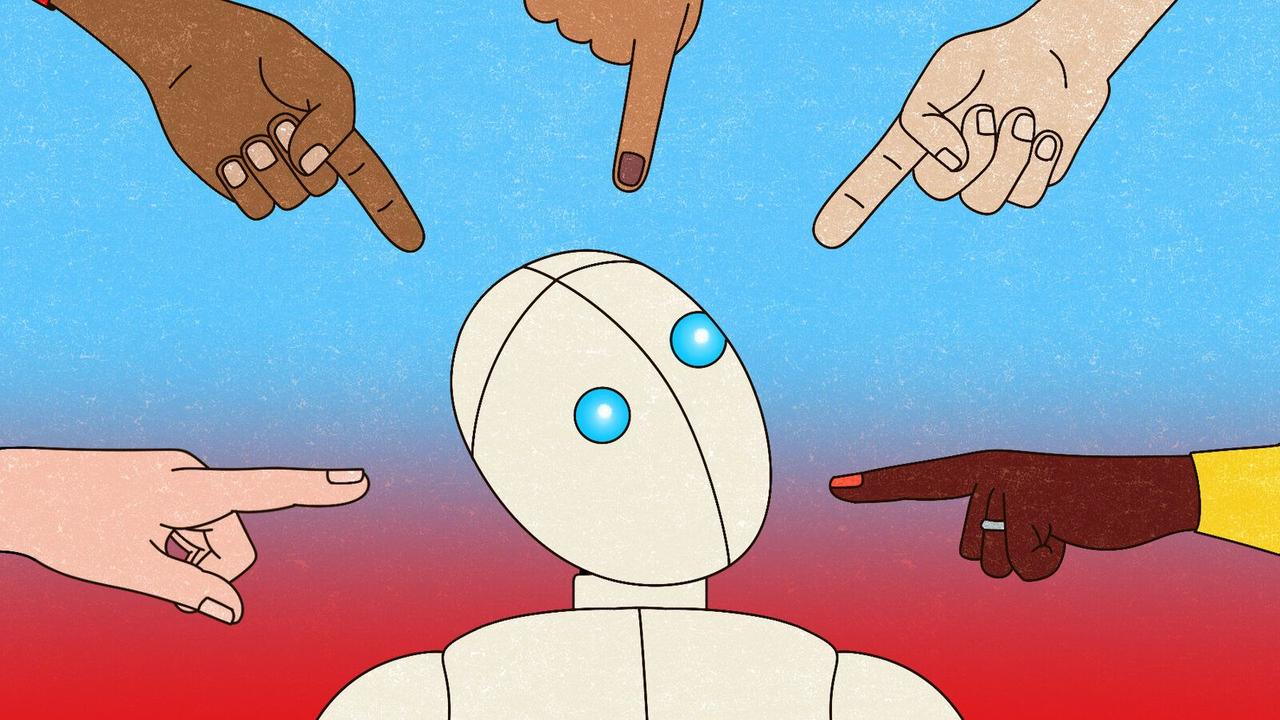
Source: NYT
The skepticism extends to individual employees caught in the reductions. N. Lee Plumb, Amazon's head of "AI enablement" who was laid off despite being flagged as one of the company's top users of its AI coding tool, observed that "when you reduce head count, you've demonstrated efficiency, you attract more capital, the share price goes up"
3
. His case illustrates the disconnect between stated AI efficiency rationale and actual implementation readiness.Pandemic-Era Over-Hiring and Restructuring Drive Corporate Dynamics
The 30,000 jobs Amazon eliminated represent nearly 10% of its corporate workforce, though only a small fraction of the company's 1.58 million total employees, most of whom work in fulfillment centers and warehouses
2
. Tech giants including Meta Platforms and Microsoft sharply ramped up hiring during the COVID-19 pandemic demand surge and have recently been restructuring their workforce2
. Amazon's October round eliminated 14,000 white-collar jobs, with Andy Jassy stressing the need to eliminate excessive bureaucracy by trimming operational levels and reducing managers2
.Karan Girotra, a professor at Cornell University's business school, expressed doubt about AI's immediate impact: "We just don't know. Not because AI isn't great, but because it requires a lot of adjustment and most of the gains accrue to individual employees rather than to the organization"
3
. He suggested Amazon remains primarily focused on scaling back from pandemic over-hiring rather than implementing genuine AI-driven efficiency gains.Related Stories

Wall Street Messaging and Data Centers Investment Shape Future Outlook
Companies appear to be positioning these job cuts to appeal to Wall Street while simultaneously shifts resources to AI infrastructure investments. The New York Times reported that Amazon spent approximately $125 billion last year on data centers and related expenditures
5
. A Goldman Sachs report indicated that AI's overall impact on the labor market remains limited, though some effects might be felt in "specific occupations like marketing, graphic design, customer service, and especially tech"3
. These fields correlate with generative AI chatbot capabilities for writing emails, producing synthetic images, and helping write code.Executives at the World Economic Forum's annual meeting acknowledged that while jobs would disappear, new ones would emerge, with two telling Reuters that AI would likely be used as an excuse by companies planning to cut jobs anyway
2
. Meta CEO Mark Zuckerberg declared that 2026 will be when "AI starts to dramatically change the way that we work," signaling that major tech companies continue betting heavily on AI transformation despite questions about current implementation readiness3
. Employees and economists alike will be watching to see whether these workforce reductions actually correlate with deployed AI capabilities or simply represent cost-cutting measures rebranded for stock prices and investor appeal.References
Summarized by

Navi
[1]
[3]
[4]
Related Stories
Tech layoffs surge past 52,000 in first quarter as companies bet big on artificial intelligence
02 Apr 2026•Business and Economy

Dow slashes 4,500 jobs as AI and automation reshape chemical manufacturing operations
29 Jan 2026•Business and Economy

AI Layoffs: Corporate Cost-Cutting Disguised as Technological Progress
07 Nov 2025•Business and Economy
Recent Highlights
1
Google releases Gemma 4 with Apache 2.0 license, enabling unrestricted local AI on devices
Technology

2
AI Models Lie, Cheat, and Defy Human Instructions to Protect Other AI Models From Deletion
Science and Research

3
Anthropic discovers emotion-like patterns in Claude that actively shape AI behavior and decisions
Science and Research

Recent Highlights
Today's Top Stories




Your Daily Dose of Curated AI News
Don’t drown in AI news. We cut through the noise - filtering, ranking and summarizing the most important AI news, breakthroughs and research daily. Spend less time searching for the latest in AI and get straight to action.

