Ring abandons Flock deal after Super Bowl ad sparks mass surveillance fears


18 Sources
18 Sources
[1]
After "creepy" Super Bowl ad sparks outrage, Ring abandons Flock deal
Amazon and Flock Safety have ended a partnership that would've given law enforcement access to a vast web of Ring cameras. The decision came after Amazon faced substantial backlash for airing a Super Bowl ad that was meant to be warm and fuzzy, but instead came across as disturbing and dystopian. The ad begins with a young girl surprised to receive a puppy as a gift. It then warns that 10 million dogs go missing annually. Showing a series of lost dog posters, the ad introduces a new "Search Party" feature for Ring cameras that promises to revolutionize how neighbors come together to locate missing pets. At that point, the ad takes a "creepy" turn, Sen. Ed Markey (D.-Mass.) told Amazon CEO Andy Jassy in a letter urging changes to enhance privacy at the company. Illustrating how a single Ring post could use AI to instantly activate searchlights across an entire neighborhood, the ad shocked critics like Markey, who warned that the same technology could easily be used to "surveil and identify humans." Markey suggested that in blasting out this one frame of the ad to Super Bowl viewers, Amazon "inadvertently revealed the serious privacy and civil liberties risks attendant to these types of Artificial Intelligence-enabled image recognition technologies." In his letter, Markey also shared new insights from his prior correspondence with Amazon that he said exposed a wide range of privacy concerns. Ring cameras can "collect biometric information on anyone in their video range," he said, "without the individual's consent and often without their knowledge." Among privacy risks, Markey warned that Ring owners can retain swaths of biometric data, including face scans, indefinitely. And anyone wanting face scans removed from Ring cameras has no easy solution and is forced to go door to door to request deletions, Markey said. On social media, other critics decried Amazon's ad as "awfully dystopian," declaring it was "disgusting to use dogs to normalize taking away our freedom to walk around in public spaces." Some feared the technology would be more likely to benefit police and Immigration and Customs Enforcement (ICE) officers than families looking for lost dogs. Amazon's partnership with Flock, announced last October as coming soon, only inflamed those fears. So did the company's recent rollout of a feature using facial recognition technology called "Familiar Faces" -- which Markey considers so invasive, he has demanded that the feature be paused. "What this ad doesn't show: Ring also rolled out facial recognition for humans," Markey posted on X. "I wrote to them months ago about this. Their answer? They won't ask for your consent. This definitely isn't about dogs -- it's about mass surveillance." Amazon's ad ended with Harry Nilsson wailing "Without You," as the young girl reunites with her lost dog. A final message confirms that Ring's Search Party helps locate "more than a dog a day," and Amazon clearly hoped this emotional use case would help increase sales. Instead, the ad created a PR disaster. Protesting the Flock partnership and railing against the ad, Ring customers posted videos where they destroyed Ring cameras or vowed to never purchase them. Others posted on Reddit, sharing tips on how to get refunds for Ring cameras. Ring spokesperson Yassi Yarger told The Verge that Amazon is not exploring any other similar integrations in the aftermath of the deal ending. But while Ring may have hurt its brand, WebProNews, which reports on business strategy in the tech industry, suggested that "the fallout may prove more consequential for Flock Safety than for Ring." For Flock, the Ring partnership represented a meaningful expansion of their business and "data collection capabilities," WebProNews reported. And because this all happened around one of the most-watched TV events of the year, other tech companies may be more hesitant to partner with Flock after Amazon dropped the integration and privacy advocates witnessed the seeming power of their collective outrage. Ring's statement rings hollow, critics say After the backlash, Ring and Flock issued statements confirming the partnership would not proceed as planned. Both statements verified that the integration never launched and that no Ring customers' videos were ever sent to Flock. Ring did not credit users' privacy concerns for its change of heart. Instead, they claimed that a joint decision was made "following a comprehensive review" where Ring "determined the planned Flock Safety integration would require significantly more time and resources than anticipated." Separately, Flock said that "we believe this decision allows both companies to best serve their respective customers and communities." The only hint that Ring gave users that their concerns had been heard came in the last line of its blog, which said, "We'll continue to carefully evaluate future partnerships to ensure they align with our standards for customer trust, safety, and privacy." Sharing his views on X and Bluesky, John Scott-Railton, a senior cybersecurity researcher at the Citizen Lab, joined critics calling Ring's statement insufficient. He posted an image of the ad frame that Markey found creepy next to a statement from Ring, writing, "On the left? A picture of mass surveillance from #Ring's ad. On the right? A ring [spokesperson] saying that they are not doing mass surveillance. The company cannot have it both ways." Ring's statements so far do not "acknowledge the real issue," Scott-Railton said, which is privacy risks. For Ring, it seemed like a missed opportunity to discuss or introduce privacy features to reassure concerned users, he suggested, noting the backlash showed "Americans want more control of their privacy right now" and "are savvy enough to see through sappy dog pics." "Stop trying to build a surveillance dystopia consumers didn't ask for" and "focus on shipping good, private products," Scott-Railton said. He also suggested that lawmakers should take note of the grassroots support that could possibly help pass laws to push back on mass surveillance. That could help block not just a potential future partnership with Flock, but possibly also stop Ring from becoming the next Flock. "Ring communications not acknowledging the lesson they just got publicly taught is a bad sign that they hope this goes away," Scott-Railton said.
[2]
After Search Party backlash, Ring is still avoiding the bigger questions
Ring's CEO says his cameras can almost 'zero out crime' within the next 12 months Graphics in ads are not the problem. The problem is the potential for Ring's vast network of AI-powered camera technology to be turned into a surveillance tool, one accessible to law enforcement and capable of creating a record of people's movements that's searchable by AI (which itself raises concerns around reliability and hallucination). Ring is the only home security camera company to have built a system -- called Community Requests -- that allows its users to share footage directly with local police.
[3]
Ring's AI-powered Search Party won't stop at finding lost dogs, leaked email shows
A leaked internal email obtained by 404 Media shows that Ring has bigger plans for its AI-powered neighborhood search capability than just looking for lost dogs. The outlet reports the email, sent last October by founder Jamie Siminoff to all Ring employees, says that with Search Party, "You can now see a future where we are able to zero out crime in neighborhoods." Ring, the Amazon-owned home security company, has come under intense criticism in recent weeks following a Super Bowl commercial for its Search Party feature that showed Ring cameras surveilling a neighborhood for lost dogs. The ad, which details how AI can be used to search through footage from Ring's network of cameras, sparked concerns that it could be used as a broader surveillance tool. In response to earlier questions from The Verge, Ring maintained that Search Party is a purpose-built tool that is not currently capable of searching for people. Additionally, the company said that sharing any footage from Ring cameras is at the camera owner's discretion, except in response to legal requests. The email, which Ring confirmed to The Verge was written by Siminoff, was sent following the launch of Search Party. Siminoff wrote: "This is by far the most innovative that we have launched in the history of Ring. And it is not only the quantity, but quality. I believe that the foundation we created with Search Party, first for finding dogs, will end up becoming one of the most important pieces of tech and innovation to truly unlock the impact of our mission. You can now see a future where we are able to zero out crime in neighborhoods. So many things to do to get there but for the first time ever we have the chance to fully complete what we started." Ring already has AI-powered search tools that a camera's owner can use to search their own footage for virtually anything, including people, pets, and vehicles. A Search Party, on the other hand, can be initiated by anyone with access to the Ring Neighbors app. Search Party was initially designed to find dogs and recently expanded to wildfires. It is on by default for any user with a Ring subscription. The company's newly launched facial recognition feature, its ties to law enforcement through its Community Requests, combined with the AI-powered Search Party, have led critics to worry that the company has assembled all the tools to create a dystopian surveillance network. Siminoff has been vocal about his belief that Ring cameras can help combat crime in neighborhoods. He told The Verge last October that with AI, his cameras could help zero out crime, and expanded on that statement in an interview with Nilay Patel on an episode of Decoder. He claimed that AI-powered cameras could help cut crime in neighborhoods by providing additional knowledge and context, and by creating alerts for anomalies rather than sending dozens of notifications about unimportant events. Ring issued a statement about the leaked email. "We're focused on giving camera owners meaningful context about critical events in their neighborhoods -- like a lost pet or nearby fire -- so they can decide whether and how to help their community," spokesperson Emma Daniels said. "Community Requests notify neighbors when local public safety agencies ask the community for assistance. Across these features, sharing has always been the camera owner's choice. Ring provides relevant context about when sharing may be helpful -- but the decision remains firmly in the customer's hands, not ours." The company is building a powerful technology that it says is designed for its users. But the potential privacy implications of these tools remain very broad. Dogs and wildfires notably do not cause crime. Which begs the question, exactly what is it that will eventually help Ring "zero out crime?"
[4]
Ring's Founder Knows You Hated That Super Bowl Ad
Since the commercial aired, Jamie Siminoff has been trying to quell an outcry over privacy concerns with his doorbell cameras. Jamie Siminoff, the founder and chief inventor of Ring, the ubiquitous doorbell camera, was excited for the company's first Super Bowl television commercial. The 30-second ad presented its product helping with a task as unassailable as apple pie: finding lost dogs. But since the ad aired, instead of a victory lap, Mr. Siminoff has been on an apology tour. Or maybe an explanation tour. Whatever you call it, he is responding to a genuine public relations crisis. The commercial showed a new Ring feature called Search Party, which uses artificial intelligence and images from its cameras to trace a lost pet's wanderings across a neighborhood. Critics said the feature felt dystopian, showing the potential for far-reaching invasive surveillance. Senator Edward J. Markey, Democrat of Massachusetts and a critic of corporate data collection, called out "the serious privacy and civil liberties risks" in Ring's technology. This week, Mr. Siminoff has made the rounds on TV news shows, trying to allay users' concerns. He has been on CNN and NBC and talked to The New York Times on Wednesday. The ad landed at a tense media moment involving home surveillance. In the search for Nancy Guthrie, the missing mother of the TV news anchor Savannah Guthrie, law enforcement agencies were able to recover footage from her Google Nest doorbell, despite reports that she did not have a subscription to the device. But Ring, which is owned by Amazon, is so ubiquitous that is has become a generic term for any doorbell camera, and users raised questions about how much Ring was monitoring them. Mr. Siminoff took pains in his media appearances to clarify Ring's privacy policies. He said his company does not store users' footage if they don't have a subscription with Ring. "You have the A.I. angst, you have the Nancy Guthrie thing happening," Mr. Siminoff said, offering his explanation as to why the Super Bowl ad created such an outcry. "All this came together and it created a perfect storm and it just hit and exploded." Ring is trying to balance communicating what it does -- using video to monitor homes and neighborhoods -- and not agitating people who are wary of that very thing. Mr. Siminoff defended his technology, saying that protecting privacy and providing useful tools for helping people are both possible. He said that he understood people's concerns, and that maybe people were "triggered" by an image in the ad that showed blue rings radiating out from suburban homes. There will be fewer maps in any future ads, he said. But the company had come under criticism, even before the Super Bowl ad, from people like Mr. Markey. Last week, Ring ended its partnership with Flock Safety, which operates A.I.-powered surveillance cameras that critics feared would allow government agencies like Immigration and Customs Enforcement to gain access to user data. The partnership would have given Flock access to a tool to work with local law enforcement. The company said users had to agree before their information was shared on Search Party. While the feature is on outdoor Ring cameras by default, "camera owners always control how their footage is shared in response to a Search Party request," Meredith Chiricosta, a spokeswoman for Ring, said in an emailed statement. "Nothing is shared by default." Mr. Siminoff, who started Ring in his garage in Los Angeles, remains resolute that more video in the world is better. He believes that most people feel this way, too, even if they say they have misgivings. "I think there's been a lot of cases recently where if the video had not been there, I'm not sure if the story would have been told the same or we wouldn't have known what happened," he said. But he gets that people want to have some measure of control. "That's the balance. It's not just like unfettered mass surveillance," he said. "That's not what we have with Ring. You get to choose what you want to do with your individual home." Davia Temin, a longtime corporate crisis strategist, said Mr. Siminoff was emphasizing the most important point in this particular maelstrom. "A C.E.O. who acknowledges that his company wants to give as much control to the consumer as possible -- that is as healthy as it gets," Ms. Temin, who runs the communications firm Davia Temin & Company, said. "Privacy will always be contested until we get to the next step." While the outcry over its Super Bowl commercial was intense, Mr. Siminoff, who had appeared in the ad with his dog Biscuit, said the company would move forward building out the Search Party feature. It hopes to be able to help people find their lost cats, a harder problem to solve than dogs. "One of the biggest controversies we had for Search Party," Mr. Siminoff said, "up until the Super Bowl commercial, was why don't you have cats?"
[5]
Leaked email suggests Ring's camera network could drift into Big Brother territory
A Super Bowl ad showcasing Search Party intensified fears of mass surveillance disguised as community safety. Amazon's Ring has faced privacy questions before, but its latest move could be its boldest yet. Search Party, the AI feature that links neighborhood doorbells to help find lost dogs, launched late last year. Now, leaked emails show the company may have bigger plans beyond just helping pet owners. An internal email from Ring's founder and CEO, Jamie Siminoff, obtained by 404 Media, shows that the company's default-on, AI-powered doorbell camera network is meant for more than just finding pets. The ultimate goal, according to Siminoff, is to "zero out crime in neighborhoods." This change is already causing new privacy concerns, especially as Ring adds more AI, facial recognition, and tools that work closely with law enforcement. In the email, Siminoff calls Search Party "first for finding dogs," but suggests the same technology could also help lower crime. On the surface, Search Party seems helpful. It links nearby Ring cameras and uses AI to look for lost pets reported through the Neighbors app. If there's a match, camera owners are notified and can decide if they want to share footage. The system is also turned on by default, so your camera might already be involved unless you choose to opt out. This detail has quietly caused much of the backlash. Ring has added more features, too. The company recently introduced Familiar Faces, which uses facial recognition to identify people you know, and Fire Watch, which alerts users to nearby fires. Taken together, these features create a fast-growing AI camera network that can recognize objects, spot hazards, and possibly identify people. Ring says the current Search Party system does not track humans or process biometric data. It's also worth noting that Ring's larger system already includes Community Requests, which lets law enforcement ask residents for footage related to incidents. Search Party might have gone unnoticed if not for a Super Bowl commercial showcasing the feature. Instead of easing concerns, the ad sparked worries about mass surveillance being presented as community safety. The leaked email amplified those fears. Siminoff reportedly connected Search Party's long-term potential to crime reduction efforts and broader public-safety goals, language that could reinforce the idea that pet detection is just the starting point.
[6]

Internal Ring email says Search Party could be a precursor to neighborhood surveillance
Karandeep Singh Oberoi is a Durham College Journalism and Mass Media graduate who joined the Android Police team in April 2024, after serving as a full-time News Writer at Canadian publication MobileSyrup. Prior to joining Android Police, Oberoi worked on feature stories, reviews, evergreen articles, and focused on 'how-to' resources. Additionally, he informed readers about the latest deals and discounts with quick hit pieces and buyer's guides for all occasions. Oberoi lives in Toronto, Canada. When not working on a new story, he likes to hit the gym, play soccer (although he keeps calling it football for some reason🤔) and try out new restaurants in the Greater Toronto Area. Amazon's wholesome pet finding Search Party feature might just be a lot more ambitious than what we first thought. For those unaware, Amazon's Ring launched Search Party late in September last year as a means to help families reunite with lost pets. The feature essentially uses AI to scrub home security footage from the massive mesh network of outdoor Ring hardware, including Ring cameras and doorbells, to see if it could find a match for missing dogs. If and when the camera does find a dog that resembles one reported as missing, it alerts the camera's owner. Related Ring's 4K upgrades go beyond video to find lost pets and deter strangers Three new Ring features from Amazon are here Posts By Jay Bonggolto At the time, the feature was limited to users with Ring hardware. Fast-forward to early February, and Amazon expanded a part of the feature to all in the US. Previously, adding a missing dog alert on the system was reserved for those that had bought into the Ring ecosystem. With February's update, anyone can start a new Search Party via the Ring app. Amazon took the development as the perfect excuse for a Super Bowl ad blast, which faced severe criticism and faced backlash "amid fears of mass surveillance." Now, a lot of that backlash is being validated. The neighborhood watch endgame The folks over at 404Media have obtained an internal email sent by Ring founder Jamie Siminoff, telling company employees that using Search Party to find lost pets was merely the first step in a larger play. "This is by far the most innovation that we have launched in the history of Ring. And it is not only the quantity, but quality," wrote Siminoff. "I believe that the foundation we created with Search Party, first for finding dogs, will end up becoming one of the most important pieces of tech and innovation to truly unlock the impact of our mission. You can now see a future where we are able to zero out crime in neighborhoods. So many things to do to get there but for the first time ever we have the chance to fully complete what we started." AP Recommends: Subscribe and never miss what matters Tech insights about everything mobile directly from the Android Police team. Subscribe By subscribing, you agree to receive newsletter and marketing emails, and accept our Terms of Use and Privacy Policy. You can unsubscribe anytime. That is concerning, and even more so when you take in the full context. Search Party is part of a broader suite of AI features, including: Familiar Faces: Uses facial recognition to identify friends and family members. Fire Watch: Uses AI to detect and alert users about nearby smoke or flames. Community Requests: A feature that allows police to ask Ring camera owners for footage about a specific incident. The range, when used together, can cause concerns. Today, the AI is looking for a lost Golden Retriever. Tomorrow, it's potentially tracking humans. This isn't to say that the use case Ring might be looking to achieve isn't novel. Zero-ing out crime in neighborhoods is a noble goal, but getting there with severe surveillance means living in a neighborhood that never stops watching. Related Amazon opens Ring's missing dog-finding network to all in the US No Ring hardware? No problem Posts By Karandeep Singh Oberoi
[7]
Ring's Flock breakup doesn't fix its real problem
The most striking thing about Ring's statement that it had parted ways with Flock Safety is what the home security company didn't say. There was no mention of the public backlash around ties to ICE, or any promise to address users' concerns about the company's relationships with law enforcement. In an increasingly authoritarian political climate, the threat of mass surveillance fueled by AI-powered cameras is what many people fear. Yet Ring's statement made no attempt to address this. Instead, the company claims it canceled Flock's integration with its Community Requests tool because it would "require significantly more time and resources than anticipated." Sure. It's clear to everyone that the Amazon-owned company caved to public pressure. Sentiment across social media and news outlets following the airing of Ring's Search Party Super Bowl ad skewed almost 50 percent negative, according to research by Peakmetrics. People are not happy with the company, and the move was an obvious attempt to claw back some goodwill. The backdown must have been particularly galling for founder and VP Jamie Siminoff, who has consistently maintained that Ring's products are designed to help prevent and fight crime. This is not a new approach for the company. While public opinion on law enforcement has shifted significantly since his departure from Ring in 2023 and his return last year, Siminoff still strongly believes that the combination of AI, cameras, and police can make neighborhoods safer. While Ring has parted ways with Flock, its Community Requests tool hasn't changed. It's still very much active, thanks to a partnership with Axon, a similar law-enforcement technology company best known for making Tasers. Community Requests was introduced by Siminoff upon his return, following his predecessor's canning of Ring's first controversial police-request tool. It allows authorized local law enforcement agencies to request video footage from residents near an active investigation without a warrant. That footage then goes through Axon's evidence management system. Responding to a request is optional, and Ring maintains that your privacy is always protected and that footage is never sent automatically. Ring is currently touting how the tool is being used in the investigation into Nancy Guthrie's kidnapping, and the company says it was instrumental in tracking down the suspect in the Brown University shooting. Canceling the Flock integration doesn't change Community Requests; it just pauses the expansion. If Ring had gone through with it, the program could have reached the 5,000 local law enforcement agencies that work with Flock. Instead, it's now limited to those that work with Axon, an integration that Ring says is continuing. Ring maintains that no federal agencies, including ICE, can use Community Requests to ask for footage from Ring users. But critics say that in jurisdictions where local police act under a 287(g) agreement, ICE could gain access to their resources, including video footage. This is exactly what Flock was criticized for. As reported by 404 Media, 287(g) agreements with local agencies gave ICE "side-door access" to Flock's automated license plate reader system -- a nationwide network of AI-powered surveillance cameras. While Flock has run pilot programs with the Department of Homeland Security (DHS), which houses ICE and Customs and Border Protection (CBP), it claims it has no DHS contracts. Axon has many. Axon has turned Tasers into a billion-dollar business and now makes body and vehicle cameras and software platforms used by law enforcement agencies. According to public records, Axon has been awarded more than 70 contracts with the DHS for its equipment and software, totaling more than $96 million between 2003 and 2024. One of Axon's former executives, Ronald D. Vitiello, was the acting director of ICE and is now a senior advisor to CBP. Axon spent nearly $2.5 million on political lobbying last year. Along with Axon Evidence, Axon also operates Fusus, a cloud-based platform it purchased in 2024 that can pull together real-time data from cameras, sensors, drones, and community feeds, "turning disparate assets into a shared intelligence network for faster, coordinated response." On its website, Axon is actively marketing the software as a tool for CBP. In 2023, Fusus was reportedly capable of integrating real-time data from private cameras, although it required additional hardware and a fee. The platform's capabilities sound a lot like the foundations of a dystopian neighborhood surveillance system that Ring's Super Bowl ad sparked fears of. If Ring ditched Flock because of its ICE ties, it would make sense to ditch Axon, too. But that's not the move the company is making. Ring's vast infrastructure is already in place, with millions of AI-powered cameras on porches and in homes across the country, and its tool that connects users' footage with law enforcement relies on a company with direct ties to DHS. If Ring wants to regain users' trust, it can't just vaguely point to a partnership canceled due to "resources." It needs to acknowledge these concerns openly and clearly define how far it's willing to take this powerful technology, and -- more importantly -- where it will draw the line.
[8]

Ring denies being 'mass surveillance' but AI dog tracking will continue
A leaked email from Ring founder Jamie Siminoff suggests the AI tracking feature may extend beyond pets to broader applications. Ring's been in damage-control mode ever since its now-infamous "lost dog" Super Bowl ad, furiously spinning the sinister imagery of digital "bounding boxes" locking in on a wayward pooch and a simulated aerial view of dozens of homes scanning the neighborhood. Rather than giving off warm fuzzies -- your Ring camera can help find lost dogs! -- the Super Bowl ad gave off serious "big brother" vibes to many viewers. Fresh memories of the ICE raids in Minneapolis along with Ring's planned partnership with Flock, a network of security cameras with ties to ICE, didn't help, nor did the Nancy Guthrie case, where law enforcement officials teased videos from the missing woman's Nest camera even though the cam didn't have an active subscription. Adding fuel to the fire is word of a leaked email from Ring founder Jamie Siminoff in which he implies that Search Party's functionality may eventually extend beyond just dogs, although it's not clear whether he meant people or something else. "I believe that the foundation we created with Search Party, first for finding dogs, will end up becoming one of the most important pieces of tech and innovation to truly unlock the impact of our mission," Siminoff reportedly wrote in the email, adding that "you can now see a future where we are able to zero out crime in neighborhoods." Ring has previously said that Search Party may soon work with cats and other pets. All those circumstances created a "perfect storm," Ring's founder says, leaving the company on the defensive about its most powerful AI-enabled features. But while Ring has backtracked on its nascent Flock deal (Ring says the partnership was never actually implemented, and denied that any Ring videos were ever shared with ICE), it's doubling down on Search Party, with The New York Times reporting that the brand "would move forward" with the feature. Speaking with the Times, Ring founder Jamie Siminoff admitted that the Super Bowl image of the dog-scanning houses "triggered" many viewers. But he also argued that the ubiquity of Ring cameras is "not just like mass surveillance," noting that "you get to choose what you want to do with your individual home." A Ring "Search Party" can be triggered by anyone with a lost dog who registered the missing pet using the Ring app. (The feature only works with dogs for now.) Once a Search Party is initiated, nearby Ring cameras that are participating in the feature will start keeping an eye out for the lost dog, using AI to help make a match. If a Ring camera does catch sight of a missing pooch, it will notify the camera's owner, who then has the option to share -- or not to share -- the images with the dog's owner. While Ring users don't have to share Search Party videos if they don't want to, Search Party functionality is enabled by default on their outdoor (not indoor) Ring cameras, a fact that I've previously written about.
[9]

Leaked Email Suggests Ring Plans to Expand 'Search Party' Surveillance Beyond Dogs
Ring's CEO told staff the feature is "first for finding dogs," indicating a plan to expand. Ring's controversial, AI-powered "Search Party" feature isn't intended to always be limited only to dogs, the company's founder, Jamie Siminoff, told Ring employees in an internal email obtained by 404 Media. In October, Ring launched Search Party, an on-by-default feature that links together Ring cameras in a neighborhood and uses AI to search for specific lost dogs, essentially creating a networked, automated surveillance system. The feature got some attention at the time, but faced extreme backlash after Ring and Siminoff promoted Search Party during a Super Bowl ad. 404 Media obtained an email that Siminoff sent to all Ring employees in early October, soon after the feature's launch, which said the feature was introduced "first for finding dogs," but that it or features like it would be expanded to "zero out crime in neighborhoods." "This is by far the most innovation that we have launched in the history of Ring. And it is not only the quantity, but quality," Siminoff wrote. "I believe that the foundation we created with Search Party, first for finding dogs, will end up becoming one of the most important pieces of tech and innovation to truly unlock the impact of our mission. You can now see a future where we are able to zero out crime in neighborhoods. So many things to do to get there but for the first time ever we have the chance to fully complete what we started." "It is exciting to be back to Day 1, we are going to have to work hard and leverage everything we can, especially AI," he continued. "Thanks again to everyone who came together to make this week happen and I can't wait to show everyone else all the exciting things we are building over the years to come!" As we wrote last week, Siminoff made Ring popular by signing partnership deals with police departments around the country. The company briefly stepped away from those partnerships after Siminoff left the company in 2023, but when he returned last year, he immediately refocused on Ring's potential role in law enforcement. After the Super Bowl commercial, the company's Search Party feature was criticized as dystopian and demonstrating functionality that could be easily expanded beyond looking for lost dogs. Although it doesn't say what Search Party may specifically expand into, Siminoff's email noting that the feature is "first for finding dogs" suggests the plan is to use Ring to scan for other things. In recent weeks, Ring has also launched a feature called "Familiar Faces," which uses facial recognition to identify specific friends and family members on a person's camera. The company also released "Fire Watch," which uses AI to warn users about fires. 404 Media also obtained two earlier emails Siminoff sent to all Ring employees, about how Ring could have potentially been used to help find Charlie Kirk's killer, and about the company's "Community Requests" feature. Ring launched that feature in September and it allows police to ask Ring camera owners for footage about a specific incident. Community Requests is a feature that leverages the company's partnership with the police tech company Axon. Ring had a similar planned partnership with surveillance company Flock, but the two companies canceled that partnership following widespread criticism. "Community requests are a foundational piece of what we do here towards our mission of making neighborhoods safer. I'm excited to see our to see [sic] the results of our public agencies using this tool and the impact it will have on our communities," Siminoff wrote on September 4. "Also, if in your perusing of social media and other sites, you see something that you feel is not correctly, or even intentionally miss-representing [sic] the community request feature please ping me with a link so we can respond." Siminoff replied all to his own email the day after Charlie Kirk was assassinated: "Yesterday was a very sad day. I was really just sad on so many levels," he wrote. Siminoff sent employees this Instagram Reel about the Kirk investigation, then said "it just shows how important the community request tool will be as we fully roll it out. It is so important to create the conduit for public service agencies to efficiently work with our neighbors. Time and information matters in these situations and I am proud that we are working to build the systems to help make our neighborhoods safer." In an emailed statement, a Ring spokesperson said "We're focused on giving camera owners meaningful context about critical events in their neighborhoods -- like a lost pet or nearby fire -- so they can decide whether and how to help their community. For example, Search Party helps camera owners identify potential lost dogs using detection technology built specifically for that purpose; it does not process human biometrics or track people. Fire Watch alerts owners to nearby fire activity. Community Requests notify neighbors when local public safety agencies ask the community for assistance. Across these features, sharing has always been the camera owner's choice. Ring provides relevant context about when sharing may be helpful -- but the decision remains firmly in the customer's hands, not ours."
[10]

Ring says its leaked plan to 'zero out crime in neighborhoods' doesn't mean mass surveillance
* Comments from Ring's founder have appeared in a leaked email * They suggest Ring wants its cameras to "zero out crime" * Ring has hit back at claims that this could lead to mass surveillance A commercial showing Ring's new 'Search Party' feature hit the headlines after the Super Bowl earlier this month, when privacy concerns were raised about how it could potentially be used for mass surveillance. Now, a leaked email from Ring's founder has added further fuel to fire - but Ring has hit back at claims that it reveals plans for mass surveillance. The Search Party feature in Ring cameras is currently used to locate lost dogs, and it does this by harnessing artificial intelligence (AI) to scan through other Ring users' footage in order to recognize wayward pooches. But according to a leaked email seen by 404 Media, that's only the start of Ring's plans. In the message sent to staff in October 2025, Ring founder Jamie Siminoff said: "I believe that the foundation we created with Search Party, first for finding dogs, will end up becoming one of the most important pieces of tech and innovation to truly unlock the impact of our mission. You can now see a future where we are able to zero out crime in neighborhoods." The contention from critics and privacy advocates is that by saying Search Party is designed "first for finding dogs," the implication is that it could later be expanded to look for people. After all, dogs don't commit crimes (unless fouling your neighbor's yard counts), so the idea that Ring cameras will be used to "zero out crime" seems to suggest that it could be used to find people instead. However, Ring has dismissed those claims in a response shared with 404 Media and TechRadar. What has Ring said? Ring has been pretty bullish in its response to the leaked email. A spokesperson said that, rather than revealing any specific plans, Jamie Siminoff's comments "were intended to speak broadly to the long-term potential of customer-controlled features and technologies working together to support safer communities". "No single feature is designed to "zero out crime," and tools like Search Party for Dogs are purpose-built for specific use cases - like helping reunite lost pets - with privacy and user choice at the center," the spokesperson added. The leaked email also apparently wasn't a private one. "Jamie writes these emails knowing they may be shared externally, this isn't the first (or last) time his notes have been shared," the spokesperson said. While its Search Party feature is enabled by default, Ring also says it's possible to turn it off. "Ring provides relevant context about when sharing may be helpful - but the decision remains firmly in the customer's hands, not ours," Ring's spokesperson said. Finally, Ring was keen to stress that features like Search Party aren't designed to be broadened to identify other subjects. "Search Party for Dogs helps camera owners identify potential lost dogs using detection technology built specifically for that purpose; it does not process human biometrics or track people. Fire Watch alerts owners to nearby fire activity. Community Requests notify neighbors when local public safety agencies ask the community for assistance," the spokesperson added. Analysis: Far from the end of the controversy On the face of it, cutting down on crime is something most people would be in favor of. No one likes having their parcels stolen off their front porch, for instance, and the idea of using home security cameras and video doorbells to catch perpetrators - and those responsible for more serious crimes - might sound worthwhile. But despite Ring's protestations, this controversy has arisen due to the way Ring's Search Party feature works, as well as its future implications. Search Party is enabled on Ring cameras by default, and it uses AI to scan footage from other Ring cameras in the company's network, thereby turning it into an automated surveillance system of sorts. With law and order in the United States becoming heavily politicized - and with agencies like ICE drawing strong criticism for their actions - many critics are concerned that law enforcement could misuse a network like Ring's in order to surveil the public at large. With revelations over the size of the US government's mass surveillance programs making the news in recent years, that might not be too far-fetched an idea. It was these concerns that arguably compelled Ring to sever its ties with the surveillance tech company Flock Safety. It'll be interesting to see if Ring continues to modify its stance in light of the public backlash. Ring says facial recognition data is kept private and secure, but a number of customers have been returning their cameras. Follow TechRadar on Google News and add us as a preferred source to get our expert news, reviews, and opinion in your feeds. Make sure to click the Follow button! And of course you can also follow TechRadar on TikTok for news, reviews, unboxings in video form, and get regular updates from us on WhatsApp too.
[11]

After Super Bowl ad, consumers rethink the tradeoffs of home surveillance tech
Why it matters: What once felt like a personal security upgrade now feels to many like participation in a broader law enforcement apparatus they didn't sign up for. * New AI advancements have made it easier to search, cross-reference and retain massive amounts of video and license plate data, raising the stakes of what once felt like localized neighborhood tools. Driving the news: A Super Bowl ad for Amazon's Ring doorbell camera touting the ability of the device's new Search Party feature to locate lost dogs has spurred widespread backlash. * But many viewers assumed the tool was also able to track and identify people who walk by their front doors. * Customers posted about destroying their Ring doorbell cameras. Reddit users claimed they were requesting refunds from Amazon. * Even a popular social media account that rates dog photos posted a video accusing the company of pushing a "lucrative mass surveillance network" that turns "private homes into surveillance outposts." In a statement, Ring spokesperson Yassi Yarger said that the company is focused on "giving camera owners context about critical events in their neighborhoods," and that Search Party "doesn't process human biometrics or track people" and is only designed to track lost dogs. * "Camera owners have always been able to share their videos with others if they choose," Yarger said. "We're using AI to give camera owners relevant context about when sharing might help those in their community -- while keeping that choice in their hands, not ours." By the numbers: In the week after the ad aired, nearly 50% of the social media conversations about Ring were considered negative, vs. 14% that were positive, according to data shared by PeakMetrics. The big picture: The Super Bowl ad came at a time of simmering concerns around the partnerships personal surveillance tools have with law enforcement. * Earlier this week, FBI Director Kash Patel said agents investigating the disappearance of Nancy Guthrie were able to "actually excavate material that people would think would normally be deleted and no one would look for" from her Nest smart doorbell camera. * Flock Safety, the AI-powered license plate reader that's been rapidly expanding across American cities, is reportedly allowing ICE to tap into its databases -- prompting some cities to postpone or cancel their contracts.On Thursday, Amazon canceled its partnership with Flock Safety. The companies said the partnership would "require significantly more time and resources than anticipated.""This integration was never live, and no videos were ever shared between these services," Yarger said. * Protesters have also been calling on Palantir, which provides AI surveillance technologies, to end its contracts with ICE. (Palantir CEO Alex Karp has argued that protesters should be "protesting for more Palantir.") Catch up quick: For years, consumers largely accepted the privacy tradeoffs that came with internet-connected cameras. * Law enforcement has been using footage from the devices to aid investigations for years. Some deals allow users to voluntarily share their videos with law enforcement, and others require officials to submit formal legal requests. * But despite the privacy concerns, adoption of doorbell cameras has continued to rise across the United States as users seek to protect their homes from break-ins and other crimes. * The same month in 2019 that reports found that hackers were breaking into Ring doorbells, the company reported record sales. * Flock Safety, which was founded in 2017, is in more than 6,000 communities and cities across the United States, according to a company fact sheet. The other side: Law enforcement argues these technologies help to speed up criminal investigations. * While announcing the Flock partnership cancellation, Ring reiterated that users have full control over whether they want to share specific videos with law enforcement. * The blog post also included a celebration of those who opted to share videos in response to the December shooting at Brown University. "One video identified a new key witness, helping lead police to identify the suspect's vehicle and solve the case," the company wrote. Yes, but: Privacy advocates have argued the data shared through surveillance technologies are being used in some cases to prosecute protesters and surveil activists. What to watch: Even as some consumers ditch the technologies, the surveillance ecosystem they helped build isn't going away. Go deeper: Protesters go digital against ICE
[12]

The problem with doorbell cams: Nancy Guthrie case and Ring Super Bowl ad reawaken surveillance fears
Many people bought the devices thinking they would do little more than protect their delivery packages What happens to the data that smart home cameras collect? Can law enforcement access this information - even when users aren't aware officers may be viewing their footage? Two recent events have put these concerns in the spotlight. A Super Bowl ad by the doorbell-camera company Ring and the FBI's pursuit of the kidnapper of Nancy Guthrie, the mother of Today show host Savannah Guthrie, have resurfaced longstanding concerns about surveillance against a backdrop of the Trump administration's immigration crackdown. The fear is that home cameras' video feeds could become yet another part of the government's mass surveillance apparatus. Ring's Super Bowl ad appeared intended to inspire hope: a neighborhood harnessing the power of technology to find a lost dog: a distraught girl misses her pet, Milo, who has gone missing. Gone are the times of putting up "missing" posters. Simply posting Milo's photo through the Ring app automatically alerts a host of nearby cameras to use AI to look for a match, the ad says. A neighbor then arrives on their porch with Milo, safe and sound. As they reunite, feel-good music plays. But the reference to the AI-powered feature Search Party, meant to mimic the activity of a real one, quickly triggered comparisons with a dystopian Black Mirror episode. Viewers wondered: if the company could quickly access hundreds of Ring cameras in a neighborhood to find a dog, what's stopping it from targeting a person in the same way? In Guthrie's case, the FBI released a video Tuesday showing a masked person at her doorstep. But the footage appears to have been retrieved from a Google Nest camera that officials previously said was disconnected and lacking an active monthly subscription for premium features. Without a subscription, users cannot typically store footage. The publication of the footage from Guthrie's home indicated that law enforcement could still access "residual data located in backend systems", in the words of FBI director Kash Patel; cybersecurity experts have said this may be because doorbell cameras often have back-ups stored in a cloud. It's currently unclear whether law enforcement used a warrant. "There's a very distinct and marked difference between what you have access to - in terms of whether you're paying for it or not - and what the company has access to," said Chris Gilliard, a data privacy expert who has researched how wearables and smart doorbells are contributing to mass surveillance. Ring, owned by Amazon, and Nest say they comply with law enforcement requests for data, including footage, when it's legally required and in instances where there's a threat to someone's life. Ring also says that federal law enforcement doesn't have direct access to the data from the doorbell camera, telling Wirecutter in a statement that "Ring has no partnership with ICE, does not give ICE videos, feeds, or back-end access, and does not share video with them". Ring has also said that the feature advertised as being able to find dogs can't currently detect human biometrics. Nest has said in a transparency report that the company would not instantly hand over data to a federal agency with a search warrant. "We'd analyze the request to be sure the warrant wasn't overly broad, then we'd make sure the information they requested was within the scope of the warrant," the company stated. There's been a swift backlash, as people have become more aware of surveillance concerns tied to smart home devices. Many people bought these devices thinking they would do little more than protect their delivery packages. Lawmakers from across the aisle condemned Ring's Super Bowl ad, with the US senator Ed Markey writing in an open letter on Wednesday that "it's not hard to imagine the ways that Amazon - or law enforcement - could abuse this feature". TikTok influencers called on people to "smash" their Ring doorbells, and Redditors shared tips on trying to get refunds on old Ring devices from Amazon. Graphics circulating on social media stated: "Your ring camera is an ICE agent." Ring appears to be feeling the heat. On Thursday, Amazon announced that Ring had cancelled its partnership with Flock Safety, which runs a network of automated license plate readers across the US. Flock says it does not give ICE or the Department of Homeland Security direct access to its systems, but news reports have documented an ongoing loophole: cases in which local law enforcement has used Flock's tool in aiding federal immigration authorities. Ring said in a blog post that the integration with Flock would "require significantly more time and resources than anticipated". The company also stated that no customer videos had ever been sent to Flock, since the integration never launched, stressing a commitment to making neighborhoods safer. Data-privacy advocates are not convinced by Ring's commitment to community safety, though. "Ring is just trying to protect its bottom line," said Jeramie D Scott, director of the Electronic Privacy Information Center's surveillance oversight program. Without additional federal protections, Scott worries Ring will continue to expand its surveillance capabilities despite the recent backtracking. This isn't the first time Ring has faced criticism over data protection. "Ring has a history of playing it pretty loose with people's privacy rights," said Beryl Lipton, senior investigative researcher at the Electronic Frontier Foundation. In 2023, the Federal Trade Commission charged the company with "compromising its customers' privacy by allowing any employee or contractor to access consumers' private videos and by failing to implement basic privacy and security protections". This, in turn, allowed hackers to "take control of consumers' accounts, cameras, and videos". Ring agreed to pay $5.8m in a settlement with the FTC. Ring still has many partnerships with police, and with the return of its founder, Jamie Siminoff, who is now CEO, the company appears to be doubling down on its original emphasis on fighting crime. Siminoff said last year that his cameras can almost "zero-out crime", though experts like Gilliard are skeptical. After Siminoff's return, the company partnered with body-camera maker Axon to restart a tool that allows police to request footage through an online portal. "These companies - their typical strategy is to consistently push the envelope in small ways to acclimate us to more invasive uses of these things," Gilliard said.
[13]

Amazon's Ring ends partnership with top operator of license-plate reading systems after Super Bowl ad raises fears of dystopian surveillance society | Fortune
Amazon's smart doorbell maker Ring has terminated a partnership with police surveillance tech company Flock Safety. The announcement follows a backlash that erupted after a 30-second Ring ad that aired during the Super Bowl featuring a lost dog that is found through a network of cameras, sparking fears of a dystopian surveillance society. But that feature, called Search Party, was not related to Flock. And Ring's announcement doesn't cite the ad as a reason for the "joint decision" for the cancellation. Ring and Flock said last year they were planning on working together to give Ring camera owners the option to share their video footage in response to law enforcement requests made through a Ring feature known as Community Requests. "Following a comprehensive review, we determined the planned Flock Safety integration would require significantly more time and resources than anticipated," Ring's statement said. "The integration never launched, so no Ring customer videos were ever sent to Flock Safety." Flock reiterated that it never received Ring customer videos -- and that ending the planned integration was a mutual decision that allows both companies to "best serve their respective customers." In a statement, Flock added that it "remains dedicated to supporting law enforcement agencies with tools that are fully configurable to local laws and policies." Flock is one of the nation's biggest operators of automated license-plate reading systems. Its cameras are mounted in thousands of communities across the U.S., capturing billions of photos of license plates each month. The company has faced public outcry amid the Trump administration's aggressive immigration enforcementcrackdown. But Flock maintains that it does not partner with Immigration and Customs Enforcement (ICE), or contract out with any subagency of the Department of Homeland Security for direct access to its cameras. The company paused pilot programs with Customs and Border Protection and Homeland Security Investigations last year. Still, Flock says it doesn't own the data captured by its cameras, its customers do. So if a police department, for example, chooses to collaborate with a federal agency like ICE, "Flock has no ability to override that decision," the company notes on its website. Beyond the Flock partnership, Amazon has faced other surveillance concerns over its Ring doorbell cameras. In the Super Bowl ad, a lost dog is found with Ring's Search Party feature, which the company says can "reunite lost dogs with their families and track wildfires threatening your community." The clip depicts the dog being tracked by cameras throughout a neighborhood using artificial intelligence. Viewers took to social media to criticize it for being sinister, leaving many wondering if it would be used to track humans and saying they would turn the feature off. The Electronic Frontier Foundation, a nonprofit that focus on civil liberties related to digital technology, said this week that Americans should feel unsettled over the potential loss of privacy. "Amazon Ring already integrates biometric identification, like face recognition, into its products via features like 'Familiar Faces' which depends on scanning the faces of those in sight of the camera and matching it against a list of pre-saved, pre-approved faces," the Foundation wrote Tuesday. "It doesn't take much to imagine Ring eventually combining these two features: face recognition and neighborhood searches." Democratic Sen. Edward Markey of Massachusetts also urged Amazon to discontinue its "Familiar Faces" technology. In a published letter addressed to Amazon CEO Andrew Jassy, Markey wrote that the backlash to the Super Bowl commercial "confirmed public opposition to Ring's constant monitoring and invasive image recognition algorithms."
[14]

Amazon's Ring cancels Flock deal as Super Bowl ad bites back
Amazon $AMZN subsidiary Ring spent Super Bowl money to sell reassurance. A lost dog, a worried family, a neighborhood of helpers -- the kind of civic-group-chat fantasy America still likes to imagine it is. A story to melt even the hardest heart. The internet watched the same 30-second footage and saw a different genre: a consumer camera grid learning how to hunt. The ad -- "Be a Hero in Your Neighborhood" -- was built around Ring's "Search Party," a feature that uses AI to scan video from participating outdoor cameras to help locate a missing dog. But the ad became a Rorschach test for what people think Ring actually sells: comfort, or control. Ring says the feature is constrained: The system surfaces a potential match, the alert goes to the camera owner, and that person decides whether to share anything. The company says it's about reunions, not investigations. None of that mattered once the commercial did what good Super Bowl commercials do: turn product into spectacle. On Thursday, Ring said it's scrapping its planned integration with Flock Safety, the law-enforcement tech company known for its automated license-plate-reader networks, the kind of "built for public safety" technology that civil-liberties groups treat as a polite phrase for mass collection. The partnership, announced last fall, would have connected Ring's Community Requests feature -- which lets police ask users for footage -- with Flock's systems. In a blog post, Ring said a "comprehensive review" found the integration would require "significantly more time and resources than anticipated." The company stated that the integration never launched, and "no Ring customer videos were ever sent to Flock Safety." Flock said the same, and both companies insist the cancellation is unrelated to the ad backlash. The timing makes that a hard sell. Ring and Amazon have spent years trying to keep the brand planted in the language of safety and neighborliness, even as the product sits in the middle of a national argument about private surveillance, police access, and what "consent" means when a street corner becomes a camera angle. The backlash was immediate because Ring has spent years accumulating the kind of trust debt that compounds. People already argue about what these devices do to public space, what gets stored, and how quickly "my porch" turns into "our dataset." So when Ring chose the biggest audience of the year to demonstrate AI search across a camera network, it landed as a threat -- even if the company intended it as a civic fairy tale. You can't dramatize "networked search" -- cameras pinging, neighbors mobilizing, the whole block implicitly enlisted -- and then act surprised when viewers focus on the part where a private company is showing off how easily a neighborhood becomes queryable. Critics didn't need to invent a dystopia. Ring put one on TV and added a dog for emotional support. The company accidentally made its technology easier to fear than to love, and then learned how fast "planned" becomes "radioactive." Ring wanted a mass-audience moment of warmth and usefulness. It accidentally delivered a mass-audience reminder of what modern "help" looks like when you strip away the uplifting music: searchable footage, police-state worries, and a trust gap large enough to swallow a Super Bowl budget.
[15]

Amazon ends Flock partnership after backlash over Super Bowl ad
Aimee Picchi is the associate managing editor for CBS MoneyWatch, where she covers business and personal finance. She previously worked at Bloomberg News and has written for national news outlets including USA Today and Consumer Reports. Amazon's Ring unit has ended its deal with security technology company Flock Safety after backlash over a Super Bowl commercial for the retail giant's smart doorbell sparked concerns about unwanted surveillance. The Ring Super Bowl ad portrayed a family's search for their lost dog, with the manufacturer's internet-enabled doorbell coming to the rescue by showing additional smart doorbells around the neighborhood scanning for the pet and using AI to identify the lost animal. The service, called "Search Party," wasn't related to Flock, but Amazon last year said it planned to work with the company to give Ring owners the option of sharing video with law enforcement through Ring's "Community Requests" service. While Search Party was framed in the Super Bowl ad as a helpful option for Ring doorbell owners, the spot sparked concerns from some critics that the tech could be used for nefarious purposes. The Electronic Frontier Foundation, a nonprofit that focuses on civil liberties related to digital technology, declared that "no one ... will be safer in Ring's surveillance nightmare." "[T]he company previewed future surveillance of our streets: a world where biometric identification could be unleashed from consumer devices to identify, track and locate anything -- human, pet, and otherwise," the group said in a Feb. 10 blog post. In a statement on Thursday, Ring said that it opted to end the partnership because integrating Flock's technology "would require significantly more time and resources than anticipated." The statement didn't mention the Super Bowl commercial or cite it as a reason for ending the agreement. Ring founder Jamie Siminoff told CBS News on Thursday that the company protects privacy. "The backlash has been a little bit around this concept of, 'Is this surveillance?'," he said. "It's actually not. It's allowing your camera to be an intelligent assistant for you and then allowing you to be a great neighbor." The focus on Ring comes amid another high-profile use of a smart doorbell, with investigators in recent days saying they had recovered footage from a Google Nest camera outside the Arizona home of Nancy Guthrie -- the missing mother of "Today" co-host Savannah Guthrie. Investigators said they were able to extract "residual data" from the Google equipment, raising questions about how it was possible to retain the video. Officials had said the doorbell was disconnected, with no active subscription for storing video. In its Thursday statement, Ring said its Community Requests feature remains "core" to its mission. The service is optional and voluntary, it added. Community Requests was also used during the Brown University shooting in December, when the Providence Police Department used the service to ask for video footage, Ring noted. "Within hours, seven neighbors responded, sharing 168 videos that captured critical moments from the incident," Ring said. "One video identified a new key witness, helping lead police to identify the suspect's vehicle and solve the case."
[16]

Ring ends partnership with surveillance firm after Super Bowl ad backlash
Amazon's doorbell product Ring announced Thursday it is ending its partnership with a surveillance firm after a controversial Super Bowl ad sparked privacy concerns. The Ring ad featured the company's Search Party feature, an AI tool that allows users to receive feeds from other cameras related to certain visual cues. The ad depicted the search for a lost dog, but viewers quickly raised alarms about the possibility of this tool being used to track humans. Flock Safety, the surveillance firm, is not connected with the Search Party tool and the company's Thursday termination announcement makes no mention of the ad. In a statement released on Thursday, Ring said the two companies made a "joint decision" to cancel their planned collaboration, citing financial and time concerns. The company noted that customers' doorbell videos were never shared with the firm. "At Ring, our mission has always been to make neighborhoods safer," the company wrote. "That mission comes with significant responsibility -- to our customers, to the communities we serve, and to the trust you place in our products and features." Flock Safety offers several features on their website, including license plate readers, audio detectors and shared neighborhood camera surveillance programs. The firm partners with several companies, including Amazon Web Services and private security body camera company, Halos. Ring and Flock Safety announced their intention to collaborate on Ring's Community Requests feature last year. The new project would have provided customers with the option to share doorbell footage in response to requests from law enforcement. Police have increasingly relied on doorbell footage to solve crimes, and the company noted that Ring videos provided by neighbors were instrumental in identifying a suspect in the shooting at Brown University last fall. Most recently, the FBI released video footage taken from a Nest doorbell camera as part of the agency's efforts to track down the culprit behind the disappearance of Nancy Guthrie, the mother of "Today" show host Savannah Guthrie. However, some critics have expressed concerns that this function could be used for federal surveillance to identify people during immigration enforcement operations. Ring stressed that Community Request is "voluntary" and that customers are not forced to share their doorbell footage with others, including with law enforcement. While the company has ended its partnership with Flock Safety, it said that this tool is still "a core feature" of its product. "The feature empowers Ring camera owners to choose to share specific videos with local police in response to requests for help with active investigations - or ignore the request altogether," the company wrote. "Participation is always voluntary. You have complete control over whether to respond to a Community Request and what you share. Every Community Request is publicly posted and searchable for complete transparency and auditability." Ring also expressed its commitment to protecting customers' rights to privacy. "We'll continue to carefully evaluate future partnerships to ensure they align with our standards for customer trust, safety, and privacy," the company wrote.
[17]

Amazon Scraps Partnership With Surveillance Company After Super Bowl Ad Backlash
Amazon's smart doorbell maker Ring has terminated a partnership with police surveillance tech company Flock Safety. The announcement follows a backlash that erupted after 30-second Ring ad that aired during the Super Bowl featuring a lost dog that is found through a network of cameras, sparking fears of a dystopian surveillance society. But that feature, called Search Party, was not related to Flock. And Ring's announcement doesn't cite the ad as a reason for the "joint decision" for the cancellation. Ring and Flock said last year they were planning on working together to give Ring camera owners the option to share their video footage in response to law enforcement requests made through a Ring feature known as Community Requests. "Following a comprehensive review, we determined the planned Flock Safety integration would require significantly more time and resources than anticipated," Ring's statement said. "The integration never launched, so no Ring customer videos were ever sent to Flock Safety." Beyond the Flock partnership, Ring has faced other surveillance concerns. In Super Bowl ad, a lost dog is found with Ring's Search Party feature, which the company says can "reunite lost dogs with their families and track wildfires threatening your community." The clip depicts the dog being tracked by cameras throughout a neighborhood on using artificial intelligence. And viewers took to social media to criticize it for being sinister, leaving many wondering if it would be used to track humans and saying they would turn the feature off. The Electronic Frontier Foundation, a nonprofit that focus on civil liberties related to digital technology, said this week that Americans should feel unsettled over the potential loss of privacy. "Amazon Ring already integrates biometric identification, like face recognition, into its products via features like "Familiar Faces," which depends on scanning the faces of those in sight of the camera and matching it against a list of pre-saved, pre-approved faces," the Foundation wrote Tuesday. "It doesn't take much to imagine Ring eventually combining these two features: face recognition and neighborhood searches."
[18]

Ring Scraps Controversial AI Surveillance Partnership -- But Not the One From the Super Bowl Ad
ESPN Considering Pat McAfee 'Field Pass' Alt Cast for 2027 Super Bowl Ring has canceled a new and controversial AI-driven video-sharing feature before it even got to launch -- no, not that one. On Super Bowl Sunday, Ring unveiled a new feature called "Search Party" that utilizes artificial intelligence and footage from your Ring cameras to find lost dogs in the community. On social media, the TV spot went over like, well, dog shit. But that's not what the video-doorbell company scrapped on Thursday. In October 2025, Ring and security software company Flock Safety announced a partnership they say was to beef up the effectiveness of the video-doorbell company's Community Requests feature. Flock Safety is primarily known for its automatic license plate reader capabilities, which can help local cops track a specific vehicle locally and has been adopted by the feds for nationwide searches. The AI-based law enforcement tool is a bit too big brother-y for some homeowners who just want to know if its an Amazon delivery person at their door or someone soliciting solar. (Amazon owns Ring by the way.) You know who else hates Flock Safety software? The ACLU (American Civil Liberties Union). The ACLU says Flock Safety's surveillance technology "has been used by ICE" to help carry out what it calls "the Trump Administration's abusive removal program." The organization also says Flock tech was used by a police officer in Texas to "search nationwide for a woman who'd had a self-administered abortion -- illegal in the state." Officially, Ring says it parted ways with Flock Safety after a "comprehensive review" found the planned integration would "require significantly more time and resources than anticipated." It was a "joint decision," per the company line. "We can confirm that Flock's intended integration with Community Requests has been canceled. This integration was never live, and no videos were ever shared between these services," an Amazon spokesperson said in a statement shared with The Hollywood Reporter. "Following a comprehensive review, we determined the planned Flock Safety integration would require significantly more time and resources than anticipated. We therefore made the joint decision to cancel the integration." Ring further hammered home in a blog post the point that no customer videos were ever shared with Flock Safety. Ring also really wants you to know that you can opt out of its Community Requests feature anytime -- or just simply don't respond to one when such a request arrives. Your Ring videos are not automatically shared with private citizens or law enforcement. "You have complete control over whether to respond to a Community Request and what you share," the blog reads. "Every Community Request is publicly posted and searchable for complete transparency and auditability." What does any of this have to do with the controversial "Search Party" feature? Nothing, and I guess something. As advertised during Super Bowl XL, Search Party is a free feature that uses Ring videos and AI to identify and locate lost dogs. Basically, your pup runs away, you upload a picture of the sheepdog on the lam, and local Ring users are notified by a Community Request via push notification. They can then either allow their cameras to search for the escapee or simply do nothing and no videos get shared -- just like the Flock thing. Search Party, which unlike Flock actually launched, has worked, says the guy who had no takers on Shark Tank (the Ring doorbell was then called "doorbot") but ultimately sold the company to Amazon for like a billion dollars -- literally. "Since launch, more than a dog a day has been reunited with their family," Ring founder and CEO Jamie Siminoff says in the 30-second Super Bowl LX ad. Since the launch of the ad, more than a mocking tweet a minute has bashed the feature, probably. And Amazon, like other advertisers with a 30-second slot during Super Bowl XL, paid between $8 million and $10 million for the privilege. Search Party remains available and Ring has no plans to shutter it, THR is told.
Share
Share
Copy Link
Ring ended its partnership with Flock Safety following intense public backlash over a Super Bowl commercial that showcased its AI-powered Search Party feature. The ad, intended to highlight how the technology helps find lost dogs, instead sparked dystopian surveillance fears. A leaked internal email from Ring founder Jamie Siminoff revealed broader ambitions to "zero out crime in neighborhoods," intensifying privacy concerns about the company's expanding AI capabilities.
Ring Faces Public Backlash Over Super Bowl Ad
Amazon and Flock Safety have ended a partnership that would have given law enforcement access to a vast network of Ring cameras, following substantial public backlash over a Super Bowl ad that critics called "creepy" and dystopian
1
. The commercial, which aired during one of the most-watched TV events of the year, was meant to showcase Ring's Search Party feature—an AI-powered tool designed to help locate lost dogs. Instead, it sparked intense privacy concerns about mass surveillance.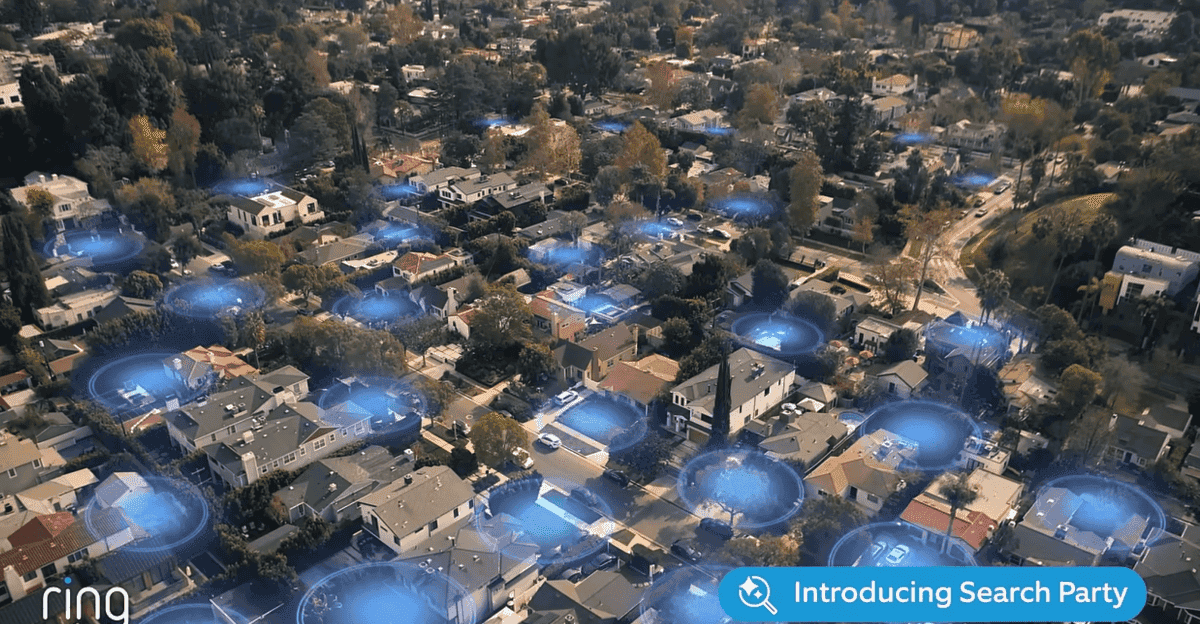
Source: The Verge
The ad began warmly, showing a young girl receiving a puppy as a gift, before warning that 10 million dogs go missing annually . It then illustrated how a single Ring post could use artificial intelligence to instantly activate searchlights across an entire neighborhood. Sen. Ed Markey (D-Mass.) warned Amazon CEO Andy Jassy in a letter that the same technology could easily be used to "surveil and identify humans"
1
. Markey suggested that Amazon "inadvertently revealed the serious privacy and civil liberties risks attendant to these types of Artificial Intelligence-enabled image recognition technologies."Leaked Internal Email Reveals Broader Ambitions
A leaked internal email obtained by 404 Media shows that Ring has bigger plans for its AI-powered camera network than just finding lost pets
3
. The email, sent last October by founder Jamie Siminoff to all Ring employees, states that with Search Party, "You can now see a future where we are able to zero out crime in neighborhoods"3
.
Source: Axios
Siminoff wrote that Search Party represents "by far the most innovative" launch in Ring's history, and that "the foundation we created with Search Party, first for finding dogs, will end up becoming one of the most important pieces of tech and innovation to truly unlock the impact of our mission"
3
. This revelation intensified fears that the company has assembled all the tools to create a surveillance tool for law enforcement, especially when combined with Ring's facial recognition technology called "Familiar Faces" and its existing Community Requests system that allows users to share footage directly with local police2
.Privacy Concerns Mount Over Biometric Data Collection
Markey's letter to Amazon revealed that Ring cameras can "collect biometric information on anyone in their video range" without the individual's consent and often without their knowledge
1
. Ring owners can retain swaths of biometric data, including face scans, indefinitely, and anyone wanting face scans removed from Ring cameras has no easy solution and is forced to go door to door to request deletions1
.The system is turned on by default for any user with a Ring subscription, meaning doorbell cameras might already be involved in data collection unless owners choose to opt out
5
. On social media, critics decried the ad as "awfully dystopian," declaring it was "disgusting to use dogs to normalize taking away our freedom to walk around in public spaces"1
. Some feared the technology would be more likely to benefit police and Immigration and Customs Enforcement (ICE) officers than families looking for lost dogs.Related Stories
Ring Abandons Flock Safety Partnership
Following the public backlash, Ring customers posted videos where they destroyed Ring cameras or vowed to never purchase them, while others shared tips on Reddit about how to get refunds
1
. Both Ring and Flock Safety issued statements confirming the partnership would not proceed as planned. The integration never launched and no Ring customers' videos were ever sent to Flock1
.Ring did not credit users' privacy concerns for its change of heart. Instead, they claimed that a joint decision was made "following a comprehensive review" where Ring "determined the planned Flock Safety integration would require significantly more time and resources than anticipated"
1
. Ring spokesperson Yassi Yarger told The Verge that Amazon is not exploring any other similar integrations in the aftermath of the deal ending1
.WebProNews suggested that "the fallout may prove more consequential for Flock Safety than for Ring," as the Ring partnership represented a meaningful expansion of their business and data collection capabilities
1
. Other tech companies may now be more hesitant to partner with Flock after Amazon dropped the integration.Founder Defends Technology Amid Crisis
Jamie Siminoff has been on what some call an apology tour—or explanation tour—appearing on CNN, NBC, and other outlets to address the crisis
4
. He attributed the outcry to a "perfect storm" involving "A.I. angst" and other concurrent events, saying that maybe people were "triggered" by an image in the ad that showed blue rings radiating out from suburban homes4
.
Source: NYT
Siminoff defended his technology, saying that protecting privacy and providing useful tools are both possible, and that Ring does not store users' footage if they don't have a subscription
4
. He remains resolute that more video in the world is better, stating "I think there's been a lot of cases recently where if the video had not been there, I'm not sure if the story would have been told the same"4
. Despite the controversy, the company plans to move forward building out the Search Party feature, with hopes to help people find their lost cats next4
.References
Summarized by

Navi
[5]
Related Stories
Ring's Search Party Super Bowl ad triggers mass surveillance fears and widespread backlash
10 Feb 2026•Entertainment and Society
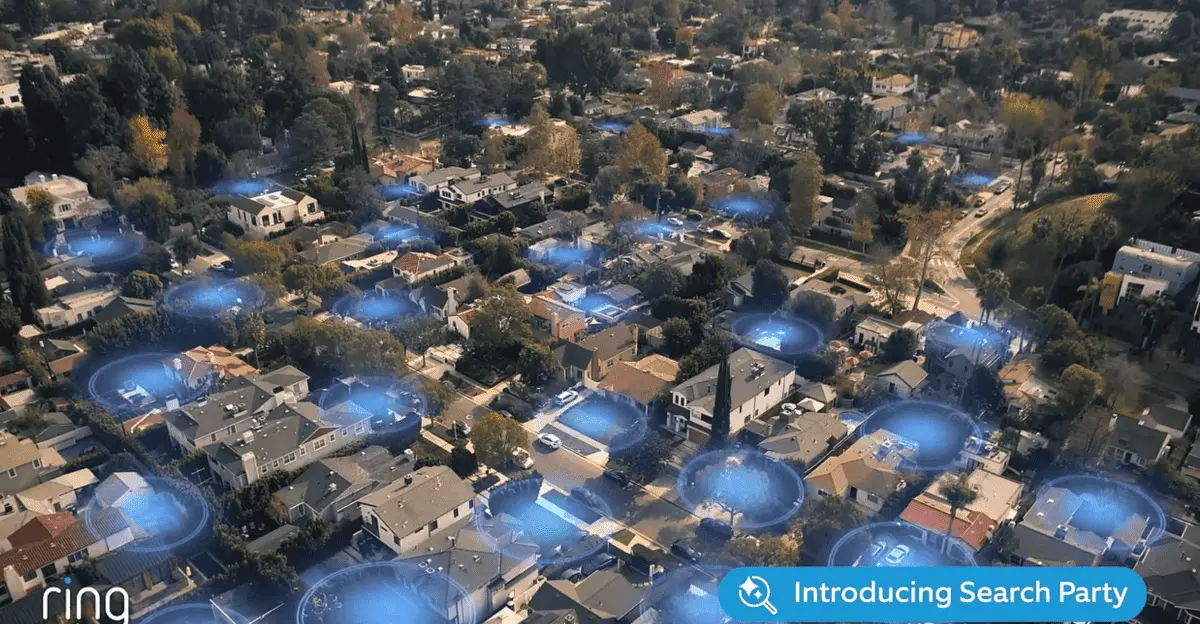
Ring Search Party AI feature sparks privacy concerns after Super Bowl ad reveals surveillance scope
09 Feb 2026•Technology

Ring opens Search Party feature to everyone, pledges $1 million to animal shelters nationwide
02 Feb 2026•Technology
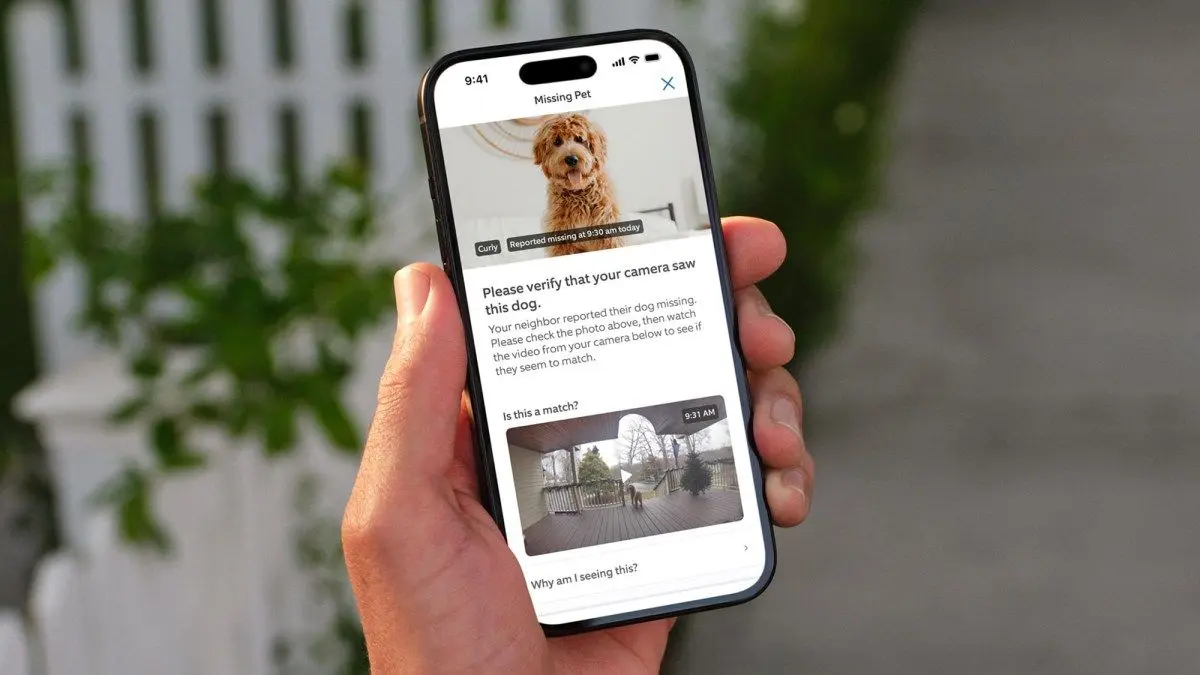
Recent Highlights
1
OpenAI shuts down Sora video app after six months, ending Disney's $1 billion investment deal
Technology

2
Apple plans major Siri AI overhaul in iOS 27 with standalone app and third-party chatbot support
Technology

3
Claude AI can now control your computer to complete tasks, but security risks remain
Technology

Recent Highlights
Today's Top Stories



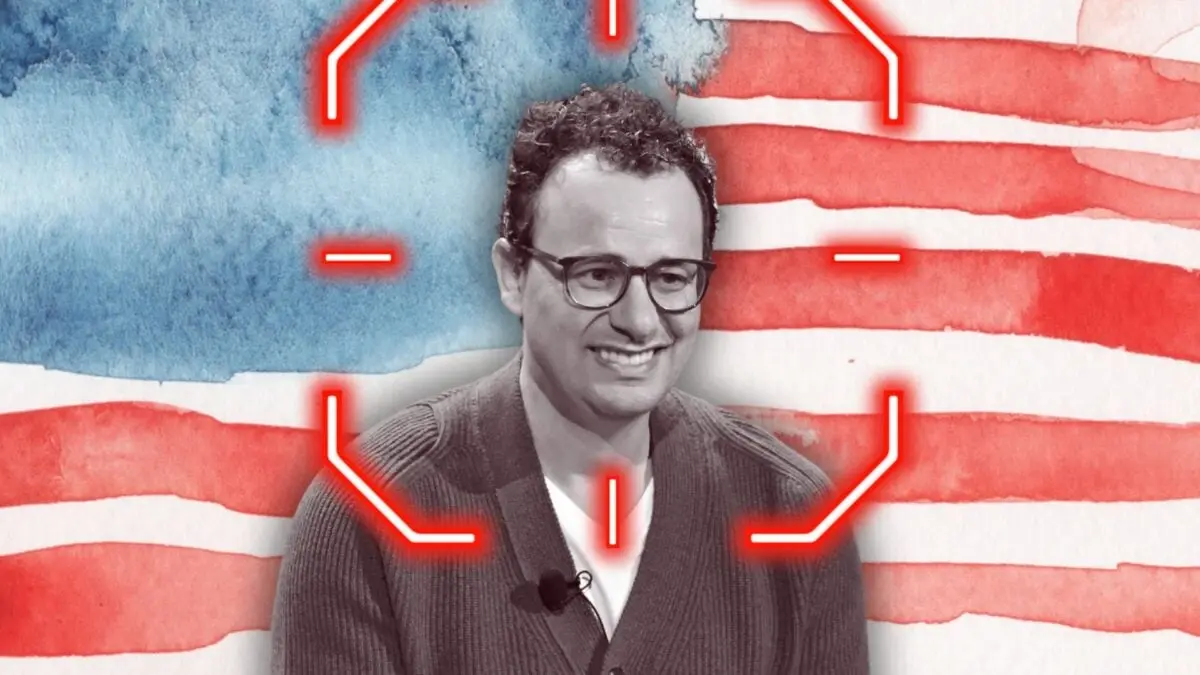








Your Daily Dose of Curated AI News
Don’t drown in AI news. We cut through the noise - filtering, ranking and summarizing the most important AI news, breakthroughs and research daily. Spend less time searching for the latest in AI and get straight to action.

