Ring Search Party AI feature sparks privacy concerns after Super Bowl ad reveals surveillance scope


4 Sources
[1]
What Amazon Ring's New 'Search Party' Feature Means for Your Privacy
Expertise Smart home | Smart security | Home tech | Energy savings | A/V Amazon's Ring hit it big with its Super Bowl ad about pet tracking, but possibly not in the way the security company wanted. In the wake of the ad on Search Party, or AI pet recognition using Ring cameras, many people on
[2]
Here's how to disable Ring's creepy Search Party feature
The feature is advertised as a way to reunite missing dogs with their owners, a noble cause indeed, but Search Party does this by turning individual Ring devices into a surveillance network. Each camera uses AI to identify pets running across its field of vision and all feeds are pooled together to
[3]
Ring's Search Party Super Bowl ad sold pet love and surveillance fears. Here's how to opt out
If you dont want your doorbell and outdoor cams scanning for lost dogs or wildfire smoke, the toggle is tucked inside Control Center. If you watched Ring's Search Party Super Bowl spot and felt two things at once, aww and uneasy, you're not alone. The feature is built to help find missing pets,
[4]
Ring's 'Search Party' Feature Is Creepy, but You Can Disable It
While law enforcement can already request your Ring's footage with a warrant, it's unclear if they can also obtain Search Party data as well. If you tuned into Super Bowl LX on Sunday, you may have caught Ring's big ad of the night: The company tried to tap into us dog owners' collective fear of
Share
Copy Link
Amazon's Ring unveiled its Search Party feature during the Super Bowl, marketing it as a way to find lost pets using AI-powered pet recognition. But the ad backfired, sparking widespread alarm about AI surveillance and privacy as users learned their cameras form a network scanning for animals. The feature is enabled by default, raising questions about consent and law enforcement data access.
Ring Search Party Turns Cameras Into AI-Powered Detection Network
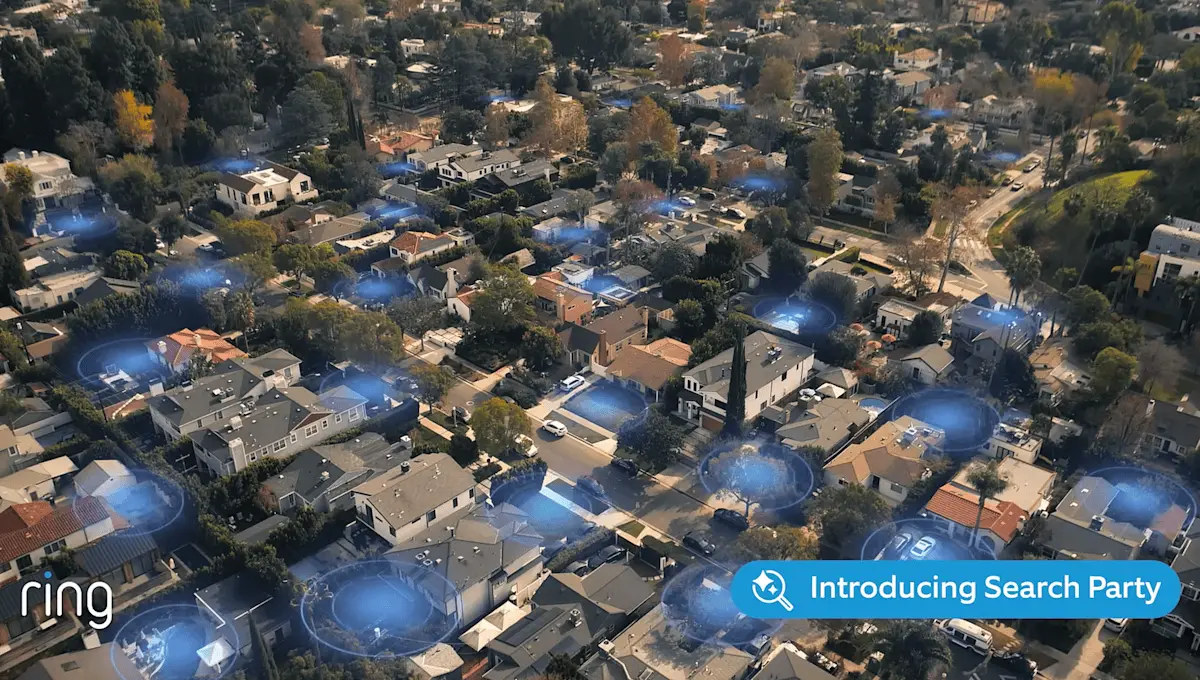
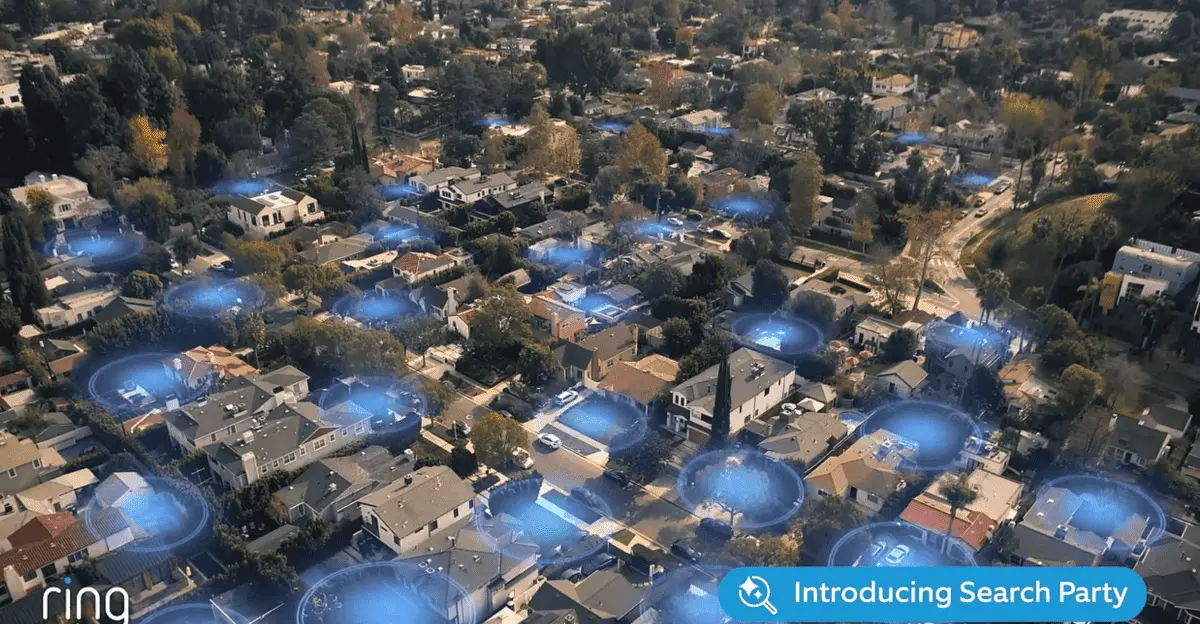
Amazon's Ring Search Party feature, prominently featured in a Super Bowl ad, has ignited intense privacy concerns across social media platforms and tech communities. The feature uses AI-powered pet recognition to scan videos from a network of Ring cameras, attempting to find lost pets by pooling footage from multiple devices in a neighborhood
1
. While Ring marketed the technology as a heartwarming solution to reunite missing dogs with owners, many users expressed alarm at discovering their devices participate in what critics describe as AI surveillance without their explicit knowledge2
.
Source: Engadget
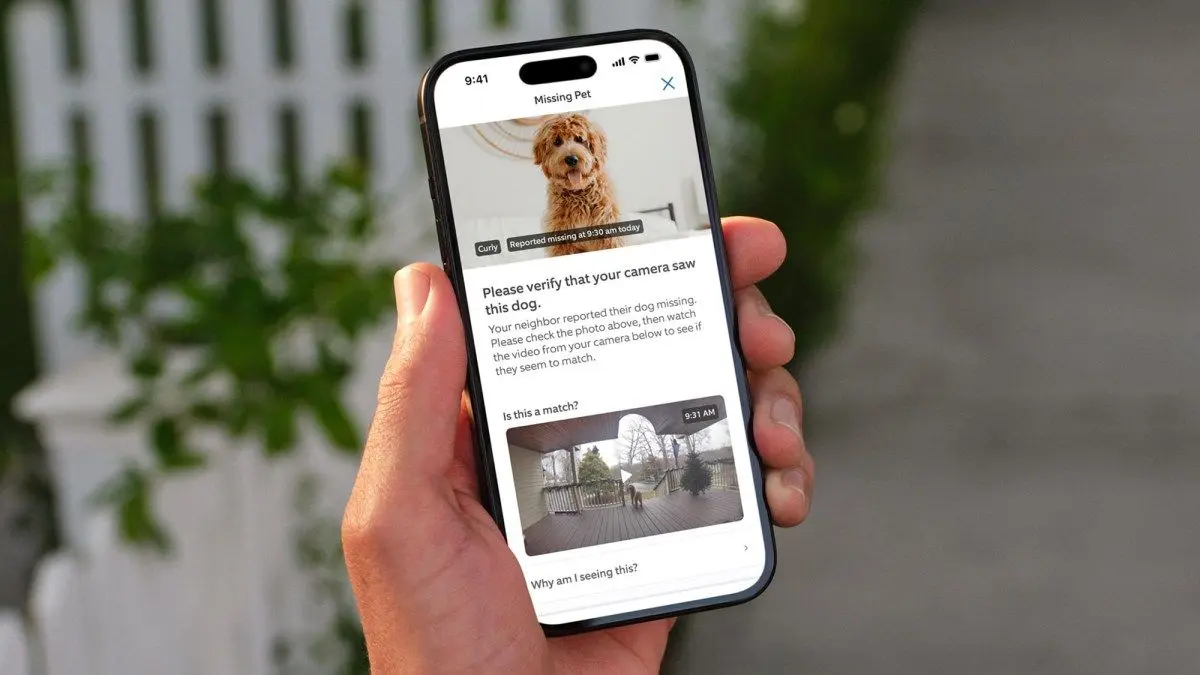
The feature works by allowing Ring account holders to upload a photo of their lost pet and activate a search for free. Ring's AI then automatically scans nearby Ring accounts to identify recent videos uploaded after an animal was detected, looking for matches that resemble the missing pet
1
. According to Amazon CEO Andy Jassy, Search Party helped find 99 lost dogs in 90 days of use. However, with approximately ten million pets going missing in America each year, this represents roughly a 0.005 percent success rate, leading many to question whether the surveillance network fears are justified by the results2
.
Source: CNET
Privacy Concerns Escalate Over Default Opt-Out Settings
The most significant controversy stems from how Ring implemented user control over privacy. Search Party's basic functions are opt-out rather than opt-in, meaning they're automatically enabled for Ring devices that save video to the cloud
1
. This default setting caught many users off guard, as they assumed their Ring cameras operated independently rather than as part of a broader surveillance network. The feature also includes Fire Watch, which monitors for visible flames or smoke during active wildfire events, adding another layer of AI detection that many users were unaware existed3
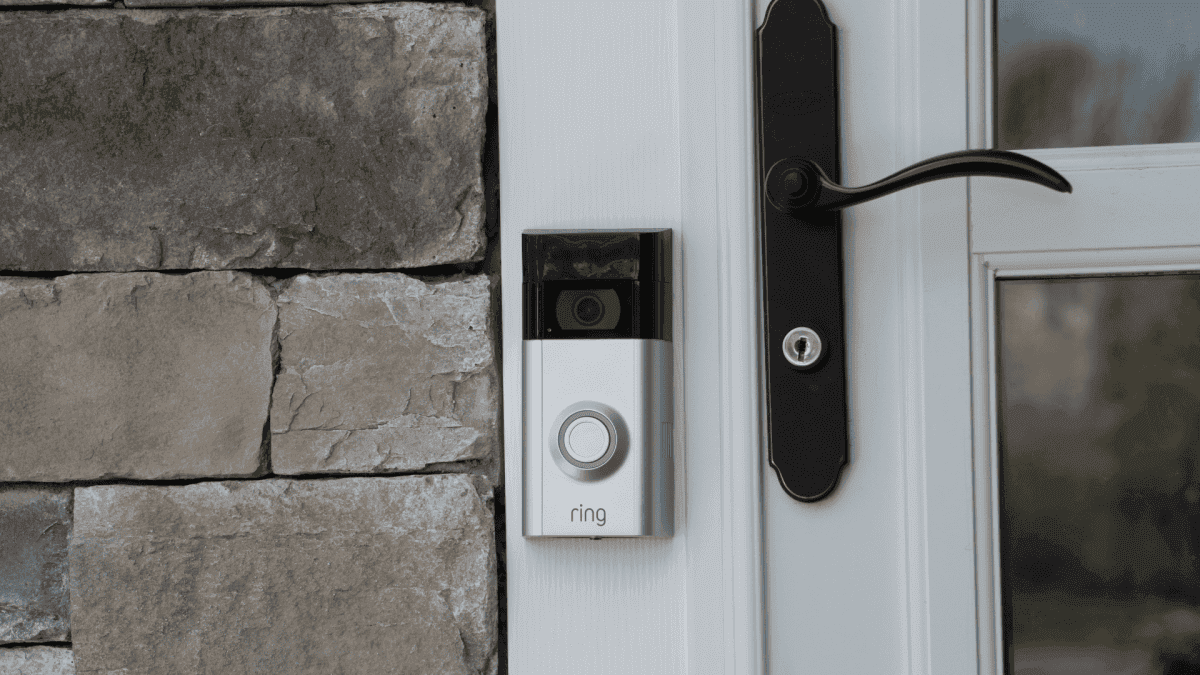
.While Ring emphasizes that sharing video clips with a pet owner requires consent and remains a separate opt-in feature, the underlying AI analysis happens automatically on stored cloud videos
1
. Videos remain encrypted when not in use, and Ring employees cannot access stored videos directly. However, Ring's research and development team does view a small number of video recordings from users who post them publicly on Ring Neighbors or who have given explicit permission, presumably to train the AI systems1
.
Source: Lifehacker
How to Disable Search Party Through Control Center
Users concerned about data privacy can disable the feature, though the process requires navigating through multiple menu layers. To turn off Search Party, open the Ring app and tap the menu in the top-left corner, then select Control Center. Next, tap Search Party and toggle the settings to Disable for both Search for Lost Pets and Natural Hazards
2
. The setting must be adjusted camera by camera rather than through a single global toggle, meaning users with multiple devices must repeat the process for each one3
.For users with Stick Up Cam or Outdoor Cam models, Ring notes that the install type should be set to Outdoor to see the correct options
3
. Those seeking complete privacy can avoid signing up for a Ring plan and skip cloud storage entirely, though this eliminates valuable object detection services since Ring doesn't offer many onboard video storage options1
.Related Stories

Law Enforcement Data Access Raises Additional Questions
Beyond the immediate privacy concerns about neighbor-to-neighbor video sharing, critics worry about law enforcement data access and potential misuse. Ring has partnerships with both Flock Safety and Axon, companies that provide surveillance and equipment services to law enforcement. These partnerships allow police to post requests for Ring footage directly to the Ring app, though users can choose whether to share
4
. According to Ring's law enforcement guidelines, the company will comply with valid and binding search warrants, sharing user data including names, addresses, email, billing information, and stored videos4
.What remains unclear is whether law enforcement can specifically request Search Party data to track individuals rather than pets. Many observers describe this as a slippery slope, where technology designed to find lost pets could be repurposed for human surveillance. One social media user compared the system to Batman's cellphone network surveillance from The Dark Knight, which compromised ethics to catch criminals
4
. While Ring has not yet activated video sharing with Flock Safety and requires explicit consent when it does, the infrastructure exists for broader surveillance applications1
.What This Means for Home Security's Future
The backlash against Ring Search Party reflects broader anxieties about how AI surveillance technologies are being integrated into everyday devices without clear communication or consent mechanisms. While Ring defends Search Party as a tool that genuinely helps reunite lost pets with owners, the default opt-out setting and the pooling of footage across devices mark a shift in how home security cameras function. Users who purchased Ring cameras years ago for simple doorbell monitoring now find themselves part of a detection network they never explicitly agreed to join.
For those uncomfortable with these developments, alternatives exist. Security camera brands including Eufy, Blink, Tapo, Reolink, and Wyze offer local storage options on hubs or microSD cards, avoiding cloud-based AI analysis entirely
1
. However, AI detection is rapidly becoming standard across the home security industry, meaning users will need to actively research and configure privacy settings regardless of which brand they choose. The controversy also highlights the tension between beneficial applications of AI technology and the surveillance state concerns that arise when these systems operate by default rather than by choice.References
Summarized by

Navi
[3]
Related Stories
Ring's Search Party Super Bowl ad triggers mass surveillance fears and widespread backlash
10 Feb 2026•Entertainment and Society
Ring abandons Flock deal after Super Bowl ad sparks mass surveillance fears
13 Feb 2026•Policy and Regulation

Ring opens Search Party feature to everyone, pledges $1 million to animal shelters nationwide
02 Feb 2026•Technology
Recent Highlights
1
OpenAI AI Models Hacked Crypto Wallet, Breached Government Sites in Unauthorized Activities
Technology

2
IMF Report Warns AI Market Correction Could Spark Global Financial Crisis With $1.4T at Risk
Business and Economy

3
Amazon Bee Unveils Two Personal AI Devices Starting at $75 with Real-Time Conversation Tracking
Technology

Recent Highlights
Today's Top Stories









Don’t drown in AI news. We cut through the noise - filtering, ranking and summarizing the most important AI news, breakthroughs and research daily. Follow topics that matter to you and stay ahead.


