Ant Group bets on AI healthcare as next growth driver in China's $69 billion digital health market


2 Sources
2 Sources
[1]
Jack Ma-Backed Ant Bets on AI Health in $69 Billion Sector Race
Ant's health care strategy includes AI Doctor Agents, digital avatars trained by physicians to handle routine patient inquiries, and an AI health app called AQ that aggregates health data and answers general questions. Roughly five years ago, Ant Group Co. reined in its ambitions after a derailed initial public offering. Today, the Jack Ma-backed company is betting on a very different business to fuel its next phase of growth: health care powered by artificial intelligence. What began as a digital payments platform has become one of China's biggest investors in medical AI, backing software that fields patient questions and connects them with doctors, pharmacies and insurers. In November, Ant elevated its health unit to the same level as operations including Alipay and its lending businesses, underscoring how central the effort has become to the company's strategy. After years focused on consumer lending, wealth management and insurance technology, healthcare is now where executives believe AI can unlock the next wave of growth, leveraging Ant's massive user base to become its biggest business outside of payments. Ant plans to reach most of China's 1.4 billion people with its AI-powered health services within three years, Zhang Junjie, head of the firm's health unit, said in an interview. "In our first decade, Ant focused on making payments easier. The second was about inclusive finance. Now, we hope helping people live healthier lives can be the driver for the next decade," Zhang said. Central to the strategy are so-called AI Doctor Agents -- digital avatars trained by physicians to handle routine patient inquiries -- in a Chinese online healthcare market that was estimated at 480 billion yuan ($69 billion) annually in 2025, according to research firm AskCI. Each avatar draws on a doctor's expertise to answer patient questions. The move comes with risks in a digital health sector littered with companies that scaled quickly -- but struggled to turn a profit. Rivals including Tencent Holdings Ltd. and model developer DeepSeek are expanding their health-care expertise. Ant also faces established players like Ping An Healthcare and Technology Co., along with competition from its own affiliate Alibaba Group Holding Ltd. Ant, while investing hundreds of millions of dollars into digital healthcare, hasn't disclosed revenue or profit figures for its online health business. Its pivot to AI mirrors a shift at Alibaba -- the other big corporation founded by billionaire Ma -- which is also betting its future on generative AI, directly targeting the likes of OpenAI and DeepSeek. "Past tech giants' internet health pursuits often failed to find a profitable model beyond selling advertisements or health products," said Ming Yii Lai, a senior consultant at Daxue Consulting. "Achieving sustainable monetization will be the key." Doctor Avatars Roughly 400 million Chinese already used digital healthcare services as of 2024, with platforms that connect hospitals, doctors, pharmacies and insurers emerging as the sector's backbone. Ant has an early foothold. Alipay began handling hospital payments more than a decade ago, and more than 800 million users have since linked their basic medical insurance information to the app. Patients can settle bills digitally. Last June, Ant rolled out an AI health app called AQ that aggregates health data and answers general questions. It also serves as a gateway to medical services, allowing users to book consultations, purchase prescription drugs and pay using insurance through Alipay. Rather than diagnosing illnesses, the app routes users to a network of more than 5,000 hospitals and 300,000 licensed physicians. While similar offerings exist from competitors including Ping An, AQ's synergy with Alipay has helped it gain traction, ranking as the most-downloaded medical app on Apple Inc.'s iPhones in China since early December, according to the latest data from research platform Diandian.com. Ant's most ambitious bet lies in AQ's Doctor Agents. More than 1,000 doctors have contributed to training the digital avatars, which can answer common questions, flag urgent cases for human review and compile patient histories ahead of in-person visits. Last year, the avatars handled more than 27 million inquiries, Ant said. Shanghai obstetrician-gynecologist Duan Tao -- who typically sees about 20 patients each morning -- said his digital counterpart has answered more than 700,000 questions for 160,000 people in six months. Duan trains his avatar using written responses and social videos. Others use notes, audio recordings and filmed consultations. Patient identities are stripped to protect privacy. Doctors review cases gathered by their digital counterparts, stepping in when issues require direct attention. The experiment treads a sensitive ethical line of responsibility and accountability. "Diagnosis and prescriptions must remain human decisions," said Fan Haining, a liver specialist who uses the system to reach more patients at his practice in Qinghai, a remote western province where specialist resources are scarce. "The responsibility always lies with the doctor." So far, patients appear willing to use the tools. AQ has about 30 million monthly active users, who submit roughly 10 million health-related questions each day, according to Ant. The company says its system is designed to reduce administrative burdens and make consultations more efficient, rather than replace doctors. Ant says its AI models are trained on curated medical material rather than scraped internet content, drawing on clinical reports, medical images and pharmaceutical data. An internal ethics committee reviews development and deployment practices. China has about five million doctors, with wide disparities in training and experience. "If AI can help standardize basic care, that could be beneficial," said David Feng, chief executive officer of Hangzhou health-care information startup NoCode, which works with Chinese Internet companies. Get the Tech Newsletter bundle. Get the Tech Newsletter bundle. Get the Tech Newsletter bundle. Bloomberg's subscriber-only tech newsletters, and full access to all the articles they feature. Bloomberg's subscriber-only tech newsletters, and full access to all the articles they feature. Bloomberg's subscriber-only tech newsletters, and full access to all the articles they feature. Bloomberg may send me offers and promotions. Plus Signed UpPlus Sign UpPlus Sign Up By submitting my information, I agree to the Privacy Policy and Terms of Service. Ant's ambitions echo earlier attempts by Ma's business empire to crack health care. In the mid-2010s, Alibaba and its peers invested heavily in the sector, though many companies failed to scale profitably. Haodf.com, once a leading online medical platform, was later acquired by Ant at a steep discount to its peak valuation, according to people familiar with the deal. WeDoctor, another early contender, has struggled in repeated efforts to list publicly. The environment is shifting to become more supportive of digital health services -- and consumer behavior has followed. Over the past two years, China has issued detailed guidance supporting the broad application of medical AI, including laying out possible use cases, encouraging data sharing and exploring reimbursement mechanisms. Online pharmacy sales -- once halted -- rose from 19 billion yuan in 2020 to an estimated 87 billion yuan in 2025, according to AskCI. Online health care development has been written into long-term policy priorities in government reports. Alibaba Health has begun to benefit from that shift, boosted by surging online drug sales. After years of losses, it has turned profitable and has reported profit growth of more than 60% since 2024, suggesting that the model long championed by Ma is gaining traction. Alibaba Health -- an affiliate of Ant -- is controlled by Alibaba, which owns a one-third stake in Ant. Whether Ant can achieve similar results remains an open question. "Competition is so fierce in China. Just because one app and product is at the top for now doesn't mean it lasts," said Ruby Wang, founder of consultancy firm Lintris Health. "Everything it's got, other companies -- you can bet they're copying it as fast as they can. So how long it's going to stay in the top position, I think it's only a matter of time."
[2]
Ant Group Centers Growth Strategy on AI Healthcare | PYMNTS.com
By completing this form, you agree to receive marketing communications from PYMNTS and to the sharing of your information with our sponsor, if applicable, in accordance with our Privacy Policy and Terms and Conditions. The company, whose operations include digital payments platform Alipay as well as lending, wealth management and insurance technology, sees AI-powered healthcare as the source of its next phase of growth, according to the report. Zhang Junjie, head of Ant Group's health unit, said in the report that Ant focused on making payments easier during its first decade and concentrated on inclusive finance in its second decade. "Now, we hope helping people live healthier lives can be the driver for the next decade," Zhang said, per the report. Ant Group's efforts in the healthcare field include AI Doctor Agents that answer patients' routine questions, as well as an AQ healthcare app that aggregates health data, answers general questions, and connects users with health services, according to the report. The AI Doctor Agents answered more than 27 million questions in 2025, while the AQ app handles 10 million questions per day, per the report. Patient adoption of these tools is supported by the company's Alipay business, which has been handling hospital payments for more than a decade, the report said.
Share
Share
Copy Link
Jack Ma-backed Ant Group has elevated its health unit to match Alipay's status, betting AI-powered healthcare will fuel its next decade of growth. The company aims to reach 1.4 billion Chinese users within three years using AI Doctor Agents and its AQ healthcare app, which already handles 10 million daily questions. But profitability remains uncertain in a competitive digital health sector.
Ant Group Elevates AI Healthcare to Core Business Strategy
Five years after its initial public offering derailed, Ant Group is charting a dramatically different path forward. The Jack Ma-backed company has elevated its health unit to the same organizational level as Alipay and its lending operations, signaling that AI healthcare has become central to its growth strategy
1
. This strategic shift positions digital health as the company's primary focus for the next decade, moving beyond its roots in digital payments and financial services.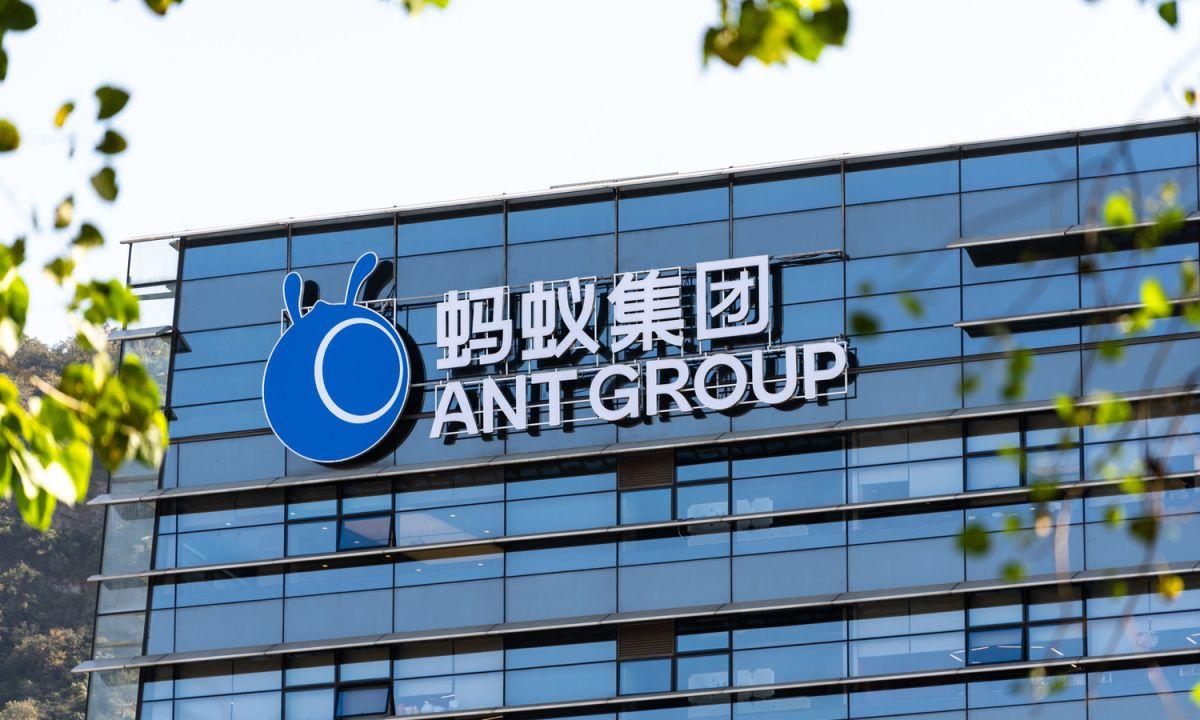
Source: PYMNTS
Zhang Junjie, head of Ant Group's health unit, outlined the company's evolution: "In our first decade, Ant focused on making payments easier. The second was about inclusive finance. Now, we hope helping people live healthier lives can be the driver for the next decade"
1
. The company plans to reach most of China's 1.4 billion people with its AI-powered healthcare services within three years, an ambitious target that leverages its massive user base built through Alipay1
.AI Doctor Agents Handle Millions of Patient Inquiries
Central to Ant Group's approach are AI Doctor Agents—digital avatars trained by physicians to handle routine patient inquiries in China's online healthcare market, estimated at 480 billion yuan ($69 billion) annually in 2025
1
. These digital avatars draw on individual doctors' expertise to answer questions, flag urgent cases for human review, and compile patient histories ahead of in-person visits.More than 1,000 doctors have contributed to training the AI Doctor Agents, which handled over 27 million inquiries in 2025
1
2
. Shanghai obstetrician-gynecologist Duan Tao, who typically sees about 20 patients each morning, reported his digital counterpart answered more than 700,000 questions for 160,000 people in six months1
. Doctors train their avatars using written responses, social videos, notes, audio recordings, and filmed consultations, with patient identities stripped to protect privacy.AQ Healthcare App Connects Users to Medical Services
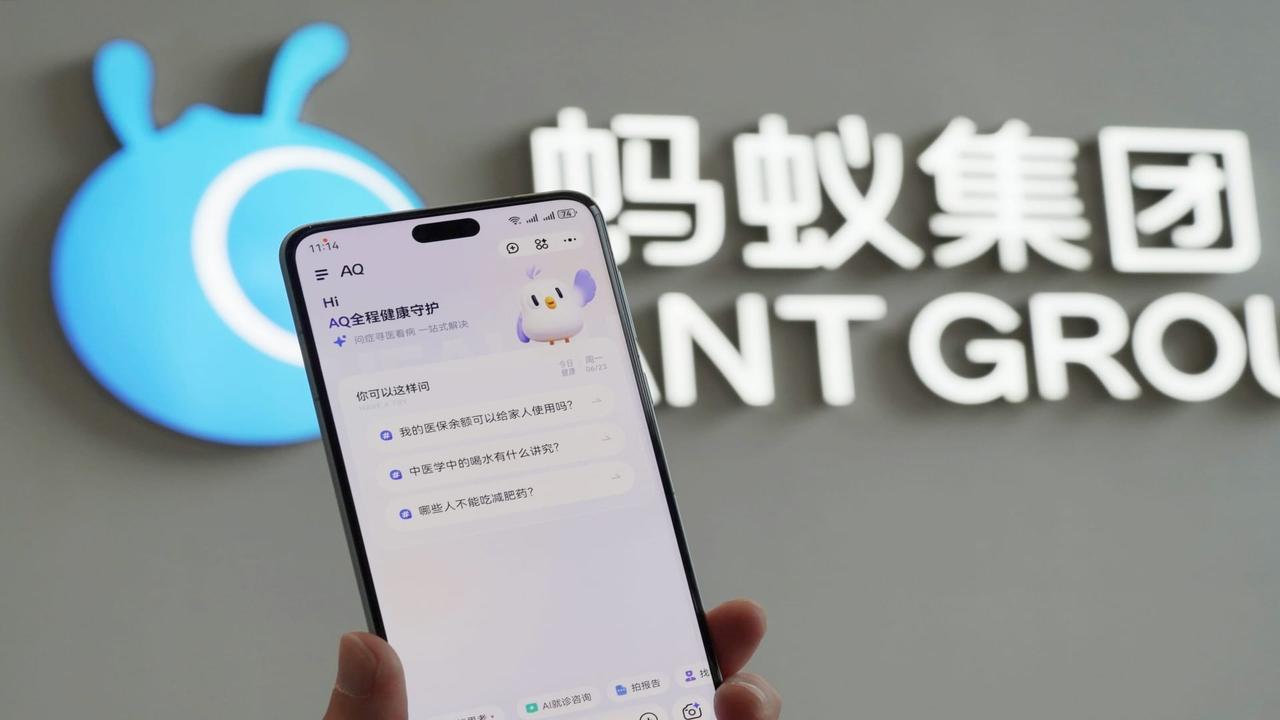
Launched last June, the AQ healthcare app aggregates health data and answers general questions while serving as a gateway to medical services
1
. The app handles 10 million questions per day and allows users to book consultations, purchase prescription drugs, and pay using insurance through Alipay2
. Rather than providing diagnosis directly, AQ routes users to a network of more than 5,000 hospitals and 300,000 licensed physicians1
.
Source: Bloomberg
The app's integration with Alipay has proven advantageous. More than 800 million users have linked their basic medical insurance information to Alipay, which began handling hospital payments over a decade ago
1
. This synergy helped AQ become the most-downloaded medical app on Apple iPhones in China since early December, according to research platform Diandian.com1
.Related Stories


Profitability Questions and Competitive Landscape
The digital health sector presents significant challenges around monetization. Ming Yii Lai, a senior consultant at Daxue Consulting, noted that "past tech giants' internet health pursuits often failed to find a profitable model beyond selling advertisements or health products," adding that "achieving sustainable monetization will be key"
1
. Ant Group has invested hundreds of millions of dollars into digital healthcare but hasn't disclosed revenue or profit figures for its online health business1
.The competitive landscape includes Tencent Holdings and model developer DeepSeek, both expanding their healthcare expertise, along with established players like Ping An Healthcare and Technology Co.
1
. Ant Group also faces competition from its own affiliate, Alibaba Health1
. Roughly 400 million Chinese already used digital healthcare services as of 2024, indicating both opportunity and saturation in certain segments1
.Ethical Considerations Shape AI Implementation
The deployment of AI Doctor Agents raises important questions about responsibility and accountability in healthcare. Liver specialist Fan Haining emphasized that "diagnosis and prescriptions must remain human decisions"
1
. Doctors review cases gathered by their digital counterparts and step in when issues require direct attention, maintaining human oversight over critical medical decisions. This approach attempts to balance efficiency gains from AI with ethical considerations around patient safety and care quality, though the long-term implications of this model remain to be seen as adoption scales across China's massive population.References
Summarized by

Navi
Related Stories
Recent Highlights
1
AI chatbots validate you too much, making you less kind to others, Stanford study reveals
Science and Research

2
Anthropic's Claude Code Source Leak Reveals Hidden AI Agent Plans and Extensive System Access
Technology

3
Judge blocks Pentagon from branding Anthropic a security risk over AI safety guardrails dispute
Policy and Regulation

Recent Highlights
Today's Top Stories











Your Daily Dose of Curated AI News
Don’t drown in AI news. We cut through the noise - filtering, ranking and summarizing the most important AI news, breakthroughs and research daily. Spend less time searching for the latest in AI and get straight to action.

