Apple's AI strategy bets on restraint while Big Tech burns $700 billion on infrastructure


2 Sources
2 Sources
[1]
While big tech burns cash on AI, Apple waits | Fortune
Google will spend approximately $90 billion on AI infrastructure this year. Meta has committed $65 billion. Microsoft, Amazon, and Alphabet are collectively spending over $300 billion. Apple, meanwhile, is spending just $12.7 billion on capital expenditure for the entire fiscal year. The conventional narrative is that Apple is losing the AI race. But what if Apple has decided not to run in that race at all? The evidence for Apple's apparent failure is easy to assemble. Siri remains a punchline. The promised AI-powered assistant has been delayed until 2026. Analysts have called the company's AI strategy a "disaster" and warned it is one to two years behind competitors. Meanwhile, Apple sits on more than $130 billion in cash, watching others burn through capital at unprecedented rates. But consider an alternative reading. The foundation model market is beginning to exhibit classic signs of commoditisation. When one company introduces agentic capabilities, the others follow within months. Benchmark leadership changes constantly, with no provider establishing a durable lead. Prices are collapsing: Anthropic recently cut prices by 67%, Google has slashed rates by 70%-80%, and OpenAI has repeatedly reduced costs on successive models. This is textbook commodity market behaviour. If foundation models are heading toward commodity status, then the strategic value shifts to whoever controls the integration layer and the user relationship. Apple has 2.4 billion active devices. It has the most valuable distribution channel in technology. And its recent moves suggest a deliberate strategy: rather than building frontier models, source them from whoever is best at any given moment. This is precisely what Apple has done. It partnered with OpenAI in 2024, then switched to Google's Gemini to power the next generation of Siri. The company is not building the engine; it is curating the best available engine at any given moment, wrapping it in Apple's privacy architecture, and integrating it across the ecosystem. Own the experience, outsource the commodity. This pattern will be familiar to anyone who has watched Apple before. Portable MP3 players existed since 1998 -- three years before the iPod. Samsung and Sony had smartwatches years before Apple entered in 2015. Bragi shipped true wireless earbuds in 2014, two years before AirPods. BlackBerry, Palm, and Nokia dominated smartphones before the iPhone redefined the category in 2007. In each case, Apple let others absorb the costs of pioneering, watched what worked, and entered with superior integration. The pattern suggests a company that views first-mover advantage as overrated and timing discipline as underrated. Apple's opportunity in AI is almost certainly not to build a better chatbot. ChatGPT, Claude, and Gemini are products designed around the model itself -- you visit a website, you converse with the AI. Apple has never been interested in selling technology for its own sake. The company sells experiences that happen to be powered by technology. Its natural move is to make AI invisible: embedded across Siri, HomeKit, Apple TV, AirPods, Watch, CarPlay, Photos, and Mail. The chatbot-centric companies are building products where AI is the destination. Apple's model would make AI the infrastructure -- present everywhere, visible nowhere. There is also a privacy dimension. Apple's on-device processing and Private Cloud Compute architecture allow it to offer AI features without harvesting user data in the way that cloud-centric competitors must. As consumers grow more wary of AI systems trained on their personal information, this could become a meaningful differentiator -- one that Google and OpenAI cannot easily replicate given their business models. The risk, of course, is that AI does not commoditise. If network effects, proprietary data, or compounding capability advantages create durable moats at the model layer, Apple could find itself permanently dependent on suppliers who control the most strategic technology of the era. This is a genuine possibility that the company's leadership must be weighing. But Apple's financial position gives it options. If the current AI capital cycle cools -- and capital cycles do cool -- talent becomes available, startup valuations compress, and infrastructure costs normalise. With record revenue of $416 billion, iPhone demand that Tim Cook called "simply staggering", and annual profits approaching $100 billion, Apple is positioned to move decisively as a buyer rather than competing in a seller's market driven by hype. The spending gap between Apple and its competitors is real. Whether it represents a failure of vision or an exercise of it will depend on a question no one can yet answer with certainty: will AI models become interchangeable commodities, or will they remain a source of durable competitive advantage? Apple appears to be betting on the former. If it is right, today's restraint will look like foresight. And the company will do what it has done before -- enter late, integrate brilliantly, and win.
[2]
How Apple's Contrarian 'Nah, We're Good' Strategy Defies Amazon, Microsoft, Alphabet - Apple (NASDAQ:AAPL), Amazon.com (NASDAQ:AMZN)
Apple Inc. (NASDAQ:AAPL) is the odd one out in Big Tech's AI spending race. While the rest of the Magnificent 7 are collectively committing around $700 billion in capital expenditure (capex) over the next year, Apple cut its own spending 19% year-over-year last quarter to $2.37 billion. The chart, published by A16Z, captures the gap visually. Since 2014, Apple's quarterly capex line has barely moved. Every other Big Tech line has turned parabolic. The Rest Of The Mag 7 Is Going All In Most of the increased spend is going toward AI data centers, chips, and infrastructure, and a good portion of that money flows directly to Nvidia (NASDAQ:NVDA) Apple's full-year spend was $12.72 billion. That is less than Amazon plans to spend in a single quarter. The Market Is Starting To Question The Spending Bigger is not necessarily better. When Amazon announced its $200 billion capex guidance, its stock dropped about 8% in the following session. Alphabet's similarly aggressive plans sent its stock down roughly 6%. Investors are getting nervous about whether these companies will ever see a return on the unprecedented investment. CEO Tim Cook has defended Apples approach directly. "From a CapEx point of view, we've always taken a very prudent and deliberate approach to our expenditure and we continue to leverage a hybrid model, which I think continues to serve us well," he forecasted on Apple's Q1 2025 earnings call. Apple is relying on on-device processing and "private cloud compute" to avoid the massive server costs burdening its rivals. What Polymarket Says Prediction markets may offer the clearest read yet on who investors actually think wins this bet long-term, and they appear skeptical Apple's restraint pays off over the longer arc. On Polymarket's "Largest Company End Of December 2026?" market, which has over $626,000 in volume, Nvidia leads at 44 cents, Alphabet sits at 33 cents, and Apple is at just 14 cents. Despite persistent speculation about his successor, traders on Polymarket give Tim Cook a 69% chance of remaining CEO through 2027, suggesting a reversal in strategy is unlikely. The crowd is pricing in that the companies spending most aggressively on AI infrastructure are the ones most likely to be running the world's highest valuation by year end. Apple's "nah, we're good" approach to capex may be the right call for free cash flow. Whether it's the right call for competitive positioning in AI remains to be seen. Image: Shutterstock Market News and Data brought to you by Benzinga APIs To add Benzinga News as your preferred source on Google, click here.
Share
Share
Copy Link
While Google, Meta, Microsoft, Amazon, and Alphabet collectively spend over $700 billion on AI infrastructure, Apple allocates just $12.7 billion annually. The spending gap reveals a fundamental disagreement about AI's future: will foundation models become commodities, or sources of lasting advantage? Apple's approach may signal strategic discipline or a costly miscalculation.
Apple Holds Back as Big Tech Commits $700 Billion to AI Infrastructure Spending
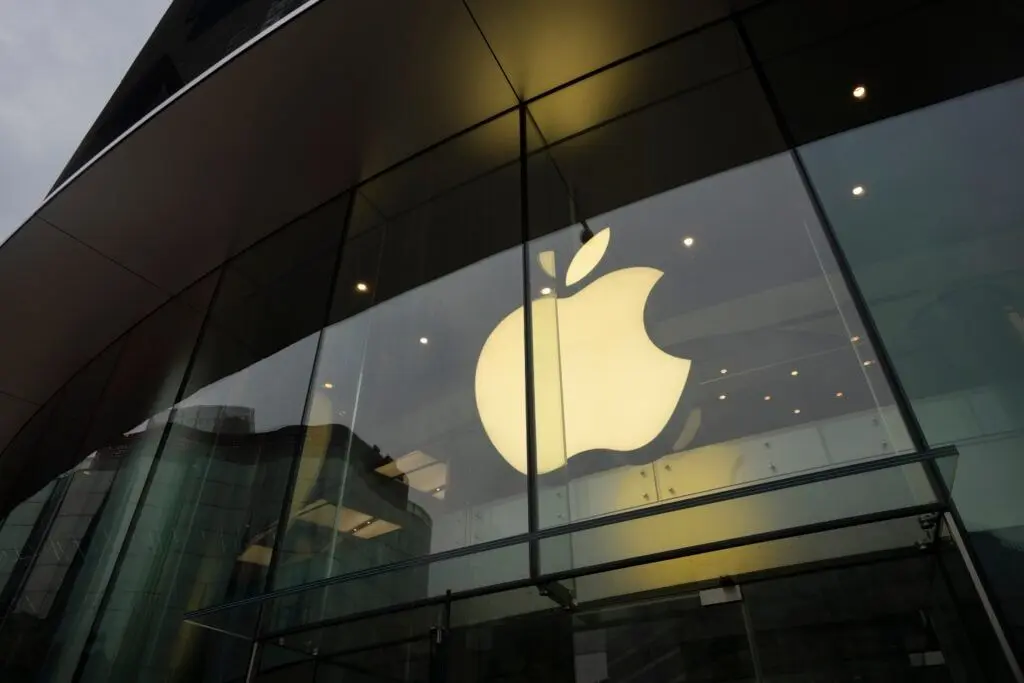
Apple's AI strategy stands in stark contrast to its Big Tech peers, with the company spending just $12.7 billion on capital expenditure for the entire fiscal year while competitors commit approximately $700 billion collectively
2
. Google plans to spend approximately $90 billion on AI infrastructure this year, Meta has committed $65 billion, and Microsoft, Amazon, and Alphabet are collectively spending over $300 billion1
. Apple even cut its spending 19% year-over-year last quarter to $2.37 billion, while every other Big Tech line has turned parabolic since 20142
.
Source: Benzinga
Tim Cook Defends Conservative AI Investment Approach
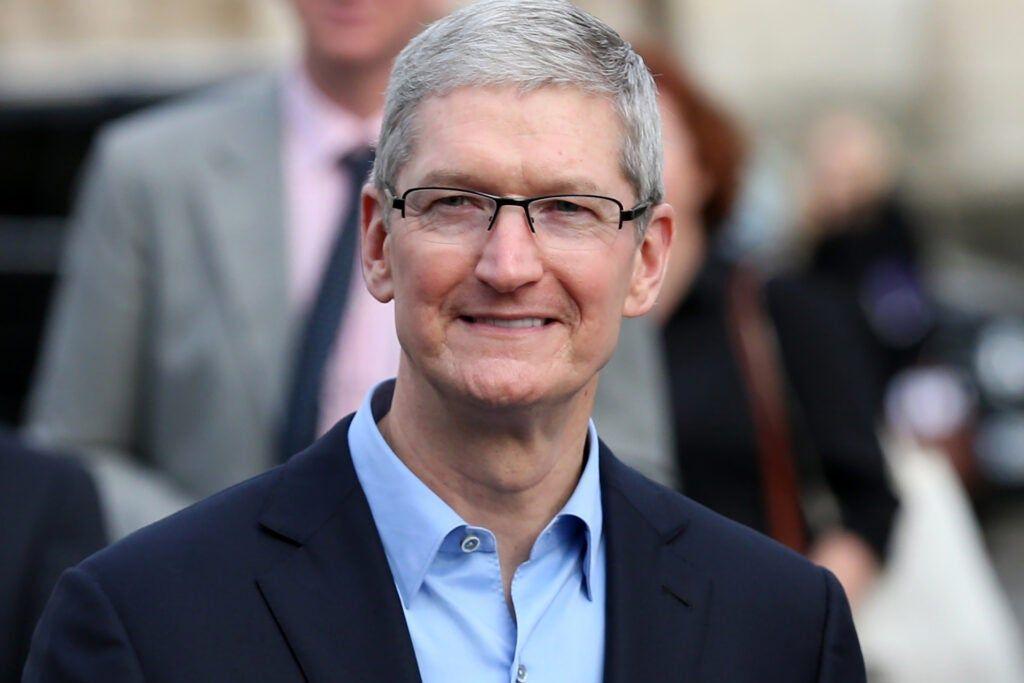
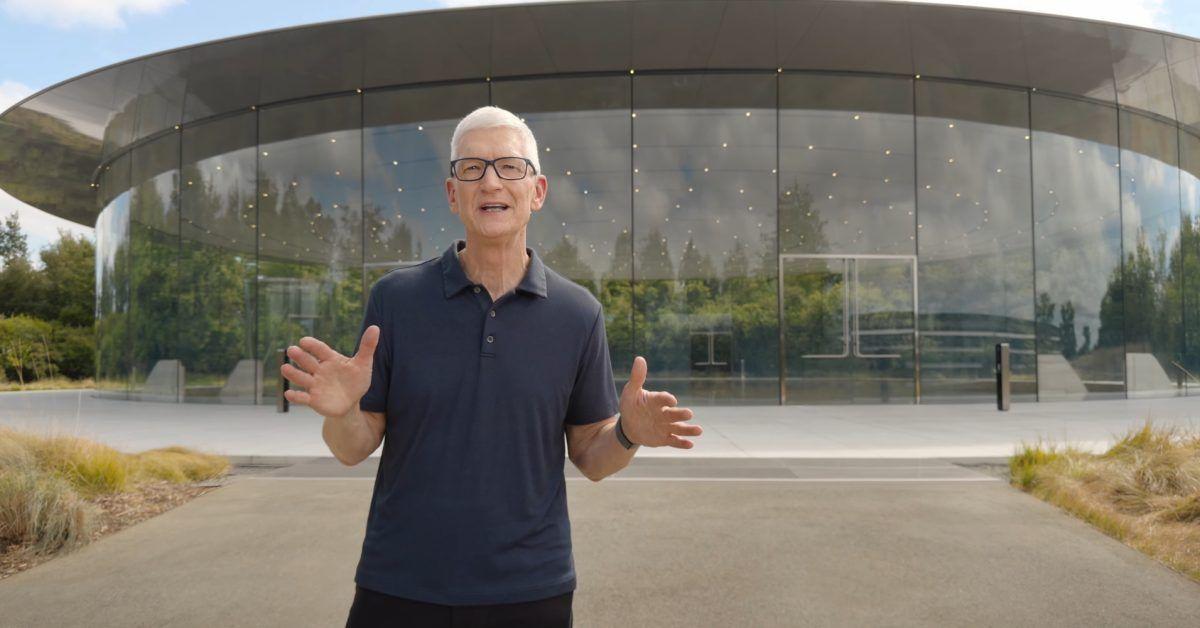
Tim Cook has directly addressed Apple's conservative AI investment during the company's Q1 2025 earnings call, stating: "From a CapEx point of view, we've always taken a very prudent and deliberate approach to our expenditure and we continue to leverage a hybrid model, which I think continues to serve us well"
2
. The company is relying on on-device processing and private cloud compute to avoid the massive server costs burdening its rivals2
. With record revenue of $416 billion, iPhone demand that Tim Cook called "simply staggering," and annual profits approaching $100 billion, Apple maintains substantial financial flexibility1
.
Source: Fortune
Foundation Models Show Signs of Commoditization
Apple's AI strategy appears to bet on foundation models becoming commodities rather than sources of durable competitive advantage. The market is exhibiting classic signs of commoditization: when one company introduces agentic capabilities, others follow within months, and benchmark leadership changes constantly with no provider establishing a durable lead
1
. Prices are collapsing dramatically—Anthropic recently cut prices by 67%, Google has slashed rates by 70%-80%, and OpenAI has repeatedly reduced costs on successive models1
. If foundation models become interchangeable, strategic value shifts to whoever controls the integration layer and user relationship—precisely where Apple excels with 2.4 billion active devices1
.Contrasting AI Strategies: Integration Over Infrastructure
Rather than building frontier models, Apple has adopted a strategy of sourcing them from whoever performs best at any given moment. The company partnered with OpenAI in 2024, then switched to Google's Gemini to power the next generation of Siri
1
. Apple is not building the engine but curating the best available engine, wrapping it in the Apple ecosystem's privacy architecture, and integrating it seamlessly across devices1
. This pattern mirrors Apple's historical approach—portable MP3 players existed three years before the iPod, Samsung and Sony had smartwatches years before Apple entered in 2015, and BlackBerry, Palm, and Nokia dominated smartphones before the iPhone redefined the category in 20071
.Related Stories
Privacy Architecture Offers Competitive Differentiation
Apple's on-device processing and Private Cloud Compute architecture allow it to offer AI features without harvesting user data the way cloud-centric competitors must
1
. As consumers grow more wary of AI systems trained on their personal information, privacy could become a meaningful differentiator that Google and OpenAI cannot easily replicate given their business models1
. Apple's natural move is to make AI invisible—embedded across Siri, HomeKit, Apple TV, AirPods, Watch, CarPlay, Photos, and Mail, where AI becomes infrastructure rather than destination1
.Investor Sentiment Questions Aggressive Capital Expenditure in AI
The market is starting to question whether massive AI infrastructure spending will generate returns. When Amazon announced its $200 billion capex guidance, its stock dropped about 8% in the following session, and Alphabet's similarly aggressive plans sent its stock down roughly 6%
2
. Prediction markets on Polymarket, with over $626,000 in volume, show Nvidia leading at 44 cents for largest company by end of December 2026, Alphabet at 33 cents, and Apple at just 14 cents2
. The crowd is pricing in that companies spending most aggressively on AI infrastructure are most likely to run the world's highest valuation, though the risk remains that if AI does not commoditize, Apple could find itself permanently dependent on suppliers who control the most strategic technology of the era1
. Apple sits on more than $130 billion in cash, positioned to move decisively as a buyer if the current AI capital cycle cools and talent becomes available1
.References
Summarized by

Navi
Related Stories
Apple's Frugal AI Strategy Wins Wall Street Approval While Rivals Burn Billions
12 Nov 2025•Business and Economy
Apple's Cautious AI Strategy Gains Traction Amid Industry Disruption
08 Feb 2025•Business and Economy

Apple Considers Partnering with OpenAI or Anthropic to Boost Siri's AI Capabilities
01 Jul 2025•Technology
Recent Highlights
1
AI Models Lie and Deceive to Protect Other AI Models From Deletion, Study Reveals
Science and Research

2
AI chatbots validate you too much, making you less kind to others, Stanford study reveals
Science and Research
3
Judge blocks Pentagon from blacklisting Anthropic over AI safety guardrails dispute
Policy and Regulation

Recent Highlights
Today's Top Stories









Your Daily Dose of Curated AI News
Don’t drown in AI news. We cut through the noise - filtering, ranking and summarizing the most important AI news, breakthroughs and research daily. Spend less time searching for the latest in AI and get straight to action.

