Apple's Frugal AI Strategy Wins Wall Street Approval While Rivals Burn Billions


2 Sources
[1]
Apple is starting to look like an AI winner thanks to one advantage - 9to5Mac
In the ever-growing space of AI, Apple's struggles have been well documented. But based on two recent reports, the company is starting to look more like an AI winner thanks to one advantage. Last week brought word that Apple and Google were close to striking a deal for the forthcoming Siri
[2]
Wall Street Is Loving Apple's Cheap AI Strategy While Others Spend Big - Phandroid
Wall Street is quietly falling in love with Apple's AI spending strategy, and it's not because the company is spending the most money. According to a recent Bloomberg report, it's actually the opposite. While Big Tech collectively burns through $78 billion per quarter building massive data centers
Share
Copy Link
Apple takes a cost-effective approach to AI by licensing external models for $1 billion annually while competitors spend tens of billions on infrastructure, earning investor praise but facing consumer pressure for faster innovation.
Apple's Cost-Effective AI Strategy Gains Investor Favor
While Big Tech companies collectively spend $78 billion per quarter on artificial intelligence infrastructure, Apple has adopted a markedly different approach that's earning praise from Wall Street investors. The iPhone maker reportedly spends approximately $1 billion annually licensing external AI models rather than building massive data centers and training systems from scratch
1
2
.This restrained spending strategy stands in stark contrast to Apple's competitors. OpenAI has committed to over $1 trillion in infrastructure deals, Microsoft plans to spend $80 billion this fiscal year, Google is targeting $91 billion, Meta expects to spend at least $70 billion, and Anthropic anticipates burning through $3 billion this year
2
.Strategic Partnership with Google
A key component of Apple's approach involves strategic partnerships with established AI companies. Recent reports indicate that Apple and Google are close to striking a deal for an upcoming Siri upgrade, with Google building a custom AI model alongside Apple to power new iOS 26.4 features
1
. The $1 billion annual cost for this partnership pales in comparison to the approximately $20 billion Google pays Apple annually to remain Safari's default search engine.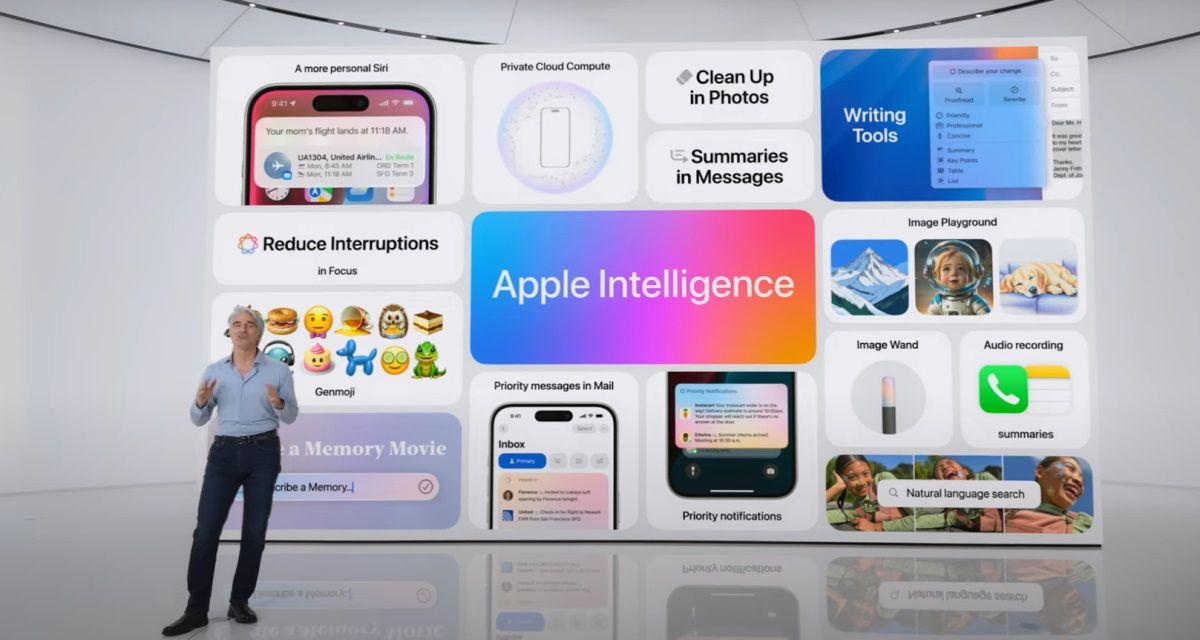
Source: Phandroid
Platform Advantage Creates Unique Position
Apple's strength lies in its hardware ecosystem, which provides a unique advantage in the AI landscape. The iPhone's continued success as a sales juggernaut creates a powerful platform for AI features, whether delivered through third-party applications, system integrations like ChatGPT, or Apple's own AI offerings
1
. This platform ownership allows Apple to play a fundamentally different game than other AI companies, benefiting from others' heavy investments while maintaining lower costs.Related Stories
Wall Street's Changing Perspective
Investors are beginning to scrutinize the massive expenditures that companies like OpenAI, Meta, and Microsoft are making on AI development, leading to increased volatility in what had been some of the year's biggest momentum plays. As a result, Apple's position is being re-evaluated more favorably
1
. The investment thesis is straightforward: Apple benefits by tapping other companies' models to deliver AI features to millions of customers while avoiding the heavy spending required to develop proprietary capabilities.Challenges and Consumer Pressure
Despite Wall Street's approval, Apple faces significant challenges in execution. After months of hype and repeated delays to Siri upgrades, iPhone users are growing impatient with the pace of AI improvements
2
. The company also lost 12 key AI executives this year to competitors offering better compensation packages, highlighting the competitive pressure for talent in the AI space.Android devices are rolling out AI features at a faster pace, and every delay risks making Apple appear outdated in the rapidly evolving AI landscape. The company may need to consider charging for advanced AI features to monetize its approach and justify continued investment in the technology
2
.References
Summarized by

Navi
Related Stories
Apple's AI Strategy Proves Cautious Approach Beats Racing Forward on Artificial Intelligence
09 Jun 2026•Technology

Apple's Cautious AI Strategy Gains Traction Amid Industry Disruption
08 Feb 2025•Business and Economy

Apple's AI strategy bets on restraint while Big Tech burns $700 billion on infrastructure
17 Feb 2026•Business and Economy

Recent Highlights



Recent Highlights
Today's Top Stories





Don’t drown in AI news. We cut through the noise - filtering, ranking and summarizing the most important AI news, breakthroughs and research daily. Follow topics that matter to you and stay ahead.


