Glass cloth shortage emerges as AI boom drains supply, leaving Apple and Nvidia scrambling


3 Sources
3 Sources
[1]
Glass cloth could be the next great AI shortage, as major manufacturers scramble to secure critical material -- Japanese manufacturer courted by Apple, Nvidia, Google, and Amazon
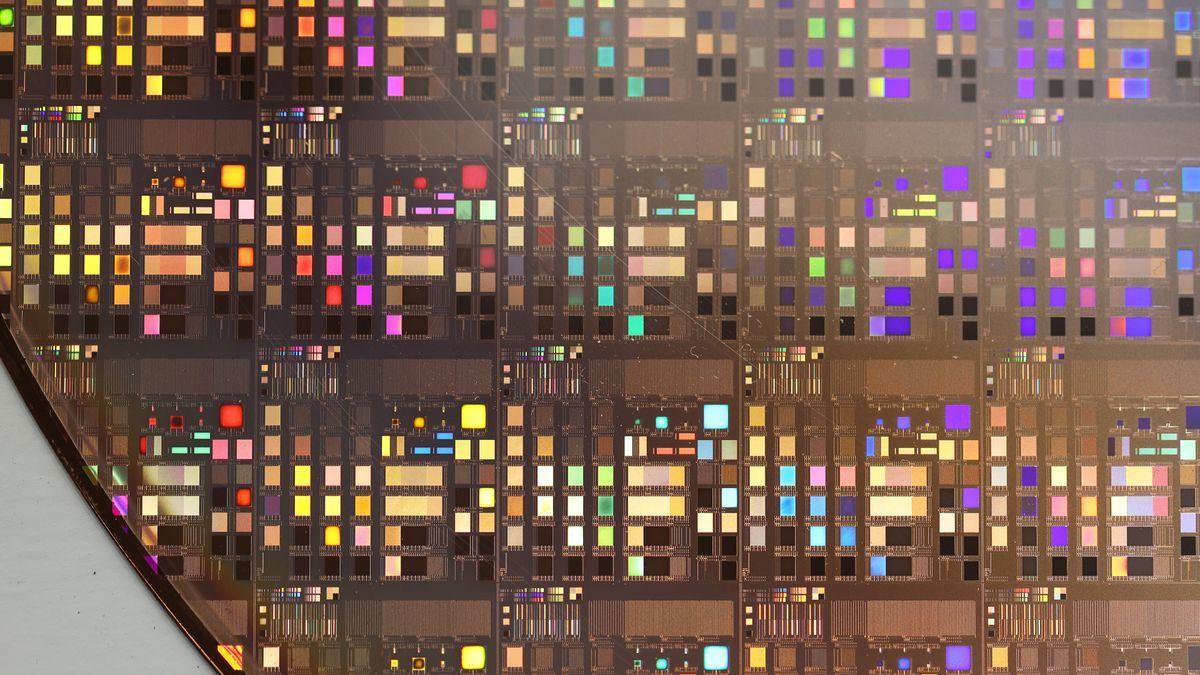
Alongside memory, power, water, and political capital, AI data center builders and major component manufacturers are now contending with a new bottleneck in their supply chains: Glass cloth. As Nikkei Asia reports, major tech companies like Apple, Amazon, Google, and Nvidia are all tussling over the supply of glass cloth fibers, which are vital to component production, and the most advanced types are produced by a singular Japanese company. Nitto Boseki, or Nittobo, is a textile and fiberglass manufacturer based in Tokyo, and by the standards of these major tech firms, is a relatively small link in the chain, with a net income last year just over $37 million. But it now finds itself at the center of a new race among industry giants worth hundreds of times its value, all fighting over a limited supply of glass cloth fibers. This special type of glass fiber material is known as low-coefficient-of-thermal-expansion (CTE) glass, colloquially known as T-Glass. The fibers are strong and rigid, facilitating high-speed data transmission, making them ideal for the latest generation processors, component PCBs, and various key AI components for the new data centers that everyone wants to build. Like the memory industry shortages, this bottleneck for high-spec glass cloth risks interfering with major consumer component and device manufacturers like Apple, too. The burgeoning demand for Glass Cloth is creating a new, unforeseen shortage in the supply chain, with one Nikkei Asia source calling it "one of the biggest bottlenecks for the electronics-making and AI industry for 2026." Considering we've already got shortages of memory, GPUs, power, and water to build and run these data centers, adding one more bottleneck isn't going to help matters much. Glass Cloth is not to be confused with Glass Substrates, which is a functionally distinct technology currently being adopted by the likes of AMD and Qualcomm. In much the same way as Nvidia CEO Jensen Huang made trips to South Korea in the Fall of 2025 to court memory manufacturers, some companies saw this glass cloth shortage coming. Apple reportedly sent representatives to Japan to try to secure greater supplies of the materials used in developing PCBs in various products, including the glass cloth fibers produced by Nittobo. These meetings included interactions with Japanese government officials to see if Apple could be awarded a greater share of the company's production. It wasn't the only company to do so, either. Nvidia and AMD have dispatched staff to Nittobo's headquarters to try to secure more favorable deals. Unfortunately, trying to sweet-talk their way to a greater share of existing supply may be the only hope these companies have of not being adversely affected by the glass cloth shortages. Nikkei Asia reports that supply issues of this vital material won't be alleviated until 2027. As TrendForce reported in November, this comes from a strategic partnership Nittobo has signed with Nan Ya Plastics, a glass cloth manufacturer that operates under the Fomosa Plastics Group in Taiwan. Although Nan Ya Plastics doesn't offer the same advanced glass cloth fibers that Nittobo does, Nan Ya Plastics claims that by 2027, it will be able to produce around 20% of the speciality fibers currently produced by Nittobo, which could help ease the supply constraints currently facing Nittobo customers. Apple is alleged to have asked its Japanese supplier, Mitsubishi Gas Chemical (which uses Nittobo glass cloth to produce PCBs for Apple), to oversee the Chinese firm's development of an alternative product that could be substituted for Nittobo's cloth material. Qualcomm has also visited an alternative Japanese glass cloth developer named Unitika to see if it could bring up production to alleviate the shortages. Unitika's production levels are far below Nittobo's, so any additional supply it can provide is expected to have a limited effect on the overall bottleneck. None of these efforts of alternative supplies is likely to yield much in the way of results. 36KR reports that Nittobo, and fellow Japanese manufacturers Asahi Kasei and Asahi Glass collectively control over 70% of the glass fiber market, and a vast majority of the advanced glass cloth production. T-Glass and alternatives like NE-Glass are extremely difficult to develop and require extensive materials testing to achieve production at any kind of regular capacity with consistent quality. Nittobo has been developing these products for decades, giving it an incredible head start, and these companies are incredibly protective of that advantage. They have traditionally limited sales to companies that don't deal with Chinese manufacturers like Huawei and ZTE. Although this has led to the emergence of Chinese competitors, they can't produce T-Glass like Nittobo and its Japanese contemporaries can. For now, at least. They are innovating and using a new generation quartz cloth that has recently passed Nvidia's certification, opening up the potential for alternative sources of advanced glass cloth in the future. For now, the shortage is here to stay, and that's creating unique tensions in various affected industries. Apple, used to being one of the global megapowers in terms of purchasing power, is now facing competition in its supply chain from similarly sized heavyweights like Nvidia. That could mean supply constraints of next-generation Apple devices, an increase in BOM costs for products that are already sold at a premium, and potential launch delays if adequate stock can't be raised. All of this could slow or stall AI industry growth in 2026. For an industry that has relied on incredible momentum to keep it moving forward despite growing bubble concerns, that could be a real problem before too long.
[2]
Apple faces critical shortage as AI boom strains supply chain - 9to5Mac
Nikkei Asia reports that Apple has been scrambling to solve a glass cloth shortage, with the supply crunch projected to last until at least the second half of 2027. Here's what that means. According to Nikkei Asia, Apple was one of the first companies to turn to glass cloth fiber as part of the substrate to iPhone chips, partly due to its "dimensional stability, rigidity and ability to facilitate high-speed data transmission". As Nikkei Asia explains it: Glass cloth is a critical component in chip substrates and printed circuit boards (PCBs), themselves the building blocks of electronic devices, and the most advanced types of this cloth are made almost exclusively by one Japanese company: Nitto Boseki, or Nittobo for short. The problem is that, thanks to the AI boom, companies such as Nvidia, Google, and Amazon have also been turning to high-end glass cloth as part of the substrate for their AI chips, creating a supply crunch much like the memory chip shortage that has driven prices up in recent weeks. That pressure has reportedly prompted Apple, AMD, and Nvidia to dispatch staff to Japan in an effort to secure supplies, an initiative that ultimately went nowhere. As one source told Nikkei Asia, "No additional capacity is no additional capacity, even if you pressure Nittobo." In an attempt to address the situation, in addition to reaching out to the Japanese government, Nikkei Asia says that Apple has also been turning to alternative sources. However, bringing new suppliers up to spec remains a challenge: Apple is also working hard to cultivate alternative sources, including sending employees to a small Chinese glass fiber maker known as Grace Fabric Technology (GFT) and asking [Mitsubishi Gas Chemical] to help oversee the Chinese material supplier's quality improvement, two sources familiar with the matter said. And Many new entrants are hoping to capitalize on the constrained supply, such as Taiwan Glass, a traditional glass maker based in Taipei, and China's Taishan Fiberglass, Grace Fabric and Kingboard Laminates Group. But the technological barriers to entry are extremely high -- every glass fiber is much thinner than a human hair and must be perfectly round and free of any bubbles -- and newcomers are struggling to achieve adequate capacity and consistent quality, people familiar with the situation said. No tech giant is willing to risk mounting their high-end chips on substrates that could compromise the quality of its final products, industry executives told Nikkei Asia. Finally, the report also mentions Qualcomm, one of the largest mobile chip providers, as yet another company scrambling to mitigate the situation, with no short-term solution in sight.
[3]
Apple Struggling With Key Material Shortage as AI Chips Drain Supply
Apple is confronting a newly intensified supply-chain challenge for future chips as the AI boom has created a global shortage of a key material, Nikkei Asia reports. Apple is said to be struggling to secure sufficient supplies of high-end glass cloth fiber, a material that plays a critical role in the printed circuit boards and chip substrates used in iPhones and other devices. The most advanced forms of this glass cloth are apparently produced almost entirely by one supplier, Nitto Boseki. Apple began using Nittobo's premium glass cloth in chips years before AI computing drove widespread demand for similar materials. As AI workloads have expanded, however, companies such as Nvidia, Google, Amazon, AMD, and Qualcomm have moved aggressively into the same supply pool, placing unprecedented pressure on Nittobo's limited capacity. In response, Apple has taken several unusual steps to protect its supply chain. The company reportedly sent staff to Japan last autumn and stationed them at Mitsubishi Gas Chemical, which produces substrate materials and relies on Nittobo's glass cloth. Apple is also believed to have approached Japanese government officials for assistance in securing supply. Apple is additionally working to qualify alternative suppliers, though progress has been slow. Apple has engaged with smaller Chinese glass fiber producers, including Grace Fabric Technology, and asked Mitsubishi Gas Chemical to help oversee quality improvements. Other potential entrants from Taiwan and China are attempting to scale production, but industry sources said achieving consistent quality at the required level remains difficult. Each glass fiber must be extremely thin, uniform, and free of defects, as the glass cloth is embedded deep inside the chip substrate and cannot be repaired or replaced after assembly. Because of this, major chipmakers have been reluctant to adopt lower-grade materials, even temporarily. Apple has discussed using less-advanced glass cloth as a stopgap, but doing so would require extensive testing and validation and would not significantly ease supply constraints for 2026 products. Similar concerns are affecting other chipmakers.
Share
Share
Copy Link
A critical glass cloth shortage is threatening AI chip production as Apple, Nvidia, Google, and Amazon compete for limited supplies from Japanese manufacturer Nitto Boseki. The supply crunch, driven by surging AI data center demand, won't ease until 2027. Tech giants are dispatching executives to Japan while racing to qualify alternative suppliers.
Glass Cloth Shortage Emerges as Critical Supply Chain Bottleneck
A new supply chain challenge is unfolding across the tech industry as major companies confront an acute glass cloth shortage that threatens to constrain production of AI chips and consumer devices through 2027. Apple, Nvidia, Google, Amazon, AMD, and Qualcomm are all competing for limited supplies of high-end glass cloth fiber, a vital component in chip substrates and printed circuit boards (PCBs) that enable high-speed data transmission in advanced processors
1
. The shortage of high-spec glass cloth has emerged as what one industry source described to Nikkei Asia as "one of the biggest bottlenecks for the electronics-making and AI industry for 2026"1
.
Source: Tom's Hardware
Nitto Boseki Controls Advanced Glass Cloth Production
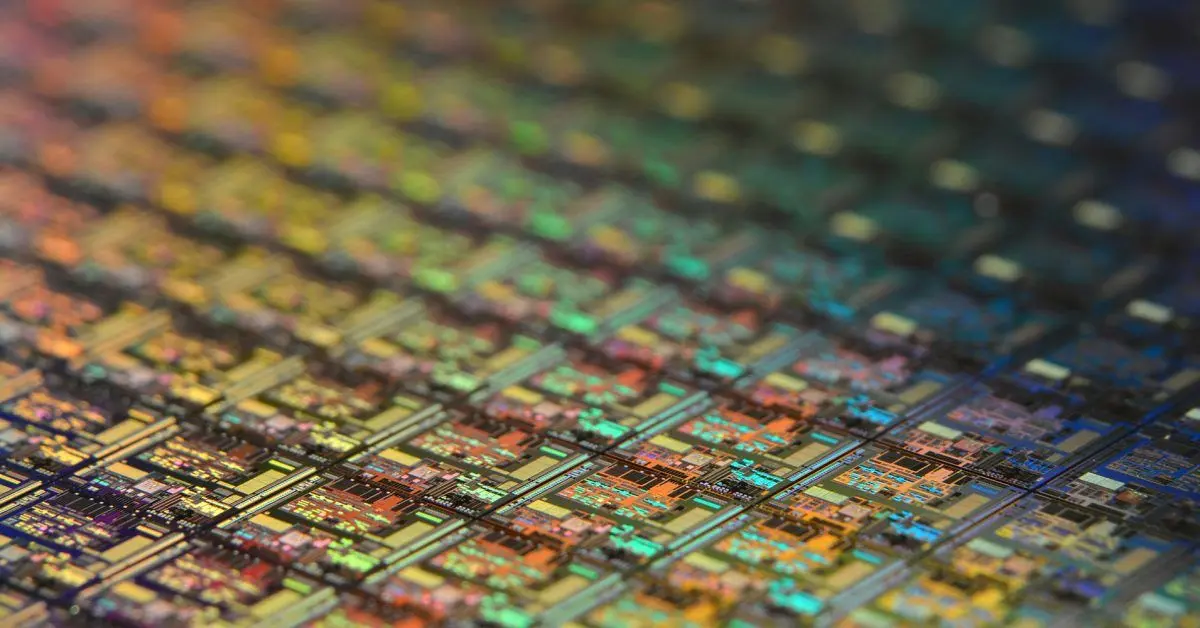
At the center of this supply crisis sits Nitto Boseki, a Tokyo-based textile and fiberglass manufacturer with net income just over $37 million last year, now courted by tech giants worth hundreds of times its value
1
. Nitto Boseki produces the most advanced forms of low-coefficient-of-thermal-expansion (CTE) glass, colloquially known as T-Glass, almost exclusively. This specialized material features strong, rigid fibers that facilitate high-speed data transmission, making it ideal for latest-generation processors and AI data centers1
. Together with fellow Japanese manufacturers Asahi Kasei and Asahi Glass, Nitto Boseki collectively controls over 70% of the glass fiber market and the vast majority of advanced glass cloth production1
.
Source: 9to5Mac
AI Boom Drives Unprecedented Demand from Component Manufacturers
The AI boom has fundamentally altered demand dynamics for this critical material. Apple was among the first companies to adopt glass cloth fiber as part of the substrate for iPhone chips, valuing its dimensional stability, rigidity, and ability to facilitate high-speed data transmission
2
. However, as AI chips drain supply for data centers, companies such as Nvidia, Google, and Amazon have moved aggressively into the same supply pool, placing unprecedented pressure on Nitto Boseki's limited capacity3
. This strains supply chain operations across the industry, adding to existing bottlenecks in memory, GPUs, power, and water needed to build and operate AI infrastructure1
.
Source: MacRumors
Tech Giants Dispatch Executives to Secure Supplies
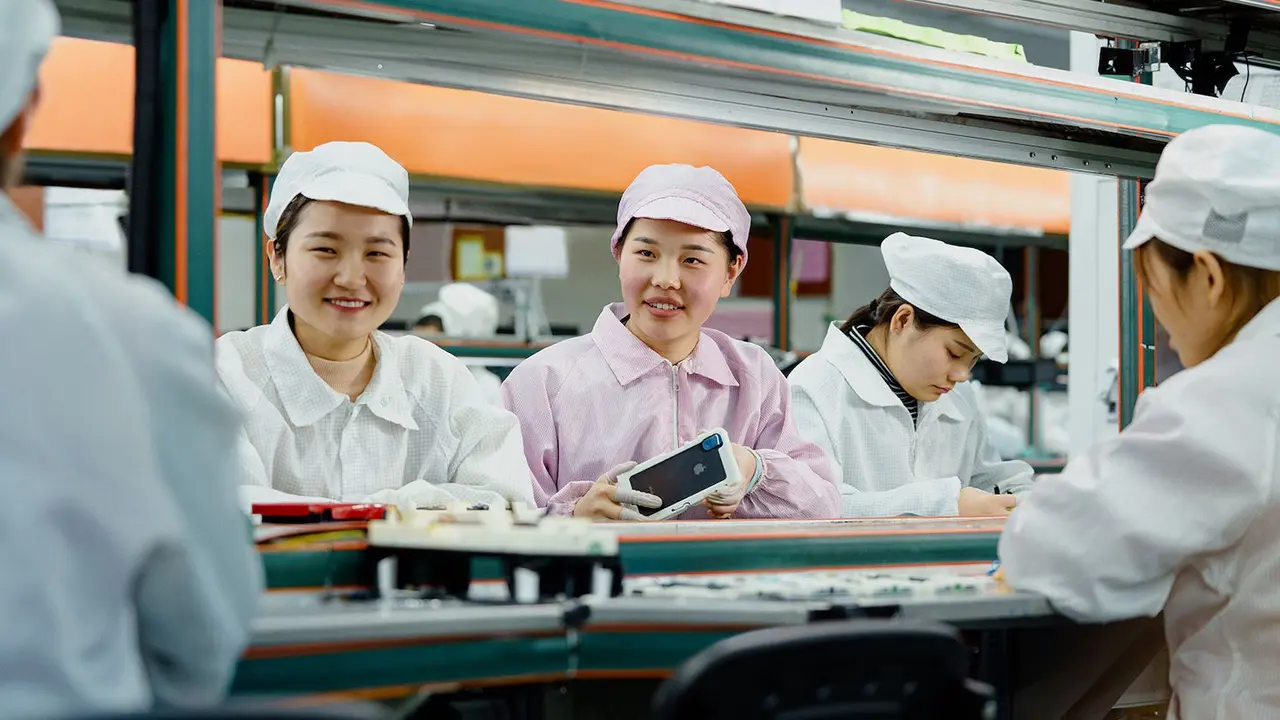
In response to the escalating crisis, major tech companies have taken extraordinary measures. Apple reportedly sent representatives to Japan last autumn, stationing them at Mitsubishi Gas Chemical, which produces substrate materials using Nitto Boseki's glass cloth
2
3
. These meetings included interactions with Japanese government officials to secure a greater share of production1
. Nvidia and AMD have similarly dispatched staff to Nitto Boseki's headquarters to negotiate more favorable deals1
. However, these efforts have proven largely futile. As one source told Nikkei Asia, "No additional capacity is no additional capacity, even if you pressure Nittobo"2
.Related Stories

Alternative Suppliers Face High Technological Barriers
Apple is working to cultivate alternative sources, including engaging with Grace Fabric Technology (GFT), a small Chinese glass fiber maker, and asking Mitsubishi Gas Chemical to help oversee quality improvements
2
3
. Qualcomm has visited alternative Japanese glass cloth developer Unitika, though its production levels remain far below Nitto Boseki's1
. The technological barriers to entry remain extremely high—every glass fiber must be thinner than a human hair, perfectly round, and free of any bubbles2
. Because glass cloth is embedded deep inside chip substrates and cannot be repaired or replaced after assembly, no tech giant is willing to risk mounting high-end chips on substrates that could compromise product quality2
.Relief Not Expected Until 2027 as AI Industry Growth Continues
Nikkei Asia reports that supply issues won't be alleviated until 2027, when Nitto Boseki's strategic partnership with Nan Ya Plastics, a glass cloth manufacturer operating under Taiwan's Formosa Plastics Group, is expected to yield results
1
. By 2027, Nan Ya Plastics claims it will be able to produce around 20% of the specialty fibers currently produced by Nitto Boseki1
. The supply crunch is projected to last until at least the second half of 20272
. This extended timeline matters significantly for companies racing to deploy AI infrastructure and launch next-generation consumer devices, as any constraints on glass cloth availability directly impact their ability to manufacture chips at scale and meet market demand driven by accelerating AI industry growth.References
Summarized by

Navi
Related Stories
AI Boom Triggers Memory Shortage, Pushing PC and Smartphone Prices Up 23% by Fall 2026
29 Jan 2026•Business and Economy

Broadcom sounds alarm as TSMC capacity constraints threaten AI chip supply through 2026
24 Mar 2026•Business and Economy

TSMC's chip capacity booked through 2028 as AI demand opens door for Samsung Electronics
31 Mar 2026•Business and Economy

Recent Highlights
1
Meta unveils Muse Spark AI model as Superintelligence Labs makes its debut
Technology

2
Anthropic restricts Mythos AI model release, citing unprecedented cybersecurity capabilities
Technology

3
Anthropic sends Claude AI to psychiatrist, discovers functional emotions that shape behavior
Science and Research

Recent Highlights
Today's Top Stories






Your Daily Dose of Curated AI News
Don’t drown in AI news. We cut through the noise - filtering, ranking and summarizing the most important AI news, breakthroughs and research daily. Spend less time searching for the latest in AI and get straight to action.

